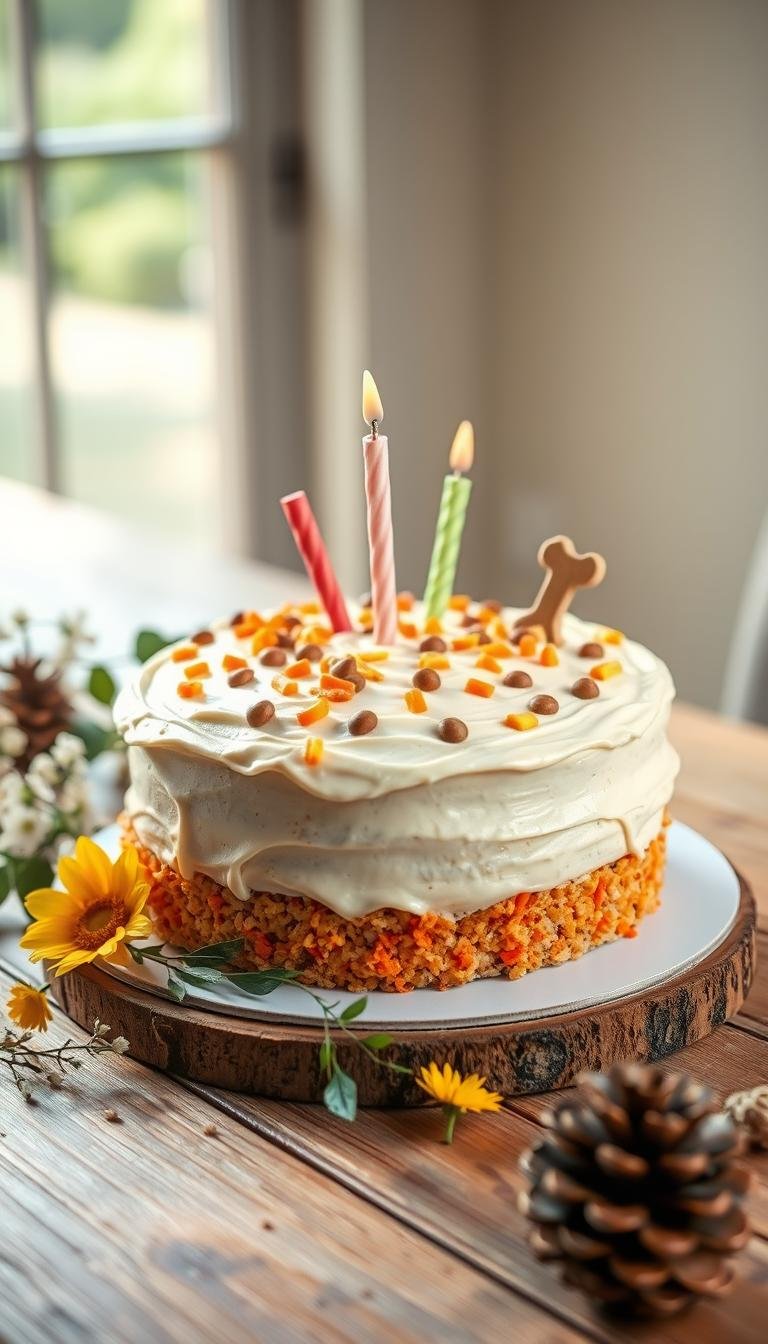
Homemade Dog Birthday Cake: Recipe
Surprising fact: nearly one in four pet owners bake homemade treats to celebrate a special day, and many skip hidden sweeteners that harm pets.
This Website contains affiliate links. That means I may earn a small commission if you purchase through my links, at no extra cost to you.
This guide makes a simple, vet-minded cake you can bake at 350°F in a 6-inch pan (20–22 minutes) or a single-serving ramekin (25–30 minutes).
Choose the full 6-inch version with oat flour, egg, applesauce or pumpkin, melted coconut oil, and shredded carrots, or a tiny four-ingredient ramekin mixing egg, peanut butter, finely chopped apple, and baking powder.
Safety tip: cool the cake completely before frosting with equal parts natural peanut butter and plain nonfat Greek yogurt, and read labels to avoid xylitol (also listed as birch sugar, wood sugar, xylit, or E967).
This short plan shows oven time, pan choices, safe ingredients, and easy steps so you can bake with confidence today.
Key Takeaways
- Bake at 350°F: 6-inch pan 20–22 min, ramekin 25–30 min.
- Two proven paths: oat-flour 6-inch or quick four-ingredient ramekin.
- Cool fully before frosting with natural peanut butter and plain Greek yogurt.
- Always read labels to avoid xylitol and other unsafe sweeteners.
- Simple steps let you scale, store, and serve safely for multiple pets.
Why this dog birthday cake is a safe, easy celebration for your pup
Using everyday, minimally processed ingredients makes this treat both easy to bake and gentle on sensitive stomachs.
The base uses oat flour, unsweetened applesauce or pumpkin puree, an egg, a bit of coconut oil, and shredded carrots. These ingredients create a moist, tender crumb without added sugar or artificial sweeteners.
Frosting is just equal parts natural peanut butter and plain nonfat Greek yogurt. Make sure both products contain no xylitol—also listed as birch sugar, wood sugar, xylit, or E967.
Present-day guidance: simple ingredients and vet-minded safety notes
- Favor minimally processed, dog-friendly ingredients and avoid unnecessary additives.
- Remove apple stems and seeds before mixing; they are household hazards.
- Portion small slices by weight and daily calories; consult your veterinarian if unsure.
- Cool completely before spreading frosting so slices hold shape and stay neat.
| Feature | Why it matters | Quick tip |
|---|---|---|
| Oat flour | Gentle, gluten-free option for many pets | Use fine oat flour for a tender texture |
| Applesauce or pumpkin | Moist, natural binder without added sugar | Use unsweetened varieties; remove seeds |
| Natural peanut butter + yogurt | Simple, creamy frosting with protein | Check labels for xylitol and sweeteners |
| Portioning | Prevents excess calories and upset stomachs | Cut small pieces and monitor your pet |
Dog birthday cake recipe: the quick snapshot
Follow these simple time checks to get a tender, fully cooled cake ready to frost just when you need it.
Prep, bake, and total time minutes at a glance
Prep is fast: plan 5–15 minutes depending on whether you grate carrots or use pre-shredded. Mix, pour, and pop it in the oven quickly.
- Bake: 350 degrees — 20–22 minutes for a 6-inch round pan (at least 2″ deep).
- Small ramekin: 25–30 minutes for a single-serving mini cake.
- Total time: Expect about 30–60 minutes including handling and initial cooling before unmolding.
Pan size, oven temp, and yield
One 6-inch layer yields several petite servings. A ramekin makes a tiny single cake to split into small portions.
Use parchment to line the pan for easy release and check doneness with a toothpick — no wet batter means it’s done. If your kitchen runs cool, add a few extra minutes; ovens vary, so watch for edges pulling from the pan.
Ingredients and dog-safe swaps you can use
This list breaks down pantry-friendly ingredients and safe swaps so you can mix a reliable batter with confidence.
Base essentials
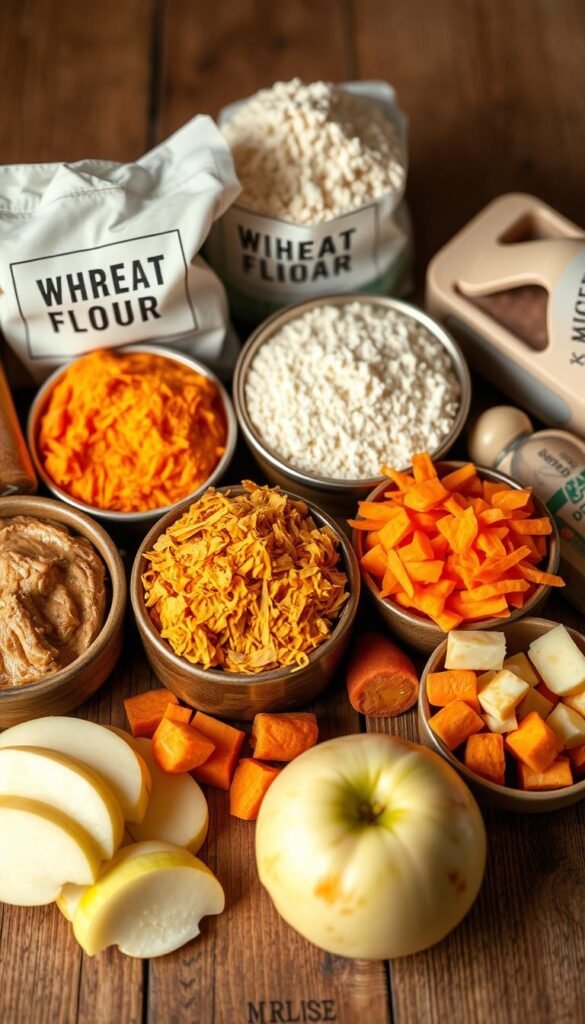
6-inch formula: use 1 cup oat flour, 1 large egg, and 1/2 cup unsweetened applesauce or plain pumpkin puree for moisture. Add 2 ounces melted coconut oil for richness.
For texture, fold in up to 1 cup finely shredded carrots. If the batter feels too thick, stir in up to 1/4 cup water to loosen it just enough to spread.
Add-ins and single-serve swaps
Want a fast single portion? Whisk 1 large egg with 3 tablespoons peanut butter, 1/2 finely chopped apple (remove seeds and stem), and 1/2 teaspoon baking powder. Bake in a ramekin at 350°F for 25–30 minutes.
Optional: a 1/2 teaspoon turmeric can add color and a mild flavor. Use any spice sparingly and only if it’s known to be safe.
Frosting and label warnings
Make frosting from equal parts natural creamy peanut butter and plain nonfat Greek yogurt. Mix until smooth and chill to firm before spreading.
Read every label: avoid xylitol, which can appear as birch sugar, wood sugar, xylit, or E967. Choose peanut butter whose ingredient list shows only peanuts (and maybe salt) and plain yogurt without sweeteners.
- Measure in cups for consistency; weigh if possible.
- You can also use pumpkin puree instead of applesauce for a different flavor and color.
- Introduce any new ingredient slowly and watch your pet for reactions.
Equipment checklist for an easy dog cake bake
Gather a few simple tools and the right pans before you start to keep the bake smooth and stress-free.
Essentials: a 6-inch round pan (at least 2″ deep) or a single ramekin, parchment paper, and a sturdy mixing bowl with a whisk or spatula. Use measuring cups and spoons so the batter sets correctly.
Line the pan with parchment and lightly grease the sides with a dab of coconut oil or a pet-safe nonstick spray to ease release. A cooling rack or plate helps the cake made in the pan cool evenly before frosting.

Useful extras
- Shred carrots with a cheese grater or pulse in a small food processor for fine pieces that bake evenly.
- For decorating, use a piping bag with an open or closed star tip, or a zip-top bag with a snipped corner for simple swirls.
- Have a second matching pan if you plan layered portions, or use a muffin tin with parchment cups for cupcakes.
Quick tips
Choose your bakeware by yield: a 6-inch pan gives several small servings while a ramekin makes a petite single portion. A single bowl and a whisk keep cleanup quick and let you focus on safe ingredients like natural peanut butter or plain yogurt for frosting.
Step-by-step: bake at 350 degrees until a toothpick comes out clean
Follow a clear workflow to get an even, tender cake every time.
Preheat the oven to 350 degrees so the pan is fully hot when the batter goes in. This helps an even rise and consistent baking time.
Mix the wet, fold in the dry, then stir in carrots
Whisk the wet ingredients in a bowl: one egg, applesauce or pumpkin, and melted coconut oil until smooth. Fold in oat flour and optional turmeric to form a thick batter.
Stir shredded carrots into the mixture. If the batter feels too stiff, add a splash of water to reach a spreadable consistency.
Pour into prepared pan and bake
Scrape the batter into a parchment-lined pan and smooth the top. For the 6-inch cake bake 20–22 minutes; for a ramekin version bake 25–30 minutes.
Check doneness by inserting a toothpick in the center. When the toothpick comes clean or with a few moist crumbs, the cake is ready.
Cool completely before frosting
Let the cake rest in the pan for several minutes, then transfer to a rack to cool completely. Cooling keeps the frosting from melting and sliding off the finished treat.
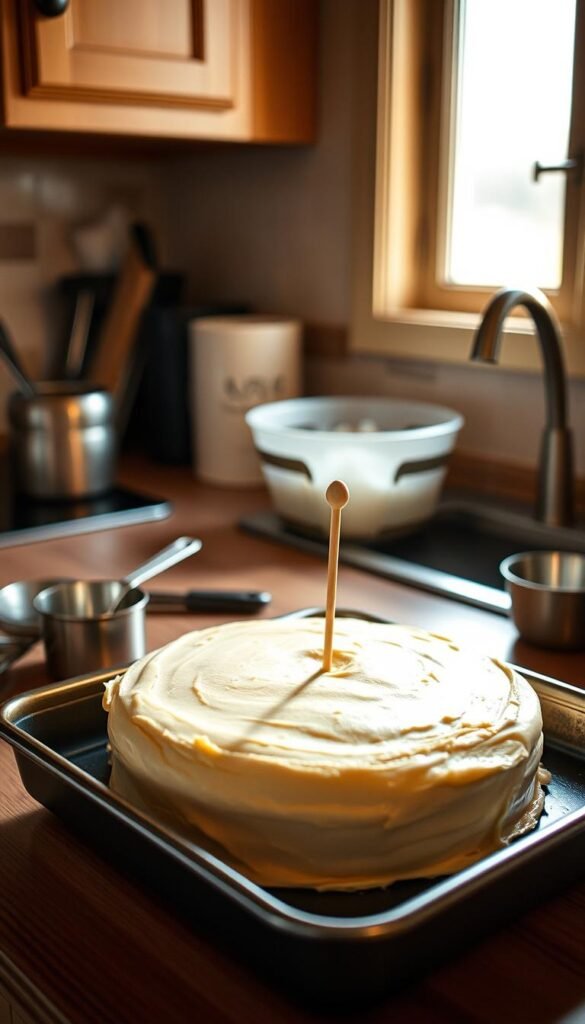
| Step | Timing | Key check |
|---|---|---|
| Preheat and prep | 5 minutes | Pan lined and oven at 350 degrees |
| Mixing batter | 5–10 minutes | Thick, spreadable mixture in one bowl |
| Bake | 20–30 minutes | Toothpick comes clean or few moist crumbs |
| Cooling | 30–60 minutes | Cool completely before frosting |
Creamy dog-safe frosting and fun decoration ideas
A silky, two-ingredient frosting makes finishing simple and keeps treats vet-friendly.
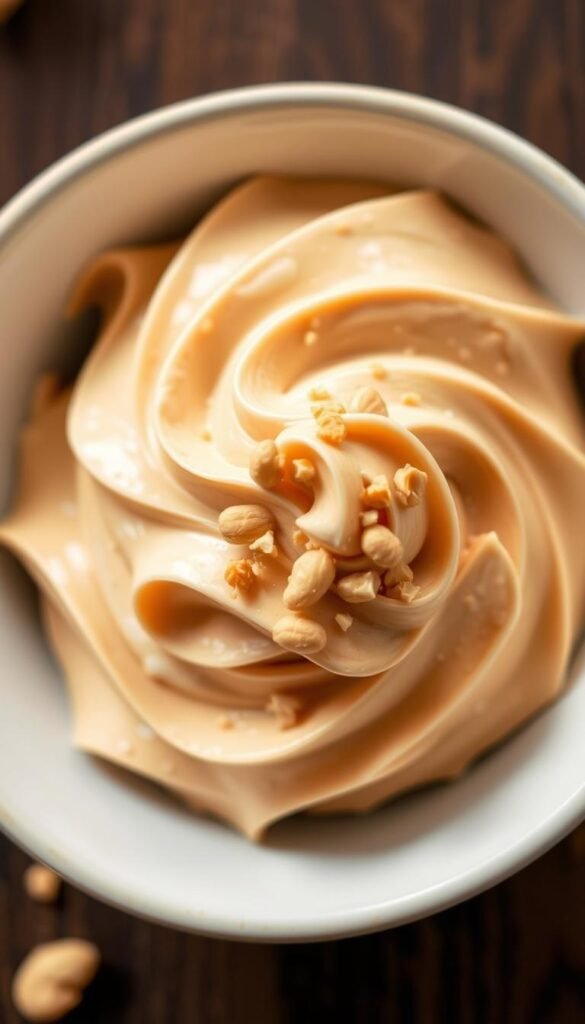
Two-ingredient frosting: stir equal parts natural creamy peanut butter and plain nonfat Greek yogurt until smooth. Chill briefly so the mixture firms for spreading or piping.
Decoration ideas
Spread a thin layer to control calories while keeping a festive look.
- Top with shredded carrots or a few blueberries for color and texture.
- Sliced bananas or strawberry pieces make a bright, dog-friendly garnish.
- Green beans, small dog treats, or a few kibble pieces add crunch—use sparingly.
- For color, mix a spoonful of pumpkin puree into a small portion of frosting.
Piping and finishing touches
Transfer some frosting to a piping bag with a star tip to make simple swirls or a tidy border.
If you prefer rustic, use the back of a spoon to create soft waves. Store the frosted treat in the refrigerator so the yogurt stays safe and sets between servings.
- Tip: avoid any sweetened spreads that may contain xylitol or other unsafe substitutes.
- Keep decorations light so each serving stays appropriate for your pet’s size and daily calories.
Storage, serving size, and make-ahead tips
Store smart and serve small so the treat stays fresh and your pet stays healthy.
Refrigerate up to 7 days: After the cake has cooled completely, place it in an airtight container and keep it in the refrigerator. This preserves the yogurt-based frosting and maintains texture for up to 7 days.
Freeze for longer: Wrap the cooled cake tightly and freeze for up to 1 month. Thaw in the refrigerator before serving and re-frost if you prefer a neat finish.
Portioning and serving
Slice tiny pieces and tailor portions to your dog’s size and daily calorie needs. Share just a bite or two for small breeds; larger dogs can take slightly bigger pieces. Consult your veterinarian if you’re unsure about serving size.
Keep frosted slices chilled between servings to protect the yogurt topping and stay mindful that this is a treat, not a meal replacement.
Make-ahead and scaling tips
Double the batch to bake two 6-inch layers or triple it for a two-tier setup (for example, an 8-inch base with a 6-inch top). Bake at 350°F and monitor extra minutes for thicker layers.
For parties, use a standard muffin pan to make cupcakes for grab-and-go portions; smaller cakes will bake in fewer minutes, so check early.
| Action | Storage & timing | Best practice |
|---|---|---|
| Short-term | Refrigerator — up to 7 days | Cool completely, airtight container, keep chilled between servings |
| Long-term | Freezer — up to 1 month | Wrap well, thaw in refrigerator, frost after thawing if desired |
| Portioning | Small slices by weight | Adjust to dogs’ size and calories; consult vet when unsure |
| Scaling | Double/triple batches | Maintain ingredient ratios; watch bake minutes for thicker layers |
Conclusion
Make a strong, final note: bake at 350°F for 20–22 minutes in a 6-inch pan or 25–30 minutes in a ramekin, then cool fully before frosting.
Use equal parts natural peanut butter and plain nonfat Greek yogurt for a creamy topping. Read labels carefully to avoid xylitol (listed as birch sugar, wood sugar, xylit, or E967).
Portion small slices based on size and daily calories. Store leftovers covered in the refrigerator up to 7 days or freeze for up to 1 month, then thaw in the fridge and refresh the frosting if desired.
Double or triple the batch for larger gatherings, or switch to cupcakes for easy sharing. With simple ingredients and clear timing, you can bake a safe, festive dog birthday cake with confidence.
FAQ
Is this homemade dog birthday cake safe for all pups?
Yes—when you use vet-approved ingredients like oat flour, unsweetened applesauce or pumpkin puree, eggs, and natural peanut butter without xylitol. Always check labels for hidden sweeteners (xylitol can appear as “birch sugar,” “wood sugar,” “xylit,” or E967). If your pet has allergies or health issues, consult your veterinarian before serving.
How long does the whole process take from prep to serving?
Prep usually takes 10–15 minutes, baking is about 20–30 minutes depending on pan size, and cooling can take 30–60 minutes. Total active time is short; plan for at least an hour so the cake cools completely before adding frosting.
What pan size and oven temperature should I use?
A 6-inch round cake pan or a large ramekin works well. Preheat the oven to 350 degrees Fahrenheit. Bake a 6-inch for about 20–22 minutes; a ramekin may take 25–30 minutes. A toothpick inserted in the center should come out clean.
Can I swap ingredients if I don’t have oat flour?
Yes. You can grind rolled oats into a fine flour in a food processor, or use whole wheat flour sparingly if your pet tolerates it. Avoid added sugar, salt, and any artificial sweeteners. Keep the batter thick—add a splash of water only if needed to reach the right texture.
Is natural peanut butter safe and how do I pick one?
Natural peanut butter without added sugar, salt, or xylitol is safe in moderation. Choose brands that list only peanuts (and maybe salt). Stir it well if oil separates, and avoid any product with xylitol or other sweeteners on the label.
How do I make a dog-safe frosting that holds up?
Mix natural peanut butter with plain nonfat Greek yogurt for a simple, two-ingredient frosting. Chill the cake first so the topping sets. For piping or decorative swirls, refrigerate the frosting briefly to firm it up before use.
What decorations are safe and fun?
Use shredded carrots, blueberries, banana slices, strawberries, or green beans for colorful, healthy accents. Small commercial dog treats or homemade training bites also work for toppers. Avoid chocolate, raisins, grapes, macadamia nuts, and anything sweetened with xylitol.
How should I store leftovers and how long will they last?
Store the frosted cake in the refrigerator for up to 7 days. For longer storage, freeze portions for up to 1 month and thaw in the fridge before serving. Keep servings small and consult your vet about calorie limits for your pet.
Can I prepare the batter or frosting ahead of time?
Yes. You can mix batter and keep it chilled for a short time, though baking fresh gives the best texture. Frosting can be made a day ahead and refrigerated; bring it to a pipeable consistency by stirring gently before decorating.
My pup has allergies—what substitutions should I consider?
For grain sensitivities, use a single-ingredient flour like ground oats or a vetted gluten-free blend. If peanuts are an issue, swap natural peanut butter for canned plain pumpkin puree or mashed banana in both batter and frosting. Always introduce new foods gradually and check with your veterinarian.
How much should I feed at the celebration?
Serve very small pieces based on your dog’s size and daily calorie needs. For small breeds, a few bites; for medium to large breeds, slightly larger pieces. Treat the cake as an occasional indulgence and adjust regular meals to keep total calories balanced.
Are there easy ways to scale this into layers or cupcakes?
Yes. Double or triple the batter for layered cakes or pour into a muffin tin for cupcakes. Adjust baking time: cupcakes typically bake 12–18 minutes at 350 degrees. Cool completely before frosting to prevent melting.
What tools make decorating simpler?
A piping bag and basic tip help create neat borders and swirls. Use a small offset spatula, parchment-lined pan for easier removal, and a cheese grater or food processor to shred carrots. These tools speed up cleanup and give a polished look.
What should I watch for while baking to know it’s done?
The surface should be lightly golden and spring back when touched. Insert a toothpick into the center—if it comes out clean, the bake is complete. Avoid overbaking so the cake stays moist for easier slicing and serving.