The Art of Bento Cake Design: Creating Miniature Edible Masterpieces
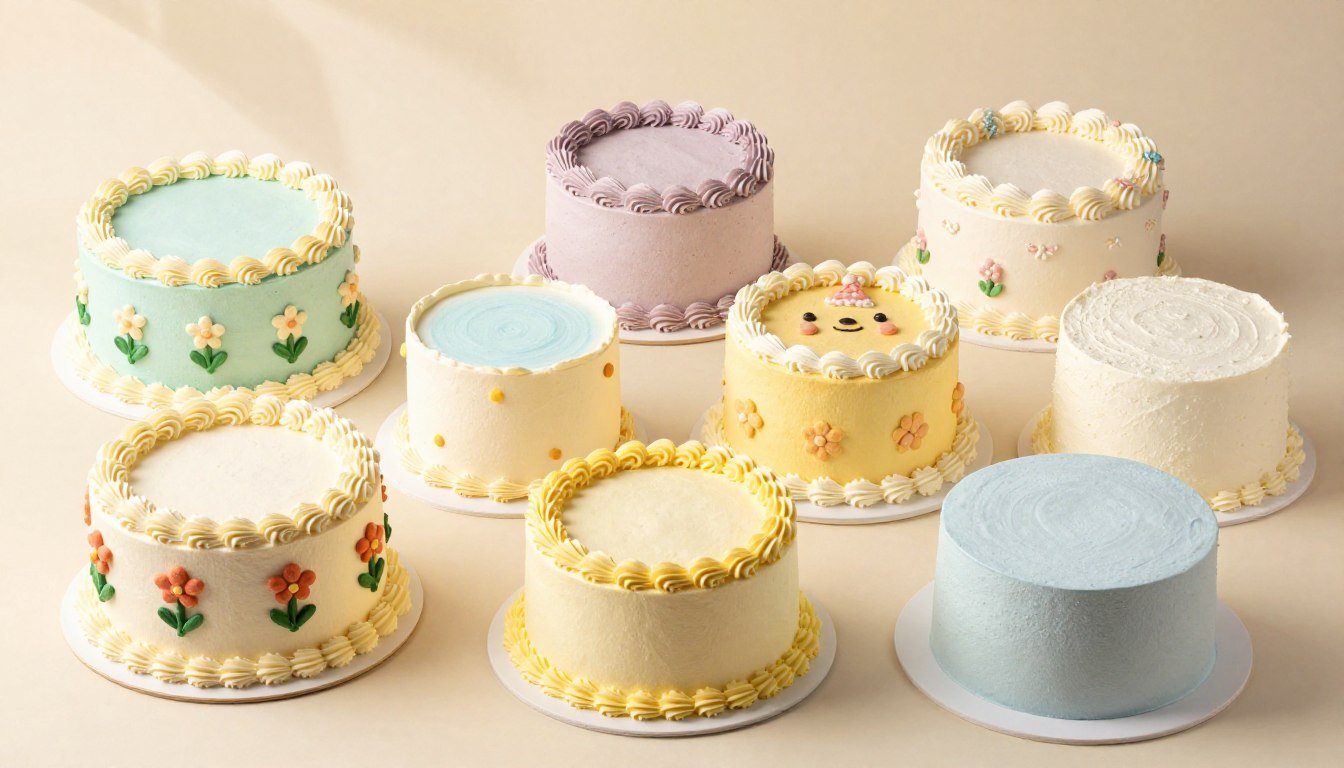
Bento cakes have taken the baking world by storm, offering a perfect blend of artistry and portion control in a delightful package. These miniature confections, typically 4-6 inches in diameter, originated from the concept of Japanese bento boxes – compact, visually appealing meals designed for individual servings. Today, bento cakes have evolved into personalized celebrations of creativity, allowing bakers to craft detailed designs on a smaller canvas while reducing waste and offering perfect individual portions for special moments.
This Website contains affiliate links. That means I may earn a small commission if you purchase through my links, at no extra cost to you.
What Are Bento Cakes? The Mini Trend Taking Over Celebrations
Bento cakes, also known as lunchbox cakes, are miniature layered cakes typically measuring 4-6 inches in diameter. These small-scale treats originated in Asia, particularly Korea, where they gained popularity for their perfect single-serving size and intricate decorations. Unlike traditional cakes that often serve large groups, bento cakes offer a personalized dessert experience that minimizes waste while maximizing visual impact.
What makes bento cakes special is their versatility. They can be customized for virtually any occasion – from birthdays and anniversaries to congratulatory messages or simply as a thoughtful “thinking of you” gesture. Their compact size makes them ideal for intimate celebrations, gift-giving, or treating yourself to something special without the commitment of a full-sized cake.
The beauty of bento cakes lies in their detailed designs condensed onto a smaller canvas. Despite their diminutive size, these mini masterpieces can showcase elaborate decorations, from delicate buttercream flowers to character designs, watercolor effects, and personalized messages – all scaled down to perfection.
Bento Cake Design Inspiration: Styles That Captivate
Minimalist Designs
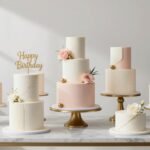
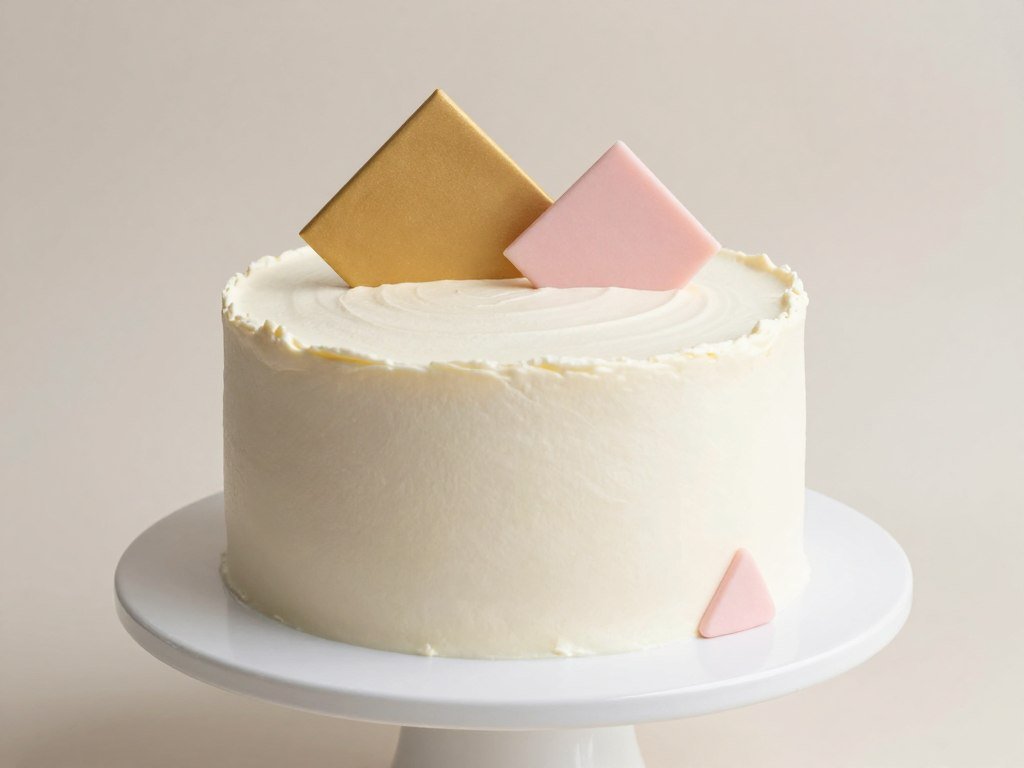
Embracing the “less is more” philosophy, minimalist bento cakes feature clean lines, monochromatic color schemes, and simple geometric patterns. These designs often incorporate negative space with subtle details like a single flower, delicate text, or abstract shapes. The beauty lies in their refined simplicity, making them perfect for modern celebrations or sophisticated gatherings.
Floral Wonderland
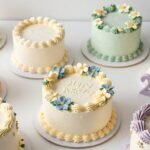
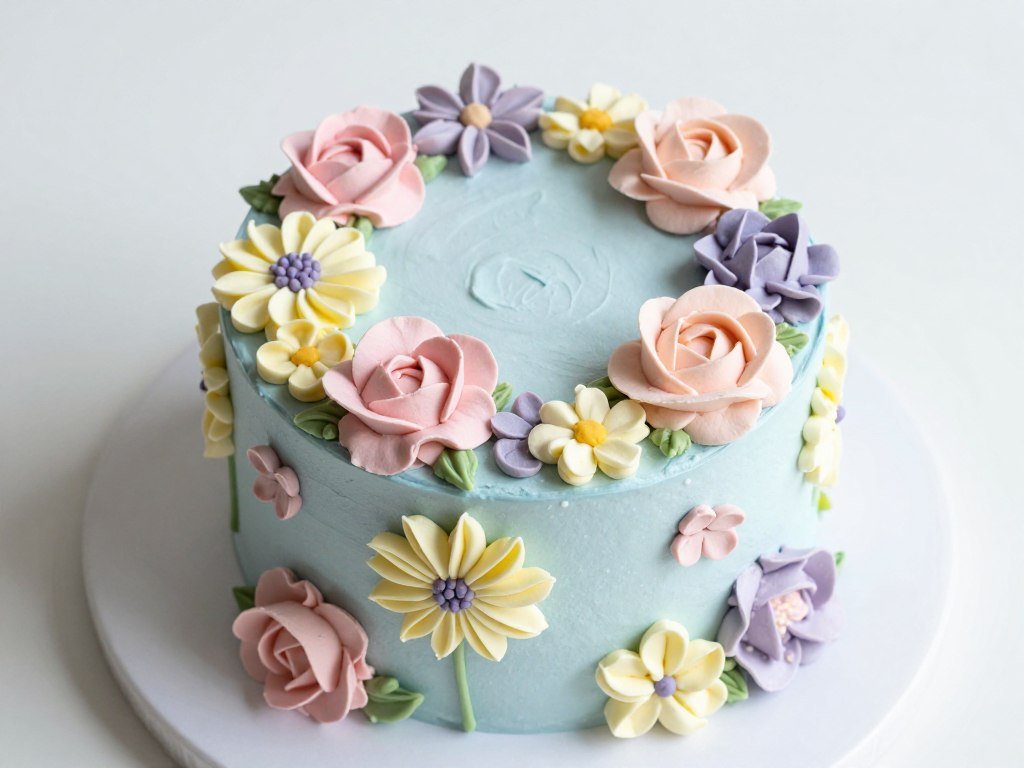
Floral designs remain perennially popular for bento cakes. From delicate buttercream roses and daisies to Korean-style palette knife flowers, these botanical creations bring natural beauty to your dessert. Techniques range from piped buttercream petals to painted fondant flowers, often arranged in wreaths, bouquets, or cascading patterns that transform the cake into a miniature garden.
Character Creations
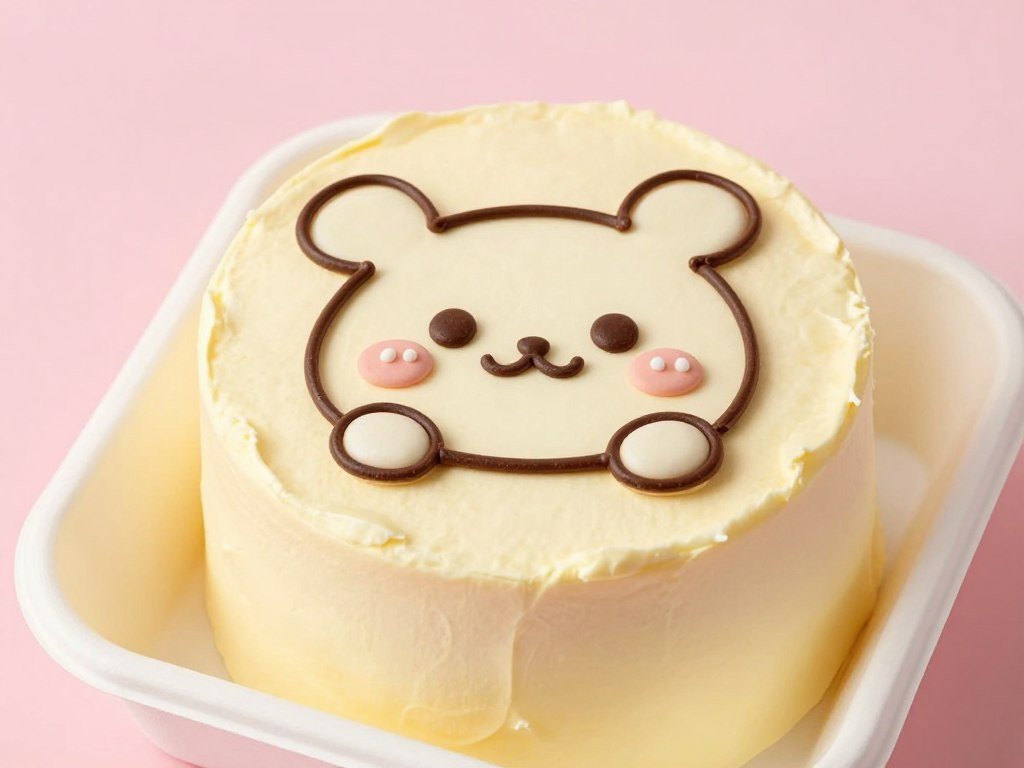
Character-themed bento cakes bring playfulness to celebrations. Whether recreating beloved cartoon characters, animals, or custom creations, these designs add personality and whimsy. Using techniques like buttercream transfers, fondant modeling, or piped outlines, bakers can create recognizable faces and figures that delight recipients of all ages.
Abstract Artistry
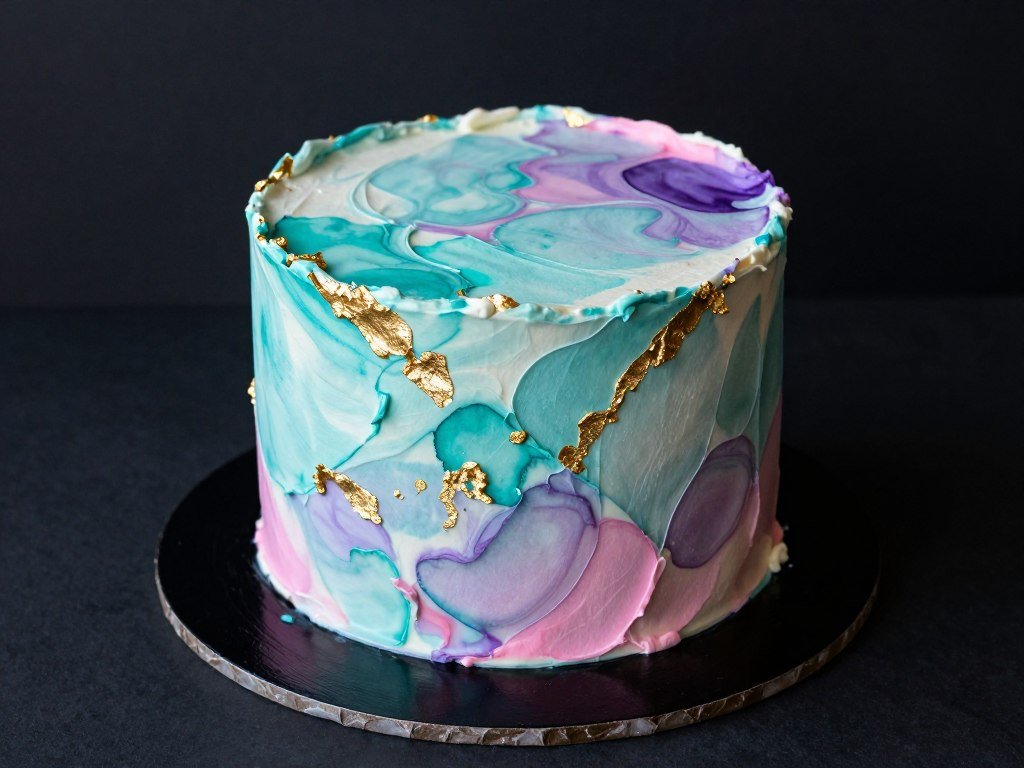
For the artistically inclined, abstract bento cakes offer unlimited creative freedom. These designs feature watercolor effects, marbled patterns, textured surfaces, and asymmetrical elements. Often incorporating metallic accents like gold leaf or edible paint, abstract designs transform cakes into edible modern art pieces that make striking statements.
Seasonal Celebrations
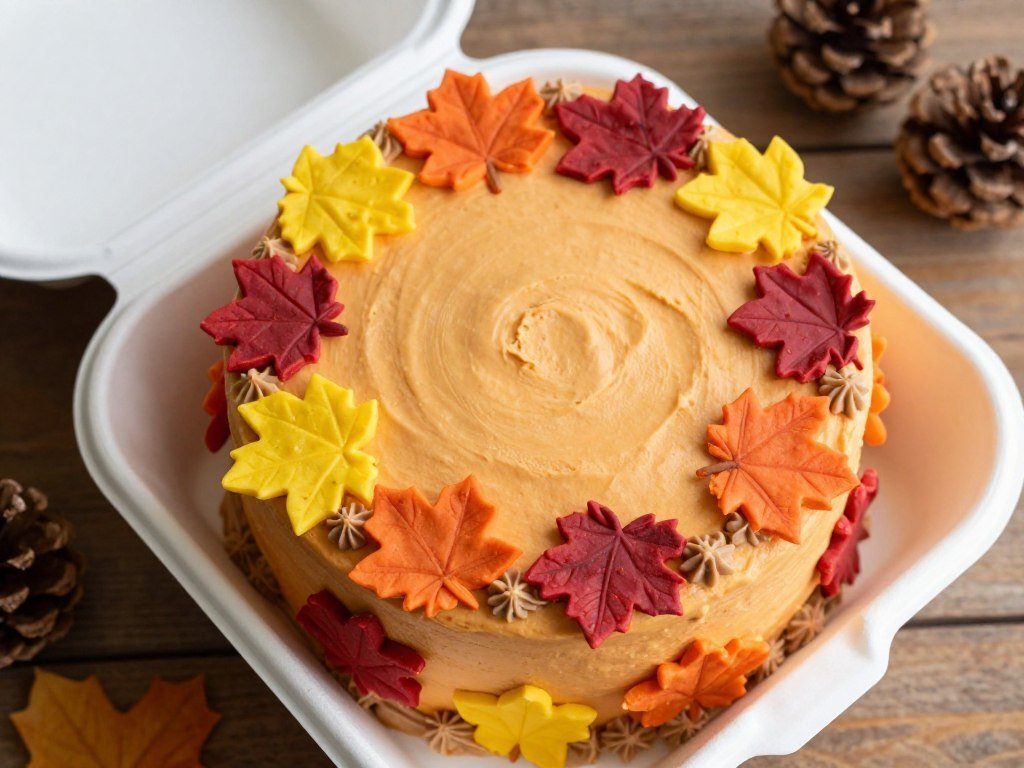
Seasonal bento cakes capture the essence of different times of year through color palettes and motifs. Spring designs might feature pastel colors and cherry blossoms, while autumn cakes incorporate warm tones and leaf patterns. Winter designs often showcase snowflakes or holiday themes, and summer cakes burst with bright colors and tropical elements.
Essential Tools for Bento Cake Design
Baking Foundations
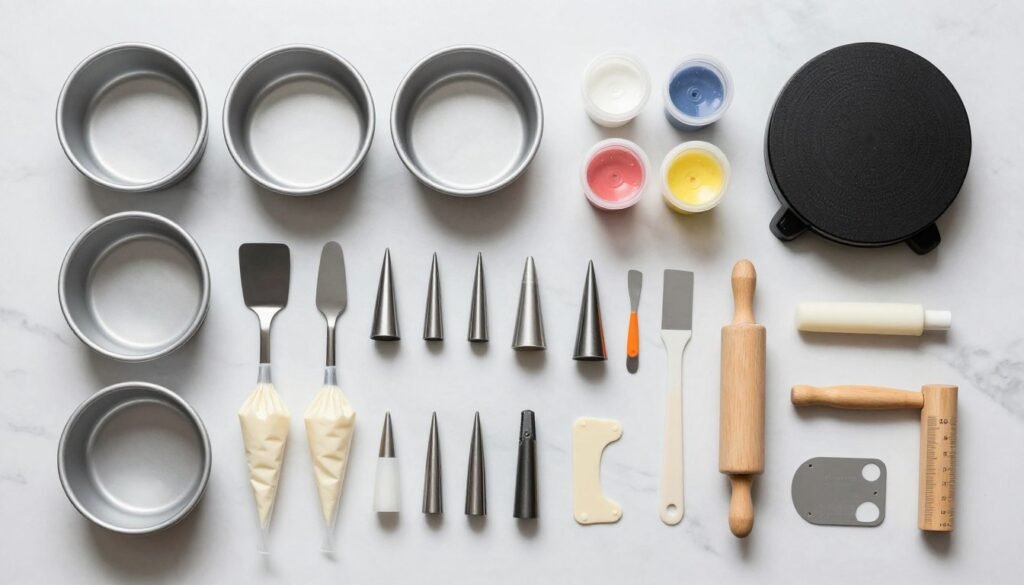
Creating the perfect bento cake begins with the right baking equipment. A 4-inch round cake pan is the standard size for bento cakes, though you might also want to explore mini cake pan sets in various shapes. For precise measuring, invest in a digital kitchen scale to ensure your ingredients are perfectly proportioned for these smaller cakes.
Frosting and Finishing
The smooth finish characteristic of professional bento cakes requires specific tools. A mini cake turntable provides the perfect rotating surface for applying frosting. Pair this with a small offset spatula and bench scraper for achieving those perfectly smooth sides and sharp edges.
Decoration Essentials
The magic of bento cake design happens with decoration tools. A set of piping tips (particularly small sizes for detailed work) along with piping bags are essential for creating everything from flowers to borders. For color, gel food coloring provides vibrant hues without thinning your frosting.
Detail Work
For intricate designs, consider tools like food-safe paint brushes for hand-painted details, fondant tools for sculpting elements, and palette knives for creating textured effects. A set of cake stencils can also help achieve professional-looking patterns with minimal effort.
The Bento Cake Design Process: From Concept to Creation
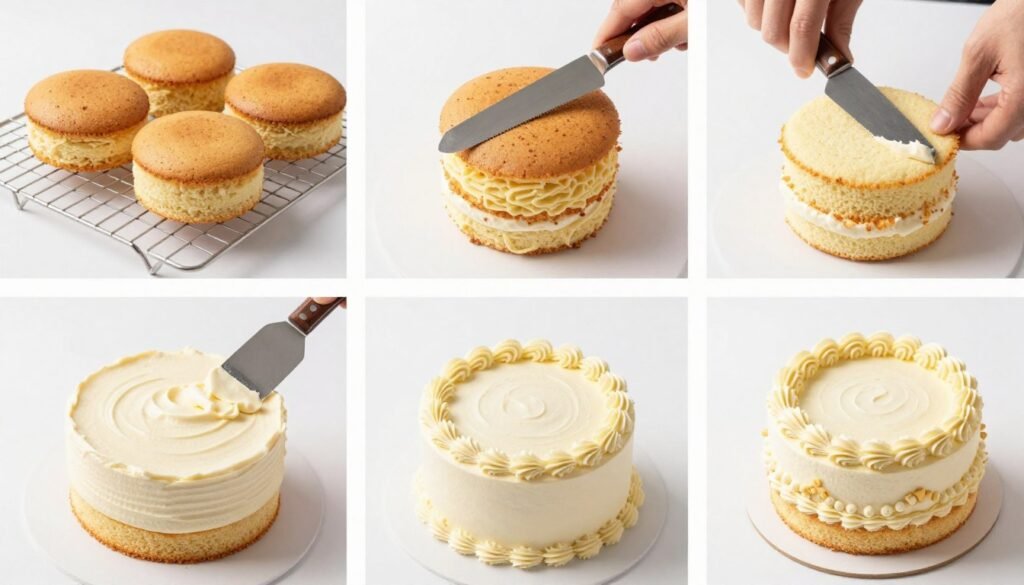
Planning Your Design
Before diving into baking, sketch your design concept or create a mood board. Consider the occasion, recipient’s preferences, and color scheme. For beginners, start with simpler designs and gradually tackle more complex ones as your skills develop. Remember that bento cakes offer a smaller canvas, so scale your design elements accordingly.
Baking Perfect Mini Layers
The foundation of any great bento cake is properly baked layers. Standard bento cakes typically feature 2-3 layers of cake. For even baking, fill your pans only halfway and use cake strips to prevent doming. Once baked, allow cakes to cool completely before leveling the tops with a serrated knife for perfectly flat layers.
Crumb Coating and Frosting
Apply a thin crumb coat of frosting to seal in any loose crumbs, then chill the cake for about 20 minutes. For the final coat, add a generous layer of frosting and smooth the sides using a bench scraper while rotating the turntable. For sharp edges, chill again before final smoothing. The small size of bento cakes makes achieving smooth sides easier than with larger cakes.
Executing Your Design
With your base frosting set, it’s time to bring your design to life. For piped designs, practice on parchment paper first. When applying details, work from the back to the front of your design. For character cakes, consider using a buttercream transfer technique where you pipe the design in reverse on parchment, freeze it, then transfer it to the cake.
Pro Tips for Stunning Bento Cake Designs
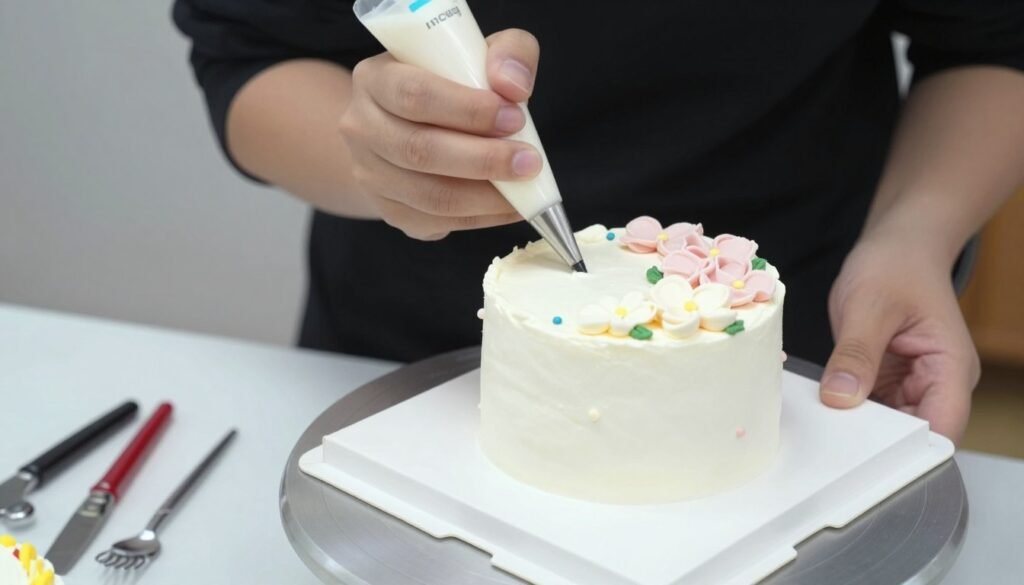
Temperature Control
Working with the right frosting consistency is crucial for bento cakes. Keep your kitchen cool and your frosting at the perfect temperature – not too soft that it slumps, not too firm that it tears. If your frosting becomes too soft while working, briefly chill both the cake and your tools.
Scale Down Proportionally
When adapting designs from larger cakes, remember to scale down all elements proportionally. Piping tips that work for standard cakes may be too large for bento cakes – opt for smaller tips (#1, #2, or #3 round tips for details) and reduce the size of decorative elements accordingly.
Color Strategy
With limited space, color choices become even more important. Consider using a color wheel to select complementary or analogous color schemes. Start with a lighter base color and add small pops of contrasting colors for visual interest without overwhelming the small canvas.
Texture Techniques
Texture adds dimension to bento cakes without requiring intricate piping skills. Try techniques like combing for linear patterns, dabbing with a sponge for a textured finish, or using textured mats for embossed effects. These approaches can create impressive results even for beginners.
Troubleshooting Common Issues
If your frosting develops air bubbles, gently tap the sides of the cake with a bench scraper while rotating on the turntable. For bulging layers, ensure your filling isn’t too soft and that you’ve created a frosting dam around each layer. If decorations slide down the sides, chill the cake more frequently between steps.
Photography-Worthy Finishing
For Pinterest-worthy bento cakes, pay attention to the final details. Clean up any smudges around the base with a small paintbrush. Consider adding a simple border to hide imperfections where the cake meets the board. Photograph your creation against a clean, complementary background in natural light.
Presentation: Packaging Your Bento Cake Masterpiece
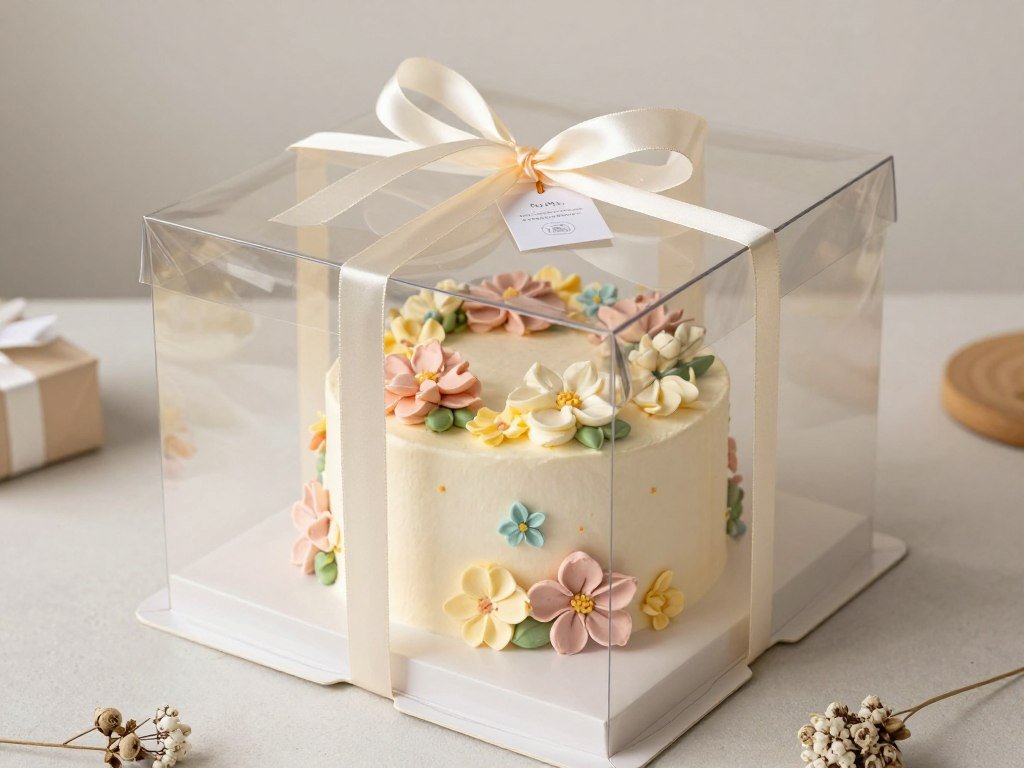
The presentation of your bento cake is the final touch that elevates the entire experience. Since these cakes are often given as gifts, thoughtful packaging enhances their appeal and protects your creation during transport.
Selecting the Perfect Box
The right container makes all the difference in bento cake presentation. Clear cake boxes showcase your design while protecting it. Look for boxes specifically sized for 4-6 inch cakes with enough height to accommodate your decorations. For an eco-friendly option, consider biodegradable cake boxes made from sustainable materials.
Cake Boards and Supports
Place your bento cake on a mini cake board that extends about half an inch beyond the cake’s diameter. This provides a stable base and makes handling easier. For taller or heavier designs, consider adding a hidden support structure inside the cake to prevent shifting during transport.
Personalized Touches
Elevate your presentation with thoughtful details like decorative ribbon tied around the box, custom gift tags with handwritten messages, or even a small mini cake server included as a practical gift. These finishing touches transform your bento cake from a simple dessert into a memorable gifting experience.
Embracing the Art of Bento Cake Design
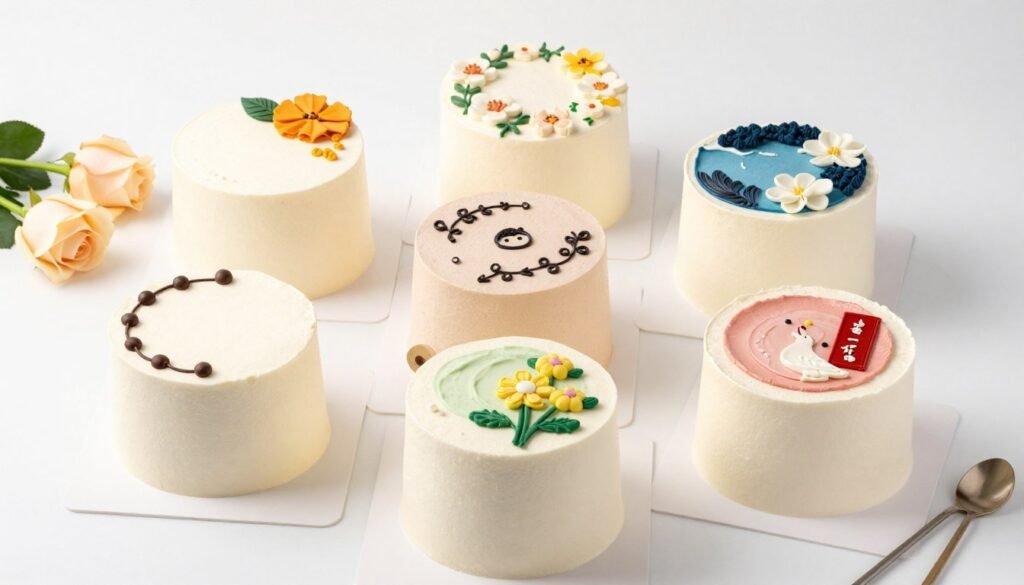
Bento cake design offers a perfect blend of creativity, personalization, and practicality. These miniature masterpieces allow you to express your artistic vision while creating something truly special for celebrations big and small. The beauty of bento cakes lies not just in their appearance, but in the thoughtfulness behind them – a custom-designed treat sized perfectly for intimate moments.
As you embark on your bento cake journey, remember that like any art form, it takes practice to perfect. Start with simpler designs and gradually challenge yourself with more complex techniques. Document your creations to track your progress and inspire others in the bento cake community. Whether you’re creating these mini delights for loved ones or as a creative outlet for yourself, the joy of bento cake design comes from the process as much as the finished product.
With the right tools, techniques, and a dash of creativity, you can transform simple ingredients into memorable edible art that brings smiles to faces and sweetness to celebrations. Happy baking and decorating!
How long do bento cakes stay fresh?
Bento cakes typically stay fresh for 2-3 days when stored properly in the refrigerator. For best results, keep them in an airtight container and bring to room temperature about 30 minutes before serving to enhance the flavor and texture.
Can I make bento cakes in advance?
Yes, you can prepare bento cakes 1-2 days in advance. Consider baking the layers and preparing the frosting ahead of time, then assembling and decorating closer to when you’ll present the cake for the freshest result.
What’s the best way to transport bento cakes?
Transport bento cakes in a sturdy box sized appropriately for your cake. Place the cake (on its board) in the refrigerator for 1-2 hours before transport to firm up the frosting. Use non-slip mats beneath the cake board and drive carefully to avoid sudden movements.