Anti-Inflammatory Recipes: Reduce Inflammation Naturally
Here is a fact that may surprise you: a landmark review from the National Institutes of Health links diet habits to shifts in key inflammatory markers like C-reactive protein, interleukin-6, and TNF-α—and the changes can show up in weeks, not years. That means your fork can help reduce inflammation naturally, starting with the very next meal.
This Website contains affiliate links. That means I may earn a small commission if you purchase through my links, at no extra cost to you.
This guide turns science into everyday action for United States healthy eating. You will get anti-inflammatory recipes and a clear anti-inflammatory meal plan built for busy kitchens. We draw on research from the NIH, the Harvard T.H. Chan School of Public Health, and the Arthritis Foundation to shape healing meals that are colorful, simple, and satisfying.
Expect practical tips you can use today. We focus on whole foods like berries, leafy greens, whole grains, extra-virgin olive oil, and omega-3 seafood. You will also learn which ingredients to limit so an anti-inflammatory diet works with your life and your budget.
From weeknight bowls to make-ahead lunches, each recipe aims to calm the gut, steady energy, and support long-term health. Whether you are starting fresh or refining your routine, this article gives you the tools to cook with purpose—and taste.
Key Takeaways
- Small, daily food choices can shift inflammatory biomarkers in a matter of weeks.
- An anti-inflammatory diet centers fruits, vegetables, whole grains, nuts, fatty fish, and extra-virgin olive oil.
- Healing meals emphasize omega-3s, fiber, and colorful produce while limiting refined carbs and processed meats.
- This anti-inflammatory meal plan is tailored to United States healthy eating with accessible grocery swaps.
- Smart cooking methods—like gentle heat and minimal processing—help preserve nutrients.
- Spices such as turmeric and ginger can complement your plan by supporting natural pathways that reduce inflammation naturally.
What Inflammation Is and Why Diet Matters
Inflammation is your body’s defense system at work. It helps heal cuts and fight germs. Food can nudge that system toward balance or push it off course. Choices you make at each meal influence inflammatory markers like CRP, IL-6, and TNF-alpha, which signal how active that response is.
Diet matters because it shapes your microbiome, blood sugar swings, and the fats that become cell messengers. A pattern like the Mediterranean diet tends to calm these pathways, while the standard American diet (SAD) can stir them up.
Acute vs. chronic inflammation explained
Acute inflammation is fast and short-term. You see redness, warmth, and swelling after a sprain or a sore throat. It fades as you heal.
Chronic inflammation is slow and smolders for months or years. It may not be obvious, but inflammatory markers such as CRP, IL-6, and TNF-alpha can stay elevated. This low-grade state is linked with insulin resistance and joint wear, and it tends to worsen with poor sleep, stress, and a heavy processed-food load.
How food choices impact inflammatory pathways
The standard American diet (SAD) is rich in refined carbs, added sugars, and industrial fats. These can spike blood sugar, disturb the gut, and drive overactive signals that raise CRP, IL-6, and TNF-alpha.
The Mediterranean diet emphasizes extra-virgin olive oil, vegetables, beans, whole grains, nuts, and fish. Omega-3 fats help form compounds that resolve swelling, and polyphenols in colorful plants ease NF-κB activity, which can lower key cytokines. Over time, these meals support steadier glucose and calmer immune tone.
Signs your body may benefit from anti-inflammatory meals
- Frequent bloating, reflux, or bathroom changes
- Morning joint stiffness or muscle aches after light activity
- Skin flare-ups like acne or eczema
- Lab work showing higher CRP or other inflammatory markers
- Energy crashes after sugary snacks or drinks
- Waist gain, high triglycerides, or rising blood pressure
If several of these ring true, shifting from a standard American diet (SAD) toward a Mediterranean diet pattern may help bring CRP, IL-6, and TNF-alpha closer to a healthy range and ease chronic inflammation while still supporting recovery from acute inflammation.
Core Anti-Inflammatory Foods to Stock Your Kitchen
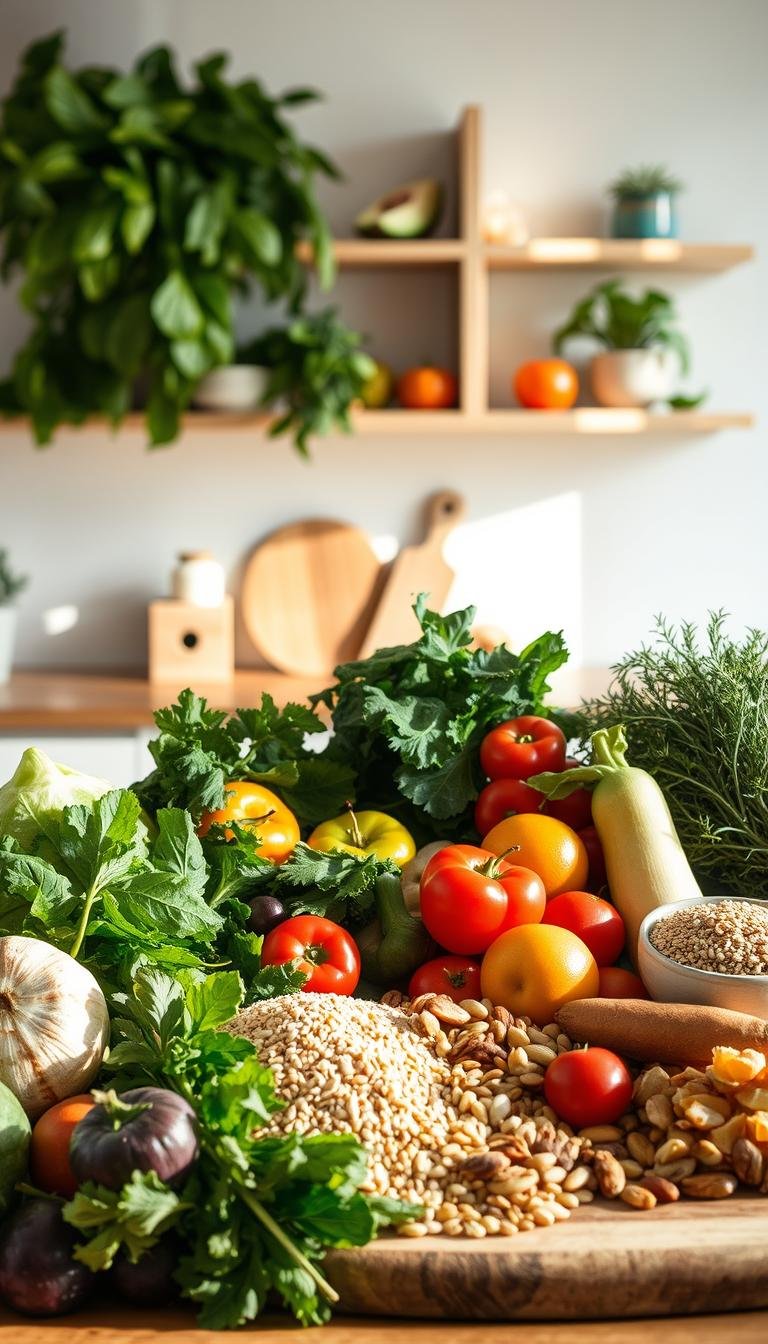
Build your cart around color, texture, and staying power. Aim for produce packed with polyphenols, healthy fats from extra-virgin olive oil (EVOO), and proteins rich in omega-3 fatty acids. Round it out with whole grains and legumes to create reliable pantry staples you can use any night of the week.
Colorful produce rich in antioxidants and polyphenols
Choose blueberries, strawberries, kale, spinach, broccoli, Brussels sprouts, and ripe tomatoes. Their vitamin C, carotenoids, sulforaphane, and lycopene team up with polyphenols to counter daily wear and tear.
Deep red and purple fruits offer anthocyanins that support a calm immune response. Keep a bowl of mixed berries on hand, and add leafy greens to soups, eggs, and grain bowls for quick wins.
Healthy fats: extra-virgin olive oil, avocado, nuts, and seeds
Use extra-virgin olive oil (EVOO) for dressings and low-to-medium heat cooking. Its phenols, including hydroxytyrosol and oleocanthal, bring flavor and balance. Avocado adds creamy texture while supporting fullness.
Walnuts, almonds, chia, flax, and pumpkin seeds supply fiber, magnesium, and steady energy. These pantry staples pair well with roasted vegetables and fruit for simple snacks.
Lean proteins and omega-3 sources
Prioritize salmon, sardines, and mackerel for EPA and DHA, the key omega-3 fatty acids linked to healthy inflammatory signals. Rotate in eggs, chicken breast, and turkey for versatile meals.
Plant options—lentils, chickpeas, tofu, and tempeh—help trim saturated fat while keeping blood sugar steady. Mix seafood with beans or tofu in bowls to boost texture and satiety.
Whole grains and legumes that are gentle on the gut
Stock oats, quinoa, brown rice, and buckwheat for beta-glucans and resistant starch. These whole grains pair well with vegetables and fish, and they reheat well for fast lunches.
For legumes, soak and rinse before cooking. Choose red or French green lentils, and try pressure-cooking to improve tolerance. Sprouted options can enhance mineral uptake and keep meals light.
| Food | Key Compounds | Anti-Inflammatory Edge | Easy Use |
|---|---|---|---|
| Blueberries | Anthocyanins, polyphenols, vitamin C | Supports oxidative balance | Top oats or yogurt |
| Kale & Spinach | Carotenoids, folate, magnesium | Feeds cellular defense | Blend into smoothies or sautés |
| Broccoli & Brussels Sprouts | Sulforaphane, fiber | Activates detox pathways | Roast with EVOO and lemon |
| Tomatoes | Lycopene, vitamin C | Helps calm oxidative stress | Simmer into sauces |
| Extra-virgin olive oil (EVOO) | Hydroxytyrosol, oleocanthal | COX-inhibitory activity | Dressings, low-heat cooking |
| Walnuts, Chia, Flax | ALA omega-3 fatty acids, fiber | Supports lipid balance | Sprinkle on salads and bowls |
| Salmon & Sardines | EPA/DHA omega-3 fatty acids | Modulates inflammatory markers | Grill, bake, or pack in tins |
| Lentils & Chickpeas | Protein, resistant starch | Steady glucose response | Pressure-cook; add to soups |
| Oats & Quinoa | Beta-glucans, minerals | Supports gut and heart | Batch-cook for meal prep |
| Buckwheat | Rutin, fiber | Microvascular support | Use as porridge or pilaf |
Ingredients to Limit for Lower Inflammation
Start with a clear target: cut back on refined sugar and refined carbohydrates that spike blood glucose and drive insulin surges. Sodas, pastries, and white bread make energy rise fast, then crash. Over time, those swings can fan inflammatory signals and leave you feeling sluggish.
Scan labels for trans fats listed as shortening or partially hydrogenated oils. Health agencies warn that these industrial fats raise inflammatory markers and harm the heart. Many brands have phased them out, yet some shelf-stable snacks and frostings still hide them.
Be selective with ultra-processed foods that bundle starches, emulsifiers, and colorants. Some people also react to artificial sweeteners, which may alter taste cues and gut balance. If a product reads more like a chemistry set than a recipe, choose a simpler option.
Limit processed meats such as bacon, sausage, and hot dogs. These options often come with nitrites and high-sodium additives that can stress the vascular system. Swap in roast turkey, baked salmon, or lentils when you want savory depth without the baggage.
Watch the cooking method, not just the ingredient list. Deep-fried foods can contain oxidized oils, adding to the burden on your cells. Moderate alcohol, and rethink heavy seasoning blends that lean on salt rather than herbs, citrus, or spices.
Quick tip: A short ingredient list you recognize is a good sign. When in doubt, cook at home with whole foods and add flavor with garlic, ginger, paprika, and fresh herbs.
| Food or Additive | Why to Limit | Common Sources | Simple Swap |
|---|---|---|---|
| Refined sugar | Drives glucose spikes and inflammatory cytokines | Sodas, candy, sweetened cereals | Fruit, cinnamon, or vanilla for gentle sweetness |
| Refined carbohydrates | Low fiber, fast absorption, higher insulin demand | White bread, pastries, crackers | 100% whole grains, oats, sprouted bread |
| Trans fats | Increase inflammation and cardiovascular risk | Shortening, some frostings, shelf-stable snacks | Extra-virgin olive oil, avocado oil, nut butters |
| Processed meats | Linked to higher CRP; often high in sodium and nitrites | Bacon, sausage, hot dogs | Roast chicken, tuna, beans, tofu |
| Ultra-processed foods | Frequent additives and low-quality fats or starches | Packaged snacks, instant noodles, meal kits | Homemade snacks, nuts, yogurt, fresh produce |
| High-sodium additives | Can raise blood pressure and fluid retention | Seasoning blends, canned soups, sauces | Herb mixes, citrus, vinegar, no-salt spices |
| Artificial sweeteners | May affect taste perception and gut balance in some | Diet sodas, sugar-free desserts | Stevia or small amounts of honey or maple syrup |
How to Build an Anti-Inflammatory Plate
A calm body starts with a balanced plate that favors nutrient density and steady fuel. Think color, texture, and flavor in every bite. These choices support glycemic control and reduce stress on your immune system.
Balanced macronutrients for stable energy
Aim for 40–50% of calories from complex carbs like leafy greens, berries, and whole grains. Choose 20–30% from healthy fats such as extra-virgin olive oil, avocado, nuts, and seeds. Round it out with 20–30% lean protein from salmon, trout, tofu, legumes, or poultry.
Fiber matters. Target 25–38 grams per day, and include omega-3s by enjoying fish twice a week, per the American Heart Association. This mix sharpens glycemic control, sustains energy, and protects nutrient density during busy days.
Portion guidance and plate method
Use the plate method at meals: half non-starchy vegetables, one-quarter lean protein, and one-quarter whole grains or starchy vegetables. Add 1–2 tablespoons of extra-virgin olive oil or tahini for satiety and absorption of fat-soluble compounds.
Fill the vegetable half with kale, broccoli, bell peppers, or arugula. For the grain quarter, choose quinoa, farro, or sweet potato. This simple frame keeps a balanced plate intuitive while supporting glycemic control.
Seasoning and cooking techniques to preserve nutrients
Prioritize gentle cooking to keep phytonutrients intact. Go for steaming, sautéing in extra-virgin olive oil at moderate heat, roasting at 375–425°F, or pressure cooking when time is tight. Air-frying offers crisp texture with less oil, while careful roasting deepens flavor without excess char.
Boost nutrient density with small tweaks: add lemon or apple cider vinegar to enhance mineral uptake. Pair turmeric with black pepper and a bit of fat to improve curcumin absorption. For proteins, avoid charring; marinate with garlic, citrus, and herbs, and use moist heat for tougher cuts to lower AGEs.
- Steaming tenderizes vegetables fast and preserves vitamin C.
- Air-frying and roasting create crunch and caramelization with fewer oxidized fats.
- Flavor smart with sea salt, freshly ground pepper, and fresh basil or parsley to keep sodium in check.
Anti-Inflammatory Recipes
Think flavorful, fast, and practical. This sampler highlights easy anti-inflammatory recipes you can shop for at Whole Foods Market, Trader Joe’s, or Kroger. The lineup leans on Mediterranean-inspired recipes, smart spice blends, and produce-forward sides that fit busy weeknight meals.
Salmon with walnut-herb pesto pairs EPA/DHA-rich fish with alpha-linolenic acid from walnuts, plus roasted Brussels sprouts for sulforaphane. Turmeric-ginger lentil soup brings curcumin, fiber, and carotenoids from carrots and spinach. Both are simple to scale and offer gluten-free options without fuss.
For a fresh bowl, try quinoa with kale, avocado, cherry tomatoes, and chickpeas, finished with a tahini-lemon drizzle. You get polyphenols and monounsaturated fats in a format that travels well for weeknight meals or next-day lunches. These are naturally dairy-light recipes while staying satisfying.
Need breakfast you can grab? Blueberry-chia overnight oats folded with cinnamon and flax deliver anthocyanins, lignans, and soluble fiber. If you want a savory route, sheet-pan miso-ginger cod with broccoli and sweet potato keeps umami clean and boosts prebiotic fiber. Both options support Mediterranean-inspired recipes and keep prep low.
Every dish follows the plate method, keeps added sugar minimal, and relies on bold herbs and spices. You’ll find plenty of dairy-light recipes alongside gluten-free options so the whole table can enjoy these weeknight meals without extra steps.
| Recipe | Key Nutrients & Compounds | Dietary Fit | Why It Works on Busy Nights |
|---|---|---|---|
| Salmon with Walnut-Herb Pesto + Roasted Brussels Sprouts | EPA/DHA, alpha-linolenic acid, sulforaphane | gluten-free options, dairy-light recipes | Roasts in one pan; pesto blends in minutes |
| Turmeric-Ginger Lentil Soup with Carrots and Spinach | Curcumin, fiber, iron, carotenoids | gluten-free options, Mediterranean-inspired recipes | Simmer-and-serve; great for batch cooking weeknight meals |
| Quinoa Bowl with Kale, Avocado, Tomatoes, Chickpeas | Polyphenols, monounsaturated fats, plant protein | dairy-light recipes, Mediterranean-inspired recipes | Cook grains once; assemble bowls on demand |
| Blueberry-Chia Overnight Oats with Cinnamon and Flax | Anthocyanins, lignans, soluble fiber | dairy-light recipes, gluten-free options (use GF oats) | No-cook prep; grab-and-go breakfast for weeknight meals rhythm |
| Sheet-Pan Miso-Ginger Cod with Broccoli and Sweet Potato | Lean protein, prebiotic fiber, minerals | gluten-free options, dairy-light recipes | Single sheet; quick bake with minimal cleanup |
Breakfast Ideas to Kickstart Healing
A calm morning meal sets the tone for a gut-friendly breakfast. Aim for steady energy, gentle fiber, and clean fats. Each idea below works as an anti-inflammatory breakfast you can build in minutes.
Warm bowls and smoothies for a calm gut
Simmer steel-cut oats with cinnamon and grated ginger, then top with blueberries and almond butter. Try savory miso-oat congee with a soft-boiled egg, scallions, and a drizzle of sesame oil. Quinoa porridge with pear and walnuts also hits the spot on cool mornings.
For smoothie bowls, blend spinach, frozen blueberries, flaxseed, plain kefir or unsweetened almond milk, fresh ginger, and a squeeze of lemon. Keep sugars low and rely on whole fruit. Add hemp hearts to round out protein and texture.
High-fiber, high-omega-3 combinations
Make chia pudding with unsweetened milk, vanilla, and a pinch of cinnamon, then finish with raspberries and pumpkin seeds. Stir ground flaxseed into oatmeal or quinoa to boost ALA. These pairings support a balanced, anti-inflammatory breakfast that satisfies.
Rotate between smoothie bowls, warm oats, and chia pudding to diversify fiber and plant compounds. This mix can help digestion feel smooth while keeping mornings simple.
Make-ahead tips for busy mornings
Prep overnight oats in mason jars for grab-and-go ease. Bake egg-and-veg frittata squares on Sunday so you have protein through midweek. Assemble freezer smoothie packs with greens, berries, and flaxseed to save time.
Refrigerate prepared breakfasts within 2 hours. Enjoy overnight oats and frittatas within 3–4 days for best quality. With a little planning, a gut-friendly breakfast becomes a daily habit.
Vibrant Lunches for Sustained Energy
Build color, crunch, and balance. Start an anti-inflammatory lunch with grain bowls that mix texture and healthy fats. Try quinoa or farro topped with arugula, roasted carrots, chickpeas, cucumber, Kalamata olives, and a zesty extra-virgin olive oil and lemon drizzle. Add grilled salmon for omega-3s or tofu for a plant-forward boost.
For Mediterranean lunch ideas that travel well, pack salad jars. Layer lentils, cherry tomatoes, cucumbers, shredded red cabbage, parsley, and pumpkin seeds. Keep a tahini, lemon, garlic, and cumin dressing at the bottom so greens stay crisp until you shake and serve.
Wraps and soups round out smart meal-prep lunches. Roll collard leaves with hummus, avocado, smoked salmon, and sprouts for a portable bite. Pair with a warm tomato–lentil soup, fresh basil, and a drizzle of extra-virgin olive oil to support lycopene absorption.
Keep sodium moderate to protect energy and hydration. Choose low-sodium canned beans and tuna packed in water or olive oil, and rinse beans to cut sodium by up to 40%. These simple moves keep flavor high and bloat low.
Plan two or three meal-prep lunches at once so choices stay easy. Rotate grain bowls, salad jars, and Mediterranean lunch ideas through the week to keep variety, steady blood sugar, and satisfying midday fuel.
Dinners That Calm and Nourish
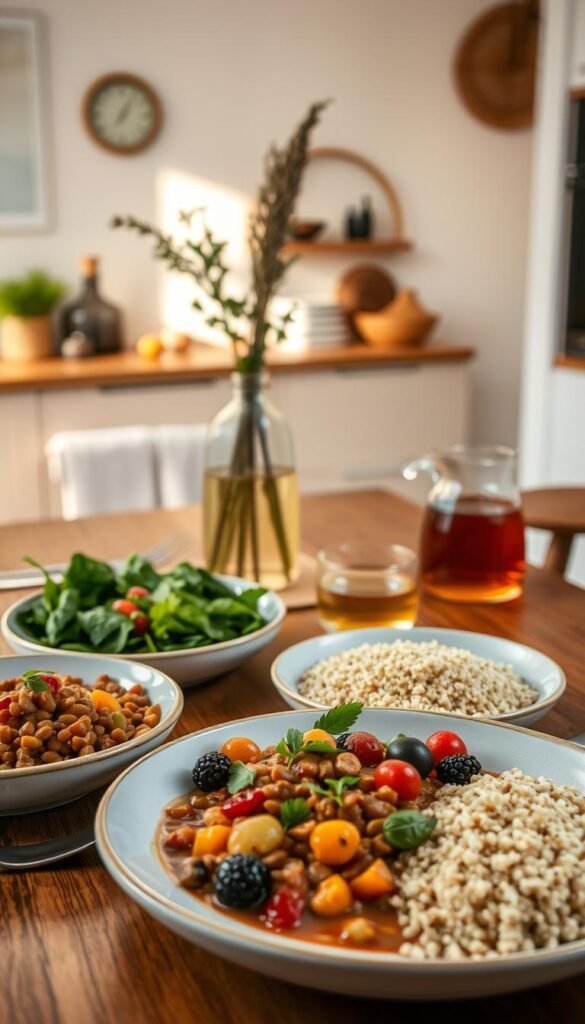
End your day with an anti-inflammatory dinner that feels cozy and bright. Keep portions simple: 4–6 oz protein, at least 1 cup cooked vegetables, and 1/2–1 cup whole grains or a hearty veg base. Choose smart fats and bold, clean flavors to make healthy eating easy.
Sheet-pan and one-pot options
For a fast sheet-pan dinner, roast skinless turmeric-garlic chicken thighs with cauliflower, red onions, and chickpeas at 400°F. Finish with parsley and lemon for a crisp, zesty edge. The tray does the work while you set the table.
Prefer one-pot meals? Try Mediterranean tomato-braised cod with olives and capers. Simmer until flaky and serve over barley or cauliflower rice. This easy method keeps cleanup light and flavors deep.
Plant-forward and seafood-focused meals
Build plant-based dinners that satisfy. A mushroom and walnut “bolognese” over zucchini noodles or whole-grain pasta delivers rich texture and fiber. For creamy comfort, make tofu and veggie coconut curry with ginger, garlic, turmeric, and bok choy.
Round out your week with seafood recipes that supply omega-3s. Cod, salmon, or shrimp pair well with citrus and herbs. Keep sides colorful—roasted peppers, greens, and carrots add crunch and balance.
Flavor boosters without inflammatory additives
Swap sugary sauces for clean flavor boosters. Use miso paste, citrus zest, fresh herbs, tahini, aged balsamic, and anchovies to layer umami and brightness. These staples elevate a sheet-pan dinner, one-pot meals, seafood recipes, and plant-based dinners without extra sugar.
Quick tip: Check labels and skip high-fructose corn syrup and artificial colors. A short ingredient list helps your anti-inflammatory dinner stay both tasty and focused.
Soups, Stews, and Bowls Packed with Phytonutrients
Bring comfort to the table with bowls that work hard for your health. An anti-inflammatory soup can deliver color, fiber, and steady energy in every spoonful. Build flavors with smart bases, then layer plants, herbs, and a gentle finish for freshness.
Bone broth and vegetable stock bases
Start with a mineral-rich base. A homemade vegetable stock made from onion, celery, carrots, mushroom stems, garlic, bay leaf, and peppercorns adds clean depth. Slip in a sheet of kombu for extra umami and trace minerals.
For richer body, choose bone broth from grass-fed beef or organic chicken. It brings collagen and glycine that support texture and balance. Keep sodium modest and chill overnight so you can skim excess fat before reheating.
Legume and grain combinations for complete protein
Pair legumes and grains to form a complete protein that fuels muscles and keeps you full. Try lentils with quinoa, black beans with brown rice, or chickpeas with bulgur. These combos blend smoothly into stews and grain bowls.
Layer in kale for iron, tomatoes for lycopene, and warm spices like turmeric and cumin. A swirl of extra-virgin olive oil and a squeeze of lemon at the end protect bright flavor and polyphenols without heavy cooking.
Slow cooker and Instant Pot adaptations
Hands-off methods turn busy nights into easy wins. For slow cooker stews, make a turmeric lentil mix with sweet potatoes and spinach; cook 6–8 hours on low for a soft, soothing texture. Chill and skim to reduce saturated fat before serving.
For Instant Pot recipes, try chicken and wild rice soup with mushrooms, thyme, and carrots; pressure cook 20–25 minutes until tender. Whether you lean on vegetable stock or bone broth, finish with herbs to lift the aroma and keep the sip clean.
- Anti-inflammatory soup base ideas: roasted vegetable stock, classic chicken bone broth, or a kombu-boosted vegan stock.
- Power pairs for complete protein: lentils + quinoa, black beans + brown rice, chickpeas + bulgur.
- Appliance tips: slow cooker stews for gentle extraction; Instant Pot recipes for speed without losing nutrients.
Snacks and Small Bites That Support Recovery
Keep energy steady with anti-inflammatory snacks that are easy to prep and enjoy. Aim for a mix of fiber, healthy fats, and lean protein so each bite works for you, not against you.
Try crisp apple slices with fruit and nut butter and a pinch of cinnamon. Pack carrots and cucumbers with hummus for crunch and creaminess. Choose Greek yogurt, unsweetened, topped with berries and chia for a steady lift.
For savory protein snacks, reach for edamame with sea salt and sesame, or roasted chickpeas with smoked paprika. Keep walnut-studded dark chocolate at 70% cacao or higher for a smart, low-sugar snack that still feels special.
- Portions that work: nuts and seeds at about 1 ounce (roughly 1/4 cup).
- Yogurt at 3/4 to 1 cup to stay satisfied without a dip later.
- Hummus at 2 to 4 tablespoons with a big pile of fresh veggies.
When buying store-bought picks, choose short ingredient lists and extra-virgin olive oil as the main fat. Skip added sugars in savory items and avoid snacks made with heavily refined seed oils when possible.
Build a quick rotation for busy days: a small bag of nuts and seeds, a jar of hummus with cut veggies, or a cup of yogurt ready to top. These choices deliver anti-inflammatory snacks that double as protein snacks and low-sugar snacks without much effort.
Anti-Inflammatory Spices and Herbs
Bold flavor can do more than please your palate. Thoughtful use of everyday spices and fresh greens can support a calmer body and make meals sing. The right pairing and timing builds aroma, color, and bioavailability, so each bite works harder for you.
Tumeric, ginger, garlic, and cinnamon
Cook with turmeric for its active compound, curcumin, which shines when warmed in olive oil or ghee. A pinch of cracked pepper adds black pepper synergy that can boost how much your body absorbs.
Fresh ginger brings zing and soothing depth. Its key player, gingerol, stands up well in stir-fries and soups. Grate it at the end for bright heat, or simmer slices for a mellow note.
Crush garlic and let it rest for 10 minutes to spark allicin. Fold it into dressings or add near the end of cooking to keep that edge. Cinnamon offers a gentle sweetness and the aromatic power of cinnamaldehyde, great in oats, chili, or roasted squash.
Fresh herbs to brighten and heal
Finish plates with cilantro for citrusy lift and cool crunch. Sprinkle parsley to add clean flavor and vivid color. Basil brings soft clove-like warmth and pairs well with tomatoes, berries, and leafy greens.
Mix these herbs to cut back on salt while building layers of taste. A squeeze of lemon and a swirl of extra-virgin olive oil help carry fat-soluble compounds and keep the dish lively.
How to maximize absorption and synergy
- Gently heat turmeric in fat, then add a dash of pepper for black pepper synergy that improves curcumin bioavailability.
- Grate or slice ginger and add late to protect gingerol; simmer longer for a softer profile.
- Crush garlic first, rest it, then stir in to preserve allicin; avoid high heat at the finish.
- Stir in cilantro, parsley, and basil off the heat to protect delicate aromas; pair with citrus and olive oil for better uptake.
| Ingredient | Key Compound | Best Use | Tip for Absorption |
|---|---|---|---|
| Turmeric | Curcumin | Curries, golden milk, roasted veggies | Heat in fat; add pepper for black pepper synergy |
| Ginger | Gingerol | Stir-fries, broths, marinades | Add near the end to keep punchy flavor |
| Garlic | Allicin | Dressings, sautés, grain bowls | Crush and rest 10 minutes before cooking |
| Cinnamon | Cinnamaldehyde | Oats, chilis, baked fruit | Use with healthy fat for rounder taste |
| Cilantro | Aromatic terpenes | Salsas, salads, soups | Add off heat to preserve freshness |
| Parsley | Apigenin-rich leaves | Grain dishes, fish, sauces | Toss with lemon and olive oil |
| Basil | Eugenol and lutein | Pestos, tomatoes, fruit | Fold in at the finish for peak aroma |
Smart Swaps for Comfort Foods
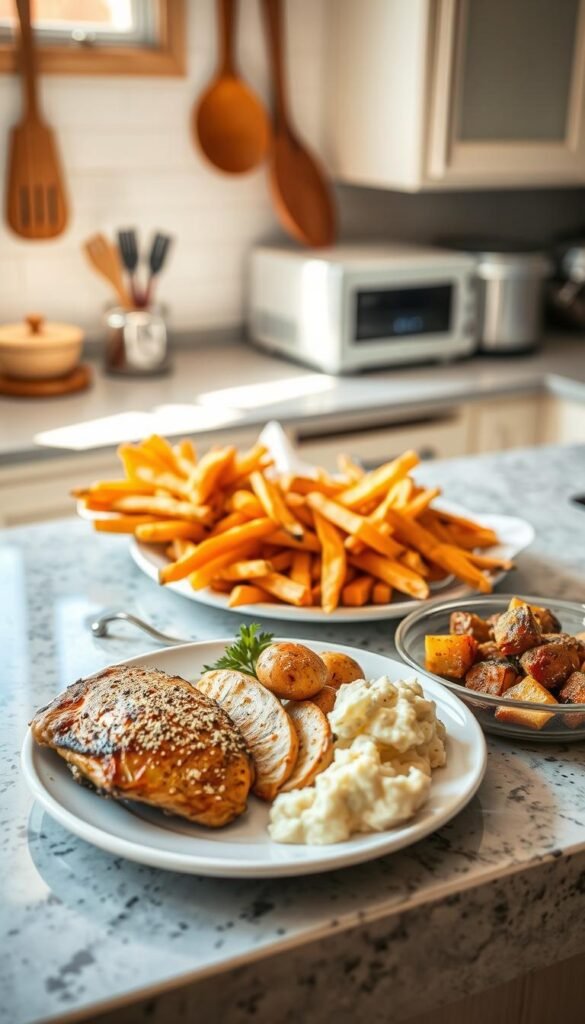
Comfort food can be cozy and still support calm digestion. With a few gluten-free swaps, dairy-free options, and smarter cooking, you can keep the flavors you love while dialing back ingredients that may fan the flame. Simple tools like an air fryer and baked alternatives make weeknights easier and lighter.
Gluten-free and dairy-light alternatives
Trade regular pasta for brown rice or chickpea pasta to boost fiber and keep sauces clinging to every bite. For pizza night, try a cauliflower or quinoa crust and finish with extra-virgin olive oil and roasted vegetables.
Choose lactose-free yogurt or kefir for bowls and sauces, or cultured cottage cheese for a creamy base. Swap heavy cream with olive oil or a silky cashew cream to keep richness without the weight.
Crispy, creamy, and sweet swaps that satisfy
For crunch, use the air fryer for sweet potato wedges brushed with olive oil and paprika. Go for baked alternatives like almond flour breaded zucchini chips at 425°F to get a shatter-crisp finish.
For creamy sides, mash cauliflower with garlic and olive oil. Blend tahini or avocado into dressings for a smooth, neutral canvas that lets herbs shine.
Craving dessert? Bake apples with cinnamon and walnuts for warmth and texture. Keep it simple with dark chocolate–dipped strawberries for a quick win.
Label-reading tips for better choices
Make label reading a habit to spot added sugars such as sucrose, corn syrup, and dextrose. Aim to stay within the American Heart Association’s range of 6–9 teaspoons of added sugars per day.
Scan for refined flours, sodium per serving, and the type of oil used—prefer extra-virgin olive oil or avocado oil. These small checks guide practical, everyday gluten-free swaps and dairy-free options without guesswork.
- Quick guide: whole ingredients first, short lists, and oils you recognize.
- Cooking assist: choose the air fryer or baked alternatives to cut excess oil.
- Flavor tip: add herbs, citrus, and spices to keep each swap vibrant.
Meal Prep and Planning for Consistency
Keep it simple, repeat what works, and protect your time. Set a weekly menu with two breakfasts, three lunches, and three dinners on rotation. Build a focused shopping list around produce, proteins, whole grains, and pantry staples so you move fast at the store and avoid guesswork.
Use batch cooking to tackle the heavy lifting in one session. Roast sheet pans of broccoli, carrots, and peppers. Cook a pot of quinoa and a pot of lentils. Grill or bake salmon, chicken, or tofu. Whisk quick sauces like tahini–lemon and walnut pesto to add bright flavor through the week.
Smart storage keeps food fresh and ready. Choose clear, airtight containers, then label and date each item. Refrigerate cooked grains and proteins for 3–4 days. Portion extras into freezer-friendly packs and freeze for 1–3 months. Reheat gently with a splash of broth or olive oil to keep texture and moisture.
Prioritize food safety every step. Keep the fridge at 40°F or below and the freezer at 0°F. Follow USDA safe internal temperatures: 145°F for fish and 165°F for poultry. Cool cooked food within two hours and avoid crowding hot pans in the fridge so items chill evenly.
- Plan: Lock your weekly meal prep window on the calendar; write the shopping list before you shop.
- Cook: Batch cooking once sets up fast assemblies later—mix and match grains, proteins, and sauces.
- Store: Use first-in, first-out rotation and keep a marker handy for dates and portions.
- Safety: Check appliance thermometers weekly to safeguard quality and taste.
| Prep Step | What to Do | Storage | Food Safety Tip | Freezer-Friendly Ideas |
|---|---|---|---|---|
| Vegetables | Roast two sheet pans of mixed veggies with extra-virgin olive oil | 3–4 days refrigerated in shallow containers | Cool within 2 hours; reheat to steaming hot | Freeze roasted squash, broccoli, and onions in flat bags |
| Proteins | Bake salmon, roast chicken breasts, or press-and-bake tofu | 3–4 days refrigerated; portion by meal | Cook fish to 145°F; poultry to 165°F; tofu piping hot when reheated | Freeze cooked chicken and tofu cubes for quick bowls |
| Grains & Legumes | Cook quinoa and lentils; fluff and spread to cool | 3–4 days refrigerated with labels | Chill rapidly to pass through the danger zone quickly | Freeze 1-cup portions for easy reheating |
| Sauces | Blend tahini–lemon and walnut pesto | Up to 1 week refrigerated in glass jars | Use clean spoons to avoid cross-contamination | Freeze in ice cube trays for single servings |
| Assembly | Mix components into bowls, wraps, or salads | Pack lunches the night before | Keep cold items under 40°F until eating | Build freezer-friendly grain bowls without leafy greens |
Gut Health, Fiber, and Fermented Foods
A calm, resilient gut starts with what you feed the gut microbiome each day. Small shifts, like adding prebiotic fiber and fermented foods, can nurture balance and help ease bloat. Pair these choices with gentle habits and steady hydration for a routine that feels good and lasts.
Prebiotics vs. probiotics and why both matter
Prebiotic fiber feeds helpful microbes so they can make short-chain fatty acids that soothe the gut lining. You’ll find it in onions, garlic, leeks, asparagus, bananas, oats, and cooled potatoes. Aim for small, steady amounts and notice how you feel.
Probiotics deliver live cultures that complement your resident bacteria. Choose yogurt with active cultures, kefir, kimchi, sauerkraut, tempeh, and miso. Look for unpasteurized, refrigerated options to ensure those cultures are alive and ready to work.
Combine both for a synbiotic effect. For example, top warm oats with sliced banana and a spoon of plain kefir, or pair roasted asparagus with a side of kimchi. This simple pairing supports microbial diversity and better digestion.
Fermented additions that are easy to include
- Stir plain kefir into a smoothie with berries, or sip it after meals.
- Add a forkful of kimchi or sauerkraut to grain bowls and tacos for a tangy lift.
- Use miso in dressings, or fold tempeh into stir-fries for protein and probiotics.
If you are sensitive, start with a teaspoon or two. Many people do well choosing low-FODMAP options and building up slowly while tracking comfort.
Gentle fiber sources for sensitive digestion
For a soft approach, lean on oats, chia, flax, kiwi, cooked carrots, and zucchini. These choices tend to be kind to the gut and still support the gut microbiome. Introduce legumes with care; soaking or pressure cooking can improve tolerance.
Psyllium husk can help you reach fiber goals with smooth consistency. Begin with a small dose in water or yogurt and increase as tolerated. When symptoms flare, consider low-FODMAP options until things settle, then widen your variety.
| Food | Key Benefit | How to Use | Best For |
|---|---|---|---|
| Oats | Beta-glucans for steady digestion | Warm oatmeal or overnight oats | Daily breakfast base |
| Kefir | Probiotics for microbial balance | Smoothies or a small glass after meals | Easy dairy ferment |
| Kimchi | Live cultures plus spice | Side for bowls, eggs, or rice | Tangy, quick add-on |
| Sauerkraut | Probiotics and crunch | Top salads or sandwiches | Mild, versatile ferment |
| Psyllium | Gentle bulking fiber | Mix into water or yogurt | Regularity support |
| Low-FODMAP options | Comfort during sensitivity | Choose ripe banana, kiwi, zucchini | Calmer gut days |
Lifestyle Habits That Reduce Inflammation
Daily choices can calm the body’s fire just as much as what’s on the plate. Small shifts in sleep hygiene, stress reduction, exercise, hydration, circadian eating, alcohol moderation, and caffeine timing add up. Start with one habit, then stack another when it feels steady.
Sleep, stress management, and movement
Prioritize 7–9 hours a night. Keep a steady bedtime and wake time, dim lights, and cool the room for better sleep hygiene. Power down screens an hour before bed to protect melatonin and next‑day energy.
Build stress reduction into the day. Try a 5‑minute breathing drill, a short yoga flow, or a mindful walk. These practices help tame cortisol and support immune balance.
Schedule exercise you enjoy. Aim for 150 minutes of moderate cardio each week and two strength sessions, as advised by the U.S. Department of Health and Human Services. Consistency matters more than perfection.
Hydration and timing of meals
Meet your hydration needs with water and unsweetened herbal tea. Most adults do well targeting roughly 11.5 cups for women and 15.5 cups for men from fluids and foods, adjusting for heat and workouts. Limit sugary drinks that can spike blood sugar.
Use circadian eating to steady metabolism. Keep meals at regular times, front‑load calories earlier in the day, and make dinner lighter and earlier. This routine supports stable glucose and smoother digestion overnight.
Alcohol and caffeine considerations
Practice alcohol moderation—up to one drink a day for women and up to two for men. Spacing nonalcoholic days each week supports gut integrity and better sleep.
Be mindful of caffeine timing. Enjoy coffee or tea earlier in the day, skip added sugars, and taper intake after midday if it disrupts sleep. Match your cup to your schedule, not the other way around.
| Habit | Practical Target | Anti-Inflammatory Rationale | Easy Starter Tip |
|---|---|---|---|
| Sleep hygiene | 7–9 hours nightly | Supports hormone balance and lowers inflammatory markers | Set a stable bedtime and keep the room dark and cool |
| Stress reduction | 5–10 minutes daily | Dials down cortisol and sympathetic overdrive | Try box breathing or a short guided meditation |
| Exercise | 150 min cardio + 2 strength days/week | Reduces visceral fat and improves insulin sensitivity | Book workouts on your calendar like meetings |
| Hydration | 11.5–15.5 cups fluids/day | Supports circulation, lymph flow, and detox pathways | Keep a refillable bottle within reach |
| Circadian eating | Regular meals; earlier, lighter dinner | Aligns glucose control with body clocks | Shift 10–20% of dinner to lunch |
| Alcohol moderation | 0–1 drink (women), 0–2 (men) per day | Limits gut permeability and immune activation | Add alcohol‑free nights and sip sparkling water with citrus |
| Caffeine timing | Morning to early afternoon only | Protects sleep depth and recovery | Switch to herbal tea after midday |
Conclusion
Small daily choices add up. An anti-inflammatory lifestyle centers on whole foods and simple, healthy cooking. Colorful produce, omega-3-rich seafood like wild salmon, extra-virgin olive oil, legumes, nuts, seeds, and whole grains can help reduce inflammatory markers while supporting steady energy, smoother digestion, and easier joint movement. Many people find Mediterranean-style eating a practical, flavorful way to stay on track.
Start with clear steps. Stock a pantry with beans, brown rice, oats, canned tomatoes, and EVOO. Build plates with the half-veggie rule, add lean protein, and include quality fats. Season with turmeric, ginger, garlic, and fresh herbs, then batch-cook soups, sheet-pan meals, and grain bowls for the week. Pair these habits with solid sleep, stress management, hydration, and regular movement for the greatest impact.
Make it yours. Choose sustainable habits that fit your taste, culture, and schedule. Notice how meals affect mood, skin, and digestion, and adjust portions or cooking methods as needed. If you live with arthritis, heart disease, or diabetes, seek guidance from a registered dietitian or your healthcare provider to tailor Mediterranean-style eating and healthy cooking to your needs.
Progress beats perfection. Keep your kitchen ready, cook with purpose, and lean on whole foods that deliver color, fiber, and smart fats. Over time, these steady choices shape an anti-inflammatory lifestyle you can enjoy for years.