Greek cucumber salad is a vibrant celebration of Mediterranean flavors that brings together crisp cucumbers, juicy tomatoes, tangy feta cheese, and aromatic herbs. This refreshing dish captures the essence of Greek cuisine with its simple preparation and bold flavors. Whether you’re hosting a summer gathering, looking for a healthy side dish, or wanting to experience a taste of the Mediterranean, this traditional recipe offers a perfect balance of freshness and satisfaction that has made it a beloved classic around the world.
This Website contains affiliate links. That means I may earn a small commission if you purchase through my links, at no extra cost to you.
The Rich History of Greek Cucumber Salad
Greek cucumber salad, known as “Horiatiki” in Greece, has been a staple of Mediterranean cuisine for centuries. This rustic country salad originated in rural Greece, where farmers would combine the freshest vegetables from their gardens with local olive oil and cheese. Unlike many modern interpretations, traditional Greek salad never contained lettuce, instead focusing on chunky vegetables that could withstand the warm Mediterranean climate.
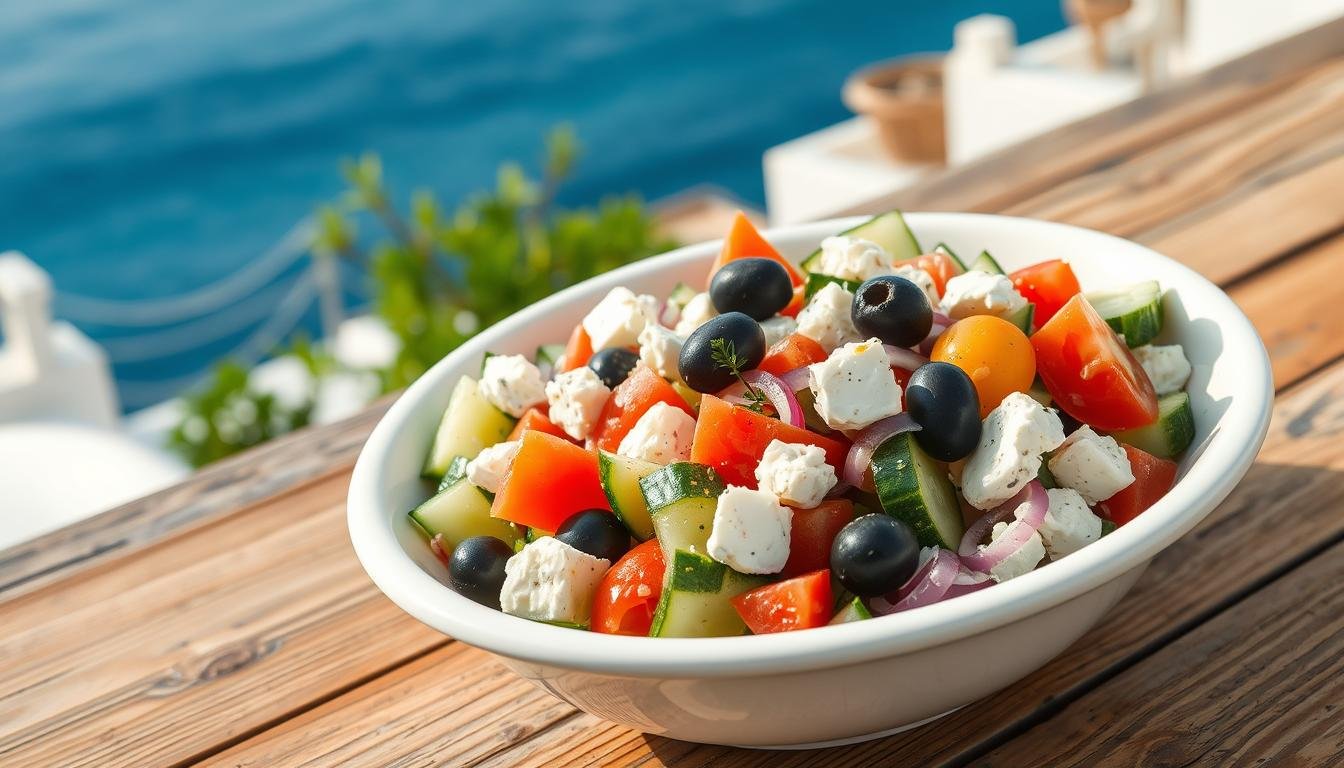
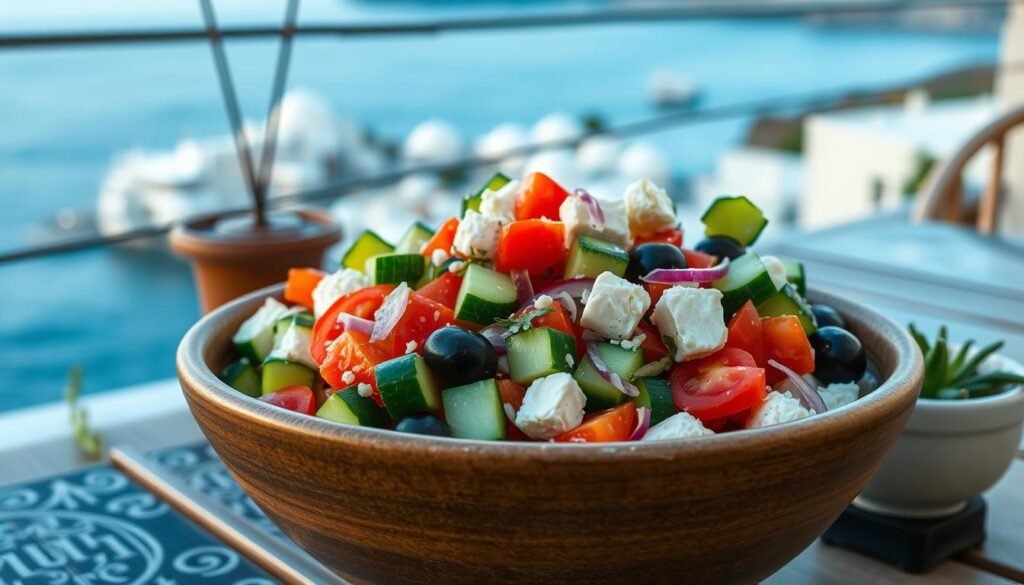
Traditional Greek cucumber salad showcasing the vibrant colors and fresh ingredients of Mediterranean cuisine
The salad became popular throughout Greece and neighboring countries as a refreshing meal during hot summer months. Its popularity spread globally in the mid-20th century as Mediterranean cuisine gained international recognition for its health benefits and vibrant flavors. Today, Greek cucumber salad remains true to its roots while allowing for regional variations that celebrate local produce and preferences.
Essential Ingredients for Authentic Greek Cucumber Salad
The beauty of Greek cucumber salad lies in its simplicity and the quality of its ingredients. Each component brings its own distinctive flavor and texture to create a harmonious blend that’s greater than the sum of its parts.
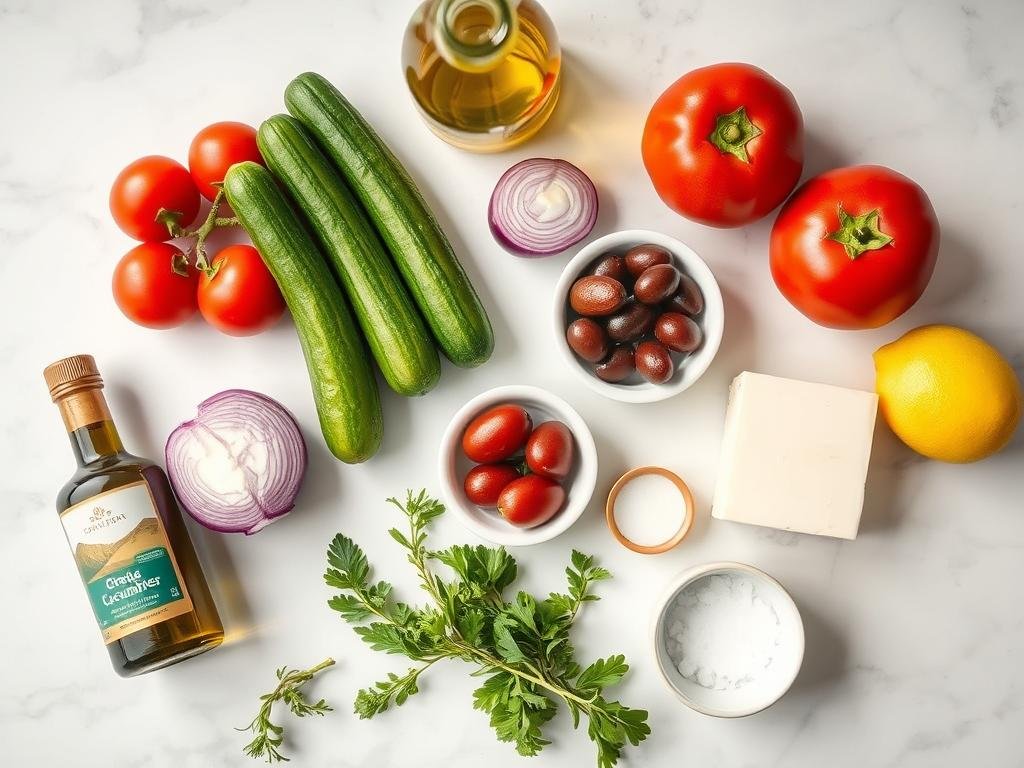
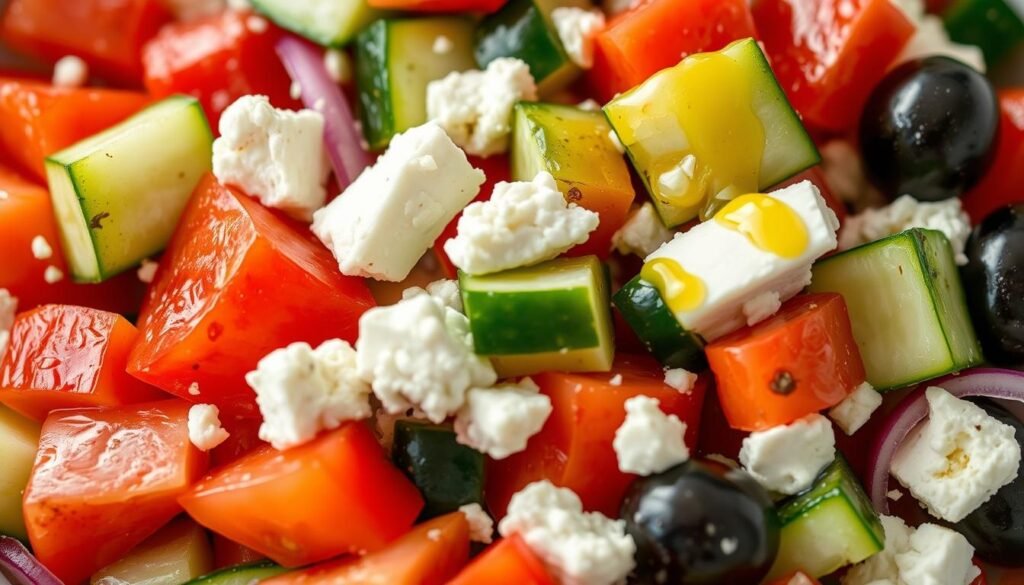
Fresh, high-quality ingredients are essential for an authentic Greek cucumber salad
Core Vegetables
Cucumbers: The foundation of the salad. Persian or English cucumbers are ideal for their crisp texture and thin skin. If using regular cucumbers, peel them to remove the bitter skin.
Tomatoes: Ripe, juicy tomatoes add sweetness and color. Roma tomatoes, cherry tomatoes, or vine-ripened varieties all work beautifully.
Red Onion: Provides a sharp, pungent flavor that balances the mild vegetables. Slice them thinly to distribute the flavor without overpowering.
Traditional Additions
Kalamata Olives: These rich, purple-black olives add a distinctive briny flavor. Traditional recipes use whole, pitted olives rather than sliced.
Feta Cheese: Authentic Greek feta made from sheep’s milk offers the best flavor and texture. Look for blocks packed in brine rather than pre-crumbled versions for superior taste.
Fresh Herbs: Oregano is the classic herb for Greek salad. Fresh oregano provides the most authentic flavor, though dried oregano works well too.
The Dressing
Extra Virgin Olive Oil: The backbone of the dressing. Use the highest quality you can find for the best flavor. A good extra virgin olive oil makes all the difference.
Red Wine Vinegar: Provides acidity to balance the richness of the olive oil. Fresh lemon juice can be substituted for a brighter flavor.
Garlic: A small amount adds depth without overpowering the fresh vegetables.
Salt and Pepper: Simple seasonings that enhance all the other flavors.
How to Make the Perfect Greek Cucumber Salad
Creating an authentic Greek cucumber salad is all about proper preparation and assembly. Follow these steps to ensure each ingredient shines while contributing to a harmonious whole.
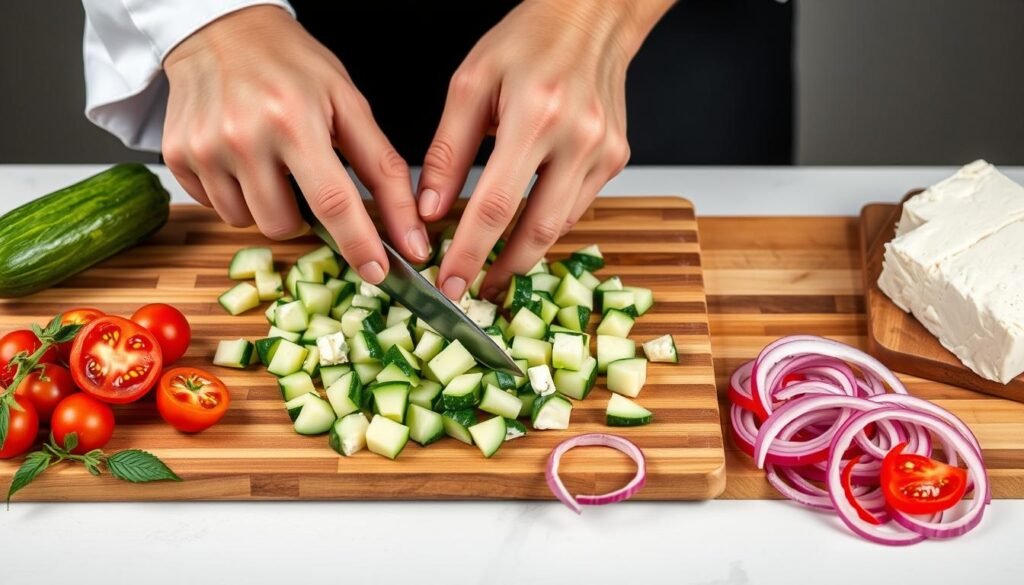
Proper preparation ensures each ingredient in your Greek cucumber salad maintains its integrity
Preparing the Vegetables
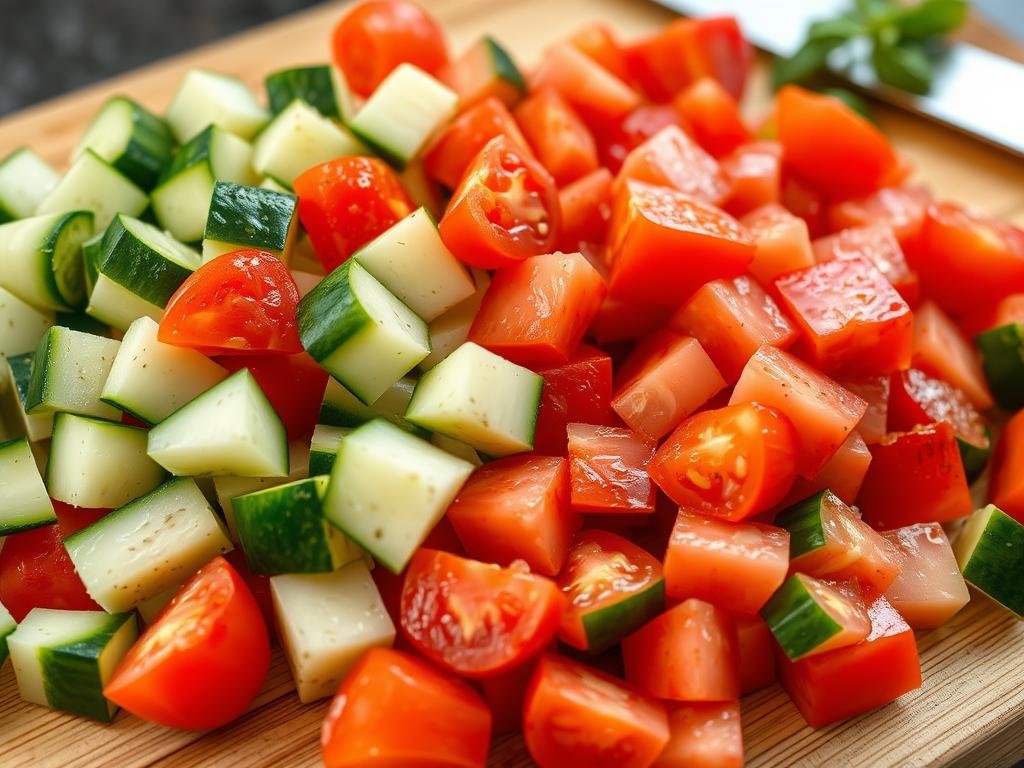
Cucumbers: If using regular cucumbers, peel them completely or create “stripes” by partially peeling for visual appeal. For English or Persian cucumbers, leave the skin intact. Cut into 1/2-inch chunks rather than thin slices for the best texture.
Tomatoes: Cut into wedges or chunks of similar size to the cucumbers. If using cherry tomatoes, simply halve them. Allow excess juice to drain to prevent a watery salad.
Red Onion: Slice thinly and soak in cold water for 5-10 minutes to reduce sharpness if desired. Pat dry before adding to the salad.
Olives: Use whole, pitted Kalamata olives for authentic flavor. Black olives can be substituted if preferred.
Making the Dressing
In a small bowl, whisk together 1/4 cup of extra virgin olive oil and 2 tablespoons of red wine vinegar.
Add one minced garlic clove, 1 teaspoon of dried oregano (or 2 teaspoons fresh), 1/2 teaspoon of salt, and 1/4 teaspoon of freshly ground black pepper.
Whisk until well combined. The dressing should be slightly thick and emulsified.
Taste and adjust seasonings as needed.
Assembling the Salad
In a large bowl, combine the prepared cucumbers, tomatoes, and red onion.
Add the olives and gently toss to distribute evenly.
Pour the dressing over the vegetables and toss gently to coat.
Add a block of feta cheese on top or crumble it over the salad just before serving.
Finish with a sprinkle of fresh oregano leaves and an extra drizzle of olive oil if desired.
Pro Tip: For the best flavor, allow the salad to rest for 15-20 minutes before serving. This gives the vegetables time to absorb the dressing while still maintaining their crispness.
Delicious Variations of Greek Cucumber Salad
While the traditional Greek cucumber salad recipe is perfect in its simplicity, there are many delightful variations that can add new dimensions of flavor while still honoring the Mediterranean spirit of the dish.
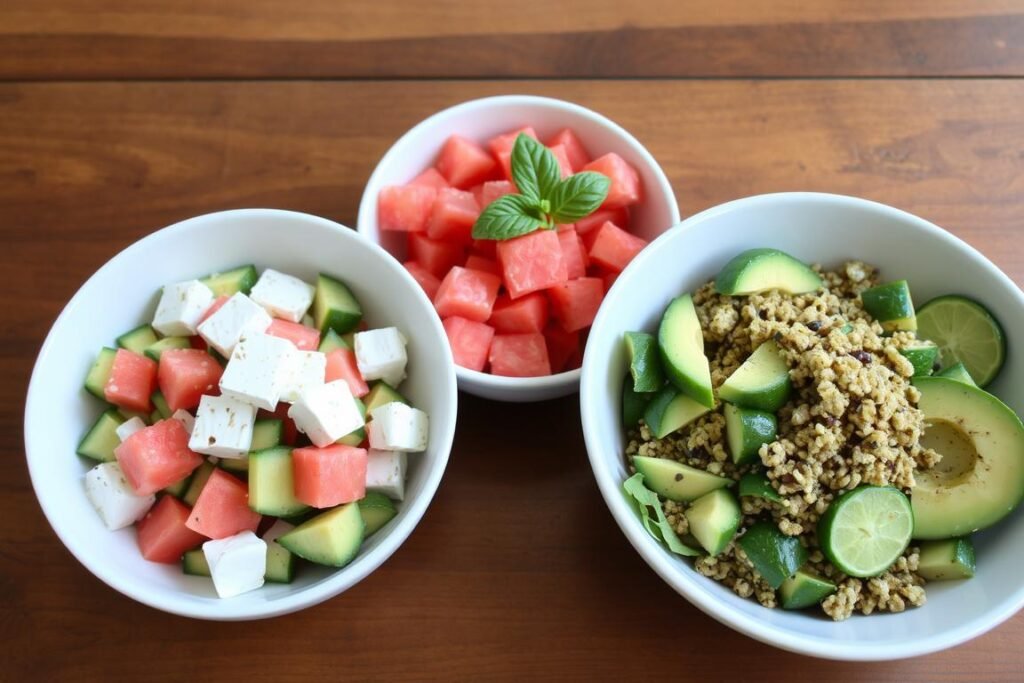
Creative variations of Greek cucumber salad that maintain the Mediterranean essence while introducing new flavors
Watermelon Greek Salad
Add sweet, juicy watermelon chunks to create a refreshing summer variation that balances the salty feta and olives with natural sweetness. The combination of watermelon and cucumber creates an exceptionally hydrating dish perfect for hot days.
Greek Cucumber Quinoa Salad
Incorporate cooked and cooled quinoa to transform this side dish into a protein-rich complete meal. The quinoa adds a nutty flavor and satisfying texture while absorbing the delicious dressing.
Creamy Greek Yogurt Version
Add a dollop of thick Greek yogurt to the dressing for a creamy variation. The yogurt adds protein and creates a more substantial dressing that beautifully coats each ingredient.
Herb Variations
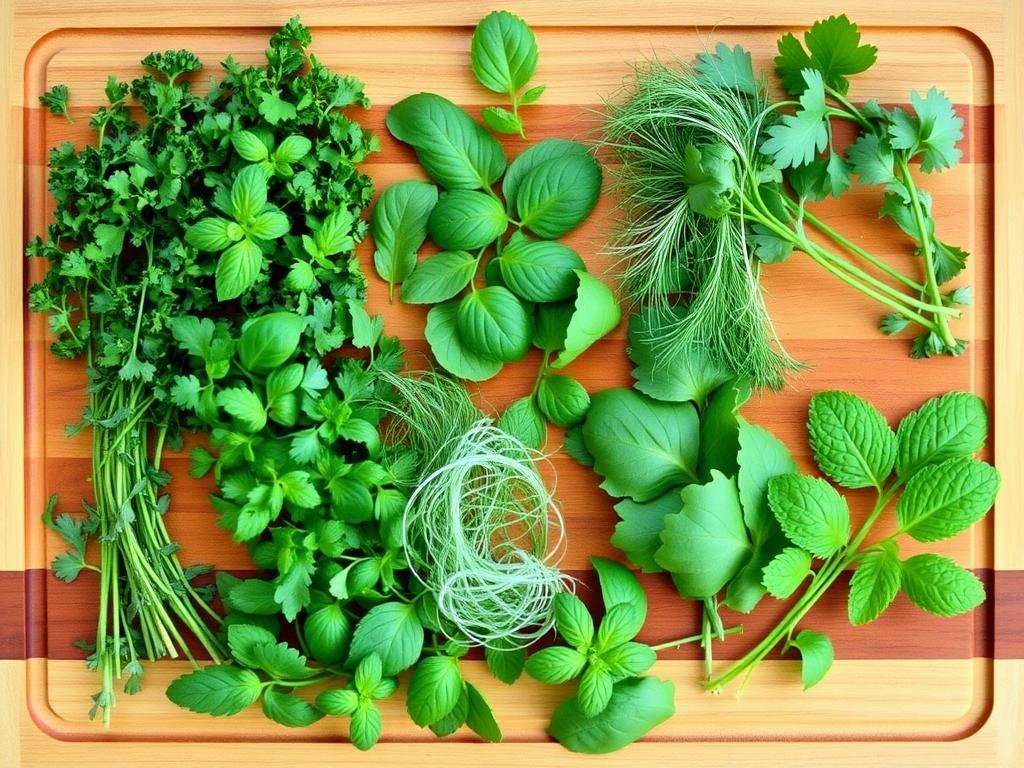
While oregano is traditional, experimenting with different herbs can create new flavor profiles:
Fresh Mint: Adds a cooling effect that pairs beautifully with cucumber
Dill: Creates a distinctive flavor that complements the cucumber perfectly
Basil: Brings a sweet, aromatic quality that works well with tomatoes
Parsley: Adds a fresh, clean flavor and bright color
Thyme: Provides an earthy, subtle flavor
Herb Blend: Combine several herbs for a complex flavor profile
Fresh herbs can transform the flavor profile of your Greek cucumber salad
Serving Suggestions and Pairings
Greek cucumber salad is incredibly versatile and can be served in numerous ways to complement various meals. Here are some suggestions for serving and pairing this refreshing dish.
Greek cucumber salad pairs beautifully with grilled meats and other Mediterranean dishes
Temperature and Timing
Serve Chilled: For the most refreshing experience, chill the salad for 30 minutes before serving, but not much longer to prevent the vegetables from becoming soggy.
Make Ahead: Prepare the vegetables and dressing separately up to 24 hours in advance, then combine just before serving for the freshest result.
Room Temperature: The flavors are most pronounced when the salad isn’t ice cold, so consider removing it from the refrigerator 15 minutes before serving.
Perfect Pairings
Main Dishes
Grilled lamb or chicken skewers
Baked or grilled fish
Moussaka or pastitsio
Falafel or vegetable kebabs
Accompaniments
Warm pita bread
Hummus or tzatziki
Greek lemon rice or orzo
Dolmades (stuffed grape leaves)
Serving Vessels
The presentation of your Greek cucumber salad can enhance the dining experience. Consider these serving options:
Shallow Bowl: A wide, shallow bowl allows the colorful ingredients to be displayed beautifully. A quality serving bowl makes all the difference in presentation.
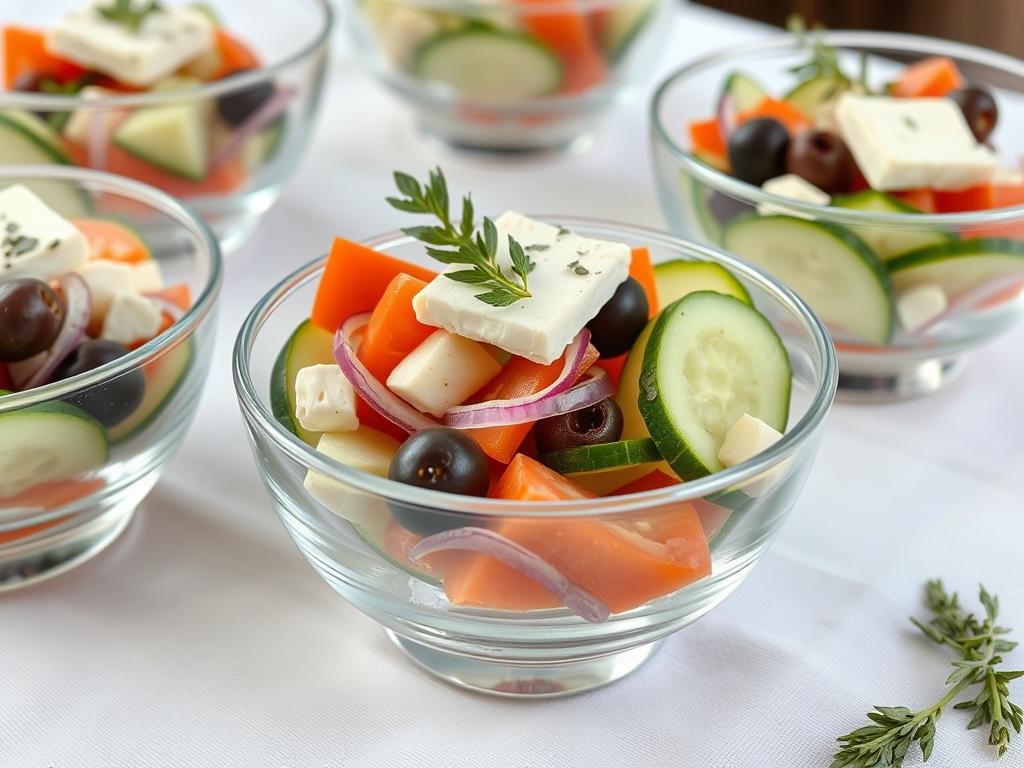
Individual Portions: Serve in small individual bowls or glasses for an elegant presentation at dinner parties.
Family Style: A large platter allows guests to appreciate the vibrant colors and textures before serving themselves.
Individual servings of Greek cucumber salad create an elegant presentation for dinner parties
Storage Tips for Greek Cucumber Salad
While Greek cucumber salad is best enjoyed fresh, there are ways to store it properly if you have leftovers or want to prepare components in advance.
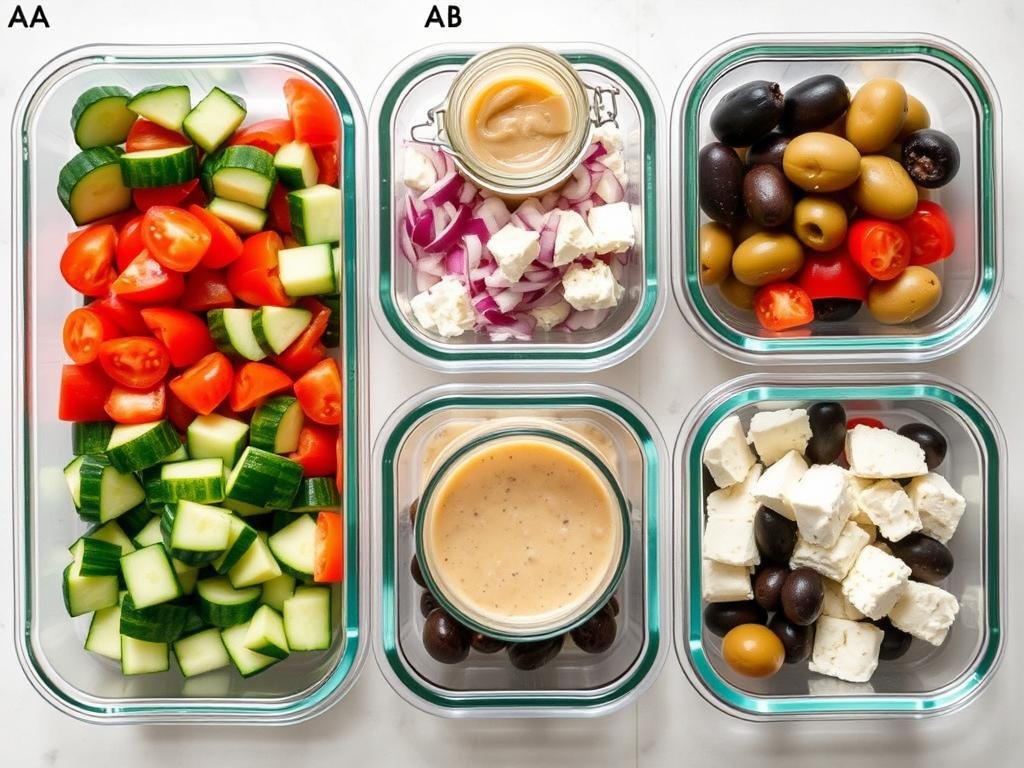
Storing components separately helps maintain freshness for meal prep
Best Practices for Freshness
Short-term Storage: Dressed salad can be stored in an airtight container in the refrigerator for up to 2 days, though the vegetables will soften and release more water over time.
Component Storage: For meal prep, store chopped vegetables, olives, cheese, and dressing separately in airtight containers. Combine just before serving for the freshest result.
Cucumber Preparation: If storing chopped cucumbers, consider removing the seeds before storage to reduce excess moisture.
Tomato Storage: Store tomatoes at room temperature until ready to use for the best flavor, then refrigerate only after cutting.
“The key to maintaining the integrity of Greek cucumber salad is proper storage of its components. By keeping ingredients separate until serving time, you preserve the crisp textures and distinct flavors that make this salad so special.”
— Mediterranean Cooking Expert
Storage Containers: Glass containers are ideal for storing salad components as they don’t absorb flavors or odors. Consider investing in quality glass food storage containers for meal prep and leftovers.
Nutritional Benefits of Greek Cucumber Salad
Greek cucumber salad isn’t just delicious—it’s also packed with nutrients that contribute to overall health and wellbeing. This Mediterranean diet staple offers numerous benefits through its fresh, whole-food ingredients.
The fresh ingredients in Greek cucumber salad provide numerous health benefits
Key Nutritional Components
Vegetables
Cucumbers: High in water content (96%), providing hydration, vitamin K, and antioxidants
Tomatoes: Rich in lycopene, vitamins C and K, potassium, and folate
Red Onions: Contain quercetin, a powerful antioxidant, along with vitamin C and fiber
Other Ingredients
Olive Oil: High in heart-healthy monounsaturated fats and antioxidants
Feta Cheese: Provides protein, calcium, and vitamin B12
Olives: Contain healthy fats, vitamin E, and polyphenols
Health Benefits
Heart Health: The combination of olive oil, vegetables, and herbs supports cardiovascular health by reducing inflammation and improving cholesterol levels.
Hydration: With water-rich cucumbers and tomatoes, this salad helps maintain proper hydration, especially during hot weather.
Weight Management: Low in calories but high in fiber and nutrients, Greek cucumber salad provides satiety without excess calories.
Digestive Health: The fiber content supports healthy digestion and gut microbiome balance.
Anti-inflammatory Properties: Many ingredients contain compounds that help reduce inflammation in the body.
Ingredient
Key Nutrients
Health Benefits
Cucumber
Vitamin K, Potassium, Water
Hydration, skin health, blood pressure regulation
Tomato
Lycopene, Vitamin C, Potassium
Antioxidant protection, heart health, immune support
Bone health, muscle maintenance, nervous system support
Expert Tips for the Perfect Greek Cucumber Salad
Creating a truly exceptional Greek cucumber salad comes down to attention to detail. These expert tips will help you elevate your salad from good to outstanding.
Proper technique ensures each ingredient in your Greek cucumber salad shines
Ingredient Selection
Choose the Right Cucumbers: Persian or English cucumbers offer the best flavor and texture with minimal seeds and thin skin. If using regular cucumbers, be sure to peel them and remove the seeds.
Tomato Selection: Use the ripest, most flavorful tomatoes available. In summer, heirloom varieties or vine-ripened tomatoes offer superior flavor. In winter, Roma or cherry tomatoes are often more reliable.
Feta Matters: Traditional Greek feta made from sheep’s milk (or a sheep and goat milk blend) provides the most authentic flavor. Look for feta packed in brine rather than pre-crumbled for better texture and taste.
Olive Oil Quality: Use the best extra virgin olive oil you can afford. The flavor of the oil is prominent in this simple dish, so quality makes a significant difference.
Preparation Techniques
Uniform Cutting: Cut vegetables into pieces of similar size (about 3/4-inch chunks) for the most balanced bites and even distribution of flavors.
Salt the Cucumbers: For extra crispness, lightly salt the cucumber chunks and let them sit in a colander for 20 minutes before patting dry. This draws out excess moisture and intensifies flavor.
Tame the Onion: If raw red onion is too pungent, soak sliced onions in ice water for 10 minutes, then drain and pat dry. This preserves the crunch while reducing the sharpness.
Room Temperature Serving: Remove the salad from the refrigerator 15-20 minutes before serving to allow the flavors to fully develop.
Uniform cutting ensures balanced flavors in every bite of Greek cucumber salad
Chef’s Secret: For the most authentic Greek flavor, crush dried oregano between your palms before adding it to the dressing. This releases the essential oils and intensifies the herb’s aroma and flavor.
Embrace the Mediterranean Spirit with Greek Cucumber Salad
Greek cucumber salad embodies the essence of Mediterranean cuisine—simple, fresh ingredients combined with care to create something truly greater than the sum of its parts. This timeless dish offers not only delicious flavors but also numerous health benefits, making it a perfect addition to any meal or a light main course on its own.
Greek cucumber salad captures the essence of Mediterranean dining—fresh, simple, and deeply satisfying
Whether you follow the traditional recipe or explore creative variations, the key to an exceptional Greek cucumber salad lies in quality ingredients and thoughtful preparation. By respecting the integrity of each component while understanding how they work together, you’ll create a dish that transports you to the sun-drenched shores of Greece with every bite.
We hope this guide inspires you to create your own perfect Greek cucumber salad. Experiment with the variations, implement the expert tips, and most importantly, enjoy the process of bringing this beloved Mediterranean classic to your table. Your friends and family will appreciate the fresh flavors and vibrant presentation, making this recipe one you’ll return to again and again.
Ready to Make Your Own Greek Cucumber Salad?
Save this recipe to your Pinterest board for easy reference and share the Mediterranean goodness with friends and family!
Healthy carrot cake is a delightful treat that combines the moist texture of traditional cake with the nutritional benefits of carrots. This lightened-up version swaps out refined sugars and heavy fats for healthier alternatives, making it a guilt-free indulgence. Perfect for any occasion, it’s a sweet way to enjoy a classic dessert while still keeping…
Few cake decorations capture elegance and charm quite like a perfectly crafted bow. Whether it’s a delicate fondant creation perched atop a wedding cake or a buttercream masterpiece adorning a birthday celebration, bow cake designs add that special touch that elevates any confection from ordinary to extraordinary. In this comprehensive guide, we’ll explore various techniques…
Your best friend’s birthday deserves more than just a basic celebration. This special day is your chance to show that irreplaceable person just how much they mean to you. Whether you’re planning an elaborate surprise or searching for the perfect words to express your feelings, this collection of happy birthday bestie ideas will help you…
Imagine the perfect marriage of two beloved desserts: the light, fruity sweetness of strawberry shortcake combined with the rich, creamy decadence of cheesecake. This strawberry shortcake cheesecake recipe creates a showstopping dessert that’s guaranteed to impress your guests and light up your Pinterest feed. With layers of vanilla cake, smooth cheesecake, and fresh strawberries all…
Sisters hold a special place in our hearts. They’re our first friends, confidantes, and partners in crime. When your sister’s birthday approaches, finding the perfect happy birthday sister quotes becomes a heartfelt mission to express just how much she means to you.This Website contains affiliate links. That means I may earn a small commission if…
Turning 50 is a significant milestone that deserves a celebration as unique as the man you’re honoring. Whether he’s a sports enthusiast, an outdoor adventurer, or a connoisseur of fine spirits, planning a memorable 50th birthday party requires thoughtful consideration of his personality and interests. This guide explores creative party themes, decoration ideas, activities, and…