Discover the Delight of Bento Cake: Recipes Inside
Here’s a surprise: searches for “lunchbox cake” surged more than 300% on Google in the past two years, as home bakers embraced the tiny format for quick wins and cute gifts. The bento cake—often just 4 inches wide—packs the joy of a full-size cake into a single-serve cake that travels well and photographs even better.
This Website contains affiliate links. That means I may earn a small commission if you purchase through my links, at no extra cost to you.
Born as a Korean bento cake trend and boosted by Instagram and TikTok, these mini cakes thrive on charm and practicality. You’ll spot them at Paris Baguette, Tous les Jours, and cottage bakeries across the United States, tucked into paper boxes for safe gifting and doorstep drop-offs.
This guide is your roadmap to making a personalized cake that fits any moment. You’ll learn small cake recipes geared to weeknight baking, mini cake decorating that looks pro without pro gear, and tips for keeping a lunchbox cake fresh from fridge to table. Whether you’re new to mini cakes or leveling up your skills, you’re in the right place.
Up next, we’ll explore what makes these compact treats irresistible, then dive into tools, ingredients, and a step-by-step vanilla base tailored for home kitchens.
Key Takeaways
- Bento cake, also called lunchbox cake, delivers flavor and fun in a portable, 4-inch format.
- Korean bento cake trends spread via Instagram and TikTok, then grew through Paris Baguette, Tous les Jours, and local bakeries.
- Mini cakes are ideal for small celebrations, remote gifting, and budget-friendly treats.
- Personalized cake designs shine with simple lettering, clean lines, and bold color accents.
- Small cake recipes use fewer ingredients and bake fast, perfect for weeknights.
- Mini cake decorating focuses on tidy frosting, stable fillings, and reliable chill times.
- This guide covers ingredients, tools, baking methods, and a complete vanilla recipe for single-serve cake success.
What Makes Bento Cakes Irresistible
Bento cakes hook the eye and the appetite at once. These aesthetic cakes fit a sweet moment into a neat box, making them easy to gift and easy to photograph. As a modern cake trend, they work for weeknight treats and small party desserts without excess fuss.
Origins and rise of lunchbox-sized cakes
The Korean lunchbox cake grew out of Seoul’s café culture, where petite, hand-frosted cakes slid into bento-style boxes. Shops highlighted tidy buttercream, crisp edges, and short notes on top. Unboxing clips showed the charm, and the idea spread, turning these mini celebration cakes into viral cakes worldwide.
Why mini cakes drive gifting and social media buzz
A 4-inch cake feels personal, so it suits birthdays at home, coworker milestones, or date-night surprises. Clean pastel designs and witty piping pop on TikTok and Instagram, pushing the cake trend forward. Because customizable cakes are affordable in this format, fans try new looks often and share the results as aesthetic cakes and small party desserts.
Key features: size, personalization, and portability
Typical bento cakes use tight-crumb layers in 4-inch rounds or squares, with buttercream that seals in freshness. Makers add names, dates, and color-matched palettes, turning them into customizable cakes that double as mini celebration cakes. Sturdy clamshells, parchment liners, and little wood forks keep them neat on the go—perfect viral cakes for the feed and practical treats for real life.
Essential Tools and Ingredients for Home Bakers
Scale your setup to match mini layers, and everything becomes easier. Choose compact tools that fit tiny rounds, weigh ingredients for accuracy, and stock a focused pantry so flavors shine. The right kit saves time and keeps crumbs under control.
Must-have pans, spatulas, and turntables
Start with mini cake pans or 4-inch cake pans from Fat Daddio’s or Wilton. You can also bake a thin sheet and stamp neat rounds with metal ring cutters. Baking strips or cake collars help keep edges level and the rise even.
An Ateco cake turntable makes smooth work on small tiers. Use a 4–6 inch offset spatula for tight corners and clean tops. A bench scraper steadies the sides and sharpens edges, even on petite cakes.
Core pantry items for tender crumb and stable frosting
Use unbleached all-purpose flour or cake flour for a soft bite. Keep granulated sugar, fresh baking powder, baking soda, and fine sea salt on hand. Choose neutral oil like canola or grapeseed, or unsalted European-style butter for rich flavor.
Bring large eggs to room temp and add whole milk or buttermilk for moisture. Flavor with pure vanilla extract from Nielsen-Massey or reach for Dutch-process cocoa powder for deeper color. For frosting, stock unsalted butter, confectioners’ sugar, pasteurized egg whites for Swiss meringue, heavy cream, and a pinch of salt.
Food colors, piping tips, and packaging supplies
Pick gel food coloring from AmeriColor or Chefmaster so buttercream stays thick and true. Keep couplers ready for quick swaps between piping tips. Classic choices include Wilton 1M for rosettes, 4 or 5 for writing, 104 for petals, 352 for leaves, and 21 for stars.
For gifting and transport, use 6×6-inch or 7×7-inch bento boxes for cake. Add parchment liners, 4-inch cake boards, and non-slip pads. Finish with biodegradable wood forks and logo stickers for a polished touch.
| Category | Pro Picks | Why It Matters | Pro Tip |
|---|---|---|---|
| Pans & Tools | Mini cake pans, 4-inch cake pans (Fat Daddio’s, Wilton), cake turntable (Ateco), offset spatula, bench scraper | Sized for precision; smooth sides and sharp edges on tiny cakes | Use baking scales to portion batter evenly into each pan |
| Core Pantry | Unbleached AP or cake flour, fresh leaveners, fine sea salt, neutral oil or European butter, eggs, milk/buttermilk, vanilla or Dutch cocoa | Tender crumb, balanced flavor, and reliable structure | Warm liquids and eggs to room temp for a finer texture |
| Color & Finish | Gel food coloring (AmeriColor, Chefmaster), piping tips (Wilton 1M, 4/5, 104, 352, 21), couplers | Bold hues without thinning; versatile textures and details | Mix colors in small batches and rest buttercream to de-bubble |
| Packaging | Bento boxes for cake, parchment liners, 4-inch cake boards, non-slip pads, wood forks, stickers | Clean presentation and safe transport | Chill cakes before boxing to protect the finish |
bento cake
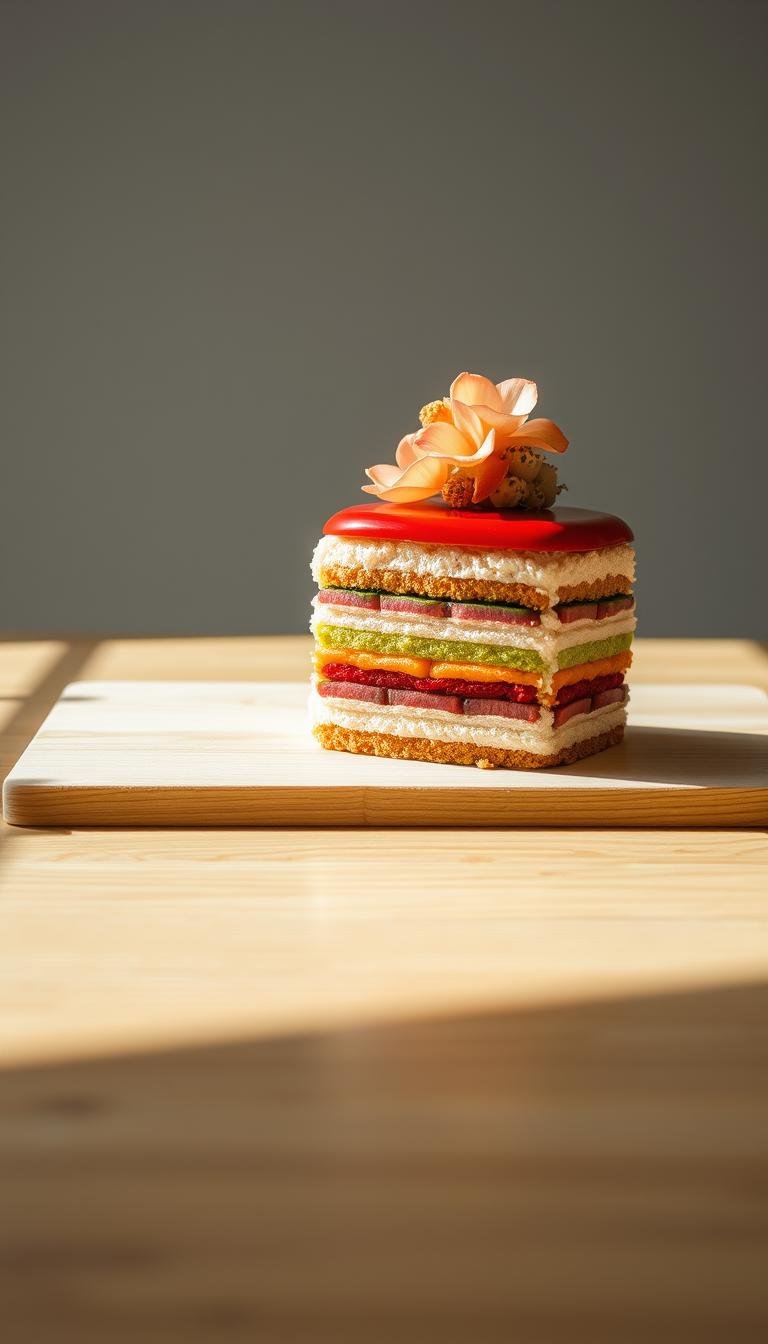
The bento cake meaning is simple: a tiny layer cake tucked into a takeout-style box, built for easy gifting and solo joy. If you have wondered, what is a bento cake, think of a petite celebration that fits in your palm, yet looks camera-ready. It draws on Japanese bento packaging and the cafe culture popularized in South Korea, then adapts to American tastes.
Typical bento cake dimensions land near 4 inches across and about 2–3 inches tall. That lunchbox cake size makes two to four tidy servings without leftovers. The small cake trend favors clean lines, soft pastels, and light lettering that reads well on Instagram or in an office break room.
By mini cake definition, the build stays compact: two or three thin layers, a flavorful filling, and a buttercream coat for transport. Bakers choose buttercream, ganache, or fruit to add contrast while keeping the cut neat. These bento cake dimensions also help with cost control and small-batch scheduling at home.
Across the U.S., the small cake trend has become a smart swap for cupcakes at micro-weddings, birthdays, and office treats. The lunchbox cake size reduces waste, yet still allows variety in one bake day. Understanding the bento cake meaning gives you a guide for portioning, packaging, and flavor play without upsizing the pan.
Choosing the Perfect Cake Base
A great bento cake starts with the right foundation. Your choice affects flavor, texture, and how cleanly those tiny layers slice. Keep portion size in mind as you match crumb, moisture, and structure to your design.
Vanilla, chocolate, and red velvet options
For a classic vanilla bento cake, use buttermilk to create a fine, tender crumb that cuts neatly. Vanilla shines when the batter stays pale and soft, so avoid overmixing.
A chocolate mini cake benefits from Dutch-process cocoa for a smooth, deep profile. You can also bloom natural cocoa in hot coffee to amplify aroma and color.
Choose a red velvet mini cake when you want tang and drama. The mix of cocoa, buttermilk, and a splash of vinegar sets the tone. Gel color keeps the batter balanced without thinning it.
Oil vs. butter cakes for moisture and structure
An oil-based cake stays moist for days and resists drying in the fridge—ideal for make-ahead boxes and deliveries. It also feels tender even when served cold.
A butter cake brings rich flavor and a tighter crumb that supports sharp edges and smooth frosting. If you need crisp corners and clean sides, butter-forward batters help.
Try a hybrid: cream butter for flavor, then add a small share of oil for lasting moisture. This approach balances taste with resilience in mini formats.
Gluten-free and dairy-free adaptations
For a gluten-free mini cake, reach for a 1:1 all-purpose blend with xanthan gum, such as King Arthur Baking. Add a tablespoon of milk or plant milk to keep the crumb tender and not crumbly.
Need a dairy-free cake recipe? Swap butter for refined coconut oil or vegan butter from Miyoko’s, and use oat or almond milk with a teaspoon of vinegar to mimic buttermilk. The result stays light, slices cleanly, and holds up in a lunchbox.
| Base Style | Best Use | Texture | Pro Tip |
|---|---|---|---|
| Vanilla with buttermilk | Vanilla bento cake | Fine crumb, clean slice | Keep batter pale; avoid overmixing |
| Chocolate with Dutch cocoa | Chocolate mini cake | Deep flavor, smooth bite | Bloom cocoa in hot coffee for intensity |
| Red velvet with vinegar | Red velvet mini cake | Tangy, plush crumb | Use gel color to protect batter consistency |
| Oil-based | Make-ahead minis | Moist even when chilled | Great for fridge-to-table service |
| Butter-based | Sharp edges, smooth finish | Rich, tight crumb | Cream well for lift and structure |
| Gluten-free blend | Gluten-free mini cake | Tender with added moisture | Add a tablespoon of extra milk |
| Dairy-free swaps | Dairy-free cake recipe | Light and stable | Use oat or almond milk plus vinegar |
How to Bake Even, Mini Layers
For mini cake baking that looks pro, start by spreading batter in a quarter sheet pan lined with parchment, aiming for 3/4 to 1 inch thick. Once cooled, use sheet cake and cut rounds with a 4-inch ring to get even cake layers and bake flat layers with minimal trimming.
Prefer individual pans? Divide batter by weight into two or three 4-inch tins for consistent height. Wrap pans with damp baking strips or insulate with foil to curb edge browning and help bake flat layers at a steady 325–335°F.
Timing matters. The typical bake time 4-inch cakes ranges from 12–18 minutes for thin layers and 18–24 minutes for thicker mini pans. Rotate pans halfway if your oven runs hot in spots, and pull at 200–205°F internal or when a toothpick shows moist crumbs.
Cool on wire racks, then level gently with a serrated knife if needed. For crisp sides and tidy stacking, wrap layers and chill 30–60 minutes. When filling, use acetate cake collars to keep tiers aligned and to lock in those even cake layers for a clean finish.
Filling Ideas That Elevate Flavor
Small layers deserve big taste. Thoughtful bento cake fillings add contrast, hold structure, and keep every bite bright. Aim for clean slices, balanced sweetness, and textures that pop without overpowering the crumb.
Classic buttercream, ganache, and whipped cream
A well-tested buttercream recipe gives neat edges and steady stacking. American buttercream mixes butter, confectioners’ sugar, and a splash of cream for reliable piping. Swiss meringue buttercream brings a silky finish and less sweetness when emulsified to shine.
For a firm center, use chocolate ganache at a 2:1 chocolate-to-cream ratio so it sets in mini tiers. When you want lightness, go with stabilized whipped cream using a touch of gelatin or mascarpone for same-day service without slumping.
Fruit curds, jams, and compotes that won’t weep
Brighten the stack with a thick fruit curd like lemon or passion fruit. Keep it spoonable and corral it with a buttercream dam for tidy layers. A low-water jam filling such as Bonne Maman helps prevent bleeding and keeps flavor focused.
Cook fruit into a quick compote with sugar and a little cornstarch, then cool fully before assembly. This method locks in color, reduces moisture, and adds fresh, tart notes that balance sweetness.
Texture boosters: crunch, praline, and cookie crumbs
Contrast makes mini cakes memorable. Slip in thin sheets of crunchy cake layers using feuilletine or toasted nuts bound with praline paste for snap. Keep additions delicate so the stack stays stable.
Crushed Oreos, Biscoff crumbs, or graham crumbs lend a cheesecake vibe inside bento cake fillings. Sprinkle a light layer between buttercream or ganache so every bite lands with crisp, creamy, and rich notes all at once.
Frosting and Crumb-Coating for a Smooth Finish
A polished mini cake starts with control. The right frosting, a steady hand, and smart chilling turn rough layers into a smooth buttercream shell. Keep a light touch and let the tools do the work.
American vs. Swiss meringue buttercream
American buttercream comes together fast and holds bold color, which is great for small designs. It’s stable and easy to fix if the room warms up. The payoff is punchy sweetness and a thicker bite.
Swiss meringue buttercream starts by heating sugar and egg whites to 160°F, then whipping to a glossy base before adding butter. It’s less sweet, silky, and famed for a glassy, smooth buttercream finish. For a sharp edges mini cake, the softer glide makes detailing clean.
Crumb-coat techniques for tiny cakes
Begin with a thin crumb coat to lock in stray bits. Use a small offset spatula and a compact scraper while rotating the turntable slowly. Aim for even coverage without dragging.
Chill the cake 10–15 minutes until the surface firms. This set layer supports the final pass, so the next swipe stays neat and true.
Chilling, smoothing, and sharp edges
Apply the final layer a touch thicker than needed, then reach for essential cake smoothing tools like an Ateco offset spatula and a Wilton mini bench scraper. Warm the blade in hot water, dry it, and sweep for a refined sheen.
To define crisp corners, overfill the top slightly and sweep inward as the cake spins. Chill between passes to prevent smears and to build a sharp edges mini cake that looks tailored from every angle.
| Frosting Style | Texture & Sweetness | Best Uses | Pro Tips |
|---|---|---|---|
| American buttercream | Thicker, sweeter; holds vibrant color | Bold designs, quick projects, warm kitchens | Beat longer for fewer air pockets; add a pinch of salt to balance |
| Swiss meringue buttercream | Silky, less sweet; ultra-smooth buttercream finish | Minimalist looks, precise lines, smooth sides | Ensure 160°F for safe meringue; emulsify fully for a glossy coat |
| Crumb coat | Thin, sealing layer | Tiny cakes, delicate sponges | Chill 10–15 minutes to set before final smoothing |
| Cake smoothing tools | Offset spatula, mini scraper, turntable | Even sides, clean tops, crisp corners | Warm, dry spatula for polish; rotate slowly for consistent thickness |
Decorating Ideas for Personalized Mini Masterpieces
Start with a calm base to set the tone of a minimalist cake design. Choose a soft pastel or clean white, then add a slim border that frames the top. Keep hierarchy clear: base color, rim detail, centered message, and a few small accents.
Short, sweet text wins. For a custom lettering cake, pipe initials, a date, or a two-word note with a small round tip. Lightly sketch guidelines with a toothpick so your letters sit centered and even.
Think small-scale borders that look polished on an aesthetic mini cake. Shells, rope, and pearls sit well on tiny edges. Add tiny florals or palette-knife petals in buttercream art to bring life without crowding the surface.
Keep accents simple for cute cake ideas: one smiley, a pair of hearts, or three star dots. A doodle cake with a single line drawing—like a balloon, bow, or tiny daisy—reads clearly on a small canvas.
For a kawaii cake, use rounded shapes and gentle colors. Place eyes and blush dots low and wide for a sweet face ratio. Leave breathing room so the design feels tidy and friendly.
Measure the takeout box and set the cake on a board that’s a touch smaller. This gives finger space to lift without smudging. Scribe the message, pipe slowly, and pause between words to keep spacing clean.
Pro tip: Practice lettering on parchment with the same tip and buttercream. When spacing feels right, move to the cake and follow your guide marks with light pressure and steady pulls.
Finish with restraint. One border, one focal line, and two or three accents create balance. The result is a neat, gift-ready mini that travels well and photographs beautifully.
Color Palettes and Piping Styles That Pop
Great color makes tiny cakes sing. Use cake color theory to plan contrast and mood, then match it with tidy lines and light-handed toppers. Keep the design clean so every detail reads at a glance.
Pastels, monochrome, and ombré effects
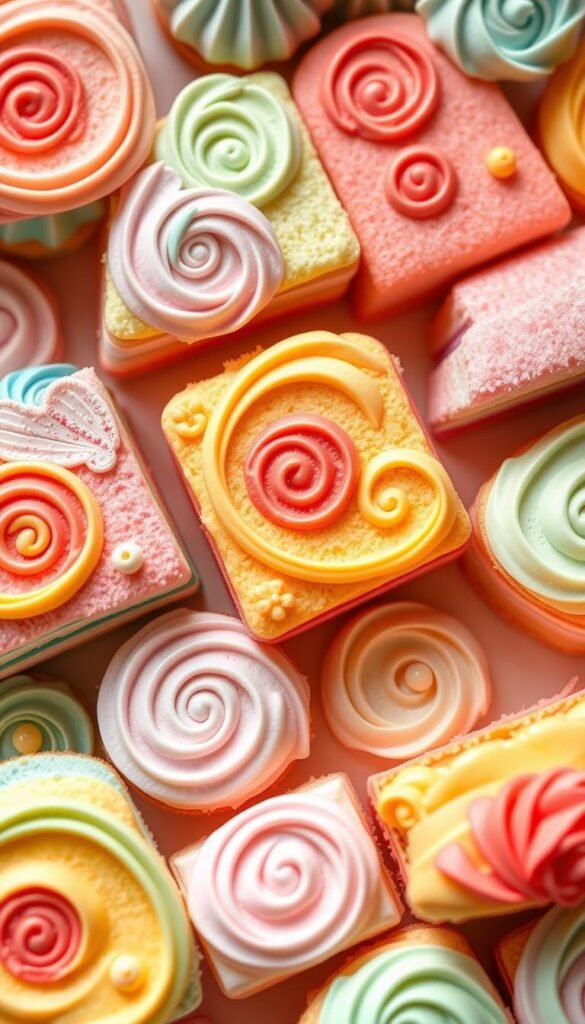
Blend gel colors in micro-doses for pastel buttercream; a touch of white gel brightens without muting. For a monochrome cake, shift saturation between the base and accents to create crisp depth on a small canvas.
To build an ombre cake, apply two or three tinted bands around the sides and smooth with a scraper, letting edges kiss so they blur. This soft gradient pairs well with minimalist finishes and neat borders.
Lettering, doodles, and minimalist line art
For precise piping lettering, choose round tips 2–5 and thin buttercream with a few drops of cream for flow. Map the phrase from the center out to keep words balanced and easy to read.
Simple doodles—smiley faces, tulips, cherries, and clouds—fit the format and share well on social feeds. Keep strokes confident and brief, using cake color theory to echo hues from the base for harmony.
Trendy toppers: sprinkles, edible glitter, and fondant charms
Pick micro nonpareils or fine sprinkle mixes so proportions stay chic. Dust FDA-approved edible glitter for a light shimmer that won’t overwhelm piping lettering or clean edges.
Finish with fondant charms like stars or bows, or add wafer paper butterflies for height without weight. Anchor accents where the ombre cake shifts tone or where a monochrome cake needs a focused pop.
Packaging and Transport Tips for Bento Cakes
Start with a sturdy bento cake box sized 6×6 or 7×7 inches. Set a cake board 4 inch inside, then line the base with parchment or a greaseproof pad. Add a small square of a non-slip mat under the board to stop any slide during cake transport.
Chill the finished cake for 20–30 minutes before boxing to set the frosting. For short drives in warm weather, keep a gentle cold chain by placing a cold pack outside the inner box. Avoid direct sun in the car, and secure the box flat on the seat or floor.
Improve presentation and hygiene with a sealed wooden fork and a napkin tucked along the side. Brand the lid with a neat sticker. For couriers, choose snug inserts or cupcake-style carriers with enough height so decorations stay intact, and mark “This Side Up” and “Keep Cool.”
Smart cake packaging pairs safety with style. These practical delivery tips keep edges clean, colors vivid, and textures fresh, whether you’re handing off locally or shipping with a professional service.
- Box size: 6×6 or 7×7 inches; interior: cake board 4 inch on a non-slip mat.
- Temperature: brief chill; maintain a light cold chain for warm days.
- Transit: level surface for cake transport; use a rigid bento cake box with inserts.
- Finish: sealed utensils, branded lid, and clear handler labels as part of thoughtful cake packaging.
Occasion-Based Themes and Flavor Pairings
Design themed mini cakes that match the moment and the mood. Keep the message short and sweet, then let flavor do the talking. These celebration cakes shine when the look and taste work together, from classic notes to bold twists.
Tip: Use clean lettering with age numerals, initials, or a “thank you” tag. Pair the art with seasonal cake flavors to make each bite feel timely and special.
Birthdays, anniversaries, and thank-you gifts
For a birthday mini cake, go playful: vanilla-strawberry layers with confetti sprinkles and a bold number on top. Anniversaries lean rich and elegant with chocolate-hazelnut and a metallic initial. For thank-you gifts, lemon-blueberry feels bright and sincere in small, tidy boxes.
Themed mini cakes keep portions neat for office drops or porch surprises. Add simple borders, then finish with a short phrase. These celebration cakes travel well and make giving feel effortless.
Seasonal spins: spring berries, fall spices, holiday mint
Spring loves lemon sponge with strawberry compote. In summer, switch to peach or mango curd for sunny, juicy layers. Fall warms up with brown butter spice cake and maple cream cheese.
When winter hits, choose peppermint chocolate with crushed candy cane for holiday mini desserts. Rotate these seasonal cake flavors to keep menus fresh and guests curious.
Kid-friendly vs. sophisticated flavor profiles
Kid-friendly cakes thrive on familiar hits: vanilla funfetti, cookies-and-cream, or chocolate with milk chocolate ganache. Keep colors bright with gel tints and simple shapes they recognize.
For grown-up palates, try matcha-white chocolate, Earl Grey with honey buttercream, or coffee-caramel with salted praline. Lean into gourmet cake pairings that balance sweet, bitter, and crunch for a refined finish.
| Occasion | Design Cue | Flavor Pairing | Why It Works |
|---|---|---|---|
| Birthday | Number topper, confetti edge | Vanilla cake + strawberry filling | Light, fruity layers keep a birthday mini cake fun and easy to share. |
| Anniversary | Initials, gold luster detail | Chocolate cake + hazelnut praline | Nutty depth and cocoa richness feel intimate and celebratory. |
| Thank-You | Short note tag, soft palette | Lemon cake + blueberry compote | Bright citrus and berry give a clean, uplifting finish. |
| Spring | Berries, fresh greens | Lemon sponge + strawberry compote | Seasonal cake flavors echo the produce of the season. |
| Summer | Warm tones, tropical hints | Vanilla cake + peach or mango curd | Juicy curds add sun-kissed sweetness without heaviness. |
| Fall | Spice accents, maple leaf motif | Brown butter spice + maple cream cheese | Toasty notes suit cooler days and cozy gatherings. |
| Winter Holidays | Candy cane crumble | Chocolate cake + peppermint buttercream | Holiday mini desserts feel festive with crisp mint and cocoa. |
| Kids | Bold colors, simple shapes | Funfetti or cookies-and-cream | Kid-friendly cakes highlight familiar flavors and playful color. |
| Grown-Ups | Minimalist, refined palette | Matcha–white chocolate or coffee–caramel | Gourmet cake pairings layer bitterness, sweetness, and texture. |
Step-by-Step Bento Cake Recipe: Vanilla Base
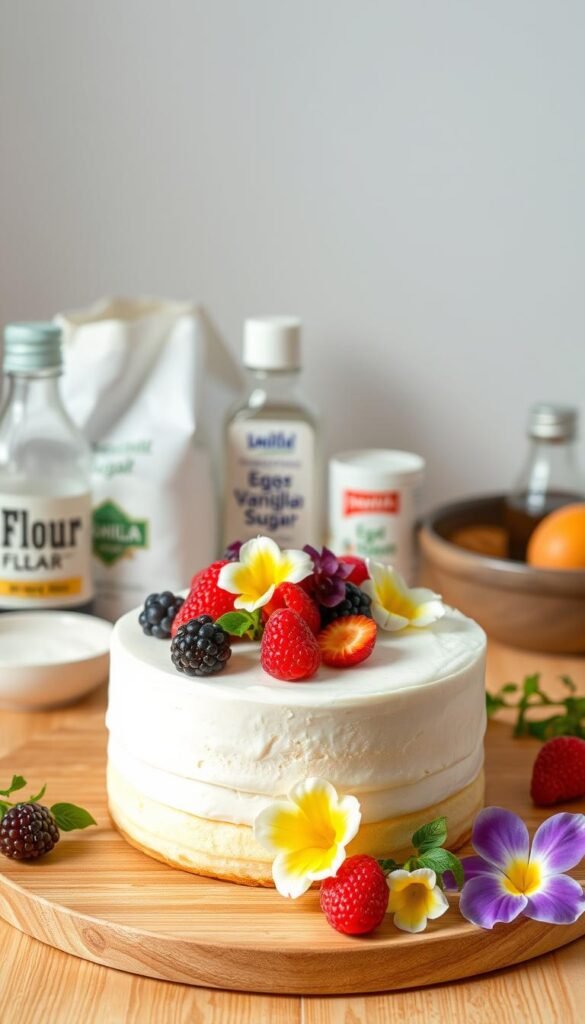
This vanilla bento cake recipe is sized for a small batch cake that bakes fast, cools quickly, and decorates like a dream. Follow these mini cake instructions to produce a soft, even crumb perfect for a 4-inch cake recipe that a home baker recipe can master with ease.
Ingredient list and substitutions
- 120 g cake flour (or 100 g all-purpose flour + 20 g cornstarch)
- 130 g granulated sugar
- 1 tsp baking powder
- 1/4 tsp baking soda
- 1/4 tsp fine salt
- 1 large egg, room temperature
- 90 g buttermilk (or milk + 1 tsp distilled vinegar)
- 45 g neutral oil or 60 g melted unsalted butter
- 1 tsp pure vanilla extract
- Frosting: 170 g unsalted butter; 220–260 g confectioners’ sugar; 1–2 tbsp heavy cream; pinch of salt; gel color as desired
Smart swaps keep this easy vanilla cake flexible. Use dairy-free milk plus vinegar for tang, a gluten-free 1:1 flour blend in place of wheat flour, or a mix of oil and butter to balance moisture and flavor in this small batch cake.
Mixing method for a tender crumb
- Whisk flour, sugar, baking powder, baking soda, and salt until airy.
- In another bowl, whisk egg, buttermilk, oil, and vanilla until smooth.
- Pour wet into dry. Whisk just until combined; stop when the batter looks smooth.
- Let the batter rest 5 minutes so the flour hydrates for a finer crumb.
These mini cake instructions keep gluten in check and produce an easy vanilla cake with a tight, plush bite—ideal for clean layers in a 4-inch cake recipe.
Bake time, cooling, and assembly notes
- Bake in two 4-inch pans at 330–335°F for 18–22 minutes, or in a quarter sheet at 325°F for 14–18 minutes.
- Check doneness when a toothpick shows moist crumbs, not wet batter.
- Cool 10 minutes in the pan, then turn out and cool completely.
- Level if needed. Pipe a buttercream dam, add filling, then stack.
- Crumb-coat, chill 10–15 minutes, and apply the final coat. Decorate and box once the surface feels firm to the touch.
For a polished finish, this home baker recipe pairs a light crumb with stable buttercream, giving a tidy, travel-ready small batch cake that holds detail well.
| Pan Setup | Oven Temp | Approx. Bake Time | Yield | Best Use |
|---|---|---|---|---|
| Two 4-inch round pans | 330–335°F | 18–22 minutes | 1 mini layer cake | Gifting and lunchbox-style bento |
| Quarter sheet, cut into rounds | 325°F | 14–18 minutes | 2–3 4-inch layers | Batching multiple minis |
| Cupcake tin (test portions) | 330°F | 12–15 minutes | 6–8 cupcakes | Tasting the vanilla bento cake recipe |
Cost, Portioning, and Small-Batch Meal Prep
A smart cake cost breakdown starts with the batter. A single 4-inch mini uses about one-third to one-half of an 8-inch recipe, so you buy less and waste less. The cost of ingredients in the U.S. often falls between $2.00 and $4.50 per cake, depending on butter and dairy prices. Add packaging—box, board, fork, and sticker—which runs about $0.60 to $1.50. These figures help set clear mini cake pricing and guide practical home bakery pricing.
Keep portion size simple. A 4-inch bento cake serves 2 to 4 people. Cut into neat wedges for a classic look, or slice crosswise into halves for tidy lunchbox shares. For parties, plan one mini per couple, or one for every two to three guests if you offer extra sweets on the table.
Lean into small-batch baking for speed and control. Weigh ingredients to scale down without guesswork. Bake a thin sheet, punch out rounds with a 4-inch cutter, and save scraps for cake pops. Wrap layers twice and freeze for up to two months. Make buttercream ahead, chill for a week or freeze for a month, then re-whip. Assemble day-of for a plush crumb; oil-based cakes stay moist in the fridge for two to three days, perfect for make-ahead mini cakes.
Pro tip: Track the cost of ingredients by batch and divide by the number of minis to refine home bakery pricing over time.
| Item | Details | Typical Range (USD) | Notes |
|---|---|---|---|
| Batter per 4-inch cake | 1/3–1/2 of standard 8-inch recipe | — | Control waste in small-batch baking; scale by weight for accuracy |
| Buttercream usage | 1–1.5 sticks covers 2–3 minis | — | Re-whip after chilling; stable for make-ahead mini cakes |
| Cost of ingredients | Per 4-inch cake | $2.00–$4.50 | Fluctuates with butter and dairy; update cake cost breakdown monthly |
| Packaging | Box, board, fork, sticker | $0.60–$1.50 | Upgrade for gifting without spiking mini cake pricing |
| Serving plan | Portion size per cake | 2–4 servings | Wedges or halves; one mini per couple at events |
| Storage window | Layers and frosting | 1 week chilled; 1–2 months frozen | Double-wrap layers; oil-based cakes hold well for 2–3 days |
| Pricing guide | Home bakery pricing baseline | Ingredients + packaging + labor | Time-box labor per mini to protect profit margins |
Conclusion
Small cakes, big joy—that’s the promise of this bento cake guide. With a clear mini cake tutorial, you can bake even layers, frost clean edges, and add details that feel personal. These homemade mini cakes fit right into busy weeks and shine as small celebration desserts or lunchbox cakes for on-the-go gifting.
The vanilla base in our step-by-step recipe sets you up for success. It works with fruit curds, jam, or a glossy chocolate ganache without leaks or sag. Pair it with calm pastels or bold piping to create personalized cakes that match any mood. The result is a polished look that feels handcrafted and modern.
Smart prep closes the gap between hobby and pro. Use snug packaging, keep an eye on temperature, and plan small batches so each mini travels safely and tastes fresh. With the tips in this bento cake guide and mini cake tutorial, your homemade mini cakes become reliable, portable treats that elevate everyday moments.
From brunch favors to office birthdays, these lunchbox cakes deliver style and flavor on a tiny scale. Lean on the core techniques, tweak flavors as the seasons shift, and keep your decorating simple but intentional. You’ll have small celebration desserts that look great, slice clean, and spark a smile every time.
FAQ
What exactly is a bento cake and how big is it?
Where did bento cakes come from?
Why are mini lunchbox cakes so popular for gifting and social media?
What size and features define a classic bento cake?
Which tools do I need to make a bento cake at home?
What pantry staples create a tender crumb and stable frosting?
Which food colors and piping tips work best on minis?
What cake flavors suit the mini format?
Should I choose an oil cake or a butter cake?
Can I make gluten-free or dairy-free bento cakes?
How do I bake even mini layers without domes?
What are good fillings that won’t leak or weep?
How do I get a smooth crumb coat and sharp edges?
What decorating ideas fit the tiny canvas?
Which color palettes and piping styles photograph best?
Are sprinkles, edible glitter, and fondant charms safe to use?
How should I package and transport a bento cake?
What occasions and flavors pair well with bento cakes?
What kid-friendly and grown-up flavors work?
Do you have a simple vanilla bento cake recipe?
How long do minis bake and how do I know they’re done?
What does it cost to make a 4-inch bento cake?
FAQ
What exactly is a bento cake and how big is it?
A bento cake is a mini layer cake designed to fit a small takeout-style box. Most are about 4 inches wide and 2–3 layers tall, serving 2–4 people. They’re coated in buttercream for stability and decorated with simple lettering, pastels, or cute doodles.
Where did bento cakes come from?
Bento cakes trace back to South Korea’s café culture. Petite, hand-decorated cakes packed in paper bento boxes gained global traction through Instagram and TikTok. In the U.S., brands like Paris Baguette and Tous les Jours, along with local cottage bakeries, helped popularize them.
Why are mini lunchbox cakes so popular for gifting and social media?
They’re budget-friendly, portion-controlled, and travel well. The clean designs, pastel palettes, and satisfying unboxing moment look great on TikTok Reels and Instagram Stories, which fuels shares and orders.
What size and features define a classic bento cake?
Standard traits include 4-inch round or square layers, a tight crumb for travel, and buttercream to seal freshness. Finished weight is usually 300–500 g. Boxes often include parchment liners, a non-slip pad, and a wooden fork for ready-to-serve ease.
Which tools do I need to make a bento cake at home?
Use 4-inch round pans from brands like Fat Daddio’s or Wilton, or bake a sheet and cut rounds with a metal ring cutter. A small turntable (Ateco), a 4–6 inch offset spatula, a bench scraper, and baking strips or cake collars help you get smooth, even layers.
What pantry staples create a tender crumb and stable frosting?
Cake flour or unbleached all-purpose flour, granulated sugar, fresh baking powder and soda, fine sea salt, neutral oil or unsalted butter, eggs, and buttermilk or whole milk. For frosting, use unsalted butter, confectioners’ sugar (10X), heavy cream, and a pinch of salt. For Swiss meringue, add pasteurized egg whites. Quality vanilla like Nielsen-Massey boosts flavor.
Which food colors and piping tips work best on minis?
Gel or oil-based colors from AmeriColor or Chefmaster prevent thinning. Must-have tips include Wilton 1M for rosettes, 4/5 for writing, 104 for petals, 352 for leaves, and 21 for stars. Couplers let you switch tips quickly.
What cake flavors suit the mini format?
Vanilla, chocolate, and red velvet are classics. Use Dutch-process cocoa for deeper chocolate notes. Red velvet relies on cocoa, buttermilk, and a touch of vinegar; tint with gel color to keep the batter consistent.
Should I choose an oil cake or a butter cake?
Oil-based cakes stay moist longer and handle refrigeration well, which is great for make-ahead minis. Butter cakes offer rich flavor and a tighter crumb that helps achieve sharp edges. A butter-plus-oil hybrid balances both.
Can I make gluten-free or dairy-free bento cakes?
Yes. Use a 1:1 gluten-free flour blend with xanthan gum (like King Arthur Baking) and add a tablespoon of extra milk for tenderness. For dairy-free, swap in refined coconut oil or vegan butter such as Miyoko’s and use oat or almond milk with a teaspoon of vinegar to mimic buttermilk.
How do I bake even mini layers without domes?
Bake batter in a quarter sheet pan to about 3/4–1 inch thick, then punch out 4-inch rounds for perfectly flat layers. Or divide batter evenly between 4-inch pans using a digital scale. Bake at 325–335°F with baking strips to reduce doming.
What are good fillings that won’t leak or weep?
American or Swiss meringue buttercream, a firm 2:1 chocolate ganache, or stabilized whipped cream work well. For fruit, thicken curds and compotes, use low-water jams like Bonne Maman, and always pipe a buttercream dam to contain the filling.
How do I get a smooth crumb coat and sharp edges?
Apply a thin crumb coat, chill 10–15 minutes, then add the final layer. Spin the turntable slowly and use a mini bench scraper. Overfill the top slightly, then sweep inward with a warmed offset spatula to sharpen edges. Chill between coats for the cleanest finish.
What decorating ideas fit the tiny canvas?
Keep a clear hierarchy: base color, border, message, and a few accents. Try shells, pearls, or rope borders, tiny florals, or palette-knife flowers. Lightly sketch lettering with a toothpick before piping for centered, tidy text.
Which color palettes and piping styles photograph best?
Pastels and monochrome schemes pop on camera; brighten with a touch of white gel. Ombré bands are easy to blend with a scraper. For lettering and line art, use round tips 2–5 and thin your buttercream slightly with cream for smoother flow.
Are sprinkles, edible glitter, and fondant charms safe to use?
Choose micro-sprinkles or nonpareils for proportion. Stick with FDA-approved edible glitters and luster dusts. Lightweight fondant stars, bows, or wafer paper butterflies add height without weighing down the mini cake.
How should I package and transport a bento cake?
Place the cake on a 4-inch board inside a 6×6 or 7×7-inch bento box lined with parchment. Add a non-slip pad under the board. Chill the cake 20–30 minutes before boxing, keep it out of direct sun, and label “This Side Up” and “Keep Cool” for couriers.
What occasions and flavors pair well with bento cakes?
They shine for birthdays, anniversaries, thank-you gifts, office treats, and micro-weddings. Try vanilla-strawberry for birthdays, chocolate-hazelnut for anniversaries, and lemon-blueberry for thank-you gifts. Seasonal picks include spring berries, fall spices, and winter peppermint chocolate.
What kid-friendly and grown-up flavors work?
Kids love vanilla funfetti, cookies-and-cream, and classic chocolate with milk chocolate ganache. For sophisticated palates, try matcha–white chocolate, Earl Grey with honey buttercream, or coffee-caramel with salted praline.
Do you have a simple vanilla bento cake recipe?
Yes. Use cake flour, sugar, baking powder, baking soda, salt, an egg, buttermilk, oil or melted butter, and vanilla. Whisk wet and dry separately, combine just until smooth, rest 5 minutes, then bake at 325–335°F. Cool, level, fill with a buttercream dam, crumb-coat, chill, finish, and decorate.
How long do minis bake and how do I know they’re done?
Thin sheet layers bake in about 14–18 minutes at 325°F; 4-inch pans take 18–24 minutes at 330–335°F. They’re done at 200–205°F internal temperature or when a toothpick shows moist crumbs.
What does it cost to make a 4-inch bento cake?
Ingredient costs in the U.S. typically range from about .00 to .50 per cake depending on butter and dairy prices. Packaging—box, board, fork, and sticker—adds roughly
FAQ
What exactly is a bento cake and how big is it?
A bento cake is a mini layer cake designed to fit a small takeout-style box. Most are about 4 inches wide and 2–3 layers tall, serving 2–4 people. They’re coated in buttercream for stability and decorated with simple lettering, pastels, or cute doodles.
Where did bento cakes come from?
Bento cakes trace back to South Korea’s café culture. Petite, hand-decorated cakes packed in paper bento boxes gained global traction through Instagram and TikTok. In the U.S., brands like Paris Baguette and Tous les Jours, along with local cottage bakeries, helped popularize them.
Why are mini lunchbox cakes so popular for gifting and social media?
They’re budget-friendly, portion-controlled, and travel well. The clean designs, pastel palettes, and satisfying unboxing moment look great on TikTok Reels and Instagram Stories, which fuels shares and orders.
What size and features define a classic bento cake?
Standard traits include 4-inch round or square layers, a tight crumb for travel, and buttercream to seal freshness. Finished weight is usually 300–500 g. Boxes often include parchment liners, a non-slip pad, and a wooden fork for ready-to-serve ease.
Which tools do I need to make a bento cake at home?
Use 4-inch round pans from brands like Fat Daddio’s or Wilton, or bake a sheet and cut rounds with a metal ring cutter. A small turntable (Ateco), a 4–6 inch offset spatula, a bench scraper, and baking strips or cake collars help you get smooth, even layers.
What pantry staples create a tender crumb and stable frosting?
Cake flour or unbleached all-purpose flour, granulated sugar, fresh baking powder and soda, fine sea salt, neutral oil or unsalted butter, eggs, and buttermilk or whole milk. For frosting, use unsalted butter, confectioners’ sugar (10X), heavy cream, and a pinch of salt. For Swiss meringue, add pasteurized egg whites. Quality vanilla like Nielsen-Massey boosts flavor.
Which food colors and piping tips work best on minis?
Gel or oil-based colors from AmeriColor or Chefmaster prevent thinning. Must-have tips include Wilton 1M for rosettes, 4/5 for writing, 104 for petals, 352 for leaves, and 21 for stars. Couplers let you switch tips quickly.
What cake flavors suit the mini format?
Vanilla, chocolate, and red velvet are classics. Use Dutch-process cocoa for deeper chocolate notes. Red velvet relies on cocoa, buttermilk, and a touch of vinegar; tint with gel color to keep the batter consistent.
Should I choose an oil cake or a butter cake?
Oil-based cakes stay moist longer and handle refrigeration well, which is great for make-ahead minis. Butter cakes offer rich flavor and a tighter crumb that helps achieve sharp edges. A butter-plus-oil hybrid balances both.
Can I make gluten-free or dairy-free bento cakes?
Yes. Use a 1:1 gluten-free flour blend with xanthan gum (like King Arthur Baking) and add a tablespoon of extra milk for tenderness. For dairy-free, swap in refined coconut oil or vegan butter such as Miyoko’s and use oat or almond milk with a teaspoon of vinegar to mimic buttermilk.
How do I bake even mini layers without domes?
Bake batter in a quarter sheet pan to about 3/4–1 inch thick, then punch out 4-inch rounds for perfectly flat layers. Or divide batter evenly between 4-inch pans using a digital scale. Bake at 325–335°F with baking strips to reduce doming.
What are good fillings that won’t leak or weep?
American or Swiss meringue buttercream, a firm 2:1 chocolate ganache, or stabilized whipped cream work well. For fruit, thicken curds and compotes, use low-water jams like Bonne Maman, and always pipe a buttercream dam to contain the filling.
How do I get a smooth crumb coat and sharp edges?
Apply a thin crumb coat, chill 10–15 minutes, then add the final layer. Spin the turntable slowly and use a mini bench scraper. Overfill the top slightly, then sweep inward with a warmed offset spatula to sharpen edges. Chill between coats for the cleanest finish.
What decorating ideas fit the tiny canvas?
Keep a clear hierarchy: base color, border, message, and a few accents. Try shells, pearls, or rope borders, tiny florals, or palette-knife flowers. Lightly sketch lettering with a toothpick before piping for centered, tidy text.
Which color palettes and piping styles photograph best?
Pastels and monochrome schemes pop on camera; brighten with a touch of white gel. Ombré bands are easy to blend with a scraper. For lettering and line art, use round tips 2–5 and thin your buttercream slightly with cream for smoother flow.
Are sprinkles, edible glitter, and fondant charms safe to use?
Choose micro-sprinkles or nonpareils for proportion. Stick with FDA-approved edible glitters and luster dusts. Lightweight fondant stars, bows, or wafer paper butterflies add height without weighing down the mini cake.
How should I package and transport a bento cake?
Place the cake on a 4-inch board inside a 6×6 or 7×7-inch bento box lined with parchment. Add a non-slip pad under the board. Chill the cake 20–30 minutes before boxing, keep it out of direct sun, and label “This Side Up” and “Keep Cool” for couriers.
What occasions and flavors pair well with bento cakes?
They shine for birthdays, anniversaries, thank-you gifts, office treats, and micro-weddings. Try vanilla-strawberry for birthdays, chocolate-hazelnut for anniversaries, and lemon-blueberry for thank-you gifts. Seasonal picks include spring berries, fall spices, and winter peppermint chocolate.
What kid-friendly and grown-up flavors work?
Kids love vanilla funfetti, cookies-and-cream, and classic chocolate with milk chocolate ganache. For sophisticated palates, try matcha–white chocolate, Earl Grey with honey buttercream, or coffee-caramel with salted praline.
Do you have a simple vanilla bento cake recipe?
Yes. Use cake flour, sugar, baking powder, baking soda, salt, an egg, buttermilk, oil or melted butter, and vanilla. Whisk wet and dry separately, combine just until smooth, rest 5 minutes, then bake at 325–335°F. Cool, level, fill with a buttercream dam, crumb-coat, chill, finish, and decorate.
How long do minis bake and how do I know they’re done?
Thin sheet layers bake in about 14–18 minutes at 325°F; 4-inch pans take 18–24 minutes at 330–335°F. They’re done at 200–205°F internal temperature or when a toothpick shows moist crumbs.
What does it cost to make a 4-inch bento cake?
Ingredient costs in the U.S. typically range from about $2.00 to $4.50 per cake depending on butter and dairy prices. Packaging—box, board, fork, and sticker—adds roughly $0.60 to $1.50.
How many servings does a bento cake provide?
A 4-inch cake serves 2–4 people. Slice into wedges or cut crosswise halves for shareable portions. For events, plan one mini for every two to three guests, depending on the dessert spread.
Can I prep components ahead for small-batch baking?
Yes. Bake a sheet, cut multiple 4-inch rounds, and freeze layers double-wrapped for up to two months. Make buttercream ahead, refrigerate for a week or freeze for a month, then re-whip. Oil-based cakes hold moisture for 2–3 days when refrigerated.
Which U.S. bakeries carry bento cakes if I don’t want to bake?
National and regional options include Paris Baguette and Tous les Jours, plus many local cottage bakeries and pop-ups. Call ahead for flavors, lead times, and customization like names, dates, or color-matched designs.
FAQ
What exactly is a bento cake and how big is it?
A bento cake is a mini layer cake designed to fit a small takeout-style box. Most are about 4 inches wide and 2–3 layers tall, serving 2–4 people. They’re coated in buttercream for stability and decorated with simple lettering, pastels, or cute doodles.
Where did bento cakes come from?
Bento cakes trace back to South Korea’s café culture. Petite, hand-decorated cakes packed in paper bento boxes gained global traction through Instagram and TikTok. In the U.S., brands like Paris Baguette and Tous les Jours, along with local cottage bakeries, helped popularize them.
Why are mini lunchbox cakes so popular for gifting and social media?
They’re budget-friendly, portion-controlled, and travel well. The clean designs, pastel palettes, and satisfying unboxing moment look great on TikTok Reels and Instagram Stories, which fuels shares and orders.
What size and features define a classic bento cake?
Standard traits include 4-inch round or square layers, a tight crumb for travel, and buttercream to seal freshness. Finished weight is usually 300–500 g. Boxes often include parchment liners, a non-slip pad, and a wooden fork for ready-to-serve ease.
Which tools do I need to make a bento cake at home?
Use 4-inch round pans from brands like Fat Daddio’s or Wilton, or bake a sheet and cut rounds with a metal ring cutter. A small turntable (Ateco), a 4–6 inch offset spatula, a bench scraper, and baking strips or cake collars help you get smooth, even layers.
What pantry staples create a tender crumb and stable frosting?
Cake flour or unbleached all-purpose flour, granulated sugar, fresh baking powder and soda, fine sea salt, neutral oil or unsalted butter, eggs, and buttermilk or whole milk. For frosting, use unsalted butter, confectioners’ sugar (10X), heavy cream, and a pinch of salt. For Swiss meringue, add pasteurized egg whites. Quality vanilla like Nielsen-Massey boosts flavor.
Which food colors and piping tips work best on minis?
Gel or oil-based colors from AmeriColor or Chefmaster prevent thinning. Must-have tips include Wilton 1M for rosettes, 4/5 for writing, 104 for petals, 352 for leaves, and 21 for stars. Couplers let you switch tips quickly.
What cake flavors suit the mini format?
Vanilla, chocolate, and red velvet are classics. Use Dutch-process cocoa for deeper chocolate notes. Red velvet relies on cocoa, buttermilk, and a touch of vinegar; tint with gel color to keep the batter consistent.
Should I choose an oil cake or a butter cake?
Oil-based cakes stay moist longer and handle refrigeration well, which is great for make-ahead minis. Butter cakes offer rich flavor and a tighter crumb that helps achieve sharp edges. A butter-plus-oil hybrid balances both.
Can I make gluten-free or dairy-free bento cakes?
Yes. Use a 1:1 gluten-free flour blend with xanthan gum (like King Arthur Baking) and add a tablespoon of extra milk for tenderness. For dairy-free, swap in refined coconut oil or vegan butter such as Miyoko’s and use oat or almond milk with a teaspoon of vinegar to mimic buttermilk.
How do I bake even mini layers without domes?
Bake batter in a quarter sheet pan to about 3/4–1 inch thick, then punch out 4-inch rounds for perfectly flat layers. Or divide batter evenly between 4-inch pans using a digital scale. Bake at 325–335°F with baking strips to reduce doming.
What are good fillings that won’t leak or weep?
American or Swiss meringue buttercream, a firm 2:1 chocolate ganache, or stabilized whipped cream work well. For fruit, thicken curds and compotes, use low-water jams like Bonne Maman, and always pipe a buttercream dam to contain the filling.
How do I get a smooth crumb coat and sharp edges?
Apply a thin crumb coat, chill 10–15 minutes, then add the final layer. Spin the turntable slowly and use a mini bench scraper. Overfill the top slightly, then sweep inward with a warmed offset spatula to sharpen edges. Chill between coats for the cleanest finish.
What decorating ideas fit the tiny canvas?
Keep a clear hierarchy: base color, border, message, and a few accents. Try shells, pearls, or rope borders, tiny florals, or palette-knife flowers. Lightly sketch lettering with a toothpick before piping for centered, tidy text.
Which color palettes and piping styles photograph best?
Pastels and monochrome schemes pop on camera; brighten with a touch of white gel. Ombré bands are easy to blend with a scraper. For lettering and line art, use round tips 2–5 and thin your buttercream slightly with cream for smoother flow.
Are sprinkles, edible glitter, and fondant charms safe to use?
Choose micro-sprinkles or nonpareils for proportion. Stick with FDA-approved edible glitters and luster dusts. Lightweight fondant stars, bows, or wafer paper butterflies add height without weighing down the mini cake.
How should I package and transport a bento cake?
Place the cake on a 4-inch board inside a 6×6 or 7×7-inch bento box lined with parchment. Add a non-slip pad under the board. Chill the cake 20–30 minutes before boxing, keep it out of direct sun, and label “This Side Up” and “Keep Cool” for couriers.
What occasions and flavors pair well with bento cakes?
They shine for birthdays, anniversaries, thank-you gifts, office treats, and micro-weddings. Try vanilla-strawberry for birthdays, chocolate-hazelnut for anniversaries, and lemon-blueberry for thank-you gifts. Seasonal picks include spring berries, fall spices, and winter peppermint chocolate.
What kid-friendly and grown-up flavors work?
Kids love vanilla funfetti, cookies-and-cream, and classic chocolate with milk chocolate ganache. For sophisticated palates, try matcha–white chocolate, Earl Grey with honey buttercream, or coffee-caramel with salted praline.
Do you have a simple vanilla bento cake recipe?
Yes. Use cake flour, sugar, baking powder, baking soda, salt, an egg, buttermilk, oil or melted butter, and vanilla. Whisk wet and dry separately, combine just until smooth, rest 5 minutes, then bake at 325–335°F. Cool, level, fill with a buttercream dam, crumb-coat, chill, finish, and decorate.
How long do minis bake and how do I know they’re done?
Thin sheet layers bake in about 14–18 minutes at 325°F; 4-inch pans take 18–24 minutes at 330–335°F. They’re done at 200–205°F internal temperature or when a toothpick shows moist crumbs.
What does it cost to make a 4-inch bento cake?
Ingredient costs in the U.S. typically range from about .00 to .50 per cake depending on butter and dairy prices. Packaging—box, board, fork, and sticker—adds roughly
FAQ
What exactly is a bento cake and how big is it?
A bento cake is a mini layer cake designed to fit a small takeout-style box. Most are about 4 inches wide and 2–3 layers tall, serving 2–4 people. They’re coated in buttercream for stability and decorated with simple lettering, pastels, or cute doodles.
Where did bento cakes come from?
Bento cakes trace back to South Korea’s café culture. Petite, hand-decorated cakes packed in paper bento boxes gained global traction through Instagram and TikTok. In the U.S., brands like Paris Baguette and Tous les Jours, along with local cottage bakeries, helped popularize them.
Why are mini lunchbox cakes so popular for gifting and social media?
They’re budget-friendly, portion-controlled, and travel well. The clean designs, pastel palettes, and satisfying unboxing moment look great on TikTok Reels and Instagram Stories, which fuels shares and orders.
What size and features define a classic bento cake?
Standard traits include 4-inch round or square layers, a tight crumb for travel, and buttercream to seal freshness. Finished weight is usually 300–500 g. Boxes often include parchment liners, a non-slip pad, and a wooden fork for ready-to-serve ease.
Which tools do I need to make a bento cake at home?
Use 4-inch round pans from brands like Fat Daddio’s or Wilton, or bake a sheet and cut rounds with a metal ring cutter. A small turntable (Ateco), a 4–6 inch offset spatula, a bench scraper, and baking strips or cake collars help you get smooth, even layers.
What pantry staples create a tender crumb and stable frosting?
Cake flour or unbleached all-purpose flour, granulated sugar, fresh baking powder and soda, fine sea salt, neutral oil or unsalted butter, eggs, and buttermilk or whole milk. For frosting, use unsalted butter, confectioners’ sugar (10X), heavy cream, and a pinch of salt. For Swiss meringue, add pasteurized egg whites. Quality vanilla like Nielsen-Massey boosts flavor.
Which food colors and piping tips work best on minis?
Gel or oil-based colors from AmeriColor or Chefmaster prevent thinning. Must-have tips include Wilton 1M for rosettes, 4/5 for writing, 104 for petals, 352 for leaves, and 21 for stars. Couplers let you switch tips quickly.
What cake flavors suit the mini format?
Vanilla, chocolate, and red velvet are classics. Use Dutch-process cocoa for deeper chocolate notes. Red velvet relies on cocoa, buttermilk, and a touch of vinegar; tint with gel color to keep the batter consistent.
Should I choose an oil cake or a butter cake?
Oil-based cakes stay moist longer and handle refrigeration well, which is great for make-ahead minis. Butter cakes offer rich flavor and a tighter crumb that helps achieve sharp edges. A butter-plus-oil hybrid balances both.
Can I make gluten-free or dairy-free bento cakes?
Yes. Use a 1:1 gluten-free flour blend with xanthan gum (like King Arthur Baking) and add a tablespoon of extra milk for tenderness. For dairy-free, swap in refined coconut oil or vegan butter such as Miyoko’s and use oat or almond milk with a teaspoon of vinegar to mimic buttermilk.
How do I bake even mini layers without domes?
Bake batter in a quarter sheet pan to about 3/4–1 inch thick, then punch out 4-inch rounds for perfectly flat layers. Or divide batter evenly between 4-inch pans using a digital scale. Bake at 325–335°F with baking strips to reduce doming.
What are good fillings that won’t leak or weep?
American or Swiss meringue buttercream, a firm 2:1 chocolate ganache, or stabilized whipped cream work well. For fruit, thicken curds and compotes, use low-water jams like Bonne Maman, and always pipe a buttercream dam to contain the filling.
How do I get a smooth crumb coat and sharp edges?
Apply a thin crumb coat, chill 10–15 minutes, then add the final layer. Spin the turntable slowly and use a mini bench scraper. Overfill the top slightly, then sweep inward with a warmed offset spatula to sharpen edges. Chill between coats for the cleanest finish.
What decorating ideas fit the tiny canvas?
Keep a clear hierarchy: base color, border, message, and a few accents. Try shells, pearls, or rope borders, tiny florals, or palette-knife flowers. Lightly sketch lettering with a toothpick before piping for centered, tidy text.
Which color palettes and piping styles photograph best?
Pastels and monochrome schemes pop on camera; brighten with a touch of white gel. Ombré bands are easy to blend with a scraper. For lettering and line art, use round tips 2–5 and thin your buttercream slightly with cream for smoother flow.
Are sprinkles, edible glitter, and fondant charms safe to use?
Choose micro-sprinkles or nonpareils for proportion. Stick with FDA-approved edible glitters and luster dusts. Lightweight fondant stars, bows, or wafer paper butterflies add height without weighing down the mini cake.
How should I package and transport a bento cake?
Place the cake on a 4-inch board inside a 6×6 or 7×7-inch bento box lined with parchment. Add a non-slip pad under the board. Chill the cake 20–30 minutes before boxing, keep it out of direct sun, and label “This Side Up” and “Keep Cool” for couriers.
What occasions and flavors pair well with bento cakes?
They shine for birthdays, anniversaries, thank-you gifts, office treats, and micro-weddings. Try vanilla-strawberry for birthdays, chocolate-hazelnut for anniversaries, and lemon-blueberry for thank-you gifts. Seasonal picks include spring berries, fall spices, and winter peppermint chocolate.
What kid-friendly and grown-up flavors work?
Kids love vanilla funfetti, cookies-and-cream, and classic chocolate with milk chocolate ganache. For sophisticated palates, try matcha–white chocolate, Earl Grey with honey buttercream, or coffee-caramel with salted praline.
Do you have a simple vanilla bento cake recipe?
Yes. Use cake flour, sugar, baking powder, baking soda, salt, an egg, buttermilk, oil or melted butter, and vanilla. Whisk wet and dry separately, combine just until smooth, rest 5 minutes, then bake at 325–335°F. Cool, level, fill with a buttercream dam, crumb-coat, chill, finish, and decorate.
How long do minis bake and how do I know they’re done?
Thin sheet layers bake in about 14–18 minutes at 325°F; 4-inch pans take 18–24 minutes at 330–335°F. They’re done at 200–205°F internal temperature or when a toothpick shows moist crumbs.
What does it cost to make a 4-inch bento cake?
Ingredient costs in the U.S. typically range from about $2.00 to $4.50 per cake depending on butter and dairy prices. Packaging—box, board, fork, and sticker—adds roughly $0.60 to $1.50.
How many servings does a bento cake provide?
A 4-inch cake serves 2–4 people. Slice into wedges or cut crosswise halves for shareable portions. For events, plan one mini for every two to three guests, depending on the dessert spread.
Can I prep components ahead for small-batch baking?
Yes. Bake a sheet, cut multiple 4-inch rounds, and freeze layers double-wrapped for up to two months. Make buttercream ahead, refrigerate for a week or freeze for a month, then re-whip. Oil-based cakes hold moisture for 2–3 days when refrigerated.
Which U.S. bakeries carry bento cakes if I don’t want to bake?
National and regional options include Paris Baguette and Tous les Jours, plus many local cottage bakeries and pop-ups. Call ahead for flavors, lead times, and customization like names, dates, or color-matched designs.
.60 to
FAQ
What exactly is a bento cake and how big is it?
A bento cake is a mini layer cake designed to fit a small takeout-style box. Most are about 4 inches wide and 2–3 layers tall, serving 2–4 people. They’re coated in buttercream for stability and decorated with simple lettering, pastels, or cute doodles.
Where did bento cakes come from?
Bento cakes trace back to South Korea’s café culture. Petite, hand-decorated cakes packed in paper bento boxes gained global traction through Instagram and TikTok. In the U.S., brands like Paris Baguette and Tous les Jours, along with local cottage bakeries, helped popularize them.
Why are mini lunchbox cakes so popular for gifting and social media?
They’re budget-friendly, portion-controlled, and travel well. The clean designs, pastel palettes, and satisfying unboxing moment look great on TikTok Reels and Instagram Stories, which fuels shares and orders.
What size and features define a classic bento cake?
Standard traits include 4-inch round or square layers, a tight crumb for travel, and buttercream to seal freshness. Finished weight is usually 300–500 g. Boxes often include parchment liners, a non-slip pad, and a wooden fork for ready-to-serve ease.
Which tools do I need to make a bento cake at home?
Use 4-inch round pans from brands like Fat Daddio’s or Wilton, or bake a sheet and cut rounds with a metal ring cutter. A small turntable (Ateco), a 4–6 inch offset spatula, a bench scraper, and baking strips or cake collars help you get smooth, even layers.
What pantry staples create a tender crumb and stable frosting?
Cake flour or unbleached all-purpose flour, granulated sugar, fresh baking powder and soda, fine sea salt, neutral oil or unsalted butter, eggs, and buttermilk or whole milk. For frosting, use unsalted butter, confectioners’ sugar (10X), heavy cream, and a pinch of salt. For Swiss meringue, add pasteurized egg whites. Quality vanilla like Nielsen-Massey boosts flavor.
Which food colors and piping tips work best on minis?
Gel or oil-based colors from AmeriColor or Chefmaster prevent thinning. Must-have tips include Wilton 1M for rosettes, 4/5 for writing, 104 for petals, 352 for leaves, and 21 for stars. Couplers let you switch tips quickly.
What cake flavors suit the mini format?
Vanilla, chocolate, and red velvet are classics. Use Dutch-process cocoa for deeper chocolate notes. Red velvet relies on cocoa, buttermilk, and a touch of vinegar; tint with gel color to keep the batter consistent.
Should I choose an oil cake or a butter cake?
Oil-based cakes stay moist longer and handle refrigeration well, which is great for make-ahead minis. Butter cakes offer rich flavor and a tighter crumb that helps achieve sharp edges. A butter-plus-oil hybrid balances both.
Can I make gluten-free or dairy-free bento cakes?
Yes. Use a 1:1 gluten-free flour blend with xanthan gum (like King Arthur Baking) and add a tablespoon of extra milk for tenderness. For dairy-free, swap in refined coconut oil or vegan butter such as Miyoko’s and use oat or almond milk with a teaspoon of vinegar to mimic buttermilk.
How do I bake even mini layers without domes?
Bake batter in a quarter sheet pan to about 3/4–1 inch thick, then punch out 4-inch rounds for perfectly flat layers. Or divide batter evenly between 4-inch pans using a digital scale. Bake at 325–335°F with baking strips to reduce doming.
What are good fillings that won’t leak or weep?
American or Swiss meringue buttercream, a firm 2:1 chocolate ganache, or stabilized whipped cream work well. For fruit, thicken curds and compotes, use low-water jams like Bonne Maman, and always pipe a buttercream dam to contain the filling.
How do I get a smooth crumb coat and sharp edges?
Apply a thin crumb coat, chill 10–15 minutes, then add the final layer. Spin the turntable slowly and use a mini bench scraper. Overfill the top slightly, then sweep inward with a warmed offset spatula to sharpen edges. Chill between coats for the cleanest finish.
What decorating ideas fit the tiny canvas?
Keep a clear hierarchy: base color, border, message, and a few accents. Try shells, pearls, or rope borders, tiny florals, or palette-knife flowers. Lightly sketch lettering with a toothpick before piping for centered, tidy text.
Which color palettes and piping styles photograph best?
Pastels and monochrome schemes pop on camera; brighten with a touch of white gel. Ombré bands are easy to blend with a scraper. For lettering and line art, use round tips 2–5 and thin your buttercream slightly with cream for smoother flow.
Are sprinkles, edible glitter, and fondant charms safe to use?
Choose micro-sprinkles or nonpareils for proportion. Stick with FDA-approved edible glitters and luster dusts. Lightweight fondant stars, bows, or wafer paper butterflies add height without weighing down the mini cake.
How should I package and transport a bento cake?
Place the cake on a 4-inch board inside a 6×6 or 7×7-inch bento box lined with parchment. Add a non-slip pad under the board. Chill the cake 20–30 minutes before boxing, keep it out of direct sun, and label “This Side Up” and “Keep Cool” for couriers.
What occasions and flavors pair well with bento cakes?
They shine for birthdays, anniversaries, thank-you gifts, office treats, and micro-weddings. Try vanilla-strawberry for birthdays, chocolate-hazelnut for anniversaries, and lemon-blueberry for thank-you gifts. Seasonal picks include spring berries, fall spices, and winter peppermint chocolate.
What kid-friendly and grown-up flavors work?
Kids love vanilla funfetti, cookies-and-cream, and classic chocolate with milk chocolate ganache. For sophisticated palates, try matcha–white chocolate, Earl Grey with honey buttercream, or coffee-caramel with salted praline.
Do you have a simple vanilla bento cake recipe?
Yes. Use cake flour, sugar, baking powder, baking soda, salt, an egg, buttermilk, oil or melted butter, and vanilla. Whisk wet and dry separately, combine just until smooth, rest 5 minutes, then bake at 325–335°F. Cool, level, fill with a buttercream dam, crumb-coat, chill, finish, and decorate.
How long do minis bake and how do I know they’re done?
Thin sheet layers bake in about 14–18 minutes at 325°F; 4-inch pans take 18–24 minutes at 330–335°F. They’re done at 200–205°F internal temperature or when a toothpick shows moist crumbs.
What does it cost to make a 4-inch bento cake?
Ingredient costs in the U.S. typically range from about $2.00 to $4.50 per cake depending on butter and dairy prices. Packaging—box, board, fork, and sticker—adds roughly $0.60 to $1.50.
How many servings does a bento cake provide?
A 4-inch cake serves 2–4 people. Slice into wedges or cut crosswise halves for shareable portions. For events, plan one mini for every two to three guests, depending on the dessert spread.
Can I prep components ahead for small-batch baking?
Yes. Bake a sheet, cut multiple 4-inch rounds, and freeze layers double-wrapped for up to two months. Make buttercream ahead, refrigerate for a week or freeze for a month, then re-whip. Oil-based cakes hold moisture for 2–3 days when refrigerated.
Which U.S. bakeries carry bento cakes if I don’t want to bake?
National and regional options include Paris Baguette and Tous les Jours, plus many local cottage bakeries and pop-ups. Call ahead for flavors, lead times, and customization like names, dates, or color-matched designs.
.50.
How many servings does a bento cake provide?
A 4-inch cake serves 2–4 people. Slice into wedges or cut crosswise halves for shareable portions. For events, plan one mini for every two to three guests, depending on the dessert spread.
Can I prep components ahead for small-batch baking?
Yes. Bake a sheet, cut multiple 4-inch rounds, and freeze layers double-wrapped for up to two months. Make buttercream ahead, refrigerate for a week or freeze for a month, then re-whip. Oil-based cakes hold moisture for 2–3 days when refrigerated.
Which U.S. bakeries carry bento cakes if I don’t want to bake?
National and regional options include Paris Baguette and Tous les Jours, plus many local cottage bakeries and pop-ups. Call ahead for flavors, lead times, and customization like names, dates, or color-matched designs.
Related Posts:




Similar Posts
15 Creative Birthday Cake Ideas You’ll Love
Creative birthday cakes are the perfect way to add a splash of fun and personality to any celebration. Whether it’s a whimsical design or a sophisticated theme, these cakes turn any birthday gathering into a memorable event. Let your imagination run wild as you explore unique flavors, colors, and decorations that reflect the birthday person’s…
15 Spectacular 25th Birthday Themes for a Memorable Quarter-Century Celebration
Turning 25 is a significant milestone that deserves an extraordinary celebration. As you hit your quarter-century mark, it’s the perfect time to throw a party that reflects your journey so far while embracing the exciting future ahead. Whether you’re planning your own celebration or organizing one for someone special, choosing the right theme can transform…
Scrumptious 16th Birthday Cake Recipes to Try
Did you know that searches for milestone dessert ideas spike by over 60% in spring and early summer? That surge shows how many families want a show-stopping centerpiece that tastes as good as it looks.This Website contains affiliate links. That means I may earn a small commission if you purchase through my links, at no…
Healthy Smoothie Bowls & Protein Shakes Guide
Here’s a surprise: the average American gets more than 60% of daily calories from ultra-processed foods, yet a single balanced smoothie can deliver 20–40 grams of protein and several servings of produce in one cup. This guide shows how to turn that simple blend into a smart ally for energy, recovery, and fullness.This Website contains…
Authentic German Cucumber Salad (Gurkensalat): A Refreshing Summer Classic
German cucumber salad, known as “Gurkensalat” in Germany, is a beloved staple that graces dinner tables across the country, especially during warm summer months. This refreshing dish combines crisp, thinly sliced cucumbers with a tangy dressing that perfectly balances flavors. Whether you’re looking to connect with your German heritage or simply want to try something…
The Ultimate Guide to Happy Birthday Templates for Pinterest
Creating the perfect birthday wish starts with a stunning visual foundation. Whether you’re crafting a social media post, designing party decorations, or sending a digital greeting, the right happy birthday template can transform your message from ordinary to extraordinary. In this comprehensive guide, we’ll explore the world of birthday templates specifically optimized for Pinterest –…