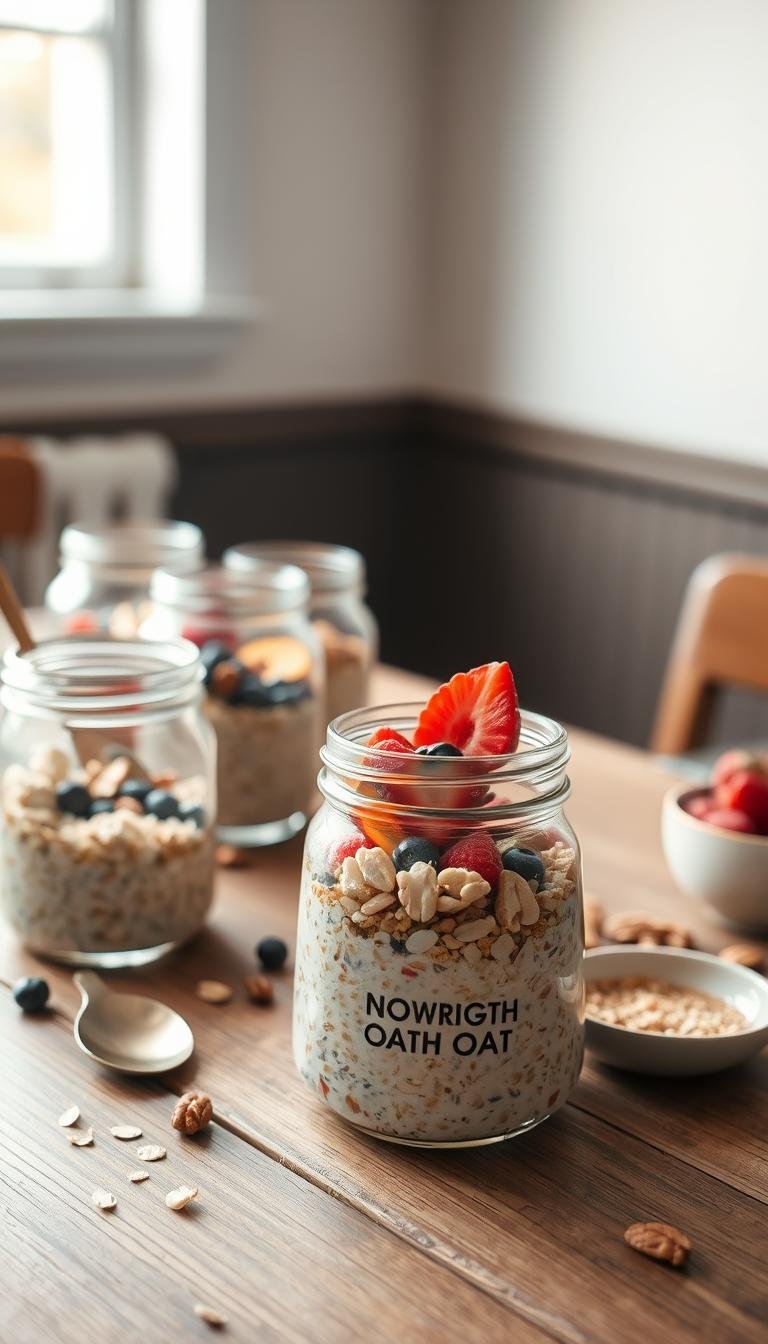
Easy Overnight Oats Recipes for Quick Breakfasts
Here’s a surprise: according to USDA FoodData Central, a 1/2 cup of dry rolled oats packs about 4 grams of fiber, and the American Heart Association links higher fiber intake with better heart health. That makes Overnight Oats Recipes a smart way to turn sleepy mornings into quick breakfasts with real staying power.
This Website contains affiliate links. That means I may earn a small commission if you purchase through my links, at no extra cost to you.
If you want easy breakfast ideas that you can set and forget, these cold oatmeal recipes deliver. Stir oats with milk or yogurt at night, chill, and wake up to a healthy make-ahead breakfast that tastes like it took work. With brands you know—Quaker Old Fashioned Oats, Bob’s Red Mill Gluten Free Rolled Oats, Chobani or Fage Greek yogurt, and Silk or Califia Farms plant milks—you get consistent results in a true grab-and-go breakfast.
In this guide, you’ll learn the cold-soak method, the perfect ratio for a creamy texture, and flavor ideas for every season and diet. We’ll cover protein boosts for workouts, dairy-free and vegan swaps, low-sugar options for steady energy, smart storage using Ball Mason jars, and food-safety times backed by USDA and FDA guidance. Simple steps. Big results.
Key Takeaways
- Overnight Oats Recipes turn oats, milk, and yogurt into quick breakfasts with minimal effort.
- Cold oatmeal recipes use a no-cook soak for creamy texture by morning.
- Choose trusted brands like Quaker, Bob’s Red Mill, Chobani, Silk, and Califia Farms for reliable results.
- A healthy make-ahead breakfast supports heart health with fiber and balanced add-ins.
- Use Ball Mason jars for a sturdy, grab-and-go breakfast that stores well in the fridge.
- Options include dairy-free, vegan, protein-packed, and low-sugar builds to fit your routine.
What Are Overnight Oats and Why They’re Perfect for Busy Mornings
Overnight oats are a simple, no-cook oatmeal that rests in the fridge until morning. The method turns rolled oats into a creamy, spoonable, fiber-rich breakfast with almost no effort. It’s ideal for a make-ahead oats routine that supports a calm, reliable start to the day.
How overnight oats work: cold-soak method explained
The cold-soak method hydrates oats in milk, plant milk, or yogurt for 4–6 hours. As the grains absorb liquid, starches swell and soften, much like stovetop cooking, but without heat. This creates cold-soaked oats with a tender chew and balanced thickness.
Greek yogurt adds tang and extra body, while soy, almond, or oat milk bring different textures and protein levels. The result is a spoon-ready jar of no-cook oatmeal that stays creamy and consistent.
Nutrition benefits: fiber, protein, and heart-healthy ingredients
Rolled oats provide beta-glucan, a soluble fiber that helps you feel full and supports a heart-healthy breakfast pattern. Pair oats with chia or flax for ALA omega-3s, nuts for good fats, and fruit for vitamins and polyphenols. This combination forms a steady, fiber-rich breakfast with lasting energy.
For more protein, add Greek yogurt, cottage cheese, or soy milk. These options boost satiety and round out a balanced jar of make-ahead oats without extra cooking.
Time-saving advantages for weekday breakfasts
Batch once, enjoy all week. Assemble 3–5 jars in under 20 minutes, then grab one each morning. That’s true meal prep breakfast efficiency for students, commuters, and busy parents.
Each jar is portable, customizable, and ready to eat. Stir, top, and go—no waiting, no mess, just dependable no-cook oatmeal that streamlines your routine.
| Goal | Best Liquid Choice | Key Add-Ins | Why It Works |
|---|---|---|---|
| Creamiest texture | Whole milk or oat milk | Greek yogurt, banana | Extra fats and starch create a lush base for cold-soaked oats |
| Higher protein | Soy milk | Chia seeds, peanut butter | Combines plant protein and healthy fats for a heart-healthy breakfast |
| Lighter option | Almond milk | Blueberries, cinnamon | Fresh flavor with fewer calories for a fiber-rich breakfast |
| Fastest prep | Milk of choice | Maple syrup, vanilla | Minimal steps keep make-ahead oats ideal as a meal prep breakfast |
Essential Ingredients for Creamy, Satisfying Oats
Build a better jar by pairing the right oats, liquid, and flavor boosters. The balance decides whether your breakfast turns out thick and spoonable or light and pudding-like. A pinch of salt brightens everything, and small add-ins can shift texture fast.
Best oats to use: old-fashioned vs. quick vs. steel-cut
For classic texture, choose old-fashioned oats. In the rolled oats vs quick oats debate, rolled win for chew and even hydration. Quick oats soak fast and suit a softer cup, but they can turn pasty if you leave them more than 12–18 hours.
If you love bite, try a steel-cut oats cold soak. Expect a firm chew and plan on 12–24 hours, or use quick-cooking steel-cut from Bob’s Red Mill to shorten the wait. Stir in chia or flax to thicken without losing that hearty feel.
Choosing liquids: milk, dairy-free alternatives, and yogurt
Dairy milk adds body and protein—2% or whole work well for a rich base. For dietary needs, lactose-free versions keep the same creamy profile. When you want more protein and tang, go with Greek yogurt overnight oats using Fage or Chobani, or go extra thick with Siggi’s skyr.
For a lighter option, pick plant-based milk for oats. Soy milk brings about 7–8 grams of protein per cup, almond milk keeps calories low, and oat milk adds natural sweetness and a plush mouthfeel. Mix half milk and half yogurt for a scoopable, dessert-like texture.
Sweeteners and spices: maple syrup, honey, vanilla, cinnamon
Reach for natural sweeteners like 100% maple syrup, honey, or date syrup; a small drizzle goes far. Vanilla extract, cinnamon, nutmeg, and cardamom form versatile spice blends for oatmeal that taste cozy without extra sugar. A dash of pumpkin pie spice is great for fall jars.
Nut butters such as Justin’s or Barney Butter add richness, while chia seeds and ground flax help set the mix. Adjust sweetness last so the oats, milk, and yogurt have time to bloom their flavors overnight.
| Ingredient Choice | Texture Outcome | Nutrition Note | Best Use Case |
|---|---|---|---|
| Rolled (Old-Fashioned) Oats | Chewy, cohesive | Steady fiber, hydrates evenly | Everyday jars; balanced rolled oats vs quick oats pick |
| Quick Oats | Soft, pudding-like | Fast soak; can over-soften | 12-hour soaks; gentle textures |
| Steel-Cut Oats | Firm, nubby bite | Higher chew; needs time | Steel-cut oats cold soak or par-cook |
| 2% or Whole Dairy Milk | Creamy, rich | Protein, calcium | Classic base and kid-friendly bowls |
| Soy/Almond/Oat Milk | From light to plush | Varied protein; dairy-free | Plant-based milk for oats and flavor tweaks |
| Greek Yogurt or Skyr | Thick, tangy | High protein | Greek yogurt overnight oats with fruit |
| Maple, Honey, Date Syrup | Balanced sweetness | Natural sweeteners | Mix in small amounts after tasting |
| Vanilla, Cinnamon, Cardamom | Warm, aromatic | No added sugar | Flexible spice blends for oatmeal |
How to Get the Perfect Ratio and Texture
The overnight oats ratio sets the tone for every bowl. A dependable start is a 1:1 oats-to-liquid ratio with rolled oats, such as 1/2 cup oats and 1/2 cup milk, plus 1–2 tablespoons yogurt for creamy overnight oats. Add a pinch of fine sea salt—about 1/16–1/8 teaspoon—to sharpen flavor and balance sweetness.
For thick overnight oats, cut the liquid slightly—think 6–7 tablespoons per 1/2 cup oats—or use a smart chia seed ratio of 1 tablespoon per serving. Chia absorbs moisture and adds body. If you like a looser spoon feel, shift the oats-to-liquid ratio toward 1:1.25–1.5.
Steel-cut oats need more hydration and time. Aim for about 1:2 and let them soak longer for a tender bite. When adding frozen fruit, reduce liquid by 1–2 tablespoons to offset thawing juice. These texture tips prevent soggy or pasty results.
Stir well before chilling to disperse seeds and spices, then stir again in the morning to reincorporate any layers. Keep jars at or below 40°F for safe, steady thickening. If oats set too firm, splash in milk right before serving. If they’re loose, add chia or ground flax and rest 10 minutes, or fold in an extra spoon of yogurt.
Pro move: Use a wider jar for better mixing and even hydration; it improves mouthfeel without changing your overnight oats ratio.
| Goal | Oats | Oats-to-Liquid Ratio | Add-Ins | Refrigeration Tips | Result |
|---|---|---|---|---|---|
| Classic balance | Rolled (old-fashioned) | 1:1 | 1–2 tbsp yogurt; pinch fine sea salt | Stir before/after chilling at ≤40°F | Creamy overnight oats with clean spoon feel |
| Extra thick | Rolled | 1:0.9–0.85 (e.g., 6–7 tbsp liquid per 1/2 cup) | Chia seed ratio: 1 tbsp; optional ground flax | Rest 10 min after adding seeds if too loose | Thick overnight oats, pudding-like texture |
| Looser, spoonable | Rolled | 1:1.25–1.5 | Yogurt for body; vanilla or cinnamon | Stir well to avoid watery top layer | Smoother oats with gentle flow |
| Steel-cut soak | Steel-cut | 1:2 | Optional 1 tsp chia; extra time | Longer chill for full hydration | Hearty bite with even chew |
| Frozen fruit add | Rolled or steel-cut | Reduce liquid by 1–2 tbsp | Berries, cherries, or mango | Mix fruit in, then adjust in the morning | Balanced body without excess liquid |
| Morning fix | Any | Adjust on demand | Add milk if too thick; chia/flax if thin | Stir to re-emulsify layers | Dialed-in texture using quick texture tips |
Overnight Oats Recipes
Here’s a quick path from pantry to fridge. Start with a basic overnight oats plan you can repeat on busy nights, then riff with seasonal oatmeal flavors. Keep a steady method for a consistent overnight oats texture, and finish with smart mix-ins and toppings that fit your taste.
Classic base recipe with customizable ratios
Per serving, stir together 1/2 cup rolled oats, 1/2 cup milk or dairy-free milk, 2 tablespoons plain Greek yogurt, 1 teaspoon chia seeds, 1–2 teaspoons maple syrup, 1/4 teaspoon vanilla, and a pinch of salt. Cover and chill 6–12 hours.
This is a dependable, customizable oats recipe you can scale for weekday jars. Use Quaker Old Fashioned or Bob’s Red Mill rolled oats for reliable results that taste like a café bowl at home.
Flavor variations to match seasons and tastes
- Berry Vanilla: Fold in fresh or frozen blueberries and strawberries.
- Peanut Butter Banana: 1 tablespoon creamy peanut butter, banana slices, and cacao nibs.
- Apple Cinnamon: Diced Honeycrisp, cinnamon, and raisins.
- Mocha: A splash of cold brew concentrate, cocoa powder, and a touch of maple.
- Tropical: Mango, pineapple, and coconut flakes.
- Pumpkin Pie: Pumpkin puree, pumpkin spice, and chopped pecans.
Rotate these for seasonal oatmeal flavors and a fresh feel each week. The base stays steady while the mix-ins and toppings do the heavy lifting.
Tips for keeping texture consistent
- Measure liquids the same way each time to maintain a consistent overnight oats texture.
- Account for watery fruit by reducing milk slightly when using juicy berries or pineapple.
- Stick with the same brand and type of oats for uniform soak and bite.
- Pre-layer nut butters or thick jams along the jar sides for even swirls and bold taste.
- Avoid citrus juice on the oats overnight; add zest in the mix and finish with juice in the morning.
With this basic overnight oats template and a reliable, customizable oats recipe, you can swap in seasonal oatmeal flavors and still get a creamy spoonful every time. Finish with crisp or creamy mix-ins and toppings right before serving.
Protein-Packed Variations for Post-Workout Breakfasts
Build high-protein overnight oats that deliver 20–35 g protein per jar, ideal for a post-workout breakfast. Start with 1/2 cup old-fashioned oats, 3/4 cup milk, 1 scoop protein, and 1 tablespoon chia or hemp hearts. Stir well, then chill. Add a pinch of salt or electrolytes if you sweat heavily.
Pro move: Mix the protein with milk first so it blends smooth and avoids clumps.
Greek yogurt and cottage cheese boosts
For extra casein and creaminess, fold in 3/4 cup Greek yogurt like Fage Total 0% or 2%. For cottage cheese oats, stir in 1/2 cup low-fat cottage cheese from Good Culture or Daisy. Both options raise satiety and keep texture thick and spoonable.
Try Blueberry Cheesecake: vanilla base, Greek yogurt, lemon zest, and fresh blueberries. It turns high-protein overnight oats into a tangy, bright treat that still supports recovery.
Protein powder blends that mix smoothly
Whey protein oats get plush and dessert-like with whey isolate. For dairy-free, vegan protein oats made with pea or soy powders from Orgain, Vega, or NOW Sports integrate well. Whisk the scoop with milk before adding oats to get a silky finish.
Flavor ideas: Chocolate PB with chocolate whey, peanut butter, and banana. Maple Pecan with unflavored protein, pure maple syrup, and toasted pecans. Each one keeps the protein target in range.
Nut and seed add-ins: almonds, chia, hemp, flax
Almonds or walnuts add crunch and vitamin E, while chia, hemp hearts, and ground flax bring fiber and omega-3 seeds. These upgrades round out texture and boost micronutrients without overpowering the bowl.
Use this simple split: 1 tablespoon chia or hemp hearts for structure, plus 1–2 tablespoons nuts for crunch. This balance keeps whey protein oats or vegan protein oats creamy, satisfying, and ready for a strong morning.
Dairy-Free and Vegan Overnight Oats Options
Build a bowl of vegan overnight oats that is creamy, balanced, and simple. Start with certified gluten-free rolled oats and choose plant-based milk oats that fit your goals. Use soy for higher soy milk protein, almond or cashew for a light sip, or oat milk for rich body. Look for fortified cartons from Silk or Califia Farms to cover calcium and B12 needs.
For tang and live cultures, stir in coconut yogurt oats or almond-based yogurt from Kite Hill, So Delicious, or Cocojune. To sweeten, lean on maple-sweetened oats or a spoon of date paste. For a thicker, custard-like finish without dairy, add 1–2 teaspoons chia or a spoon of coconut cream.
Pack in steady energy by mixing oats with hemp hearts, chia seeds, and nut or seed butters. Pea protein blends fold in well and keep texture smooth. These swaps turn a quick jar into a satisfying dairy-free breakfast that holds up through the morning.
- Banana Walnut: Plant-based milk oats, mashed banana, walnuts, and cinnamon.
- Raspberry Almond: Almond milk, raspberries, almond extract, and sliced almonds for crunch.
- Cocoa Hazelnut: Oat milk, cocoa powder, chopped hazelnuts, and a touch of maple-sweetened oats.
- Apple Tahini: Soy base for extra soy milk protein, grated apple, tahini, and a hint of cardamom.
Pro tip for clean flavor and good digestion: choose plant yogurts with live cultures and keep add-ins simple. With these choices, your vegan overnight oats stay creamy, wholesome, and ready when you are.
Low-Sugar and Diabetic-Friendly Ideas
A smart bowl starts with balance and flavor. For diabetic-friendly oats that still taste rich, build a low glycemic breakfast with whole fruit, warming spices, and steady energy from protein and fat. Aim for no added sugar overnight oats that satisfy without a spike.
Using fruit for natural sweetness
Choose fruit-sweetened oats with berries like blueberries, raspberries, or strawberries. They offer fiber and less sugar than tropical fruit. Grate a crisp apple and add cinnamon; the aroma boosts perceived sweetness without extra carbs.
Layer in vanilla, nutmeg, or a touch of citrus zest. These accents lift flavor, helping a carb counting breakfast feel bright and full without syrups.
Low-glycemic sweeteners and portion control
If you want more sweetness, use a small amount of allulose, monk fruit, or a stevia blend. These options have minimal glycemic impact. Skip maple syrup and honey when tight limits matter.
Keep portions steady: about 1/2 cup dry oats per serving. For liquids, try Fairlife ultra-filtered milk to reduce sugar and raise protein, or use unsweetened almond, soy, or oat milk to keep a low glycemic breakfast on track.
Balancing carbs, protein, and fats
Pair each serving with 15–20 g protein using Greek yogurt, cottage cheese, or soy protein. Add 10–15 g fat from almonds, walnuts, chia, hemp, or a spoon of peanut butter. This slows digestion and supports stable energy in diabetic-friendly oats.
Stir in chia or ground flax for soluble fiber that thickens no added sugar overnight oats and tempers the rise in glucose. Personalize choices with guidance from a registered dietitian or your healthcare provider, especially when adjusting insulin for a carb counting breakfast.
Kid-Friendly Flavors the Whole Family Will Love
Make mornings easy with kid-friendly overnight oats that hit familiar notes and keep sugar in check. Serve in 8–10 oz jars so portions feel right for a picky eater breakfast, then loosen with a splash of milk in the morning. Set out a topping bar with fruit, nuts, or seeds so kids can customize and stay engaged.
Tip: Use vanilla and cinnamon to boost natural sweetness. For school-safe jars, swap nut butters for SunButter.
Peanut butter and jelly twist
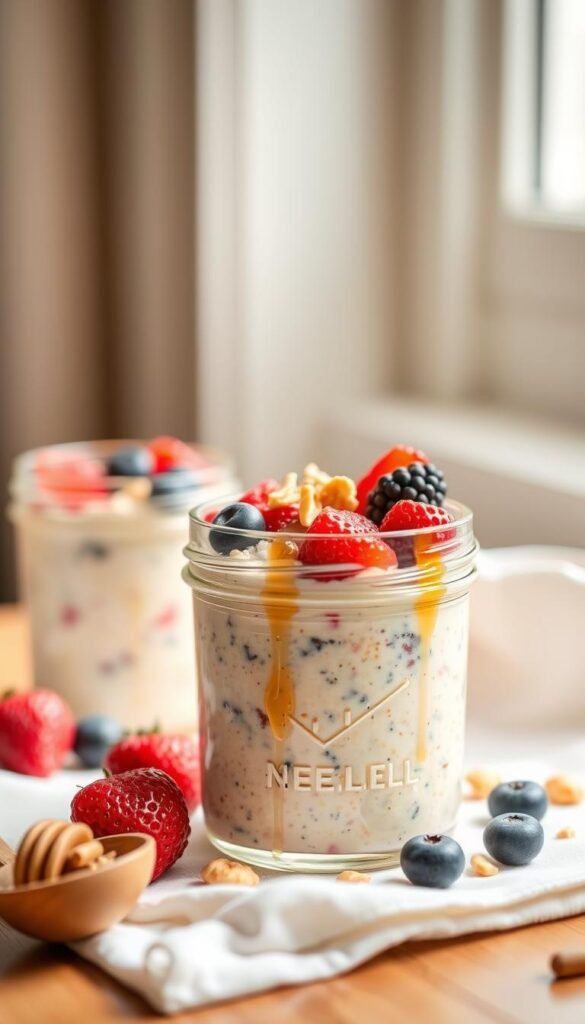
Build PB&J oats in layers. Stir creamy peanut butter into the base, then add a spoon of 100% fruit spread like Smucker’s Natural or Bonne Maman Intense. Keep it modest and let the oats soak up the flavor. Right before serving, sprinkle chopped peanuts for crunch, or choose SunButter and roasted seeds for a nut-free jar.
This take stays true to a lunchbox favorite and lands as a reliable picky eater breakfast with steady energy.
Chocolate banana “chunky monkey”
Stir in cocoa powder, then fold in banana slices and a swirl of peanut or almond butter. For an allergen-friendly spin, use Enjoy Life mini chocolate chips and SunButter. The result tastes like dessert while reading like balanced chocolate banana oats.
A few chips go a long way, and ripe bananas add body and sweetness without extra sugar.
Apple pie with cinnamon and raisins
Toss diced apples with cinnamon and a few raisins or currants. Use the apples raw for crunch or give them a quick sauté for a soft, pie-like bite. Add a light drizzle of maple only if needed and let the spice lift the apple cinnamon oats.
These cozy jars make an easy picky eater breakfast, especially when kids can choose warm apples on top or chilled slices mixed in.
- Serve any flavor as kid-friendly overnight oats with extra milk to adjust texture.
- Keep toppings separate until morning to preserve crunch and color.
- Pack PB&J oats, chocolate banana oats, or apple cinnamon oats in small jars for grab-and-go.
Make-Ahead Meal Prep: Batch, Store, and Serve
Start with batch overnight oats in a large mixing bowl so every jar tastes the same. Use your go-to ratio, whisk until smooth, then begin portioning oats into individual containers. This keeps mornings quick and reduces cleanup through the week.
A simple weekly meal prep breakfast plan works well: rotate three base flavors—like vanilla, cinnamon-maple, and cocoa—and change toppings to avoid taste fatigue. Keep crunchy add-ins separate. Granola, toasted almonds, and cacao nibs stay crisp if you add them right before eating.
Focus on scaling recipes without losing texture. Weigh dry ingredients for consistency, write labels with the date and flavor, and mark jars as DF, GF, or HP when needed. For office fridges, store refrigerator oats at 34–38°F to maintain quality and food safety.
Refrigerate 4–6 servings for the week, and refresh each jar with a splash of milk before eating. Stir again to loosen the oats. If you freeze components, freeze fruit compotes or purées separately and combine after thawing; assembled refrigerator oats do not freeze well.
When portioning oats for a family, set up a small topping bar. Fresh berries, sliced bananas, and peanut butter suit many tastes. Honey, maple syrup, or vanilla can be adjusted on the spot for a balanced bite.
For busy weeks, keep an index card with ratios and quick swaps to speed up scaling recipes. This helps you repeat wins without guesswork and keeps weekly meal prep breakfast smooth from Sunday night to Friday morning.
Grab-and-Go Containers and Storage Best Practices
Set yourself up for stress-free mornings with the best containers for overnight oats. Choose sturdy, compact options that seal tight, slip into a lunch bag, and keep textures fresh. Follow USDA refrigeration guidelines to keep every serving safe and tasty.
Mason jars vs. meal prep containers
For classic style and durability, 8–16 oz Ball Mason jars with wide mouths are hard to beat. They stack, resist stains, and the metal bands grip well. Weck jars offer a glass-lid seal and elegant presentation for gifting or desk-friendly breakfasts.
If weight matters, go with BPA-free, leakproof meal prep containers from Rubbermaid Brilliance, Snapware, or Sistema. Snap latches keep toppings in place, and the lighter build helps kids and commuters. Match jar size to appetite: 8 oz for snacks, 12–16 oz for full meals.
How long overnight oats last in the fridge
Most batches keep 3–5 days when chilled at or below 40°F, aligning with USDA refrigeration guidelines. Plan your fridge storage time by recipe: dairy-and-fresh-fruit mixes shine within 3 days, while high-acid fruit compotes and cinnamon-spiced blends hold texture up to 5.
Label the lid with the mix date. Store on the middle shelf for steadier temps, not the door. Stir before eating to refresh the creaminess.
Food safety and freshness tips
- Refrigerate within 2 hours of mixing; keep cold during commutes with an insulated bag and ice pack.
- Wash fruit, sanitize prep surfaces, and use clean utensils to avoid cross-contamination.
- Mix protein powder thoroughly to remove dry pockets that hydrate unevenly.
- Discard if you notice off smells, unusual discoloration, or separation beyond normal thickening.
| Container Type | Best Use | Seal Quality | Weight | Recommended Size | Fridge Storage Time Guidance |
|---|---|---|---|---|---|
| Ball Mason jars (wide mouth) | Durable, stackable, classic oats | Tight metal band with lid | Heavier glass | 8–16 oz | 3–5 days at ≤40°F per USDA refrigeration guidelines |
| Weck jars (glass lid + seal) | Aesthetic serving and gifting | Rubber gasket + clips | Heavier glass | 10–16 oz | 3–5 days; ideal for compotes and spiced blends |
| Leakproof meal prep containers (Rubbermaid Brilliance, Snapware, Sistema) | Lightweight commuting and kids’ lunches | Snap-lock, leak-resistant | Light BPA-free plastic | 12–16 oz | 3 days for dairy + fresh fruit; up to 5 for high-acid mixes |
| Small add-on cups or dividers | Keep toppings crisp until serving | Separate sealed compartment | Very light | 2–4 oz | Add at eat-time to preserve texture within the fridge storage time window |
Seasonal Overnight Oats to Keep Things Fresh
Let the calendar guide your bowl. Seasonal overnight oats use peak U.S. produce for bold flavor and smart value, while a few brand staples keep texture consistent. When adding juicy fruit or thawed berries, decrease the base liquid slightly so the oats stay creamy.
Summer berries and citrus zest
For summer berry oats, lightly mash Driscoll’s strawberries and blueberries with lemon zest and a pinch of sugar to macerate. Fold into chilled oats and finish with unsweetened coconut flakes for chew. The citrus brightens each bite without extra sweetness.
Fall pumpkin spice and apple cinnamon
Stir Libby’s pumpkin puree, maple syrup, and pumpkin pie spice into the base for pumpkin spice oats, then top with toasted pepitas. For a cozy spin, sauté Honeycrisp apples with cinnamon and a few raisins, and spoon over warm oats in the morning.
Winter cocoa mint and gingerbread
Blend unsweetened cocoa, a drop of peppermint extract, and a sprinkle of dark chocolate shavings for a cool cocoa bowl. For gingerbread oats, mix molasses with ground ginger, cinnamon, and cloves; the spice warms the oat base and pairs well with a dollop of plain yogurt.
Spring strawberry rhubarb and lemon blueberry
Layer vanilla oats with a lightly sweetened strawberry rhubarb compote for a café-style jar. For lemon blueberry oats, add zest overnight, then squeeze fresh juice in the morning to keep the citrus lively. Adjust liquid if berries release extra juice.
Tip: Keep flavors balanced—use a small pinch of salt to heighten fruit notes across strawberry rhubarb oats, lemon blueberry oats, pumpkin spice oats, and gingerbread oats.
Gluten-Free and Allergen-Smart Swaps
Build gluten-free overnight oats with certified gluten-free oats from trusted brands like Bob’s Red Mill Gluten Free Organic Rolled Oats or GF Harvest. Read labels to avoid cross-contamination and watch for barley malt syrup in sweeteners or flavorings. This simple step turns a favorite into allergen-friendly oatmeal without losing taste or texture.
For nut-free breakfast ideas, choose oat milk, soy milk, or rice milk in place of almond or cashew milks. Swap peanut butter for sunflower seed butter or tahini. Use pumpkin seeds or sunflower seeds instead of walnuts or pecans to keep the crunch while staying safe.
When dairy is off the table, pick coconut yogurt or almond yogurt to keep your mix creamy. If soy is the concern, go with almond, oat, or coconut bases. These substitutions for allergies keep ratios steady and help your gluten-free overnight oats set well overnight.
For chocolate lovers, select allergen-friendly options like Enjoy Life chocolate chips. Seed-based granola adds texture without tree nuts. With these choices, your bowl delivers comfort, balance, and dependable flavor every time.
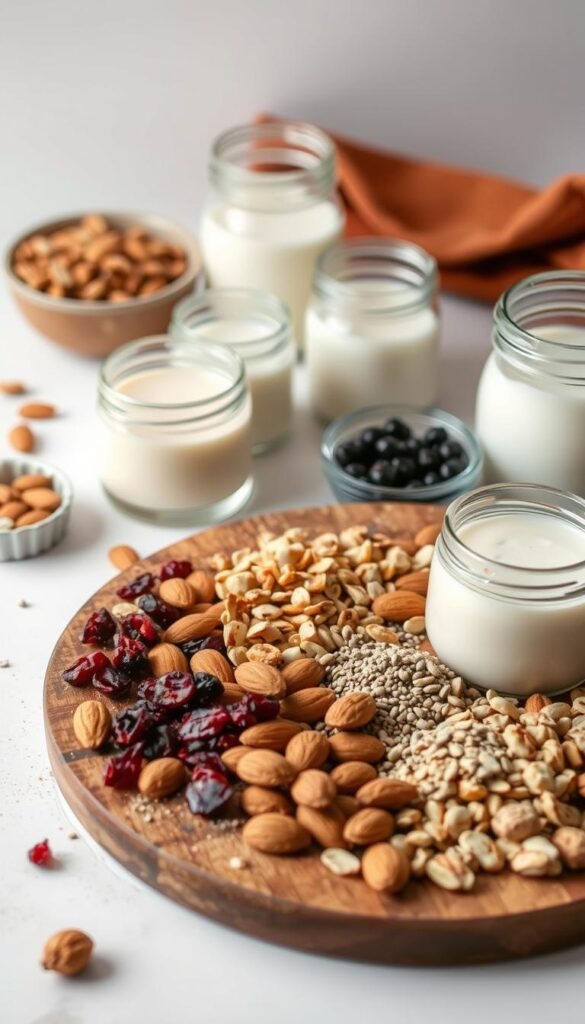
- Oats: Use certified gluten-free oats; check “processed in a gluten-free facility.”
- Creaminess: Coconut yogurt or almond yogurt for dairy swaps; oat or rice milk for a lighter base.
- Crunch: Pumpkin seeds, sunflower seeds, and seed-based granola in place of nuts.
- Flavor: Sunflower seed butter or tahini as nut-free breakfast ideas that blend smoothly.
- Sweets: Allergen-friendly oatmeal add-ins like Enjoy Life chocolate; verify labels on syrups.
| Need | Smart Swap | Why It Works | Brands/Notes |
|---|---|---|---|
| Gluten control | Certified gluten-free oats | Reduces cross-contact risk | Bob’s Red Mill, GF Harvest; confirm certification |
| Dairy-free creaminess | Coconut or almond yogurt | Thick texture, mild flavor | Unsweetened varieties help balance sugar |
| Nut-free crunch | Pumpkin and sunflower seeds | Toasty bite, rich minerals | Roasted, unsalted for better control |
| Peanut alternative | Sunflower seed butter or tahini | Creamy spread, stable in cold soak | Stir well; choose no added sweeteners |
| Soy-free base | Oat, rice, or coconut milk | Neutral taste; consistent texture | Look for fortified options |
| Chocolate fix | Allergen-friendly chips | Safe indulgence | Enjoy Life; check facility practices |
Texture and Flavor Boosters to Elevate Your Bowl
Build contrast, then layer flavor. Smart oatmeal toppings turn a simple jar into a craveable breakfast, and the right finish keeps every bite lively from first spoonful to last.
Start with structure. Add a crunchy granola topping at the table to protect texture. Low-moisture blends from Purely Elizabeth or Kind hold up well. Toast almonds or pecans for warmth, then mix in pumpkin or sunflower seeds for a salty edge. Toasted coconut chips and cacao nibs add snap and a hint of bitterness that balances sweet fruit.
Keep moisture in check. Sprinkle cacao nib oats just before serving so the crunch stays sharp. If you like a richer base, stir in a pinch of flaky salt with peanut butter for contrast, or dust espresso powder over the top for a stealth mocha vibe.
Layer the sweet notes, not the sugar rush. For fruit compote oats, swirl in cooled blueberry–lemon or apple–cinnamon compote made on the stove. Use fruit spreads without high-fructose corn syrup from brands like Bonne Maman or St. Dalfour. A quick chia jam—berries, chia, and lemon—gives a thick, bright ribbon without watering down the oats.
Build a balanced spoon. Alternate creamy oats with compote, then finish with seeds or coconut to keep the top crisp. Each layer should bring a new cue: soft, juicy, and crunchy in one bite.
Upgrade with focused superfoods. For superfood oatmeal, use cacao nibs for antioxidants and texture; maca powder (1/2–1 teaspoon) for gentle, malty depth; spirulina for a green boost paired with pineapple–mango to soften its earthiness. Collagen peptides blend in for extra protein if you are not vegan.
Brighten the finish with citrus zest for aroma. A light hand matters; small accents let the base shine while the oatmeal toppings do the heavy lifting.
Mix and match: a crunchy granola topping over fruit compote oats, or cacao nib oats with orange zest. With a few pantry staples, your bowl stays bold from fridge to desk.
Budget-Friendly Overnight Oats for Families
Stretch the grocery budget without skimping on taste. These ideas turn overnight oats into cheap healthy breakfasts that kids and adults enjoy. Keep a short list of pantry staple recipes and rotate flavors based on sales for cost-effective meal prep all week.
Buying oats and nuts in bulk
Pick up 5–10 lb bags of rolled bulk oats from Costco or Sam’s Club. Transfer to airtight containers to prevent moisture and rancidity. For add-ins, buy almonds, walnuts, chia, and flax in bulk and store them in the freezer to lock in freshness and cut waste.
Use simple blends to keep portions in check. Half a cup of oats, milk or a dairy-free option, and a spoon of nuts gives steady energy. These choices make cheap healthy breakfasts that are easy to scale for a family.
Using frozen fruit and pantry staples
Keep a stash of frozen berries and mango from brands like Kirkland Signature and Cascadian Farm. They are prepped, consistent, and ideal for frozen fruit oatmeal when fresh fruit costs more off-season.
Lean on pantry staple recipes with peanut butter, cinnamon, cocoa powder, raisins, shredded coconut, and canned pumpkin. These shelf-stable items help with cost-effective meal prep and steady flavor. Stir in a quick chia jam made from frozen fruit for a bright, low-cost swirl.
Cost-per-serving breakdown strategies
Use a simple method: divide the package price by the number of servings. A 42 oz canister of rolled oats yields about 15 cups. At $6, that is about $0.40 per 1/2 cup serving. Reuse jars and buy multi-packs of lids to lower container costs.
Aim for a total of $0.90–$1.80 per serving by pairing bulk oats with frozen fruit and homemade chia jam. Rotate flavors with what is on sale to keep cheap healthy breakfasts interesting without raising the bill.
| Ingredient | Package Size | Approx. Servings | Estimated Cost | Cost per Serving | Notes for Savings |
|---|---|---|---|---|---|
| Rolled Oats (Costco/Sam’s Club) | 42 oz (~15 cups) | 30 (1/2 cup each) | $6.00 | $0.20 | Buy bulk oats; store airtight to prevent rancidity |
| Frozen Mixed Berries (Kirkland Signature) | 4 lb | 16 (1 cup each) | $12.00 | $0.75 | Great for frozen fruit oatmeal; use 1/2 cup to cut cost |
| Chia Seeds | 2 lb | 60 (1 tbsp each) | $9.00 | $0.15 | Buy in bulk; freeze to extend shelf life |
| Peanut Butter | 40 oz | 37 (1 tbsp each) | $7.00 | $0.19 | Pantry staple; adds protein and richness |
| Cinnamon & Cocoa Powder | Economy jars | 80+ | $8.00 | ~$0.05 | Flavor boosters for pantry staple recipes |
| Milk or Dairy-Free Alternative | 64 oz | 16 (1/2 cup each) | $3.50 | $0.22 | Buy store brand; consider shelf-stable cartons on sale |
| Reusable Jars & Lids | 12-pack lids | Multiple uses | $6.00 | ~$0.02 per use | Reuse jars; buy multi-packs of lids for cost-effective meal prep |
Troubleshooting Common Mistakes
Texture fixes start with ratios and timing. If you need to fix runny overnight oats, reduce liquid by 1–2 tablespoons, add a teaspoon of chia or ground flax, and extend the soak to 10–12 hours. For too thick oats, loosen the mix with 2–3 tablespoons of milk right before eating and stir until creamy.
Use old-fashioned oats to keep a steady bite. A quick mushy oats solution is to shorten the soak to 6–8 hours and avoid over-stirring soft fruit into the base; add berries or bananas on top at serving. If you notice separation in overnight oats, whisk the mixture before chilling and again in the morning.
To avoid clumps, blend protein powder with milk first, then pour into the jar. Swirl peanut butter or almond butter through the top rather than mixing it deep into the base. If the bowl still feels gummy, scale back chia or flax and aim for a simple 1:1 oats-to-liquid ratio, adjusting slowly.
Manage taste as carefully as texture. For bitter flavor oats, skip letting citrus juice sit overnight—use zest in the soak and squeeze juice in the morning. Choose unsweetened cocoa and balance it with a small pinch of salt or a touch of maple syrup.
Keep it fresh and safe: store in clean, airtight jars such as Ball or Kerr, keep below 40°F, and enjoy within 3–5 days. These habits also curb separation in overnight oats and protect flavors from off notes.
Conclusion
The best Overnight Oats Recipes make mornings simple. The cold-soak method turns oats, milk, or yogurt into a creamy base with steady energy. Start with a reliable ratio, add fruit, spices, and a little crunch, and you have quick oatmeal recipes that fit real life. This is a healthy breakfast routine that works for busy weekdays across the United States.
From protein boosts with Greek yogurt to vegan and dairy-free swaps with almond milk or oat milk, these bowls adapt to your goals. Low-sugar blends use berries, cinnamon, and vanilla for clean flavor. Kid-friendly picks, like peanut butter with banana or apple cinnamon, keep everyone happy. Rotate seasonal mix-ins to stay excited and support meal prep success all year.
For safe, smooth mornings, store portions in Mason jars or BPA-free containers and follow fridge timelines. Batch on Sunday, shake before serving, and top with fresh fruit or nuts for texture. These make-ahead breakfast ideas cut stress, support heart health with fiber, and protect your budget by using pantry staples and frozen produce.
Begin with the classic base, then customize for taste and nutrition. Mix in chia or flax for more fullness, or add cottage cheese for extra protein. With a few smart steps, quick oatmeal recipes become a repeatable system. That is the path to a healthy breakfast routine and long-term meal prep success.
FAQ
What are overnight oats and how does the cold-soak method work?
Which oats are best: old-fashioned, quick, or steel-cut?
What’s the ideal ratio of oats to liquid for creamy results?
How can I boost protein for a post-workout breakfast?
What dairy-free and vegan options work best?
How do I make low-sugar or diabetic-friendly overnight oats?
Are overnight oats gluten-free?
How long do overnight oats last in the fridge?
What containers are best for grab-and-go?
How do I keep the texture consistent every time?
What are some classic flavor ideas to get started?
Can I meal-prep several jars at once?
Is it safe to add protein powder to overnight oats?
What sweeteners and spices work without adding too much sugar?
How can I make kid-friendly jars?
What are good allergen-smart swaps?
Why are overnight oats considered heart-healthy?
Do frozen fruits work, and how should I adjust liquid?
Can I add citrus to the base without bitterness?
What budget tips help lower cost per serving?
FAQ
What are overnight oats and how does the cold-soak method work?
Overnight oats are uncooked oatmeal made by soaking rolled oats in milk, plant milk, or yogurt in the fridge for 4–12 hours. The cold-soak hydrates starches and beta-glucan fiber, softening the oats like cooking without heat. The result is creamy, ready-to-eat oats by morning.
Which oats are best: old-fashioned, quick, or steel-cut?
Old-fashioned (rolled) oats give the best texture for most recipes. Quick oats get very soft and can turn mushy after 12–18 hours. Steel-cut oats stay chewy and need a longer soak (12–24 hours) or a brief par-cook. Brands like Quaker Old Fashioned Oats and Bob’s Red Mill Gluten Free Rolled Oats are reliable.
What’s the ideal ratio of oats to liquid for creamy results?
Start with a 1:1 ratio by volume—1/2 cup rolled oats to 1/2 cup milk—plus 1–2 tablespoons Greek yogurt for body. For thicker oats, reduce liquid slightly or add 1 tablespoon chia seeds. For looser oats, use 1.25–1.5 parts liquid to 1 part oats.
How can I boost protein for a post-workout breakfast?
Add 3/4 cup Greek yogurt (Fage or Chobani), 1/2 cup cottage cheese (Good Culture, Daisy), or a scoop of whey, pea, or soy protein (Orgain, Vega, NOW Sports). Include chia, hemp hearts, or almonds for extra protein and healthy fats.
What dairy-free and vegan options work best?
Use plant milks like soy (higher protein), almond, or oat milk (Silk, Califia Farms) and plant yogurts such as Kite Hill, So Delicious, or Cocojune. Thicken with chia or a spoon of coconut cream. Choose fortified milks for calcium and vitamin B12.
How do I make low-sugar or diabetic-friendly overnight oats?
Sweeten with berries, grated apple, vanilla, and cinnamon instead of syrups. If needed, use small amounts of allulose, monk fruit, or stevia. Keep portions to about 1/2 cup dry oats and pair with 15–20 g protein and 10–15 g fat to slow glucose rise. Fairlife ultra-filtered milk is a good higher-protein, lower-sugar option.
Are overnight oats gluten-free?
Oats are naturally gluten-free but can be cross-contaminated. Choose certified gluten-free oats such as Bob’s Red Mill Gluten Free Organic Rolled Oats or GF Harvest. Check labels on flavorings and sweeteners for hidden gluten like barley malt.
How long do overnight oats last in the fridge?
Store at or below 40°F. Most jars keep 3–5 days. Versions with fresh fruit and dairy are best within 3 days for peak texture. Always smell and check appearance before eating; discard if you notice off odors or unusual separation.
What containers are best for grab-and-go?
Wide-mouth 8–16 oz Ball Mason jars seal well and mix easily. BPA-free plastic containers like Rubbermaid Brilliance, Snapware, or Sistema are lighter for commuting. Ensure lids are leakproof and add crunchy toppings at serving.
How do I keep the texture consistent every time?
Measure liquids, use the same brand and cut of oats, and account for watery fruits by reducing liquid 1–2 tablespoons. Stir before chilling and again in the morning. If too thick, splash in milk; if runny, add chia or ground flax and rest 10 minutes.
What are some classic flavor ideas to get started?
Try Berry Vanilla with blueberries or strawberries; Peanut Butter Banana with cacao nibs; Apple Cinnamon with raisins; or Mocha with cold brew and cocoa. Seasonal twists include Pumpkin Pie (Libby’s puree), Tropical mango-pineapple, and Lemon Blueberry with zest.
Can I meal-prep several jars at once?
Yes. Mix a large batch for 4–6 servings, portion into containers, label with date and flavor, and store cold. Keep granola and nuts separate to preserve crunch. Re-stir and add a splash of milk before eating.
Is it safe to add protein powder to overnight oats?
Yes. Whisk protein powder into the milk first to prevent clumps, then combine with oats. Chill promptly within 2 hours and keep below 40°F. Stir again before serving for even texture.
What sweeteners and spices work without adding too much sugar?
Use small amounts of 100% maple syrup, honey, date syrup, or agave. Build flavor with vanilla extract, cinnamon, nutmeg, cardamom, pumpkin pie spice, and a pinch of salt to enhance sweetness without extra sugar.
How can I make kid-friendly jars?
Go for familiar flavors: PB&J with 100% fruit spread (Smucker’s Natural or Bonne Maman), Chocolate Banana with mini chips (Enjoy Life), or Apple Pie with cinnamon and raisins. Use smaller 8–10 oz jars and let kids add toppings at breakfast.
What are good allergen-smart swaps?
Use sunflower seed butter or tahini for nut-free jars, and pumpkin or sunflower seeds for crunch. Choose Enjoy Life chocolate for allergen-friendly chips. For dairy allergies, use coconut or almond yogurt; for soy allergies, choose almond, oat, or coconut bases.
Why are overnight oats considered heart-healthy?
Rolled oats are rich in beta-glucan fiber, which the American Heart Association notes helps lower LDL cholesterol. Add-ins like chia, flax, walnuts, and berries support heart health with fiber, omega-3s, and polyphenols.
Do frozen fruits work, and how should I adjust liquid?
Frozen berries and mango work well and are budget-friendly. Reduce base liquid by 1–2 tablespoons to account for thawing. Stir before chilling to distribute fruit evenly.
Can I add citrus to the base without bitterness?
Use zest overnight for bright flavor. Add lemon or orange juice in the morning. This prevents the bitter notes that can develop when citrus juice sits with oats for hours.
What budget tips help lower cost per serving?
Buy oats, nuts, and seeds in bulk from Costco or Sam’s Club, store nuts in the freezer, and use frozen fruit from brands like Kirkland Signature or Cascadian Farm. Rely on pantry staples—peanut butter, cinnamon, cocoa, raisins—to keep costs between about
FAQ
What are overnight oats and how does the cold-soak method work?
Overnight oats are uncooked oatmeal made by soaking rolled oats in milk, plant milk, or yogurt in the fridge for 4–12 hours. The cold-soak hydrates starches and beta-glucan fiber, softening the oats like cooking without heat. The result is creamy, ready-to-eat oats by morning.
Which oats are best: old-fashioned, quick, or steel-cut?
Old-fashioned (rolled) oats give the best texture for most recipes. Quick oats get very soft and can turn mushy after 12–18 hours. Steel-cut oats stay chewy and need a longer soak (12–24 hours) or a brief par-cook. Brands like Quaker Old Fashioned Oats and Bob’s Red Mill Gluten Free Rolled Oats are reliable.
What’s the ideal ratio of oats to liquid for creamy results?
Start with a 1:1 ratio by volume—1/2 cup rolled oats to 1/2 cup milk—plus 1–2 tablespoons Greek yogurt for body. For thicker oats, reduce liquid slightly or add 1 tablespoon chia seeds. For looser oats, use 1.25–1.5 parts liquid to 1 part oats.
How can I boost protein for a post-workout breakfast?
Add 3/4 cup Greek yogurt (Fage or Chobani), 1/2 cup cottage cheese (Good Culture, Daisy), or a scoop of whey, pea, or soy protein (Orgain, Vega, NOW Sports). Include chia, hemp hearts, or almonds for extra protein and healthy fats.
What dairy-free and vegan options work best?
Use plant milks like soy (higher protein), almond, or oat milk (Silk, Califia Farms) and plant yogurts such as Kite Hill, So Delicious, or Cocojune. Thicken with chia or a spoon of coconut cream. Choose fortified milks for calcium and vitamin B12.
How do I make low-sugar or diabetic-friendly overnight oats?
Sweeten with berries, grated apple, vanilla, and cinnamon instead of syrups. If needed, use small amounts of allulose, monk fruit, or stevia. Keep portions to about 1/2 cup dry oats and pair with 15–20 g protein and 10–15 g fat to slow glucose rise. Fairlife ultra-filtered milk is a good higher-protein, lower-sugar option.
Are overnight oats gluten-free?
Oats are naturally gluten-free but can be cross-contaminated. Choose certified gluten-free oats such as Bob’s Red Mill Gluten Free Organic Rolled Oats or GF Harvest. Check labels on flavorings and sweeteners for hidden gluten like barley malt.
How long do overnight oats last in the fridge?
Store at or below 40°F. Most jars keep 3–5 days. Versions with fresh fruit and dairy are best within 3 days for peak texture. Always smell and check appearance before eating; discard if you notice off odors or unusual separation.
What containers are best for grab-and-go?
Wide-mouth 8–16 oz Ball Mason jars seal well and mix easily. BPA-free plastic containers like Rubbermaid Brilliance, Snapware, or Sistema are lighter for commuting. Ensure lids are leakproof and add crunchy toppings at serving.
How do I keep the texture consistent every time?
Measure liquids, use the same brand and cut of oats, and account for watery fruits by reducing liquid 1–2 tablespoons. Stir before chilling and again in the morning. If too thick, splash in milk; if runny, add chia or ground flax and rest 10 minutes.
What are some classic flavor ideas to get started?
Try Berry Vanilla with blueberries or strawberries; Peanut Butter Banana with cacao nibs; Apple Cinnamon with raisins; or Mocha with cold brew and cocoa. Seasonal twists include Pumpkin Pie (Libby’s puree), Tropical mango-pineapple, and Lemon Blueberry with zest.
Can I meal-prep several jars at once?
Yes. Mix a large batch for 4–6 servings, portion into containers, label with date and flavor, and store cold. Keep granola and nuts separate to preserve crunch. Re-stir and add a splash of milk before eating.
Is it safe to add protein powder to overnight oats?
Yes. Whisk protein powder into the milk first to prevent clumps, then combine with oats. Chill promptly within 2 hours and keep below 40°F. Stir again before serving for even texture.
What sweeteners and spices work without adding too much sugar?
Use small amounts of 100% maple syrup, honey, date syrup, or agave. Build flavor with vanilla extract, cinnamon, nutmeg, cardamom, pumpkin pie spice, and a pinch of salt to enhance sweetness without extra sugar.
How can I make kid-friendly jars?
Go for familiar flavors: PB&J with 100% fruit spread (Smucker’s Natural or Bonne Maman), Chocolate Banana with mini chips (Enjoy Life), or Apple Pie with cinnamon and raisins. Use smaller 8–10 oz jars and let kids add toppings at breakfast.
What are good allergen-smart swaps?
Use sunflower seed butter or tahini for nut-free jars, and pumpkin or sunflower seeds for crunch. Choose Enjoy Life chocolate for allergen-friendly chips. For dairy allergies, use coconut or almond yogurt; for soy allergies, choose almond, oat, or coconut bases.
Why are overnight oats considered heart-healthy?
Rolled oats are rich in beta-glucan fiber, which the American Heart Association notes helps lower LDL cholesterol. Add-ins like chia, flax, walnuts, and berries support heart health with fiber, omega-3s, and polyphenols.
Do frozen fruits work, and how should I adjust liquid?
Frozen berries and mango work well and are budget-friendly. Reduce base liquid by 1–2 tablespoons to account for thawing. Stir before chilling to distribute fruit evenly.
Can I add citrus to the base without bitterness?
Use zest overnight for bright flavor. Add lemon or orange juice in the morning. This prevents the bitter notes that can develop when citrus juice sits with oats for hours.
What budget tips help lower cost per serving?
Buy oats, nuts, and seeds in bulk from Costco or Sam’s Club, store nuts in the freezer, and use frozen fruit from brands like Kirkland Signature or Cascadian Farm. Rely on pantry staples—peanut butter, cinnamon, cocoa, raisins—to keep costs between about $0.90 and $1.80 per serving.
FAQ
What are overnight oats and how does the cold-soak method work?
Overnight oats are uncooked oatmeal made by soaking rolled oats in milk, plant milk, or yogurt in the fridge for 4–12 hours. The cold-soak hydrates starches and beta-glucan fiber, softening the oats like cooking without heat. The result is creamy, ready-to-eat oats by morning.
Which oats are best: old-fashioned, quick, or steel-cut?
Old-fashioned (rolled) oats give the best texture for most recipes. Quick oats get very soft and can turn mushy after 12–18 hours. Steel-cut oats stay chewy and need a longer soak (12–24 hours) or a brief par-cook. Brands like Quaker Old Fashioned Oats and Bob’s Red Mill Gluten Free Rolled Oats are reliable.
What’s the ideal ratio of oats to liquid for creamy results?
Start with a 1:1 ratio by volume—1/2 cup rolled oats to 1/2 cup milk—plus 1–2 tablespoons Greek yogurt for body. For thicker oats, reduce liquid slightly or add 1 tablespoon chia seeds. For looser oats, use 1.25–1.5 parts liquid to 1 part oats.
How can I boost protein for a post-workout breakfast?
Add 3/4 cup Greek yogurt (Fage or Chobani), 1/2 cup cottage cheese (Good Culture, Daisy), or a scoop of whey, pea, or soy protein (Orgain, Vega, NOW Sports). Include chia, hemp hearts, or almonds for extra protein and healthy fats.
What dairy-free and vegan options work best?
Use plant milks like soy (higher protein), almond, or oat milk (Silk, Califia Farms) and plant yogurts such as Kite Hill, So Delicious, or Cocojune. Thicken with chia or a spoon of coconut cream. Choose fortified milks for calcium and vitamin B12.
How do I make low-sugar or diabetic-friendly overnight oats?
Sweeten with berries, grated apple, vanilla, and cinnamon instead of syrups. If needed, use small amounts of allulose, monk fruit, or stevia. Keep portions to about 1/2 cup dry oats and pair with 15–20 g protein and 10–15 g fat to slow glucose rise. Fairlife ultra-filtered milk is a good higher-protein, lower-sugar option.
Are overnight oats gluten-free?
Oats are naturally gluten-free but can be cross-contaminated. Choose certified gluten-free oats such as Bob’s Red Mill Gluten Free Organic Rolled Oats or GF Harvest. Check labels on flavorings and sweeteners for hidden gluten like barley malt.
How long do overnight oats last in the fridge?
Store at or below 40°F. Most jars keep 3–5 days. Versions with fresh fruit and dairy are best within 3 days for peak texture. Always smell and check appearance before eating; discard if you notice off odors or unusual separation.
What containers are best for grab-and-go?
Wide-mouth 8–16 oz Ball Mason jars seal well and mix easily. BPA-free plastic containers like Rubbermaid Brilliance, Snapware, or Sistema are lighter for commuting. Ensure lids are leakproof and add crunchy toppings at serving.
How do I keep the texture consistent every time?
Measure liquids, use the same brand and cut of oats, and account for watery fruits by reducing liquid 1–2 tablespoons. Stir before chilling and again in the morning. If too thick, splash in milk; if runny, add chia or ground flax and rest 10 minutes.
What are some classic flavor ideas to get started?
Try Berry Vanilla with blueberries or strawberries; Peanut Butter Banana with cacao nibs; Apple Cinnamon with raisins; or Mocha with cold brew and cocoa. Seasonal twists include Pumpkin Pie (Libby’s puree), Tropical mango-pineapple, and Lemon Blueberry with zest.
Can I meal-prep several jars at once?
Yes. Mix a large batch for 4–6 servings, portion into containers, label with date and flavor, and store cold. Keep granola and nuts separate to preserve crunch. Re-stir and add a splash of milk before eating.
Is it safe to add protein powder to overnight oats?
Yes. Whisk protein powder into the milk first to prevent clumps, then combine with oats. Chill promptly within 2 hours and keep below 40°F. Stir again before serving for even texture.
What sweeteners and spices work without adding too much sugar?
Use small amounts of 100% maple syrup, honey, date syrup, or agave. Build flavor with vanilla extract, cinnamon, nutmeg, cardamom, pumpkin pie spice, and a pinch of salt to enhance sweetness without extra sugar.
How can I make kid-friendly jars?
Go for familiar flavors: PB&J with 100% fruit spread (Smucker’s Natural or Bonne Maman), Chocolate Banana with mini chips (Enjoy Life), or Apple Pie with cinnamon and raisins. Use smaller 8–10 oz jars and let kids add toppings at breakfast.
What are good allergen-smart swaps?
Use sunflower seed butter or tahini for nut-free jars, and pumpkin or sunflower seeds for crunch. Choose Enjoy Life chocolate for allergen-friendly chips. For dairy allergies, use coconut or almond yogurt; for soy allergies, choose almond, oat, or coconut bases.
Why are overnight oats considered heart-healthy?
Rolled oats are rich in beta-glucan fiber, which the American Heart Association notes helps lower LDL cholesterol. Add-ins like chia, flax, walnuts, and berries support heart health with fiber, omega-3s, and polyphenols.
Do frozen fruits work, and how should I adjust liquid?
Frozen berries and mango work well and are budget-friendly. Reduce base liquid by 1–2 tablespoons to account for thawing. Stir before chilling to distribute fruit evenly.
Can I add citrus to the base without bitterness?
Use zest overnight for bright flavor. Add lemon or orange juice in the morning. This prevents the bitter notes that can develop when citrus juice sits with oats for hours.
What budget tips help lower cost per serving?
Buy oats, nuts, and seeds in bulk from Costco or Sam’s Club, store nuts in the freezer, and use frozen fruit from brands like Kirkland Signature or Cascadian Farm. Rely on pantry staples—peanut butter, cinnamon, cocoa, raisins—to keep costs between about
FAQ
What are overnight oats and how does the cold-soak method work?
Overnight oats are uncooked oatmeal made by soaking rolled oats in milk, plant milk, or yogurt in the fridge for 4–12 hours. The cold-soak hydrates starches and beta-glucan fiber, softening the oats like cooking without heat. The result is creamy, ready-to-eat oats by morning.
Which oats are best: old-fashioned, quick, or steel-cut?
Old-fashioned (rolled) oats give the best texture for most recipes. Quick oats get very soft and can turn mushy after 12–18 hours. Steel-cut oats stay chewy and need a longer soak (12–24 hours) or a brief par-cook. Brands like Quaker Old Fashioned Oats and Bob’s Red Mill Gluten Free Rolled Oats are reliable.
What’s the ideal ratio of oats to liquid for creamy results?
Start with a 1:1 ratio by volume—1/2 cup rolled oats to 1/2 cup milk—plus 1–2 tablespoons Greek yogurt for body. For thicker oats, reduce liquid slightly or add 1 tablespoon chia seeds. For looser oats, use 1.25–1.5 parts liquid to 1 part oats.
How can I boost protein for a post-workout breakfast?
Add 3/4 cup Greek yogurt (Fage or Chobani), 1/2 cup cottage cheese (Good Culture, Daisy), or a scoop of whey, pea, or soy protein (Orgain, Vega, NOW Sports). Include chia, hemp hearts, or almonds for extra protein and healthy fats.
What dairy-free and vegan options work best?
Use plant milks like soy (higher protein), almond, or oat milk (Silk, Califia Farms) and plant yogurts such as Kite Hill, So Delicious, or Cocojune. Thicken with chia or a spoon of coconut cream. Choose fortified milks for calcium and vitamin B12.
How do I make low-sugar or diabetic-friendly overnight oats?
Sweeten with berries, grated apple, vanilla, and cinnamon instead of syrups. If needed, use small amounts of allulose, monk fruit, or stevia. Keep portions to about 1/2 cup dry oats and pair with 15–20 g protein and 10–15 g fat to slow glucose rise. Fairlife ultra-filtered milk is a good higher-protein, lower-sugar option.
Are overnight oats gluten-free?
Oats are naturally gluten-free but can be cross-contaminated. Choose certified gluten-free oats such as Bob’s Red Mill Gluten Free Organic Rolled Oats or GF Harvest. Check labels on flavorings and sweeteners for hidden gluten like barley malt.
How long do overnight oats last in the fridge?
Store at or below 40°F. Most jars keep 3–5 days. Versions with fresh fruit and dairy are best within 3 days for peak texture. Always smell and check appearance before eating; discard if you notice off odors or unusual separation.
What containers are best for grab-and-go?
Wide-mouth 8–16 oz Ball Mason jars seal well and mix easily. BPA-free plastic containers like Rubbermaid Brilliance, Snapware, or Sistema are lighter for commuting. Ensure lids are leakproof and add crunchy toppings at serving.
How do I keep the texture consistent every time?
Measure liquids, use the same brand and cut of oats, and account for watery fruits by reducing liquid 1–2 tablespoons. Stir before chilling and again in the morning. If too thick, splash in milk; if runny, add chia or ground flax and rest 10 minutes.
What are some classic flavor ideas to get started?
Try Berry Vanilla with blueberries or strawberries; Peanut Butter Banana with cacao nibs; Apple Cinnamon with raisins; or Mocha with cold brew and cocoa. Seasonal twists include Pumpkin Pie (Libby’s puree), Tropical mango-pineapple, and Lemon Blueberry with zest.
Can I meal-prep several jars at once?
Yes. Mix a large batch for 4–6 servings, portion into containers, label with date and flavor, and store cold. Keep granola and nuts separate to preserve crunch. Re-stir and add a splash of milk before eating.
Is it safe to add protein powder to overnight oats?
Yes. Whisk protein powder into the milk first to prevent clumps, then combine with oats. Chill promptly within 2 hours and keep below 40°F. Stir again before serving for even texture.
What sweeteners and spices work without adding too much sugar?
Use small amounts of 100% maple syrup, honey, date syrup, or agave. Build flavor with vanilla extract, cinnamon, nutmeg, cardamom, pumpkin pie spice, and a pinch of salt to enhance sweetness without extra sugar.
How can I make kid-friendly jars?
Go for familiar flavors: PB&J with 100% fruit spread (Smucker’s Natural or Bonne Maman), Chocolate Banana with mini chips (Enjoy Life), or Apple Pie with cinnamon and raisins. Use smaller 8–10 oz jars and let kids add toppings at breakfast.
What are good allergen-smart swaps?
Use sunflower seed butter or tahini for nut-free jars, and pumpkin or sunflower seeds for crunch. Choose Enjoy Life chocolate for allergen-friendly chips. For dairy allergies, use coconut or almond yogurt; for soy allergies, choose almond, oat, or coconut bases.
Why are overnight oats considered heart-healthy?
Rolled oats are rich in beta-glucan fiber, which the American Heart Association notes helps lower LDL cholesterol. Add-ins like chia, flax, walnuts, and berries support heart health with fiber, omega-3s, and polyphenols.
Do frozen fruits work, and how should I adjust liquid?
Frozen berries and mango work well and are budget-friendly. Reduce base liquid by 1–2 tablespoons to account for thawing. Stir before chilling to distribute fruit evenly.
Can I add citrus to the base without bitterness?
Use zest overnight for bright flavor. Add lemon or orange juice in the morning. This prevents the bitter notes that can develop when citrus juice sits with oats for hours.
What budget tips help lower cost per serving?
Buy oats, nuts, and seeds in bulk from Costco or Sam’s Club, store nuts in the freezer, and use frozen fruit from brands like Kirkland Signature or Cascadian Farm. Rely on pantry staples—peanut butter, cinnamon, cocoa, raisins—to keep costs between about $0.90 and $1.80 per serving.
.90 and
FAQ
What are overnight oats and how does the cold-soak method work?
Overnight oats are uncooked oatmeal made by soaking rolled oats in milk, plant milk, or yogurt in the fridge for 4–12 hours. The cold-soak hydrates starches and beta-glucan fiber, softening the oats like cooking without heat. The result is creamy, ready-to-eat oats by morning.
Which oats are best: old-fashioned, quick, or steel-cut?
Old-fashioned (rolled) oats give the best texture for most recipes. Quick oats get very soft and can turn mushy after 12–18 hours. Steel-cut oats stay chewy and need a longer soak (12–24 hours) or a brief par-cook. Brands like Quaker Old Fashioned Oats and Bob’s Red Mill Gluten Free Rolled Oats are reliable.
What’s the ideal ratio of oats to liquid for creamy results?
Start with a 1:1 ratio by volume—1/2 cup rolled oats to 1/2 cup milk—plus 1–2 tablespoons Greek yogurt for body. For thicker oats, reduce liquid slightly or add 1 tablespoon chia seeds. For looser oats, use 1.25–1.5 parts liquid to 1 part oats.
How can I boost protein for a post-workout breakfast?
Add 3/4 cup Greek yogurt (Fage or Chobani), 1/2 cup cottage cheese (Good Culture, Daisy), or a scoop of whey, pea, or soy protein (Orgain, Vega, NOW Sports). Include chia, hemp hearts, or almonds for extra protein and healthy fats.
What dairy-free and vegan options work best?
Use plant milks like soy (higher protein), almond, or oat milk (Silk, Califia Farms) and plant yogurts such as Kite Hill, So Delicious, or Cocojune. Thicken with chia or a spoon of coconut cream. Choose fortified milks for calcium and vitamin B12.
How do I make low-sugar or diabetic-friendly overnight oats?
Sweeten with berries, grated apple, vanilla, and cinnamon instead of syrups. If needed, use small amounts of allulose, monk fruit, or stevia. Keep portions to about 1/2 cup dry oats and pair with 15–20 g protein and 10–15 g fat to slow glucose rise. Fairlife ultra-filtered milk is a good higher-protein, lower-sugar option.
Are overnight oats gluten-free?
Oats are naturally gluten-free but can be cross-contaminated. Choose certified gluten-free oats such as Bob’s Red Mill Gluten Free Organic Rolled Oats or GF Harvest. Check labels on flavorings and sweeteners for hidden gluten like barley malt.
How long do overnight oats last in the fridge?
Store at or below 40°F. Most jars keep 3–5 days. Versions with fresh fruit and dairy are best within 3 days for peak texture. Always smell and check appearance before eating; discard if you notice off odors or unusual separation.
What containers are best for grab-and-go?
Wide-mouth 8–16 oz Ball Mason jars seal well and mix easily. BPA-free plastic containers like Rubbermaid Brilliance, Snapware, or Sistema are lighter for commuting. Ensure lids are leakproof and add crunchy toppings at serving.
How do I keep the texture consistent every time?
Measure liquids, use the same brand and cut of oats, and account for watery fruits by reducing liquid 1–2 tablespoons. Stir before chilling and again in the morning. If too thick, splash in milk; if runny, add chia or ground flax and rest 10 minutes.
What are some classic flavor ideas to get started?
Try Berry Vanilla with blueberries or strawberries; Peanut Butter Banana with cacao nibs; Apple Cinnamon with raisins; or Mocha with cold brew and cocoa. Seasonal twists include Pumpkin Pie (Libby’s puree), Tropical mango-pineapple, and Lemon Blueberry with zest.
Can I meal-prep several jars at once?
Yes. Mix a large batch for 4–6 servings, portion into containers, label with date and flavor, and store cold. Keep granola and nuts separate to preserve crunch. Re-stir and add a splash of milk before eating.
Is it safe to add protein powder to overnight oats?
Yes. Whisk protein powder into the milk first to prevent clumps, then combine with oats. Chill promptly within 2 hours and keep below 40°F. Stir again before serving for even texture.
What sweeteners and spices work without adding too much sugar?
Use small amounts of 100% maple syrup, honey, date syrup, or agave. Build flavor with vanilla extract, cinnamon, nutmeg, cardamom, pumpkin pie spice, and a pinch of salt to enhance sweetness without extra sugar.
How can I make kid-friendly jars?
Go for familiar flavors: PB&J with 100% fruit spread (Smucker’s Natural or Bonne Maman), Chocolate Banana with mini chips (Enjoy Life), or Apple Pie with cinnamon and raisins. Use smaller 8–10 oz jars and let kids add toppings at breakfast.
What are good allergen-smart swaps?
Use sunflower seed butter or tahini for nut-free jars, and pumpkin or sunflower seeds for crunch. Choose Enjoy Life chocolate for allergen-friendly chips. For dairy allergies, use coconut or almond yogurt; for soy allergies, choose almond, oat, or coconut bases.
Why are overnight oats considered heart-healthy?
Rolled oats are rich in beta-glucan fiber, which the American Heart Association notes helps lower LDL cholesterol. Add-ins like chia, flax, walnuts, and berries support heart health with fiber, omega-3s, and polyphenols.
Do frozen fruits work, and how should I adjust liquid?
Frozen berries and mango work well and are budget-friendly. Reduce base liquid by 1–2 tablespoons to account for thawing. Stir before chilling to distribute fruit evenly.
Can I add citrus to the base without bitterness?
Use zest overnight for bright flavor. Add lemon or orange juice in the morning. This prevents the bitter notes that can develop when citrus juice sits with oats for hours.
What budget tips help lower cost per serving?
Buy oats, nuts, and seeds in bulk from Costco or Sam’s Club, store nuts in the freezer, and use frozen fruit from brands like Kirkland Signature or Cascadian Farm. Rely on pantry staples—peanut butter, cinnamon, cocoa, raisins—to keep costs between about $0.90 and $1.80 per serving.
.80 per serving.



Similar Posts
Refreshing Summer Food Ideas to Beat the Heat
Summer is the perfect time to whip up some fresh and exciting meals that are light, bright, and packed with flavor. From refreshing salads to juicy grilled dishes, there are endless options to keep your dining enjoyable and satisfying during those warm months. Here are some fun summer food ideas to inspire your next cookout…
Refreshing Summer Pasta Salad Ideas to Beat the Heat
Summer pasta salad is a refreshing and versatile dish that combines al dente pasta with seasonal veggies, herbs, and a light dressing. Perfect for backyard barbecues, picnics, or simply a quick meal, it brings together bright flavors and textures that celebrate the essence of summer. Toss it together in just a few minutes, and you’ve…
Raspberry Tart Strawberry Shortcake: The Ultimate Fusion Dessert
Imagine the buttery, crisp base of a raspberry tart meeting the light, fluffy layers of a strawberry shortcake. This delightful fusion dessert combines the best of both worlds – the sophisticated elegance of a French-inspired tart with the homey comfort of a classic American shortcake. Perfect for summer gatherings, special celebrations, or simply treating yourself,…
Delicious Honey Carrot Recipes to Try Today
Honey carrots are a delightful side dish that combines the natural sweetness of carrots with the rich flavor of honey. This simple recipe transforms everyday vegetables into a delicious treat, making them a perfect addition to any meal. With just a few ingredients and minimal prep time, it’s easy to enjoy this wholesome dish that’s…