Gluten-Free Meals: Delicious & Healthy Options
Here’s a surprise: the U.S. Food & Drug Administration sets “gluten-free” at less than 20 ppm of gluten, a tiny threshold that helps millions eat with confidence. With celiac disease affecting about 1 in 100 people worldwide, and many more reporting non-celiac sensitivity, smart choices matter at every meal.
This Website contains affiliate links. That means I may earn a small commission if you purchase through my links, at no extra cost to you.
This friendly guide brings you practical tools for a gluten-free diet in the United States—clear label tips, safe shopping cues, and healthy gluten-free meal ideas. You’ll find celiac-friendly recipes, wheat-free cooking strategies, and U.S. gluten-free resources to make everyday eating simple and satisfying.
The Academy of Nutrition and Dietetics recommends building plates around naturally gluten-free foods: colorful vegetables and fruits, legumes, lean proteins, nuts, seeds, dairy or fortified alternatives, and grains like rice, quinoa, and buckwheat. We’ll show you how to turn that list into flavorful Gluten Free Meals without running up your grocery bill.
From busy weeknights to weekend batch cooks, this article will help you plan, shop, and dine out with confidence. Expect straightforward steps, reliable brand cues, and global flavor ideas that keep wheat-free cooking fresh and fun.
Key Takeaways
- FDA “gluten-free” means less than 20 ppm, a standard designed to support people with celiac disease and gluten sensitivity.
- Lifelong adherence to a gluten-free diet is the only current treatment for celiac disease, according to the Celiac Disease Foundation.
- Build meals around naturally gluten-free whole foods for balance, flavor, and better nutrition.
- Use trusted U.S. gluten-free resources and labels to avoid cross-contact and hidden gluten.
- Plan simple, celiac-friendly recipes and healthy gluten-free meal ideas for busy weeks.
- Embrace wheat-free cooking with global flavors to keep meals exciting and satisfying.
What Does Gluten-Free Really Mean?
To shop and cook with confidence, it helps to know what is gluten and how it shows up in everyday foods. A clear grasp of sources of gluten, how gluten cross-contact happens, and what trustworthy gluten-free labeling looks like will guide smart choices at home and on the go.
Understanding gluten and common sources
Gluten is a protein found in wheat, barley, and rye. Wheat includes spelt, farro, einkorn, and kamut, and triticale is a wheat–rye hybrid. Knowing what is gluten helps you scan your pantry with a sharper eye.
Common sources of gluten include bread, pasta, cereal, crackers, flour tortillas, cakes, cookies, beer, and malt ingredients like malt extract and malt vinegar. Many processed foods also contain hidden gluten. Oats are naturally gluten-free, but choose products labeled gluten-free or showing a certified gluten-free seal to avoid stray grain issues.
How cross-contamination happens
Gluten cross-contact occurs when safe food touches gluten residue or particles. It can happen through shared toasters, cutting boards, deep fryers, pasta water, bulk bins, and baking gear. Even airborne flour in a busy kitchen can be a risk.
Simple habits lower that risk: use separate utensils and colanders, squeeze-bottle condiments, and a dedicated prep area. Keep a marked toaster or toaster bags for gluten-free bread to prevent gluten cross-contact during busy mornings.
Reading nutrition labels and certifications
In U.S. stores, gluten-free labeling follows the FDA gluten-free rule, which allows less than 20 ppm gluten. Third-party certifications such as the Gluten-Free Certification Organization (GFCO) and NSF International Gluten-Free offer extra assurance, often with tighter thresholds, and display a certified gluten-free seal you can spot fast.
Read ingredient lists closely. Watch for malt, brewer’s yeast, modified food starch when wheat-based, hydrolyzed wheat protein, and vague natural flavors. The law requires wheat to be named, but barley and rye are not major allergens, so a product with barley malt may not flag it as an allergen. Careful scanning plus trusted gluten-free labeling helps you pick with peace of mind.
Health Benefits and Considerations of Going Gluten-Free
For those on a celiac disease diet, removing gluten allows the small intestine to heal. Many people see less diarrhea and fatigue, better iron levels, and stronger bones over time. These gluten-free benefits come from restored absorption and fewer immune flares that affect gut health.
Some people with non-celiac gluten sensitivity also report fewer bouts of bloating and brain fog when they avoid gluten. Joint pain and tiredness may ease as well. A medical workup is key to rule out celiac disease and wheat allergy before changing the plan.
Gluten-free eating can still leave potential nutrient gaps if meals lean on refined breads and sweets. Watch iron, B vitamins, and calcium. Aim for fiber on gluten-free diet by choosing quinoa, brown rice, buckwheat, millet, beans, nuts, and seeds. These choices support gut health while keeping meals satisfying.
Weight change is not guaranteed. Some gluten-free baked goods pack more starch and sugar, which raises calories. Balance the plate with lean protein, leafy greens, and fortified dairy or alternatives. Include omega-3s from salmon, sardines, flax, and chia, and check iodine if dairy-free.
Working with a registered dietitian helps tailor a celiac disease diet or plan for non-celiac gluten sensitivity to your goals, labs, and lifestyle.
| Goal | What to Emphasize | Why It Helps | Simple Examples |
|---|---|---|---|
| Heal and absorb | Strict celiac disease diet; certified gluten-free staples | Reduces immune injury to villi for better nutrient uptake | Certified oats, brown rice, plain yogurt, fresh produce |
| Reduce symptoms | Evaluate non-celiac gluten sensitivity with your clinician | Targets triggers for bloating, brain fog, and fatigue | Keep a food-symptom log; trial gluten avoidance as advised |
| Close potential nutrient gaps | Fortified products; leafy greens; calcium and iron sources | Supports energy, bone strength, and red blood cells | Fortified almond milk, spinach, tofu, lentils |
| Boost fiber on gluten-free diet | Whole grains, legumes, nuts, seeds | Feeds gut health and stabilizes blood sugar | Quinoa-chickpea bowl, buckwheat cereal, chia pudding |
| Balance calories | Limit refined snacks; focus on whole foods | Prevents unintended weight gain from dense baked goods | Roasted salmon with millet and broccoli; fruit with nuts |
| Support omega-3s and iodine | Seafood, flax, chia; iodized salt if appropriate | Helps heart, brain, and thyroid function | Sardine salad, flax in smoothies, iodized salt in cooking |
Gluten Free Meals
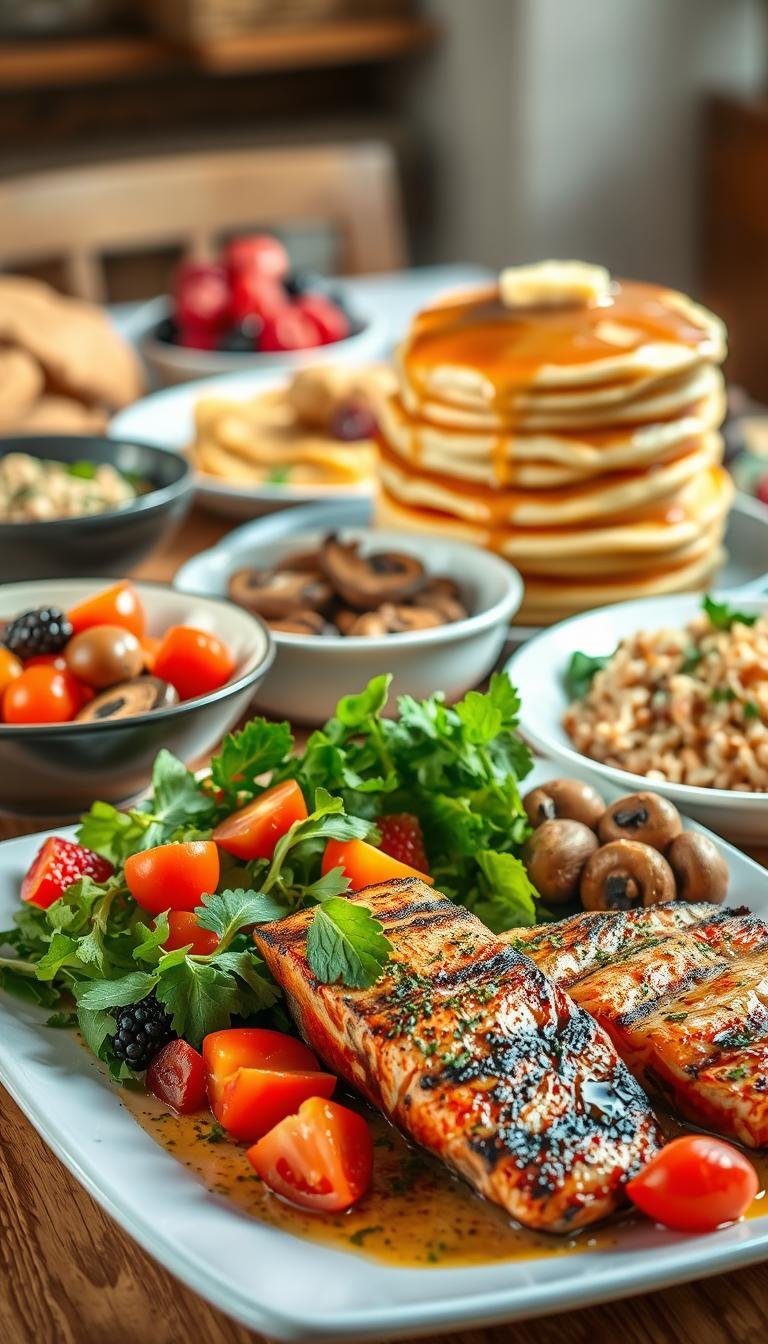
A smart plan turns everyday dishes into strong fuel. Use a balanced gluten-free plate to keep energy steady and cravings in check. With simple swaps and clear portions, gluten-free meal planning stays practical and tasty.
Balanced plate framework
Fill half the plate with colorful nonstarchy vegetables like broccoli, bell peppers, and leafy greens. Reserve one-quarter for lean protein such as chicken, tofu, beans, fish, or eggs. The last quarter goes to gluten-free complex carbs like quinoa, brown rice, or sweet potato, plus a drizzle of olive oil or a few slices of avocado.
This pattern builds a balanced gluten-free plate you can repeat at lunch or dinner. It supports high-fiber gluten-free meals while keeping flavors bright and portions clear.
Macro and micronutrient considerations
Aim for 20–35 grams of protein per meal to support muscle and steady hunger. Choose high-fiber carbs from legumes, gluten-free whole grains, and vegetables to reach 25–38 grams of fiber per day. Add unsaturated fats from olive oil, walnuts, and fatty fish to round out gluten-free macros.
Cover key micronutrients with smart pairings. Get iron from lentils, beef, and spinach, and add vitamin C from citrus or peppers to aid absorption. Meet calcium and vitamin D with dairy or fortified almond or soy milk. Tap B vitamins from fortified gluten-free grains and eggs, and add magnesium from pumpkin seeds and leafy greens.
Weekly batch-cooking tips
Make gluten-free meal planning easier with a Sunday session. Cook big-batch grains like quinoa and brown rice, and a tray of proteins such as roasted chicken thighs or baked tofu. Roast sheet pans of mixed vegetables to anchor high-fiber gluten-free meals all week.
Simmer a pot of chili or lentil soup and portion into airtight containers. Label each one “GF” with the date. Prevent cross-contact by using dedicated utensils and storage. Rotate modular sauces—pesto with walnuts, chimichurri, or tahini-lemon—to keep batch cooking gluten-free varied without extra effort.
- Quick build: 1 cup vegetables + 4–6 oz protein + 1/2–1 cup gluten-free carbs + healthy fat.
- On-the-go: Layer greens, quinoa, beans, and salmon; add olive oil and lemon at serving.
- Flavor swap: Change only the sauce to create new meals from the same base.
Pantry Essentials for a Gluten-Free Kitchen
Build a reliable gluten-free pantry list so weeknight cooking stays easy and safe. Prioritize U.S. gluten-free products with clear labels and rotate staples to keep them fresh. Keep a few quick-cook options on hand for busy days, and choose certified gluten-free brands when possible.
Grains and starches to stock
Anchor meals with hearty grains and starches that cook clean and taste great. Reach for certified gluten-free oats, quinoa, brown and white rice, buckwheat, millet, sorghum, teff, and amaranth. Add cornmeal or polenta for crisp crusts, plus lentil and chickpea pasta for fast protein.
Round out the shelf with tapioca starch, potato starch, arrowroot, and sweet potato for roasting and bakes. These U.S. gluten-free products support soups, bowls, and last-minute sides.
Thickeners, binders, and baking basics
For tender crumbs and structure, stock xanthan gum, psyllium husk, ground flaxseed, chia seed, and guar gum. Pair them with leaveners like baking powder labeled GF and baking soda. Keep pure cornstarch, cocoa powder, sugars, and pure vanilla extract ready for batters.
Round out the set with yeast, nut and seed butters, and versatile gluten-free flours. Mix sorghum, brown rice flour, and tapioca for everyday muffins, or swap in almond and certified oat flour for cookies.
Safe condiments and sauces
Choose GF condiments that bring bold flavor without risk. Tamari (gluten-free soy sauce), coconut aminos, mustard, ketchup labeled GF, and mayonnaise cover daily needs. Add sriracha and hot sauces without malt vinegar for heat.
Distilled white vinegar and apple cider vinegar are safe choices. Look for gluten-free Worcestershire from The Wizard’s or Annie’s, and keep marinara labeled GF for quick pasta nights.
Trusted gluten-free brands in the U.S.
Lean on certified gluten-free brands for confidence and consistency. Bob’s Red Mill offers a dedicated GF line, and King Arthur Baking Company delivers reliable gluten-free flours. For pasta, try Jovial—including cassava—Barilla Gluten Free, and Banza.
For everyday staples, Canyon Bakehouse, Udi’s, and Schär cover breads and snacks. Stock Kikkoman Gluten-Free Tamari, Primal Kitchen sauces labeled GF, Siete grain-free tortillas, and Simple Mills baking mixes to round out your gluten-free pantry list of U.S. gluten-free products.
Quick and Easy Gluten-Free Breakfast Ideas
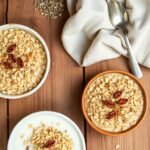
Start a gluten-free breakfast with foods that are fast, filling, and simple. Use certified gluten-free oats cooked in milk or fortified almond milk, then add chia, berries, and peanut butter. When you want GF oatmeal alternatives, try warm quinoa porridge with cinnamon or buckwheat groats for a cozy bowl.
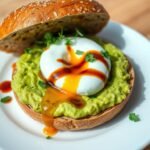
Need grab-and-go? Build a Greek yogurt parfait with gluten-free granola and sliced strawberries. For egg breakfasts, cook scrambled eggs with sautéed spinach and roasted sweet potato. Corn tortillas make a quick taco with eggs, avocado, and salsa.
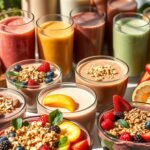
Batch-cook for the week to save time. Bake frittata muffins with peppers, onions, and cheddar. Make chia pudding with milk and vanilla overnight. Prep freezer packs for smoothie bowls gluten-free using spinach, banana, mixed berries, and hemp seeds.
Keep a few store-bought helpers. Toast gluten-free waffles from Canyon Bakehouse or Van’s GF and top with almond butter and sliced banana. For GF oatmeal alternatives on busy mornings, bake oatmeal cups with certified oats and flax, or reheat quinoa porridge with a splash of milk.
Hit nutrient goals without fuss. Aim for a high-protein GF breakfast with 20+ grams from eggs, Greek yogurt, cottage cheese, or a verified gluten-free protein powder. Add fiber with chia, flax, and berries, and include healthy fats like walnuts, pumpkin seeds, or peanut butter.
Stay safe in shared kitchens. Avoid cross-contact in toasters—use a dedicated gluten-free toaster or toaster bags. Wash cutting boards, pans, and spatulas before making egg breakfasts or smoothie bowls gluten-free to keep your routine stress-free.
High-Protein Gluten-Free Lunches for Busy Days
Power your afternoon with smart portions that hit 25–35 grams of protein and 8–12 grams of fiber. These gluten-free lunch ideas keep flavors bright, textures crisp, and your schedule on track. Pack components separately so leafy greens stay fresh and crunchy toppings remain crisp.
Meal-prep bowls and salads
Build high-protein GF bowls that reheat well and taste great cold. Try a quinoa-chicken power bowl with roasted broccoli and a tahini–lemon drizzle. A tuna-and-white-bean salad with arugula, olives, and capers packs protein and fiber.
For a meatless win, combine lentils, roasted carrots, and feta with a cumin vinaigrette. Or go tofu-forward: brown rice, seared tofu, edamame, shredded cabbage, and a sesame–ginger tamari dressing. These are easy meal-prep gluten-free options for the week.
Wraps, lettuce cups, and grain-free tortillas
Roll fast, fresh GF wraps using Siete almond or cassava tortillas. Load with grilled chicken, avocado, and pico de gallo. For crisp bites, serve ground turkey larb in lettuce cups with herbs and lime.
Collard green wraps travel well: add hummus, sliced turkey, cucumbers, and crunchy peppers. Corn tortillas (labeled GF) make quick chicken fajita wraps. These gluten-free lunch ideas fit lunch boxes and desk meals alike.
Soups and stews for reheating
Batch hearty, microwave-friendly GF meals in lidded, microwave-safe containers. Chili with beans and lean beef holds heat and flavor. Chicken tortilla soup works well with gluten-free tortilla strips added at the last minute.
For plant-forward comfort, simmer a lentil–vegetable stew or a bright minestrone; add GF pasta just before serving. Butternut squash soup thickened with potato delivers a silky spoonful without flour. Keep garnishes and dressings separate until mealtime for peak texture.
| Lunch Idea | Protein Target | Fiber Boost | Prep Tip |
|---|---|---|---|
| Quinoa-chicken power bowl | 30–35 g | Broccoli + quinoa | Pack tahini–lemon separately |
| Tuna & white bean salad | 28–32 g | Cannellini beans + arugula | Olives for salty balance |
| Tofu, brown rice, edamame bowl | 25–30 g | Cabbage + edamame | Tamari dressing in a mini cup |
| Siete tortilla chicken wrap | 27–30 g | Avocado + peppers | Toast tortilla for pliability |
| Beef & bean chili | 30–35 g | Kidney beans | Portion as microwave-friendly GF meals |
Comforting Gluten-Free Dinners the Whole Family Will Love
Weeknights call for simple wins. These gluten-free dinner recipes keep flavor high and stress low, with smart techniques that suit family-friendly GF meals and busy schedules. Keep sauces and seasonings free of malt vinegar or wheat-derived thickeners for peace of mind.
One-pan and sheet-pan meals
Lean on sheet pan gluten-free ideas that roast to perfection. Try lemon-garlic salmon with baby potatoes and green beans, or chicken thighs with paprika, onions, and peppers. Toss everything in olive oil, salt, and pepper; roast until the edges caramelize.
For a cozy skillet, make shrimp and grits using certified GF cornmeal. Or roast sausage with Brussels sprouts and apples on one sheet; choose gluten-free sausage and finish with a splash of apple cider vinegar.
Pasta swaps: rice, lentil, and chickpea pasta
Gluten-free pasta swaps make comfort food fast. Brown rice spaghetti pairs well with marinara and turkey meatballs bound with gluten-free breadcrumbs or oats. Cook to al dente, rinse if needed, and sauce promptly to keep a good bite.
For color and crunch, toss chickpea pasta with peas and asparagus for a light primavera. Lentil penne stands up to a hearty Bolognese; its protein boosts family-friendly GF meals without extra steps.
Kid-friendly classics made gluten-free
Keep dinners kid-friendly gluten-free with craveable textures. Bake chicken tenders coated in crushed cornflakes or Schär breadcrumbs until crisp. Stir up creamy mac and cheese with GF elbow pasta and sharp cheddar.
Mini turkey meatloaves bind well with almond flour and a dash of ketchup. Cap the week with pizza night on a cauliflower crust or a Simple Mills mix, topped with mozzarella and veggies—easy wins that fit into gluten-free dinner recipes without compromise.
Gluten-Free Meal Prep and Batch Cooking Strategies
Start with a simple plan you can repeat each week. For gluten-free batch cooking, pick two proteins, two grains, and three vegetables you can mix and match. Try slow-cooker shredded chicken and baked tofu; cook quinoa and brown rice; prep roasted mixed vegetables, steamed greens, and a salad kit. This keeps flavor high and decisions low.
Use a single cooking block, like Sunday meal prep gluten-free, to portion meals for busy days. Keep sauces in separate containers so textures stay crisp. A bright lemon vinaigrette or tamari-ginger glaze can change the profile fast without extra work.
Build a freezer lineup that reheats well. Choose freezer-friendly GF meals such as chili, chicken soup, par-baked meatballs, stuffed peppers with rice and turkey, enchiladas with corn tortillas, and breakfast burritos using trusted gluten-free tortillas from brands like Siete. Cool quickly, label by date, and freeze flat for easy stacking.
- Cool soups and sauces in shallow containers before freezing.
- Wrap burritos in foil, then a freezer bag, to protect texture.
- Reheat leftovers to 165°F; add fresh herbs after heating.
Cross-contact rules matter. Dedicate cutting boards and colanders for gluten-free batch cooking. Store gluten-free foods on upper shelves to avoid crumbs. Keep a separate butter or peanut butter jar, and use color-coded containers for clarity.
Smart organization saves money and time. Portion grains and proteins in 1-cup containers, then add vegetables on serving day. Follow GF storage tips: label by item, cook date, and “use by” window; rotate with first-in, first-out; and keep sauces apart to preserve bite and crunch.
When you need a fast dinner, pull two items from the freezer-friendly GF meals stash and add a fresh element, like sliced avocado or a bagged salad from Taylor Farms. The result tastes fresh, stays safe, and fits any weeknight schedule.
Naturally Gluten-Free Whole Foods to Build Around
Build meals around colorful produce, lean proteins, and smart fats to keep flavor high and stress low. This mix highlights naturally gluten-free foods while keeping shopping and cooking simple. When in doubt, choose items with minimal ingredients and skip breaded or pre-seasoned options unless labeled gluten-free.
Vegetables, fruits, legumes, and pulses
All fresh vegetables and fruits are whole foods gluten-free choices. Go for starchy picks like potatoes, sweet potatoes, plantains, and winter squash when you need energy. Add leafy greens, berries, and citrus for vitamins and color.
Round out plates with legumes gluten-free staples such as black beans, chickpeas, lentils, and split peas. They deliver fiber, iron, and plant protein that keep you full and steady between meals.
Lean proteins and seafood
Choose poultry, eggs, lean cuts of beef and pork, and plain tofu or tempeh. Check marinades and sauces to ensure they are safe. For seafood, salmon, cod, shrimp, and sardines support omega-3 gluten-free goals, and the U.S. Dietary Guidelines suggest at least 8 ounces per week.
Buy unseasoned cuts and add your own spices. A squeeze of lemon, garlic, smoked paprika, or cumin adds quick, bold flavor without gluten.
Healthy fats and dairy alternatives
Use extra-virgin olive oil and avocado for everyday cooking. Nuts like almonds, walnuts, and pistachios, plus seeds such as chia, flax, and pumpkin, bring crunch and steady energy. These choices pair well with produce-forward plates built on naturally gluten-free foods.
Milk, yogurt, and cheese are typically safe, but if you avoid dairy, pick dairy-free alternatives like fortified almond, soy, or pea milks with calcium and vitamin D. This balanced approach makes whole foods gluten-free eating flexible at home and on the go.
Gluten-Free Grain and Flour Alternatives
Build a pantry that makes baking and cooking feel easy. Choose whole-grain gluten-free staples for everyday meals, then match them with the right gluten-free flours for texture. Reliable GF flour blends from King Arthur and Bob’s Red Mill help when you want consistent results.
Rice, quinoa, buckwheat, and millet
Brown rice holds up in bowls and stir-fries. Quinoa cooks in about 15 minutes and brings light protein to salads. Buckwheat, also called kasha, adds an earthy note to porridge and 100% buckwheat soba. Millet tastes mild and fluffy, a great base for roasted vegetables.
These choices keep meals balanced and whole-grain gluten-free. Rotate them through the week to vary flavor and nutrients.
Almond, coconut, oat (certified), and sorghum flours
Almond flour makes tender cakes and cookies. Coconut flour is very absorbent, so use only a small amount with extra liquid or eggs. Choose certified gluten-free oats for oat flour in muffins and pancakes.
Sorghum flour brings structure and a warm, grain-forward taste. Pair it with tapioca or potato starch for lift and chew. These gluten-free flours cover most home bakes, from quick breads to crisp cookies.
How to blend flours for baking
For an all-purpose mix, aim for 40–60% whole grains (sorghum, brown rice, oat) and 40–60% starches (tapioca, potato, or arrowroot). Add 0.25–1% xanthan gum or psyllium for binding. Weigh flours for accuracy; it improves texture and rise.
For breads, increase psyllium husk to boost elasticity and slice clean. For cookies, reduce gums for a softer crumb. Tested GF flour blends from King Arthur and Bob’s Red Mill are dependable, and you can tailor them with more sorghum flour or certified gluten-free oats to suit your taste.
Gluten-Free Baking Tips for Perfect Texture
Start with accurate measurements. Weigh flours and starches, then mix until just combined. Add a bit more liquid than you would for wheat doughs to manage moisture in GF baking, and plan on resting batter for 20–30 minutes so the grains hydrate and the crumb turns tender.
For structure, compare xanthan gum vs psyllium based on your goal. Xanthan adds springy chew to cookies and cakes, while psyllium husk gives elasticity to doughs and supports GF bread rise. Eggs bring lift and binding; for vegan batters, use flax or chia eggs and bump hydration slightly.
Heat matters. Preheat fully, use parchment and pan spray, and reach for smaller pans or muffin tins to help GF bread rise evenly. A touch of lemon juice or vinegar with baking soda boosts lift, and a shallow water pan in the oven adds steam for a glossy crust.
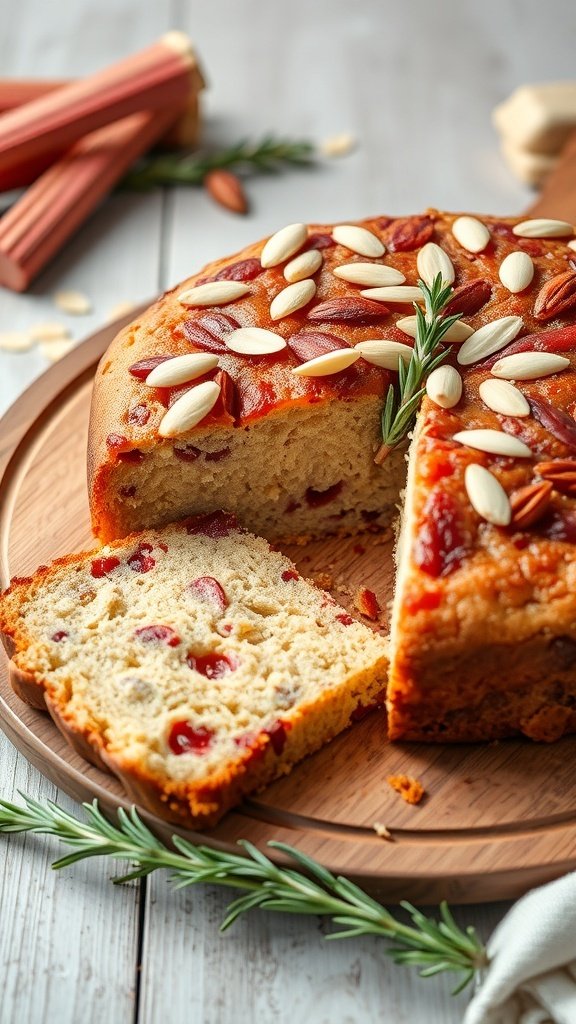
Handle with care after baking. Let loaves cool completely before slicing. Wrap tightly, freeze in slices, and reheat to refresh the starches. Tested guides from King Arthur Baking, America’s Test Kitchen, and Serious Eats offer benchmarks that pair with these gluten-free baking tips.
- Hydration: Increase liquids, then focus on resting batter to reduce grittiness.
- Binders: Choose xanthan gum vs psyllium by texture target; adjust eggs or vegan swaps.
- Oven strategy: Hot start, steam for crust, and smaller formats for reliable GF bread rise.
- Storage: Cool, wrap, freeze slices, and reheat for best texture.
| Goal | Best Binder Choice | Hydration Cue | Pan/Oven Tactic | Result |
|---|---|---|---|---|
| Tender muffins | Light xanthan (0.25–0.5 tsp per cup flour) | Batter should flow like thick yogurt | Preheat 10–15 minutes; use muffin tin | Even lift, moist crumb |
| Sandwich bread | Psyllium gel (2–4 tsp in warm water) | Dough feels like soft clay, not kneadable | Steam tray; bake in 8.5×4.5-inch pan | Stable GF bread rise, elastic slices |
| Cookies with chew | Xanthan (pinch to 1/4 tsp) | Soft dough that holds a scoop | Chill 20 minutes; lined sheet pan | Crisp edges, chewy centers |
| Vegan cake | Flax egg + light xanthan | Pourable, ribbon-thick batter | Fully preheated oven; center rack | Moist crumb, balanced lift |
Dining Out Gluten-Free in the United States
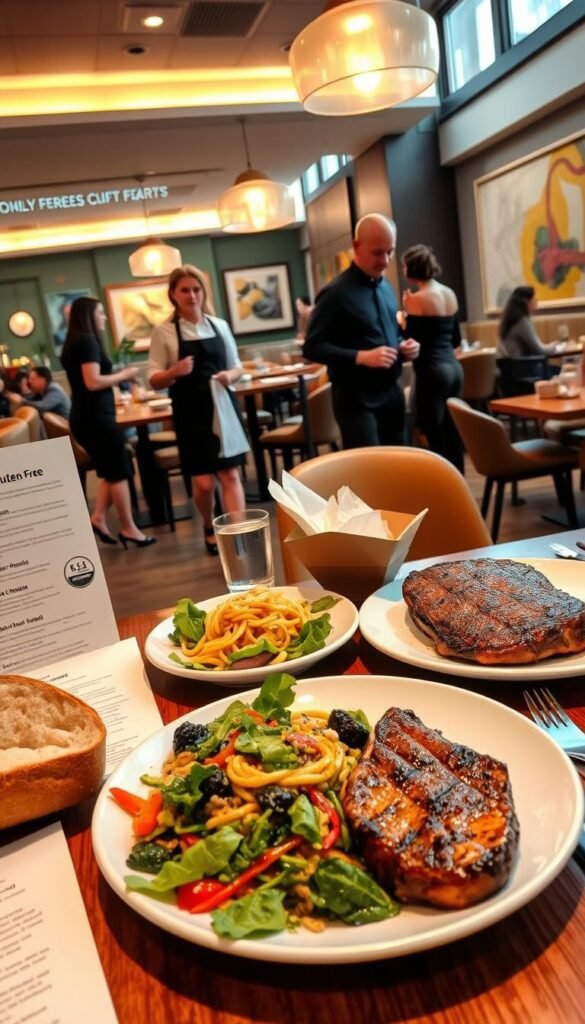
Gluten-free dining out can be simple with a plan. Scan the GF menu U.S. options online, note allergen matrices, and compare kitchen notes side by side. For strong celiac dining tips, call during off-hours to ask how the team limits cross-contact at restaurants and who on duty understands the protocol.
How to vet restaurants and menus
Open the menu first, then the allergen guide. Look for clear labels, dedicated fryers, and separate prep stations. Apps like Find Me Gluten Free help, yet always confirm in person to judge noise, pace, and staff training. If answers are vague, pivot to safer spots or safe gluten-free chains with consistent standards.
- Review the GF menu U.S. notes for symbols and kitchen procedures.
- Call ahead to ask about a dedicated fryer and a clean grill or pan.
- Request fresh gloves and separate utensils for your order number.
Questions to ask servers about cross-contact
Short, clear questions reduce risk and set the tone. State medical need if it applies. These prompts focus on the biggest hazards of cross-contact at restaurants.
- Do you have a dedicated gluten-free fryer, or is it shared?
- Can my meal be cooked in a clean pan with fresh gloves and utensils?
- Are marinades, soy sauce, or gravies gluten-free and verified?
- How are gluten-free pizzas or pastas prepared—separate pans and tools?
- Are your oats certified gluten-free and handled in a clean area?
Regional chains with gluten-free options
These safe gluten-free chains and regional brands can fit a range of tastes. Always confirm location practices, since training and equipment may vary across the GF menu U.S..
| Chain | What to Know | Key Watchouts |
|---|---|---|
| Chipotle | Most items are gluten-free except flour tortillas; simple builds aid celiac dining tips. | Shared serving spoons; ask for fresh toppings from back-of-house. |
| P.F. Chang’s | Offers a marked gluten-free menu with a dedicated wok icon. | Verify wok and sauce handling; request clean prep space. |
| Chili’s | GF-friendly items; steak, fajitas, and salads can work. | Confirm fryer status and swap croutons or tortilla strips if needed. |
| California Pizza Kitchen | Certified gluten-free pizzas under specific protocols at select locations. | Ask whether your site follows the certified process end to end. |
| Blaze Pizza | Gluten-free crust available; fast build-line is helpful. | High cross-contact risk without fresh gloves, pans, and clean cutter. |
| Outback Steakhouse | Dedicated gluten-free menu; simple grill items and sides. | Confirm seasoning blends and fryer for fries or blooms. |
| Bonefish Grill | Seafood-forward with many naturally gluten-free choices. | Check sauces, coatings, and shared fryers for breaded items. |
| Noodles & Company | Offers zoodles and gluten-free pasta options. | Ask for separate water, colanders, and clean utensils. |
| Red Robin | Gluten-free buns and lettuce wraps are available. | Verify dedicated prep, fryer for fries, and bun handling. |
With steady questions and these celiac dining tips, gluten-free dining out becomes less stressful. Focus on clear communication, verify steps that prevent cross-contact at restaurants, and lean on safe gluten-free chains when time is short.
Hidden Sources of Gluten to Watch For
Even careful shoppers can miss hidden gluten that slips into everyday items. Read labels twice, ask questions, and lean on clear certifications when possible. Small swaps add up to big wins.
Sauces, seasonings, and processed meats
Gluten in sauces shows up in classic pantry staples. Standard soy sauce often contains wheat; choose certified gluten-free tamari. Skip malt vinegar in dressings and watch for barley malt in cereals, snack coatings, and candy. Roux-thickened gravies and soups can use wheat flour, and bouillon may list hydrolyzed wheat protein.
Check seasoning blends for wheat flour or malt extracts. Imitation crab often includes wheat starch as a binder. Processed meats—meatballs, sausages, hot dogs, and deli slices—may hide fillers; look for packages clearly labeled gluten-free and scan for malt and barley warnings.
Supplements, medications, and personal care
Excipients can conceal gluten in meds and supplements. Some tablets and capsules use wheat starch as a binder or coating. The FDA advises confirming ingredients with manufacturers or reviewing entries on resources like DailyMed, and many U.S. pharmacies can identify safe formulations.
Vitamins, probiotics, gummies, and chewables may also include barley-derived flavors. Seek labels that verify wheat-free status and ask for documentation when in doubt.
Alcoholic beverages and mixers
Most distilled spirits—vodka, rum, tequila, and gin—are generally considered gluten-free alcohol because distillation removes proteins, per guidance from the FDA and TTB. Beers brewed from barley or wheat contain gluten, and “gluten-removed” beer is not considered safe for celiac disease.
Choose hard cider, hard seltzer, wine, or dedicated gluten-free beers brewed from sorghum, rice, or millet, such as Ghostfish Brewing and Glutenberg. Check mixers for malt and barley warnings, and scan labels for syrups, flavorings, or colorings that could introduce hidden gluten.
Budget-Friendly Gluten-Free Shopping Tips
Start with naturally gluten-free basics to keep your cart affordable gluten-free. Build meals from rice, potatoes, eggs, dried beans, and seasonal produce. Cook dry legumes in batches, then freeze portions for quick use in soups, bowls, and tacos.
Buy sealed, certified grain and flour packages to stay safe and save money gluten-free. Skip open bulk bins that risk cross-contact. Choose bulk gluten-free staples like brown rice, quinoa, certified oats, and cornmeal when they come in sealed bags.
Compare labels on store brands gluten-free. Walmart’s Great Value has many certified picks. Target’s Good & Gather offers labeled options. Aldi’s liveGfree line is known for value. Costco stocks Kirkland Signature items that note gluten-free on the package.
Plan menus around weekly sales and stick to a list. Frozen fruits and vegetables help you avoid waste and stretch budget gluten-free meals without losing nutrients. Roast a sheet pan of vegetables and repurpose leftovers into omelets, grain bowls, or quick soups.
Bake at home with a versatile gluten-free flour blend for muffins, pancakes, and quick breads. Make simple dressings and marinades with olive oil, vinegar, citrus, and Dijon. These swaps cut costs and reduce additives while you save money gluten-free.
When buying snacks, price-check per ounce and lean on store brands gluten-free crackers, tortilla chips, and nut butters. Keep bulk gluten-free staples on hand—beans, rice, canned tomatoes, and stock—to build budget gluten-free meals fast.
Tip: Batch-cook proteins like shredded chicken or roasted chickpeas. Mix into salads, rice bowls, or tacos through the week so nothing goes to waste.
Gluten-Free International and Fusion Meal Ideas
Explore global GF flavors with simple, vibrant plates that travel well from weeknight dinners to weekend parties. These international gluten-free recipes spotlight bold spices, fresh produce, and smart swaps that keep the taste high and the stress low.
Mexican, Thai, Indian, and Mediterranean picks
For Mexican gluten-free meals, lean on nixtamalized corn tortillas for tacos al pastor, chicken tinga, or pozole made without wheat thickeners. Build rice bowls topped with pico de gallo, guacamole, and grilled carne asada.
Thai gluten-free options shine with coconut milk curries over jasmine rice, green papaya salad, and stir-fries seasoned with fish sauce verified gluten-free or tamari instead of soy sauce. Keep it bright with lime and Thai basil.
Indian gluten-free staples include dal, chana masala, basmati rice, and tandoori chicken. Idli and dosa use rice and urad dal; check hing (asafoetida) is pure and confirm packaged masalas are certified.
Mediterranean gluten-free ideas range from grilled fish with olive oil and lemon to hummus with raw veggies, Greek salads without croutons, and rice-stuffed grape leaves. Finish with olives, cucumbers, and a drizzle of good vinegar.
Naturally gluten-free street foods
Street bites that travel well include elote without breaded toppings, arepas from 100% corn, and socca or farinata made with chickpea flour. Vietnamese rice paper rolls and bun cha with rice vermicelli are quick wins.
For comfort on the go, try papas rellenas prepared with gluten-free starches. Always confirm fillings, shared fryers, and frying oil to avoid cross-contact while keeping those global GF flavors intact.
Flavor boosters: herbs, spices, and aromatics
Layer flavor with cilantro, parsley, basil, and dill. Add cumin, coriander, and smoked paprika, then round it out with garlic, ginger, and scallions. A squeeze of lemon or lime, or vinegar labeled gluten-free, wakes up every bite.
For umami, reach for tamari, certified gluten-free miso, or anchovies mashed into sauces. These touches make international gluten-free recipes pop, whether you cook Mexican gluten-free, Thai gluten-free, Indian gluten-free, or Mediterranean gluten-free dishes at home.
Smart Substitutions: Making Favorites Gluten-Free
With the right gluten-free substitutes, comfort foods still taste like home. Keep a short list of swaps on hand, plan ahead, and always verify labels. Clean cookware helps avoid cross-contact so every bite stays safe and satisfying.
Breading, binding, and thickening swaps
For crispy GF breading, use rice flour or cornstarch for dredging, then potato starch or tapioca for that light crunch. A quick double-dip—starch, egg, then a coating—locks in moisture and texture.
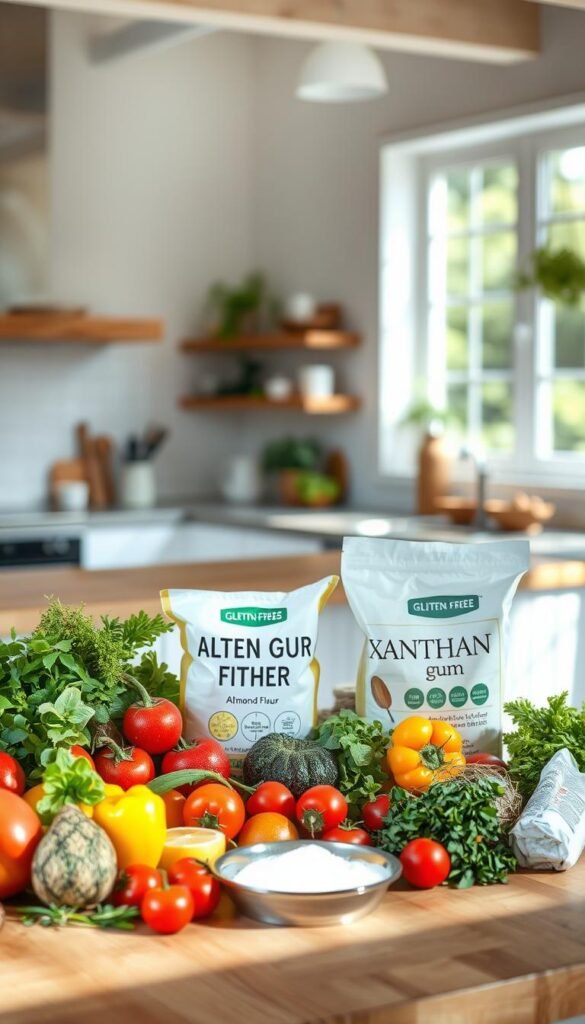
Need a GF thickener for pan sauces or stir-fries? Whisk cornstarch or arrowroot with cold water, then add to hot liquid. For creamy gravies, try a beurre manié made with a trusted GF flour blend. To bind meatballs or burgers, mix in almond flour, certified gluten-free ground oats, or cooked quinoa. Doughs hold better with a touch of psyllium husk or xanthan gum.
Breadcrumb alternatives and coatings
Skip wheat crumbs and reach for crushed gluten-free crackers, cornflakes labeled GF, or polenta and fine cornmeal. Ground nuts or seeds add rich flavor and a hearty bite.
When you want the familiar panko crunch, look for panko-style crumbs from brands like Ian’s or 4C Gluten Free. These coatings shine on cutlets, fish, and veggies, and they pair well with simple seasonings.
Pizza crusts, tortillas, and noodles
Build a gluten-free pizza crust with cauliflower or almond flour, or grab premade options from Cappello’s or Udi’s for busy nights. For wraps, choose 100% corn tortillas made with masa harina like Maseca labeled GF, or go with cassava-based grain-free tortillas from Siete.
When craving pasta, explore noodle alternatives such as rice noodles, 100% buckwheat soba, shirataki, and spiralized zucchini or spaghetti squash. Legume pastas from Banza or Tolerant add protein and fiber. These swaps deliver comfort, speed, and variety—proof that GF breading and a reliable GF thickener can fit right into weekly cooking with smart gluten-free substitutes.
Conclusion
This Gluten Free Meals roundup shows how simple a safe, flavorful routine can be. Start with whole foods, read labels under the FDA’s less-than-20 ppm rule, and guard against cross-contact in your kitchen and when dining out. Keep a short list of trusted brands—King Arthur, Bob’s Red Mill, Jovial, Canyon Bakehouse, and Schär—to anchor your pantry and support balanced gluten-free eating every day.
Build plates that feel complete: steady protein, fiber-rich carbs, colorful produce, and healthy fats. Round them out with certified gluten-free grains and smart swaps, so favorites stay on the table. With a few baking tweaks and reliable substitutes, comfort dishes remain crisp, tender, and crowd-pleasing.
Plan ahead with batch cooking, freezer-friendly recipes, and budget-first shopping. Explore Mexican, Thai, Indian, and Mediterranean dishes to keep variety high without sacrificing safety or taste. These gluten-free lifestyle tips work at home and on the go, and they make balanced gluten-free eating both practical and satisfying.
For ongoing guidance, look to registered dietitians and celiac organizations for current U.S. gluten-free resources. Use their checklists, ingredient updates, and dining advice to refine your routine, stay confident, and enjoy every meal in this Gluten Free Meals roundup.