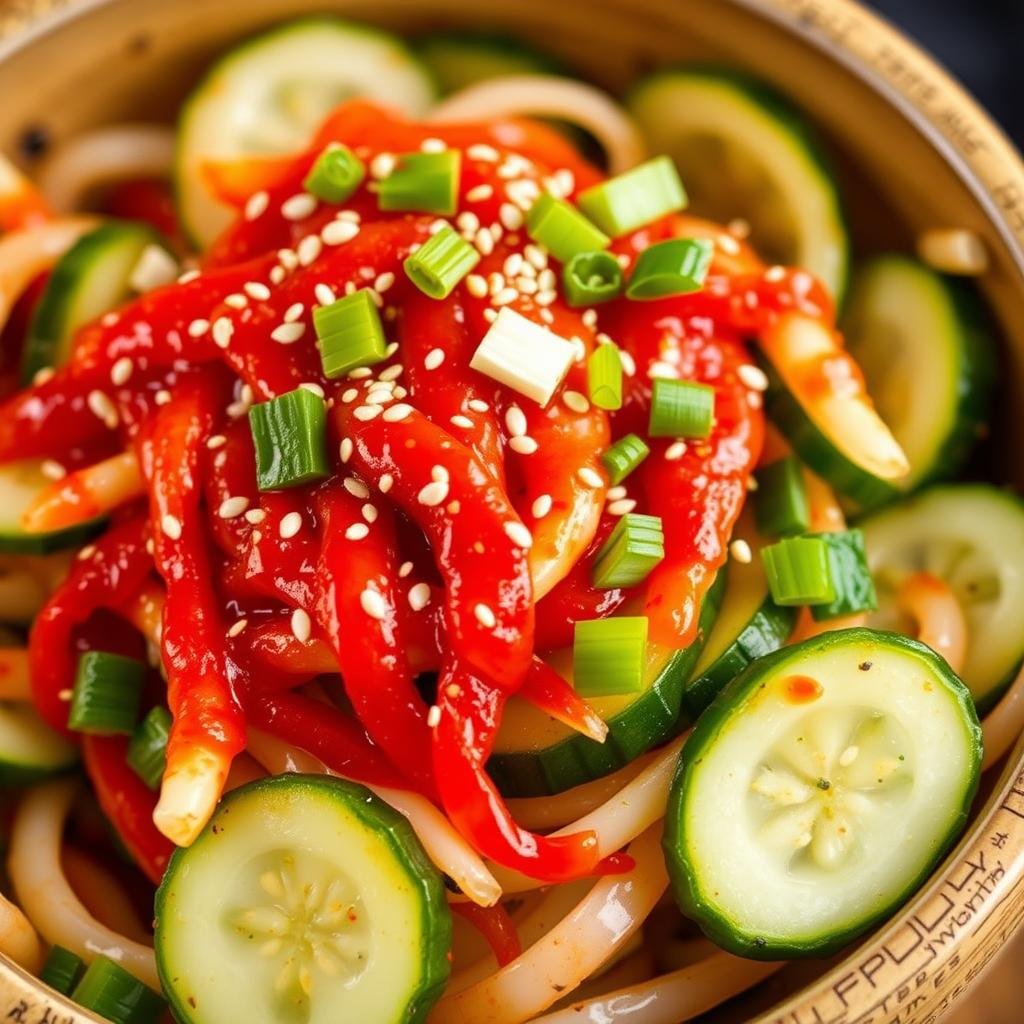
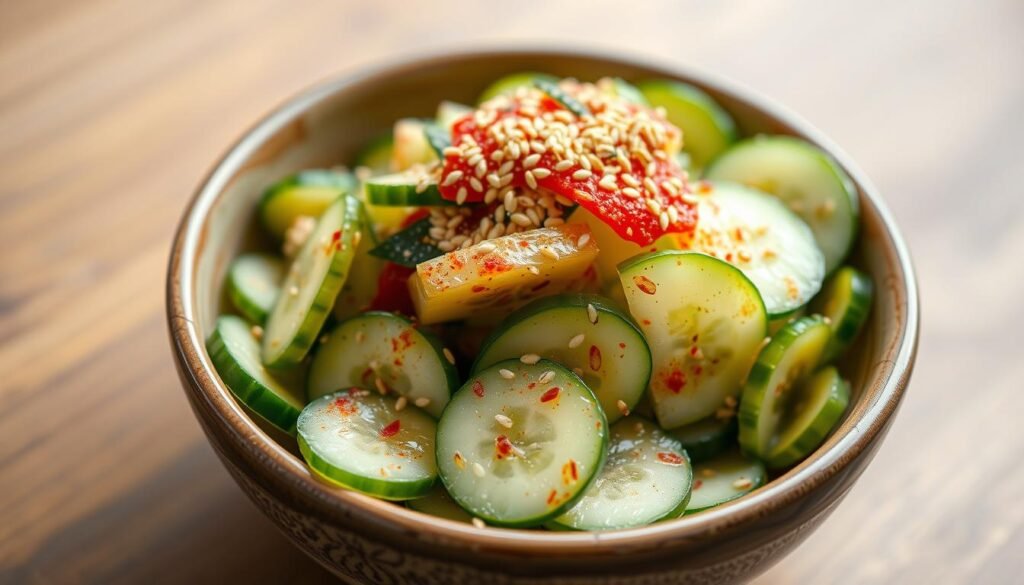
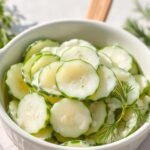
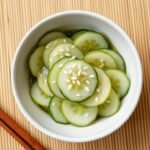
Korean cucumber salad, known as Oi Muchim in Korea, is a vibrant, refreshing side dish that perfectly balances spicy, sweet, tangy, and savory flavors. This traditional banchan (side dish) has been gracing Korean tables for generations, offering a crisp texture and bold taste that complements everything from everyday meals to Korean BBQ feasts. In this guide, we’ll explore the cultural significance of this beloved dish, share an authentic recipe, and provide tips for creating the perfect Korean cucumber salad in your own kitchen.
This Website contains affiliate links. That means I may earn a small commission if you purchase through my links, at no extra cost to you.
The Cultural Significance of Korean Cucumber Salad
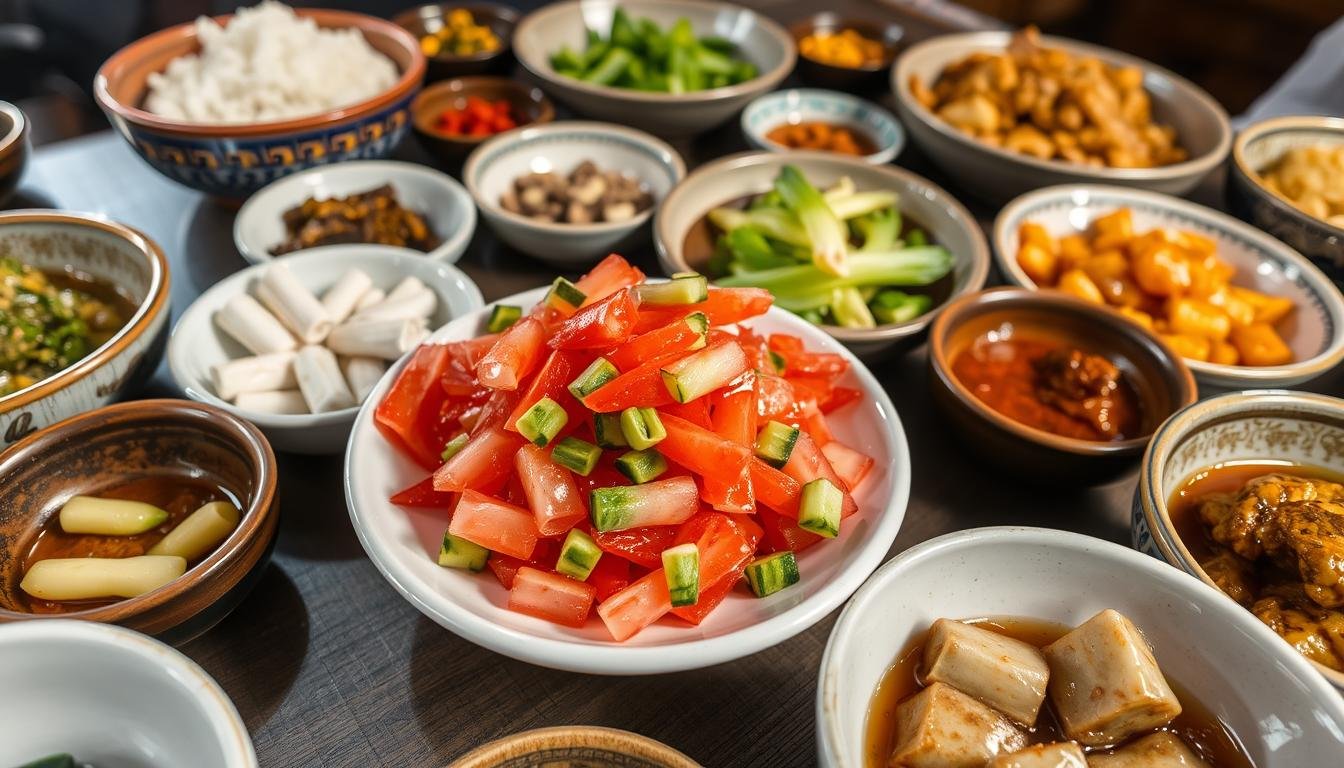
In Korean cuisine, banchan (side dishes) are central to the dining experience. These small, flavorful dishes accompany rice and main courses, creating a harmonious meal with diverse flavors, textures, and nutrients. Oi Muchim is a beloved member of the banchan family, especially popular during warm summer months when cucumbers are at their peak freshness.
Unlike kimchi, which undergoes fermentation, Oi Muchim is a “quick kimchi” or “fresh kimchi” that can be prepared and enjoyed immediately. The dish showcases the Korean culinary philosophy of balancing flavors and textures – the cool crispness of cucumber contrasts beautifully with the warmth of gochugaru (Korean chili flakes), while the tangy vinegar and sweet sugar create a perfect flavor harmony.
Many Korean families have their own version of this recipe, with regional variations throughout the Korean peninsula. Some recipes lean spicier, others more garlicky, but all celebrate the refreshing nature of cucumber enhanced by bold Korean flavors.
Essential Ingredients for Korean Cucumber Salad
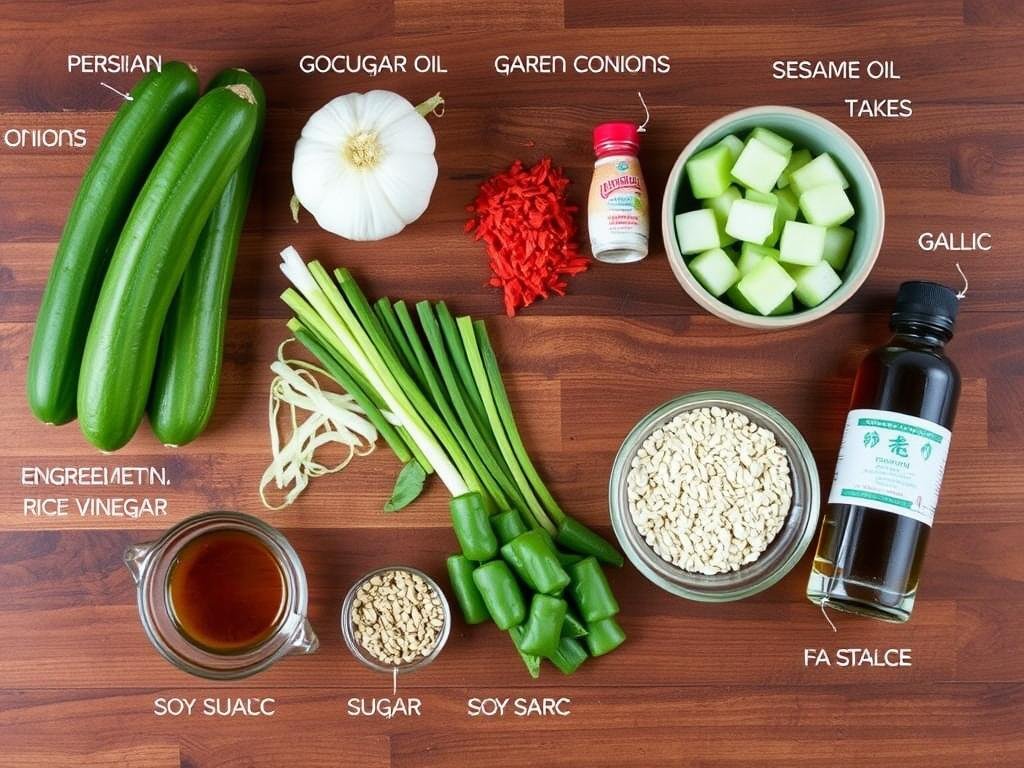
The beauty of Korean cucumber salad lies in its simplicity. With just a handful of ingredients, you can create a dish bursting with flavor. Here’s what you’ll need:
Main Ingredients
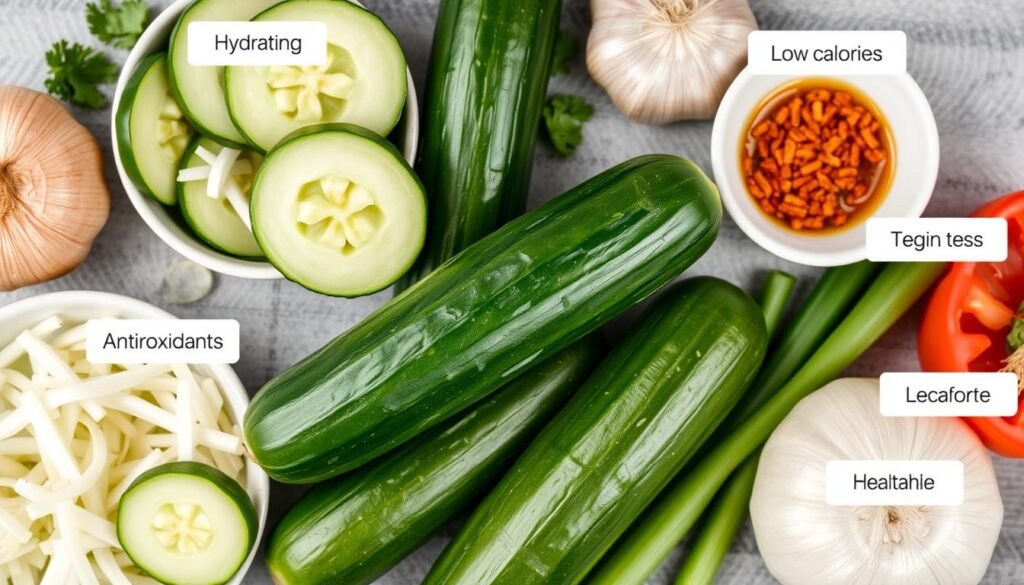
4 cups cucumber, thinly sliced (Persian, Korean, or English cucumbers work best) – Find Persian cucumbers
1/4 onion, thinly sliced (optional)
2 green onions, finely chopped
1-2 cloves garlic, minced
1 tablespoon coarse salt (for salting the cucumbers)
Seasoning Sauce
1-2 tablespoons gochugaru (Korean chili flakes) – Find gochugaru
Ingredient Tip: Gochugaru (Korean chili flakes) has a unique flavor that’s key to authentic Korean cucumber salad. It’s spicy but not overwhelmingly hot, with subtle sweet and smoky notes. While you could substitute with regular red pepper flakes in a pinch, the flavor profile won’t be quite the same.
Choosing the Right Cucumbers
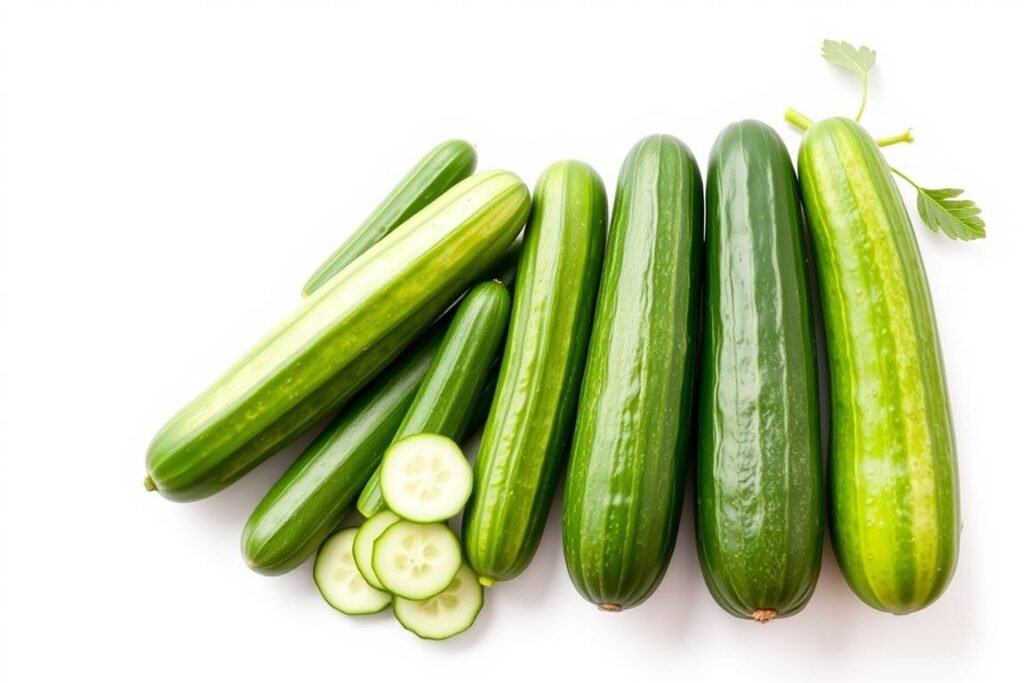
The type of cucumber you choose significantly impacts the final texture and flavor of your Korean cucumber salad. Here are the best options:
Korean Cucumbers: Authentic choice with thin skin, small seeds, and crisp texture. They’re slightly bumpy and have a mild, refreshing flavor.
Persian Cucumbers: Excellent substitute with thin skin, minimal seeds, and crunchy texture. Their small size makes them perfect for this dish.
English Cucumbers: Also known as hothouse cucumbers, these have thin skin and fewer seeds than regular cucumbers.
Japanese Cucumbers: Similar to Korean cucumbers with thin skin and small seeds.
Regular American slicing cucumbers can work in a pinch, but their thicker skin and larger seeds make them less ideal. If using these, consider peeling them partially and removing the seeds.
How to Make Korean Cucumber Salad
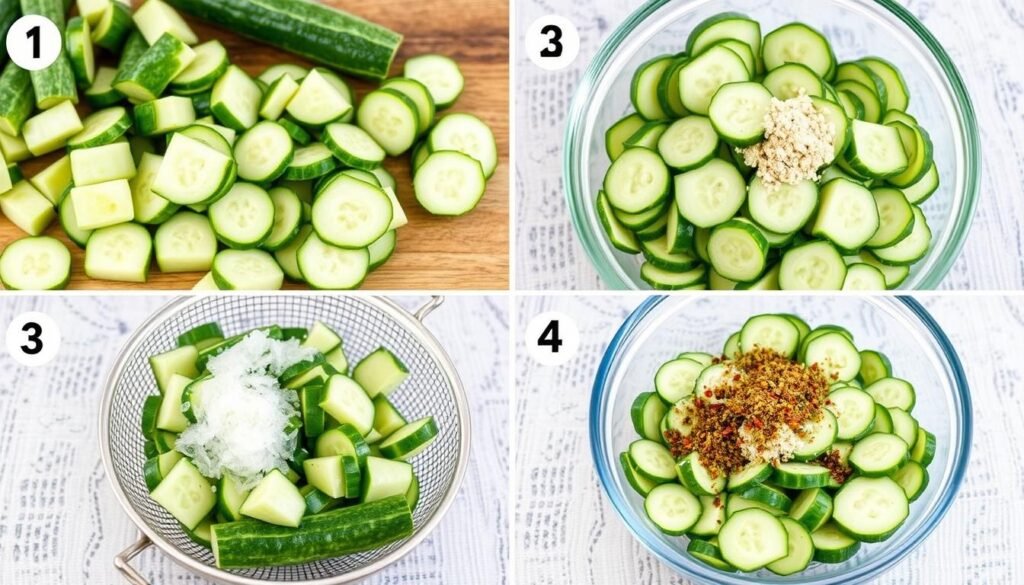
Step 1: Prepare the Cucumbers
Wash your cucumbers thoroughly and pat them dry. Slice them into thin rounds, approximately 1/4 inch thick. For larger cucumbers, you can cut them in half lengthwise first, then slice into half-moons.
Chef’s Tip: For extra crispness, place the sliced cucumbers in a colander, sprinkle with 1 tablespoon of coarse salt, and let them sit for 15-30 minutes. This draws out excess moisture. Rinse thoroughly and pat dry before proceeding.
Step 2: Prepare the Seasoning Sauce
In a large mixing bowl, combine the gochugaru, rice vinegar, soy sauce, toasted sesame oil, sugar, minced garlic, and half of the sesame seeds. Mix well until the sugar dissolves and the sauce has a uniform consistency.
Step 3: Combine and Season
Add the cucumber slices, sliced onion (if using), and green onions to the large mixing bowl with the seasoning sauce. Using clean hands or tongs, gently toss everything together until the cucumbers are evenly coated with the seasoning mixture.
Step 4: Rest and Serve
For best results, let the Korean cucumber salad rest in the refrigerator for about 30 minutes before serving. This allows the flavors to meld together while maintaining the cucumber’s crispness. Sprinkle with the remaining toasted sesame seeds just before serving.
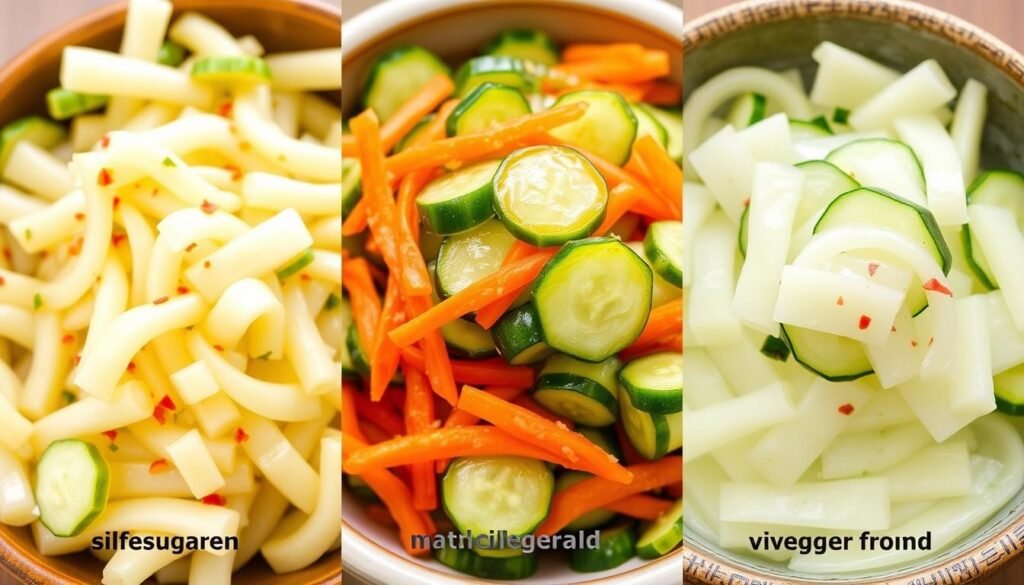
Regional and Family Variations
Like many traditional dishes, Korean cucumber salad has numerous variations across regions and families. Here are some popular adaptations you might want to try:
Spicy Version
Increase the gochugaru to 2-3 tablespoons for a fiery kick. Some regions in Korea prefer their Oi Muchim significantly spicier, especially in areas known for their love of heat.
Tangy Version
Double the rice vinegar and add a splash of fish sauce for an extra tangy profile. This variation is popular in coastal regions where seafood influences are stronger.
Veggie-Packed Version
Add thinly sliced carrots, sweet onions, or even bell peppers for additional color, texture, and nutrition. This modern adaptation is popular among health-conscious home cooks.
Some families add a small amount of gochujang (Korean chili paste) for a deeper flavor and more vibrant color. Others include a tiny splash of fish sauce for umami depth. The beauty of this dish is its adaptability – feel free to adjust the seasonings to suit your taste preferences.
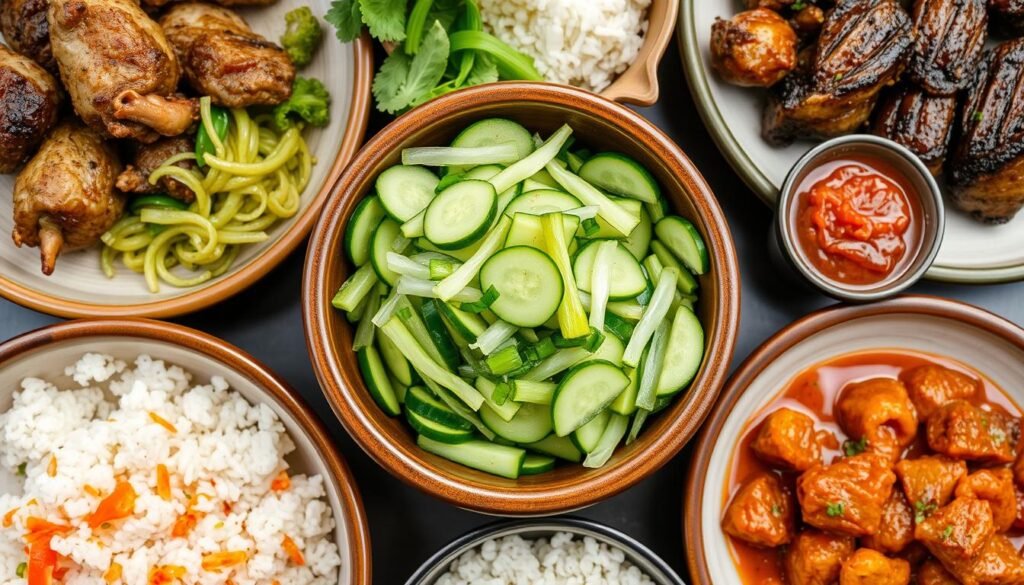
How to Serve Korean Cucumber Salad
In traditional Korean dining, Oi Muchim is served as one of several banchan (side dishes) that accompany the main meal. Here are some ideal ways to enjoy your Korean cucumber salad:
With Korean BBQ: The cool, crisp cucumber salad provides a refreshing contrast to grilled meats like bulgogi or galbi.
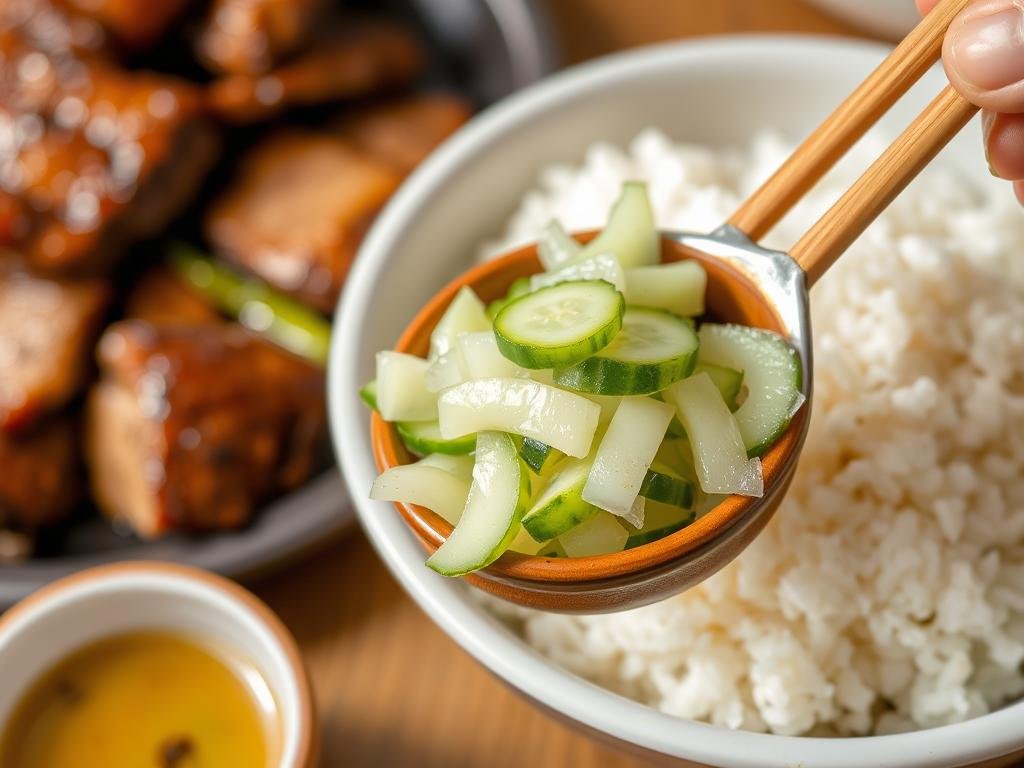
Alongside bibimbap: Add a spoonful to your rice bowl for an extra burst of flavor and texture.
With simple rice dishes: Even a basic bowl of steamed rice becomes special with this flavorful side dish.
As part of a banchan spread: Serve alongside kimchi, namul (seasoned vegetables), and other small dishes for an authentic Korean meal experience.
In fusion dishes: Try adding Korean cucumber salad to tacos, burgers, or sandwiches for a unique flavor twist.
The vibrant red color and refreshing taste make Korean cucumber salad an eye-catching addition to any meal. Its versatility allows it to complement both traditional Korean dishes and fusion cuisine.
Storage and Make-Ahead Tips
While Korean cucumber salad is best enjoyed fresh, you can store it properly to maintain its flavor and texture:
Immediate serving: For optimal crispness, serve within 30 minutes of preparation.
Short-term storage: Store in an airtight container in the refrigerator for up to 2 days. The cucumbers will soften over time but will still be delicious.
Drain before serving: If stored, some liquid will accumulate at the bottom of the container. Drain this excess liquid before serving leftover cucumber salad.
Not suitable for freezing: Due to the high water content of cucumbers, this dish does not freeze well.
Make-Ahead Tip: If you want to prepare components in advance, you can slice the cucumbers and prepare the seasoning sauce separately, then combine them just 30 minutes before serving for the freshest taste and texture.
Nutritional Benefits of Korean Cucumber Salad
Beyond its delicious taste, Korean cucumber salad offers several nutritional benefits:
Cucumber Benefits
High water content (96%) for hydration
Low in calories (approximately 16 calories per cup)
Contains vitamin K, vitamin C, potassium, and magnesium
Rich in antioxidants that help reduce inflammation
Contains compounds that may help reduce blood sugar
Seasoning Benefits
Garlic offers immune-boosting properties
Gochugaru contains capsaicin, which may boost metabolism
Sesame seeds provide calcium, iron, and healthy fats
Green onions contain beneficial sulfur compounds
Minimal added sugar compared to many prepared salads
With approximately 40-50 calories per serving, Korean cucumber salad is a light, refreshing side dish that adds flavor without weighing down your meal. It’s naturally gluten-free (when made with gluten-free soy sauce) and can easily be made vegan by ensuring your ingredients don’t contain animal products.
Embrace the Refreshing Flavors of Korean Cucumber Salad
Korean cucumber salad (Oi Muchim) is a perfect example of how simple ingredients can transform into something extraordinary through thoughtful preparation and balanced seasoning. Whether you’re exploring Korean cuisine for the first time or looking to add another authentic banchan to your repertoire, this refreshing side dish deserves a place at your table.
The contrast of cool, crisp cucumbers with the warmth of gochugaru creates a sensory experience that complements so many dishes. As you become comfortable with the basic recipe, don’t hesitate to adjust the seasonings to suit your taste preferences or experiment with the regional variations we’ve shared.
We hope you’ll save this recipe to your Pinterest board for future reference and share your Korean cucumber salad creations with friends and family. The vibrant colors and bold flavors make this dish as Instagram-worthy as it is delicious!
Ready to Make Korean Cucumber Salad?
Gather your ingredients and experience the refreshing taste of this authentic Korean side dish. Don’t forget to save this recipe to your favorite Pinterest board for easy reference!
Planning a strawberry shortcake party brings together the charm of sweet berries, delightful decorations, and the joy of celebration. Whether you’re organizing a birthday bash for your little one or a themed gathering for berry enthusiasts of any age, this classic theme offers endless possibilities for creativity and fun. The vibrant reds, soft pinks, and…
Your birthday dinner is a time to shine and celebrate another trip around the sun. The right birthday dinner dress can transform your special evening from ordinary to extraordinary, making you feel confident and beautiful as you blow out those candles. Whether you’re planning an intimate gathering at an upscale restaurant or a lively celebration…
Step into a world of whimsy and nostalgia with the strawberry shortcake aesthetic. This delightful style combines soft pastels, vintage charm, and sweet strawberry motifs to create a cozy and inviting atmosphere that captures the heart. Whether you’re drawn to the iconic character from your childhood or simply love the warm, berry-infused color palette, the…
Summer is here, and that means it’s time to sip on some refreshing Starbucks drinks! From fruity iced teas to creamy frappuccinos, there’s a perfect blend to cool you down. Let’s take a quick look at some must-try beverages that will make your sunny days even brighter.This Website contains affiliate links. That means I may…
Transforming a simple cake into a stunning masterpiece with fresh strawberries is both an art and a joy. The vibrant red color and natural sweetness of strawberries make them perfect decoration elements that add both visual appeal and delicious flavor. Whether you’re a beginner looking for simple techniques or an experienced baker seeking new inspiration,…
Turning 18 marks a significant transition into adulthood – a moment worth capturing through photography that reflects personality, dreams, and the excitement of new beginnings. An 18th birthday photoshoot isn’t just about taking pictures; it’s about creating visual memories of this pivotal milestone that will be treasured for years to come.This Website contains affiliate links….