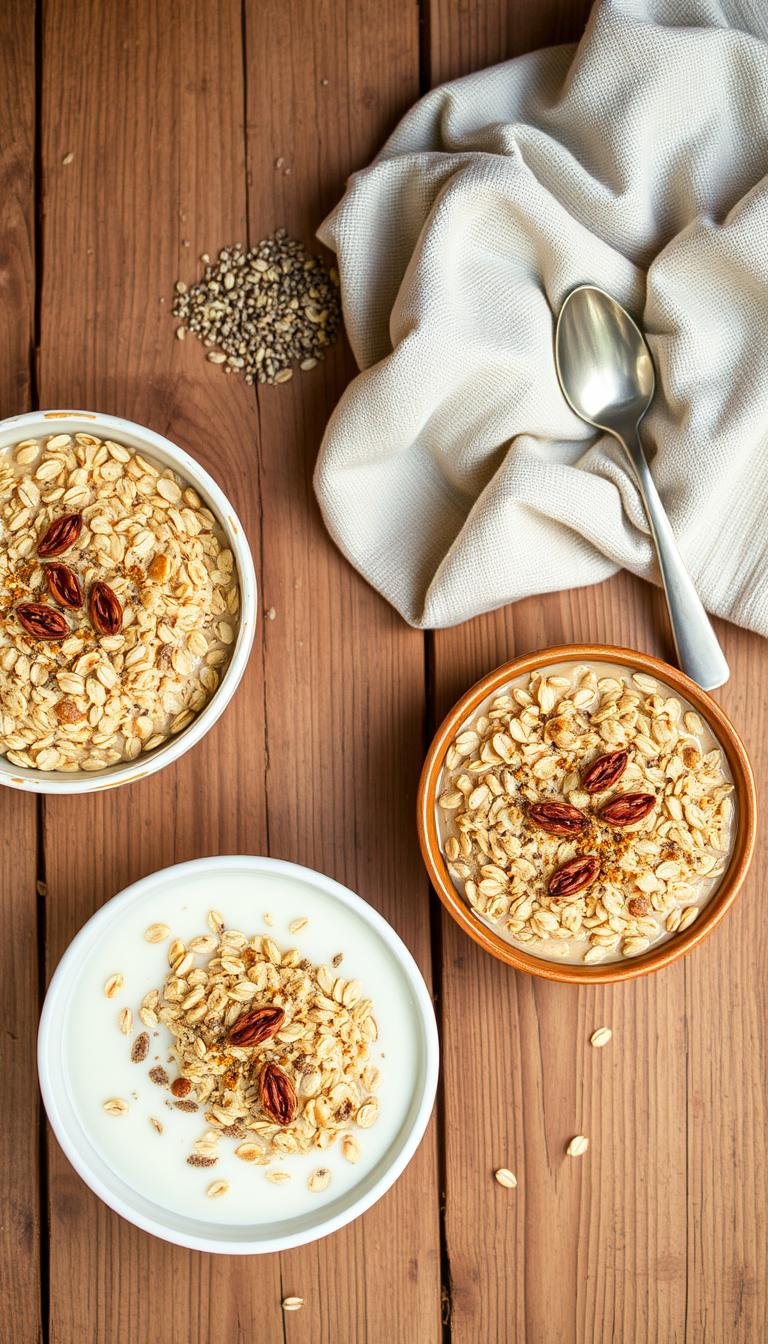
Nourishing Oatmeal & Chia Seed Recipes to Try
Here’s a twist that might surprise you: according to USDA FoodData Central, a half-cup of dry rolled oats delivers about 8 grams of fiber and protein combined, while an ounce of chia seeds adds roughly 10 grams of fiber and plant omega-3s. That’s a compact, budget-friendly base for a heart-healthy breakfast with real staying power.
This Website contains affiliate links. That means I may earn a small commission if you purchase through my links, at no extra cost to you.
This guide gathers Oatmeal & Chia Seed Recipes for busy mornings in the United States. You’ll find healthy breakfast ideas that use affordable pantry staples—oats (Avena sativa) and chia (Salvia hispanica)—to build nutritious morning meals. We lean on evidence from the American Heart Association and the Academy of Nutrition and Dietetics to show how a fiber-rich breakfast can support steady energy, digestion, and heart health.
Expect easy oatmeal recipes and chia seed breakfast bowls you can adapt to your goals. Prefer overnight oats with chia for grab-and-go? Want a heart-healthy breakfast that still tastes great? The sections ahead cover how to choose the best products, nail liquid ratios, and customize flavors for high-protein, vegan, and low-sugar needs—all with U.S.-relevant labels like USDA Organic and certified gluten-free.
Key Takeaways
- Oats and chia combine complex carbs, plant protein, fiber, and omega-3s for steady, satisfying energy.
- Our Oatmeal & Chia Seed Recipes focus on nutritious morning meals that are quick, budget-friendly, and customizable.
- Evidence from the American Heart Association and the Academy of Nutrition and Dietetics supports a fiber-rich breakfast for heart health.
- Easy oatmeal recipes and chia seed breakfast bowls fit vegan, high-protein, and low-sugar preferences.
- Overnight oats with chia make a fast, portable option for busy weekdays.
- Look for USDA Organic and certified gluten-free labels to meet specific dietary needs.
Why Oatmeal and Chia Seeds Make a Power Breakfast
Start the day with a bowl that works as hard as you do. Heart-healthy oats paired with chia seeds deliver steady fuel and a clean, antioxidant-rich breakfast that fits real-life routines. This duo supports breakfast nutrition without fuss, and it tastes great with everyday add-ins from brands like Quaker and Bob’s Red Mill.
Macronutrient balance for steady energy
Oats provide complex carbohydrates that release energy at a measured pace, while chia adds plant protein and fat for balance. A half cup of dry rolled oats offers about 5 grams of protein, and one tablespoon of chia contributes additional protein and calories from fat to extend satiety. Together, they create a breakfast that carries you through the morning commute and into lunch.
Beta-glucan in oats is a form of soluble fiber that slows glucose uptake. That effect helps prevent sharp spikes and dips. Add milk or a dairy-free option for more protein, and you get an even smoother energy curve that suits workdays and workouts alike.
Fiber-rich benefits for digestion and fullness
Chia absorbs liquid and forms a gentle gel that supports gastric emptying cues and satiety. Oats bring both soluble fiber and insoluble fiber to help keep things moving. This mix supports regularity and a comfortable gut.
Soluble fiber from beta-glucan also thickens the meal matrix, which helps you feel satisfied on fewer calories. The texture is creamy, and the flavor is mild, so it pairs well with fruit, spices, and yogurt for extra breakfast nutrition.
Omega-3s, antioxidants, and heart health
Chia seeds supply omega-3 ALA, a plant-based fat linked with cardiovascular support. When combined with heart-healthy oats, you get a bowl that fits into a heart-smart routine. Add berries or cocoa nibs for an antioxidant-rich breakfast that layers flavor with function.
Oats contain unique polyphenols called avenanthramides, and chia adds minerals like magnesium. This simple pairing supports everyday wellness while keeping prep quick and practical.
How to Choose the Best Oats and Chia Seeds
Great bowls start with smart picks. Think about texture, time, and labels as you compare grains and seeds. For ideas on using Healthy Oats in recent recipes, explore practical pairings that fit your routine.
Tip: Keep labels handy and note harvest dates. Favor lots with clear traceability and third-party testing for peace of mind.
Rolled vs. steel-cut vs. quick oats
Understanding rolled oats vs steel-cut helps you match texture to your morning. Steel-cut are chopped groats with a firm bite and take about 20–30 minutes. Rolled oats are steamed and flattened, cooking in 5–10 minutes with a creamy chew.
Quick oats cook in 1–3 minutes, which suits busy days. Review quick oats nutrition if you want a softer bowl with faster energy release. For meal prep, steel-cut or thick rolled oats keep structure after reheating.
| Oat Type | Texture | Typical Cook Time | Prep Strength |
|---|---|---|---|
| Steel-cut | Chewy, hearty | 20–30 minutes | Best for make-ahead reheats |
| Rolled | Creamy with light chew | 5–10 minutes | Balanced for daily bowls |
| Quick | Soft, fine | 1–3 minutes | Speed and convenience |
Black vs. white chia seeds and freshness tips
Both chia seed varieties come from the same species. The color shift is mostly cosmetic, so choose what looks best in your bowl. Expect similar fiber, protein, and omega-3s across the colors.
Check aroma and flow. Fresh chia storage matters: seeds should be dry, odorless, and free-flowing. A fishy or off smell signals oxidized fats.
Store in an airtight jar away from heat and light. After opening, refrigeration helps preserve flavor and crunch. Mark the “best by” date and rotate stock.
Organic, gluten-free, and non-GMO considerations
Look for USDA Organic oats to limit pesticide exposure. If you need purity for celiac disease, pick certified gluten-free oats from trusted brands like Bob’s Red Mill or GF Harvest to avoid cross-contact.
Labels such as Non-GMO Project Verified add assurance, even though oats and chia are not common GMO crops. Choose suppliers who share lot testing and harvest dates for added confidence.
Combine quality with function: select steel-cut for bite, rolled for versatile bowls, and quick when time is tight. Pair with well-stored chia to keep flavor, texture, and nutrition in balance.
Essential Pantry Staples and Tools
Your oatmeal pantry list should start with rolled or steel-cut oats and chia seed staples for thick, creamy bowls. Keep water and milk alternatives on hand—almond, soy, oat, or coconut—plus dairy milk if you prefer. Stock natural sweeteners like pure maple syrup, raw honey, medjool dates, and ripe bananas for quick balance.
Flavor is easy with spices for oatmeal such as Ceylon or Cassia cinnamon, nutmeg, cocoa powder, instant espresso, and fresh citrus zest. Round it out with nut butters—almond, peanut, cashew—and tahini for depth. For savory spins, keep extra-virgin olive oil, miso, tamari, eggs, avocado, Parmesan, mushrooms, and greens.
Build texture with berries, apples, pears, stone fruit, pumpkin purée, and bananas. Add crunch from walnuts, pecans, almonds, hemp hearts, pumpkin seeds, flax, and dark chocolate at 70% or higher. These picks make your chia seed staples and oats work for any mood.
Set up healthy breakfast tools that save time and reduce mess. A medium saucepan, whisk, silicone spatula, measuring cups and spoons, and a digital kitchen scale help nail ratios. Use microwave-safe bowls for speed and an immersion blender for silky, café-style oats.
For make-ahead wins, store overnight oats in airtight mason jars (8–16 oz) and pack lunches in labeled meal prep containers that keep toppings crisp. A pressure cooker or an Instant Pot cuts steel-cut oat time to minutes, making batch cooking simple.
- Core grains and seeds: rolled oats, steel-cut oats, chia seeds
- Liquids and milk alternatives: water, dairy milk, almond, soy, oat, coconut
- Sweeteners and spices for oatmeal: maple syrup, raw honey, dates, cinnamon, nutmeg, cocoa, espresso, citrus zest
- Fats and nut butters: almond butter, peanut butter, cashew butter, tahini, coconut milk, extra-virgin olive oil
- Toppings and add-ins: berries, apples, pears, pumpkin purée, walnuts, pecans, almonds, hemp hearts, pumpkin seeds, flax, dark chocolate
- Savory options: eggs, avocado, mushrooms, greens, miso, tamari, Parmesan
- Healthy breakfast tools: saucepan, whisk, spatula, measuring set, immersion blender, digital scale, microwave-safe bowls
- Storage and batching: mason jars, meal prep containers, labels, pressure cooker or Instant Pot
Base Ratios and Soaking Methods
Dialing in base ratios turns a good bowl into a great one. Use these creamy oatmeal tips and precise measures to keep texture consistent, flavor balanced, and mornings smooth.
Cold overnight soak vs. stovetop cooking
For a no-cook jar, follow smart overnight oats ratios: 1/2 cup rolled oats, 1 tablespoon chia, and 3/4–1 cup milk or plant milk. Chill 6–12 hours for a spoonable set that is not pasty.
Prefer warmth? The stovetop oatmeal method for rolled oats uses 1/2 cup oats to 1–1.25 cups liquid. Simmer 5–8 minutes, stir often, then rest covered 2–3 minutes to finish hydrating.
For steel-cut, cook 1/2 cup with 2 cups liquid for 20–30 minutes, or pressure cook 4 minutes on high with a 10-minute natural release. Stirring reduces clumps and builds body.
Liquid-to-grain ratios for creamy texture
The ideal chia gel ratio is about 1:6 by volume. Within oats, 1 tablespoon chia per 1/2 cup oats gives lift and mild thickening without gumminess. Blend part of the liquid with 1–2 teaspoons chia before cooking for extra silk.
To amplify softness, whisk oats into boiling liquid, reduce heat, and stir frequently. These creamy oatmeal tips help starch swell evenly and keep the surface glossy.
For richer mouthfeel, swap in half milk for water, or add a splash of canned coconut milk at the end. Rest 3–5 minutes before serving so the grains relax and absorb.
Sweeteners, salts, and fats for balance
A pinch of kosher salt sharpens flavor and rounds bitterness when seasoning oatmeal. If you like sweet notes, use 1–2 teaspoons maple syrup or honey, added off heat to preserve aroma.
Stir in healthy fats in breakfast for satiety and better uptake of fat‑soluble antioxidants: 1–2 teaspoons almond or peanut butter, 1 tablespoon coconut milk, or 1 teaspoon butter or ghee.
Finish with spices to layer depth—cinnamon, vanilla, or cardamom. Keep the same overnight oats ratios and stovetop oatmeal method while adjusting toppings so texture stays consistent.
Oatmeal & Chia Seed Recipes
These bowls bring comfort, speed, and balance to the morning routine. They highlight whole grains, smart fats, and fruit-forward sweetness. Each one fits easily into breakfast meal prep bowls and lands within sensible sodium and sugar targets.
Classic cinnamon maple bowl
Stir 1/2 cup rolled oats into 1 cup milk or water with 1 tablespoon chia, 1/2 teaspoon cinnamon, and a pinch of salt. Cook until creamy, then finish with 1–2 teaspoons pure maple syrup, toasted pecans, and a light dusting of spice.
This cozy take on cinnamon maple oatmeal is a staple among healthy oatmeal recipes. Scale portions for breakfast meal prep bowls and skip added sweetener if your palate prefers a gentler finish.
PB-banana power oatmeal
Simmer 1/2 cup oats with 1 cup milk and 1 tablespoon chia. Stir in 1 tablespoon natural peanut butter and half a ripe sliced banana. Top with hemp hearts for extra protein and potassium.
These peanut butter banana oats offer creamy texture and steady energy. They pack well, making them ideal for portable breakfast meal prep bowls and busy mornings.
Coconut vanilla overnight oats
In a jar, combine 1/2 cup rolled oats, 1 tablespoon chia, 1/2 cup unsweetened coconut milk (carton) plus 1/4 cup water, 1/2 teaspoon vanilla extract, and a pinch of salt. Refrigerate overnight. Top with toasted coconut flakes and diced mango.
These coconut vanilla overnight oats chill to a pudding-like texture. Keep jars ready as healthy oatmeal recipes that streamline weekday breakfast meal prep bowls.
Berry chia swirl porridge
Cook oats and chia as above. In a small bowl, mash 1/2 cup mixed berries with 1 teaspoon chia and a squeeze of lemon; rest 10 minutes to gel. Swirl the berry mix into the hot porridge and add Greek yogurt or dairy-free yogurt.
This vivid berry chia porridge leans on ripe fruit for brightness. It works warm or room temp and slips neatly into breakfast meal prep bowls for a colorful start to the day.
High-Protein Variations for Active Lifestyles
Build high-protein oatmeal that lands in the 20–30 g range to support muscles and keep you full. Start with protein oats by stirring in one scoop of whey or pea powder after cooking; add a splash more liquid to keep it creamy. Use soy milk protein or ultra-filtered milk like Fairlife for a strong base, rather than almond milk.
For extra richness, fold in Greek yogurt oats using 2% or 5% yogurt once the pot is off the heat. A half cup adds about 10 g protein and a cool, tangy finish. If you like custard-style bowls, temper and whisk in egg whites as the oats simmer, cooking until set for silky “proats.”
Top strategically to nudge the number higher. Hemp hearts, pumpkin seeds, and a spoon of almond or peanut butter add texture and lasting power. This style also makes a reliable post-workout breakfast when sodium and carbs are still present for recovery.
Sample build for busy mornings: 1/2 cup oats, 1 tablespoon chia, 1 cup soy milk protein, one scoop pea powder, blueberries, and 1 tablespoon almond butter. You’ll get 30+ grams without fuss, and the oats stay tender, not pasty. If using whey protein oatmeal, wait until the oats stop bubbling before stirring it in.
Keep flavor simple and clean. A pinch of salt, cinnamon, and vanilla round out the bowl, while maple or honey can be added to taste. These tweaks make adding protein to oatmeal easy, whether you prefer dairy or plant-based options.
Dairy-Free and Vegan-Friendly Ideas
These vegan oatmeal recipes turn a simple bowl into a craveable dairy-free breakfast. Each idea relies on plant-based oats, nuts, and seeds for creamy texture and steady energy, without losing flavor or comfort.
Almond milk mocha oats
Simmer plant-based oats and chia in unsweetened almond milk. Whisk in 1–2 teaspoons cocoa powder and 1/2 teaspoon instant espresso for bold mocha oatmeal. Sweeten with a touch of maple syrup and finish with sliced almonds for crunch.
Choose fair-trade cocoa and check the carton for about 300 mg calcium and 2–3 mcg vitamin D per cup. This approach fits a dairy-free breakfast while keeping the texture rich and satisfying.
Creamy cashew butter chia oatmeal
Cook oats with oat milk, then stir in 1 tablespoon cashew butter and 1/2 teaspoon vanilla. Top with strawberries and a drizzle of coconut milk for a lush, spoonable bowl of cashew butter oatmeal.
The mix of healthy fats and fiber helps you stay full. These vegan oatmeal recipes use simple staples and keep flavors bright and clean.
Maple tahini and date bowl
Combine stovetop oats and chia, stir in 1 tablespoon tahini and 1–2 chopped Medjool dates, then add a pinch of cinnamon and sesame seeds. This tahini oatmeal leans sweet and nutty, with soft bites of fruit.
Use fortified plant milks to round out nutrients. With smart swaps like these, a dairy-free breakfast remains creamy, balanced, and easy to prep.
Low-Sugar and Diabetic-Conscious Options
Build a diabetic-friendly breakfast with low GI oatmeal and chia that keeps flavor high and sugars low. Choose steel-cut or thick rolled no added sugar oats, and keep portions modest. Layer in protein and healthy fats to support glycemic load management without losing comfort or ease.
Portion control and glycemic load tips
- Measure 1/3–1/2 cup dry oats per bowl, plus 1–2 tablespoons chia to slow digestion and aid glycemic load management.
- Favor steel-cut or thick rolled low GI oatmeal; skip instant packets with sweeteners.
- Cap added sweeteners at 1–2 teaspoons or use none for a true diabetic-friendly breakfast.
- Add Greek yogurt, unsweetened soy milk, nuts, or seeds to blunt spikes.
- Season and salt lightly; keep sodium moderate.
Using spices and citrus for sweetness
Boost flavor with cinnamon for sweetness, vanilla, cardamom, and nutmeg. Grate zest over warm oats for bright, citrus zest oatmeal without sugar. These upgrades make no added sugar oats taste richer and help you skip syrup.
Smart fruit pairings and timing
- Pick lower-sugar fruits like berries and kiwi to keep a diabetic-friendly breakfast steady.
- If using banana or mango, pair with extra protein or fat for balanced glycemic load management.
- Eat fruit with or after the bowl, not before, to temper rapid rises.
- Choose unsweetened dried fruit only, and use sparingly.
- Track your response with a glucose meter or CGM in partnership with your clinician.
| Option | Why It Helps | How to Use | Flavor Boost |
|---|---|---|---|
| Steel-cut low GI oatmeal | Slower digestion supports glycemic load management | 1/3–1/2 cup dry cooked with water or unsweetened milk | Cinnamon for sweetness + vanilla |
| Chia add-in | Fiber and fats blunt post-meal spikes | 1–2 tbsp stirred into no added sugar oats | Nutmeg or cardamom |
| Berries and kiwi | Lower sugar fruit for a diabetic-friendly breakfast | 1/2–3/4 cup mixed into bowl or served after | Citrus zest oatmeal finish |
| Protein toppers | Slows glucose rise and adds fullness | Greek yogurt, unsweetened soy milk, or nuts | Roasted almonds, toasted walnuts |
Make-Ahead Meal Prep and Storage
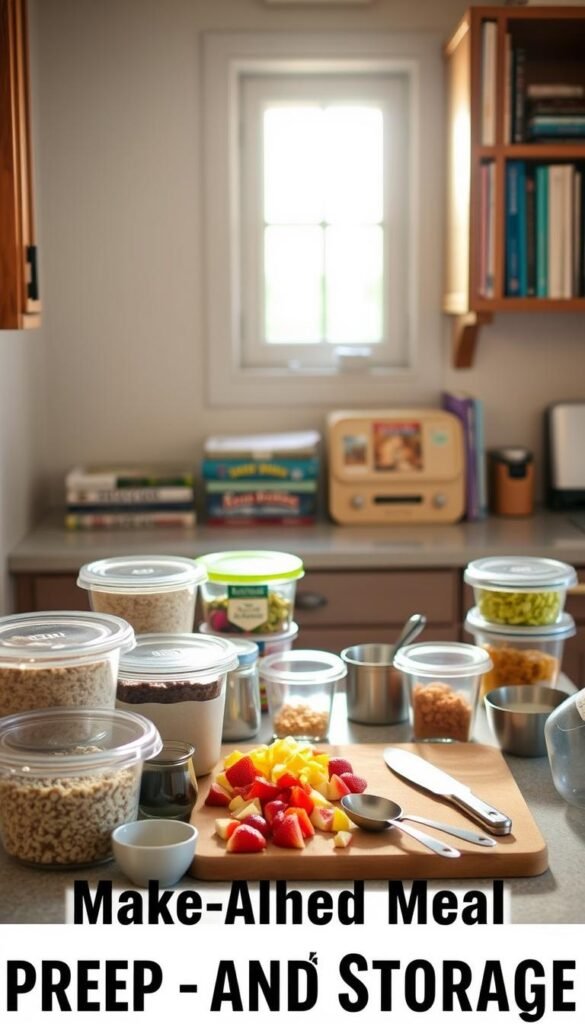
Plan once, eat well all week. For batch cooking oatmeal, simmer 2 cups steel-cut oats in 8 cups liquid until tender. Portion into airtight containers and chill promptly under 40°F. This approach streamlines overnight oats meal prep while keeping texture creamy and consistent.
For best food safety storage, refrigerate portions for 4–5 days. Add chia during cooling or after reheating oats to keep the bite intact. Label jars with the date and flavor so you can rotate breakfasts without guesswork.
Overnight oats keep 3–5 days with dairy milk. If using almond, oat, or soy milk, monitor aroma and thickness; enjoy within 4 days for peak quality. Add fresh fruit and crunchy toppings right before eating to prevent sogginess.
For freezer oatmeal, spoon cooked oats into silicone muffin cups, freeze solid, then move to freezer bags. Keep for 2–3 months. When reheating oats, add 1–2 tablespoons milk or water and warm until smooth.
Safe reheating is simple: microwave 60–90 seconds, stirring halfway, to reach 165°F, or reheat on the stovetop with a splash of liquid until steaming. Stir in spices or vanilla to refresh flavor.
Store dry chia in a cool, dark pantry. The shelf life chia seeds typically spans 18–24 months; after opening, refrigerate for optimal freshness. Keep seeds dry and sealed to guard against off aromas.
| Prep Method | How to Portion | Storage Time | Temperature | Reheating Oats Tips | Add-Ins Timing |
|---|---|---|---|---|---|
| Batch cooking oatmeal (steel-cut) | 1-cup containers, airtight | 4–5 days refrigerated | ≤ 40°F | Microwave 60–90 sec to 165°F; stir midway | Add chia during cooling or after heating |
| Overnight oats meal prep (rolled oats) | Mason jars, leave headspace | 3–5 days with dairy; up to 4 days with plant milk | ≤ 40°F | Enjoy cold or warm gently with a splash of milk | Add fresh fruit and nuts right before serving |
| Freezer oatmeal (cooked) | Silicone muffin cups, then freezer bags | 2–3 months frozen | 0°F or below | Reheat with 1–2 tbsp liquid until creamy | Stir in chia and spices after thawing |
| Dry chia seed storage | Sealed jar, dark pantry; refrigerate after opening | Shelf life chia seeds: 18–24 months | Cool, dry conditions | N/A | Add to oats at serving for best texture |
Seasonal Flavor Combos
These seasonal breakfast ideas lean on in-season produce across the United States for bold taste and smart value. Rotate through seasonal oatmeal recipes to keep mornings fresh while boosting natural antioxidants from berries, pumpkin, and stone fruits.
Fall pumpkin spice with pecans
For cozy pumpkin spice oats, whisk 1/4 cup pumpkin purée into hot oats and chia. Stir in 1/2 teaspoon pumpkin pie spice and a splash of maple syrup. Top with toasted pecans and a spoon of Greek yogurt for cream and crunch.
Winter cranberry orange zest
Make bright cranberry orange oatmeal by folding in chopped cranberries, fresh or thawed, with orange zest and a teaspoon of honey. Add a pinch of ginger for warmth, then finish with pistachios. The tart-sweet balance wakes up cold mornings.
Spring lemon blueberry
For lemon blueberry oats, stir zest and a squeeze of lemon into overnight oats with vanilla. Fold in blueberries and, if you like, a quick chia jam. The citrus lifts the fruit, giving a clean, sunny flavor.
Summer peach basil
Serve chilled oats topped with sliced peaches and torn basil for fragrant peach basil oatmeal. Drizzle honey or agave, then add coconut flakes or a dollop of ricotta or almond yogurt. It’s light, creamy, and picnic-ready.
Mix and match textures to personalize these bowls. With pumpkin spice oats, cranberry orange oatmeal, lemon blueberry oats, and peach basil oatmeal in rotation, you’ll have seasonal breakfast ideas that stay simple and satisfying.
Kid-Friendly Bowls and Toppings
Turn busy school morning breakfasts into a win with kid-friendly oatmeal that tastes like a treat and fuels the day. Keep flavors simple, keep colors bright, and let kids pick add-ins so every bowl feels personal.
Texture swaps for picky eaters
For a smooth base, blend cooked oats for 10–15 seconds, or use quick oats with extra milk for a softer spoonful. Stir in finely ground chia so the seeds disappear. Sweeten with mashed ripe banana or applesauce to skip syrups and keep the texture silky for a picky eater breakfast.
Try hidden veggie oatmeal by grating carrot or zucchini into the pot with cinnamon; cook until tender for a warm “cake-like” feel. This approach works for school morning breakfasts when time is tight.
Colorful toppings that add nutrients
Make bowls pop with colorful toppings that add real value: sliced strawberries, blueberries, diced mango, kiwi, and a sprinkle of shredded coconut. Add mini dark chocolate chips sparingly for fun, plus ground flax for extra omega-3s.
Balance flavor and crunch by adding nuts or seeds right before serving. These bright choices keep kid-friendly oatmeal exciting without heavy sugar.
Fun shapes and parfait layers
Create yogurt parfait oats in clear cups: layer chilled overnight oats, Greek yogurt, and fresh fruit. Add granola at the last minute for crunch that doesn’t go soggy.
Use cookie cutters to stamp melon or mango stars, or arrange fruit faces with banana slices, blueberries, and a swirl of peanut or sunflower seed butter. For stress-free school morning breakfasts, pre-portion jars and set out a toppings tray so kids choose what goes in—an easy, low-waste path to a picky eater breakfast that actually gets eaten.
Savory Oat and Chia Creations
Savory oatmeal recipes turn a simple grain into a hearty meal. Simmer rolled oats in low-sodium vegetable or chicken broth, then stir in 1 tablespoon chia at the end for body and omega-3s. The result is a silky base that holds toppings without getting gluey.
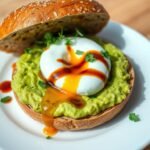
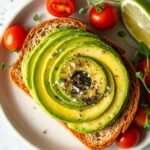
Build an egg oatmeal bowl with a soft-boiled or fried egg, sautéed spinach, cremini mushrooms, and sliced avocado. Finish with chili flakes and a drizzle of extra-virgin olive oil. Keep sodium in check by choosing broth labeled “low-sodium” and leaning on greens and mushrooms for potassium.
For miso oats, whisk 1–2 teaspoons white miso into warm oats off heat, then fold in thinly sliced scallions, a splash of toasted sesame oil, and crisp nori strips. If you crave Italian comfort, try Parmesan oats using freshly grated Parmigiano Reggiano, cracked black pepper, and roasted broccoli.
Make a veggie oatmeal with cherry tomatoes, Kalamata olives, diced cucumbers, chopped parsley, lemon zest, and crumbled feta or a dairy-free feta. A chia savory porridge thickens brothy oats without muting flavor, and the texture stays light when added at the end.
Tip: Batch-cook oats in broth, cool, and store. Reheat with a splash of water or stock, then add chia and toppings to keep the texture fresh.
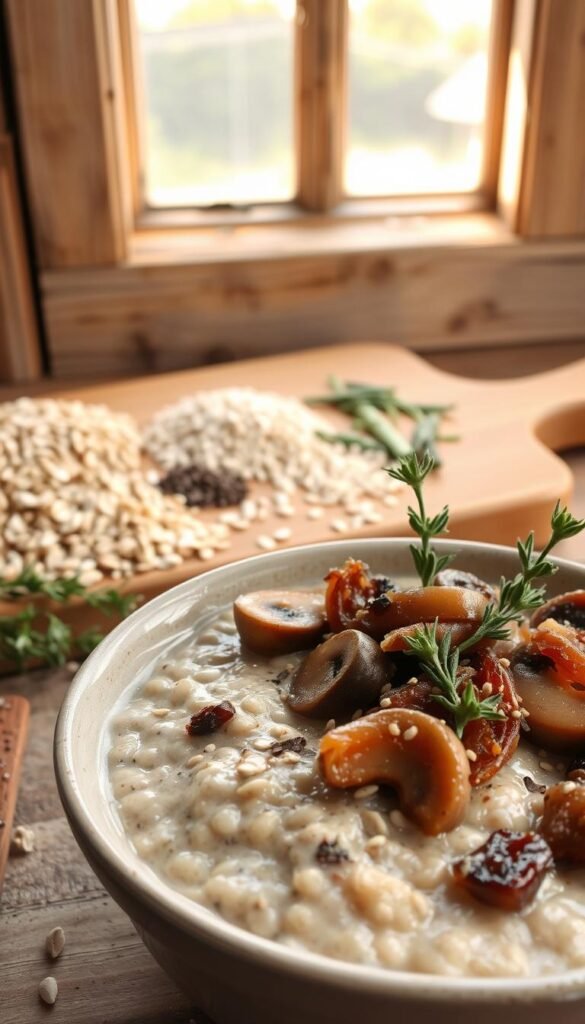
| Bowl Style | Key Flavors | Toppings | Why It Works |
|---|---|---|---|
| Egg Oatmeal Bowl | Brothy oats, olive oil, chili heat | Soft-boiled egg, spinach, mushrooms, avocado | Protein plus healthy fats create steady energy and a creamy, rich finish. |
| Miso Oats | White miso, sesame, umami depth | Scallions, nori strips, sesame seeds | Stirring miso off heat preserves probiotics and brings savory balance. |
| Parmesan Oats | Parmigiano Reggiano, black pepper | Roasted broccoli, extra pepper | Cheese melts into oats for a glossy sauce; pepper cuts richness. |
| Veggie Oatmeal | Tomato brightness, lemon zest, briny olives | Cucumbers, parsley, feta or dairy-free feta | Fresh produce adds crunch and hydration while keeping sodium balanced. |
| Chia Savory Porridge | Broth-forward, subtle nuttiness | Flexible: any greens, roasted veg, or herbs | Chia thickens at the end for lift without heaviness and adds omega-3s. |
Nutrition Tips from a Dietitian Perspective
Start with a clear target for balanced breakfast macros. A practical split is 40–50% carbs, 20–30% protein, and 25–35% fat. Oats bring steady complex carbs and beta‑glucan. Pair them with protein and healthy fats to improve blood sugar control and satiety.
For a bowl that lasts, use Greek yogurt, soy milk, whey or pea protein, or an egg on the side. Add nuts, chia, tahini, or peanut butter for fats that slow digestion. Keep portions smart so breakfast micronutrients land within your needs and energy goals.
Balancing carbs, protein, and fat in breakfast
- Carbs: rolled or steel‑cut oats with fruit for fiber and steady fuel.
- Protein: Greek yogurt, edamame, soy milk, or a scoop of whey/pea protein.
- Fat: almonds, walnuts, chia, flax, or tahini for creamy texture and fullness.
Test your mix on training and rest days. Adjust the macro split to match appetite and schedule. This fine‑tunes balanced breakfast macros for daily performance.
Micronutrients to watch: iron, calcium, and zinc
Oats deliver manganese, phosphorus, and magnesium. Chia adds calcium (about 80 mg per tablespoon), iron, and ALA. For non‑heme iron, use simple iron absorption tips: add strawberries, oranges, or kiwi for vitamin C; skip coffee or black tea at the same meal if iron is a concern.
Choose calcium-fortified plant milk with about 300 mg calcium and vitamin D per serving. Many options from Silk, Califia Farms, and Elmhurst meet this mark. Zinc from pumpkin seeds, cashews, and hemp seeds supports immunity and metabolism.
| Goal | Smart Add | Why It Helps |
|---|---|---|
| Steady energy | Oats + chia + walnuts | Fiber, ALA, and fats slow glucose rise |
| Higher protein | Greek yogurt or soy milk | Boosts satiety and muscle repair |
| Stronger iron uptake | Berries or citrus | Vitamin C enhances non‑heme iron |
| Bone health | Calcium-fortified plant milk | Calcium and vitamin D support density |
| Immune support | Pumpkin seeds | Zinc aids enzymes and metabolism |
Hydration and electrolyte considerations
Begin with a glass of water to anchor hydration at breakfast. If you train early or live in heat, add an electrolytes morning routine: mineral water, a small pinch of salt in savory oats, or potassium‑rich fruit like bananas.
Keep an eye on sodium if you have blood pressure concerns. Personalize with a registered dietitian nutritionist for medical needs while keeping your breakfast micronutrients in balance.
Time-Saving Hacks for Busy Mornings
These quick breakfast tips keep oats and chia on the menu when time is tight. Set up a weekly oatmeal bar: cook a large pot of plain oats on Sunday, portion into containers, and rotate toppings so flavors stay fresh all week. This small habit builds a streamlined morning routine without extra effort.
Microwave method for 5-minute oatmeal: add 1/2 cup quick or rolled oats and 1 cup milk or water to a deep bowl. Use microwave oats for 2–3 minutes, stir once, then mix in 1 tablespoon chia to thicken fast. Frozen fruit cools the bowl and skips washing and chopping.
Pre-mix dry jars to speed things up. Make “oat packs” with oats, chia, cinnamon, and powdered peanut butter. In the morning, just add liquid and heat or chill. Keep single-serve nut butter packets and shelf-stable milks from brands like Pacific Foods or Silk in the pantry.
For commuters, grab-and-go overnight oats in lidded mason jars travel well. Add crunchy granola or toasted almonds at your desk so they stay crisp. These batch prep breakfasts help you move from bed to bag in minutes.
Clean-as-you-go keeps the sink clear. Rinse the saucepan right after serving to prevent sticking, and scrape with a silicone spatula to reduce scrubbing. A 20-minute Sunday prep to roast nuts and portion toppings saves time every weekday and supports a streamlined morning routine.
- Weekly oatmeal bar with rotating toppings
- 5-minute oatmeal with microwave oats and post-cook chia
- Dry “oat packs” ready for liquid
- Frozen fruit for speed and quick cooling
- Grab-and-go overnight oats for the commute
- Clean-as-you-go tools and habits
Conclusion
From pantry to bowl, this Oatmeal & Chia Seed Recipes roundup shows how simple habits can build a healthy breakfast routine. By choosing the right oats, using fresh chia, and keeping smart liquid-to-grain ratios, you get creamy texture, steady energy, and real chia seed benefits. Add fruit, spices, nuts, or yogurt to create nutrient-dense meals that fit your morning.
The mix-and-match approach works for busy weekdays and relaxed weekends. Lean into easy oatmeal ideas for high-protein goals, plant-based needs, or low-sugar plans. Seasonal flavors keep things fresh, while kid-friendly toppings invite color and crunch. Savory bowls open new options without extra cost.
Meal prep saves time and cuts stress. Batch-cook oats, portion overnight jars, and store them safely for quick heat-and-eat mornings. Evidence-informed choices—like fiber-rich add-ins, heart-smart fats, and mindful sweeteners—align breakfast with personal health targets.
Use these methods as a flexible guide. Build bowls that you love, then repeat what works. With this Oatmeal & Chia Seed Recipes roundup, you can keep a healthy breakfast routine that is affordable, satisfying, and filled with whole-food goodness—delivering lasting fuel and clear chia seed benefits through simple, nutrient-dense meals and easy oatmeal ideas.