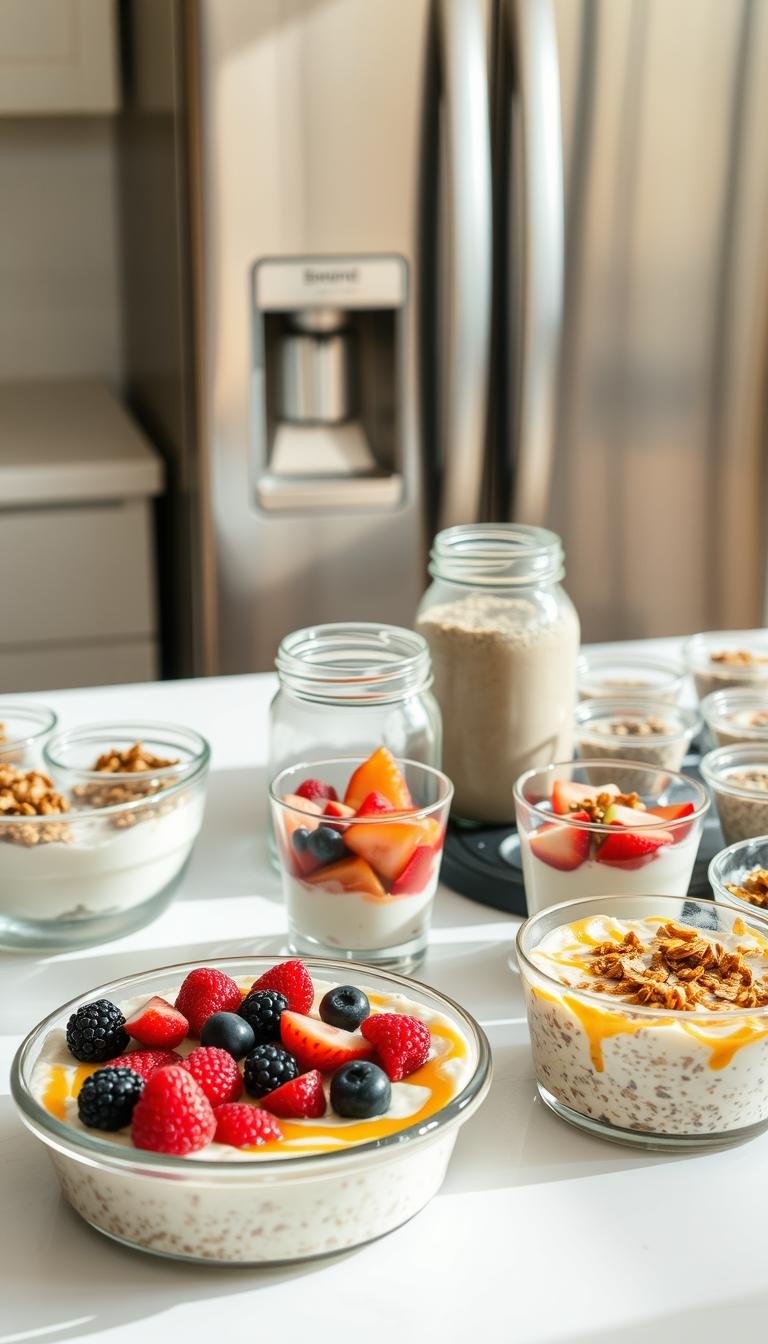
Quick and Easy Make Ahead Breakfast Meals
Here’s a wake-up call: the USDA reports that nearly half of Americans skip or delay breakfast at least once a week, often due to time. That lost meal can drain focus and drive up snack spending before noon. Make Ahead Breakfasts fix that with simple prep, smart storage, and flavor you look forward to.
This Website contains affiliate links. That means I may earn a small commission if you purchase through my links, at no extra cost to you.
This guide delivers quick breakfast ideas and easy breakfast meal prep for busy U.S. mornings. You’ll find breakfast recipes for busy mornings that cover overnight oats, egg muffins, smoothie packs, freezer burritos, parfaits, and sheet pan meals. We’ll include high-protein options, kid-friendly picks, and clear storage and safety tips that keep food fresh and your routine calm.
Whether you’re juggling a commute, online classes, or a full house, meal prep breakfasts cut stress and save money compared with drive-thru habits from Starbucks or Dunkin’. Expect step-by-step batching methods, menu rotation to avoid boredom, and portioning tricks for singles and families. Each idea leans on affordable staples, bright produce, and bold spice so every grab-and-go breakfast tastes as good as it fuels.
Key Takeaways
- Plan Make Ahead Breakfasts once, enjoy all week, and cut morning stress.
- Use quick breakfast ideas like overnight oats, egg muffins, and smoothie packs.
- Focus on easy breakfast meal prep with budget staples and fresh produce.
- Choose meal prep breakfasts that balance protein, fiber, and healthy fats.
- Rotate breakfast recipes for busy mornings to keep flavors exciting.
- Portion for individuals or families to prevent waste and save money.
- Follow clear storage and reheating steps for a safe grab-and-go breakfast.
Why Make-Ahead Breakfasts Save Time on Busy Mornings
Make-ahead plans turn chaos into calm. Batch-cooking gives you time-saving breakfasts that fit real life. With a few smart morning routine hacks, you can enjoy healthy breakfasts at home without rushing or skipping.
Breakfast meal prep benefits stack up fast. A single session on Sunday yields ready-to-eat options all week, cutting stress and dishes. You also sidestep the daily scramble for ingredients and last-minute choices.
Benefits for families, students, and professionals
Families get smoother mornings when kids can heat, eat, and head out. Students can grab jars or wraps between classes, avoiding vending machines. Professionals skip lines at Starbucks, Dunkin’, or Panera and still get balanced meals.
- Parents gain predictable routines with set portions.
- Campus life improves with portable, time-saving breakfasts.
- Commutes feel lighter when food is packed and ready.
Across groups, the big win is consistency. Healthy breakfasts at home become the default, not the exception.
How prepping breakfast reduces decision fatigue
A planned menu removes the mental tug-of-war. That’s the power of a decision fatigue breakfast system: fewer choices, faster starts. Prepped oats, egg cups, and smoothie packs make the first meal automatic.
- One weekly plan, many simple repeats.
- No early-morning guesswork or impulse buys.
- Clear macros and portions aid goals without extra thought.
These morning routine hacks free attention for work, study, or family time. Small steps add up to a focused day.
Cost savings compared to takeout or delivery
Homemade options keep budgets in check and help you save money on breakfast. A burrito made at home averages $1–$2 in ingredients, while quick-service versions often run $4–$8. Overnight oats with bulk oats and store brands come in under $1.25 per serving.
| Meal | DIY Cost (per serving) | Typical Takeout Price | Key Advantage |
|---|---|---|---|
| Breakfast Burrito | $1.00–$2.00 | $4.00–$8.00 | Lower cost, better portion control |
| Overnight Oats | $0.90–$1.25 | $4.00–$6.00 | Bulk savings, customizable toppings |
| Egg Muffins | $0.60–$1.10 | $3.00–$5.00 | Protein-rich, minimal waste |
| Smoothie Packs | $1.20–$2.00 | $6.00–$9.00 | Fast blend, consistent macros |
Beyond the math, planned shopping reduces waste and supports breakfast meal prep benefits like control over ingredients and sodium. The result is practical, healthy breakfasts at home that respect both time and budget.
Pantry and Fridge Staples for Fast Prep
Stocking smart saves minutes every morning. Build a core kit of breakfast pantry staples and quick-chill items so you can mix, match, and serve without fuss. Aim for balance: high-protein breakfast ingredients, sturdy whole grains, and bold flavor boosters that wake up simple meals.
Pro tip: Keep items you use daily at eye level. Rotate perishable picks to the front so nothing gets lost in the shuffle.
Proteins: eggs, Greek yogurt, cottage cheese, tofu
Eggs scramble fast and bake well in muffins or burritos. Choose Greek yogurt at 2% or 5% for creamy texture in parfaits and oats. Cottage cheese adds body to bowls and pancake batter. Extra-firm tofu holds up in a skillet for savory scrambles and wraps.
These high-protein breakfast ingredients make each meal filling and steady your energy through the morning rush.
Whole grains: oats, quinoa, whole-wheat tortillas
Keep rolled oats for overnight jars, quick oats for pancakes, and steel-cut for reheatable porridge. Cooked quinoa stores well for bowls and bakes. Soft whole-wheat tortillas turn leftovers into portable wraps in minutes.
Use this trio to build an oats and quinoa breakfast rotation that stays interesting all week.
Flavor boosters: spices, nut butters, honey, hot sauce
Small jars go far. Reach for cinnamon, nutmeg, pumpkin pie spice, smoked paprika, and chili powder to shift a dish from sweet to savory. Stir in peanut, almond, cashew, or tahini for richness. Finish with honey or maple, then add hot sauce, sriracha, or salsa verde for heat. A splash of vanilla or almond extract rounds out overnight mixes.
Layer these flavor boosters to turn the same base into new favorites day after day.
Fresh and frozen produce for convenience
Fresh berries, apples, and bananas are ready to eat and easy to prep. Pre-washed spinach and kale slip into smoothies or egg bakes with no extra work. Bell peppers, onions, mushrooms, and cherry tomatoes roast fast for frittatas and sheet pans.
Keep frozen fruit for smoothies on hand—blueberries, mango, pineapple, and peaches blend into cool packs or simmer into quick compotes.
| Category | Staple | Best Use | Why It Works |
|---|---|---|---|
| Protein | Eggs | Muffins, burritos, scrambles | Fast cooking, affordable, anchors high-protein breakfast ingredients |
| Protein | Greek yogurt (2%–5%) | Parfaits, overnight oats | Thick, creamy texture; adds staying power |
| Protein | Cottage cheese | Bowls, pancake batter | Boosts protein and moisture without extra prep |
| Protein | Extra-firm tofu | Scrambles, wraps | Holds shape, absorbs flavor boosters well |
| Grain | Rolled oats | Overnight oats | Ideal bite and soak for an oats and quinoa breakfast base |
| Grain | Quinoa (cooked) | Bowls, bakes | Complete protein; reheats without getting mushy |
| Grain | Whole-wheat tortillas | Burritos, wraps | Ready-to-fill carrier that packs fiber and speed |
| Flavor | Cinnamon, smoked paprika, chili powder | Oats, eggs, veggies | Low-cost spices that shift profiles in seconds |
| Flavor | Peanut, almond, cashew, tahini | Oats, smoothies, toast | Nut and seed butters add richness and satiety |
| Flavor | Honey, maple syrup; hot sauce, sriracha | Parfaits, bowls, burritos | Sweet-heat contrast brightens simple bases |
| Produce | Fresh berries, apples, bananas | Toppings, quick snacks | No-thaw convenience and natural sweetness |
| Produce | Frozen fruit for smoothies | Blends, compotes | Zero waste, always ready, consistent texture |
| Add-ons | Chia seeds, flaxseed meal, cacao nibs, toasted nuts | Oats, yogurt, bowls | Crunch, fiber, and fast nutrition upgrades |
| Pantry | Shelf-stable plant milks | Overnight mixes, smoothies | Reliable backups when the fridge runs low |
Overnight Oats Variations for Every Taste
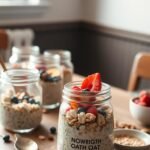
Start with a simple base that works for all overnight oats recipes: 1/2 cup rolled oats, 1/2 cup milk of your choice, 1–2 teaspoons chia seeds, and a pinch of salt. Stir, cover, and chill. In the morning, adjust with a splash of milk if you like it looser.
Pro tip: For thicker chia seed oats, add an extra half teaspoon of chia and let it sit five more minutes before refrigerating. Jars keep well for 4–5 days, so batch a few flavors at once.
Classic berry-almond with chia seeds
Fold in 1/2 cup mixed berries, a splash of vanilla, and 1 tablespoon sliced almonds. The berries add bright flavor and color, while chia seed oats create a creamy finish. Top with extra almonds for crunch right before eating.
This combo is a staple in many overnight oats recipes and pairs well with a touch of honey or lemon zest. Try blueberries and raspberries for a tart-sweet balance.
Peanut butter banana with cacao nibs
Stir in 1 tablespoon natural peanut butter, half a sliced banana, and 1 teaspoon cacao nibs. The result is rich, nutty, and satisfying. Peanut butter banana oats offer steady energy and a slight chocolate bite from the nibs.
Add a drizzle of honey if you prefer more sweetness. A pinch of sea salt boosts the peanut butter flavor.
Apple pie with cinnamon and maple
Mix in 1/2 cup finely diced apples, 1/2 teaspoon cinnamon, and 1–2 teaspoons maple syrup. For extra body, fold in a spoon of Greek yogurt oats to make it silky and lush. Optional raisins give a classic bakery note.
These apple pie oats taste like dessert but feel balanced. A few toasted walnuts on top add a cozy crunch.
High-protein options with Greek yogurt
For high-protein overnight oats, add 1/4–1/2 cup 2%–5% Greek yogurt or a 20–25 g scoop of whey or plant protein. If the mix is too thick, loosen with extra milk. This method layers creamy texture with lasting fullness.
Keep the flavor flexible: use berries, banana, or apples from above. Greek yogurt oats work with almond butter, cocoa, or even a dash of espresso powder for a morning kick.
- Optional add-ins: hemp hearts, ground flax, toasted coconut, cacao nibs, or lemon zest.
- Make-ahead guide: batch on Sunday, refrigerate in sealed jars, and garnish fresh before serving.
- Texture tips: thicker with more chia; looser with a splash of milk.
Egg Muffins and Frittata Cups
These baked egg breakfasts come together fast, store well, and taste great hot or cold. Whether you favor veggie egg bites or classic frittata cups, a solid base ratio and smart mix-ins make egg muffin meal prep reliable and craveable.
Base ratios for fluffy, tender texture
For 12 cups, whisk 10–12 large eggs with 1/3–1/2 cup dairy, such as 2% milk or half-and-half. Use unsweetened almond milk for dairy-free egg muffins. Season with 1/2–1 teaspoon kosher salt and a few grinds of black pepper.
For extra tenderness, blend in 1–2 tablespoons cottage cheese or ricotta. Grease a muffin tin well or use silicone liners. Fold in 2–2.5 cups total mix-ins and 1–1.5 cups cooked protein. This balance keeps frittata cups moist, not dense.
Veggie-loaded combinations
Sauté bell peppers, onions, mushrooms, spinach, and broccoli until dry. Drain diced tomatoes to avoid soggy centers. Try combos like spinach + feta + sun-dried tomatoes; mushroom + caramelized onion + thyme; broccoli + cheddar; or jalapeño + corn + pepper jack for bold veggie egg bites.
For protein, add turkey sausage, Canadian bacon, or black beans. These baked egg breakfasts win on busy weeks and make egg muffin meal prep simple to repeat.
Dairy-free and keto-friendly swaps
For dairy-free egg muffins, swap in almond milk and sprinkle nutritional yeast for a hint of “cheesy” flavor. For keto breakfast prep, lean on lower-carb vegetables such as spinach, mushrooms, and zucchini, and add sausage or higher-fat cheese if you include dairy.
Keep the same egg-to-liquid ratio so the texture stays tender. With these tweaks, frittata cups fit a range of goals and preferences without extra steps.
Reheating tips for meal-prep success
Bake at 350°F for 18–22 minutes, just until set in the center. Cool completely before storing. Refrigerate up to 4 days or freeze for 2 months. Reheat from the fridge in the microwave for 30–45 seconds; from frozen, 60–90 seconds.
For a crisper edge, air fry at 300°F for 4–6 minutes. These quick methods keep baked egg breakfasts soft inside and ready when you are.
| Recipe Element | Best Practice | Why It Works | Use Case |
|---|---|---|---|
| Egg-to-Liquid Ratio | 10–12 eggs + 1/3–1/2 cup milk or almond milk | Ensures tender set without weeping | Standard frittata cups and dairy-free egg muffins |
| Mix-Ins | 2–2.5 cups veg + 1–1.5 cups cooked protein | Balanced bites; even cooking | Veggie egg bites, turkey sausage variations |
| Texture Boost | 1–2 tbsp cottage cheese or ricotta | Extra moisture and silkiness | Comfort-style baked egg breakfasts |
| Dairy-Free Swap | Unsweetened almond milk + nutritional yeast | Rich taste without dairy | Dairy-free egg muffins for sensitive eaters |
| Keto Focus | Spinach, mushrooms, zucchini + sausage/cheese | Lower carbs, satisfying fats | Keto breakfast prep with hearty flavor |
| Bake & Reheat | 350°F for 18–22 min; microwave or air fry | Prevents rubbery texture | Fast egg muffin meal prep on weekdays |
Smoothie Packs You Can Blend in Seconds
Turn busy mornings into a quick win with an assembly-line setup. Build a week of smoothie freezer packs in under 20 minutes, then blend and go. These make-ahead smoothie bags support fast breakfast smoothies without the mess.
Tip: Freeze each pouch flat so they stack neatly and thaw just enough while you prep the blender.
Freezer bag assembly for quick mornings
- Use quart-size freezer bags or reusable silicone pouches from brands like Stasher or Zip Top.
- Portion produce per bag: 1/2 banana, 1/2 cup berries, 1/2 cup mango, and a handful of spinach.
- Add 1 tablespoon chia or flax, plus a pinch of cinnamon or ginger.
- Press air out and freeze flat. Label date and flavor so your smoothie freezer packs are easy to grab.
Flavor ideas for breakfast smoothies:
- Strawberry–banana + peanut butter
- Tropical mango–pineapple + coconut
- Blueberry–spinach + vanilla protein + cinnamon
Protein add-ins and balanced macros
Boost protein smoothies with 20–25 g whey isolate, pea protein, or Greek yogurt. Collagen peptides add an unflavored lift, while silken tofu brings plant-based creaminess.
Aim for balanced smoothie macros per blend: 25–30 g protein, 30–45 g carbs, and 10–15 g fat from nuts, seeds, avocado, or peanut butter. For thicker texture, add frozen cauliflower rice or sliced zucchini. For extra fiber, toss in a spoon of oats.
Liquid choices for creaminess and flavor
- Dairy milk for creaminess and extra protein.
- Unsweetened almond, soy, or oat milk for dairy-free smoothies.
- Coconut water for light flavor and hydration.
On blend day, pour in 8–12 ounces of liquid, add your pouch, and blend 30–60 seconds until smooth. With these make-ahead smoothie bags, you can fine-tune protein smoothies for taste and fuel in seconds.
Keep a rotating mix of breakfast smoothies so your freezer stays stocked and your mornings stay simple.
Freezer-Friendly Breakfast Burritos and Wraps
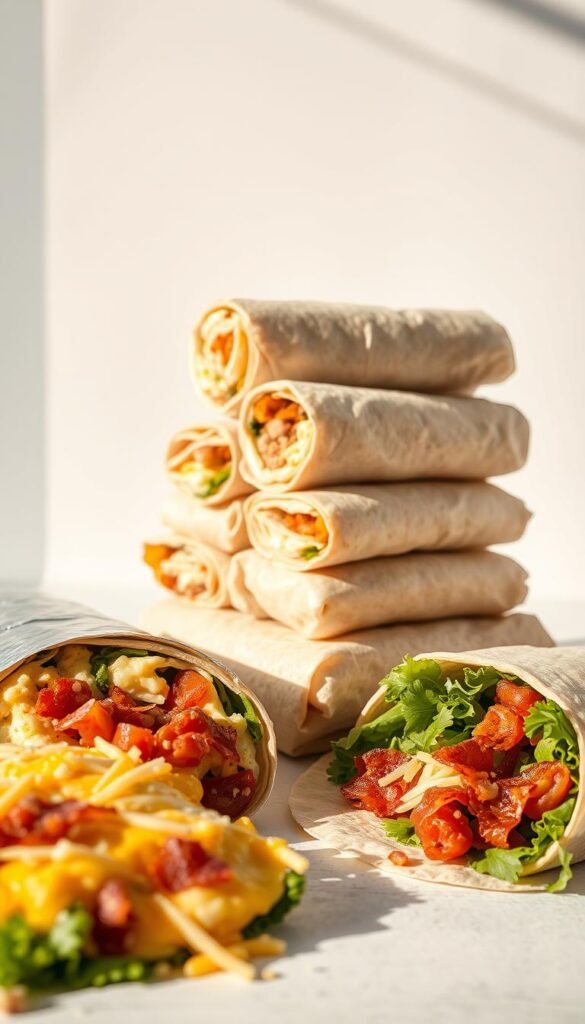
Stock your freezer with hearty, handheld meals that taste fresh after a quick reheat. Choose 8–10-inch flour or whole-wheat tortillas, then plan a simple burrito meal prep lineup: lightly undercooked scrambled eggs, turkey sausage or bacon, black beans, sautéed peppers and onions, roasted potatoes or hash browns, and a melt-friendly cheese like Monterey Jack or cheddar. Keep salsa and avocado out until serving so the tortillas stay crisp.
To build freezer breakfast burritos and breakfast wraps, spread fillings slightly off-center, fold the sides in, and roll tight. Wrap each in parchment, then foil. Label the package with the filling and date, and freeze for up to 2 months. For eggs and sausage burritos, cool the protein first so steam does not sog up the wrap. For vegetarian breakfast burritos, use black beans, spinach, and peppers for a fiber-rich bite.
Reheat three ways: microwave 2–3 minutes, flipping once; bake at 375°F for 25–30 minutes wrapped in foil; or air fry at 350°F for 10–12 minutes, removing foil near the end for a crisp shell. Add salsa, hot sauce, or avocado after reheating to keep the texture just right. These make-ahead wraps scale well for a weekend batch that fuels busy mornings.
Try smart variations to match your goals. Go high protein with egg whites, turkey sausage, and cottage cheese. Turn up the heat with chorizo, roasted poblano, and pepper jack. Skip dairy and add avocado after warming. Looking for lighter carbs? Use low-carb tortillas or egg white wraps while keeping the fillings generous and balanced.
| Style | Key Fillings | Best Cheese or Swap | Reheat Tip | Why It Works |
|---|---|---|---|---|
| Classic Eggs and Sausage Burritos | Scrambled eggs, turkey sausage, peppers, onions, potatoes | Cheddar or Monterey Jack | Microwave 2–3 min, flip halfway | Balanced protein and carbs; family-friendly flavor |
| Vegetarian Breakfast Burritos | Black beans, eggs, spinach, onions, peppers | Monterey Jack or no cheese with avocado after heating | Bake at 375°F 25–30 min in foil | High fiber, satisfying, budget-smart pantry staples |
| High-Protein Wrap | Egg whites, turkey sausage, cottage cheese | Cottage cheese folded into eggs | Air fry 350°F 10–12 min; crisp at end | Extra protein with moderate calories |
| Spicy Chorizo | Chorizo, roasted poblano, onions, potatoes | Pepper Jack | Microwave, then skillet-sear 1–2 min | Bold heat and smoky depth in each bite |
| Dairy-Free Wrap | Eggs or tofu, black beans, peppers, onions | Omit cheese; add avocado after reheating | Bake in foil; unwrap to dry out edges | Creamy finish without dairy; great texture control |
Quick assembly checklist for burrito meal prep: cool hot fillings, layer protein, eggs, veggies, and cheese, roll tight, wrap in parchment and foil, then label. Store salsa and hot sauce separately. With a freezer full of breakfast wraps, you can grab, heat, and eat in minutes.
Make Ahead Breakfasts
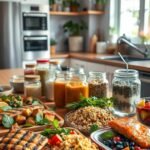
Set a clear rhythm and the morning rush gets easier. Use breakfast batching to turn one effort into many meals. A weekly meal prep plan keeps choices simple and cuts waste. Keep flavors fresh as you rotate breakfast recipes across themes and seasons.
Core principles for planning and batching
Pick two to three recipes each week for balanced tastes and textures. Block a recurring prep window, like Sunday afternoon, then add a quick midweek top-up for greens and fruit. Build a grocery list by category to save time and avoid repeat trips.
- Batch tasks: roast two sheet pans of vegetables, boil a dozen eggs, cook quinoa, and mix jars of oats.
- Standardize containers to streamline packing and stacking.
- Use breakfast batching to reduce cleanup and keep tools in play once.
Seasonal choices help both flavor and budget. Berries shine in summer; apples and pumpkin work well in fall. The weekly meal prep plan adapts to sales at Kroger, Target, or Costco without extra stress.
How to rotate recipes to avoid boredom
Rotate breakfast recipes by theme to add novelty. Try an “oats week,” then switch to egg cups and burritos, then smoothies with parfaits. Change mix-ins—cinnamon and maple one week, cacao nibs and peanut butter the next.
- Swap produce based on season and price for better taste.
- Alternate textures: creamy oats, crisp veggies, hearty wraps.
- Track favorites and ratings in a shared note to repeat winners.
Small shifts keep the plan fresh while keeping prep steps familiar. That balance maintains momentum without extra work.
Portioning for individuals vs. families
For one person, prep three to four days at a time to protect variety. For family meal prep breakfasts, double recipes and use half-sheet pans for even cooking. Label containers so each person gets the right portion.
- Use 8–12 oz jars for oats and parfaits to guide portion control breakfast.
- Use 28–32 oz containers for sheet-pan meals and burritos for sharing.
- Keep a quick inventory so restocking is easy midweek.
| Prep Task | Ideal Batch Size | Best Container | Who It Suits | Notes |
|---|---|---|---|---|
| Overnight Oats | 6–8 jars | 8–12 oz glass jars | Individuals, families | Great for portion control breakfast; swap berries or apples by season. |
| Egg Muffins | 12–18 cups | 28–32 oz airtight | Family meal prep breakfasts | Reheat quickly; pair with roasted potatoes for a fuller plate. |
| Roasted Veggies | 2 sheet pans | 28–32 oz containers | Individuals, families | Batch once for the week; season differently on each pan. |
| Breakfast Burritos | 8–12 wraps | Foil-wrapped then container | Family meal prep breakfasts | Freeze and rotate breakfast recipes by fillings like black beans or turkey sausage. |
| Smoothie Packs | 6–10 bags | Quart freezer bags | Individuals | Pre-portion fruit and greens; add protein powder on blend day. |
Grab-and-Go Parfaits and Chia Puddings
Busy mornings call for smart assembly. With yogurt parfait meal prep and chia pudding jars, you can stack flavor and keep texture crisp. Pack a few jars on Sunday, and you’ll have a low-sugar breakfast that travels well all week.
Layering techniques to prevent sogginess
Start parfaits with a base of thick Greek yogurt or dairy-free parfaits made with unsweetened almond, coconut, or soy yogurt. Spoon a cool fruit compote in the center, then add another yogurt layer to seal the moisture away from the top.
Keep crunchy granola toppings, toasted nuts, or cacao nibs in a separate bag. Add them at the last minute so every bite stays crisp. For chia pudding jars, stir after 10 minutes, then chill overnight to set before layering fruit.
Fruit compotes and crunchy toppings
Simmer frozen blueberries or strawberries with a splash of water and lemon until thick. Let the fruit compote cool before adding to jars. Try lemon–blueberry with zest, strawberry–vanilla, or mango with toasted coconut.
- Top at serving with crunchy granola toppings for contrast.
- Swap in roasted almonds or pepitas for extra bite.
- Add a few cacao nibs for a hint of chocolate without extra sugar.
Dairy-free and low-sugar options
Use coconut milk for ultra-creamy chia pudding jars; the standard ratio is 3 tablespoons chia seeds to 1 cup milk. Sweeten lightly with maple syrup, mashed berries, or vanilla extract. For a low-sugar breakfast, aim for under 8–10 grams added sugar per jar.
Rely on whole fruit, cinnamon, and stevia or allulose if needed. Store sealed jars in the fridge for 4–5 days. This simple yogurt parfait meal prep keeps flavor fresh, supports dairy-free parfaits, and preserves those crunchy granola toppings until the moment you dig in.
Sheet Pan Breakfasts You Can Reheat
A sheet pan breakfast turns the oven into your most reliable sous-chef. Load one or two pans with diced sweet potatoes or Yukon golds, bell peppers, onions, Brussels sprouts, and mushrooms. Toss with olive oil, salt, pepper, and paprika, then roast at 425°F for 20–30 minutes, stirring once to brown evenly and build flavor.
Slide proteins onto the same rack for a true batch-cook breakfast. Try turkey sausage links, chicken apple sausage, or pressed tofu cubes seasoned with garlic and smoked paprika. The result pairs rich sizzle with roasted breakfast veggies that stay hearty after reheating.
For a flexible twist, create small wells in the vegetables and crack in eggs during the last 6–8 minutes. Or bake a separate scrambled egg sheet at 350°F for 12–15 minutes, then slice neat squares for sandwiches and wraps. This keeps a make-ahead sheet pan meals routine simple and repeatable.
Portion into containers with a smart carb and a sauce. Quinoa, farro, or extra roasted potatoes stack well with a cup of hot sauce, salsa, or pesto. Reheat in the microwave for 1–2 minutes, or air fry at 350°F for 4–5 minutes to re-crisp the baked breakfast sausage and edges of the veg.
Pro tip: Roast once, eat many times. Rotate spice blends like chili-lime, Italian herb, or curry to keep a sheet pan breakfast fresh all week without extra work.
- Prep base: mix roasted breakfast veggies with olive oil, salt, pepper, paprika.
- Add protein: baked breakfast sausage, chicken apple links, or tofu cubes.
- Egg options: crack into wells for runny centers or bake a sliced egg sheet.
- Pack to-go: pair with grains and sauces for a grab-and-heat batch-cook breakfast.
- Reheat smart: microwave for speed, air fryer for crunch in make-ahead sheet pan meals.
High-Protein Meal Prep Ideas
Power up your week with high-protein breakfasts that hold up in the fridge, pack real flavor, and fit a busy schedule. Each idea below works as a macro-friendly breakfast you can portion in minutes and enjoy hot or cold.
Tip: Store meals in airtight glass containers for 3–4 days. Add fresh herbs, sauces, or crunchy toppings right before eating to keep textures bright.
Turkey sausage and veggie hash
Sauté diced turkey sausage with sweet potatoes, onions, and bell peppers. Season with smoked paprika, cumin, and a pinch of sea salt. Portion with a fried or baked egg for a hearty turkey sausage hash that lands about 25–35 g protein per serving.
Reheat in a skillet to crisp the edges, or warm in the microwave and top with sliced scallions. This meal checks every box for high-protein breakfasts and stays satisfying through the morning.
Cottage cheese bowls with toppings
Start with 1 cup of 2%–4% cottage cheese. For sweet, add pineapple, hot honey, and pumpkin seeds. For savory, try tomatoes, cucumbers, olive oil, everything bagel seasoning, and pistachios. Each cottage cheese breakfast bowl can deliver 25–30 g of protein.
Keep fruit or crunchy add-ins separate until serving. It’s a quick, macro-friendly breakfast you can assemble in under a minute.
Tofu scramble for plant-based protein
Crumble extra-firm tofu and sauté with onions, peppers, and spinach. Add turmeric for color, black salt for eggy flavor, and nutritional yeast for depth. This tofu scramble recipe pairs well with avocado and salsa in a bowl or a warm tortilla.
Batch once and portion for the week. It’s one of the most flexible high-protein breakfasts, easy to customize with roasted potatoes or brown rice on the side.
- Prep window: 20–30 minutes for all three.
- Fridge life: 3–4 days when stored cold.
- Serving ideas: Add hot sauce, fresh herbs, or a squeeze of lime to refresh flavors.
Kid-Friendly Make-Ahead Options
Turn mornings into a win with kid-approved breakfasts that are ready when you are. This kid-friendly breakfast meal prep uses simple steps, bright colors, and hands-on choices to spark appetite without extra sugar. Keep portions small, textures soft, and dips on the side for fun breakfast ideas that still deliver nutrition.
Mini pancakes and waffle sticks
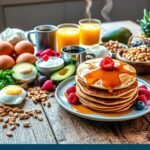
Whisk a quick batter and cook mini pancakes as silver-dollar rounds. Cool, freeze in a single layer, then store in a zip bag. Reheat in a toaster or air fryer for a soft center and crisp edge.
For waffle sticks, cook waffles in a standard iron and slice into strips for easy dipping. Offer warm fruit compote or a Greek yogurt dip with a touch of cinnamon and vanilla. These waffle sticks and mini pancakes hit the sweet spot for kid-approved breakfasts without heavy syrup.
Build-your-own yogurt parfait kits
Prep yogurt parfait kits in bento-style containers to promote choice and independence. Fill one section with plain or vanilla Greek yogurt, then add berries, banana coins, or mandarin segments in another. Use silicone muffin cups for crunchy toppings like toasted oats, granola, or sliced almonds.
Kids assemble at the table, mixing layers right before eating to keep textures crisp. This approach keeps sugar in check and makes kid-friendly breakfast meal prep feel like a mini project. The result is a rotation of yogurt parfait kits that stay fresh and exciting.
Fun shapes, colors, and dips that entice
Cut fruit into simple shapes with a small cutter, or use colorful picks for safe skewers. Add a side of peanut butter, sunflower butter, or warmed applesauce for dipping. Bright napkins and small plates make these fun breakfast ideas look special without extra work.
Invite kids to help measure batter, place berries, or pick toppings. When they help, they eat. That’s the heart of kid-friendly breakfast meal prep and the reason mini pancakes, waffle sticks, and yogurt parfait kits keep smiles at the table.
- Pro tip: Flavor with cinnamon, vanilla, or orange zest instead of extra sugar.
- Store components separately so crunch stays crunchy and fruit stays juicy.
- Rotate colors weekly to keep kid-approved breakfasts feeling new.
Healthy Sweet Tooth Satisfiers
Crave dessert at dawn? Build healthy sweet breakfasts that still feel like a treat. Stir rolled oats, mashed bananas, eggs or a flax egg, milk, and cinnamon. Fold in berries or a few dark chocolate chips, then bake into tidy baked oatmeal cups. They pack fiber and stay tender for days.
For weekend banana bread meal prep, choose whole-wheat flour, walnuts, and a light hand with sugar. Slice, wrap, and chill for quick mornings. Add a side of cottage cheese or a hard-boiled egg to round out protein and keep you full.
Try dark cocoa chia pudding for easy chocolate breakfast ideas. Whisk chia, unsweetened cocoa powder, milk, and a touch of maple syrup. Layer with Greek yogurt or peanut butter for creaminess and extra protein. These are low-sugar breakfast treats that don’t skimp on flavor.
Portion everything into single-serve jars or wrap slices one by one for grab-and-go ease. Most baked goods keep 3–4 days in the fridge and freeze well for 2–3 months when tightly wrapped. Reheat gently or enjoy chilled.
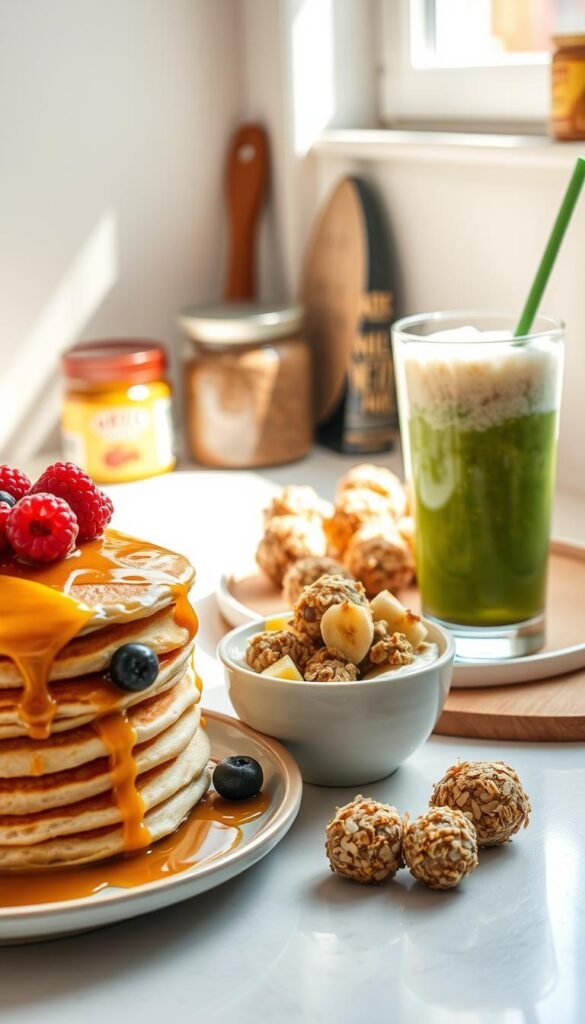
- Baked Oatmeal Cups: Oats, banana, eggs or flax, milk, cinnamon, berries or chocolate chips; pair with a Greek yogurt cup.
- Banana Bread Meal Prep: Whole-wheat flour, walnuts, reduced sugar; serve with a hard-boiled egg for balance.
- Chocolate Breakfast Ideas: Dark cocoa chia pudding with maple, topped with almonds for crunch.
- Low-Sugar Breakfast Treats: Use ripe fruit for sweetness and add nuts or seeds to boost texture and satiety.
Smart swaps help: vanilla extract instead of extra sugar, ripe bananas over syrups, and spices like cinnamon or nutmeg for warmth. These choices make healthy sweet breakfasts satisfying, budget-friendly, and simple to scale for busy weeks.
Storage, Food Safety, and Reheating
Keep mornings smooth by planning for food safety breakfast prep from the start. Cool hot dishes within 1–2 hours, then store promptly so flavor and texture stay on point.
Fridge and freezer timelines
Wondering how long does meal prep last? Cooked eggs, egg muffins, hashes, and burritos stay fresh 3–4 days in the fridge. Yogurt parfaits and overnight oats hold 4–5 days. For freezer storage times, most cooked items keep best quality for 2–3 months.
Blend smoothies fresh from frozen packs for peak taste. Add fresh herbs, greens, and crunchy toppings after heating to avoid soggy bites.
Best containers for freshness
Choose durable meal prep containers that fit your routine. Glass options from Pyrex or Anchor Hocking are BPA-free and microwave-safe. Sturdy plastic from Rubbermaid Brilliance also seals tight to prevent leaks.
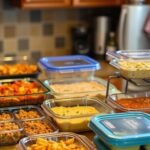
Mason jars (8–16 oz) suit oats and parfaits. Use silicone freezer bags for smoothie packs. Wrap burritos in parchment, then foil, to guard against frost and odors.
Microwave, oven, and air fryer reheating
For reheating breakfast, go low and slow in the microwave: 30–60 second bursts, stir or rotate, then check the center. For crisp edges, bake at 325–375°F for 10–25 minutes depending on size.
An air fryer at 300–350°F re-crisps burritos, potatoes, and egg cups. Skip microwaving delicate leafy greens; add them fresh after warming.
Labeling and rotation for safety
Mark each item with the name and date so you know how long does meal prep last at a glance. A simple labeling system FIFO helps you use older batches first and cut waste.
Place newer items behind older ones. Clear lids and consistent containers make it easy to spot what needs reheating breakfast today while staying within safe freezer storage times.
Budget-Friendly Meal Prep Strategies
Stretch every dollar with smart shopping and simple swaps. For budget breakfast meal prep, buy staples in bulk at Costco or Sam’s Club. Old-fashioned oats, rice, beans, and eggs cut costs fast. Pick store brands for Greek yogurt, nut butters, and frozen fruit to save money on groceries without losing quality.
Plan around weekly sales and seasonal produce. A bag of spinach can work three ways: smoothies, egg cups, and wraps. Roast extra vegetables at dinner and roll them into next-morning burritos. This kind of bulk cooking breakfast keeps waste low and makes reheats quick.
Use cheap breakfast ideas that still deliver protein. Beans, eggs, and cottage cheese build an affordable high-protein breakfast that tastes great. Batch-cook, portion, and freeze so servings stay fresh and ready when you need them.
Track your actual per-serving cost to see the win over cafe breakfasts.
| Prep | What You’ll Need | Batch Size | Estimated Cost | Cost per Serving | Money-Saving Tips |
|---|---|---|---|---|---|
| Egg Muffins | 12 eggs, spinach, onions, store-brand cheese | 12 muffins | $6–$8 | $0.50–$0.67 | Buy eggs in bulk; use leftover veg; ideal for affordable high-protein breakfast |
| Overnight Oats | Old-fashioned oats, store-brand Greek yogurt, frozen berries | 6–8 jars | $6–$10 | $0.75–$1.67 | Choose store brands; rotate seasonal fruit for cheap breakfast ideas |
| Breakfast Burritos | Flour tortillas, eggs, beans, roasted veggies | 8–12 burritos | $8–$18 | $1–$2 | Use dinner leftovers; freeze for bulk cooking breakfast and lower waste |
| Yogurt Parfaits | Store-brand Greek yogurt, oats or granola, seasonal fruit | 5–7 cups | $7–$12 | $1–$2.40 | Buy family-size tubs; portion at home to save money on groceries |
| Smoothie Packs | Frozen fruit, spinach, peanut butter, milk of choice | 6–10 packs | $9–$15 | $0.90–$2.50 | Use store-brand frozen fruit; add peanut butter for affordable high-protein breakfast |
Invest once in reusable containers to skip ongoing disposables. Label batches with dates and serving counts. Keep a simple sheet or phone note to log spend per serving, so your budget breakfast meal prep stays on track and helps you save money on groceries week after week.
Conclusion
Make Ahead Breakfasts turn hectic mornings into a calm routine. Stock smart staples, prep two to three recipes at once, and rotate choices to keep flavor fresh. Use this meal prep breakfast guide as an easy breakfast planning roadmap and a reliable breakfast time saver for busy weekdays.
Start simple: pick one savory and one sweet combo. Try egg muffins with roasted veggies, plus overnight oats or grab-and-go parfaits. As your weekly breakfast prep grows, add burritos, smoothie packs, and sheet pan meals. Match each pick to your needs—high-protein, dairy-free, vegetarian, or kid-friendly—without losing great taste.
Keep food safe and crisp by chilling fast, sealing in labeled containers, and following fridge and freezer timelines. The payoff is real: fewer decisions, less waste, and lower costs than daily takeout. Schedule your first session this week, set out containers, and enjoy a lineup of ready-in-minutes breakfasts that actually fit your life.
With Make Ahead Breakfasts, your meal prep breakfast guide becomes a habit: plan once, cook in batches, and rely on weekly breakfast prep to deliver quick, good-for-you meals every day.
FAQ
What are make-ahead breakfast meals and why are they helpful?
How much time can I save by prepping breakfasts on the weekend?
What pantry and fridge staples should I keep on hand?
How do I build overnight oats that stay creamy and flavorful?
What’s the best ratio for fluffy egg muffins and frittata cups?
Can I make dairy-free, vegetarian, or keto-friendly versions?
How do smoothie freezer packs work?
What are tips for freezer-friendly breakfast burritos and wraps?
How do I plan and rotate recipes to avoid boredom?
What containers keep food fresh and portable?
How long do make-ahead breakfasts last in the fridge or freezer?
What are safe reheating methods?
How can I keep parfaits and chia puddings from getting soggy?
What are some high-protein meal prep ideas?
Any kid-friendly make-ahead options that reduce morning stress?
What sweet-but-healthy breakfasts can I prep ahead?
How do I keep costs down compared to takeout?
FAQ
What are make-ahead breakfast meals and why are they helpful?
Make-ahead breakfasts are dishes you prep in advance—like overnight oats, egg muffins, smoothie packs, freezer burritos, parfaits, chia puddings, and sheet pan meals. They save time on busy mornings, cut costs versus cafe breakfasts at Starbucks, Dunkin’, or Panera, and support balanced nutrition with consistent macros and portion control.
How much time can I save by prepping breakfasts on the weekend?
A 60–90 minute prep session can yield 10–20 meals. That frees 10–20 weekday mornings, reduces decision fatigue, and makes your routine smoother for families, students, and professionals.
What pantry and fridge staples should I keep on hand?
Stock eggs, Greek yogurt, cottage cheese, extra-firm tofu, rolled oats, quinoa, whole-wheat tortillas, nut butters, honey or maple syrup, cinnamon, smoked paprika, hot sauce, vanilla extract, chia seeds, flaxseed meal, cacao nibs, and shelf-stable plant milks. Keep fresh berries, bananas, apples, and pre-washed greens, plus frozen mango, pineapple, peaches, and blueberries.
How do I build overnight oats that stay creamy and flavorful?
Use a base per jar of 1/2 cup rolled oats, 1/2 cup milk, 1–2 teaspoons chia seeds, and a pinch of salt. Add flavors like berry-almond, peanut butter banana with cacao nibs, or apple pie with cinnamon and maple. For high-protein, stir in 1/4–1/2 cup Greek yogurt or a scoop of whey or plant protein. Refrigerate 4–5 days.
What’s the best ratio for fluffy egg muffins and frittata cups?
For 12 muffins, whisk 10–12 eggs with 1/3–1/2 cup milk (or unsweetened almond milk), 1/2–1 teaspoon kosher salt, and black pepper. Fold in 2–2.5 cups sautéed veggies and 1–1.5 cups cooked protein. Bake at 350°F for 18–22 minutes. Cool fully before storing; refrigerate 4 days or freeze up to 2 months.
Can I make dairy-free, vegetarian, or keto-friendly versions?
Yes. Use almond or soy milk and nutritional yeast for dairy-free egg cups; tofu scramble and black beans for vegetarian burritos; and low-carb tortillas or egg white wraps for keto-friendly options. Overnight oats and parfaits can use coconut or almond yogurt.
How do smoothie freezer packs work?
Portion fruit, greens, and add-ins like chia or flax into quart-size freezer bags or silicone pouches. Freeze flat. On blending day, add milk (dairy, almond, soy, or oat) or coconut water and a protein source such as whey isolate, pea protein, Greek yogurt, collagen peptides, or silken tofu. Aim for 25–30 g protein per smoothie.
What are tips for freezer-friendly breakfast burritos and wraps?
Use 8–10-inch tortillas, slightly undercook scrambled eggs, add cooked protein, sautéed peppers and onions, potatoes or hash browns, and cheese. Wrap in parchment, then foil, label, and freeze up to 2 months. Reheat in the microwave, oven, or air fryer. Add salsa or avocado after reheating to avoid sogginess.
How do I plan and rotate recipes to avoid boredom?
Pick 2–3 recipes per week and rotate themes: oats week, egg cups and burritos week, smoothies and parfaits week. Use seasonal produce to keep flavors fresh—berries in summer, apples and pumpkin in fall. Batch tasks like roasting sheet pans, boiling eggs, and cooking quinoa to save time.
What containers keep food fresh and portable?
Use BPA-free, microwave-safe glass or sturdy plastic with tight lids. Mason jars (8–16 oz) are great for overnight oats and parfaits. Silicone freezer bags work for smoothie packs. Wrap burritos in parchment and foil. Standardize sizes to simplify portioning for individuals and families.
How long do make-ahead breakfasts last in the fridge or freezer?
Egg muffins, hashes, and burritos keep 3–4 days in the fridge and 2–3 months in the freezer. Overnight oats and yogurt parfaits last 4–5 days refrigerated. Smoothie packs are best blended straight from frozen.
What are safe reheating methods?
Microwave in 30–60 second bursts, stirring or turning for even heating. For crispness, use the oven at 325–375°F or the air fryer at 300–350°F. Let hot foods cool to room temperature within 1–2 hours before refrigerating. Label items with the date and use FIFO rotation.
How can I keep parfaits and chia puddings from getting soggy?
Layer thick Greek yogurt first, then fruit or compote, then more yogurt. Pack crunchy toppings like granola or nuts separately. For chia pudding, use 3 tablespoons chia to 1 cup milk, stir after 10 minutes, and chill overnight. Add toppings at serving.
What are some high-protein meal prep ideas?
Try turkey sausage and veggie hash with sweet potatoes, cottage cheese bowls with pineapple or savory tomatoes and cucumbers, and tofu scramble seasoned with turmeric, black salt, and nutritional yeast. These options deliver 25–35 g protein per serving.
Any kid-friendly make-ahead options that reduce morning stress?
Yes. Make mini pancakes and waffle sticks for easy dipping, build-your-own yogurt parfait kits, and colorful bento boxes with berries, banana coins, and crunchy toppings. Reheat pancakes in a toaster or air fryer for quick, fun breakfasts.
What sweet-but-healthy breakfasts can I prep ahead?
Bake oatmeal squares, banana nut muffins with whole-wheat flour, or dark chocolate chia pudding. Portion them for grab-and-go and pair with a protein like hard-boiled eggs or a cottage cheese cup to balance macros.
How do I keep costs down compared to takeout?
Buy staples in bulk at Costco or Sam’s Club, choose store brands for Greek yogurt, nut butters, and frozen fruit, and plan around weekly sales. A homemade breakfast burrito costs about
FAQ
What are make-ahead breakfast meals and why are they helpful?
Make-ahead breakfasts are dishes you prep in advance—like overnight oats, egg muffins, smoothie packs, freezer burritos, parfaits, chia puddings, and sheet pan meals. They save time on busy mornings, cut costs versus cafe breakfasts at Starbucks, Dunkin’, or Panera, and support balanced nutrition with consistent macros and portion control.
How much time can I save by prepping breakfasts on the weekend?
A 60–90 minute prep session can yield 10–20 meals. That frees 10–20 weekday mornings, reduces decision fatigue, and makes your routine smoother for families, students, and professionals.
What pantry and fridge staples should I keep on hand?
Stock eggs, Greek yogurt, cottage cheese, extra-firm tofu, rolled oats, quinoa, whole-wheat tortillas, nut butters, honey or maple syrup, cinnamon, smoked paprika, hot sauce, vanilla extract, chia seeds, flaxseed meal, cacao nibs, and shelf-stable plant milks. Keep fresh berries, bananas, apples, and pre-washed greens, plus frozen mango, pineapple, peaches, and blueberries.
How do I build overnight oats that stay creamy and flavorful?
Use a base per jar of 1/2 cup rolled oats, 1/2 cup milk, 1–2 teaspoons chia seeds, and a pinch of salt. Add flavors like berry-almond, peanut butter banana with cacao nibs, or apple pie with cinnamon and maple. For high-protein, stir in 1/4–1/2 cup Greek yogurt or a scoop of whey or plant protein. Refrigerate 4–5 days.
What’s the best ratio for fluffy egg muffins and frittata cups?
For 12 muffins, whisk 10–12 eggs with 1/3–1/2 cup milk (or unsweetened almond milk), 1/2–1 teaspoon kosher salt, and black pepper. Fold in 2–2.5 cups sautéed veggies and 1–1.5 cups cooked protein. Bake at 350°F for 18–22 minutes. Cool fully before storing; refrigerate 4 days or freeze up to 2 months.
Can I make dairy-free, vegetarian, or keto-friendly versions?
Yes. Use almond or soy milk and nutritional yeast for dairy-free egg cups; tofu scramble and black beans for vegetarian burritos; and low-carb tortillas or egg white wraps for keto-friendly options. Overnight oats and parfaits can use coconut or almond yogurt.
How do smoothie freezer packs work?
Portion fruit, greens, and add-ins like chia or flax into quart-size freezer bags or silicone pouches. Freeze flat. On blending day, add milk (dairy, almond, soy, or oat) or coconut water and a protein source such as whey isolate, pea protein, Greek yogurt, collagen peptides, or silken tofu. Aim for 25–30 g protein per smoothie.
What are tips for freezer-friendly breakfast burritos and wraps?
Use 8–10-inch tortillas, slightly undercook scrambled eggs, add cooked protein, sautéed peppers and onions, potatoes or hash browns, and cheese. Wrap in parchment, then foil, label, and freeze up to 2 months. Reheat in the microwave, oven, or air fryer. Add salsa or avocado after reheating to avoid sogginess.
How do I plan and rotate recipes to avoid boredom?
Pick 2–3 recipes per week and rotate themes: oats week, egg cups and burritos week, smoothies and parfaits week. Use seasonal produce to keep flavors fresh—berries in summer, apples and pumpkin in fall. Batch tasks like roasting sheet pans, boiling eggs, and cooking quinoa to save time.
What containers keep food fresh and portable?
Use BPA-free, microwave-safe glass or sturdy plastic with tight lids. Mason jars (8–16 oz) are great for overnight oats and parfaits. Silicone freezer bags work for smoothie packs. Wrap burritos in parchment and foil. Standardize sizes to simplify portioning for individuals and families.
How long do make-ahead breakfasts last in the fridge or freezer?
Egg muffins, hashes, and burritos keep 3–4 days in the fridge and 2–3 months in the freezer. Overnight oats and yogurt parfaits last 4–5 days refrigerated. Smoothie packs are best blended straight from frozen.
What are safe reheating methods?
Microwave in 30–60 second bursts, stirring or turning for even heating. For crispness, use the oven at 325–375°F or the air fryer at 300–350°F. Let hot foods cool to room temperature within 1–2 hours before refrigerating. Label items with the date and use FIFO rotation.
How can I keep parfaits and chia puddings from getting soggy?
Layer thick Greek yogurt first, then fruit or compote, then more yogurt. Pack crunchy toppings like granola or nuts separately. For chia pudding, use 3 tablespoons chia to 1 cup milk, stir after 10 minutes, and chill overnight. Add toppings at serving.
What are some high-protein meal prep ideas?
Try turkey sausage and veggie hash with sweet potatoes, cottage cheese bowls with pineapple or savory tomatoes and cucumbers, and tofu scramble seasoned with turmeric, black salt, and nutritional yeast. These options deliver 25–35 g protein per serving.
Any kid-friendly make-ahead options that reduce morning stress?
Yes. Make mini pancakes and waffle sticks for easy dipping, build-your-own yogurt parfait kits, and colorful bento boxes with berries, banana coins, and crunchy toppings. Reheat pancakes in a toaster or air fryer for quick, fun breakfasts.
What sweet-but-healthy breakfasts can I prep ahead?
Bake oatmeal squares, banana nut muffins with whole-wheat flour, or dark chocolate chia pudding. Portion them for grab-and-go and pair with a protein like hard-boiled eggs or a cottage cheese cup to balance macros.
How do I keep costs down compared to takeout?
Buy staples in bulk at Costco or Sam’s Club, choose store brands for Greek yogurt, nut butters, and frozen fruit, and plan around weekly sales. A homemade breakfast burrito costs about $1–$2; overnight oats can be under $1.25 per jar using bulk oats and store-brand milk.
What are easy sheet pan breakfasts I can reheat?
Roast a mix of sweet potatoes, Yukon golds, peppers, onions, Brussels sprouts, and mushrooms at 425°F. Add turkey sausage, chicken apple sausage, or seasoned tofu. Bake eggs in wells during the last minutes or bake a sheet of scrambled eggs to slice for sandwiches.
Any flavor boosters that make meal prep exciting without extra work?
Use cinnamon, nutmeg, pumpkin pie spice, smoked paprika, chili powder, vanilla or almond extract, salsa verde, sriracha, hot sauce, tahini, toasted nuts, lemon zest, hemp hearts, and cacao nibs. Small tweaks change the profile fast.
How should I portion for one person versus a family?
For individuals, prep 3–4 days at a time for variety. For families, double recipes, use half-sheet pans, and assign labeled containers per person. Standardize jar sizes for oats and parfaits and 28–32 oz containers for sheet-pan meals to streamline serving.
–; overnight oats can be under
FAQ
What are make-ahead breakfast meals and why are they helpful?
Make-ahead breakfasts are dishes you prep in advance—like overnight oats, egg muffins, smoothie packs, freezer burritos, parfaits, chia puddings, and sheet pan meals. They save time on busy mornings, cut costs versus cafe breakfasts at Starbucks, Dunkin’, or Panera, and support balanced nutrition with consistent macros and portion control.
How much time can I save by prepping breakfasts on the weekend?
A 60–90 minute prep session can yield 10–20 meals. That frees 10–20 weekday mornings, reduces decision fatigue, and makes your routine smoother for families, students, and professionals.
What pantry and fridge staples should I keep on hand?
Stock eggs, Greek yogurt, cottage cheese, extra-firm tofu, rolled oats, quinoa, whole-wheat tortillas, nut butters, honey or maple syrup, cinnamon, smoked paprika, hot sauce, vanilla extract, chia seeds, flaxseed meal, cacao nibs, and shelf-stable plant milks. Keep fresh berries, bananas, apples, and pre-washed greens, plus frozen mango, pineapple, peaches, and blueberries.
How do I build overnight oats that stay creamy and flavorful?
Use a base per jar of 1/2 cup rolled oats, 1/2 cup milk, 1–2 teaspoons chia seeds, and a pinch of salt. Add flavors like berry-almond, peanut butter banana with cacao nibs, or apple pie with cinnamon and maple. For high-protein, stir in 1/4–1/2 cup Greek yogurt or a scoop of whey or plant protein. Refrigerate 4–5 days.
What’s the best ratio for fluffy egg muffins and frittata cups?
For 12 muffins, whisk 10–12 eggs with 1/3–1/2 cup milk (or unsweetened almond milk), 1/2–1 teaspoon kosher salt, and black pepper. Fold in 2–2.5 cups sautéed veggies and 1–1.5 cups cooked protein. Bake at 350°F for 18–22 minutes. Cool fully before storing; refrigerate 4 days or freeze up to 2 months.
Can I make dairy-free, vegetarian, or keto-friendly versions?
Yes. Use almond or soy milk and nutritional yeast for dairy-free egg cups; tofu scramble and black beans for vegetarian burritos; and low-carb tortillas or egg white wraps for keto-friendly options. Overnight oats and parfaits can use coconut or almond yogurt.
How do smoothie freezer packs work?
Portion fruit, greens, and add-ins like chia or flax into quart-size freezer bags or silicone pouches. Freeze flat. On blending day, add milk (dairy, almond, soy, or oat) or coconut water and a protein source such as whey isolate, pea protein, Greek yogurt, collagen peptides, or silken tofu. Aim for 25–30 g protein per smoothie.
What are tips for freezer-friendly breakfast burritos and wraps?
Use 8–10-inch tortillas, slightly undercook scrambled eggs, add cooked protein, sautéed peppers and onions, potatoes or hash browns, and cheese. Wrap in parchment, then foil, label, and freeze up to 2 months. Reheat in the microwave, oven, or air fryer. Add salsa or avocado after reheating to avoid sogginess.
How do I plan and rotate recipes to avoid boredom?
Pick 2–3 recipes per week and rotate themes: oats week, egg cups and burritos week, smoothies and parfaits week. Use seasonal produce to keep flavors fresh—berries in summer, apples and pumpkin in fall. Batch tasks like roasting sheet pans, boiling eggs, and cooking quinoa to save time.
What containers keep food fresh and portable?
Use BPA-free, microwave-safe glass or sturdy plastic with tight lids. Mason jars (8–16 oz) are great for overnight oats and parfaits. Silicone freezer bags work for smoothie packs. Wrap burritos in parchment and foil. Standardize sizes to simplify portioning for individuals and families.
How long do make-ahead breakfasts last in the fridge or freezer?
Egg muffins, hashes, and burritos keep 3–4 days in the fridge and 2–3 months in the freezer. Overnight oats and yogurt parfaits last 4–5 days refrigerated. Smoothie packs are best blended straight from frozen.
What are safe reheating methods?
Microwave in 30–60 second bursts, stirring or turning for even heating. For crispness, use the oven at 325–375°F or the air fryer at 300–350°F. Let hot foods cool to room temperature within 1–2 hours before refrigerating. Label items with the date and use FIFO rotation.
How can I keep parfaits and chia puddings from getting soggy?
Layer thick Greek yogurt first, then fruit or compote, then more yogurt. Pack crunchy toppings like granola or nuts separately. For chia pudding, use 3 tablespoons chia to 1 cup milk, stir after 10 minutes, and chill overnight. Add toppings at serving.
What are some high-protein meal prep ideas?
Try turkey sausage and veggie hash with sweet potatoes, cottage cheese bowls with pineapple or savory tomatoes and cucumbers, and tofu scramble seasoned with turmeric, black salt, and nutritional yeast. These options deliver 25–35 g protein per serving.
Any kid-friendly make-ahead options that reduce morning stress?
Yes. Make mini pancakes and waffle sticks for easy dipping, build-your-own yogurt parfait kits, and colorful bento boxes with berries, banana coins, and crunchy toppings. Reheat pancakes in a toaster or air fryer for quick, fun breakfasts.
What sweet-but-healthy breakfasts can I prep ahead?
Bake oatmeal squares, banana nut muffins with whole-wheat flour, or dark chocolate chia pudding. Portion them for grab-and-go and pair with a protein like hard-boiled eggs or a cottage cheese cup to balance macros.
How do I keep costs down compared to takeout?
Buy staples in bulk at Costco or Sam’s Club, choose store brands for Greek yogurt, nut butters, and frozen fruit, and plan around weekly sales. A homemade breakfast burrito costs about $1–$2; overnight oats can be under $1.25 per jar using bulk oats and store-brand milk.
What are easy sheet pan breakfasts I can reheat?
Roast a mix of sweet potatoes, Yukon golds, peppers, onions, Brussels sprouts, and mushrooms at 425°F. Add turkey sausage, chicken apple sausage, or seasoned tofu. Bake eggs in wells during the last minutes or bake a sheet of scrambled eggs to slice for sandwiches.
Any flavor boosters that make meal prep exciting without extra work?
Use cinnamon, nutmeg, pumpkin pie spice, smoked paprika, chili powder, vanilla or almond extract, salsa verde, sriracha, hot sauce, tahini, toasted nuts, lemon zest, hemp hearts, and cacao nibs. Small tweaks change the profile fast.
How should I portion for one person versus a family?
For individuals, prep 3–4 days at a time for variety. For families, double recipes, use half-sheet pans, and assign labeled containers per person. Standardize jar sizes for oats and parfaits and 28–32 oz containers for sheet-pan meals to streamline serving.
.25 per jar using bulk oats and store-brand milk.
What are easy sheet pan breakfasts I can reheat?
Roast a mix of sweet potatoes, Yukon golds, peppers, onions, Brussels sprouts, and mushrooms at 425°F. Add turkey sausage, chicken apple sausage, or seasoned tofu. Bake eggs in wells during the last minutes or bake a sheet of scrambled eggs to slice for sandwiches.
Any flavor boosters that make meal prep exciting without extra work?
Use cinnamon, nutmeg, pumpkin pie spice, smoked paprika, chili powder, vanilla or almond extract, salsa verde, sriracha, hot sauce, tahini, toasted nuts, lemon zest, hemp hearts, and cacao nibs. Small tweaks change the profile fast.
How should I portion for one person versus a family?
For individuals, prep 3–4 days at a time for variety. For families, double recipes, use half-sheet pans, and assign labeled containers per person. Standardize jar sizes for oats and parfaits and 28–32 oz containers for sheet-pan meals to streamline serving.
FAQ
What are make-ahead breakfast meals and why are they helpful?
Make-ahead breakfasts are dishes you prep in advance—like overnight oats, egg muffins, smoothie packs, freezer burritos, parfaits, chia puddings, and sheet pan meals. They save time on busy mornings, cut costs versus cafe breakfasts at Starbucks, Dunkin’, or Panera, and support balanced nutrition with consistent macros and portion control.
How much time can I save by prepping breakfasts on the weekend?
A 60–90 minute prep session can yield 10–20 meals. That frees 10–20 weekday mornings, reduces decision fatigue, and makes your routine smoother for families, students, and professionals.
What pantry and fridge staples should I keep on hand?
Stock eggs, Greek yogurt, cottage cheese, extra-firm tofu, rolled oats, quinoa, whole-wheat tortillas, nut butters, honey or maple syrup, cinnamon, smoked paprika, hot sauce, vanilla extract, chia seeds, flaxseed meal, cacao nibs, and shelf-stable plant milks. Keep fresh berries, bananas, apples, and pre-washed greens, plus frozen mango, pineapple, peaches, and blueberries.
How do I build overnight oats that stay creamy and flavorful?
Use a base per jar of 1/2 cup rolled oats, 1/2 cup milk, 1–2 teaspoons chia seeds, and a pinch of salt. Add flavors like berry-almond, peanut butter banana with cacao nibs, or apple pie with cinnamon and maple. For high-protein, stir in 1/4–1/2 cup Greek yogurt or a scoop of whey or plant protein. Refrigerate 4–5 days.
What’s the best ratio for fluffy egg muffins and frittata cups?
For 12 muffins, whisk 10–12 eggs with 1/3–1/2 cup milk (or unsweetened almond milk), 1/2–1 teaspoon kosher salt, and black pepper. Fold in 2–2.5 cups sautéed veggies and 1–1.5 cups cooked protein. Bake at 350°F for 18–22 minutes. Cool fully before storing; refrigerate 4 days or freeze up to 2 months.
Can I make dairy-free, vegetarian, or keto-friendly versions?
Yes. Use almond or soy milk and nutritional yeast for dairy-free egg cups; tofu scramble and black beans for vegetarian burritos; and low-carb tortillas or egg white wraps for keto-friendly options. Overnight oats and parfaits can use coconut or almond yogurt.
How do smoothie freezer packs work?
Portion fruit, greens, and add-ins like chia or flax into quart-size freezer bags or silicone pouches. Freeze flat. On blending day, add milk (dairy, almond, soy, or oat) or coconut water and a protein source such as whey isolate, pea protein, Greek yogurt, collagen peptides, or silken tofu. Aim for 25–30 g protein per smoothie.
What are tips for freezer-friendly breakfast burritos and wraps?
Use 8–10-inch tortillas, slightly undercook scrambled eggs, add cooked protein, sautéed peppers and onions, potatoes or hash browns, and cheese. Wrap in parchment, then foil, label, and freeze up to 2 months. Reheat in the microwave, oven, or air fryer. Add salsa or avocado after reheating to avoid sogginess.
How do I plan and rotate recipes to avoid boredom?
Pick 2–3 recipes per week and rotate themes: oats week, egg cups and burritos week, smoothies and parfaits week. Use seasonal produce to keep flavors fresh—berries in summer, apples and pumpkin in fall. Batch tasks like roasting sheet pans, boiling eggs, and cooking quinoa to save time.
What containers keep food fresh and portable?
Use BPA-free, microwave-safe glass or sturdy plastic with tight lids. Mason jars (8–16 oz) are great for overnight oats and parfaits. Silicone freezer bags work for smoothie packs. Wrap burritos in parchment and foil. Standardize sizes to simplify portioning for individuals and families.
How long do make-ahead breakfasts last in the fridge or freezer?
Egg muffins, hashes, and burritos keep 3–4 days in the fridge and 2–3 months in the freezer. Overnight oats and yogurt parfaits last 4–5 days refrigerated. Smoothie packs are best blended straight from frozen.
What are safe reheating methods?
Microwave in 30–60 second bursts, stirring or turning for even heating. For crispness, use the oven at 325–375°F or the air fryer at 300–350°F. Let hot foods cool to room temperature within 1–2 hours before refrigerating. Label items with the date and use FIFO rotation.
How can I keep parfaits and chia puddings from getting soggy?
Layer thick Greek yogurt first, then fruit or compote, then more yogurt. Pack crunchy toppings like granola or nuts separately. For chia pudding, use 3 tablespoons chia to 1 cup milk, stir after 10 minutes, and chill overnight. Add toppings at serving.
What are some high-protein meal prep ideas?
Try turkey sausage and veggie hash with sweet potatoes, cottage cheese bowls with pineapple or savory tomatoes and cucumbers, and tofu scramble seasoned with turmeric, black salt, and nutritional yeast. These options deliver 25–35 g protein per serving.
Any kid-friendly make-ahead options that reduce morning stress?
Yes. Make mini pancakes and waffle sticks for easy dipping, build-your-own yogurt parfait kits, and colorful bento boxes with berries, banana coins, and crunchy toppings. Reheat pancakes in a toaster or air fryer for quick, fun breakfasts.
What sweet-but-healthy breakfasts can I prep ahead?
Bake oatmeal squares, banana nut muffins with whole-wheat flour, or dark chocolate chia pudding. Portion them for grab-and-go and pair with a protein like hard-boiled eggs or a cottage cheese cup to balance macros.
How do I keep costs down compared to takeout?
Buy staples in bulk at Costco or Sam’s Club, choose store brands for Greek yogurt, nut butters, and frozen fruit, and plan around weekly sales. A homemade breakfast burrito costs about
FAQ
What are make-ahead breakfast meals and why are they helpful?
Make-ahead breakfasts are dishes you prep in advance—like overnight oats, egg muffins, smoothie packs, freezer burritos, parfaits, chia puddings, and sheet pan meals. They save time on busy mornings, cut costs versus cafe breakfasts at Starbucks, Dunkin’, or Panera, and support balanced nutrition with consistent macros and portion control.
How much time can I save by prepping breakfasts on the weekend?
A 60–90 minute prep session can yield 10–20 meals. That frees 10–20 weekday mornings, reduces decision fatigue, and makes your routine smoother for families, students, and professionals.
What pantry and fridge staples should I keep on hand?
Stock eggs, Greek yogurt, cottage cheese, extra-firm tofu, rolled oats, quinoa, whole-wheat tortillas, nut butters, honey or maple syrup, cinnamon, smoked paprika, hot sauce, vanilla extract, chia seeds, flaxseed meal, cacao nibs, and shelf-stable plant milks. Keep fresh berries, bananas, apples, and pre-washed greens, plus frozen mango, pineapple, peaches, and blueberries.
How do I build overnight oats that stay creamy and flavorful?
Use a base per jar of 1/2 cup rolled oats, 1/2 cup milk, 1–2 teaspoons chia seeds, and a pinch of salt. Add flavors like berry-almond, peanut butter banana with cacao nibs, or apple pie with cinnamon and maple. For high-protein, stir in 1/4–1/2 cup Greek yogurt or a scoop of whey or plant protein. Refrigerate 4–5 days.
What’s the best ratio for fluffy egg muffins and frittata cups?
For 12 muffins, whisk 10–12 eggs with 1/3–1/2 cup milk (or unsweetened almond milk), 1/2–1 teaspoon kosher salt, and black pepper. Fold in 2–2.5 cups sautéed veggies and 1–1.5 cups cooked protein. Bake at 350°F for 18–22 minutes. Cool fully before storing; refrigerate 4 days or freeze up to 2 months.
Can I make dairy-free, vegetarian, or keto-friendly versions?
Yes. Use almond or soy milk and nutritional yeast for dairy-free egg cups; tofu scramble and black beans for vegetarian burritos; and low-carb tortillas or egg white wraps for keto-friendly options. Overnight oats and parfaits can use coconut or almond yogurt.
How do smoothie freezer packs work?
Portion fruit, greens, and add-ins like chia or flax into quart-size freezer bags or silicone pouches. Freeze flat. On blending day, add milk (dairy, almond, soy, or oat) or coconut water and a protein source such as whey isolate, pea protein, Greek yogurt, collagen peptides, or silken tofu. Aim for 25–30 g protein per smoothie.
What are tips for freezer-friendly breakfast burritos and wraps?
Use 8–10-inch tortillas, slightly undercook scrambled eggs, add cooked protein, sautéed peppers and onions, potatoes or hash browns, and cheese. Wrap in parchment, then foil, label, and freeze up to 2 months. Reheat in the microwave, oven, or air fryer. Add salsa or avocado after reheating to avoid sogginess.
How do I plan and rotate recipes to avoid boredom?
Pick 2–3 recipes per week and rotate themes: oats week, egg cups and burritos week, smoothies and parfaits week. Use seasonal produce to keep flavors fresh—berries in summer, apples and pumpkin in fall. Batch tasks like roasting sheet pans, boiling eggs, and cooking quinoa to save time.
What containers keep food fresh and portable?
Use BPA-free, microwave-safe glass or sturdy plastic with tight lids. Mason jars (8–16 oz) are great for overnight oats and parfaits. Silicone freezer bags work for smoothie packs. Wrap burritos in parchment and foil. Standardize sizes to simplify portioning for individuals and families.
How long do make-ahead breakfasts last in the fridge or freezer?
Egg muffins, hashes, and burritos keep 3–4 days in the fridge and 2–3 months in the freezer. Overnight oats and yogurt parfaits last 4–5 days refrigerated. Smoothie packs are best blended straight from frozen.
What are safe reheating methods?
Microwave in 30–60 second bursts, stirring or turning for even heating. For crispness, use the oven at 325–375°F or the air fryer at 300–350°F. Let hot foods cool to room temperature within 1–2 hours before refrigerating. Label items with the date and use FIFO rotation.
How can I keep parfaits and chia puddings from getting soggy?
Layer thick Greek yogurt first, then fruit or compote, then more yogurt. Pack crunchy toppings like granola or nuts separately. For chia pudding, use 3 tablespoons chia to 1 cup milk, stir after 10 minutes, and chill overnight. Add toppings at serving.
What are some high-protein meal prep ideas?
Try turkey sausage and veggie hash with sweet potatoes, cottage cheese bowls with pineapple or savory tomatoes and cucumbers, and tofu scramble seasoned with turmeric, black salt, and nutritional yeast. These options deliver 25–35 g protein per serving.
Any kid-friendly make-ahead options that reduce morning stress?
Yes. Make mini pancakes and waffle sticks for easy dipping, build-your-own yogurt parfait kits, and colorful bento boxes with berries, banana coins, and crunchy toppings. Reheat pancakes in a toaster or air fryer for quick, fun breakfasts.
What sweet-but-healthy breakfasts can I prep ahead?
Bake oatmeal squares, banana nut muffins with whole-wheat flour, or dark chocolate chia pudding. Portion them for grab-and-go and pair with a protein like hard-boiled eggs or a cottage cheese cup to balance macros.
How do I keep costs down compared to takeout?
Buy staples in bulk at Costco or Sam’s Club, choose store brands for Greek yogurt, nut butters, and frozen fruit, and plan around weekly sales. A homemade breakfast burrito costs about $1–$2; overnight oats can be under $1.25 per jar using bulk oats and store-brand milk.
What are easy sheet pan breakfasts I can reheat?
Roast a mix of sweet potatoes, Yukon golds, peppers, onions, Brussels sprouts, and mushrooms at 425°F. Add turkey sausage, chicken apple sausage, or seasoned tofu. Bake eggs in wells during the last minutes or bake a sheet of scrambled eggs to slice for sandwiches.
Any flavor boosters that make meal prep exciting without extra work?
Use cinnamon, nutmeg, pumpkin pie spice, smoked paprika, chili powder, vanilla or almond extract, salsa verde, sriracha, hot sauce, tahini, toasted nuts, lemon zest, hemp hearts, and cacao nibs. Small tweaks change the profile fast.
How should I portion for one person versus a family?
For individuals, prep 3–4 days at a time for variety. For families, double recipes, use half-sheet pans, and assign labeled containers per person. Standardize jar sizes for oats and parfaits and 28–32 oz containers for sheet-pan meals to streamline serving.
–; overnight oats can be under
FAQ
What are make-ahead breakfast meals and why are they helpful?
Make-ahead breakfasts are dishes you prep in advance—like overnight oats, egg muffins, smoothie packs, freezer burritos, parfaits, chia puddings, and sheet pan meals. They save time on busy mornings, cut costs versus cafe breakfasts at Starbucks, Dunkin’, or Panera, and support balanced nutrition with consistent macros and portion control.
How much time can I save by prepping breakfasts on the weekend?
A 60–90 minute prep session can yield 10–20 meals. That frees 10–20 weekday mornings, reduces decision fatigue, and makes your routine smoother for families, students, and professionals.
What pantry and fridge staples should I keep on hand?
Stock eggs, Greek yogurt, cottage cheese, extra-firm tofu, rolled oats, quinoa, whole-wheat tortillas, nut butters, honey or maple syrup, cinnamon, smoked paprika, hot sauce, vanilla extract, chia seeds, flaxseed meal, cacao nibs, and shelf-stable plant milks. Keep fresh berries, bananas, apples, and pre-washed greens, plus frozen mango, pineapple, peaches, and blueberries.
How do I build overnight oats that stay creamy and flavorful?
Use a base per jar of 1/2 cup rolled oats, 1/2 cup milk, 1–2 teaspoons chia seeds, and a pinch of salt. Add flavors like berry-almond, peanut butter banana with cacao nibs, or apple pie with cinnamon and maple. For high-protein, stir in 1/4–1/2 cup Greek yogurt or a scoop of whey or plant protein. Refrigerate 4–5 days.
What’s the best ratio for fluffy egg muffins and frittata cups?
For 12 muffins, whisk 10–12 eggs with 1/3–1/2 cup milk (or unsweetened almond milk), 1/2–1 teaspoon kosher salt, and black pepper. Fold in 2–2.5 cups sautéed veggies and 1–1.5 cups cooked protein. Bake at 350°F for 18–22 minutes. Cool fully before storing; refrigerate 4 days or freeze up to 2 months.
Can I make dairy-free, vegetarian, or keto-friendly versions?
Yes. Use almond or soy milk and nutritional yeast for dairy-free egg cups; tofu scramble and black beans for vegetarian burritos; and low-carb tortillas or egg white wraps for keto-friendly options. Overnight oats and parfaits can use coconut or almond yogurt.
How do smoothie freezer packs work?
Portion fruit, greens, and add-ins like chia or flax into quart-size freezer bags or silicone pouches. Freeze flat. On blending day, add milk (dairy, almond, soy, or oat) or coconut water and a protein source such as whey isolate, pea protein, Greek yogurt, collagen peptides, or silken tofu. Aim for 25–30 g protein per smoothie.
What are tips for freezer-friendly breakfast burritos and wraps?
Use 8–10-inch tortillas, slightly undercook scrambled eggs, add cooked protein, sautéed peppers and onions, potatoes or hash browns, and cheese. Wrap in parchment, then foil, label, and freeze up to 2 months. Reheat in the microwave, oven, or air fryer. Add salsa or avocado after reheating to avoid sogginess.
How do I plan and rotate recipes to avoid boredom?
Pick 2–3 recipes per week and rotate themes: oats week, egg cups and burritos week, smoothies and parfaits week. Use seasonal produce to keep flavors fresh—berries in summer, apples and pumpkin in fall. Batch tasks like roasting sheet pans, boiling eggs, and cooking quinoa to save time.
What containers keep food fresh and portable?
Use BPA-free, microwave-safe glass or sturdy plastic with tight lids. Mason jars (8–16 oz) are great for overnight oats and parfaits. Silicone freezer bags work for smoothie packs. Wrap burritos in parchment and foil. Standardize sizes to simplify portioning for individuals and families.
How long do make-ahead breakfasts last in the fridge or freezer?
Egg muffins, hashes, and burritos keep 3–4 days in the fridge and 2–3 months in the freezer. Overnight oats and yogurt parfaits last 4–5 days refrigerated. Smoothie packs are best blended straight from frozen.
What are safe reheating methods?
Microwave in 30–60 second bursts, stirring or turning for even heating. For crispness, use the oven at 325–375°F or the air fryer at 300–350°F. Let hot foods cool to room temperature within 1–2 hours before refrigerating. Label items with the date and use FIFO rotation.
How can I keep parfaits and chia puddings from getting soggy?
Layer thick Greek yogurt first, then fruit or compote, then more yogurt. Pack crunchy toppings like granola or nuts separately. For chia pudding, use 3 tablespoons chia to 1 cup milk, stir after 10 minutes, and chill overnight. Add toppings at serving.
What are some high-protein meal prep ideas?
Try turkey sausage and veggie hash with sweet potatoes, cottage cheese bowls with pineapple or savory tomatoes and cucumbers, and tofu scramble seasoned with turmeric, black salt, and nutritional yeast. These options deliver 25–35 g protein per serving.
Any kid-friendly make-ahead options that reduce morning stress?
Yes. Make mini pancakes and waffle sticks for easy dipping, build-your-own yogurt parfait kits, and colorful bento boxes with berries, banana coins, and crunchy toppings. Reheat pancakes in a toaster or air fryer for quick, fun breakfasts.
What sweet-but-healthy breakfasts can I prep ahead?
Bake oatmeal squares, banana nut muffins with whole-wheat flour, or dark chocolate chia pudding. Portion them for grab-and-go and pair with a protein like hard-boiled eggs or a cottage cheese cup to balance macros.
How do I keep costs down compared to takeout?
Buy staples in bulk at Costco or Sam’s Club, choose store brands for Greek yogurt, nut butters, and frozen fruit, and plan around weekly sales. A homemade breakfast burrito costs about $1–$2; overnight oats can be under $1.25 per jar using bulk oats and store-brand milk.
What are easy sheet pan breakfasts I can reheat?
Roast a mix of sweet potatoes, Yukon golds, peppers, onions, Brussels sprouts, and mushrooms at 425°F. Add turkey sausage, chicken apple sausage, or seasoned tofu. Bake eggs in wells during the last minutes or bake a sheet of scrambled eggs to slice for sandwiches.
Any flavor boosters that make meal prep exciting without extra work?
Use cinnamon, nutmeg, pumpkin pie spice, smoked paprika, chili powder, vanilla or almond extract, salsa verde, sriracha, hot sauce, tahini, toasted nuts, lemon zest, hemp hearts, and cacao nibs. Small tweaks change the profile fast.
How should I portion for one person versus a family?
For individuals, prep 3–4 days at a time for variety. For families, double recipes, use half-sheet pans, and assign labeled containers per person. Standardize jar sizes for oats and parfaits and 28–32 oz containers for sheet-pan meals to streamline serving.
.25 per jar using bulk oats and store-brand milk.
What are easy sheet pan breakfasts I can reheat?
Roast a mix of sweet potatoes, Yukon golds, peppers, onions, Brussels sprouts, and mushrooms at 425°F. Add turkey sausage, chicken apple sausage, or seasoned tofu. Bake eggs in wells during the last minutes or bake a sheet of scrambled eggs to slice for sandwiches.
Any flavor boosters that make meal prep exciting without extra work?
Use cinnamon, nutmeg, pumpkin pie spice, smoked paprika, chili powder, vanilla or almond extract, salsa verde, sriracha, hot sauce, tahini, toasted nuts, lemon zest, hemp hearts, and cacao nibs. Small tweaks change the profile fast.
How should I portion for one person versus a family?
For individuals, prep 3–4 days at a time for variety. For families, double recipes, use half-sheet pans, and assign labeled containers per person. Standardize jar sizes for oats and parfaits and 28–32 oz containers for sheet-pan meals to streamline serving.
FAQ
What are make-ahead breakfast meals and why are they helpful?
Make-ahead breakfasts are dishes you prep in advance—like overnight oats, egg muffins, smoothie packs, freezer burritos, parfaits, chia puddings, and sheet pan meals. They save time on busy mornings, cut costs versus cafe breakfasts at Starbucks, Dunkin’, or Panera, and support balanced nutrition with consistent macros and portion control.
How much time can I save by prepping breakfasts on the weekend?
A 60–90 minute prep session can yield 10–20 meals. That frees 10–20 weekday mornings, reduces decision fatigue, and makes your routine smoother for families, students, and professionals.
What pantry and fridge staples should I keep on hand?
Stock eggs, Greek yogurt, cottage cheese, extra-firm tofu, rolled oats, quinoa, whole-wheat tortillas, nut butters, honey or maple syrup, cinnamon, smoked paprika, hot sauce, vanilla extract, chia seeds, flaxseed meal, cacao nibs, and shelf-stable plant milks. Keep fresh berries, bananas, apples, and pre-washed greens, plus frozen mango, pineapple, peaches, and blueberries.
How do I build overnight oats that stay creamy and flavorful?
Use a base per jar of 1/2 cup rolled oats, 1/2 cup milk, 1–2 teaspoons chia seeds, and a pinch of salt. Add flavors like berry-almond, peanut butter banana with cacao nibs, or apple pie with cinnamon and maple. For high-protein, stir in 1/4–1/2 cup Greek yogurt or a scoop of whey or plant protein. Refrigerate 4–5 days.
What’s the best ratio for fluffy egg muffins and frittata cups?
For 12 muffins, whisk 10–12 eggs with 1/3–1/2 cup milk (or unsweetened almond milk), 1/2–1 teaspoon kosher salt, and black pepper. Fold in 2–2.5 cups sautéed veggies and 1–1.5 cups cooked protein. Bake at 350°F for 18–22 minutes. Cool fully before storing; refrigerate 4 days or freeze up to 2 months.
Can I make dairy-free, vegetarian, or keto-friendly versions?
Yes. Use almond or soy milk and nutritional yeast for dairy-free egg cups; tofu scramble and black beans for vegetarian burritos; and low-carb tortillas or egg white wraps for keto-friendly options. Overnight oats and parfaits can use coconut or almond yogurt.
How do smoothie freezer packs work?
Portion fruit, greens, and add-ins like chia or flax into quart-size freezer bags or silicone pouches. Freeze flat. On blending day, add milk (dairy, almond, soy, or oat) or coconut water and a protein source such as whey isolate, pea protein, Greek yogurt, collagen peptides, or silken tofu. Aim for 25–30 g protein per smoothie.
What are tips for freezer-friendly breakfast burritos and wraps?
Use 8–10-inch tortillas, slightly undercook scrambled eggs, add cooked protein, sautéed peppers and onions, potatoes or hash browns, and cheese. Wrap in parchment, then foil, label, and freeze up to 2 months. Reheat in the microwave, oven, or air fryer. Add salsa or avocado after reheating to avoid sogginess.
How do I plan and rotate recipes to avoid boredom?
Pick 2–3 recipes per week and rotate themes: oats week, egg cups and burritos week, smoothies and parfaits week. Use seasonal produce to keep flavors fresh—berries in summer, apples and pumpkin in fall. Batch tasks like roasting sheet pans, boiling eggs, and cooking quinoa to save time.
What containers keep food fresh and portable?
Use BPA-free, microwave-safe glass or sturdy plastic with tight lids. Mason jars (8–16 oz) are great for overnight oats and parfaits. Silicone freezer bags work for smoothie packs. Wrap burritos in parchment and foil. Standardize sizes to simplify portioning for individuals and families.
How long do make-ahead breakfasts last in the fridge or freezer?
Egg muffins, hashes, and burritos keep 3–4 days in the fridge and 2–3 months in the freezer. Overnight oats and yogurt parfaits last 4–5 days refrigerated. Smoothie packs are best blended straight from frozen.
What are safe reheating methods?
Microwave in 30–60 second bursts, stirring or turning for even heating. For crispness, use the oven at 325–375°F or the air fryer at 300–350°F. Let hot foods cool to room temperature within 1–2 hours before refrigerating. Label items with the date and use FIFO rotation.
How can I keep parfaits and chia puddings from getting soggy?
Layer thick Greek yogurt first, then fruit or compote, then more yogurt. Pack crunchy toppings like granola or nuts separately. For chia pudding, use 3 tablespoons chia to 1 cup milk, stir after 10 minutes, and chill overnight. Add toppings at serving.
What are some high-protein meal prep ideas?
Try turkey sausage and veggie hash with sweet potatoes, cottage cheese bowls with pineapple or savory tomatoes and cucumbers, and tofu scramble seasoned with turmeric, black salt, and nutritional yeast. These options deliver 25–35 g protein per serving.
Any kid-friendly make-ahead options that reduce morning stress?
Yes. Make mini pancakes and waffle sticks for easy dipping, build-your-own yogurt parfait kits, and colorful bento boxes with berries, banana coins, and crunchy toppings. Reheat pancakes in a toaster or air fryer for quick, fun breakfasts.
What sweet-but-healthy breakfasts can I prep ahead?
Bake oatmeal squares, banana nut muffins with whole-wheat flour, or dark chocolate chia pudding. Portion them for grab-and-go and pair with a protein like hard-boiled eggs or a cottage cheese cup to balance macros.
How do I keep costs down compared to takeout?
Buy staples in bulk at Costco or Sam’s Club, choose store brands for Greek yogurt, nut butters, and frozen fruit, and plan around weekly sales. A homemade breakfast burrito costs about
FAQ
What are make-ahead breakfast meals and why are they helpful?
Make-ahead breakfasts are dishes you prep in advance—like overnight oats, egg muffins, smoothie packs, freezer burritos, parfaits, chia puddings, and sheet pan meals. They save time on busy mornings, cut costs versus cafe breakfasts at Starbucks, Dunkin’, or Panera, and support balanced nutrition with consistent macros and portion control.
How much time can I save by prepping breakfasts on the weekend?
A 60–90 minute prep session can yield 10–20 meals. That frees 10–20 weekday mornings, reduces decision fatigue, and makes your routine smoother for families, students, and professionals.
What pantry and fridge staples should I keep on hand?
Stock eggs, Greek yogurt, cottage cheese, extra-firm tofu, rolled oats, quinoa, whole-wheat tortillas, nut butters, honey or maple syrup, cinnamon, smoked paprika, hot sauce, vanilla extract, chia seeds, flaxseed meal, cacao nibs, and shelf-stable plant milks. Keep fresh berries, bananas, apples, and pre-washed greens, plus frozen mango, pineapple, peaches, and blueberries.
How do I build overnight oats that stay creamy and flavorful?
Use a base per jar of 1/2 cup rolled oats, 1/2 cup milk, 1–2 teaspoons chia seeds, and a pinch of salt. Add flavors like berry-almond, peanut butter banana with cacao nibs, or apple pie with cinnamon and maple. For high-protein, stir in 1/4–1/2 cup Greek yogurt or a scoop of whey or plant protein. Refrigerate 4–5 days.
What’s the best ratio for fluffy egg muffins and frittata cups?
For 12 muffins, whisk 10–12 eggs with 1/3–1/2 cup milk (or unsweetened almond milk), 1/2–1 teaspoon kosher salt, and black pepper. Fold in 2–2.5 cups sautéed veggies and 1–1.5 cups cooked protein. Bake at 350°F for 18–22 minutes. Cool fully before storing; refrigerate 4 days or freeze up to 2 months.
Can I make dairy-free, vegetarian, or keto-friendly versions?
Yes. Use almond or soy milk and nutritional yeast for dairy-free egg cups; tofu scramble and black beans for vegetarian burritos; and low-carb tortillas or egg white wraps for keto-friendly options. Overnight oats and parfaits can use coconut or almond yogurt.
How do smoothie freezer packs work?
Portion fruit, greens, and add-ins like chia or flax into quart-size freezer bags or silicone pouches. Freeze flat. On blending day, add milk (dairy, almond, soy, or oat) or coconut water and a protein source such as whey isolate, pea protein, Greek yogurt, collagen peptides, or silken tofu. Aim for 25–30 g protein per smoothie.
What are tips for freezer-friendly breakfast burritos and wraps?
Use 8–10-inch tortillas, slightly undercook scrambled eggs, add cooked protein, sautéed peppers and onions, potatoes or hash browns, and cheese. Wrap in parchment, then foil, label, and freeze up to 2 months. Reheat in the microwave, oven, or air fryer. Add salsa or avocado after reheating to avoid sogginess.
How do I plan and rotate recipes to avoid boredom?
Pick 2–3 recipes per week and rotate themes: oats week, egg cups and burritos week, smoothies and parfaits week. Use seasonal produce to keep flavors fresh—berries in summer, apples and pumpkin in fall. Batch tasks like roasting sheet pans, boiling eggs, and cooking quinoa to save time.
What containers keep food fresh and portable?
Use BPA-free, microwave-safe glass or sturdy plastic with tight lids. Mason jars (8–16 oz) are great for overnight oats and parfaits. Silicone freezer bags work for smoothie packs. Wrap burritos in parchment and foil. Standardize sizes to simplify portioning for individuals and families.
How long do make-ahead breakfasts last in the fridge or freezer?
Egg muffins, hashes, and burritos keep 3–4 days in the fridge and 2–3 months in the freezer. Overnight oats and yogurt parfaits last 4–5 days refrigerated. Smoothie packs are best blended straight from frozen.
What are safe reheating methods?
Microwave in 30–60 second bursts, stirring or turning for even heating. For crispness, use the oven at 325–375°F or the air fryer at 300–350°F. Let hot foods cool to room temperature within 1–2 hours before refrigerating. Label items with the date and use FIFO rotation.
How can I keep parfaits and chia puddings from getting soggy?
Layer thick Greek yogurt first, then fruit or compote, then more yogurt. Pack crunchy toppings like granola or nuts separately. For chia pudding, use 3 tablespoons chia to 1 cup milk, stir after 10 minutes, and chill overnight. Add toppings at serving.
What are some high-protein meal prep ideas?
Try turkey sausage and veggie hash with sweet potatoes, cottage cheese bowls with pineapple or savory tomatoes and cucumbers, and tofu scramble seasoned with turmeric, black salt, and nutritional yeast. These options deliver 25–35 g protein per serving.
Any kid-friendly make-ahead options that reduce morning stress?
Yes. Make mini pancakes and waffle sticks for easy dipping, build-your-own yogurt parfait kits, and colorful bento boxes with berries, banana coins, and crunchy toppings. Reheat pancakes in a toaster or air fryer for quick, fun breakfasts.
What sweet-but-healthy breakfasts can I prep ahead?
Bake oatmeal squares, banana nut muffins with whole-wheat flour, or dark chocolate chia pudding. Portion them for grab-and-go and pair with a protein like hard-boiled eggs or a cottage cheese cup to balance macros.
How do I keep costs down compared to takeout?
Buy staples in bulk at Costco or Sam’s Club, choose store brands for Greek yogurt, nut butters, and frozen fruit, and plan around weekly sales. A homemade breakfast burrito costs about $1–$2; overnight oats can be under $1.25 per jar using bulk oats and store-brand milk.
What are easy sheet pan breakfasts I can reheat?
Roast a mix of sweet potatoes, Yukon golds, peppers, onions, Brussels sprouts, and mushrooms at 425°F. Add turkey sausage, chicken apple sausage, or seasoned tofu. Bake eggs in wells during the last minutes or bake a sheet of scrambled eggs to slice for sandwiches.
Any flavor boosters that make meal prep exciting without extra work?
Use cinnamon, nutmeg, pumpkin pie spice, smoked paprika, chili powder, vanilla or almond extract, salsa verde, sriracha, hot sauce, tahini, toasted nuts, lemon zest, hemp hearts, and cacao nibs. Small tweaks change the profile fast.
How should I portion for one person versus a family?
For individuals, prep 3–4 days at a time for variety. For families, double recipes, use half-sheet pans, and assign labeled containers per person. Standardize jar sizes for oats and parfaits and 28–32 oz containers for sheet-pan meals to streamline serving.
–; overnight oats can be under
FAQ
What are make-ahead breakfast meals and why are they helpful?
Make-ahead breakfasts are dishes you prep in advance—like overnight oats, egg muffins, smoothie packs, freezer burritos, parfaits, chia puddings, and sheet pan meals. They save time on busy mornings, cut costs versus cafe breakfasts at Starbucks, Dunkin’, or Panera, and support balanced nutrition with consistent macros and portion control.
How much time can I save by prepping breakfasts on the weekend?
A 60–90 minute prep session can yield 10–20 meals. That frees 10–20 weekday mornings, reduces decision fatigue, and makes your routine smoother for families, students, and professionals.
What pantry and fridge staples should I keep on hand?
Stock eggs, Greek yogurt, cottage cheese, extra-firm tofu, rolled oats, quinoa, whole-wheat tortillas, nut butters, honey or maple syrup, cinnamon, smoked paprika, hot sauce, vanilla extract, chia seeds, flaxseed meal, cacao nibs, and shelf-stable plant milks. Keep fresh berries, bananas, apples, and pre-washed greens, plus frozen mango, pineapple, peaches, and blueberries.
How do I build overnight oats that stay creamy and flavorful?
Use a base per jar of 1/2 cup rolled oats, 1/2 cup milk, 1–2 teaspoons chia seeds, and a pinch of salt. Add flavors like berry-almond, peanut butter banana with cacao nibs, or apple pie with cinnamon and maple. For high-protein, stir in 1/4–1/2 cup Greek yogurt or a scoop of whey or plant protein. Refrigerate 4–5 days.
What’s the best ratio for fluffy egg muffins and frittata cups?
For 12 muffins, whisk 10–12 eggs with 1/3–1/2 cup milk (or unsweetened almond milk), 1/2–1 teaspoon kosher salt, and black pepper. Fold in 2–2.5 cups sautéed veggies and 1–1.5 cups cooked protein. Bake at 350°F for 18–22 minutes. Cool fully before storing; refrigerate 4 days or freeze up to 2 months.
Can I make dairy-free, vegetarian, or keto-friendly versions?
Yes. Use almond or soy milk and nutritional yeast for dairy-free egg cups; tofu scramble and black beans for vegetarian burritos; and low-carb tortillas or egg white wraps for keto-friendly options. Overnight oats and parfaits can use coconut or almond yogurt.
How do smoothie freezer packs work?
Portion fruit, greens, and add-ins like chia or flax into quart-size freezer bags or silicone pouches. Freeze flat. On blending day, add milk (dairy, almond, soy, or oat) or coconut water and a protein source such as whey isolate, pea protein, Greek yogurt, collagen peptides, or silken tofu. Aim for 25–30 g protein per smoothie.
What are tips for freezer-friendly breakfast burritos and wraps?
Use 8–10-inch tortillas, slightly undercook scrambled eggs, add cooked protein, sautéed peppers and onions, potatoes or hash browns, and cheese. Wrap in parchment, then foil, label, and freeze up to 2 months. Reheat in the microwave, oven, or air fryer. Add salsa or avocado after reheating to avoid sogginess.
How do I plan and rotate recipes to avoid boredom?
Pick 2–3 recipes per week and rotate themes: oats week, egg cups and burritos week, smoothies and parfaits week. Use seasonal produce to keep flavors fresh—berries in summer, apples and pumpkin in fall. Batch tasks like roasting sheet pans, boiling eggs, and cooking quinoa to save time.
What containers keep food fresh and portable?
Use BPA-free, microwave-safe glass or sturdy plastic with tight lids. Mason jars (8–16 oz) are great for overnight oats and parfaits. Silicone freezer bags work for smoothie packs. Wrap burritos in parchment and foil. Standardize sizes to simplify portioning for individuals and families.
How long do make-ahead breakfasts last in the fridge or freezer?
Egg muffins, hashes, and burritos keep 3–4 days in the fridge and 2–3 months in the freezer. Overnight oats and yogurt parfaits last 4–5 days refrigerated. Smoothie packs are best blended straight from frozen.
What are safe reheating methods?
Microwave in 30–60 second bursts, stirring or turning for even heating. For crispness, use the oven at 325–375°F or the air fryer at 300–350°F. Let hot foods cool to room temperature within 1–2 hours before refrigerating. Label items with the date and use FIFO rotation.
How can I keep parfaits and chia puddings from getting soggy?
Layer thick Greek yogurt first, then fruit or compote, then more yogurt. Pack crunchy toppings like granola or nuts separately. For chia pudding, use 3 tablespoons chia to 1 cup milk, stir after 10 minutes, and chill overnight. Add toppings at serving.
What are some high-protein meal prep ideas?
Try turkey sausage and veggie hash with sweet potatoes, cottage cheese bowls with pineapple or savory tomatoes and cucumbers, and tofu scramble seasoned with turmeric, black salt, and nutritional yeast. These options deliver 25–35 g protein per serving.
Any kid-friendly make-ahead options that reduce morning stress?
Yes. Make mini pancakes and waffle sticks for easy dipping, build-your-own yogurt parfait kits, and colorful bento boxes with berries, banana coins, and crunchy toppings. Reheat pancakes in a toaster or air fryer for quick, fun breakfasts.
What sweet-but-healthy breakfasts can I prep ahead?
Bake oatmeal squares, banana nut muffins with whole-wheat flour, or dark chocolate chia pudding. Portion them for grab-and-go and pair with a protein like hard-boiled eggs or a cottage cheese cup to balance macros.
How do I keep costs down compared to takeout?
Buy staples in bulk at Costco or Sam’s Club, choose store brands for Greek yogurt, nut butters, and frozen fruit, and plan around weekly sales. A homemade breakfast burrito costs about $1–$2; overnight oats can be under $1.25 per jar using bulk oats and store-brand milk.
What are easy sheet pan breakfasts I can reheat?
Roast a mix of sweet potatoes, Yukon golds, peppers, onions, Brussels sprouts, and mushrooms at 425°F. Add turkey sausage, chicken apple sausage, or seasoned tofu. Bake eggs in wells during the last minutes or bake a sheet of scrambled eggs to slice for sandwiches.
Any flavor boosters that make meal prep exciting without extra work?
Use cinnamon, nutmeg, pumpkin pie spice, smoked paprika, chili powder, vanilla or almond extract, salsa verde, sriracha, hot sauce, tahini, toasted nuts, lemon zest, hemp hearts, and cacao nibs. Small tweaks change the profile fast.
How should I portion for one person versus a family?
For individuals, prep 3–4 days at a time for variety. For families, double recipes, use half-sheet pans, and assign labeled containers per person. Standardize jar sizes for oats and parfaits and 28–32 oz containers for sheet-pan meals to streamline serving.
.25 per jar using bulk oats and store-brand milk.
What are easy sheet pan breakfasts I can reheat?
Roast a mix of sweet potatoes, Yukon golds, peppers, onions, Brussels sprouts, and mushrooms at 425°F. Add turkey sausage, chicken apple sausage, or seasoned tofu. Bake eggs in wells during the last minutes or bake a sheet of scrambled eggs to slice for sandwiches.
Any flavor boosters that make meal prep exciting without extra work?
Use cinnamon, nutmeg, pumpkin pie spice, smoked paprika, chili powder, vanilla or almond extract, salsa verde, sriracha, hot sauce, tahini, toasted nuts, lemon zest, hemp hearts, and cacao nibs. Small tweaks change the profile fast.
How should I portion for one person versus a family?
For individuals, prep 3–4 days at a time for variety. For families, double recipes, use half-sheet pans, and assign labeled containers per person. Standardize jar sizes for oats and parfaits and 28–32 oz containers for sheet-pan meals to streamline serving.
FAQ
What are make-ahead breakfast meals and why are they helpful?
Make-ahead breakfasts are dishes you prep in advance—like overnight oats, egg muffins, smoothie packs, freezer burritos, parfaits, chia puddings, and sheet pan meals. They save time on busy mornings, cut costs versus cafe breakfasts at Starbucks, Dunkin’, or Panera, and support balanced nutrition with consistent macros and portion control.
How much time can I save by prepping breakfasts on the weekend?
A 60–90 minute prep session can yield 10–20 meals. That frees 10–20 weekday mornings, reduces decision fatigue, and makes your routine smoother for families, students, and professionals.
What pantry and fridge staples should I keep on hand?
Stock eggs, Greek yogurt, cottage cheese, extra-firm tofu, rolled oats, quinoa, whole-wheat tortillas, nut butters, honey or maple syrup, cinnamon, smoked paprika, hot sauce, vanilla extract, chia seeds, flaxseed meal, cacao nibs, and shelf-stable plant milks. Keep fresh berries, bananas, apples, and pre-washed greens, plus frozen mango, pineapple, peaches, and blueberries.
How do I build overnight oats that stay creamy and flavorful?
Use a base per jar of 1/2 cup rolled oats, 1/2 cup milk, 1–2 teaspoons chia seeds, and a pinch of salt. Add flavors like berry-almond, peanut butter banana with cacao nibs, or apple pie with cinnamon and maple. For high-protein, stir in 1/4–1/2 cup Greek yogurt or a scoop of whey or plant protein. Refrigerate 4–5 days.
What’s the best ratio for fluffy egg muffins and frittata cups?
For 12 muffins, whisk 10–12 eggs with 1/3–1/2 cup milk (or unsweetened almond milk), 1/2–1 teaspoon kosher salt, and black pepper. Fold in 2–2.5 cups sautéed veggies and 1–1.5 cups cooked protein. Bake at 350°F for 18–22 minutes. Cool fully before storing; refrigerate 4 days or freeze up to 2 months.
Can I make dairy-free, vegetarian, or keto-friendly versions?
Yes. Use almond or soy milk and nutritional yeast for dairy-free egg cups; tofu scramble and black beans for vegetarian burritos; and low-carb tortillas or egg white wraps for keto-friendly options. Overnight oats and parfaits can use coconut or almond yogurt.
How do smoothie freezer packs work?
Portion fruit, greens, and add-ins like chia or flax into quart-size freezer bags or silicone pouches. Freeze flat. On blending day, add milk (dairy, almond, soy, or oat) or coconut water and a protein source such as whey isolate, pea protein, Greek yogurt, collagen peptides, or silken tofu. Aim for 25–30 g protein per smoothie.
What are tips for freezer-friendly breakfast burritos and wraps?
Use 8–10-inch tortillas, slightly undercook scrambled eggs, add cooked protein, sautéed peppers and onions, potatoes or hash browns, and cheese. Wrap in parchment, then foil, label, and freeze up to 2 months. Reheat in the microwave, oven, or air fryer. Add salsa or avocado after reheating to avoid sogginess.
How do I plan and rotate recipes to avoid boredom?
Pick 2–3 recipes per week and rotate themes: oats week, egg cups and burritos week, smoothies and parfaits week. Use seasonal produce to keep flavors fresh—berries in summer, apples and pumpkin in fall. Batch tasks like roasting sheet pans, boiling eggs, and cooking quinoa to save time.
What containers keep food fresh and portable?
Use BPA-free, microwave-safe glass or sturdy plastic with tight lids. Mason jars (8–16 oz) are great for overnight oats and parfaits. Silicone freezer bags work for smoothie packs. Wrap burritos in parchment and foil. Standardize sizes to simplify portioning for individuals and families.
How long do make-ahead breakfasts last in the fridge or freezer?
Egg muffins, hashes, and burritos keep 3–4 days in the fridge and 2–3 months in the freezer. Overnight oats and yogurt parfaits last 4–5 days refrigerated. Smoothie packs are best blended straight from frozen.
What are safe reheating methods?
Microwave in 30–60 second bursts, stirring or turning for even heating. For crispness, use the oven at 325–375°F or the air fryer at 300–350°F. Let hot foods cool to room temperature within 1–2 hours before refrigerating. Label items with the date and use FIFO rotation.
How can I keep parfaits and chia puddings from getting soggy?
Layer thick Greek yogurt first, then fruit or compote, then more yogurt. Pack crunchy toppings like granola or nuts separately. For chia pudding, use 3 tablespoons chia to 1 cup milk, stir after 10 minutes, and chill overnight. Add toppings at serving.
What are some high-protein meal prep ideas?
Try turkey sausage and veggie hash with sweet potatoes, cottage cheese bowls with pineapple or savory tomatoes and cucumbers, and tofu scramble seasoned with turmeric, black salt, and nutritional yeast. These options deliver 25–35 g protein per serving.
Any kid-friendly make-ahead options that reduce morning stress?
Yes. Make mini pancakes and waffle sticks for easy dipping, build-your-own yogurt parfait kits, and colorful bento boxes with berries, banana coins, and crunchy toppings. Reheat pancakes in a toaster or air fryer for quick, fun breakfasts.
What sweet-but-healthy breakfasts can I prep ahead?
Bake oatmeal squares, banana nut muffins with whole-wheat flour, or dark chocolate chia pudding. Portion them for grab-and-go and pair with a protein like hard-boiled eggs or a cottage cheese cup to balance macros.
How do I keep costs down compared to takeout?
Buy staples in bulk at Costco or Sam’s Club, choose store brands for Greek yogurt, nut butters, and frozen fruit, and plan around weekly sales. A homemade breakfast burrito costs about
FAQ
What are make-ahead breakfast meals and why are they helpful?
Make-ahead breakfasts are dishes you prep in advance—like overnight oats, egg muffins, smoothie packs, freezer burritos, parfaits, chia puddings, and sheet pan meals. They save time on busy mornings, cut costs versus cafe breakfasts at Starbucks, Dunkin’, or Panera, and support balanced nutrition with consistent macros and portion control.
How much time can I save by prepping breakfasts on the weekend?
A 60–90 minute prep session can yield 10–20 meals. That frees 10–20 weekday mornings, reduces decision fatigue, and makes your routine smoother for families, students, and professionals.
What pantry and fridge staples should I keep on hand?
Stock eggs, Greek yogurt, cottage cheese, extra-firm tofu, rolled oats, quinoa, whole-wheat tortillas, nut butters, honey or maple syrup, cinnamon, smoked paprika, hot sauce, vanilla extract, chia seeds, flaxseed meal, cacao nibs, and shelf-stable plant milks. Keep fresh berries, bananas, apples, and pre-washed greens, plus frozen mango, pineapple, peaches, and blueberries.
How do I build overnight oats that stay creamy and flavorful?
Use a base per jar of 1/2 cup rolled oats, 1/2 cup milk, 1–2 teaspoons chia seeds, and a pinch of salt. Add flavors like berry-almond, peanut butter banana with cacao nibs, or apple pie with cinnamon and maple. For high-protein, stir in 1/4–1/2 cup Greek yogurt or a scoop of whey or plant protein. Refrigerate 4–5 days.
What’s the best ratio for fluffy egg muffins and frittata cups?
For 12 muffins, whisk 10–12 eggs with 1/3–1/2 cup milk (or unsweetened almond milk), 1/2–1 teaspoon kosher salt, and black pepper. Fold in 2–2.5 cups sautéed veggies and 1–1.5 cups cooked protein. Bake at 350°F for 18–22 minutes. Cool fully before storing; refrigerate 4 days or freeze up to 2 months.
Can I make dairy-free, vegetarian, or keto-friendly versions?
Yes. Use almond or soy milk and nutritional yeast for dairy-free egg cups; tofu scramble and black beans for vegetarian burritos; and low-carb tortillas or egg white wraps for keto-friendly options. Overnight oats and parfaits can use coconut or almond yogurt.
How do smoothie freezer packs work?
Portion fruit, greens, and add-ins like chia or flax into quart-size freezer bags or silicone pouches. Freeze flat. On blending day, add milk (dairy, almond, soy, or oat) or coconut water and a protein source such as whey isolate, pea protein, Greek yogurt, collagen peptides, or silken tofu. Aim for 25–30 g protein per smoothie.
What are tips for freezer-friendly breakfast burritos and wraps?
Use 8–10-inch tortillas, slightly undercook scrambled eggs, add cooked protein, sautéed peppers and onions, potatoes or hash browns, and cheese. Wrap in parchment, then foil, label, and freeze up to 2 months. Reheat in the microwave, oven, or air fryer. Add salsa or avocado after reheating to avoid sogginess.
How do I plan and rotate recipes to avoid boredom?
Pick 2–3 recipes per week and rotate themes: oats week, egg cups and burritos week, smoothies and parfaits week. Use seasonal produce to keep flavors fresh—berries in summer, apples and pumpkin in fall. Batch tasks like roasting sheet pans, boiling eggs, and cooking quinoa to save time.
What containers keep food fresh and portable?
Use BPA-free, microwave-safe glass or sturdy plastic with tight lids. Mason jars (8–16 oz) are great for overnight oats and parfaits. Silicone freezer bags work for smoothie packs. Wrap burritos in parchment and foil. Standardize sizes to simplify portioning for individuals and families.
How long do make-ahead breakfasts last in the fridge or freezer?
Egg muffins, hashes, and burritos keep 3–4 days in the fridge and 2–3 months in the freezer. Overnight oats and yogurt parfaits last 4–5 days refrigerated. Smoothie packs are best blended straight from frozen.
What are safe reheating methods?
Microwave in 30–60 second bursts, stirring or turning for even heating. For crispness, use the oven at 325–375°F or the air fryer at 300–350°F. Let hot foods cool to room temperature within 1–2 hours before refrigerating. Label items with the date and use FIFO rotation.
How can I keep parfaits and chia puddings from getting soggy?
Layer thick Greek yogurt first, then fruit or compote, then more yogurt. Pack crunchy toppings like granola or nuts separately. For chia pudding, use 3 tablespoons chia to 1 cup milk, stir after 10 minutes, and chill overnight. Add toppings at serving.
What are some high-protein meal prep ideas?
Try turkey sausage and veggie hash with sweet potatoes, cottage cheese bowls with pineapple or savory tomatoes and cucumbers, and tofu scramble seasoned with turmeric, black salt, and nutritional yeast. These options deliver 25–35 g protein per serving.
Any kid-friendly make-ahead options that reduce morning stress?
Yes. Make mini pancakes and waffle sticks for easy dipping, build-your-own yogurt parfait kits, and colorful bento boxes with berries, banana coins, and crunchy toppings. Reheat pancakes in a toaster or air fryer for quick, fun breakfasts.
What sweet-but-healthy breakfasts can I prep ahead?
Bake oatmeal squares, banana nut muffins with whole-wheat flour, or dark chocolate chia pudding. Portion them for grab-and-go and pair with a protein like hard-boiled eggs or a cottage cheese cup to balance macros.
How do I keep costs down compared to takeout?
Buy staples in bulk at Costco or Sam’s Club, choose store brands for Greek yogurt, nut butters, and frozen fruit, and plan around weekly sales. A homemade breakfast burrito costs about $1–$2; overnight oats can be under $1.25 per jar using bulk oats and store-brand milk.
What are easy sheet pan breakfasts I can reheat?
Roast a mix of sweet potatoes, Yukon golds, peppers, onions, Brussels sprouts, and mushrooms at 425°F. Add turkey sausage, chicken apple sausage, or seasoned tofu. Bake eggs in wells during the last minutes or bake a sheet of scrambled eggs to slice for sandwiches.
Any flavor boosters that make meal prep exciting without extra work?
Use cinnamon, nutmeg, pumpkin pie spice, smoked paprika, chili powder, vanilla or almond extract, salsa verde, sriracha, hot sauce, tahini, toasted nuts, lemon zest, hemp hearts, and cacao nibs. Small tweaks change the profile fast.
How should I portion for one person versus a family?
For individuals, prep 3–4 days at a time for variety. For families, double recipes, use half-sheet pans, and assign labeled containers per person. Standardize jar sizes for oats and parfaits and 28–32 oz containers for sheet-pan meals to streamline serving.
–; overnight oats can be under
FAQ
What are make-ahead breakfast meals and why are they helpful?
Make-ahead breakfasts are dishes you prep in advance—like overnight oats, egg muffins, smoothie packs, freezer burritos, parfaits, chia puddings, and sheet pan meals. They save time on busy mornings, cut costs versus cafe breakfasts at Starbucks, Dunkin’, or Panera, and support balanced nutrition with consistent macros and portion control.
How much time can I save by prepping breakfasts on the weekend?
A 60–90 minute prep session can yield 10–20 meals. That frees 10–20 weekday mornings, reduces decision fatigue, and makes your routine smoother for families, students, and professionals.
What pantry and fridge staples should I keep on hand?
Stock eggs, Greek yogurt, cottage cheese, extra-firm tofu, rolled oats, quinoa, whole-wheat tortillas, nut butters, honey or maple syrup, cinnamon, smoked paprika, hot sauce, vanilla extract, chia seeds, flaxseed meal, cacao nibs, and shelf-stable plant milks. Keep fresh berries, bananas, apples, and pre-washed greens, plus frozen mango, pineapple, peaches, and blueberries.
How do I build overnight oats that stay creamy and flavorful?
Use a base per jar of 1/2 cup rolled oats, 1/2 cup milk, 1–2 teaspoons chia seeds, and a pinch of salt. Add flavors like berry-almond, peanut butter banana with cacao nibs, or apple pie with cinnamon and maple. For high-protein, stir in 1/4–1/2 cup Greek yogurt or a scoop of whey or plant protein. Refrigerate 4–5 days.
What’s the best ratio for fluffy egg muffins and frittata cups?
For 12 muffins, whisk 10–12 eggs with 1/3–1/2 cup milk (or unsweetened almond milk), 1/2–1 teaspoon kosher salt, and black pepper. Fold in 2–2.5 cups sautéed veggies and 1–1.5 cups cooked protein. Bake at 350°F for 18–22 minutes. Cool fully before storing; refrigerate 4 days or freeze up to 2 months.
Can I make dairy-free, vegetarian, or keto-friendly versions?
Yes. Use almond or soy milk and nutritional yeast for dairy-free egg cups; tofu scramble and black beans for vegetarian burritos; and low-carb tortillas or egg white wraps for keto-friendly options. Overnight oats and parfaits can use coconut or almond yogurt.
How do smoothie freezer packs work?
Portion fruit, greens, and add-ins like chia or flax into quart-size freezer bags or silicone pouches. Freeze flat. On blending day, add milk (dairy, almond, soy, or oat) or coconut water and a protein source such as whey isolate, pea protein, Greek yogurt, collagen peptides, or silken tofu. Aim for 25–30 g protein per smoothie.
What are tips for freezer-friendly breakfast burritos and wraps?
Use 8–10-inch tortillas, slightly undercook scrambled eggs, add cooked protein, sautéed peppers and onions, potatoes or hash browns, and cheese. Wrap in parchment, then foil, label, and freeze up to 2 months. Reheat in the microwave, oven, or air fryer. Add salsa or avocado after reheating to avoid sogginess.
How do I plan and rotate recipes to avoid boredom?
Pick 2–3 recipes per week and rotate themes: oats week, egg cups and burritos week, smoothies and parfaits week. Use seasonal produce to keep flavors fresh—berries in summer, apples and pumpkin in fall. Batch tasks like roasting sheet pans, boiling eggs, and cooking quinoa to save time.
What containers keep food fresh and portable?
Use BPA-free, microwave-safe glass or sturdy plastic with tight lids. Mason jars (8–16 oz) are great for overnight oats and parfaits. Silicone freezer bags work for smoothie packs. Wrap burritos in parchment and foil. Standardize sizes to simplify portioning for individuals and families.
How long do make-ahead breakfasts last in the fridge or freezer?
Egg muffins, hashes, and burritos keep 3–4 days in the fridge and 2–3 months in the freezer. Overnight oats and yogurt parfaits last 4–5 days refrigerated. Smoothie packs are best blended straight from frozen.
What are safe reheating methods?
Microwave in 30–60 second bursts, stirring or turning for even heating. For crispness, use the oven at 325–375°F or the air fryer at 300–350°F. Let hot foods cool to room temperature within 1–2 hours before refrigerating. Label items with the date and use FIFO rotation.
How can I keep parfaits and chia puddings from getting soggy?
Layer thick Greek yogurt first, then fruit or compote, then more yogurt. Pack crunchy toppings like granola or nuts separately. For chia pudding, use 3 tablespoons chia to 1 cup milk, stir after 10 minutes, and chill overnight. Add toppings at serving.
What are some high-protein meal prep ideas?
Try turkey sausage and veggie hash with sweet potatoes, cottage cheese bowls with pineapple or savory tomatoes and cucumbers, and tofu scramble seasoned with turmeric, black salt, and nutritional yeast. These options deliver 25–35 g protein per serving.
Any kid-friendly make-ahead options that reduce morning stress?
Yes. Make mini pancakes and waffle sticks for easy dipping, build-your-own yogurt parfait kits, and colorful bento boxes with berries, banana coins, and crunchy toppings. Reheat pancakes in a toaster or air fryer for quick, fun breakfasts.
What sweet-but-healthy breakfasts can I prep ahead?
Bake oatmeal squares, banana nut muffins with whole-wheat flour, or dark chocolate chia pudding. Portion them for grab-and-go and pair with a protein like hard-boiled eggs or a cottage cheese cup to balance macros.
How do I keep costs down compared to takeout?
Buy staples in bulk at Costco or Sam’s Club, choose store brands for Greek yogurt, nut butters, and frozen fruit, and plan around weekly sales. A homemade breakfast burrito costs about $1–$2; overnight oats can be under $1.25 per jar using bulk oats and store-brand milk.
What are easy sheet pan breakfasts I can reheat?
Roast a mix of sweet potatoes, Yukon golds, peppers, onions, Brussels sprouts, and mushrooms at 425°F. Add turkey sausage, chicken apple sausage, or seasoned tofu. Bake eggs in wells during the last minutes or bake a sheet of scrambled eggs to slice for sandwiches.
Any flavor boosters that make meal prep exciting without extra work?
Use cinnamon, nutmeg, pumpkin pie spice, smoked paprika, chili powder, vanilla or almond extract, salsa verde, sriracha, hot sauce, tahini, toasted nuts, lemon zest, hemp hearts, and cacao nibs. Small tweaks change the profile fast.
How should I portion for one person versus a family?
For individuals, prep 3–4 days at a time for variety. For families, double recipes, use half-sheet pans, and assign labeled containers per person. Standardize jar sizes for oats and parfaits and 28–32 oz containers for sheet-pan meals to streamline serving.
.25 per jar using bulk oats and store-brand milk.
What are easy sheet pan breakfasts I can reheat?
Roast a mix of sweet potatoes, Yukon golds, peppers, onions, Brussels sprouts, and mushrooms at 425°F. Add turkey sausage, chicken apple sausage, or seasoned tofu. Bake eggs in wells during the last minutes or bake a sheet of scrambled eggs to slice for sandwiches.
Any flavor boosters that make meal prep exciting without extra work?
Use cinnamon, nutmeg, pumpkin pie spice, smoked paprika, chili powder, vanilla or almond extract, salsa verde, sriracha, hot sauce, tahini, toasted nuts, lemon zest, hemp hearts, and cacao nibs. Small tweaks change the profile fast.
How should I portion for one person versus a family?
For individuals, prep 3–4 days at a time for variety. For families, double recipes, use half-sheet pans, and assign labeled containers per person. Standardize jar sizes for oats and parfaits and 28–32 oz containers for sheet-pan meals to streamline serving.