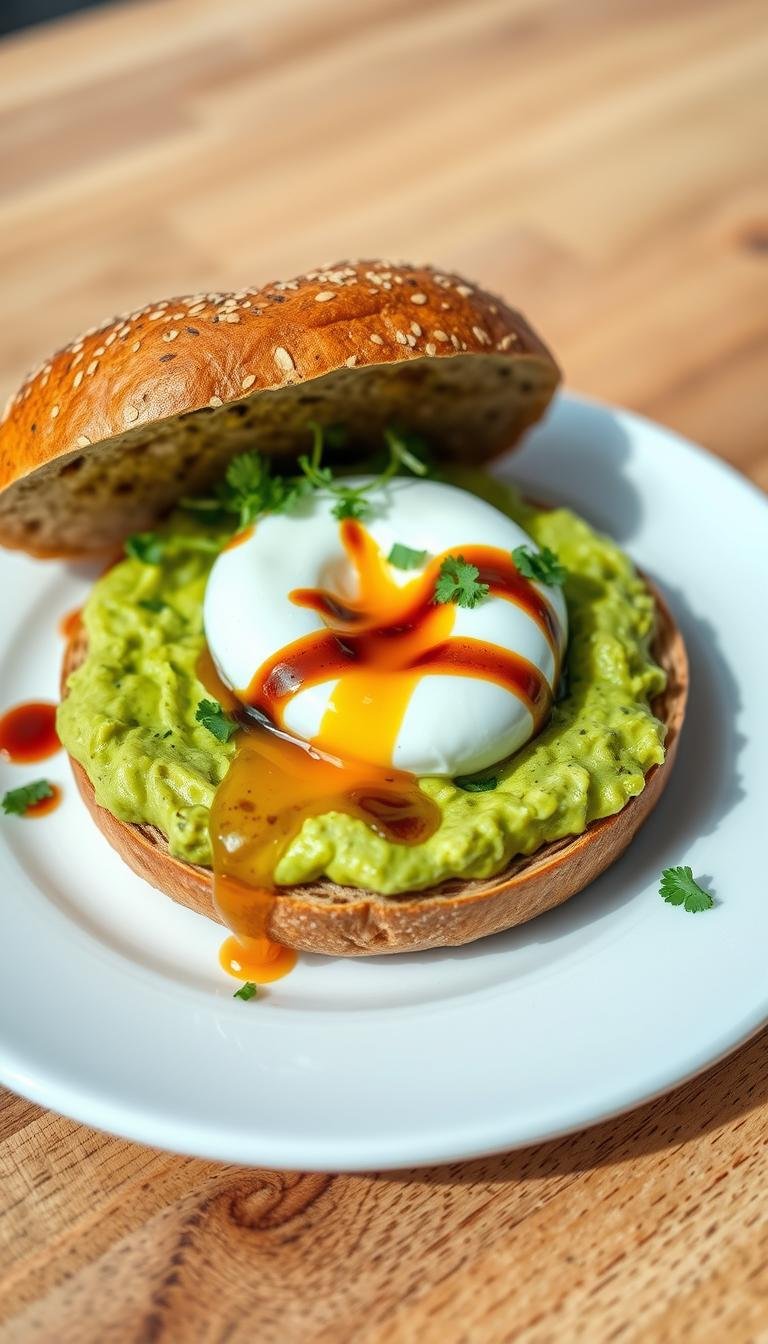
Quick Breakfast on the Go
|

Quick Breakfast on the Go: Healthy, Fast Options

Nearly 1 in 4 Americans skips breakfast, according to surveys cited by the U.S. Department of Agriculture, yet research in The American Journal of Clinical Nutrition links a balanced morning meal to sharper focus and steadier energy. That gap is huge—and fixable with a quick breakfast on the go that you can make in minutes.

This Website contains affiliate links. That means I may earn a small commission if you purchase through my links, at no extra cost to you.

This guide turns rushed mornings into easy morning meals. It brings healthy breakfast ideas grounded in USDA dietary guidelines and American Heart Association advice: pair protein, whole grains, fruit, and healthy fats. You’ll find fast breakfast options for commutes, school drop-offs, and office runs, with smart swaps that fit different diets and budgets.

From simple grab-and-go breakfast picks to balanced builds you can prep the night before, every tip aims to boost satiety and keep you on schedule. Expect clear steps, real ingredients, and ideas that travel well in a backpack, tote, or cup holder—so you can start strong and stay steady.

Key Takeaways

  • A balanced breakfast supports energy, focus, and appetite control throughout the morning.
  • Combine protein, whole grains, fruit, and healthy fats for sustained fuel.
  • Healthy breakfast ideas can be prepped fast and packed for commutes or school runs.
  • Grab-and-go breakfast options help avoid high-sugar choices when time is tight.
  • Fast breakfast options tailored to budgets and dietary needs make consistency easier.
  • Easy morning meals improve diet quality and reduce mid-morning crashes.

Why a Healthy Breakfast Matters for Busy Mornings

On hectic days, a quick meal that pairs protein, fiber, and healthy fats sets the tone. The benefits of breakfast show up as steadier morning energy, better focus, and a smoother metabolism boost that lasts until lunch.

Think simple: eggs or Greek yogurt for protein, oats or whole-grain toast for carbs, and nuts or avocado for fat. This mix supports cognitive performance and guards against sugar spikes that can derail a tight schedule.

Benefits for energy, focus, and metabolism

A balanced plate helps keep glucose steady, which preserves morning energy. That stability improves cognitive performance during commutes, classes, and early meetings. With protein and fiber, your body enjoys a gentle metabolism boost rather than a spike and crash.

  • Protein from eggs, Greek yogurt, or tofu supports alertness.
  • High-fiber carbs like oats, berries, and whole-grain bread steady blood sugar.
  • Healthy fats from nuts or avocado extend satiety through the late morning.

How breakfast supports weight management

Protein-rich meals in the 20–30 gram range increase satiety and can reduce snacking later. Pair that with mindful portions, and you create a steady rhythm that helps curb cravings. The result is fewer impulse bites and a metabolism boost without feeling deprived.

  1. Start with protein: eggs, cottage cheese, or a Greek yogurt cup.
  2. Add fiber: sliced fruit, chia seeds, or whole-grain toast.
  3. Finish with fat: peanut butter, almonds, or olive-oil drizzle.

Common pitfalls of skipping breakfast

Skipping breakfast risks a mid-morning crash and stronger pulls toward ultra-processed snacks. These skipping breakfast risks can weaken focus and lead to overeating at lunch. For students, drivers, and active workers, a small, balanced meal often protects cognitive performance and supports satiety across the day.

  • Avoid sugary pastries and sweet coffee drinks that spike blood sugar.
  • Choose whole foods that deliver steady morning energy.
  • Keep portable options—hard-boiled eggs, fruit, and nut packs—within reach.

Time-Saving Strategies for Morning Meal Prep

Cut your morning rush by setting up a simple system that blends breakfast meal prep with smart timing. Aim for small, repeatable steps that turn busy weekdays into smooth starts. Keep tools visible, ingredients portioned, and your plan on the fridge.

Batch cooking basics for grab-and-go options

Use one hour on Sunday for batch cooking breakfast so you can enjoy grab-and-go prep all week. Bake a tray of egg muffins, simmer steel-cut oats, and cook quinoa or farro. Roast sweet potatoes, then portion everything into single-serve containers for a make-ahead breakfast you can reheat fast.

Label each container with the date and rotate the oldest first. For food safety storage, cool cooked items quickly in shallow containers and refrigerate within two hours. Most cooked egg dishes and grains keep 3–4 days in the fridge.

Night-before prep to streamline your morning

Assemble overnight oats in mason jars, soak chia pudding, and portion frozen fruit for smoothies. Pre-pack snack bags of nuts and build sandwich thins with nut butter for a quick, make-ahead breakfast. Keep a blender cup on the counter and set a “breakfast bin” with granola and shelf-stable staples to cut decisions at dawn.

When commutes run long, use ice packs in an insulated bag to keep your grab-and-go prep chilled. This habit trims time and helps your plan stick from Monday to Friday.

Storage tips to keep food fresh and safe

Rely on airtight glass containers for hot items, mason jars for parfaits and oats, and silicone freezer bags for wraps and burritos. For food safety storage, set your refrigerator at or below 40°F (4°C) and your freezer at 0°F (-18°C). Reheat cooked breakfasts to 165°F (74°C) before eating.

These habits protect flavor and texture while supporting efficient breakfast meal prep all week. They also make batch cooking breakfast feel practical and repeatable.

Prep StrategyWhat to MakeBest ContainerFridge Hold TimeReheat/Serve Tip
Batch Weekend CookEgg muffins, steel-cut oats, roasted sweet potatoesAirtight glass containers3–4 daysMicrowave to 165°F; add greens or salsa for freshness
Grain Base PrepQuinoa or farro for bowlsPortioned single-serve containers3–4 daysTop with yogurt, nuts, or fruit for a make-ahead breakfast
Night-Before SetupOvernight oats, chia pudding, smoothie packsMason jars and freezer-safe cupsOats/chia: 3–4 days; smoothie packs: 1–2 months frozenBlend with milk in the morning; add fresh berries
Freezer FriendlyBreakfast burritos and wrapsSilicone freezer bagsUp to 2 monthsReheat to 165°F; crisp in a skillet for texture
On-the-Go InsuranceNut packs, granola, sandwich thins with nut butterPantry “breakfast bin” + insulated bag with ice packPantry items: per label; assembled thins: 1 dayGrab-and-go prep for commutes over two hours

Balanced Macronutrients for Sustained Energy

A smart morning plate aims for protein carbs fats balance so your energy rises and stays steady. The Acceptable Macronutrient Distribution Ranges support carbs at 45–65%, fat at 20–35%, and protein at 10–35% of calories. For a workday start, lean into a high-protein breakfast with complex carbs and healthy fats to tame hunger and cut snacking.

Use practical macronutrient ratios breakfast targets: 20–30 grams of protein, 8–10 grams of fiber from whole foods, and a source of unsaturated fat. That mix powers focus and delays the midmorning dip. Keep added sugars under control to avoid a crash.

Build simple combos that travel well. Pair whole grains and fruit for a fiber breakfast, add eggs or Greek yogurt for protein, and include nuts, seeds, avocado, or olive oil for healthy fats. Aim for colorful produce and low-sugar staples to keep volume high and calories balanced.

Try these portable pairings when time is tight.

  • Greek yogurt with low-sugar granola, blueberries, and almonds for a high-protein breakfast with crunch.
  • Whole-grain wrap with scrambled eggs, spinach, and salsa to hit protein carbs fats balance on the go.
  • Chia pudding made with soy milk and peanut butter for fiber breakfast benefits plus healthy fats.

Grab-and-Go ChoiceProtein (g)Fiber (g)Primary CarbsHealthy Fats SourceWhy It Fits
Greek yogurt, low-sugar granola, blueberries, almonds22–256–8Oats, fruitAlmondsDelivers macronutrient ratios breakfast with a high-protein breakfast and steady release carbs.
Whole-grain wrap with scrambled eggs, spinach, salsa20–245–7Whole-grain tortillaOlive oil or avocadoBalances protein carbs fats balance while adding greens and flavor.
Chia pudding with soy milk, peanut butter, banana20–2310–12Banana, chiaPeanut butter, chiaHigh fiber breakfast and healthy fats keep energy even across the morning.

Adjust portions to your schedule. If you train early, add a touch more complex carbs. If meetings run long, bump protein by a few ounces and add an extra spoon of nuts or seeds to keep macronutrient ratios breakfast on track.

Protein-Packed Grab-and-Go Ideas

A solid high-protein breakfast can be fast, tasty, and truly portable. Build a portable protein breakfast that travels well, keeps sugars in check, and supports a busy morning routine without slowing you down.

Greek yogurt parfaits with nuts and berries

A Greek yogurt parfait delivers 15–20 grams of protein per 6–7 ounces when you pick 2% or nonfat cups. Look for brands with live cultures and less than 8 grams of added sugar, such as Siggi’s, Chobani Less Sugar, or Fage.

Layer berries for fiber and antioxidants, then add walnuts, almonds, or pumpkin seeds for crunch and healthy fats. This high-protein breakfast packs well in a jar, stays cold, and tastes like dessert without the crash.

Egg muffins and frittata bites

Whisk eggs with chopped spinach, bell peppers, and onions. Add shredded cheese if you like. Bake the egg muffin recipe in a muffin tin at 350°F for 18–22 minutes until set.

Two to three muffins provide about 12–18 grams of protein. Store in the fridge for 3–4 days or freeze up to 2 months. Reheat and go for a portable protein breakfast that eats like a savory mini meal.

High-protein smoothies and shakes

Blend a protein smoothie with one scoop whey or plant protein (20–25 grams), unsweetened milk or fortified soy, frozen berries, spinach, and chia or flax. Use a blender bottle so you can shake and sip anywhere.

For dairy-free needs, choose soy or pea protein for a complete amino acid profile. Keep sugars low by leaning on fruit, cinnamon, and vanilla. This setup turns a rush-hour commute into a steady, sippable boost.

Grab-and-Go OptionProtein (approx.)Key IngredientsMake-Ahead TipsBest Use Case
Greek yogurt parfait15–20 g per 6–7 oz cup2% or nonfat Greek yogurt, berries, walnuts/almonds/pumpkin seedsAssemble in jars; choose brands with live cultures andDesk breakfast or school drop-off
Egg muffin recipe12–18 g per 2–3 muffinsEggs, spinach, bell peppers, onions, optional cheeseBake at 350°F for 18–22 minutes; refrigerate 3–4 days or freeze 2 monthsHeat-and-eat morning or post-workout bite
Protein smoothie20–25 g per scoop proteinWhey or soy/pea protein, unsweetened milk, berries, spinach, chia/flaxPre-portion freezer packs; use a portable blender bottleCommute-friendly, sip-on-the-go fuel

High-Fiber Choices That Keep You Full

A high-fiber breakfast helps tame mid-morning hunger and supports steady energy. Aim for fiber for satiety by pairing whole grains, fruit, and seeds. The Dietary Guidelines for Americans suggest about 14 grams per 1,000 calories, so breakfast is a smart place to start.

Overnight oats variations

Build a base that works every time: 1/2 cup old-fashioned oats, 1/2 cup milk or soy milk, 1/4 cup Greek yogurt, and 1 tablespoon chia. This simple formula anchors many overnight oats recipes and adds protein and fiber.

Try apple-cinnamon with a spoon of peanut butter, or cocoa-banana with chopped walnuts. For a savory twist, stir in olive oil and cherry tomatoes. Each jar can deliver 8–12 grams of fiber for satiety, making it a reliable high-fiber breakfast.

Chia pudding with fruit

Stir 3 tablespoons chia into 1 cup milk and let it set overnight. The result is a creamy chia pudding rich in omega-3 ALA and roughly 10 grams of fiber. Top with mango, pineapple, or mixed berries for natural sweetness.

Keep portions balanced by adding a small drizzle of honey or a few cacao nibs. This bowl fits busy mornings and aligns with many overnight oats recipes in texture and ease.

Whole-grain toasts with savory or sweet toppings

Choose bread with at least 3 grams of fiber per slice, such as Ezekiel or Dave’s Killer Bread 21 Whole Grains & Seeds. These options are sturdy and ideal for whole-grain toast toppings that travel well.

Go savory with smashed avocado, a boiled egg, and everything seasoning. Prefer sweet? Try ricotta or almond butter with sliced pear and cinnamon. Both paths deliver fiber for satiety and a high-fiber breakfast you can count on.

Breakfast IdeaCore IngredientsApprox. Fiber (g)Notable Perks
Overnight Oats (Apple-Cinnamon)Oats, milk, Greek yogurt, chia, apple, peanut butter, cinnamon9–12Make-ahead ease; steady energy; versatile overnight oats recipes
Chia Pudding with BerriesChia, milk, blueberries, strawberries10–11Omega-3 ALA; quick assembly; creamy texture from chia pudding
Whole-Grain Avocado Egg ToastEzekiel or Dave’s Killer Bread, avocado, boiled egg, seasoning7–9Portable; savory whole-grain toast toppings; fiber for satiety
Sweet Pear & Almond Butter ToastWhole-grain bread, almond butter, sliced pear, cinnamon6–8Balanced sweet option; crunchy-soft contrast; high-fiber breakfast

Quick Breakfast on the Go

Pressed for time? You can still make quick breakfast choices that feel good and taste great. Aim for protein, fiber, and low added sugar to land the best fast breakfast without the crash.
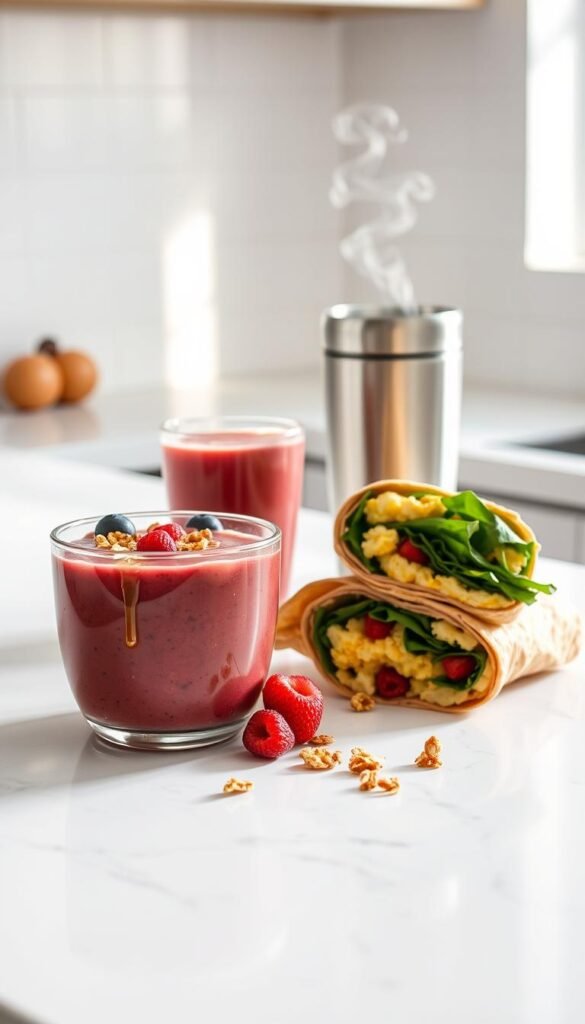
Quick Breakfast on the Go

Smart choices at coffee shops and cafés

For a coffee shop breakfast healthy pick, choose items with lean protein and whole grains. At Starbucks, the Spinach, Feta & Egg White Wrap offers about 20 grams of protein, and the classic oatmeal gets better with nuts. At Dunkin’, try the Wake-Up Wrap with egg and turkey sausage.

Peet’s and Panera serve steel-cut oats, egg white sandwiches, and fruit cups. These are quick breakfast choices that pair well with unsweetened coffee or tea. Keep portions modest to stay on track with the best fast breakfast.

Convenience store picks with better nutrition

Build a convenience store healthy breakfast from simple staples. Look for hard-boiled eggs, plain Greek yogurt cups, string cheese, single-serve cottage cheese, and fresh fruit. Add a small nut pack or low-sugar granola for crunch.

When you want a bar, choose options with at least 5 grams of protein and under 8–10 grams of added sugar, such as KIND Protein, RXBAR, or CORE. This mix keeps quick breakfast choices balanced on the go.

What to avoid when time is tight

Skip oversized pastries, frosted donuts, and large blended coffee drinks with syrups. Many top 40–60 grams of added sugar. Be cautious with parfaits made with sweetened yogurt and sugary granola, and scan labels for sodium above 700 milligrams.

When in doubt, pair your coffee shop breakfast healthy order with water or unsweetened coffee or tea. That simple swap supports the best fast breakfast and turns a convenience store healthy breakfast into steady energy for the morning.

Five-Minute Smoothies and Shakes

Make mornings easier with a fast formula that turns a blender breakfast into a balanced meal. Start with 1 cup milk or fortified soy milk, add 20–25 grams of protein powder or 3/4 cup Greek yogurt, include fiber like 1 tablespoon chia or ground flax or 1/2 cup oats, then add 1 cup berries or a handful of spinach. Finish with a pinch of cinnamon, cocoa, or vanilla, and blend 45–60 seconds. These easy smoothie recipes keep flavor high and fuss low.

Pro tip: Aim for 350–500 calories and at least 8–10 grams of fiber for a true meal. Stir in a spoon of peanut butter or almond butter for extra satiety. If you like coffee, an espresso shot turns quick protein shakes into a rich “mocha” without heavy sweetness.

Set up smoothie meal prep on Sunday. Portion frozen fruit and greens into freezer bags so five-minute smoothies stay truly fast. In the morning, pour in your liquid and protein, blend for 2–3 minutes, and go. Personal blenders like Nutribullet and Ninja let you blend right into a travel cup for zero waste and less cleanup.

Use this simple mix-and-match guide for a reliable blender breakfast:

  • Liquid: 1 cup dairy milk or fortified soy milk
  • Protein: 20–25 g whey, casein, or plant protein, or 3/4 cup Greek yogurt
  • Fiber: 1 tbsp chia or ground flax, or 1/2 cup rolled oats
  • Produce: 1 cup frozen berries, mango, or spinach
  • Flavor: cinnamon, unsweetened cocoa, vanilla, or fresh ginger

Keep added sugars light and let fruit lead the sweetness. With this base, you can rotate easy smoothie recipes all week, from a berry-yogurt blend to a spinach-cocoa mix. The result is a lineup of quick protein shakes that travel well and keep you full until lunch.

Sample combinations to try now:

  1. Berry Oat Crunch: milk, vanilla protein, oats, mixed berries, cinnamon
  2. Green Peanut Butter: soy milk, Greek yogurt, spinach, banana, peanut butter
  3. Mocha Power: milk, chocolate protein, espresso shot, flaxseed, frozen cherries

These five-minute smoothies scale well for busy weeks. Double the ingredients, split into cups, and refrigerate one day or freeze for later. With smart smoothie meal prep, your blender breakfast becomes a daily habit you can actually keep.

No-Cook Breakfast Options for Maximum Speed

When every minute counts, a no-cook breakfast keeps you moving without skipping nutrition. These fastest breakfast ideas lean on pantry staples, fresh fruit, and dairy picks that travel well and taste great.

Nut butter banana roll-ups

Make banana roll-ups by spreading 1–2 tablespoons of peanut or almond butter on a whole-wheat tortilla. Place a ripe banana on top, sprinkle chia or hemp seeds, then roll and slice.

This combo delivers complex carbs, protein, fiber, and healthy fats in under two minutes. It’s a no-cook breakfast that works at home or on the go.

Cottage cheese bowls with fruit

Build a cottage cheese breakfast with 3/4–1 cup cottage cheese from lower-sodium brands like Good Culture or Daisy. Top with pineapple or mixed berries for a bright, sweet option.

For savory, add tomatoes, cucumbers, and a pinch of black pepper. Finish with pepitas or pistachios for crunch and extra minerals.

Store-bought options with clean labels

For a clean label breakfast, scan for short ingredient lists and low added sugar. Plain Greek yogurt, unsweetened Lifeway kefir, hard-boiled eggs, Justin’s single-serve nut butter, whole fruit, and no-added-sugar muesli all fit the bill.

Check labels to avoid artificial sweeteners or excessive sodium. These picks support fastest breakfast ideas without kitchen time.

OptionMain NutrientsPrep TimeWhy It WorksSmart Add-Ons
Banana roll-upsComplex carbs, protein, healthy fats, fiberUnder 2 minutesPortable, steady energy, no messChia seeds, hemp seeds, cinnamon
Cottage cheese breakfast bowlHigh protein, calcium, potassium1–2 minutesSweet or savory, customizablePineapple, berries, tomatoes, cucumbers, pistachios
Clean label breakfast picksBalanced macros, low added sugarGrab-and-goMinimal ingredients, consistent qualityPlain Greek yogurt, Lifeway kefir, Justin’s nut butter, whole fruit, muesli

Make-Ahead Freezer-Friendly Breakfasts

Stock your freezer with smart, tasty options, and mornings get simple. A weekend spent on meal prep breakfast freezer projects turns into a week of hot meals in minutes. Rotate recipes so your freezer breakfast meals stay fresh and varied.

Breakfast burritos and wraps

Build breakfast burritos make-ahead with whole-wheat tortillas, scrambled eggs or tofu, black beans, sautéed peppers and onions, cheddar or Monterey Jack, and a spoon of salsa. Cool fillings first, then roll tight. Wrap in parchment or foil, slide into freezer bags, and label with date and contents.

Freeze up to two months. Keep sauces like guacamole, hot sauce, or Greek yogurt on the side so they don’t soften the tortilla. A packed bin of burritos makes freezer breakfast meals feel like a drive-thru at home—only faster and better.

Pancake and waffle freezer stacks

Cook whole-grain batches for easy freezer pancakes and waffles. Use oat or buckwheat flour and add protein with Greek yogurt, eggs, or whey or pea protein. Let them cool fully, then stack with parchment between pieces and seal in airtight bags.

Label flavors—blueberry, cinnamon, or plain—to mix it up. These stacks fit right into a meal prep breakfast freezer plan and pair well with peanut butter, berries, or a drizzle of maple syrup.

Reheating methods for best texture and taste

For burritos, microwave 2–3 minutes to heat through, then crisp in a dry skillet or air fryer for a golden shell. For pancakes and waffles, toast from frozen to keep edges crisp. Always verify reheating breakfast hits 165°F in the center for safety.

Keep condiments separate until serving to protect texture. If you commute, pack sauces in small leakproof containers and add them right before eating.

ItemHow to FreezeReheat MethodTexture TipsFreezer Life
Egg & Bean BurritoCool filling, roll tight, wrap in parchment or foil, seal in freezer bagMicrowave 2–3 min; finish in skillet or air fryer 1–2 minKeep salsa on the side; rest 1 minute before crispingUp to 2 months
Tofu Veggie WrapPress tofu dry, assemble, wrap, and bag with labelMicrowave 2–3 min; quick sear on hot panAdd cheese after reheating if desired for meltUp to 2 months
Whole-Grain PancakesCool fully, stack with parchment, airtight bagToast from frozen or microwave 45–60 secToast for crisp edges; microwave for softer bite6–8 weeks
Buckwheat WafflesCool on rack, single layer freeze, then bagToaster or air fryer 3–5 minAvoid steam by reheating in a single layer6–8 weeks

Plan your next batch with a simple checklist: tortillas, beans, eggs or tofu, peppers, onions, cheese, salsa, oat or buckwheat flour, and parchment. With freezer pancakes and breakfast burritos make-ahead on hand, you’ll streamline reheating breakfast and keep your meal prep breakfast freezer stocked.

Healthy Store-Bought Bars and Bites

When mornings move fast, healthy breakfast bars and snack bites breakfast can stand in for a balanced meal. Aim for bars with at least 5 grams of fiber, 8–12 grams of protein, and no more than 8–10 grams of added sugar. Choose clean bars with ingredients you recognize and keep sodium under 200 milligrams when you can.

Strong picks include RXBAR made with egg whites, dates, and nuts; KIND Protein with 12 grams of protein; CORE Bars for higher fiber; and GoMacro for vegan needs. If you prefer low sugar protein bars, scan the label for the added sugar line and check for sugar alcohols like erythritol if you are sensitive.

Mini options work well too. Look for refrigerated oat or protein bites that use nuts and seeds, or roll your own with oats, peanut butter, flax, and dates. Pair a bar or bites with a piece of fruit or a glass of milk to round out your breakfast.

Steer clear of candy-like choices that list corn syrup high on the label and offer little fiber. When in doubt, compare a few labels side by side to find the best granola bars for your goals and taste.

Tip: Keep a few flavors on hand so your routine stays fresh and satisfying.

Brand / ExampleProtein (g)Fiber (g)Added Sugar (g)Sodium (mg)Notable IngredientsBest Use
RXBAR (Chocolate Sea Salt)1250–3160Egg whites, dates, almonds, cashewsClean bars with simple ingredients
KIND Protein (Crunchy Peanut Butter)1255–8125Peanuts, chicory root fiber, soy protein isolateLow sugar protein bars for longer satiety
CORE Bar (Peanut Butter)107–86–8150Oats, dates, peanut butter, prebiotic fiberHealthy breakfast bars with high fiber
GoMacro (Sunflower Butter + Chocolate)10–1138–1080Brown rice protein, sunflower butter, oatsVegan-friendly clean bars
Refrigerated Oat/Protein Bites (Store Brands)5–8 (per 2 bites)3–54–760–120Oats, nuts, seeds, honey or datesSnack bites breakfast with quick energy

Use this label checklist on every run: fiber ≥5 g, protein 8–12 g, added sugar ≤10 g, and sodium ideally under 200 mg. With that simple filter, you can spot the best granola bars and clean bars in minutes.

On-the-Go Breakfasts for Kids and Teens

Fast mornings still deserve balance. A smart kids breakfast on the go pairs whole grains, fruit, and protein to support attention and mood through first period. Think a Greek yogurt parfait with berries, an egg-and-cheese whole-grain English muffin, or a peanut butter banana sandwich packed as a school morning breakfast.

Tip: Pack cold items in insulated containers with ice packs and follow district allergy rules. Add portable fruit like apples or clementines for fiber and natural sweetness, and keep cheese sticks or homemade whole-grain muffins ready for quick swaps and teen breakfast ideas.

Kid-approved flavors with balanced nutrition

  • Yogurt parfait: plain Greek yogurt, berries, and granola. Add honey for younger kids; teens can add chia for extra fiber.
  • Egg-and-cheese muffin: scrambled egg on a whole-grain English muffin with sliced tomato. Wrap in foil for a warm kids breakfast on the go.
  • Peanut butter banana roll-up: whole-wheat tortilla, peanut butter, and banana. Slice into coins for easy child portions.
  • Smoothie bottle: milk or soy milk, frozen berries, oats, and nut butter. This school morning breakfast travels well.

Allergy-friendly swaps for school mornings

  • Nut-free: use sunflower seed butter instead of peanut or almond for an allergy-friendly breakfast that still offers protein and healthy fats.
  • Dairy-free: choose fortified soy yogurt or soy milk for protein on par with dairy; pea-protein yogurts also work for teen breakfast ideas.
  • Gluten-free: switch to certified GF oats for overnight jars or GF bread for sandwiches to keep school morning breakfast simple and safe.

Portion sizes for different age groups

Match energy needs to activity and schedule. Elementary students often do well with child portions in the 250–400 calorie range and 10–20 grams of protein. Teens may need 400–700+ calories and 20–30 grams of protein, especially on practice days.

Age/ActivitySample BuildProtein TargetAdd-Ons
Elementary (light activity)Half turkey-and-cheese sandwich on whole grain + clementine10–15 gWater bottle; small yogurt for kids breakfast on the go
Elementary (active)Greek yogurt parfait with berries + mini granola pack15–20 gCheese stick for extra staying power
Teen (moderate)Egg-and-cheese whole-grain English muffin + apple20–25 gMilk or soy milk for calcium and vitamin D
Teen (high activity)Breakfast burrito: eggs, black beans, salsa, and avocado25–30 gPea-protein or soy yogurt cup; great for teen breakfast ideas

Keep portions right-sized and flexible. Rotate flavors to avoid menu fatigue, and use an allergy-friendly breakfast base with simple swaps so each child leaves ready to learn.

Gluten-Free, Dairy-Free, and Vegan Options

A busy morning does not have to limit choice. With a little planning, a vegan breakfast on the go can be tasty, filling, and safe for many diets. The ideas below help you build a gluten-free breakfast, a dairy-free breakfast, and an allergen-free breakfast without losing flavor or protein.

Choose portable foods that hold up in a bag or lunch box and deliver balance.
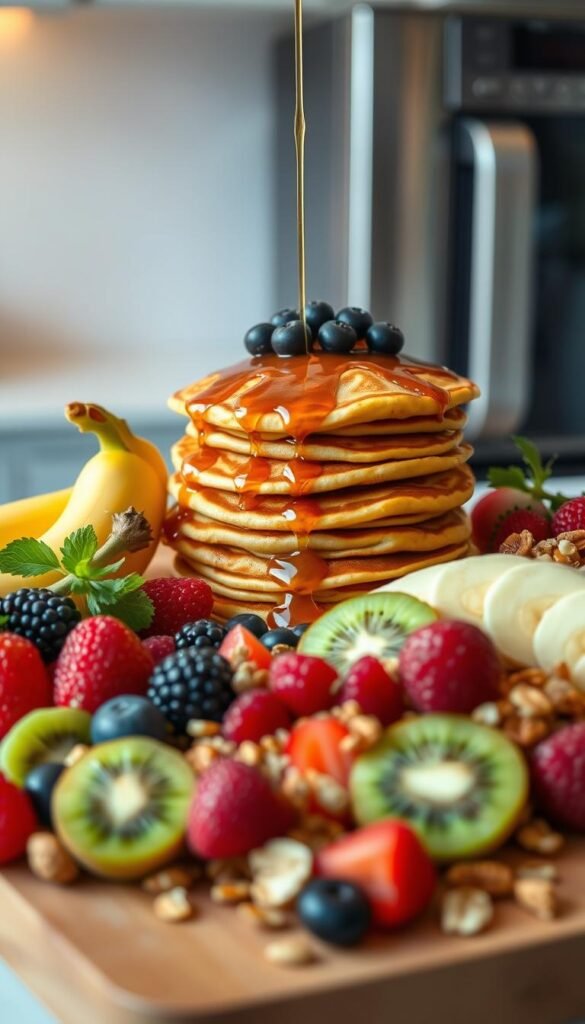
Gluten-Free, Dairy-Free, and Vegan Options

Plant-based proteins that travel well

For a plant-based protein breakfast, pack roasted chickpeas, salted pumpkin seeds, or almond and walnut mixes. Add baked tofu slices or tempeh strips to gluten-free wraps for a hearty bite.

Chia pudding made with fortified soy milk or pea milk sets overnight and rides well in a jar. Soy or pea protein shakes also work when you need a vegan breakfast on the go that stays cold and steady.

Label-reading tips for allergens

Scan the ingredient list and the “Contains” line for wheat, milk, eggs, peanuts, tree nuts, and soy. For oats and breads, a GFCO seal helps reduce cross-contact risk and supports a true gluten-free breakfast.

Watch for “May contain” notices and shared facility claims. For a strict allergen-free breakfast, pick brands that state dedicated lines, and keep a short list of trusted options.

Simple substitutions for popular recipes

Swap dairy with fortified soy milk or pea milk in smoothies for a dairy-free breakfast that still brings protein. Replace Greek yogurt with coconut or almond yogurt plus a scoop of protein powder to round out a plant-based protein breakfast.

Use a flax egg (1 tablespoon ground flax mixed with 3 tablespoons water) in baked goods, or choose JUST Egg for hot sandwiches. Slide it into a certified gluten-free tortilla or bread to keep a vegan breakfast on the go easy and tidy.

Grab-and-Go IdeaDiet FitProtein SourceKey Tip
Baked tofu sandwich on GF breadgluten-free breakfast, dairy-free breakfast, veganTofuPress tofu for 20 minutes for a firm bite
Chia pudding with fortified soy milkallergen-free breakfast potentialChia + soy milkStir twice in first 10 minutes to prevent clumps
Roasted chickpea + seed packvegan, dairy-free breakfastChickpeas, pumpkin seedsSeason with smoked paprika for savory depth
Pea protein shake with bananavegan breakfast on the goPea proteinChoose unsweetened milk to control sugars
Tempeh strips in GF tortillagluten-free breakfast, veganTempehPan-sear with tamari, not regular soy sauce

Morning Hydration and Coffee Pairings

Start with water after sleep to support morning hydration. A simple 8–16 ounces helps you catch up after the night. Add protein and fiber to your first bite so energy lasts, and your first cup of coffee feels steady.

For a smart coffee breakfast pairing, match eggs on whole-grain toast with a cappuccino or latte made with dairy or unsweetened almond milk. These are healthy coffee choices that keep sugar low and flavors clean.

If you prefer bolder coffee, choose an Americano with a splash of milk. Go for low-sugar coffee drinks by skipping syrups and whipped toppings. A side of Greek yogurt or chia pudding adds balance and curbs jitters.

Upgrade fluids with gentle electrolyte hydration: a pinch of salt and lemon in water after a morning run works well. Unsweetened tea, kefir, or a smoothie with coconut water give variety without heavy sweetness.

Keep caffeine in check while staying alert. The FDA notes up to 400 mg per day fits most adults. Pair your brew with berries, nuts, or cottage cheese to support steady focus through busy errands and commutes.

Plan a quick routine: sip water, brew coffee, then eat. This sequence supports morning hydration and a calm coffee breakfast pairing. Choose healthy coffee choices and stick to low-sugar coffee drinks for a smooth start.

Budget-Friendly Breakfasts That Travel Well

Stretch your morning dollar without skimping on taste. These budget breakfast ideas focus on portability, simple prep, and store brands that cut costs. With a little cost-effective meal prep on Sundays, you can pack a cheap healthy breakfast for every workday.

Shop at Costco, Sam’s Club, Aldi, or Walmart for staples that hold up in a commute. Mix and match to keep flavors fresh while staying a frugal breakfast pro.

Low-cost staples to keep on hand

  • Oats, eggs, and peanut butter for fast protein and fiber.
  • Bananas and frozen berries for smoothies or overnight oats.
  • Whole-wheat tortillas for wraps with bulk yogurt tubs or scrambled eggs.
  • Canned tuna or salmon for savory morning wraps with greens.
  • Dry beans for spreadable refried-style fillings and burritos.

Store brands lower the unit price, making a cheap healthy breakfast easier to repeat all week.

Buying in bulk without waste

  • Portion large tubs of plain yogurt into jars; sweeten with fruit on the day you eat.
  • Cook family packs of eggs into muffins or burritos, then chill or freeze.
  • Freeze ripe bananas, bread, and tortillas; thaw overnight for grab-and-go.
  • Keep nuts and seeds in the freezer to stay fresh longer.
  • Label dates and servings to support bulk buying breakfast plans.

These habits keep cost-effective meal prep on track and protect flavor.

DIY versus store-bought cost comparisons

ItemDIY Cost per ServingStore-Bought RangeWhy DIY Wins
Egg burrito$1.00–$1.50$3.00–$5.00Buy eggs and tortillas in bulk; add beans and salsa for pennies.
Overnight oatsUnder $0.75$2.50–$4.00Bulk oats and store-brand milk cut the price dramatically.
Protein shake$0.90–$1.40$2.50–$4.50Bulk protein powder plus milk or water beats bottled shakes.

Track per-serving costs in a notes app to refine frugal breakfast choices over time. Small tweaks add up to big savings while keeping your cheap healthy breakfast routine simple.

Conclusion

This quick breakfast on the go summary wraps the core idea: build your morning around protein, fiber-rich carbs, and healthy fats, and add water or coffee for steady focus. That mix supports energy, appetite control, and clear thinking on busy days. Keep portions simple, choose whole foods first, and aim for flavors you truly like so the plan sticks.

Turn healthy breakfast takeaways into action with smart morning meal planning. Prep two or three make-ahead staples each week—egg muffins, overnight oats, or smoothie packs. Stock a labeled breakfast bin with clean-label items from brands like Chobani, Kodiak, Dave’s Killer Bread, and KIND. Pick two coffee shop options in advance, such as a Starbucks spinach feta wrap or an unsweetened almond milk latte, so choices stay fast and aligned with your goals.

Flex to fit your life. Use gluten-free oats, dairy-free yogurt, or vegan protein powder when needed. Lean on freezer-friendly batches to save time and money, and reach for no-cook items—Greek yogurt, fruit, or nut butter roll-ups—when the morning rush hits. These grab-and-go breakfast ideas keep taste high and stress low.

With a little planning and a short list of favorites, you can fuel busy American mornings with healthy, fast options that travel well. Keep this quick breakfast on the go summary in mind, revisit the healthy breakfast takeaways weekly, and let morning meal planning guide routine choices for lasting results.

FAQ

What makes a quick breakfast healthy and filling?

Aim for a balance of protein, fiber-rich carbohydrates, and healthy fats. Pair foods like Greek yogurt, eggs, oats, whole-grain bread, fruit, nuts, and seeds. This combo supports steady blood sugar, energy, and focus.

How does breakfast improve energy, focus, and metabolism?

A nutrient-dense morning meal stabilizes glucose and helps attention and memory. Protein and fiber slow digestion and reduce blood sugar spikes, supporting mood and late-morning performance.

Can breakfast help with weight management?

Yes. A protein-rich breakfast (about 20–30 g) increases satiety and lowers later snacking. Combine lean proteins with high-fiber carbs and unsaturated fats while keeping added sugars low.

Is skipping breakfast always a bad idea?

It depends. Some adults do well with intermittent fasting. But many people—especially students and active workers—perform better with a balanced morning meal to curb cravings and overeating later.

What are simple time-saving prep tips for busy mornings?

Batch-cook egg muffins, steel-cut oats, and roasted sweet potatoes. Assemble overnight oats or chia pudding the night before. Portion smoothie packs and keep a “breakfast bin” with nut butter, low-sugar granola, and whole-grain bars.

How should I store make-ahead breakfasts safely?

Refrigerate cooked foods within two hours in shallow containers. Keep the fridge at or below 40°F and the freezer at 0°F. Most egg dishes and grains last 3–4 days refrigerated. Reheat to 165°F for safety.

What macronutrient targets work best in the morning?

A practical target is 20–30 g protein, 8–10 g fiber, and a source of unsaturated fat. Choose complex carbs like oats, whole-grain bread, and fruit to sustain energy.

What are quick, protein-packed grab-and-go ideas?

Try Greek yogurt parfaits with berries and almonds, egg muffins or frittata bites, and high-protein smoothies made with whey, soy, or pea protein. Pick low-sugar yogurt options like Siggi’s, Chobani Less Sugar, or Fage.

How can I build a high-fiber breakfast that keeps me full?

Use oats, chia, flax, berries, and whole-grain bread. Overnight oats and chia puddings are fast, while whole-grain toasts with avocado or almond butter add fiber and healthy fats.

What should I order at coffee shops for a healthier start?

Choose options like Starbucks Spinach, Feta & Egg White Wrap, classic oatmeal with nuts, or egg white sandwiches at Panera or Peet’s. Skip oversized pastries and sugary blended drinks.

What convenience store items are smart picks?

Look for hard-boiled eggs, plain Greek yogurt, string cheese, cottage cheese cups, fresh fruit, and whole-grain bars with at least 5 g protein and under 8–10 g added sugar, such as KIND Protein, RXBAR, or CORE Bars.

What should I avoid when time is tight?

Steer clear of frosted donuts, giant pastries, and large syrupy coffee drinks that can deliver 40–60 g added sugar. Watch out for high-sodium breakfast sandwiches and sugary parfaits.

How do I make a five-minute smoothie that actually fills me up?

Use this formula: 1 cup milk or fortified soy milk, 20–25 g protein, 1 tbsp chia or flax, fruit or spinach, and flavor boosters like cinnamon or cocoa. Aim for 350–500 calories and at least 8–10 g fiber.

What are fast no-cook breakfast options?

Try nut butter banana roll-ups on whole-wheat tortillas, cottage cheese bowls with fruit or veggies, plain Greek yogurt, unsweetened kefir like Lifeway, and single-serve nut butters such as Justin’s.

How can I stock freezer-friendly breakfasts?

Prep breakfast burritos with eggs or tofu, beans, and veggies. Freeze whole-grain pancakes or waffles in stacks. Reheat burritos in the microwave, then crisp in a skillet or air fryer; toast pancakes from frozen.

What are good criteria for healthy store-bought bars?

Look for at least 5 g fiber, 8–12 g protein, and no more than 8–10 g added sugar with simple ingredients. Consider RXBAR, KIND Protein, CORE Bars, or select GoMacro bars for vegan options.

What on-the-go breakfasts work for kids and teens?

Offer yogurt parfaits, egg-and-cheese English muffins on whole grains, or peanut butter banana sandwiches. Aim for 10–20 g protein for kids and 20–30 g for teens, plus fruit and dairy or fortified soy milk.

How can I handle allergies for school mornings?

Use sunflower seed butter for nut-free needs. Choose fortified soy yogurt or pea-protein yogurt for dairy-free. Pick certified gluten-free oats and breads. Always follow school allergy policies.

What are portable vegan and gluten-free protein choices?

Try tofu sandwiches, tempeh strips, roasted chickpeas, soy or pea protein shakes, chia puddings with fortified plant milks, and GF wraps or breads with the GFCO seal.

Any tips for reading labels for allergens and added sugars?

Check “Contains” and “May contain” statements. Look for GF certification when needed. Keep added sugars under 10% of daily calories and watch sodium, ideally under 200 mg for bars.

How should I pair coffee with breakfast for steady energy?

Start the day with 8–16 oz water. Enjoy coffee in moderation—up to 400 mg caffeine per day. Choose lattes with dairy or unsweetened plant milk, or Americanos, and pair with protein and fiber.

What are budget-friendly staples for fast breakfasts?

Keep oats, eggs, peanut butter, bananas, frozen berries, whole-wheat tortillas, bulk yogurt tubs, and canned tuna or salmon. Buy store brands at Costco, Sam’s Club, Aldi, or Walmart for savings.

How do I buy in bulk without waste?

Portion large yogurt tubs into jars, cook eggs in batches, freeze ripe bananas and bread, and store nuts and seeds in the freezer to extend freshness. Label dates and rotate oldest first.

Are homemade options cheaper than store-bought?

Often, yes. Homemade egg burritos can cost about What makes a quick breakfast healthy and filling?Aim for a balance of protein, fiber-rich carbohydrates, and healthy fats. Pair foods like Greek yogurt, eggs, oats, whole-grain bread, fruit, nuts, and seeds. This combo supports steady blood sugar, energy, and focus.How does breakfast improve energy, focus, and metabolism?A nutrient-dense morning meal stabilizes glucose and helps attention and memory. Protein and fiber slow digestion and reduce blood sugar spikes, supporting mood and late-morning performance.Can breakfast help with weight management?Yes. A protein-rich breakfast (about 20–30 g) increases satiety and lowers later snacking. Combine lean proteins with high-fiber carbs and unsaturated fats while keeping added sugars low.Is skipping breakfast always a bad idea?It depends. Some adults do well with intermittent fasting. But many people—especially students and active workers—perform better with a balanced morning meal to curb cravings and overeating later.What are simple time-saving prep tips for busy mornings?Batch-cook egg muffins, steel-cut oats, and roasted sweet potatoes. Assemble overnight oats or chia pudding the night before. Portion smoothie packs and keep a “breakfast bin” with nut butter, low-sugar granola, and whole-grain bars.How should I store make-ahead breakfasts safely?Refrigerate cooked foods within two hours in shallow containers. Keep the fridge at or below 40°F and the freezer at 0°F. Most egg dishes and grains last 3–4 days refrigerated. Reheat to 165°F for safety.What macronutrient targets work best in the morning?A practical target is 20–30 g protein, 8–10 g fiber, and a source of unsaturated fat. Choose complex carbs like oats, whole-grain bread, and fruit to sustain energy.What are quick, protein-packed grab-and-go ideas?Try Greek yogurt parfaits with berries and almonds, egg muffins or frittata bites, and high-protein smoothies made with whey, soy, or pea protein. Pick low-sugar yogurt options like Siggi’s, Chobani Less Sugar, or Fage.How can I build a high-fiber breakfast that keeps me full?Use oats, chia, flax, berries, and whole-grain bread. Overnight oats and chia puddings are fast, while whole-grain toasts with avocado or almond butter add fiber and healthy fats.What should I order at coffee shops for a healthier start?Choose options like Starbucks Spinach, Feta & Egg White Wrap, classic oatmeal with nuts, or egg white sandwiches at Panera or Peet’s. Skip oversized pastries and sugary blended drinks.What convenience store items are smart picks?Look for hard-boiled eggs, plain Greek yogurt, string cheese, cottage cheese cups, fresh fruit, and whole-grain bars with at least 5 g protein and under 8–10 g added sugar, such as KIND Protein, RXBAR, or CORE Bars.What should I avoid when time is tight?Steer clear of frosted donuts, giant pastries, and large syrupy coffee drinks that can deliver 40–60 g added sugar. Watch out for high-sodium breakfast sandwiches and sugary parfaits.How do I make a five-minute smoothie that actually fills me up?Use this formula: 1 cup milk or fortified soy milk, 20–25 g protein, 1 tbsp chia or flax, fruit or spinach, and flavor boosters like cinnamon or cocoa. Aim for 350–500 calories and at least 8–10 g fiber.What are fast no-cook breakfast options?Try nut butter banana roll-ups on whole-wheat tortillas, cottage cheese bowls with fruit or veggies, plain Greek yogurt, unsweetened kefir like Lifeway, and single-serve nut butters such as Justin’s.How can I stock freezer-friendly breakfasts?Prep breakfast burritos with eggs or tofu, beans, and veggies. Freeze whole-grain pancakes or waffles in stacks. Reheat burritos in the microwave, then crisp in a skillet or air fryer; toast pancakes from frozen.What are good criteria for healthy store-bought bars?Look for at least 5 g fiber, 8–12 g protein, and no more than 8–10 g added sugar with simple ingredients. Consider RXBAR, KIND Protein, CORE Bars, or select GoMacro bars for vegan options.What on-the-go breakfasts work for kids and teens?Offer yogurt parfaits, egg-and-cheese English muffins on whole grains, or peanut butter banana sandwiches. Aim for 10–20 g protein for kids and 20–30 g for teens, plus fruit and dairy or fortified soy milk.How can I handle allergies for school mornings?Use sunflower seed butter for nut-free needs. Choose fortified soy yogurt or pea-protein yogurt for dairy-free. Pick certified gluten-free oats and breads. Always follow school allergy policies.What are portable vegan and gluten-free protein choices?Try tofu sandwiches, tempeh strips, roasted chickpeas, soy or pea protein shakes, chia puddings with fortified plant milks, and GF wraps or breads with the GFCO seal.Any tips for reading labels for allergens and added sugars?Check “Contains” and “May contain” statements. Look for GF certification when needed. Keep added sugars under 10% of daily calories and watch sodium, ideally under 200 mg for bars.How should I pair coffee with breakfast for steady energy?Start the day with 8–16 oz water. Enjoy coffee in moderation—up to 400 mg caffeine per day. Choose lattes with dairy or unsweetened plant milk, or Americanos, and pair with protein and fiber.What are budget-friendly staples for fast breakfasts?Keep oats, eggs, peanut butter, bananas, frozen berries, whole-wheat tortillas, bulk yogurt tubs, and canned tuna or salmon. Buy store brands at Costco, Sam’s Club, Aldi, or Walmart for savings.How do I buy in bulk without waste?Portion large yogurt tubs into jars, cook eggs in batches, freeze ripe bananas and bread, and store nuts and seeds in the freezer to extend freshness. Label dates and rotate oldest first.Are homemade options cheaper than store-bought?Often, yes. Homemade egg burritos can cost about

FAQ

What makes a quick breakfast healthy and filling?

Aim for a balance of protein, fiber-rich carbohydrates, and healthy fats. Pair foods like Greek yogurt, eggs, oats, whole-grain bread, fruit, nuts, and seeds. This combo supports steady blood sugar, energy, and focus.

How does breakfast improve energy, focus, and metabolism?

A nutrient-dense morning meal stabilizes glucose and helps attention and memory. Protein and fiber slow digestion and reduce blood sugar spikes, supporting mood and late-morning performance.

Can breakfast help with weight management?

Yes. A protein-rich breakfast (about 20–30 g) increases satiety and lowers later snacking. Combine lean proteins with high-fiber carbs and unsaturated fats while keeping added sugars low.

Is skipping breakfast always a bad idea?

It depends. Some adults do well with intermittent fasting. But many people—especially students and active workers—perform better with a balanced morning meal to curb cravings and overeating later.

What are simple time-saving prep tips for busy mornings?

Batch-cook egg muffins, steel-cut oats, and roasted sweet potatoes. Assemble overnight oats or chia pudding the night before. Portion smoothie packs and keep a “breakfast bin” with nut butter, low-sugar granola, and whole-grain bars.

How should I store make-ahead breakfasts safely?

Refrigerate cooked foods within two hours in shallow containers. Keep the fridge at or below 40°F and the freezer at 0°F. Most egg dishes and grains last 3–4 days refrigerated. Reheat to 165°F for safety.

What macronutrient targets work best in the morning?

A practical target is 20–30 g protein, 8–10 g fiber, and a source of unsaturated fat. Choose complex carbs like oats, whole-grain bread, and fruit to sustain energy.

What are quick, protein-packed grab-and-go ideas?

Try Greek yogurt parfaits with berries and almonds, egg muffins or frittata bites, and high-protein smoothies made with whey, soy, or pea protein. Pick low-sugar yogurt options like Siggi’s, Chobani Less Sugar, or Fage.

How can I build a high-fiber breakfast that keeps me full?

Use oats, chia, flax, berries, and whole-grain bread. Overnight oats and chia puddings are fast, while whole-grain toasts with avocado or almond butter add fiber and healthy fats.

What should I order at coffee shops for a healthier start?

Choose options like Starbucks Spinach, Feta & Egg White Wrap, classic oatmeal with nuts, or egg white sandwiches at Panera or Peet’s. Skip oversized pastries and sugary blended drinks.

What convenience store items are smart picks?

Look for hard-boiled eggs, plain Greek yogurt, string cheese, cottage cheese cups, fresh fruit, and whole-grain bars with at least 5 g protein and under 8–10 g added sugar, such as KIND Protein, RXBAR, or CORE Bars.

What should I avoid when time is tight?

Steer clear of frosted donuts, giant pastries, and large syrupy coffee drinks that can deliver 40–60 g added sugar. Watch out for high-sodium breakfast sandwiches and sugary parfaits.

How do I make a five-minute smoothie that actually fills me up?

Use this formula: 1 cup milk or fortified soy milk, 20–25 g protein, 1 tbsp chia or flax, fruit or spinach, and flavor boosters like cinnamon or cocoa. Aim for 350–500 calories and at least 8–10 g fiber.

What are fast no-cook breakfast options?

Try nut butter banana roll-ups on whole-wheat tortillas, cottage cheese bowls with fruit or veggies, plain Greek yogurt, unsweetened kefir like Lifeway, and single-serve nut butters such as Justin’s.

How can I stock freezer-friendly breakfasts?

Prep breakfast burritos with eggs or tofu, beans, and veggies. Freeze whole-grain pancakes or waffles in stacks. Reheat burritos in the microwave, then crisp in a skillet or air fryer; toast pancakes from frozen.

What are good criteria for healthy store-bought bars?

Look for at least 5 g fiber, 8–12 g protein, and no more than 8–10 g added sugar with simple ingredients. Consider RXBAR, KIND Protein, CORE Bars, or select GoMacro bars for vegan options.

What on-the-go breakfasts work for kids and teens?

Offer yogurt parfaits, egg-and-cheese English muffins on whole grains, or peanut butter banana sandwiches. Aim for 10–20 g protein for kids and 20–30 g for teens, plus fruit and dairy or fortified soy milk.

How can I handle allergies for school mornings?

Use sunflower seed butter for nut-free needs. Choose fortified soy yogurt or pea-protein yogurt for dairy-free. Pick certified gluten-free oats and breads. Always follow school allergy policies.

What are portable vegan and gluten-free protein choices?

Try tofu sandwiches, tempeh strips, roasted chickpeas, soy or pea protein shakes, chia puddings with fortified plant milks, and GF wraps or breads with the GFCO seal.

Any tips for reading labels for allergens and added sugars?

Check “Contains” and “May contain” statements. Look for GF certification when needed. Keep added sugars under 10% of daily calories and watch sodium, ideally under 200 mg for bars.

How should I pair coffee with breakfast for steady energy?

Start the day with 8–16 oz water. Enjoy coffee in moderation—up to 400 mg caffeine per day. Choose lattes with dairy or unsweetened plant milk, or Americanos, and pair with protein and fiber.

What are budget-friendly staples for fast breakfasts?

Keep oats, eggs, peanut butter, bananas, frozen berries, whole-wheat tortillas, bulk yogurt tubs, and canned tuna or salmon. Buy store brands at Costco, Sam’s Club, Aldi, or Walmart for savings.

How do I buy in bulk without waste?

Portion large yogurt tubs into jars, cook eggs in batches, freeze ripe bananas and bread, and store nuts and seeds in the freezer to extend freshness. Label dates and rotate oldest first.

Are homemade options cheaper than store-bought?

Often, yes. Homemade egg burritos can cost about

FAQ

What makes a quick breakfast healthy and filling?

Aim for a balance of protein, fiber-rich carbohydrates, and healthy fats. Pair foods like Greek yogurt, eggs, oats, whole-grain bread, fruit, nuts, and seeds. This combo supports steady blood sugar, energy, and focus.

How does breakfast improve energy, focus, and metabolism?

A nutrient-dense morning meal stabilizes glucose and helps attention and memory. Protein and fiber slow digestion and reduce blood sugar spikes, supporting mood and late-morning performance.

Can breakfast help with weight management?

Yes. A protein-rich breakfast (about 20–30 g) increases satiety and lowers later snacking. Combine lean proteins with high-fiber carbs and unsaturated fats while keeping added sugars low.

Is skipping breakfast always a bad idea?

It depends. Some adults do well with intermittent fasting. But many people—especially students and active workers—perform better with a balanced morning meal to curb cravings and overeating later.

What are simple time-saving prep tips for busy mornings?

Batch-cook egg muffins, steel-cut oats, and roasted sweet potatoes. Assemble overnight oats or chia pudding the night before. Portion smoothie packs and keep a “breakfast bin” with nut butter, low-sugar granola, and whole-grain bars.

How should I store make-ahead breakfasts safely?

Refrigerate cooked foods within two hours in shallow containers. Keep the fridge at or below 40°F and the freezer at 0°F. Most egg dishes and grains last 3–4 days refrigerated. Reheat to 165°F for safety.

What macronutrient targets work best in the morning?

A practical target is 20–30 g protein, 8–10 g fiber, and a source of unsaturated fat. Choose complex carbs like oats, whole-grain bread, and fruit to sustain energy.

What are quick, protein-packed grab-and-go ideas?

Try Greek yogurt parfaits with berries and almonds, egg muffins or frittata bites, and high-protein smoothies made with whey, soy, or pea protein. Pick low-sugar yogurt options like Siggi’s, Chobani Less Sugar, or Fage.

How can I build a high-fiber breakfast that keeps me full?

Use oats, chia, flax, berries, and whole-grain bread. Overnight oats and chia puddings are fast, while whole-grain toasts with avocado or almond butter add fiber and healthy fats.

What should I order at coffee shops for a healthier start?

Choose options like Starbucks Spinach, Feta & Egg White Wrap, classic oatmeal with nuts, or egg white sandwiches at Panera or Peet’s. Skip oversized pastries and sugary blended drinks.

What convenience store items are smart picks?

Look for hard-boiled eggs, plain Greek yogurt, string cheese, cottage cheese cups, fresh fruit, and whole-grain bars with at least 5 g protein and under 8–10 g added sugar, such as KIND Protein, RXBAR, or CORE Bars.

What should I avoid when time is tight?

Steer clear of frosted donuts, giant pastries, and large syrupy coffee drinks that can deliver 40–60 g added sugar. Watch out for high-sodium breakfast sandwiches and sugary parfaits.

How do I make a five-minute smoothie that actually fills me up?

Use this formula: 1 cup milk or fortified soy milk, 20–25 g protein, 1 tbsp chia or flax, fruit or spinach, and flavor boosters like cinnamon or cocoa. Aim for 350–500 calories and at least 8–10 g fiber.

What are fast no-cook breakfast options?

Try nut butter banana roll-ups on whole-wheat tortillas, cottage cheese bowls with fruit or veggies, plain Greek yogurt, unsweetened kefir like Lifeway, and single-serve nut butters such as Justin’s.

How can I stock freezer-friendly breakfasts?

Prep breakfast burritos with eggs or tofu, beans, and veggies. Freeze whole-grain pancakes or waffles in stacks. Reheat burritos in the microwave, then crisp in a skillet or air fryer; toast pancakes from frozen.

What are good criteria for healthy store-bought bars?

Look for at least 5 g fiber, 8–12 g protein, and no more than 8–10 g added sugar with simple ingredients. Consider RXBAR, KIND Protein, CORE Bars, or select GoMacro bars for vegan options.

What on-the-go breakfasts work for kids and teens?

Offer yogurt parfaits, egg-and-cheese English muffins on whole grains, or peanut butter banana sandwiches. Aim for 10–20 g protein for kids and 20–30 g for teens, plus fruit and dairy or fortified soy milk.

How can I handle allergies for school mornings?

Use sunflower seed butter for nut-free needs. Choose fortified soy yogurt or pea-protein yogurt for dairy-free. Pick certified gluten-free oats and breads. Always follow school allergy policies.

What are portable vegan and gluten-free protein choices?

Try tofu sandwiches, tempeh strips, roasted chickpeas, soy or pea protein shakes, chia puddings with fortified plant milks, and GF wraps or breads with the GFCO seal.

Any tips for reading labels for allergens and added sugars?

Check “Contains” and “May contain” statements. Look for GF certification when needed. Keep added sugars under 10% of daily calories and watch sodium, ideally under 200 mg for bars.

How should I pair coffee with breakfast for steady energy?

Start the day with 8–16 oz water. Enjoy coffee in moderation—up to 400 mg caffeine per day. Choose lattes with dairy or unsweetened plant milk, or Americanos, and pair with protein and fiber.

What are budget-friendly staples for fast breakfasts?

Keep oats, eggs, peanut butter, bananas, frozen berries, whole-wheat tortillas, bulk yogurt tubs, and canned tuna or salmon. Buy store brands at Costco, Sam’s Club, Aldi, or Walmart for savings.

How do I buy in bulk without waste?

Portion large yogurt tubs into jars, cook eggs in batches, freeze ripe bananas and bread, and store nuts and seeds in the freezer to extend freshness. Label dates and rotate oldest first.

Are homemade options cheaper than store-bought?

Often, yes. Homemade egg burritos can cost about $1–$1.50 each versus $3–$5 retail. Overnight oats can be under $0.75 per serving. Blending your own protein shakes beats bottled shakes on price.

What are some quick commuter-friendly combos?

Try Greek yogurt with low-sugar granola, berries, and almonds; whole-grain wraps with scrambled eggs, spinach, and salsa; or chia pudding with soy milk and peanut butter.

Which brands of whole-grain bread are good choices?

Look for options with at least 3 g fiber per slice, such as Ezekiel and Dave’s Killer Bread 21 Whole Grains & Seeds. Check for minimal added sugars and recognizable ingredients.

How can I keep smoothies satisfying without added sugar?

Use fruit, cinnamon, vanilla, or cocoa for flavor. Add chia, flax, oats, or nut butter for fiber and fats. Choose soy or pea protein for a complete amino acid profile if dairy-free.

What are safe reheating methods for meal-prepped breakfasts?

Reheat leftovers to an internal temperature of 165°F. For best texture, microwave to warm, then crisp burritos in a skillet or air fryer. Toast frozen pancakes or waffles directly from the freezer.

How much fiber should breakfast provide?

Aim for 8–10 g at breakfast. Use oats, chia, flax, berries, and high-fiber bread to reach daily goals of about 25 g for women and 38 g for men.

What are examples of low-sugar, high-protein yogurts?

Consider Siggi’s, Chobani Less Sugar, and Fage. Choose plain or lightly sweetened options with 15–20 g protein per serving and under 8 g added sugar.

FAQ

What makes a quick breakfast healthy and filling?

Aim for a balance of protein, fiber-rich carbohydrates, and healthy fats. Pair foods like Greek yogurt, eggs, oats, whole-grain bread, fruit, nuts, and seeds. This combo supports steady blood sugar, energy, and focus.

How does breakfast improve energy, focus, and metabolism?

A nutrient-dense morning meal stabilizes glucose and helps attention and memory. Protein and fiber slow digestion and reduce blood sugar spikes, supporting mood and late-morning performance.

Can breakfast help with weight management?

Yes. A protein-rich breakfast (about 20–30 g) increases satiety and lowers later snacking. Combine lean proteins with high-fiber carbs and unsaturated fats while keeping added sugars low.

Is skipping breakfast always a bad idea?

It depends. Some adults do well with intermittent fasting. But many people—especially students and active workers—perform better with a balanced morning meal to curb cravings and overeating later.

What are simple time-saving prep tips for busy mornings?

Batch-cook egg muffins, steel-cut oats, and roasted sweet potatoes. Assemble overnight oats or chia pudding the night before. Portion smoothie packs and keep a “breakfast bin” with nut butter, low-sugar granola, and whole-grain bars.

How should I store make-ahead breakfasts safely?

Refrigerate cooked foods within two hours in shallow containers. Keep the fridge at or below 40°F and the freezer at 0°F. Most egg dishes and grains last 3–4 days refrigerated. Reheat to 165°F for safety.

What macronutrient targets work best in the morning?

A practical target is 20–30 g protein, 8–10 g fiber, and a source of unsaturated fat. Choose complex carbs like oats, whole-grain bread, and fruit to sustain energy.

What are quick, protein-packed grab-and-go ideas?

Try Greek yogurt parfaits with berries and almonds, egg muffins or frittata bites, and high-protein smoothies made with whey, soy, or pea protein. Pick low-sugar yogurt options like Siggi’s, Chobani Less Sugar, or Fage.

How can I build a high-fiber breakfast that keeps me full?

Use oats, chia, flax, berries, and whole-grain bread. Overnight oats and chia puddings are fast, while whole-grain toasts with avocado or almond butter add fiber and healthy fats.

What should I order at coffee shops for a healthier start?

Choose options like Starbucks Spinach, Feta & Egg White Wrap, classic oatmeal with nuts, or egg white sandwiches at Panera or Peet’s. Skip oversized pastries and sugary blended drinks.

What convenience store items are smart picks?

Look for hard-boiled eggs, plain Greek yogurt, string cheese, cottage cheese cups, fresh fruit, and whole-grain bars with at least 5 g protein and under 8–10 g added sugar, such as KIND Protein, RXBAR, or CORE Bars.

What should I avoid when time is tight?

Steer clear of frosted donuts, giant pastries, and large syrupy coffee drinks that can deliver 40–60 g added sugar. Watch out for high-sodium breakfast sandwiches and sugary parfaits.

How do I make a five-minute smoothie that actually fills me up?

Use this formula: 1 cup milk or fortified soy milk, 20–25 g protein, 1 tbsp chia or flax, fruit or spinach, and flavor boosters like cinnamon or cocoa. Aim for 350–500 calories and at least 8–10 g fiber.

What are fast no-cook breakfast options?

Try nut butter banana roll-ups on whole-wheat tortillas, cottage cheese bowls with fruit or veggies, plain Greek yogurt, unsweetened kefir like Lifeway, and single-serve nut butters such as Justin’s.

How can I stock freezer-friendly breakfasts?

Prep breakfast burritos with eggs or tofu, beans, and veggies. Freeze whole-grain pancakes or waffles in stacks. Reheat burritos in the microwave, then crisp in a skillet or air fryer; toast pancakes from frozen.

What are good criteria for healthy store-bought bars?

Look for at least 5 g fiber, 8–12 g protein, and no more than 8–10 g added sugar with simple ingredients. Consider RXBAR, KIND Protein, CORE Bars, or select GoMacro bars for vegan options.

What on-the-go breakfasts work for kids and teens?

Offer yogurt parfaits, egg-and-cheese English muffins on whole grains, or peanut butter banana sandwiches. Aim for 10–20 g protein for kids and 20–30 g for teens, plus fruit and dairy or fortified soy milk.

How can I handle allergies for school mornings?

Use sunflower seed butter for nut-free needs. Choose fortified soy yogurt or pea-protein yogurt for dairy-free. Pick certified gluten-free oats and breads. Always follow school allergy policies.

What are portable vegan and gluten-free protein choices?

Try tofu sandwiches, tempeh strips, roasted chickpeas, soy or pea protein shakes, chia puddings with fortified plant milks, and GF wraps or breads with the GFCO seal.

Any tips for reading labels for allergens and added sugars?

Check “Contains” and “May contain” statements. Look for GF certification when needed. Keep added sugars under 10% of daily calories and watch sodium, ideally under 200 mg for bars.

How should I pair coffee with breakfast for steady energy?

Start the day with 8–16 oz water. Enjoy coffee in moderation—up to 400 mg caffeine per day. Choose lattes with dairy or unsweetened plant milk, or Americanos, and pair with protein and fiber.

What are budget-friendly staples for fast breakfasts?

Keep oats, eggs, peanut butter, bananas, frozen berries, whole-wheat tortillas, bulk yogurt tubs, and canned tuna or salmon. Buy store brands at Costco, Sam’s Club, Aldi, or Walmart for savings.

How do I buy in bulk without waste?

Portion large yogurt tubs into jars, cook eggs in batches, freeze ripe bananas and bread, and store nuts and seeds in the freezer to extend freshness. Label dates and rotate oldest first.

Are homemade options cheaper than store-bought?

Often, yes. Homemade egg burritos can cost about $1–$1.50 each versus $3–$5 retail. Overnight oats can be under $0.75 per serving. Blending your own protein shakes beats bottled shakes on price.

What are some quick commuter-friendly combos?

Try Greek yogurt with low-sugar granola, berries, and almonds; whole-grain wraps with scrambled eggs, spinach, and salsa; or chia pudding with soy milk and peanut butter.

Which brands of whole-grain bread are good choices?

Look for options with at least 3 g fiber per slice, such as Ezekiel and Dave’s Killer Bread 21 Whole Grains & Seeds. Check for minimal added sugars and recognizable ingredients.

How can I keep smoothies satisfying without added sugar?

Use fruit, cinnamon, vanilla, or cocoa for flavor. Add chia, flax, oats, or nut butter for fiber and fats. Choose soy or pea protein for a complete amino acid profile if dairy-free.

What are safe reheating methods for meal-prepped breakfasts?

Reheat leftovers to an internal temperature of 165°F. For best texture, microwave to warm, then crisp burritos in a skillet or air fryer. Toast frozen pancakes or waffles directly from the freezer.

How much fiber should breakfast provide?

Aim for 8–10 g at breakfast. Use oats, chia, flax, berries, and high-fiber bread to reach daily goals of about 25 g for women and 38 g for men.

What are examples of low-sugar, high-protein yogurts?

Consider Siggi’s, Chobani Less Sugar, and Fage. Choose plain or lightly sweetened options with 15–20 g protein per serving and under 8 g added sugar.

.50 each versus – retail. Overnight oats can be under

FAQ

What makes a quick breakfast healthy and filling?

Aim for a balance of protein, fiber-rich carbohydrates, and healthy fats. Pair foods like Greek yogurt, eggs, oats, whole-grain bread, fruit, nuts, and seeds. This combo supports steady blood sugar, energy, and focus.

How does breakfast improve energy, focus, and metabolism?

A nutrient-dense morning meal stabilizes glucose and helps attention and memory. Protein and fiber slow digestion and reduce blood sugar spikes, supporting mood and late-morning performance.

Can breakfast help with weight management?

Yes. A protein-rich breakfast (about 20–30 g) increases satiety and lowers later snacking. Combine lean proteins with high-fiber carbs and unsaturated fats while keeping added sugars low.

Is skipping breakfast always a bad idea?

It depends. Some adults do well with intermittent fasting. But many people—especially students and active workers—perform better with a balanced morning meal to curb cravings and overeating later.

What are simple time-saving prep tips for busy mornings?

Batch-cook egg muffins, steel-cut oats, and roasted sweet potatoes. Assemble overnight oats or chia pudding the night before. Portion smoothie packs and keep a “breakfast bin” with nut butter, low-sugar granola, and whole-grain bars.

How should I store make-ahead breakfasts safely?

Refrigerate cooked foods within two hours in shallow containers. Keep the fridge at or below 40°F and the freezer at 0°F. Most egg dishes and grains last 3–4 days refrigerated. Reheat to 165°F for safety.

What macronutrient targets work best in the morning?

A practical target is 20–30 g protein, 8–10 g fiber, and a source of unsaturated fat. Choose complex carbs like oats, whole-grain bread, and fruit to sustain energy.

What are quick, protein-packed grab-and-go ideas?

Try Greek yogurt parfaits with berries and almonds, egg muffins or frittata bites, and high-protein smoothies made with whey, soy, or pea protein. Pick low-sugar yogurt options like Siggi’s, Chobani Less Sugar, or Fage.

How can I build a high-fiber breakfast that keeps me full?

Use oats, chia, flax, berries, and whole-grain bread. Overnight oats and chia puddings are fast, while whole-grain toasts with avocado or almond butter add fiber and healthy fats.

What should I order at coffee shops for a healthier start?

Choose options like Starbucks Spinach, Feta & Egg White Wrap, classic oatmeal with nuts, or egg white sandwiches at Panera or Peet’s. Skip oversized pastries and sugary blended drinks.

What convenience store items are smart picks?

Look for hard-boiled eggs, plain Greek yogurt, string cheese, cottage cheese cups, fresh fruit, and whole-grain bars with at least 5 g protein and under 8–10 g added sugar, such as KIND Protein, RXBAR, or CORE Bars.

What should I avoid when time is tight?

Steer clear of frosted donuts, giant pastries, and large syrupy coffee drinks that can deliver 40–60 g added sugar. Watch out for high-sodium breakfast sandwiches and sugary parfaits.

How do I make a five-minute smoothie that actually fills me up?

Use this formula: 1 cup milk or fortified soy milk, 20–25 g protein, 1 tbsp chia or flax, fruit or spinach, and flavor boosters like cinnamon or cocoa. Aim for 350–500 calories and at least 8–10 g fiber.

What are fast no-cook breakfast options?

Try nut butter banana roll-ups on whole-wheat tortillas, cottage cheese bowls with fruit or veggies, plain Greek yogurt, unsweetened kefir like Lifeway, and single-serve nut butters such as Justin’s.

How can I stock freezer-friendly breakfasts?

Prep breakfast burritos with eggs or tofu, beans, and veggies. Freeze whole-grain pancakes or waffles in stacks. Reheat burritos in the microwave, then crisp in a skillet or air fryer; toast pancakes from frozen.

What are good criteria for healthy store-bought bars?

Look for at least 5 g fiber, 8–12 g protein, and no more than 8–10 g added sugar with simple ingredients. Consider RXBAR, KIND Protein, CORE Bars, or select GoMacro bars for vegan options.

What on-the-go breakfasts work for kids and teens?

Offer yogurt parfaits, egg-and-cheese English muffins on whole grains, or peanut butter banana sandwiches. Aim for 10–20 g protein for kids and 20–30 g for teens, plus fruit and dairy or fortified soy milk.

How can I handle allergies for school mornings?

Use sunflower seed butter for nut-free needs. Choose fortified soy yogurt or pea-protein yogurt for dairy-free. Pick certified gluten-free oats and breads. Always follow school allergy policies.

What are portable vegan and gluten-free protein choices?

Try tofu sandwiches, tempeh strips, roasted chickpeas, soy or pea protein shakes, chia puddings with fortified plant milks, and GF wraps or breads with the GFCO seal.

Any tips for reading labels for allergens and added sugars?

Check “Contains” and “May contain” statements. Look for GF certification when needed. Keep added sugars under 10% of daily calories and watch sodium, ideally under 200 mg for bars.

How should I pair coffee with breakfast for steady energy?

Start the day with 8–16 oz water. Enjoy coffee in moderation—up to 400 mg caffeine per day. Choose lattes with dairy or unsweetened plant milk, or Americanos, and pair with protein and fiber.

What are budget-friendly staples for fast breakfasts?

Keep oats, eggs, peanut butter, bananas, frozen berries, whole-wheat tortillas, bulk yogurt tubs, and canned tuna or salmon. Buy store brands at Costco, Sam’s Club, Aldi, or Walmart for savings.

How do I buy in bulk without waste?

Portion large yogurt tubs into jars, cook eggs in batches, freeze ripe bananas and bread, and store nuts and seeds in the freezer to extend freshness. Label dates and rotate oldest first.

Are homemade options cheaper than store-bought?

Often, yes. Homemade egg burritos can cost about $1–$1.50 each versus $3–$5 retail. Overnight oats can be under $0.75 per serving. Blending your own protein shakes beats bottled shakes on price.

What are some quick commuter-friendly combos?

Try Greek yogurt with low-sugar granola, berries, and almonds; whole-grain wraps with scrambled eggs, spinach, and salsa; or chia pudding with soy milk and peanut butter.

Which brands of whole-grain bread are good choices?

Look for options with at least 3 g fiber per slice, such as Ezekiel and Dave’s Killer Bread 21 Whole Grains & Seeds. Check for minimal added sugars and recognizable ingredients.

How can I keep smoothies satisfying without added sugar?

Use fruit, cinnamon, vanilla, or cocoa for flavor. Add chia, flax, oats, or nut butter for fiber and fats. Choose soy or pea protein for a complete amino acid profile if dairy-free.

What are safe reheating methods for meal-prepped breakfasts?

Reheat leftovers to an internal temperature of 165°F. For best texture, microwave to warm, then crisp burritos in a skillet or air fryer. Toast frozen pancakes or waffles directly from the freezer.

How much fiber should breakfast provide?

Aim for 8–10 g at breakfast. Use oats, chia, flax, berries, and high-fiber bread to reach daily goals of about 25 g for women and 38 g for men.

What are examples of low-sugar, high-protein yogurts?

Consider Siggi’s, Chobani Less Sugar, and Fage. Choose plain or lightly sweetened options with 15–20 g protein per serving and under 8 g added sugar.

FAQ

What makes a quick breakfast healthy and filling?

Aim for a balance of protein, fiber-rich carbohydrates, and healthy fats. Pair foods like Greek yogurt, eggs, oats, whole-grain bread, fruit, nuts, and seeds. This combo supports steady blood sugar, energy, and focus.

How does breakfast improve energy, focus, and metabolism?

A nutrient-dense morning meal stabilizes glucose and helps attention and memory. Protein and fiber slow digestion and reduce blood sugar spikes, supporting mood and late-morning performance.

Can breakfast help with weight management?

Yes. A protein-rich breakfast (about 20–30 g) increases satiety and lowers later snacking. Combine lean proteins with high-fiber carbs and unsaturated fats while keeping added sugars low.

Is skipping breakfast always a bad idea?

It depends. Some adults do well with intermittent fasting. But many people—especially students and active workers—perform better with a balanced morning meal to curb cravings and overeating later.

What are simple time-saving prep tips for busy mornings?

Batch-cook egg muffins, steel-cut oats, and roasted sweet potatoes. Assemble overnight oats or chia pudding the night before. Portion smoothie packs and keep a “breakfast bin” with nut butter, low-sugar granola, and whole-grain bars.

How should I store make-ahead breakfasts safely?

Refrigerate cooked foods within two hours in shallow containers. Keep the fridge at or below 40°F and the freezer at 0°F. Most egg dishes and grains last 3–4 days refrigerated. Reheat to 165°F for safety.

What macronutrient targets work best in the morning?

A practical target is 20–30 g protein, 8–10 g fiber, and a source of unsaturated fat. Choose complex carbs like oats, whole-grain bread, and fruit to sustain energy.

What are quick, protein-packed grab-and-go ideas?

Try Greek yogurt parfaits with berries and almonds, egg muffins or frittata bites, and high-protein smoothies made with whey, soy, or pea protein. Pick low-sugar yogurt options like Siggi’s, Chobani Less Sugar, or Fage.

How can I build a high-fiber breakfast that keeps me full?

Use oats, chia, flax, berries, and whole-grain bread. Overnight oats and chia puddings are fast, while whole-grain toasts with avocado or almond butter add fiber and healthy fats.

What should I order at coffee shops for a healthier start?

Choose options like Starbucks Spinach, Feta & Egg White Wrap, classic oatmeal with nuts, or egg white sandwiches at Panera or Peet’s. Skip oversized pastries and sugary blended drinks.

What convenience store items are smart picks?

Look for hard-boiled eggs, plain Greek yogurt, string cheese, cottage cheese cups, fresh fruit, and whole-grain bars with at least 5 g protein and under 8–10 g added sugar, such as KIND Protein, RXBAR, or CORE Bars.

What should I avoid when time is tight?

Steer clear of frosted donuts, giant pastries, and large syrupy coffee drinks that can deliver 40–60 g added sugar. Watch out for high-sodium breakfast sandwiches and sugary parfaits.

How do I make a five-minute smoothie that actually fills me up?

Use this formula: 1 cup milk or fortified soy milk, 20–25 g protein, 1 tbsp chia or flax, fruit or spinach, and flavor boosters like cinnamon or cocoa. Aim for 350–500 calories and at least 8–10 g fiber.

What are fast no-cook breakfast options?

Try nut butter banana roll-ups on whole-wheat tortillas, cottage cheese bowls with fruit or veggies, plain Greek yogurt, unsweetened kefir like Lifeway, and single-serve nut butters such as Justin’s.

How can I stock freezer-friendly breakfasts?

Prep breakfast burritos with eggs or tofu, beans, and veggies. Freeze whole-grain pancakes or waffles in stacks. Reheat burritos in the microwave, then crisp in a skillet or air fryer; toast pancakes from frozen.

What are good criteria for healthy store-bought bars?

Look for at least 5 g fiber, 8–12 g protein, and no more than 8–10 g added sugar with simple ingredients. Consider RXBAR, KIND Protein, CORE Bars, or select GoMacro bars for vegan options.

What on-the-go breakfasts work for kids and teens?

Offer yogurt parfaits, egg-and-cheese English muffins on whole grains, or peanut butter banana sandwiches. Aim for 10–20 g protein for kids and 20–30 g for teens, plus fruit and dairy or fortified soy milk.

How can I handle allergies for school mornings?

Use sunflower seed butter for nut-free needs. Choose fortified soy yogurt or pea-protein yogurt for dairy-free. Pick certified gluten-free oats and breads. Always follow school allergy policies.

What are portable vegan and gluten-free protein choices?

Try tofu sandwiches, tempeh strips, roasted chickpeas, soy or pea protein shakes, chia puddings with fortified plant milks, and GF wraps or breads with the GFCO seal.

Any tips for reading labels for allergens and added sugars?

Check “Contains” and “May contain” statements. Look for GF certification when needed. Keep added sugars under 10% of daily calories and watch sodium, ideally under 200 mg for bars.

How should I pair coffee with breakfast for steady energy?

Start the day with 8–16 oz water. Enjoy coffee in moderation—up to 400 mg caffeine per day. Choose lattes with dairy or unsweetened plant milk, or Americanos, and pair with protein and fiber.

What are budget-friendly staples for fast breakfasts?

Keep oats, eggs, peanut butter, bananas, frozen berries, whole-wheat tortillas, bulk yogurt tubs, and canned tuna or salmon. Buy store brands at Costco, Sam’s Club, Aldi, or Walmart for savings.

How do I buy in bulk without waste?

Portion large yogurt tubs into jars, cook eggs in batches, freeze ripe bananas and bread, and store nuts and seeds in the freezer to extend freshness. Label dates and rotate oldest first.

Are homemade options cheaper than store-bought?

Often, yes. Homemade egg burritos can cost about

FAQ

What makes a quick breakfast healthy and filling?

Aim for a balance of protein, fiber-rich carbohydrates, and healthy fats. Pair foods like Greek yogurt, eggs, oats, whole-grain bread, fruit, nuts, and seeds. This combo supports steady blood sugar, energy, and focus.

How does breakfast improve energy, focus, and metabolism?

A nutrient-dense morning meal stabilizes glucose and helps attention and memory. Protein and fiber slow digestion and reduce blood sugar spikes, supporting mood and late-morning performance.

Can breakfast help with weight management?

Yes. A protein-rich breakfast (about 20–30 g) increases satiety and lowers later snacking. Combine lean proteins with high-fiber carbs and unsaturated fats while keeping added sugars low.

Is skipping breakfast always a bad idea?

It depends. Some adults do well with intermittent fasting. But many people—especially students and active workers—perform better with a balanced morning meal to curb cravings and overeating later.

What are simple time-saving prep tips for busy mornings?

Batch-cook egg muffins, steel-cut oats, and roasted sweet potatoes. Assemble overnight oats or chia pudding the night before. Portion smoothie packs and keep a “breakfast bin” with nut butter, low-sugar granola, and whole-grain bars.

How should I store make-ahead breakfasts safely?

Refrigerate cooked foods within two hours in shallow containers. Keep the fridge at or below 40°F and the freezer at 0°F. Most egg dishes and grains last 3–4 days refrigerated. Reheat to 165°F for safety.

What macronutrient targets work best in the morning?

A practical target is 20–30 g protein, 8–10 g fiber, and a source of unsaturated fat. Choose complex carbs like oats, whole-grain bread, and fruit to sustain energy.

What are quick, protein-packed grab-and-go ideas?

Try Greek yogurt parfaits with berries and almonds, egg muffins or frittata bites, and high-protein smoothies made with whey, soy, or pea protein. Pick low-sugar yogurt options like Siggi’s, Chobani Less Sugar, or Fage.

How can I build a high-fiber breakfast that keeps me full?

Use oats, chia, flax, berries, and whole-grain bread. Overnight oats and chia puddings are fast, while whole-grain toasts with avocado or almond butter add fiber and healthy fats.

What should I order at coffee shops for a healthier start?

Choose options like Starbucks Spinach, Feta & Egg White Wrap, classic oatmeal with nuts, or egg white sandwiches at Panera or Peet’s. Skip oversized pastries and sugary blended drinks.

What convenience store items are smart picks?

Look for hard-boiled eggs, plain Greek yogurt, string cheese, cottage cheese cups, fresh fruit, and whole-grain bars with at least 5 g protein and under 8–10 g added sugar, such as KIND Protein, RXBAR, or CORE Bars.

What should I avoid when time is tight?

Steer clear of frosted donuts, giant pastries, and large syrupy coffee drinks that can deliver 40–60 g added sugar. Watch out for high-sodium breakfast sandwiches and sugary parfaits.

How do I make a five-minute smoothie that actually fills me up?

Use this formula: 1 cup milk or fortified soy milk, 20–25 g protein, 1 tbsp chia or flax, fruit or spinach, and flavor boosters like cinnamon or cocoa. Aim for 350–500 calories and at least 8–10 g fiber.

What are fast no-cook breakfast options?

Try nut butter banana roll-ups on whole-wheat tortillas, cottage cheese bowls with fruit or veggies, plain Greek yogurt, unsweetened kefir like Lifeway, and single-serve nut butters such as Justin’s.

How can I stock freezer-friendly breakfasts?

Prep breakfast burritos with eggs or tofu, beans, and veggies. Freeze whole-grain pancakes or waffles in stacks. Reheat burritos in the microwave, then crisp in a skillet or air fryer; toast pancakes from frozen.

What are good criteria for healthy store-bought bars?

Look for at least 5 g fiber, 8–12 g protein, and no more than 8–10 g added sugar with simple ingredients. Consider RXBAR, KIND Protein, CORE Bars, or select GoMacro bars for vegan options.

What on-the-go breakfasts work for kids and teens?

Offer yogurt parfaits, egg-and-cheese English muffins on whole grains, or peanut butter banana sandwiches. Aim for 10–20 g protein for kids and 20–30 g for teens, plus fruit and dairy or fortified soy milk.

How can I handle allergies for school mornings?

Use sunflower seed butter for nut-free needs. Choose fortified soy yogurt or pea-protein yogurt for dairy-free. Pick certified gluten-free oats and breads. Always follow school allergy policies.

What are portable vegan and gluten-free protein choices?

Try tofu sandwiches, tempeh strips, roasted chickpeas, soy or pea protein shakes, chia puddings with fortified plant milks, and GF wraps or breads with the GFCO seal.

Any tips for reading labels for allergens and added sugars?

Check “Contains” and “May contain” statements. Look for GF certification when needed. Keep added sugars under 10% of daily calories and watch sodium, ideally under 200 mg for bars.

How should I pair coffee with breakfast for steady energy?

Start the day with 8–16 oz water. Enjoy coffee in moderation—up to 400 mg caffeine per day. Choose lattes with dairy or unsweetened plant milk, or Americanos, and pair with protein and fiber.

What are budget-friendly staples for fast breakfasts?

Keep oats, eggs, peanut butter, bananas, frozen berries, whole-wheat tortillas, bulk yogurt tubs, and canned tuna or salmon. Buy store brands at Costco, Sam’s Club, Aldi, or Walmart for savings.

How do I buy in bulk without waste?

Portion large yogurt tubs into jars, cook eggs in batches, freeze ripe bananas and bread, and store nuts and seeds in the freezer to extend freshness. Label dates and rotate oldest first.

Are homemade options cheaper than store-bought?

Often, yes. Homemade egg burritos can cost about $1–$1.50 each versus $3–$5 retail. Overnight oats can be under $0.75 per serving. Blending your own protein shakes beats bottled shakes on price.

What are some quick commuter-friendly combos?

Try Greek yogurt with low-sugar granola, berries, and almonds; whole-grain wraps with scrambled eggs, spinach, and salsa; or chia pudding with soy milk and peanut butter.

Which brands of whole-grain bread are good choices?

Look for options with at least 3 g fiber per slice, such as Ezekiel and Dave’s Killer Bread 21 Whole Grains & Seeds. Check for minimal added sugars and recognizable ingredients.

How can I keep smoothies satisfying without added sugar?

Use fruit, cinnamon, vanilla, or cocoa for flavor. Add chia, flax, oats, or nut butter for fiber and fats. Choose soy or pea protein for a complete amino acid profile if dairy-free.

What are safe reheating methods for meal-prepped breakfasts?

Reheat leftovers to an internal temperature of 165°F. For best texture, microwave to warm, then crisp burritos in a skillet or air fryer. Toast frozen pancakes or waffles directly from the freezer.

How much fiber should breakfast provide?

Aim for 8–10 g at breakfast. Use oats, chia, flax, berries, and high-fiber bread to reach daily goals of about 25 g for women and 38 g for men.

What are examples of low-sugar, high-protein yogurts?

Consider Siggi’s, Chobani Less Sugar, and Fage. Choose plain or lightly sweetened options with 15–20 g protein per serving and under 8 g added sugar.

FAQ

What makes a quick breakfast healthy and filling?

Aim for a balance of protein, fiber-rich carbohydrates, and healthy fats. Pair foods like Greek yogurt, eggs, oats, whole-grain bread, fruit, nuts, and seeds. This combo supports steady blood sugar, energy, and focus.

How does breakfast improve energy, focus, and metabolism?

A nutrient-dense morning meal stabilizes glucose and helps attention and memory. Protein and fiber slow digestion and reduce blood sugar spikes, supporting mood and late-morning performance.

Can breakfast help with weight management?

Yes. A protein-rich breakfast (about 20–30 g) increases satiety and lowers later snacking. Combine lean proteins with high-fiber carbs and unsaturated fats while keeping added sugars low.

Is skipping breakfast always a bad idea?

It depends. Some adults do well with intermittent fasting. But many people—especially students and active workers—perform better with a balanced morning meal to curb cravings and overeating later.

What are simple time-saving prep tips for busy mornings?

Batch-cook egg muffins, steel-cut oats, and roasted sweet potatoes. Assemble overnight oats or chia pudding the night before. Portion smoothie packs and keep a “breakfast bin” with nut butter, low-sugar granola, and whole-grain bars.

How should I store make-ahead breakfasts safely?

Refrigerate cooked foods within two hours in shallow containers. Keep the fridge at or below 40°F and the freezer at 0°F. Most egg dishes and grains last 3–4 days refrigerated. Reheat to 165°F for safety.

What macronutrient targets work best in the morning?

A practical target is 20–30 g protein, 8–10 g fiber, and a source of unsaturated fat. Choose complex carbs like oats, whole-grain bread, and fruit to sustain energy.

What are quick, protein-packed grab-and-go ideas?

Try Greek yogurt parfaits with berries and almonds, egg muffins or frittata bites, and high-protein smoothies made with whey, soy, or pea protein. Pick low-sugar yogurt options like Siggi’s, Chobani Less Sugar, or Fage.

How can I build a high-fiber breakfast that keeps me full?

Use oats, chia, flax, berries, and whole-grain bread. Overnight oats and chia puddings are fast, while whole-grain toasts with avocado or almond butter add fiber and healthy fats.

What should I order at coffee shops for a healthier start?

Choose options like Starbucks Spinach, Feta & Egg White Wrap, classic oatmeal with nuts, or egg white sandwiches at Panera or Peet’s. Skip oversized pastries and sugary blended drinks.

What convenience store items are smart picks?

Look for hard-boiled eggs, plain Greek yogurt, string cheese, cottage cheese cups, fresh fruit, and whole-grain bars with at least 5 g protein and under 8–10 g added sugar, such as KIND Protein, RXBAR, or CORE Bars.

What should I avoid when time is tight?

Steer clear of frosted donuts, giant pastries, and large syrupy coffee drinks that can deliver 40–60 g added sugar. Watch out for high-sodium breakfast sandwiches and sugary parfaits.

How do I make a five-minute smoothie that actually fills me up?

Use this formula: 1 cup milk or fortified soy milk, 20–25 g protein, 1 tbsp chia or flax, fruit or spinach, and flavor boosters like cinnamon or cocoa. Aim for 350–500 calories and at least 8–10 g fiber.

What are fast no-cook breakfast options?

Try nut butter banana roll-ups on whole-wheat tortillas, cottage cheese bowls with fruit or veggies, plain Greek yogurt, unsweetened kefir like Lifeway, and single-serve nut butters such as Justin’s.

How can I stock freezer-friendly breakfasts?

Prep breakfast burritos with eggs or tofu, beans, and veggies. Freeze whole-grain pancakes or waffles in stacks. Reheat burritos in the microwave, then crisp in a skillet or air fryer; toast pancakes from frozen.

What are good criteria for healthy store-bought bars?

Look for at least 5 g fiber, 8–12 g protein, and no more than 8–10 g added sugar with simple ingredients. Consider RXBAR, KIND Protein, CORE Bars, or select GoMacro bars for vegan options.

What on-the-go breakfasts work for kids and teens?

Offer yogurt parfaits, egg-and-cheese English muffins on whole grains, or peanut butter banana sandwiches. Aim for 10–20 g protein for kids and 20–30 g for teens, plus fruit and dairy or fortified soy milk.

How can I handle allergies for school mornings?

Use sunflower seed butter for nut-free needs. Choose fortified soy yogurt or pea-protein yogurt for dairy-free. Pick certified gluten-free oats and breads. Always follow school allergy policies.

What are portable vegan and gluten-free protein choices?

Try tofu sandwiches, tempeh strips, roasted chickpeas, soy or pea protein shakes, chia puddings with fortified plant milks, and GF wraps or breads with the GFCO seal.

Any tips for reading labels for allergens and added sugars?

Check “Contains” and “May contain” statements. Look for GF certification when needed. Keep added sugars under 10% of daily calories and watch sodium, ideally under 200 mg for bars.

How should I pair coffee with breakfast for steady energy?

Start the day with 8–16 oz water. Enjoy coffee in moderation—up to 400 mg caffeine per day. Choose lattes with dairy or unsweetened plant milk, or Americanos, and pair with protein and fiber.

What are budget-friendly staples for fast breakfasts?

Keep oats, eggs, peanut butter, bananas, frozen berries, whole-wheat tortillas, bulk yogurt tubs, and canned tuna or salmon. Buy store brands at Costco, Sam’s Club, Aldi, or Walmart for savings.

How do I buy in bulk without waste?

Portion large yogurt tubs into jars, cook eggs in batches, freeze ripe bananas and bread, and store nuts and seeds in the freezer to extend freshness. Label dates and rotate oldest first.

Are homemade options cheaper than store-bought?

Often, yes. Homemade egg burritos can cost about $1–$1.50 each versus $3–$5 retail. Overnight oats can be under $0.75 per serving. Blending your own protein shakes beats bottled shakes on price.

What are some quick commuter-friendly combos?

Try Greek yogurt with low-sugar granola, berries, and almonds; whole-grain wraps with scrambled eggs, spinach, and salsa; or chia pudding with soy milk and peanut butter.

Which brands of whole-grain bread are good choices?

Look for options with at least 3 g fiber per slice, such as Ezekiel and Dave’s Killer Bread 21 Whole Grains & Seeds. Check for minimal added sugars and recognizable ingredients.

How can I keep smoothies satisfying without added sugar?

Use fruit, cinnamon, vanilla, or cocoa for flavor. Add chia, flax, oats, or nut butter for fiber and fats. Choose soy or pea protein for a complete amino acid profile if dairy-free.

What are safe reheating methods for meal-prepped breakfasts?

Reheat leftovers to an internal temperature of 165°F. For best texture, microwave to warm, then crisp burritos in a skillet or air fryer. Toast frozen pancakes or waffles directly from the freezer.

How much fiber should breakfast provide?

Aim for 8–10 g at breakfast. Use oats, chia, flax, berries, and high-fiber bread to reach daily goals of about 25 g for women and 38 g for men.

What are examples of low-sugar, high-protein yogurts?

Consider Siggi’s, Chobani Less Sugar, and Fage. Choose plain or lightly sweetened options with 15–20 g protein per serving and under 8 g added sugar.

.50 each versus – retail. Overnight oats can be under

FAQ

What makes a quick breakfast healthy and filling?

Aim for a balance of protein, fiber-rich carbohydrates, and healthy fats. Pair foods like Greek yogurt, eggs, oats, whole-grain bread, fruit, nuts, and seeds. This combo supports steady blood sugar, energy, and focus.

How does breakfast improve energy, focus, and metabolism?

A nutrient-dense morning meal stabilizes glucose and helps attention and memory. Protein and fiber slow digestion and reduce blood sugar spikes, supporting mood and late-morning performance.

Can breakfast help with weight management?

Yes. A protein-rich breakfast (about 20–30 g) increases satiety and lowers later snacking. Combine lean proteins with high-fiber carbs and unsaturated fats while keeping added sugars low.

Is skipping breakfast always a bad idea?

It depends. Some adults do well with intermittent fasting. But many people—especially students and active workers—perform better with a balanced morning meal to curb cravings and overeating later.

What are simple time-saving prep tips for busy mornings?

Batch-cook egg muffins, steel-cut oats, and roasted sweet potatoes. Assemble overnight oats or chia pudding the night before. Portion smoothie packs and keep a “breakfast bin” with nut butter, low-sugar granola, and whole-grain bars.

How should I store make-ahead breakfasts safely?

Refrigerate cooked foods within two hours in shallow containers. Keep the fridge at or below 40°F and the freezer at 0°F. Most egg dishes and grains last 3–4 days refrigerated. Reheat to 165°F for safety.

What macronutrient targets work best in the morning?

A practical target is 20–30 g protein, 8–10 g fiber, and a source of unsaturated fat. Choose complex carbs like oats, whole-grain bread, and fruit to sustain energy.

What are quick, protein-packed grab-and-go ideas?

Try Greek yogurt parfaits with berries and almonds, egg muffins or frittata bites, and high-protein smoothies made with whey, soy, or pea protein. Pick low-sugar yogurt options like Siggi’s, Chobani Less Sugar, or Fage.

How can I build a high-fiber breakfast that keeps me full?

Use oats, chia, flax, berries, and whole-grain bread. Overnight oats and chia puddings are fast, while whole-grain toasts with avocado or almond butter add fiber and healthy fats.

What should I order at coffee shops for a healthier start?

Choose options like Starbucks Spinach, Feta & Egg White Wrap, classic oatmeal with nuts, or egg white sandwiches at Panera or Peet’s. Skip oversized pastries and sugary blended drinks.

What convenience store items are smart picks?

Look for hard-boiled eggs, plain Greek yogurt, string cheese, cottage cheese cups, fresh fruit, and whole-grain bars with at least 5 g protein and under 8–10 g added sugar, such as KIND Protein, RXBAR, or CORE Bars.

What should I avoid when time is tight?

Steer clear of frosted donuts, giant pastries, and large syrupy coffee drinks that can deliver 40–60 g added sugar. Watch out for high-sodium breakfast sandwiches and sugary parfaits.

How do I make a five-minute smoothie that actually fills me up?

Use this formula: 1 cup milk or fortified soy milk, 20–25 g protein, 1 tbsp chia or flax, fruit or spinach, and flavor boosters like cinnamon or cocoa. Aim for 350–500 calories and at least 8–10 g fiber.

What are fast no-cook breakfast options?

Try nut butter banana roll-ups on whole-wheat tortillas, cottage cheese bowls with fruit or veggies, plain Greek yogurt, unsweetened kefir like Lifeway, and single-serve nut butters such as Justin’s.

How can I stock freezer-friendly breakfasts?

Prep breakfast burritos with eggs or tofu, beans, and veggies. Freeze whole-grain pancakes or waffles in stacks. Reheat burritos in the microwave, then crisp in a skillet or air fryer; toast pancakes from frozen.

What are good criteria for healthy store-bought bars?

Look for at least 5 g fiber, 8–12 g protein, and no more than 8–10 g added sugar with simple ingredients. Consider RXBAR, KIND Protein, CORE Bars, or select GoMacro bars for vegan options.

What on-the-go breakfasts work for kids and teens?

Offer yogurt parfaits, egg-and-cheese English muffins on whole grains, or peanut butter banana sandwiches. Aim for 10–20 g protein for kids and 20–30 g for teens, plus fruit and dairy or fortified soy milk.

How can I handle allergies for school mornings?

Use sunflower seed butter for nut-free needs. Choose fortified soy yogurt or pea-protein yogurt for dairy-free. Pick certified gluten-free oats and breads. Always follow school allergy policies.

What are portable vegan and gluten-free protein choices?

Try tofu sandwiches, tempeh strips, roasted chickpeas, soy or pea protein shakes, chia puddings with fortified plant milks, and GF wraps or breads with the GFCO seal.

Any tips for reading labels for allergens and added sugars?

Check “Contains” and “May contain” statements. Look for GF certification when needed. Keep added sugars under 10% of daily calories and watch sodium, ideally under 200 mg for bars.

How should I pair coffee with breakfast for steady energy?

Start the day with 8–16 oz water. Enjoy coffee in moderation—up to 400 mg caffeine per day. Choose lattes with dairy or unsweetened plant milk, or Americanos, and pair with protein and fiber.

What are budget-friendly staples for fast breakfasts?

Keep oats, eggs, peanut butter, bananas, frozen berries, whole-wheat tortillas, bulk yogurt tubs, and canned tuna or salmon. Buy store brands at Costco, Sam’s Club, Aldi, or Walmart for savings.

How do I buy in bulk without waste?

Portion large yogurt tubs into jars, cook eggs in batches, freeze ripe bananas and bread, and store nuts and seeds in the freezer to extend freshness. Label dates and rotate oldest first.

Are homemade options cheaper than store-bought?

Often, yes. Homemade egg burritos can cost about $1–$1.50 each versus $3–$5 retail. Overnight oats can be under $0.75 per serving. Blending your own protein shakes beats bottled shakes on price.

What are some quick commuter-friendly combos?

Try Greek yogurt with low-sugar granola, berries, and almonds; whole-grain wraps with scrambled eggs, spinach, and salsa; or chia pudding with soy milk and peanut butter.

Which brands of whole-grain bread are good choices?

Look for options with at least 3 g fiber per slice, such as Ezekiel and Dave’s Killer Bread 21 Whole Grains & Seeds. Check for minimal added sugars and recognizable ingredients.

How can I keep smoothies satisfying without added sugar?

Use fruit, cinnamon, vanilla, or cocoa for flavor. Add chia, flax, oats, or nut butter for fiber and fats. Choose soy or pea protein for a complete amino acid profile if dairy-free.

What are safe reheating methods for meal-prepped breakfasts?

Reheat leftovers to an internal temperature of 165°F. For best texture, microwave to warm, then crisp burritos in a skillet or air fryer. Toast frozen pancakes or waffles directly from the freezer.

How much fiber should breakfast provide?

Aim for 8–10 g at breakfast. Use oats, chia, flax, berries, and high-fiber bread to reach daily goals of about 25 g for women and 38 g for men.

What are examples of low-sugar, high-protein yogurts?

Consider Siggi’s, Chobani Less Sugar, and Fage. Choose plain or lightly sweetened options with 15–20 g protein per serving and under 8 g added sugar.
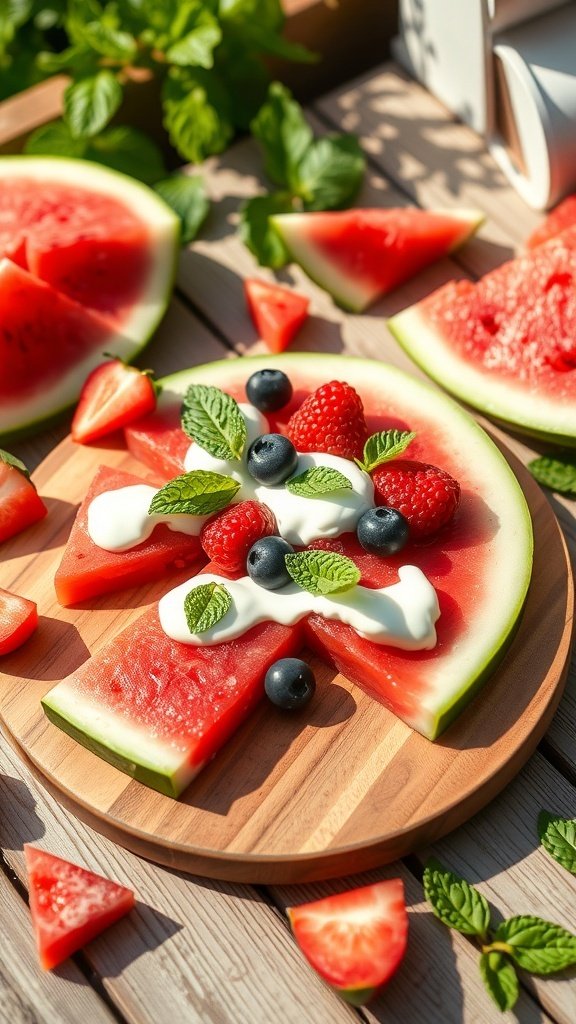
.50 each versus – retail. Overnight oats can be under

FAQ

What makes a quick breakfast healthy and filling?

Aim for a balance of protein, fiber-rich carbohydrates, and healthy fats. Pair foods like Greek yogurt, eggs, oats, whole-grain bread, fruit, nuts, and seeds. This combo supports steady blood sugar, energy, and focus.

How does breakfast improve energy, focus, and metabolism?

A nutrient-dense morning meal stabilizes glucose and helps attention and memory. Protein and fiber slow digestion and reduce blood sugar spikes, supporting mood and late-morning performance.

Can breakfast help with weight management?

Yes. A protein-rich breakfast (about 20–30 g) increases satiety and lowers later snacking. Combine lean proteins with high-fiber carbs and unsaturated fats while keeping added sugars low.

Is skipping breakfast always a bad idea?

It depends. Some adults do well with intermittent fasting. But many people—especially students and active workers—perform better with a balanced morning meal to curb cravings and overeating later.

What are simple time-saving prep tips for busy mornings?

Batch-cook egg muffins, steel-cut oats, and roasted sweet potatoes. Assemble overnight oats or chia pudding the night before. Portion smoothie packs and keep a “breakfast bin” with nut butter, low-sugar granola, and whole-grain bars.

How should I store make-ahead breakfasts safely?

Refrigerate cooked foods within two hours in shallow containers. Keep the fridge at or below 40°F and the freezer at 0°F. Most egg dishes and grains last 3–4 days refrigerated. Reheat to 165°F for safety.

What macronutrient targets work best in the morning?

A practical target is 20–30 g protein, 8–10 g fiber, and a source of unsaturated fat. Choose complex carbs like oats, whole-grain bread, and fruit to sustain energy.

What are quick, protein-packed grab-and-go ideas?

Try Greek yogurt parfaits with berries and almonds, egg muffins or frittata bites, and high-protein smoothies made with whey, soy, or pea protein. Pick low-sugar yogurt options like Siggi’s, Chobani Less Sugar, or Fage.

How can I build a high-fiber breakfast that keeps me full?

Use oats, chia, flax, berries, and whole-grain bread. Overnight oats and chia puddings are fast, while whole-grain toasts with avocado or almond butter add fiber and healthy fats.

What should I order at coffee shops for a healthier start?

Choose options like Starbucks Spinach, Feta & Egg White Wrap, classic oatmeal with nuts, or egg white sandwiches at Panera or Peet’s. Skip oversized pastries and sugary blended drinks.

What convenience store items are smart picks?

Look for hard-boiled eggs, plain Greek yogurt, string cheese, cottage cheese cups, fresh fruit, and whole-grain bars with at least 5 g protein and under 8–10 g added sugar, such as KIND Protein, RXBAR, or CORE Bars.

What should I avoid when time is tight?

Steer clear of frosted donuts, giant pastries, and large syrupy coffee drinks that can deliver 40–60 g added sugar. Watch out for high-sodium breakfast sandwiches and sugary parfaits.

How do I make a five-minute smoothie that actually fills me up?

Use this formula: 1 cup milk or fortified soy milk, 20–25 g protein, 1 tbsp chia or flax, fruit or spinach, and flavor boosters like cinnamon or cocoa. Aim for 350–500 calories and at least 8–10 g fiber.

What are fast no-cook breakfast options?

Try nut butter banana roll-ups on whole-wheat tortillas, cottage cheese bowls with fruit or veggies, plain Greek yogurt, unsweetened kefir like Lifeway, and single-serve nut butters such as Justin’s.

How can I stock freezer-friendly breakfasts?

Prep breakfast burritos with eggs or tofu, beans, and veggies. Freeze whole-grain pancakes or waffles in stacks. Reheat burritos in the microwave, then crisp in a skillet or air fryer; toast pancakes from frozen.

What are good criteria for healthy store-bought bars?

Look for at least 5 g fiber, 8–12 g protein, and no more than 8–10 g added sugar with simple ingredients. Consider RXBAR, KIND Protein, CORE Bars, or select GoMacro bars for vegan options.

What on-the-go breakfasts work for kids and teens?

Offer yogurt parfaits, egg-and-cheese English muffins on whole grains, or peanut butter banana sandwiches. Aim for 10–20 g protein for kids and 20–30 g for teens, plus fruit and dairy or fortified soy milk.

How can I handle allergies for school mornings?

Use sunflower seed butter for nut-free needs. Choose fortified soy yogurt or pea-protein yogurt for dairy-free. Pick certified gluten-free oats and breads. Always follow school allergy policies.

What are portable vegan and gluten-free protein choices?

Try tofu sandwiches, tempeh strips, roasted chickpeas, soy or pea protein shakes, chia puddings with fortified plant milks, and GF wraps or breads with the GFCO seal.

Any tips for reading labels for allergens and added sugars?

Check “Contains” and “May contain” statements. Look for GF certification when needed. Keep added sugars under 10% of daily calories and watch sodium, ideally under 200 mg for bars.

How should I pair coffee with breakfast for steady energy?

Start the day with 8–16 oz water. Enjoy coffee in moderation—up to 400 mg caffeine per day. Choose lattes with dairy or unsweetened plant milk, or Americanos, and pair with protein and fiber.

What are budget-friendly staples for fast breakfasts?

Keep oats, eggs, peanut butter, bananas, frozen berries, whole-wheat tortillas, bulk yogurt tubs, and canned tuna or salmon. Buy store brands at Costco, Sam’s Club, Aldi, or Walmart for savings.

How do I buy in bulk without waste?

Portion large yogurt tubs into jars, cook eggs in batches, freeze ripe bananas and bread, and store nuts and seeds in the freezer to extend freshness. Label dates and rotate oldest first.

Are homemade options cheaper than store-bought?

Often, yes. Homemade egg burritos can cost about

FAQ

What makes a quick breakfast healthy and filling?

Aim for a balance of protein, fiber-rich carbohydrates, and healthy fats. Pair foods like Greek yogurt, eggs, oats, whole-grain bread, fruit, nuts, and seeds. This combo supports steady blood sugar, energy, and focus.

How does breakfast improve energy, focus, and metabolism?

A nutrient-dense morning meal stabilizes glucose and helps attention and memory. Protein and fiber slow digestion and reduce blood sugar spikes, supporting mood and late-morning performance.

Can breakfast help with weight management?

Yes. A protein-rich breakfast (about 20–30 g) increases satiety and lowers later snacking. Combine lean proteins with high-fiber carbs and unsaturated fats while keeping added sugars low.

Is skipping breakfast always a bad idea?

It depends. Some adults do well with intermittent fasting. But many people—especially students and active workers—perform better with a balanced morning meal to curb cravings and overeating later.

What are simple time-saving prep tips for busy mornings?

Batch-cook egg muffins, steel-cut oats, and roasted sweet potatoes. Assemble overnight oats or chia pudding the night before. Portion smoothie packs and keep a “breakfast bin” with nut butter, low-sugar granola, and whole-grain bars.

How should I store make-ahead breakfasts safely?

Refrigerate cooked foods within two hours in shallow containers. Keep the fridge at or below 40°F and the freezer at 0°F. Most egg dishes and grains last 3–4 days refrigerated. Reheat to 165°F for safety.

What macronutrient targets work best in the morning?

A practical target is 20–30 g protein, 8–10 g fiber, and a source of unsaturated fat. Choose complex carbs like oats, whole-grain bread, and fruit to sustain energy.

What are quick, protein-packed grab-and-go ideas?

Try Greek yogurt parfaits with berries and almonds, egg muffins or frittata bites, and high-protein smoothies made with whey, soy, or pea protein. Pick low-sugar yogurt options like Siggi’s, Chobani Less Sugar, or Fage.

How can I build a high-fiber breakfast that keeps me full?

Use oats, chia, flax, berries, and whole-grain bread. Overnight oats and chia puddings are fast, while whole-grain toasts with avocado or almond butter add fiber and healthy fats.

What should I order at coffee shops for a healthier start?

Choose options like Starbucks Spinach, Feta & Egg White Wrap, classic oatmeal with nuts, or egg white sandwiches at Panera or Peet’s. Skip oversized pastries and sugary blended drinks.

What convenience store items are smart picks?

Look for hard-boiled eggs, plain Greek yogurt, string cheese, cottage cheese cups, fresh fruit, and whole-grain bars with at least 5 g protein and under 8–10 g added sugar, such as KIND Protein, RXBAR, or CORE Bars.

What should I avoid when time is tight?

Steer clear of frosted donuts, giant pastries, and large syrupy coffee drinks that can deliver 40–60 g added sugar. Watch out for high-sodium breakfast sandwiches and sugary parfaits.

How do I make a five-minute smoothie that actually fills me up?

Use this formula: 1 cup milk or fortified soy milk, 20–25 g protein, 1 tbsp chia or flax, fruit or spinach, and flavor boosters like cinnamon or cocoa. Aim for 350–500 calories and at least 8–10 g fiber.

What are fast no-cook breakfast options?

Try nut butter banana roll-ups on whole-wheat tortillas, cottage cheese bowls with fruit or veggies, plain Greek yogurt, unsweetened kefir like Lifeway, and single-serve nut butters such as Justin’s.

How can I stock freezer-friendly breakfasts?

Prep breakfast burritos with eggs or tofu, beans, and veggies. Freeze whole-grain pancakes or waffles in stacks. Reheat burritos in the microwave, then crisp in a skillet or air fryer; toast pancakes from frozen.

What are good criteria for healthy store-bought bars?

Look for at least 5 g fiber, 8–12 g protein, and no more than 8–10 g added sugar with simple ingredients. Consider RXBAR, KIND Protein, CORE Bars, or select GoMacro bars for vegan options.

What on-the-go breakfasts work for kids and teens?

Offer yogurt parfaits, egg-and-cheese English muffins on whole grains, or peanut butter banana sandwiches. Aim for 10–20 g protein for kids and 20–30 g for teens, plus fruit and dairy or fortified soy milk.

How can I handle allergies for school mornings?

Use sunflower seed butter for nut-free needs. Choose fortified soy yogurt or pea-protein yogurt for dairy-free. Pick certified gluten-free oats and breads. Always follow school allergy policies.

What are portable vegan and gluten-free protein choices?

Try tofu sandwiches, tempeh strips, roasted chickpeas, soy or pea protein shakes, chia puddings with fortified plant milks, and GF wraps or breads with the GFCO seal.

Any tips for reading labels for allergens and added sugars?

Check “Contains” and “May contain” statements. Look for GF certification when needed. Keep added sugars under 10% of daily calories and watch sodium, ideally under 200 mg for bars.

How should I pair coffee with breakfast for steady energy?

Start the day with 8–16 oz water. Enjoy coffee in moderation—up to 400 mg caffeine per day. Choose lattes with dairy or unsweetened plant milk, or Americanos, and pair with protein and fiber.

What are budget-friendly staples for fast breakfasts?

Keep oats, eggs, peanut butter, bananas, frozen berries, whole-wheat tortillas, bulk yogurt tubs, and canned tuna or salmon. Buy store brands at Costco, Sam’s Club, Aldi, or Walmart for savings.

How do I buy in bulk without waste?

Portion large yogurt tubs into jars, cook eggs in batches, freeze ripe bananas and bread, and store nuts and seeds in the freezer to extend freshness. Label dates and rotate oldest first.

Are homemade options cheaper than store-bought?

Often, yes. Homemade egg burritos can cost about $1–$1.50 each versus $3–$5 retail. Overnight oats can be under $0.75 per serving. Blending your own protein shakes beats bottled shakes on price.

What are some quick commuter-friendly combos?

Try Greek yogurt with low-sugar granola, berries, and almonds; whole-grain wraps with scrambled eggs, spinach, and salsa; or chia pudding with soy milk and peanut butter.

Which brands of whole-grain bread are good choices?

Look for options with at least 3 g fiber per slice, such as Ezekiel and Dave’s Killer Bread 21 Whole Grains & Seeds. Check for minimal added sugars and recognizable ingredients.

How can I keep smoothies satisfying without added sugar?

Use fruit, cinnamon, vanilla, or cocoa for flavor. Add chia, flax, oats, or nut butter for fiber and fats. Choose soy or pea protein for a complete amino acid profile if dairy-free.

What are safe reheating methods for meal-prepped breakfasts?

Reheat leftovers to an internal temperature of 165°F. For best texture, microwave to warm, then crisp burritos in a skillet or air fryer. Toast frozen pancakes or waffles directly from the freezer.

How much fiber should breakfast provide?

Aim for 8–10 g at breakfast. Use oats, chia, flax, berries, and high-fiber bread to reach daily goals of about 25 g for women and 38 g for men.

What are examples of low-sugar, high-protein yogurts?

Consider Siggi’s, Chobani Less Sugar, and Fage. Choose plain or lightly sweetened options with 15–20 g protein per serving and under 8 g added sugar.

FAQ

What makes a quick breakfast healthy and filling?

Aim for a balance of protein, fiber-rich carbohydrates, and healthy fats. Pair foods like Greek yogurt, eggs, oats, whole-grain bread, fruit, nuts, and seeds. This combo supports steady blood sugar, energy, and focus.

How does breakfast improve energy, focus, and metabolism?

A nutrient-dense morning meal stabilizes glucose and helps attention and memory. Protein and fiber slow digestion and reduce blood sugar spikes, supporting mood and late-morning performance.

Can breakfast help with weight management?

Yes. A protein-rich breakfast (about 20–30 g) increases satiety and lowers later snacking. Combine lean proteins with high-fiber carbs and unsaturated fats while keeping added sugars low.

Is skipping breakfast always a bad idea?

It depends. Some adults do well with intermittent fasting. But many people—especially students and active workers—perform better with a balanced morning meal to curb cravings and overeating later.

What are simple time-saving prep tips for busy mornings?

Batch-cook egg muffins, steel-cut oats, and roasted sweet potatoes. Assemble overnight oats or chia pudding the night before. Portion smoothie packs and keep a “breakfast bin” with nut butter, low-sugar granola, and whole-grain bars.

How should I store make-ahead breakfasts safely?

Refrigerate cooked foods within two hours in shallow containers. Keep the fridge at or below 40°F and the freezer at 0°F. Most egg dishes and grains last 3–4 days refrigerated. Reheat to 165°F for safety.

What macronutrient targets work best in the morning?

A practical target is 20–30 g protein, 8–10 g fiber, and a source of unsaturated fat. Choose complex carbs like oats, whole-grain bread, and fruit to sustain energy.

What are quick, protein-packed grab-and-go ideas?

Try Greek yogurt parfaits with berries and almonds, egg muffins or frittata bites, and high-protein smoothies made with whey, soy, or pea protein. Pick low-sugar yogurt options like Siggi’s, Chobani Less Sugar, or Fage.

How can I build a high-fiber breakfast that keeps me full?

Use oats, chia, flax, berries, and whole-grain bread. Overnight oats and chia puddings are fast, while whole-grain toasts with avocado or almond butter add fiber and healthy fats.

What should I order at coffee shops for a healthier start?

Choose options like Starbucks Spinach, Feta & Egg White Wrap, classic oatmeal with nuts, or egg white sandwiches at Panera or Peet’s. Skip oversized pastries and sugary blended drinks.

What convenience store items are smart picks?

Look for hard-boiled eggs, plain Greek yogurt, string cheese, cottage cheese cups, fresh fruit, and whole-grain bars with at least 5 g protein and under 8–10 g added sugar, such as KIND Protein, RXBAR, or CORE Bars.

What should I avoid when time is tight?

Steer clear of frosted donuts, giant pastries, and large syrupy coffee drinks that can deliver 40–60 g added sugar. Watch out for high-sodium breakfast sandwiches and sugary parfaits.

How do I make a five-minute smoothie that actually fills me up?

Use this formula: 1 cup milk or fortified soy milk, 20–25 g protein, 1 tbsp chia or flax, fruit or spinach, and flavor boosters like cinnamon or cocoa. Aim for 350–500 calories and at least 8–10 g fiber.

What are fast no-cook breakfast options?

Try nut butter banana roll-ups on whole-wheat tortillas, cottage cheese bowls with fruit or veggies, plain Greek yogurt, unsweetened kefir like Lifeway, and single-serve nut butters such as Justin’s.

How can I stock freezer-friendly breakfasts?

Prep breakfast burritos with eggs or tofu, beans, and veggies. Freeze whole-grain pancakes or waffles in stacks. Reheat burritos in the microwave, then crisp in a skillet or air fryer; toast pancakes from frozen.

What are good criteria for healthy store-bought bars?

Look for at least 5 g fiber, 8–12 g protein, and no more than 8–10 g added sugar with simple ingredients. Consider RXBAR, KIND Protein, CORE Bars, or select GoMacro bars for vegan options.

What on-the-go breakfasts work for kids and teens?

Offer yogurt parfaits, egg-and-cheese English muffins on whole grains, or peanut butter banana sandwiches. Aim for 10–20 g protein for kids and 20–30 g for teens, plus fruit and dairy or fortified soy milk.

How can I handle allergies for school mornings?

Use sunflower seed butter for nut-free needs. Choose fortified soy yogurt or pea-protein yogurt for dairy-free. Pick certified gluten-free oats and breads. Always follow school allergy policies.

What are portable vegan and gluten-free protein choices?

Try tofu sandwiches, tempeh strips, roasted chickpeas, soy or pea protein shakes, chia puddings with fortified plant milks, and GF wraps or breads with the GFCO seal.

Any tips for reading labels for allergens and added sugars?

Check “Contains” and “May contain” statements. Look for GF certification when needed. Keep added sugars under 10% of daily calories and watch sodium, ideally under 200 mg for bars.

How should I pair coffee with breakfast for steady energy?

Start the day with 8–16 oz water. Enjoy coffee in moderation—up to 400 mg caffeine per day. Choose lattes with dairy or unsweetened plant milk, or Americanos, and pair with protein and fiber.

What are budget-friendly staples for fast breakfasts?

Keep oats, eggs, peanut butter, bananas, frozen berries, whole-wheat tortillas, bulk yogurt tubs, and canned tuna or salmon. Buy store brands at Costco, Sam’s Club, Aldi, or Walmart for savings.

How do I buy in bulk without waste?

Portion large yogurt tubs into jars, cook eggs in batches, freeze ripe bananas and bread, and store nuts and seeds in the freezer to extend freshness. Label dates and rotate oldest first.

Are homemade options cheaper than store-bought?

Often, yes. Homemade egg burritos can cost about $1–$1.50 each versus $3–$5 retail. Overnight oats can be under $0.75 per serving. Blending your own protein shakes beats bottled shakes on price.

What are some quick commuter-friendly combos?

Try Greek yogurt with low-sugar granola, berries, and almonds; whole-grain wraps with scrambled eggs, spinach, and salsa; or chia pudding with soy milk and peanut butter.

Which brands of whole-grain bread are good choices?

Look for options with at least 3 g fiber per slice, such as Ezekiel and Dave’s Killer Bread 21 Whole Grains & Seeds. Check for minimal added sugars and recognizable ingredients.

How can I keep smoothies satisfying without added sugar?

Use fruit, cinnamon, vanilla, or cocoa for flavor. Add chia, flax, oats, or nut butter for fiber and fats. Choose soy or pea protein for a complete amino acid profile if dairy-free.

What are safe reheating methods for meal-prepped breakfasts?

Reheat leftovers to an internal temperature of 165°F. For best texture, microwave to warm, then crisp burritos in a skillet or air fryer. Toast frozen pancakes or waffles directly from the freezer.

How much fiber should breakfast provide?

Aim for 8–10 g at breakfast. Use oats, chia, flax, berries, and high-fiber bread to reach daily goals of about 25 g for women and 38 g for men.

What are examples of low-sugar, high-protein yogurts?

Consider Siggi’s, Chobani Less Sugar, and Fage. Choose plain or lightly sweetened options with 15–20 g protein per serving and under 8 g added sugar.

.50 each versus – retail. Overnight oats can be under

FAQ

What makes a quick breakfast healthy and filling?

Aim for a balance of protein, fiber-rich carbohydrates, and healthy fats. Pair foods like Greek yogurt, eggs, oats, whole-grain bread, fruit, nuts, and seeds. This combo supports steady blood sugar, energy, and focus.

How does breakfast improve energy, focus, and metabolism?

A nutrient-dense morning meal stabilizes glucose and helps attention and memory. Protein and fiber slow digestion and reduce blood sugar spikes, supporting mood and late-morning performance.

Can breakfast help with weight management?

Yes. A protein-rich breakfast (about 20–30 g) increases satiety and lowers later snacking. Combine lean proteins with high-fiber carbs and unsaturated fats while keeping added sugars low.

Is skipping breakfast always a bad idea?

It depends. Some adults do well with intermittent fasting. But many people—especially students and active workers—perform better with a balanced morning meal to curb cravings and overeating later.

What are simple time-saving prep tips for busy mornings?

Batch-cook egg muffins, steel-cut oats, and roasted sweet potatoes. Assemble overnight oats or chia pudding the night before. Portion smoothie packs and keep a “breakfast bin” with nut butter, low-sugar granola, and whole-grain bars.

How should I store make-ahead breakfasts safely?

Refrigerate cooked foods within two hours in shallow containers. Keep the fridge at or below 40°F and the freezer at 0°F. Most egg dishes and grains last 3–4 days refrigerated. Reheat to 165°F for safety.

What macronutrient targets work best in the morning?

A practical target is 20–30 g protein, 8–10 g fiber, and a source of unsaturated fat. Choose complex carbs like oats, whole-grain bread, and fruit to sustain energy.

What are quick, protein-packed grab-and-go ideas?

Try Greek yogurt parfaits with berries and almonds, egg muffins or frittata bites, and high-protein smoothies made with whey, soy, or pea protein. Pick low-sugar yogurt options like Siggi’s, Chobani Less Sugar, or Fage.

How can I build a high-fiber breakfast that keeps me full?

Use oats, chia, flax, berries, and whole-grain bread. Overnight oats and chia puddings are fast, while whole-grain toasts with avocado or almond butter add fiber and healthy fats.

What should I order at coffee shops for a healthier start?

Choose options like Starbucks Spinach, Feta & Egg White Wrap, classic oatmeal with nuts, or egg white sandwiches at Panera or Peet’s. Skip oversized pastries and sugary blended drinks.

What convenience store items are smart picks?

Look for hard-boiled eggs, plain Greek yogurt, string cheese, cottage cheese cups, fresh fruit, and whole-grain bars with at least 5 g protein and under 8–10 g added sugar, such as KIND Protein, RXBAR, or CORE Bars.

What should I avoid when time is tight?

Steer clear of frosted donuts, giant pastries, and large syrupy coffee drinks that can deliver 40–60 g added sugar. Watch out for high-sodium breakfast sandwiches and sugary parfaits.

How do I make a five-minute smoothie that actually fills me up?

Use this formula: 1 cup milk or fortified soy milk, 20–25 g protein, 1 tbsp chia or flax, fruit or spinach, and flavor boosters like cinnamon or cocoa. Aim for 350–500 calories and at least 8–10 g fiber.

What are fast no-cook breakfast options?

Try nut butter banana roll-ups on whole-wheat tortillas, cottage cheese bowls with fruit or veggies, plain Greek yogurt, unsweetened kefir like Lifeway, and single-serve nut butters such as Justin’s.

How can I stock freezer-friendly breakfasts?

Prep breakfast burritos with eggs or tofu, beans, and veggies. Freeze whole-grain pancakes or waffles in stacks. Reheat burritos in the microwave, then crisp in a skillet or air fryer; toast pancakes from frozen.

What are good criteria for healthy store-bought bars?

Look for at least 5 g fiber, 8–12 g protein, and no more than 8–10 g added sugar with simple ingredients. Consider RXBAR, KIND Protein, CORE Bars, or select GoMacro bars for vegan options.

What on-the-go breakfasts work for kids and teens?

Offer yogurt parfaits, egg-and-cheese English muffins on whole grains, or peanut butter banana sandwiches. Aim for 10–20 g protein for kids and 20–30 g for teens, plus fruit and dairy or fortified soy milk.

How can I handle allergies for school mornings?

Use sunflower seed butter for nut-free needs. Choose fortified soy yogurt or pea-protein yogurt for dairy-free. Pick certified gluten-free oats and breads. Always follow school allergy policies.

What are portable vegan and gluten-free protein choices?

Try tofu sandwiches, tempeh strips, roasted chickpeas, soy or pea protein shakes, chia puddings with fortified plant milks, and GF wraps or breads with the GFCO seal.

Any tips for reading labels for allergens and added sugars?

Check “Contains” and “May contain” statements. Look for GF certification when needed. Keep added sugars under 10% of daily calories and watch sodium, ideally under 200 mg for bars.

How should I pair coffee with breakfast for steady energy?

Start the day with 8–16 oz water. Enjoy coffee in moderation—up to 400 mg caffeine per day. Choose lattes with dairy or unsweetened plant milk, or Americanos, and pair with protein and fiber.

What are budget-friendly staples for fast breakfasts?

Keep oats, eggs, peanut butter, bananas, frozen berries, whole-wheat tortillas, bulk yogurt tubs, and canned tuna or salmon. Buy store brands at Costco, Sam’s Club, Aldi, or Walmart for savings.

How do I buy in bulk without waste?

Portion large yogurt tubs into jars, cook eggs in batches, freeze ripe bananas and bread, and store nuts and seeds in the freezer to extend freshness. Label dates and rotate oldest first.

Are homemade options cheaper than store-bought?

Often, yes. Homemade egg burritos can cost about $1–$1.50 each versus $3–$5 retail. Overnight oats can be under $0.75 per serving. Blending your own protein shakes beats bottled shakes on price.

What are some quick commuter-friendly combos?

Try Greek yogurt with low-sugar granola, berries, and almonds; whole-grain wraps with scrambled eggs, spinach, and salsa; or chia pudding with soy milk and peanut butter.

Which brands of whole-grain bread are good choices?

Look for options with at least 3 g fiber per slice, such as Ezekiel and Dave’s Killer Bread 21 Whole Grains & Seeds. Check for minimal added sugars and recognizable ingredients.

How can I keep smoothies satisfying without added sugar?

Use fruit, cinnamon, vanilla, or cocoa for flavor. Add chia, flax, oats, or nut butter for fiber and fats. Choose soy or pea protein for a complete amino acid profile if dairy-free.

What are safe reheating methods for meal-prepped breakfasts?

Reheat leftovers to an internal temperature of 165°F. For best texture, microwave to warm, then crisp burritos in a skillet or air fryer. Toast frozen pancakes or waffles directly from the freezer.

How much fiber should breakfast provide?

Aim for 8–10 g at breakfast. Use oats, chia, flax, berries, and high-fiber bread to reach daily goals of about 25 g for women and 38 g for men.

What are examples of low-sugar, high-protein yogurts?

Consider Siggi’s, Chobani Less Sugar, and Fage. Choose plain or lightly sweetened options with 15–20 g protein per serving and under 8 g added sugar.

.75 per serving. Blending your own protein shakes beats bottled shakes on price.What are some quick commuter-friendly combos?Try Greek yogurt with low-sugar granola, berries, and almonds; whole-grain wraps with scrambled eggs, spinach, and salsa; or chia pudding with soy milk and peanut butter.Which brands of whole-grain bread are good choices?Look for options with at least 3 g fiber per slice, such as Ezekiel and Dave’s Killer Bread 21 Whole Grains & Seeds. Check for minimal added sugars and recognizable ingredients.How can I keep smoothies satisfying without added sugar?Use fruit, cinnamon, vanilla, or cocoa for flavor. Add chia, flax, oats, or nut butter for fiber and fats. Choose soy or pea protein for a complete amino acid profile if dairy-free.What are safe reheating methods for meal-prepped breakfasts?Reheat leftovers to an internal temperature of 165°F. For best texture, microwave to warm, then crisp burritos in a skillet or air fryer. Toast frozen pancakes or waffles directly from the freezer.How much fiber should breakfast provide?Aim for 8–10 g at breakfast. Use oats, chia, flax, berries, and high-fiber bread to reach daily goals of about 25 g for women and 38 g for men.What are examples of low-sugar, high-protein yogurts?Consider Siggi’s, Chobani Less Sugar, and Fage. Choose plain or lightly sweetened options with 15–20 g protein per serving and under 8 g added sugar.–What makes a quick breakfast healthy and filling?Aim for a balance of protein, fiber-rich carbohydrates, and healthy fats. Pair foods like Greek yogurt, eggs, oats, whole-grain bread, fruit, nuts, and seeds. This combo supports steady blood sugar, energy, and focus.How does breakfast improve energy, focus, and metabolism?A nutrient-dense morning meal stabilizes glucose and helps attention and memory. Protein and fiber slow digestion and reduce blood sugar spikes, supporting mood and late-morning performance.Can breakfast help with weight management?Yes. A protein-rich breakfast (about 20–30 g) increases satiety and lowers later snacking. Combine lean proteins with high-fiber carbs and unsaturated fats while keeping added sugars low.Is skipping breakfast always a bad idea?It depends. Some adults do well with intermittent fasting. But many people—especially students and active workers—perform better with a balanced morning meal to curb cravings and overeating later.What are simple time-saving prep tips for busy mornings?Batch-cook egg muffins, steel-cut oats, and roasted sweet potatoes. Assemble overnight oats or chia pudding the night before. Portion smoothie packs and keep a “breakfast bin” with nut butter, low-sugar granola, and whole-grain bars.How should I store make-ahead breakfasts safely?Refrigerate cooked foods within two hours in shallow containers. Keep the fridge at or below 40°F and the freezer at 0°F. Most egg dishes and grains last 3–4 days refrigerated. Reheat to 165°F for safety.What macronutrient targets work best in the morning?A practical target is 20–30 g protein, 8–10 g fiber, and a source of unsaturated fat. Choose complex carbs like oats, whole-grain bread, and fruit to sustain energy.What are quick, protein-packed grab-and-go ideas?Try Greek yogurt parfaits with berries and almonds, egg muffins or frittata bites, and high-protein smoothies made with whey, soy, or pea protein. Pick low-sugar yogurt options like Siggi’s, Chobani Less Sugar, or Fage.How can I build a high-fiber breakfast that keeps me full?Use oats, chia, flax, berries, and whole-grain bread. Overnight oats and chia puddings are fast, while whole-grain toasts with avocado or almond butter add fiber and healthy fats.What should I order at coffee shops for a healthier start?Choose options like Starbucks Spinach, Feta & Egg White Wrap, classic oatmeal with nuts, or egg white sandwiches at Panera or Peet’s. Skip oversized pastries and sugary blended drinks.What convenience store items are smart picks?Look for hard-boiled eggs, plain Greek yogurt, string cheese, cottage cheese cups, fresh fruit, and whole-grain bars with at least 5 g protein and under 8–10 g added sugar, such as KIND Protein, RXBAR, or CORE Bars.What should I avoid when time is tight?Steer clear of frosted donuts, giant pastries, and large syrupy coffee drinks that can deliver 40–60 g added sugar. Watch out for high-sodium breakfast sandwiches and sugary parfaits.How do I make a five-minute smoothie that actually fills me up?Use this formula: 1 cup milk or fortified soy milk, 20–25 g protein, 1 tbsp chia or flax, fruit or spinach, and flavor boosters like cinnamon or cocoa. Aim for 350–500 calories and at least 8–10 g fiber.What are fast no-cook breakfast options?Try nut butter banana roll-ups on whole-wheat tortillas, cottage cheese bowls with fruit or veggies, plain Greek yogurt, unsweetened kefir like Lifeway, and single-serve nut butters such as Justin’s.How can I stock freezer-friendly breakfasts?Prep breakfast burritos with eggs or tofu, beans, and veggies. Freeze whole-grain pancakes or waffles in stacks. Reheat burritos in the microwave, then crisp in a skillet or air fryer; toast pancakes from frozen.What are good criteria for healthy store-bought bars?Look for at least 5 g fiber, 8–12 g protein, and no more than 8–10 g added sugar with simple ingredients. Consider RXBAR, KIND Protein, CORE Bars, or select GoMacro bars for vegan options.What on-the-go breakfasts work for kids and teens?Offer yogurt parfaits, egg-and-cheese English muffins on whole grains, or peanut butter banana sandwiches. Aim for 10–20 g protein for kids and 20–30 g for teens, plus fruit and dairy or fortified soy milk.How can I handle allergies for school mornings?Use sunflower seed butter for nut-free needs. Choose fortified soy yogurt or pea-protein yogurt for dairy-free. Pick certified gluten-free oats and breads. Always follow school allergy policies.What are portable vegan and gluten-free protein choices?Try tofu sandwiches, tempeh strips, roasted chickpeas, soy or pea protein shakes, chia puddings with fortified plant milks, and GF wraps or breads with the GFCO seal.Any tips for reading labels for allergens and added sugars?Check “Contains” and “May contain” statements. Look for GF certification when needed. Keep added sugars under 10% of daily calories and watch sodium, ideally under 200 mg for bars.How should I pair coffee with breakfast for steady energy?Start the day with 8–16 oz water. Enjoy coffee in moderation—up to 400 mg caffeine per day. Choose lattes with dairy or unsweetened plant milk, or Americanos, and pair with protein and fiber.What are budget-friendly staples for fast breakfasts?Keep oats, eggs, peanut butter, bananas, frozen berries, whole-wheat tortillas, bulk yogurt tubs, and canned tuna or salmon. Buy store brands at Costco, Sam’s Club, Aldi, or Walmart for savings.How do I buy in bulk without waste?Portion large yogurt tubs into jars, cook eggs in batches, freeze ripe bananas and bread, and store nuts and seeds in the freezer to extend freshness. Label dates and rotate oldest first.Are homemade options cheaper than store-bought?Often, yes. Homemade egg burritos can cost about

FAQ

What makes a quick breakfast healthy and filling?

Aim for a balance of protein, fiber-rich carbohydrates, and healthy fats. Pair foods like Greek yogurt, eggs, oats, whole-grain bread, fruit, nuts, and seeds. This combo supports steady blood sugar, energy, and focus.

How does breakfast improve energy, focus, and metabolism?

A nutrient-dense morning meal stabilizes glucose and helps attention and memory. Protein and fiber slow digestion and reduce blood sugar spikes, supporting mood and late-morning performance.

Can breakfast help with weight management?

Yes. A protein-rich breakfast (about 20–30 g) increases satiety and lowers later snacking. Combine lean proteins with high-fiber carbs and unsaturated fats while keeping added sugars low.

Is skipping breakfast always a bad idea?

It depends. Some adults do well with intermittent fasting. But many people—especially students and active workers—perform better with a balanced morning meal to curb cravings and overeating later.

What are simple time-saving prep tips for busy mornings?

Batch-cook egg muffins, steel-cut oats, and roasted sweet potatoes. Assemble overnight oats or chia pudding the night before. Portion smoothie packs and keep a “breakfast bin” with nut butter, low-sugar granola, and whole-grain bars.

How should I store make-ahead breakfasts safely?

Refrigerate cooked foods within two hours in shallow containers. Keep the fridge at or below 40°F and the freezer at 0°F. Most egg dishes and grains last 3–4 days refrigerated. Reheat to 165°F for safety.

What macronutrient targets work best in the morning?

A practical target is 20–30 g protein, 8–10 g fiber, and a source of unsaturated fat. Choose complex carbs like oats, whole-grain bread, and fruit to sustain energy.

What are quick, protein-packed grab-and-go ideas?

Try Greek yogurt parfaits with berries and almonds, egg muffins or frittata bites, and high-protein smoothies made with whey, soy, or pea protein. Pick low-sugar yogurt options like Siggi’s, Chobani Less Sugar, or Fage.

How can I build a high-fiber breakfast that keeps me full?

Use oats, chia, flax, berries, and whole-grain bread. Overnight oats and chia puddings are fast, while whole-grain toasts with avocado or almond butter add fiber and healthy fats.

What should I order at coffee shops for a healthier start?

Choose options like Starbucks Spinach, Feta & Egg White Wrap, classic oatmeal with nuts, or egg white sandwiches at Panera or Peet’s. Skip oversized pastries and sugary blended drinks.

What convenience store items are smart picks?

Look for hard-boiled eggs, plain Greek yogurt, string cheese, cottage cheese cups, fresh fruit, and whole-grain bars with at least 5 g protein and under 8–10 g added sugar, such as KIND Protein, RXBAR, or CORE Bars.

What should I avoid when time is tight?

Steer clear of frosted donuts, giant pastries, and large syrupy coffee drinks that can deliver 40–60 g added sugar. Watch out for high-sodium breakfast sandwiches and sugary parfaits.

How do I make a five-minute smoothie that actually fills me up?

Use this formula: 1 cup milk or fortified soy milk, 20–25 g protein, 1 tbsp chia or flax, fruit or spinach, and flavor boosters like cinnamon or cocoa. Aim for 350–500 calories and at least 8–10 g fiber.

What are fast no-cook breakfast options?

Try nut butter banana roll-ups on whole-wheat tortillas, cottage cheese bowls with fruit or veggies, plain Greek yogurt, unsweetened kefir like Lifeway, and single-serve nut butters such as Justin’s.

How can I stock freezer-friendly breakfasts?

Prep breakfast burritos with eggs or tofu, beans, and veggies. Freeze whole-grain pancakes or waffles in stacks. Reheat burritos in the microwave, then crisp in a skillet or air fryer; toast pancakes from frozen.

What are good criteria for healthy store-bought bars?

Look for at least 5 g fiber, 8–12 g protein, and no more than 8–10 g added sugar with simple ingredients. Consider RXBAR, KIND Protein, CORE Bars, or select GoMacro bars for vegan options.

What on-the-go breakfasts work for kids and teens?

Offer yogurt parfaits, egg-and-cheese English muffins on whole grains, or peanut butter banana sandwiches. Aim for 10–20 g protein for kids and 20–30 g for teens, plus fruit and dairy or fortified soy milk.

How can I handle allergies for school mornings?

Use sunflower seed butter for nut-free needs. Choose fortified soy yogurt or pea-protein yogurt for dairy-free. Pick certified gluten-free oats and breads. Always follow school allergy policies.

What are portable vegan and gluten-free protein choices?

Try tofu sandwiches, tempeh strips, roasted chickpeas, soy or pea protein shakes, chia puddings with fortified plant milks, and GF wraps or breads with the GFCO seal.

Any tips for reading labels for allergens and added sugars?

Check “Contains” and “May contain” statements. Look for GF certification when needed. Keep added sugars under 10% of daily calories and watch sodium, ideally under 200 mg for bars.

How should I pair coffee with breakfast for steady energy?

Start the day with 8–16 oz water. Enjoy coffee in moderation—up to 400 mg caffeine per day. Choose lattes with dairy or unsweetened plant milk, or Americanos, and pair with protein and fiber.

What are budget-friendly staples for fast breakfasts?

Keep oats, eggs, peanut butter, bananas, frozen berries, whole-wheat tortillas, bulk yogurt tubs, and canned tuna or salmon. Buy store brands at Costco, Sam’s Club, Aldi, or Walmart for savings.

How do I buy in bulk without waste?

Portion large yogurt tubs into jars, cook eggs in batches, freeze ripe bananas and bread, and store nuts and seeds in the freezer to extend freshness. Label dates and rotate oldest first.

Are homemade options cheaper than store-bought?

Often, yes. Homemade egg burritos can cost about

FAQ

What makes a quick breakfast healthy and filling?

Aim for a balance of protein, fiber-rich carbohydrates, and healthy fats. Pair foods like Greek yogurt, eggs, oats, whole-grain bread, fruit, nuts, and seeds. This combo supports steady blood sugar, energy, and focus.

How does breakfast improve energy, focus, and metabolism?

A nutrient-dense morning meal stabilizes glucose and helps attention and memory. Protein and fiber slow digestion and reduce blood sugar spikes, supporting mood and late-morning performance.

Can breakfast help with weight management?

Yes. A protein-rich breakfast (about 20–30 g) increases satiety and lowers later snacking. Combine lean proteins with high-fiber carbs and unsaturated fats while keeping added sugars low.

Is skipping breakfast always a bad idea?

It depends. Some adults do well with intermittent fasting. But many people—especially students and active workers—perform better with a balanced morning meal to curb cravings and overeating later.

What are simple time-saving prep tips for busy mornings?

Batch-cook egg muffins, steel-cut oats, and roasted sweet potatoes. Assemble overnight oats or chia pudding the night before. Portion smoothie packs and keep a “breakfast bin” with nut butter, low-sugar granola, and whole-grain bars.

How should I store make-ahead breakfasts safely?

Refrigerate cooked foods within two hours in shallow containers. Keep the fridge at or below 40°F and the freezer at 0°F. Most egg dishes and grains last 3–4 days refrigerated. Reheat to 165°F for safety.

What macronutrient targets work best in the morning?

A practical target is 20–30 g protein, 8–10 g fiber, and a source of unsaturated fat. Choose complex carbs like oats, whole-grain bread, and fruit to sustain energy.

What are quick, protein-packed grab-and-go ideas?

Try Greek yogurt parfaits with berries and almonds, egg muffins or frittata bites, and high-protein smoothies made with whey, soy, or pea protein. Pick low-sugar yogurt options like Siggi’s, Chobani Less Sugar, or Fage.

How can I build a high-fiber breakfast that keeps me full?

Use oats, chia, flax, berries, and whole-grain bread. Overnight oats and chia puddings are fast, while whole-grain toasts with avocado or almond butter add fiber and healthy fats.

What should I order at coffee shops for a healthier start?

Choose options like Starbucks Spinach, Feta & Egg White Wrap, classic oatmeal with nuts, or egg white sandwiches at Panera or Peet’s. Skip oversized pastries and sugary blended drinks.

What convenience store items are smart picks?

Look for hard-boiled eggs, plain Greek yogurt, string cheese, cottage cheese cups, fresh fruit, and whole-grain bars with at least 5 g protein and under 8–10 g added sugar, such as KIND Protein, RXBAR, or CORE Bars.

What should I avoid when time is tight?

Steer clear of frosted donuts, giant pastries, and large syrupy coffee drinks that can deliver 40–60 g added sugar. Watch out for high-sodium breakfast sandwiches and sugary parfaits.

How do I make a five-minute smoothie that actually fills me up?

Use this formula: 1 cup milk or fortified soy milk, 20–25 g protein, 1 tbsp chia or flax, fruit or spinach, and flavor boosters like cinnamon or cocoa. Aim for 350–500 calories and at least 8–10 g fiber.

What are fast no-cook breakfast options?

Try nut butter banana roll-ups on whole-wheat tortillas, cottage cheese bowls with fruit or veggies, plain Greek yogurt, unsweetened kefir like Lifeway, and single-serve nut butters such as Justin’s.

How can I stock freezer-friendly breakfasts?

Prep breakfast burritos with eggs or tofu, beans, and veggies. Freeze whole-grain pancakes or waffles in stacks. Reheat burritos in the microwave, then crisp in a skillet or air fryer; toast pancakes from frozen.

What are good criteria for healthy store-bought bars?

Look for at least 5 g fiber, 8–12 g protein, and no more than 8–10 g added sugar with simple ingredients. Consider RXBAR, KIND Protein, CORE Bars, or select GoMacro bars for vegan options.

What on-the-go breakfasts work for kids and teens?

Offer yogurt parfaits, egg-and-cheese English muffins on whole grains, or peanut butter banana sandwiches. Aim for 10–20 g protein for kids and 20–30 g for teens, plus fruit and dairy or fortified soy milk.

How can I handle allergies for school mornings?

Use sunflower seed butter for nut-free needs. Choose fortified soy yogurt or pea-protein yogurt for dairy-free. Pick certified gluten-free oats and breads. Always follow school allergy policies.

What are portable vegan and gluten-free protein choices?

Try tofu sandwiches, tempeh strips, roasted chickpeas, soy or pea protein shakes, chia puddings with fortified plant milks, and GF wraps or breads with the GFCO seal.

Any tips for reading labels for allergens and added sugars?

Check “Contains” and “May contain” statements. Look for GF certification when needed. Keep added sugars under 10% of daily calories and watch sodium, ideally under 200 mg for bars.

How should I pair coffee with breakfast for steady energy?

Start the day with 8–16 oz water. Enjoy coffee in moderation—up to 400 mg caffeine per day. Choose lattes with dairy or unsweetened plant milk, or Americanos, and pair with protein and fiber.

What are budget-friendly staples for fast breakfasts?

Keep oats, eggs, peanut butter, bananas, frozen berries, whole-wheat tortillas, bulk yogurt tubs, and canned tuna or salmon. Buy store brands at Costco, Sam’s Club, Aldi, or Walmart for savings.

How do I buy in bulk without waste?

Portion large yogurt tubs into jars, cook eggs in batches, freeze ripe bananas and bread, and store nuts and seeds in the freezer to extend freshness. Label dates and rotate oldest first.

Are homemade options cheaper than store-bought?

Often, yes. Homemade egg burritos can cost about $1–$1.50 each versus $3–$5 retail. Overnight oats can be under $0.75 per serving. Blending your own protein shakes beats bottled shakes on price.

What are some quick commuter-friendly combos?

Try Greek yogurt with low-sugar granola, berries, and almonds; whole-grain wraps with scrambled eggs, spinach, and salsa; or chia pudding with soy milk and peanut butter.

Which brands of whole-grain bread are good choices?

Look for options with at least 3 g fiber per slice, such as Ezekiel and Dave’s Killer Bread 21 Whole Grains & Seeds. Check for minimal added sugars and recognizable ingredients.

How can I keep smoothies satisfying without added sugar?

Use fruit, cinnamon, vanilla, or cocoa for flavor. Add chia, flax, oats, or nut butter for fiber and fats. Choose soy or pea protein for a complete amino acid profile if dairy-free.

What are safe reheating methods for meal-prepped breakfasts?

Reheat leftovers to an internal temperature of 165°F. For best texture, microwave to warm, then crisp burritos in a skillet or air fryer. Toast frozen pancakes or waffles directly from the freezer.

How much fiber should breakfast provide?

Aim for 8–10 g at breakfast. Use oats, chia, flax, berries, and high-fiber bread to reach daily goals of about 25 g for women and 38 g for men.

What are examples of low-sugar, high-protein yogurts?

Consider Siggi’s, Chobani Less Sugar, and Fage. Choose plain or lightly sweetened options with 15–20 g protein per serving and under 8 g added sugar.

FAQ

What makes a quick breakfast healthy and filling?

Aim for a balance of protein, fiber-rich carbohydrates, and healthy fats. Pair foods like Greek yogurt, eggs, oats, whole-grain bread, fruit, nuts, and seeds. This combo supports steady blood sugar, energy, and focus.

How does breakfast improve energy, focus, and metabolism?

A nutrient-dense morning meal stabilizes glucose and helps attention and memory. Protein and fiber slow digestion and reduce blood sugar spikes, supporting mood and late-morning performance.

Can breakfast help with weight management?

Yes. A protein-rich breakfast (about 20–30 g) increases satiety and lowers later snacking. Combine lean proteins with high-fiber carbs and unsaturated fats while keeping added sugars low.

Is skipping breakfast always a bad idea?

It depends. Some adults do well with intermittent fasting. But many people—especially students and active workers—perform better with a balanced morning meal to curb cravings and overeating later.

What are simple time-saving prep tips for busy mornings?

Batch-cook egg muffins, steel-cut oats, and roasted sweet potatoes. Assemble overnight oats or chia pudding the night before. Portion smoothie packs and keep a “breakfast bin” with nut butter, low-sugar granola, and whole-grain bars.

How should I store make-ahead breakfasts safely?

Refrigerate cooked foods within two hours in shallow containers. Keep the fridge at or below 40°F and the freezer at 0°F. Most egg dishes and grains last 3–4 days refrigerated. Reheat to 165°F for safety.

What macronutrient targets work best in the morning?

A practical target is 20–30 g protein, 8–10 g fiber, and a source of unsaturated fat. Choose complex carbs like oats, whole-grain bread, and fruit to sustain energy.

What are quick, protein-packed grab-and-go ideas?

Try Greek yogurt parfaits with berries and almonds, egg muffins or frittata bites, and high-protein smoothies made with whey, soy, or pea protein. Pick low-sugar yogurt options like Siggi’s, Chobani Less Sugar, or Fage.

How can I build a high-fiber breakfast that keeps me full?

Use oats, chia, flax, berries, and whole-grain bread. Overnight oats and chia puddings are fast, while whole-grain toasts with avocado or almond butter add fiber and healthy fats.

What should I order at coffee shops for a healthier start?

Choose options like Starbucks Spinach, Feta & Egg White Wrap, classic oatmeal with nuts, or egg white sandwiches at Panera or Peet’s. Skip oversized pastries and sugary blended drinks.

What convenience store items are smart picks?

Look for hard-boiled eggs, plain Greek yogurt, string cheese, cottage cheese cups, fresh fruit, and whole-grain bars with at least 5 g protein and under 8–10 g added sugar, such as KIND Protein, RXBAR, or CORE Bars.

What should I avoid when time is tight?

Steer clear of frosted donuts, giant pastries, and large syrupy coffee drinks that can deliver 40–60 g added sugar. Watch out for high-sodium breakfast sandwiches and sugary parfaits.

How do I make a five-minute smoothie that actually fills me up?

Use this formula: 1 cup milk or fortified soy milk, 20–25 g protein, 1 tbsp chia or flax, fruit or spinach, and flavor boosters like cinnamon or cocoa. Aim for 350–500 calories and at least 8–10 g fiber.

What are fast no-cook breakfast options?

Try nut butter banana roll-ups on whole-wheat tortillas, cottage cheese bowls with fruit or veggies, plain Greek yogurt, unsweetened kefir like Lifeway, and single-serve nut butters such as Justin’s.

How can I stock freezer-friendly breakfasts?

Prep breakfast burritos with eggs or tofu, beans, and veggies. Freeze whole-grain pancakes or waffles in stacks. Reheat burritos in the microwave, then crisp in a skillet or air fryer; toast pancakes from frozen.

What are good criteria for healthy store-bought bars?

Look for at least 5 g fiber, 8–12 g protein, and no more than 8–10 g added sugar with simple ingredients. Consider RXBAR, KIND Protein, CORE Bars, or select GoMacro bars for vegan options.

What on-the-go breakfasts work for kids and teens?

Offer yogurt parfaits, egg-and-cheese English muffins on whole grains, or peanut butter banana sandwiches. Aim for 10–20 g protein for kids and 20–30 g for teens, plus fruit and dairy or fortified soy milk.

How can I handle allergies for school mornings?

Use sunflower seed butter for nut-free needs. Choose fortified soy yogurt or pea-protein yogurt for dairy-free. Pick certified gluten-free oats and breads. Always follow school allergy policies.

What are portable vegan and gluten-free protein choices?

Try tofu sandwiches, tempeh strips, roasted chickpeas, soy or pea protein shakes, chia puddings with fortified plant milks, and GF wraps or breads with the GFCO seal.

Any tips for reading labels for allergens and added sugars?

Check “Contains” and “May contain” statements. Look for GF certification when needed. Keep added sugars under 10% of daily calories and watch sodium, ideally under 200 mg for bars.

How should I pair coffee with breakfast for steady energy?

Start the day with 8–16 oz water. Enjoy coffee in moderation—up to 400 mg caffeine per day. Choose lattes with dairy or unsweetened plant milk, or Americanos, and pair with protein and fiber.

What are budget-friendly staples for fast breakfasts?

Keep oats, eggs, peanut butter, bananas, frozen berries, whole-wheat tortillas, bulk yogurt tubs, and canned tuna or salmon. Buy store brands at Costco, Sam’s Club, Aldi, or Walmart for savings.

How do I buy in bulk without waste?

Portion large yogurt tubs into jars, cook eggs in batches, freeze ripe bananas and bread, and store nuts and seeds in the freezer to extend freshness. Label dates and rotate oldest first.

Are homemade options cheaper than store-bought?

Often, yes. Homemade egg burritos can cost about $1–$1.50 each versus $3–$5 retail. Overnight oats can be under $0.75 per serving. Blending your own protein shakes beats bottled shakes on price.

What are some quick commuter-friendly combos?

Try Greek yogurt with low-sugar granola, berries, and almonds; whole-grain wraps with scrambled eggs, spinach, and salsa; or chia pudding with soy milk and peanut butter.

Which brands of whole-grain bread are good choices?

Look for options with at least 3 g fiber per slice, such as Ezekiel and Dave’s Killer Bread 21 Whole Grains & Seeds. Check for minimal added sugars and recognizable ingredients.

How can I keep smoothies satisfying without added sugar?

Use fruit, cinnamon, vanilla, or cocoa for flavor. Add chia, flax, oats, or nut butter for fiber and fats. Choose soy or pea protein for a complete amino acid profile if dairy-free.

What are safe reheating methods for meal-prepped breakfasts?

Reheat leftovers to an internal temperature of 165°F. For best texture, microwave to warm, then crisp burritos in a skillet or air fryer. Toast frozen pancakes or waffles directly from the freezer.

How much fiber should breakfast provide?

Aim for 8–10 g at breakfast. Use oats, chia, flax, berries, and high-fiber bread to reach daily goals of about 25 g for women and 38 g for men.

What are examples of low-sugar, high-protein yogurts?

Consider Siggi’s, Chobani Less Sugar, and Fage. Choose plain or lightly sweetened options with 15–20 g protein per serving and under 8 g added sugar.
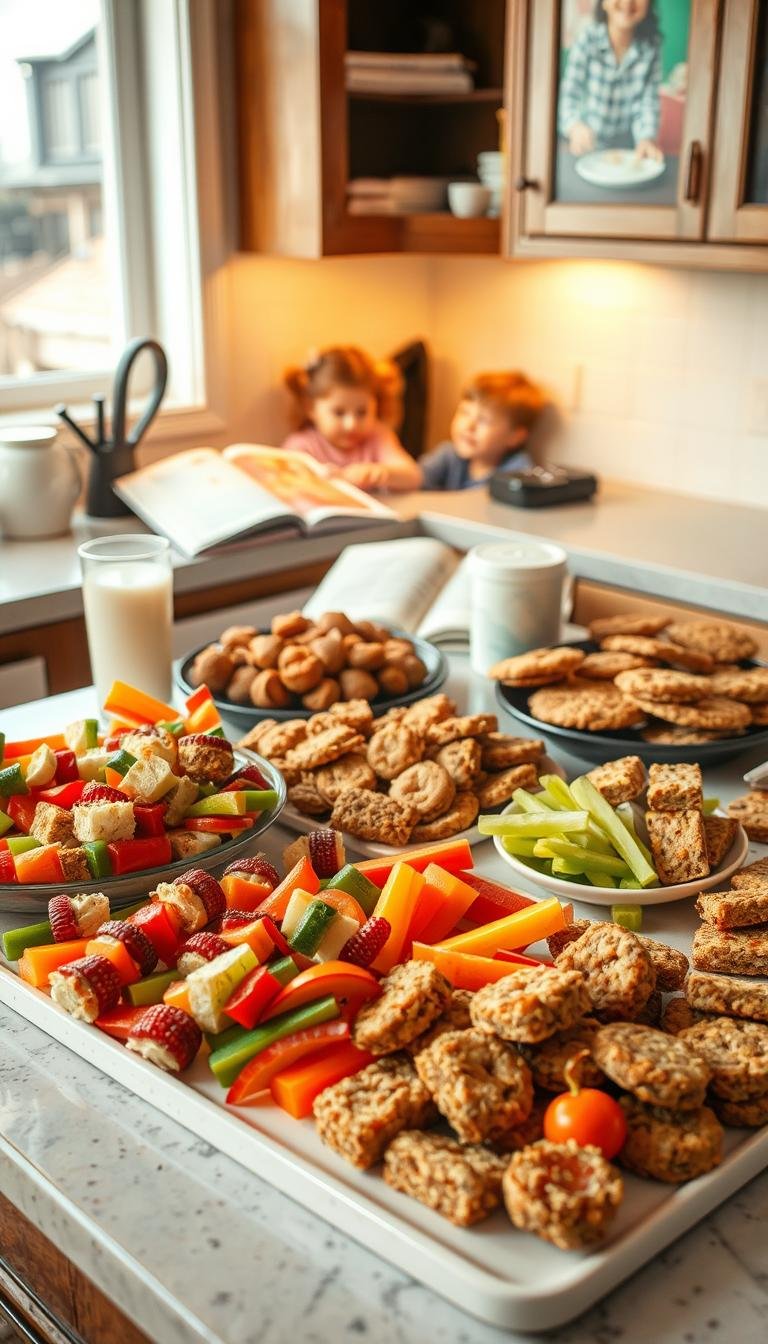
.50 each versus – retail. Overnight oats can be under

FAQ

What makes a quick breakfast healthy and filling?

Aim for a balance of protein, fiber-rich carbohydrates, and healthy fats. Pair foods like Greek yogurt, eggs, oats, whole-grain bread, fruit, nuts, and seeds. This combo supports steady blood sugar, energy, and focus.

How does breakfast improve energy, focus, and metabolism?

A nutrient-dense morning meal stabilizes glucose and helps attention and memory. Protein and fiber slow digestion and reduce blood sugar spikes, supporting mood and late-morning performance.

Can breakfast help with weight management?

Yes. A protein-rich breakfast (about 20–30 g) increases satiety and lowers later snacking. Combine lean proteins with high-fiber carbs and unsaturated fats while keeping added sugars low.

Is skipping breakfast always a bad idea?

It depends. Some adults do well with intermittent fasting. But many people—especially students and active workers—perform better with a balanced morning meal to curb cravings and overeating later.

What are simple time-saving prep tips for busy mornings?

Batch-cook egg muffins, steel-cut oats, and roasted sweet potatoes. Assemble overnight oats or chia pudding the night before. Portion smoothie packs and keep a “breakfast bin” with nut butter, low-sugar granola, and whole-grain bars.

How should I store make-ahead breakfasts safely?

Refrigerate cooked foods within two hours in shallow containers. Keep the fridge at or below 40°F and the freezer at 0°F. Most egg dishes and grains last 3–4 days refrigerated. Reheat to 165°F for safety.

What macronutrient targets work best in the morning?

A practical target is 20–30 g protein, 8–10 g fiber, and a source of unsaturated fat. Choose complex carbs like oats, whole-grain bread, and fruit to sustain energy.

What are quick, protein-packed grab-and-go ideas?

Try Greek yogurt parfaits with berries and almonds, egg muffins or frittata bites, and high-protein smoothies made with whey, soy, or pea protein. Pick low-sugar yogurt options like Siggi’s, Chobani Less Sugar, or Fage.

How can I build a high-fiber breakfast that keeps me full?

Use oats, chia, flax, berries, and whole-grain bread. Overnight oats and chia puddings are fast, while whole-grain toasts with avocado or almond butter add fiber and healthy fats.

What should I order at coffee shops for a healthier start?

Choose options like Starbucks Spinach, Feta & Egg White Wrap, classic oatmeal with nuts, or egg white sandwiches at Panera or Peet’s. Skip oversized pastries and sugary blended drinks.

What convenience store items are smart picks?

Look for hard-boiled eggs, plain Greek yogurt, string cheese, cottage cheese cups, fresh fruit, and whole-grain bars with at least 5 g protein and under 8–10 g added sugar, such as KIND Protein, RXBAR, or CORE Bars.

What should I avoid when time is tight?

Steer clear of frosted donuts, giant pastries, and large syrupy coffee drinks that can deliver 40–60 g added sugar. Watch out for high-sodium breakfast sandwiches and sugary parfaits.

How do I make a five-minute smoothie that actually fills me up?

Use this formula: 1 cup milk or fortified soy milk, 20–25 g protein, 1 tbsp chia or flax, fruit or spinach, and flavor boosters like cinnamon or cocoa. Aim for 350–500 calories and at least 8–10 g fiber.

What are fast no-cook breakfast options?

Try nut butter banana roll-ups on whole-wheat tortillas, cottage cheese bowls with fruit or veggies, plain Greek yogurt, unsweetened kefir like Lifeway, and single-serve nut butters such as Justin’s.

How can I stock freezer-friendly breakfasts?

Prep breakfast burritos with eggs or tofu, beans, and veggies. Freeze whole-grain pancakes or waffles in stacks. Reheat burritos in the microwave, then crisp in a skillet or air fryer; toast pancakes from frozen.

What are good criteria for healthy store-bought bars?

Look for at least 5 g fiber, 8–12 g protein, and no more than 8–10 g added sugar with simple ingredients. Consider RXBAR, KIND Protein, CORE Bars, or select GoMacro bars for vegan options.

What on-the-go breakfasts work for kids and teens?

Offer yogurt parfaits, egg-and-cheese English muffins on whole grains, or peanut butter banana sandwiches. Aim for 10–20 g protein for kids and 20–30 g for teens, plus fruit and dairy or fortified soy milk.

How can I handle allergies for school mornings?

Use sunflower seed butter for nut-free needs. Choose fortified soy yogurt or pea-protein yogurt for dairy-free. Pick certified gluten-free oats and breads. Always follow school allergy policies.

What are portable vegan and gluten-free protein choices?

Try tofu sandwiches, tempeh strips, roasted chickpeas, soy or pea protein shakes, chia puddings with fortified plant milks, and GF wraps or breads with the GFCO seal.

Any tips for reading labels for allergens and added sugars?

Check “Contains” and “May contain” statements. Look for GF certification when needed. Keep added sugars under 10% of daily calories and watch sodium, ideally under 200 mg for bars.

How should I pair coffee with breakfast for steady energy?

Start the day with 8–16 oz water. Enjoy coffee in moderation—up to 400 mg caffeine per day. Choose lattes with dairy or unsweetened plant milk, or Americanos, and pair with protein and fiber.

What are budget-friendly staples for fast breakfasts?

Keep oats, eggs, peanut butter, bananas, frozen berries, whole-wheat tortillas, bulk yogurt tubs, and canned tuna or salmon. Buy store brands at Costco, Sam’s Club, Aldi, or Walmart for savings.

How do I buy in bulk without waste?

Portion large yogurt tubs into jars, cook eggs in batches, freeze ripe bananas and bread, and store nuts and seeds in the freezer to extend freshness. Label dates and rotate oldest first.

Are homemade options cheaper than store-bought?

Often, yes. Homemade egg burritos can cost about $1–$1.50 each versus $3–$5 retail. Overnight oats can be under $0.75 per serving. Blending your own protein shakes beats bottled shakes on price.

What are some quick commuter-friendly combos?

Try Greek yogurt with low-sugar granola, berries, and almonds; whole-grain wraps with scrambled eggs, spinach, and salsa; or chia pudding with soy milk and peanut butter.

Which brands of whole-grain bread are good choices?

Look for options with at least 3 g fiber per slice, such as Ezekiel and Dave’s Killer Bread 21 Whole Grains & Seeds. Check for minimal added sugars and recognizable ingredients.

How can I keep smoothies satisfying without added sugar?

Use fruit, cinnamon, vanilla, or cocoa for flavor. Add chia, flax, oats, or nut butter for fiber and fats. Choose soy or pea protein for a complete amino acid profile if dairy-free.

What are safe reheating methods for meal-prepped breakfasts?

Reheat leftovers to an internal temperature of 165°F. For best texture, microwave to warm, then crisp burritos in a skillet or air fryer. Toast frozen pancakes or waffles directly from the freezer.

How much fiber should breakfast provide?

Aim for 8–10 g at breakfast. Use oats, chia, flax, berries, and high-fiber bread to reach daily goals of about 25 g for women and 38 g for men.

What are examples of low-sugar, high-protein yogurts?

Consider Siggi’s, Chobani Less Sugar, and Fage. Choose plain or lightly sweetened options with 15–20 g protein per serving and under 8 g added sugar.

FAQ

What makes a quick breakfast healthy and filling?

Aim for a balance of protein, fiber-rich carbohydrates, and healthy fats. Pair foods like Greek yogurt, eggs, oats, whole-grain bread, fruit, nuts, and seeds. This combo supports steady blood sugar, energy, and focus.

How does breakfast improve energy, focus, and metabolism?

A nutrient-dense morning meal stabilizes glucose and helps attention and memory. Protein and fiber slow digestion and reduce blood sugar spikes, supporting mood and late-morning performance.

Can breakfast help with weight management?

Yes. A protein-rich breakfast (about 20–30 g) increases satiety and lowers later snacking. Combine lean proteins with high-fiber carbs and unsaturated fats while keeping added sugars low.

Is skipping breakfast always a bad idea?

It depends. Some adults do well with intermittent fasting. But many people—especially students and active workers—perform better with a balanced morning meal to curb cravings and overeating later.

What are simple time-saving prep tips for busy mornings?

Batch-cook egg muffins, steel-cut oats, and roasted sweet potatoes. Assemble overnight oats or chia pudding the night before. Portion smoothie packs and keep a “breakfast bin” with nut butter, low-sugar granola, and whole-grain bars.

How should I store make-ahead breakfasts safely?

Refrigerate cooked foods within two hours in shallow containers. Keep the fridge at or below 40°F and the freezer at 0°F. Most egg dishes and grains last 3–4 days refrigerated. Reheat to 165°F for safety.

What macronutrient targets work best in the morning?

A practical target is 20–30 g protein, 8–10 g fiber, and a source of unsaturated fat. Choose complex carbs like oats, whole-grain bread, and fruit to sustain energy.

What are quick, protein-packed grab-and-go ideas?

Try Greek yogurt parfaits with berries and almonds, egg muffins or frittata bites, and high-protein smoothies made with whey, soy, or pea protein. Pick low-sugar yogurt options like Siggi’s, Chobani Less Sugar, or Fage.

How can I build a high-fiber breakfast that keeps me full?

Use oats, chia, flax, berries, and whole-grain bread. Overnight oats and chia puddings are fast, while whole-grain toasts with avocado or almond butter add fiber and healthy fats.

What should I order at coffee shops for a healthier start?

Choose options like Starbucks Spinach, Feta & Egg White Wrap, classic oatmeal with nuts, or egg white sandwiches at Panera or Peet’s. Skip oversized pastries and sugary blended drinks.

What convenience store items are smart picks?

Look for hard-boiled eggs, plain Greek yogurt, string cheese, cottage cheese cups, fresh fruit, and whole-grain bars with at least 5 g protein and under 8–10 g added sugar, such as KIND Protein, RXBAR, or CORE Bars.

What should I avoid when time is tight?

Steer clear of frosted donuts, giant pastries, and large syrupy coffee drinks that can deliver 40–60 g added sugar. Watch out for high-sodium breakfast sandwiches and sugary parfaits.

How do I make a five-minute smoothie that actually fills me up?

Use this formula: 1 cup milk or fortified soy milk, 20–25 g protein, 1 tbsp chia or flax, fruit or spinach, and flavor boosters like cinnamon or cocoa. Aim for 350–500 calories and at least 8–10 g fiber.

What are fast no-cook breakfast options?

Try nut butter banana roll-ups on whole-wheat tortillas, cottage cheese bowls with fruit or veggies, plain Greek yogurt, unsweetened kefir like Lifeway, and single-serve nut butters such as Justin’s.

How can I stock freezer-friendly breakfasts?

Prep breakfast burritos with eggs or tofu, beans, and veggies. Freeze whole-grain pancakes or waffles in stacks. Reheat burritos in the microwave, then crisp in a skillet or air fryer; toast pancakes from frozen.

What are good criteria for healthy store-bought bars?

Look for at least 5 g fiber, 8–12 g protein, and no more than 8–10 g added sugar with simple ingredients. Consider RXBAR, KIND Protein, CORE Bars, or select GoMacro bars for vegan options.

What on-the-go breakfasts work for kids and teens?

Offer yogurt parfaits, egg-and-cheese English muffins on whole grains, or peanut butter banana sandwiches. Aim for 10–20 g protein for kids and 20–30 g for teens, plus fruit and dairy or fortified soy milk.

How can I handle allergies for school mornings?

Use sunflower seed butter for nut-free needs. Choose fortified soy yogurt or pea-protein yogurt for dairy-free. Pick certified gluten-free oats and breads. Always follow school allergy policies.

What are portable vegan and gluten-free protein choices?

Try tofu sandwiches, tempeh strips, roasted chickpeas, soy or pea protein shakes, chia puddings with fortified plant milks, and GF wraps or breads with the GFCO seal.

Any tips for reading labels for allergens and added sugars?

Check “Contains” and “May contain” statements. Look for GF certification when needed. Keep added sugars under 10% of daily calories and watch sodium, ideally under 200 mg for bars.

How should I pair coffee with breakfast for steady energy?

Start the day with 8–16 oz water. Enjoy coffee in moderation—up to 400 mg caffeine per day. Choose lattes with dairy or unsweetened plant milk, or Americanos, and pair with protein and fiber.

What are budget-friendly staples for fast breakfasts?

Keep oats, eggs, peanut butter, bananas, frozen berries, whole-wheat tortillas, bulk yogurt tubs, and canned tuna or salmon. Buy store brands at Costco, Sam’s Club, Aldi, or Walmart for savings.

How do I buy in bulk without waste?

Portion large yogurt tubs into jars, cook eggs in batches, freeze ripe bananas and bread, and store nuts and seeds in the freezer to extend freshness. Label dates and rotate oldest first.

Are homemade options cheaper than store-bought?

Often, yes. Homemade egg burritos can cost about

FAQ

What makes a quick breakfast healthy and filling?

Aim for a balance of protein, fiber-rich carbohydrates, and healthy fats. Pair foods like Greek yogurt, eggs, oats, whole-grain bread, fruit, nuts, and seeds. This combo supports steady blood sugar, energy, and focus.

How does breakfast improve energy, focus, and metabolism?

A nutrient-dense morning meal stabilizes glucose and helps attention and memory. Protein and fiber slow digestion and reduce blood sugar spikes, supporting mood and late-morning performance.

Can breakfast help with weight management?

Yes. A protein-rich breakfast (about 20–30 g) increases satiety and lowers later snacking. Combine lean proteins with high-fiber carbs and unsaturated fats while keeping added sugars low.

Is skipping breakfast always a bad idea?

It depends. Some adults do well with intermittent fasting. But many people—especially students and active workers—perform better with a balanced morning meal to curb cravings and overeating later.

What are simple time-saving prep tips for busy mornings?

Batch-cook egg muffins, steel-cut oats, and roasted sweet potatoes. Assemble overnight oats or chia pudding the night before. Portion smoothie packs and keep a “breakfast bin” with nut butter, low-sugar granola, and whole-grain bars.

How should I store make-ahead breakfasts safely?

Refrigerate cooked foods within two hours in shallow containers. Keep the fridge at or below 40°F and the freezer at 0°F. Most egg dishes and grains last 3–4 days refrigerated. Reheat to 165°F for safety.

What macronutrient targets work best in the morning?

A practical target is 20–30 g protein, 8–10 g fiber, and a source of unsaturated fat. Choose complex carbs like oats, whole-grain bread, and fruit to sustain energy.

What are quick, protein-packed grab-and-go ideas?

Try Greek yogurt parfaits with berries and almonds, egg muffins or frittata bites, and high-protein smoothies made with whey, soy, or pea protein. Pick low-sugar yogurt options like Siggi’s, Chobani Less Sugar, or Fage.

How can I build a high-fiber breakfast that keeps me full?

Use oats, chia, flax, berries, and whole-grain bread. Overnight oats and chia puddings are fast, while whole-grain toasts with avocado or almond butter add fiber and healthy fats.

What should I order at coffee shops for a healthier start?

Choose options like Starbucks Spinach, Feta & Egg White Wrap, classic oatmeal with nuts, or egg white sandwiches at Panera or Peet’s. Skip oversized pastries and sugary blended drinks.

What convenience store items are smart picks?

Look for hard-boiled eggs, plain Greek yogurt, string cheese, cottage cheese cups, fresh fruit, and whole-grain bars with at least 5 g protein and under 8–10 g added sugar, such as KIND Protein, RXBAR, or CORE Bars.

What should I avoid when time is tight?

Steer clear of frosted donuts, giant pastries, and large syrupy coffee drinks that can deliver 40–60 g added sugar. Watch out for high-sodium breakfast sandwiches and sugary parfaits.

How do I make a five-minute smoothie that actually fills me up?

Use this formula: 1 cup milk or fortified soy milk, 20–25 g protein, 1 tbsp chia or flax, fruit or spinach, and flavor boosters like cinnamon or cocoa. Aim for 350–500 calories and at least 8–10 g fiber.

What are fast no-cook breakfast options?

Try nut butter banana roll-ups on whole-wheat tortillas, cottage cheese bowls with fruit or veggies, plain Greek yogurt, unsweetened kefir like Lifeway, and single-serve nut butters such as Justin’s.

How can I stock freezer-friendly breakfasts?

Prep breakfast burritos with eggs or tofu, beans, and veggies. Freeze whole-grain pancakes or waffles in stacks. Reheat burritos in the microwave, then crisp in a skillet or air fryer; toast pancakes from frozen.

What are good criteria for healthy store-bought bars?

Look for at least 5 g fiber, 8–12 g protein, and no more than 8–10 g added sugar with simple ingredients. Consider RXBAR, KIND Protein, CORE Bars, or select GoMacro bars for vegan options.

What on-the-go breakfasts work for kids and teens?

Offer yogurt parfaits, egg-and-cheese English muffins on whole grains, or peanut butter banana sandwiches. Aim for 10–20 g protein for kids and 20–30 g for teens, plus fruit and dairy or fortified soy milk.

How can I handle allergies for school mornings?

Use sunflower seed butter for nut-free needs. Choose fortified soy yogurt or pea-protein yogurt for dairy-free. Pick certified gluten-free oats and breads. Always follow school allergy policies.

What are portable vegan and gluten-free protein choices?

Try tofu sandwiches, tempeh strips, roasted chickpeas, soy or pea protein shakes, chia puddings with fortified plant milks, and GF wraps or breads with the GFCO seal.

Any tips for reading labels for allergens and added sugars?

Check “Contains” and “May contain” statements. Look for GF certification when needed. Keep added sugars under 10% of daily calories and watch sodium, ideally under 200 mg for bars.

How should I pair coffee with breakfast for steady energy?

Start the day with 8–16 oz water. Enjoy coffee in moderation—up to 400 mg caffeine per day. Choose lattes with dairy or unsweetened plant milk, or Americanos, and pair with protein and fiber.

What are budget-friendly staples for fast breakfasts?

Keep oats, eggs, peanut butter, bananas, frozen berries, whole-wheat tortillas, bulk yogurt tubs, and canned tuna or salmon. Buy store brands at Costco, Sam’s Club, Aldi, or Walmart for savings.

How do I buy in bulk without waste?

Portion large yogurt tubs into jars, cook eggs in batches, freeze ripe bananas and bread, and store nuts and seeds in the freezer to extend freshness. Label dates and rotate oldest first.

Are homemade options cheaper than store-bought?

Often, yes. Homemade egg burritos can cost about $1–$1.50 each versus $3–$5 retail. Overnight oats can be under $0.75 per serving. Blending your own protein shakes beats bottled shakes on price.

What are some quick commuter-friendly combos?

Try Greek yogurt with low-sugar granola, berries, and almonds; whole-grain wraps with scrambled eggs, spinach, and salsa; or chia pudding with soy milk and peanut butter.

Which brands of whole-grain bread are good choices?

Look for options with at least 3 g fiber per slice, such as Ezekiel and Dave’s Killer Bread 21 Whole Grains & Seeds. Check for minimal added sugars and recognizable ingredients.

How can I keep smoothies satisfying without added sugar?

Use fruit, cinnamon, vanilla, or cocoa for flavor. Add chia, flax, oats, or nut butter for fiber and fats. Choose soy or pea protein for a complete amino acid profile if dairy-free.

What are safe reheating methods for meal-prepped breakfasts?

Reheat leftovers to an internal temperature of 165°F. For best texture, microwave to warm, then crisp burritos in a skillet or air fryer. Toast frozen pancakes or waffles directly from the freezer.

How much fiber should breakfast provide?

Aim for 8–10 g at breakfast. Use oats, chia, flax, berries, and high-fiber bread to reach daily goals of about 25 g for women and 38 g for men.

What are examples of low-sugar, high-protein yogurts?

Consider Siggi’s, Chobani Less Sugar, and Fage. Choose plain or lightly sweetened options with 15–20 g protein per serving and under 8 g added sugar.

FAQ

What makes a quick breakfast healthy and filling?

Aim for a balance of protein, fiber-rich carbohydrates, and healthy fats. Pair foods like Greek yogurt, eggs, oats, whole-grain bread, fruit, nuts, and seeds. This combo supports steady blood sugar, energy, and focus.

How does breakfast improve energy, focus, and metabolism?

A nutrient-dense morning meal stabilizes glucose and helps attention and memory. Protein and fiber slow digestion and reduce blood sugar spikes, supporting mood and late-morning performance.

Can breakfast help with weight management?

Yes. A protein-rich breakfast (about 20–30 g) increases satiety and lowers later snacking. Combine lean proteins with high-fiber carbs and unsaturated fats while keeping added sugars low.

Is skipping breakfast always a bad idea?

It depends. Some adults do well with intermittent fasting. But many people—especially students and active workers—perform better with a balanced morning meal to curb cravings and overeating later.

What are simple time-saving prep tips for busy mornings?

Batch-cook egg muffins, steel-cut oats, and roasted sweet potatoes. Assemble overnight oats or chia pudding the night before. Portion smoothie packs and keep a “breakfast bin” with nut butter, low-sugar granola, and whole-grain bars.

How should I store make-ahead breakfasts safely?

Refrigerate cooked foods within two hours in shallow containers. Keep the fridge at or below 40°F and the freezer at 0°F. Most egg dishes and grains last 3–4 days refrigerated. Reheat to 165°F for safety.

What macronutrient targets work best in the morning?

A practical target is 20–30 g protein, 8–10 g fiber, and a source of unsaturated fat. Choose complex carbs like oats, whole-grain bread, and fruit to sustain energy.

What are quick, protein-packed grab-and-go ideas?

Try Greek yogurt parfaits with berries and almonds, egg muffins or frittata bites, and high-protein smoothies made with whey, soy, or pea protein. Pick low-sugar yogurt options like Siggi’s, Chobani Less Sugar, or Fage.

How can I build a high-fiber breakfast that keeps me full?

Use oats, chia, flax, berries, and whole-grain bread. Overnight oats and chia puddings are fast, while whole-grain toasts with avocado or almond butter add fiber and healthy fats.

What should I order at coffee shops for a healthier start?

Choose options like Starbucks Spinach, Feta & Egg White Wrap, classic oatmeal with nuts, or egg white sandwiches at Panera or Peet’s. Skip oversized pastries and sugary blended drinks.

What convenience store items are smart picks?

Look for hard-boiled eggs, plain Greek yogurt, string cheese, cottage cheese cups, fresh fruit, and whole-grain bars with at least 5 g protein and under 8–10 g added sugar, such as KIND Protein, RXBAR, or CORE Bars.

What should I avoid when time is tight?

Steer clear of frosted donuts, giant pastries, and large syrupy coffee drinks that can deliver 40–60 g added sugar. Watch out for high-sodium breakfast sandwiches and sugary parfaits.

How do I make a five-minute smoothie that actually fills me up?

Use this formula: 1 cup milk or fortified soy milk, 20–25 g protein, 1 tbsp chia or flax, fruit or spinach, and flavor boosters like cinnamon or cocoa. Aim for 350–500 calories and at least 8–10 g fiber.

What are fast no-cook breakfast options?

Try nut butter banana roll-ups on whole-wheat tortillas, cottage cheese bowls with fruit or veggies, plain Greek yogurt, unsweetened kefir like Lifeway, and single-serve nut butters such as Justin’s.

How can I stock freezer-friendly breakfasts?

Prep breakfast burritos with eggs or tofu, beans, and veggies. Freeze whole-grain pancakes or waffles in stacks. Reheat burritos in the microwave, then crisp in a skillet or air fryer; toast pancakes from frozen.

What are good criteria for healthy store-bought bars?

Look for at least 5 g fiber, 8–12 g protein, and no more than 8–10 g added sugar with simple ingredients. Consider RXBAR, KIND Protein, CORE Bars, or select GoMacro bars for vegan options.

What on-the-go breakfasts work for kids and teens?

Offer yogurt parfaits, egg-and-cheese English muffins on whole grains, or peanut butter banana sandwiches. Aim for 10–20 g protein for kids and 20–30 g for teens, plus fruit and dairy or fortified soy milk.

How can I handle allergies for school mornings?

Use sunflower seed butter for nut-free needs. Choose fortified soy yogurt or pea-protein yogurt for dairy-free. Pick certified gluten-free oats and breads. Always follow school allergy policies.

What are portable vegan and gluten-free protein choices?

Try tofu sandwiches, tempeh strips, roasted chickpeas, soy or pea protein shakes, chia puddings with fortified plant milks, and GF wraps or breads with the GFCO seal.

Any tips for reading labels for allergens and added sugars?

Check “Contains” and “May contain” statements. Look for GF certification when needed. Keep added sugars under 10% of daily calories and watch sodium, ideally under 200 mg for bars.

How should I pair coffee with breakfast for steady energy?

Start the day with 8–16 oz water. Enjoy coffee in moderation—up to 400 mg caffeine per day. Choose lattes with dairy or unsweetened plant milk, or Americanos, and pair with protein and fiber.

What are budget-friendly staples for fast breakfasts?

Keep oats, eggs, peanut butter, bananas, frozen berries, whole-wheat tortillas, bulk yogurt tubs, and canned tuna or salmon. Buy store brands at Costco, Sam’s Club, Aldi, or Walmart for savings.

How do I buy in bulk without waste?

Portion large yogurt tubs into jars, cook eggs in batches, freeze ripe bananas and bread, and store nuts and seeds in the freezer to extend freshness. Label dates and rotate oldest first.

Are homemade options cheaper than store-bought?

Often, yes. Homemade egg burritos can cost about $1–$1.50 each versus $3–$5 retail. Overnight oats can be under $0.75 per serving. Blending your own protein shakes beats bottled shakes on price.

What are some quick commuter-friendly combos?

Try Greek yogurt with low-sugar granola, berries, and almonds; whole-grain wraps with scrambled eggs, spinach, and salsa; or chia pudding with soy milk and peanut butter.

Which brands of whole-grain bread are good choices?

Look for options with at least 3 g fiber per slice, such as Ezekiel and Dave’s Killer Bread 21 Whole Grains & Seeds. Check for minimal added sugars and recognizable ingredients.

How can I keep smoothies satisfying without added sugar?

Use fruit, cinnamon, vanilla, or cocoa for flavor. Add chia, flax, oats, or nut butter for fiber and fats. Choose soy or pea protein for a complete amino acid profile if dairy-free.

What are safe reheating methods for meal-prepped breakfasts?

Reheat leftovers to an internal temperature of 165°F. For best texture, microwave to warm, then crisp burritos in a skillet or air fryer. Toast frozen pancakes or waffles directly from the freezer.

How much fiber should breakfast provide?

Aim for 8–10 g at breakfast. Use oats, chia, flax, berries, and high-fiber bread to reach daily goals of about 25 g for women and 38 g for men.

What are examples of low-sugar, high-protein yogurts?

Consider Siggi’s, Chobani Less Sugar, and Fage. Choose plain or lightly sweetened options with 15–20 g protein per serving and under 8 g added sugar.

.50 each versus – retail. Overnight oats can be under

FAQ

What makes a quick breakfast healthy and filling?

Aim for a balance of protein, fiber-rich carbohydrates, and healthy fats. Pair foods like Greek yogurt, eggs, oats, whole-grain bread, fruit, nuts, and seeds. This combo supports steady blood sugar, energy, and focus.

How does breakfast improve energy, focus, and metabolism?

A nutrient-dense morning meal stabilizes glucose and helps attention and memory. Protein and fiber slow digestion and reduce blood sugar spikes, supporting mood and late-morning performance.

Can breakfast help with weight management?

Yes. A protein-rich breakfast (about 20–30 g) increases satiety and lowers later snacking. Combine lean proteins with high-fiber carbs and unsaturated fats while keeping added sugars low.

Is skipping breakfast always a bad idea?

It depends. Some adults do well with intermittent fasting. But many people—especially students and active workers—perform better with a balanced morning meal to curb cravings and overeating later.

What are simple time-saving prep tips for busy mornings?

Batch-cook egg muffins, steel-cut oats, and roasted sweet potatoes. Assemble overnight oats or chia pudding the night before. Portion smoothie packs and keep a “breakfast bin” with nut butter, low-sugar granola, and whole-grain bars.

How should I store make-ahead breakfasts safely?

Refrigerate cooked foods within two hours in shallow containers. Keep the fridge at or below 40°F and the freezer at 0°F. Most egg dishes and grains last 3–4 days refrigerated. Reheat to 165°F for safety.

What macronutrient targets work best in the morning?

A practical target is 20–30 g protein, 8–10 g fiber, and a source of unsaturated fat. Choose complex carbs like oats, whole-grain bread, and fruit to sustain energy.

What are quick, protein-packed grab-and-go ideas?

Try Greek yogurt parfaits with berries and almonds, egg muffins or frittata bites, and high-protein smoothies made with whey, soy, or pea protein. Pick low-sugar yogurt options like Siggi’s, Chobani Less Sugar, or Fage.

How can I build a high-fiber breakfast that keeps me full?

Use oats, chia, flax, berries, and whole-grain bread. Overnight oats and chia puddings are fast, while whole-grain toasts with avocado or almond butter add fiber and healthy fats.

What should I order at coffee shops for a healthier start?

Choose options like Starbucks Spinach, Feta & Egg White Wrap, classic oatmeal with nuts, or egg white sandwiches at Panera or Peet’s. Skip oversized pastries and sugary blended drinks.

What convenience store items are smart picks?

Look for hard-boiled eggs, plain Greek yogurt, string cheese, cottage cheese cups, fresh fruit, and whole-grain bars with at least 5 g protein and under 8–10 g added sugar, such as KIND Protein, RXBAR, or CORE Bars.

What should I avoid when time is tight?

Steer clear of frosted donuts, giant pastries, and large syrupy coffee drinks that can deliver 40–60 g added sugar. Watch out for high-sodium breakfast sandwiches and sugary parfaits.

How do I make a five-minute smoothie that actually fills me up?

Use this formula: 1 cup milk or fortified soy milk, 20–25 g protein, 1 tbsp chia or flax, fruit or spinach, and flavor boosters like cinnamon or cocoa. Aim for 350–500 calories and at least 8–10 g fiber.

What are fast no-cook breakfast options?

Try nut butter banana roll-ups on whole-wheat tortillas, cottage cheese bowls with fruit or veggies, plain Greek yogurt, unsweetened kefir like Lifeway, and single-serve nut butters such as Justin’s.

How can I stock freezer-friendly breakfasts?

Prep breakfast burritos with eggs or tofu, beans, and veggies. Freeze whole-grain pancakes or waffles in stacks. Reheat burritos in the microwave, then crisp in a skillet or air fryer; toast pancakes from frozen.

What are good criteria for healthy store-bought bars?

Look for at least 5 g fiber, 8–12 g protein, and no more than 8–10 g added sugar with simple ingredients. Consider RXBAR, KIND Protein, CORE Bars, or select GoMacro bars for vegan options.

What on-the-go breakfasts work for kids and teens?

Offer yogurt parfaits, egg-and-cheese English muffins on whole grains, or peanut butter banana sandwiches. Aim for 10–20 g protein for kids and 20–30 g for teens, plus fruit and dairy or fortified soy milk.

How can I handle allergies for school mornings?

Use sunflower seed butter for nut-free needs. Choose fortified soy yogurt or pea-protein yogurt for dairy-free. Pick certified gluten-free oats and breads. Always follow school allergy policies.

What are portable vegan and gluten-free protein choices?

Try tofu sandwiches, tempeh strips, roasted chickpeas, soy or pea protein shakes, chia puddings with fortified plant milks, and GF wraps or breads with the GFCO seal.

Any tips for reading labels for allergens and added sugars?

Check “Contains” and “May contain” statements. Look for GF certification when needed. Keep added sugars under 10% of daily calories and watch sodium, ideally under 200 mg for bars.

How should I pair coffee with breakfast for steady energy?

Start the day with 8–16 oz water. Enjoy coffee in moderation—up to 400 mg caffeine per day. Choose lattes with dairy or unsweetened plant milk, or Americanos, and pair with protein and fiber.

What are budget-friendly staples for fast breakfasts?

Keep oats, eggs, peanut butter, bananas, frozen berries, whole-wheat tortillas, bulk yogurt tubs, and canned tuna or salmon. Buy store brands at Costco, Sam’s Club, Aldi, or Walmart for savings.

How do I buy in bulk without waste?

Portion large yogurt tubs into jars, cook eggs in batches, freeze ripe bananas and bread, and store nuts and seeds in the freezer to extend freshness. Label dates and rotate oldest first.

Are homemade options cheaper than store-bought?

Often, yes. Homemade egg burritos can cost about $1–$1.50 each versus $3–$5 retail. Overnight oats can be under $0.75 per serving. Blending your own protein shakes beats bottled shakes on price.

What are some quick commuter-friendly combos?

Try Greek yogurt with low-sugar granola, berries, and almonds; whole-grain wraps with scrambled eggs, spinach, and salsa; or chia pudding with soy milk and peanut butter.

Which brands of whole-grain bread are good choices?

Look for options with at least 3 g fiber per slice, such as Ezekiel and Dave’s Killer Bread 21 Whole Grains & Seeds. Check for minimal added sugars and recognizable ingredients.

How can I keep smoothies satisfying without added sugar?

Use fruit, cinnamon, vanilla, or cocoa for flavor. Add chia, flax, oats, or nut butter for fiber and fats. Choose soy or pea protein for a complete amino acid profile if dairy-free.

What are safe reheating methods for meal-prepped breakfasts?

Reheat leftovers to an internal temperature of 165°F. For best texture, microwave to warm, then crisp burritos in a skillet or air fryer. Toast frozen pancakes or waffles directly from the freezer.

How much fiber should breakfast provide?

Aim for 8–10 g at breakfast. Use oats, chia, flax, berries, and high-fiber bread to reach daily goals of about 25 g for women and 38 g for men.

What are examples of low-sugar, high-protein yogurts?

Consider Siggi’s, Chobani Less Sugar, and Fage. Choose plain or lightly sweetened options with 15–20 g protein per serving and under 8 g added sugar.

.50 each versus – retail. Overnight oats can be under

FAQ

What makes a quick breakfast healthy and filling?

Aim for a balance of protein, fiber-rich carbohydrates, and healthy fats. Pair foods like Greek yogurt, eggs, oats, whole-grain bread, fruit, nuts, and seeds. This combo supports steady blood sugar, energy, and focus.

How does breakfast improve energy, focus, and metabolism?

A nutrient-dense morning meal stabilizes glucose and helps attention and memory. Protein and fiber slow digestion and reduce blood sugar spikes, supporting mood and late-morning performance.

Can breakfast help with weight management?

Yes. A protein-rich breakfast (about 20–30 g) increases satiety and lowers later snacking. Combine lean proteins with high-fiber carbs and unsaturated fats while keeping added sugars low.

Is skipping breakfast always a bad idea?

It depends. Some adults do well with intermittent fasting. But many people—especially students and active workers—perform better with a balanced morning meal to curb cravings and overeating later.

What are simple time-saving prep tips for busy mornings?

Batch-cook egg muffins, steel-cut oats, and roasted sweet potatoes. Assemble overnight oats or chia pudding the night before. Portion smoothie packs and keep a “breakfast bin” with nut butter, low-sugar granola, and whole-grain bars.

How should I store make-ahead breakfasts safely?

Refrigerate cooked foods within two hours in shallow containers. Keep the fridge at or below 40°F and the freezer at 0°F. Most egg dishes and grains last 3–4 days refrigerated. Reheat to 165°F for safety.

What macronutrient targets work best in the morning?

A practical target is 20–30 g protein, 8–10 g fiber, and a source of unsaturated fat. Choose complex carbs like oats, whole-grain bread, and fruit to sustain energy.

What are quick, protein-packed grab-and-go ideas?

Try Greek yogurt parfaits with berries and almonds, egg muffins or frittata bites, and high-protein smoothies made with whey, soy, or pea protein. Pick low-sugar yogurt options like Siggi’s, Chobani Less Sugar, or Fage.

How can I build a high-fiber breakfast that keeps me full?

Use oats, chia, flax, berries, and whole-grain bread. Overnight oats and chia puddings are fast, while whole-grain toasts with avocado or almond butter add fiber and healthy fats.

What should I order at coffee shops for a healthier start?

Choose options like Starbucks Spinach, Feta & Egg White Wrap, classic oatmeal with nuts, or egg white sandwiches at Panera or Peet’s. Skip oversized pastries and sugary blended drinks.

What convenience store items are smart picks?

Look for hard-boiled eggs, plain Greek yogurt, string cheese, cottage cheese cups, fresh fruit, and whole-grain bars with at least 5 g protein and under 8–10 g added sugar, such as KIND Protein, RXBAR, or CORE Bars.

What should I avoid when time is tight?

Steer clear of frosted donuts, giant pastries, and large syrupy coffee drinks that can deliver 40–60 g added sugar. Watch out for high-sodium breakfast sandwiches and sugary parfaits.

How do I make a five-minute smoothie that actually fills me up?

Use this formula: 1 cup milk or fortified soy milk, 20–25 g protein, 1 tbsp chia or flax, fruit or spinach, and flavor boosters like cinnamon or cocoa. Aim for 350–500 calories and at least 8–10 g fiber.

What are fast no-cook breakfast options?

Try nut butter banana roll-ups on whole-wheat tortillas, cottage cheese bowls with fruit or veggies, plain Greek yogurt, unsweetened kefir like Lifeway, and single-serve nut butters such as Justin’s.

How can I stock freezer-friendly breakfasts?

Prep breakfast burritos with eggs or tofu, beans, and veggies. Freeze whole-grain pancakes or waffles in stacks. Reheat burritos in the microwave, then crisp in a skillet or air fryer; toast pancakes from frozen.

What are good criteria for healthy store-bought bars?

Look for at least 5 g fiber, 8–12 g protein, and no more than 8–10 g added sugar with simple ingredients. Consider RXBAR, KIND Protein, CORE Bars, or select GoMacro bars for vegan options.

What on-the-go breakfasts work for kids and teens?

Offer yogurt parfaits, egg-and-cheese English muffins on whole grains, or peanut butter banana sandwiches. Aim for 10–20 g protein for kids and 20–30 g for teens, plus fruit and dairy or fortified soy milk.

How can I handle allergies for school mornings?

Use sunflower seed butter for nut-free needs. Choose fortified soy yogurt or pea-protein yogurt for dairy-free. Pick certified gluten-free oats and breads. Always follow school allergy policies.

What are portable vegan and gluten-free protein choices?

Try tofu sandwiches, tempeh strips, roasted chickpeas, soy or pea protein shakes, chia puddings with fortified plant milks, and GF wraps or breads with the GFCO seal.

Any tips for reading labels for allergens and added sugars?

Check “Contains” and “May contain” statements. Look for GF certification when needed. Keep added sugars under 10% of daily calories and watch sodium, ideally under 200 mg for bars.

How should I pair coffee with breakfast for steady energy?

Start the day with 8–16 oz water. Enjoy coffee in moderation—up to 400 mg caffeine per day. Choose lattes with dairy or unsweetened plant milk, or Americanos, and pair with protein and fiber.

What are budget-friendly staples for fast breakfasts?

Keep oats, eggs, peanut butter, bananas, frozen berries, whole-wheat tortillas, bulk yogurt tubs, and canned tuna or salmon. Buy store brands at Costco, Sam’s Club, Aldi, or Walmart for savings.

How do I buy in bulk without waste?

Portion large yogurt tubs into jars, cook eggs in batches, freeze ripe bananas and bread, and store nuts and seeds in the freezer to extend freshness. Label dates and rotate oldest first.

Are homemade options cheaper than store-bought?

Often, yes. Homemade egg burritos can cost about

FAQ

What makes a quick breakfast healthy and filling?

Aim for a balance of protein, fiber-rich carbohydrates, and healthy fats. Pair foods like Greek yogurt, eggs, oats, whole-grain bread, fruit, nuts, and seeds. This combo supports steady blood sugar, energy, and focus.

How does breakfast improve energy, focus, and metabolism?

A nutrient-dense morning meal stabilizes glucose and helps attention and memory. Protein and fiber slow digestion and reduce blood sugar spikes, supporting mood and late-morning performance.

Can breakfast help with weight management?

Yes. A protein-rich breakfast (about 20–30 g) increases satiety and lowers later snacking. Combine lean proteins with high-fiber carbs and unsaturated fats while keeping added sugars low.

Is skipping breakfast always a bad idea?

It depends. Some adults do well with intermittent fasting. But many people—especially students and active workers—perform better with a balanced morning meal to curb cravings and overeating later.

What are simple time-saving prep tips for busy mornings?

Batch-cook egg muffins, steel-cut oats, and roasted sweet potatoes. Assemble overnight oats or chia pudding the night before. Portion smoothie packs and keep a “breakfast bin” with nut butter, low-sugar granola, and whole-grain bars.

How should I store make-ahead breakfasts safely?

Refrigerate cooked foods within two hours in shallow containers. Keep the fridge at or below 40°F and the freezer at 0°F. Most egg dishes and grains last 3–4 days refrigerated. Reheat to 165°F for safety.

What macronutrient targets work best in the morning?

A practical target is 20–30 g protein, 8–10 g fiber, and a source of unsaturated fat. Choose complex carbs like oats, whole-grain bread, and fruit to sustain energy.

What are quick, protein-packed grab-and-go ideas?

Try Greek yogurt parfaits with berries and almonds, egg muffins or frittata bites, and high-protein smoothies made with whey, soy, or pea protein. Pick low-sugar yogurt options like Siggi’s, Chobani Less Sugar, or Fage.

How can I build a high-fiber breakfast that keeps me full?

Use oats, chia, flax, berries, and whole-grain bread. Overnight oats and chia puddings are fast, while whole-grain toasts with avocado or almond butter add fiber and healthy fats.

What should I order at coffee shops for a healthier start?

Choose options like Starbucks Spinach, Feta & Egg White Wrap, classic oatmeal with nuts, or egg white sandwiches at Panera or Peet’s. Skip oversized pastries and sugary blended drinks.

What convenience store items are smart picks?

Look for hard-boiled eggs, plain Greek yogurt, string cheese, cottage cheese cups, fresh fruit, and whole-grain bars with at least 5 g protein and under 8–10 g added sugar, such as KIND Protein, RXBAR, or CORE Bars.

What should I avoid when time is tight?

Steer clear of frosted donuts, giant pastries, and large syrupy coffee drinks that can deliver 40–60 g added sugar. Watch out for high-sodium breakfast sandwiches and sugary parfaits.

How do I make a five-minute smoothie that actually fills me up?

Use this formula: 1 cup milk or fortified soy milk, 20–25 g protein, 1 tbsp chia or flax, fruit or spinach, and flavor boosters like cinnamon or cocoa. Aim for 350–500 calories and at least 8–10 g fiber.

What are fast no-cook breakfast options?

Try nut butter banana roll-ups on whole-wheat tortillas, cottage cheese bowls with fruit or veggies, plain Greek yogurt, unsweetened kefir like Lifeway, and single-serve nut butters such as Justin’s.

How can I stock freezer-friendly breakfasts?

Prep breakfast burritos with eggs or tofu, beans, and veggies. Freeze whole-grain pancakes or waffles in stacks. Reheat burritos in the microwave, then crisp in a skillet or air fryer; toast pancakes from frozen.

What are good criteria for healthy store-bought bars?

Look for at least 5 g fiber, 8–12 g protein, and no more than 8–10 g added sugar with simple ingredients. Consider RXBAR, KIND Protein, CORE Bars, or select GoMacro bars for vegan options.

What on-the-go breakfasts work for kids and teens?

Offer yogurt parfaits, egg-and-cheese English muffins on whole grains, or peanut butter banana sandwiches. Aim for 10–20 g protein for kids and 20–30 g for teens, plus fruit and dairy or fortified soy milk.

How can I handle allergies for school mornings?

Use sunflower seed butter for nut-free needs. Choose fortified soy yogurt or pea-protein yogurt for dairy-free. Pick certified gluten-free oats and breads. Always follow school allergy policies.

What are portable vegan and gluten-free protein choices?

Try tofu sandwiches, tempeh strips, roasted chickpeas, soy or pea protein shakes, chia puddings with fortified plant milks, and GF wraps or breads with the GFCO seal.

Any tips for reading labels for allergens and added sugars?

Check “Contains” and “May contain” statements. Look for GF certification when needed. Keep added sugars under 10% of daily calories and watch sodium, ideally under 200 mg for bars.

How should I pair coffee with breakfast for steady energy?

Start the day with 8–16 oz water. Enjoy coffee in moderation—up to 400 mg caffeine per day. Choose lattes with dairy or unsweetened plant milk, or Americanos, and pair with protein and fiber.

What are budget-friendly staples for fast breakfasts?

Keep oats, eggs, peanut butter, bananas, frozen berries, whole-wheat tortillas, bulk yogurt tubs, and canned tuna or salmon. Buy store brands at Costco, Sam’s Club, Aldi, or Walmart for savings.

How do I buy in bulk without waste?

Portion large yogurt tubs into jars, cook eggs in batches, freeze ripe bananas and bread, and store nuts and seeds in the freezer to extend freshness. Label dates and rotate oldest first.

Are homemade options cheaper than store-bought?

Often, yes. Homemade egg burritos can cost about $1–$1.50 each versus $3–$5 retail. Overnight oats can be under $0.75 per serving. Blending your own protein shakes beats bottled shakes on price.

What are some quick commuter-friendly combos?

Try Greek yogurt with low-sugar granola, berries, and almonds; whole-grain wraps with scrambled eggs, spinach, and salsa; or chia pudding with soy milk and peanut butter.

Which brands of whole-grain bread are good choices?

Look for options with at least 3 g fiber per slice, such as Ezekiel and Dave’s Killer Bread 21 Whole Grains & Seeds. Check for minimal added sugars and recognizable ingredients.

How can I keep smoothies satisfying without added sugar?

Use fruit, cinnamon, vanilla, or cocoa for flavor. Add chia, flax, oats, or nut butter for fiber and fats. Choose soy or pea protein for a complete amino acid profile if dairy-free.

What are safe reheating methods for meal-prepped breakfasts?

Reheat leftovers to an internal temperature of 165°F. For best texture, microwave to warm, then crisp burritos in a skillet or air fryer. Toast frozen pancakes or waffles directly from the freezer.

How much fiber should breakfast provide?

Aim for 8–10 g at breakfast. Use oats, chia, flax, berries, and high-fiber bread to reach daily goals of about 25 g for women and 38 g for men.

What are examples of low-sugar, high-protein yogurts?

Consider Siggi’s, Chobani Less Sugar, and Fage. Choose plain or lightly sweetened options with 15–20 g protein per serving and under 8 g added sugar.

FAQ

What makes a quick breakfast healthy and filling?

Aim for a balance of protein, fiber-rich carbohydrates, and healthy fats. Pair foods like Greek yogurt, eggs, oats, whole-grain bread, fruit, nuts, and seeds. This combo supports steady blood sugar, energy, and focus.

How does breakfast improve energy, focus, and metabolism?

A nutrient-dense morning meal stabilizes glucose and helps attention and memory. Protein and fiber slow digestion and reduce blood sugar spikes, supporting mood and late-morning performance.

Can breakfast help with weight management?

Yes. A protein-rich breakfast (about 20–30 g) increases satiety and lowers later snacking. Combine lean proteins with high-fiber carbs and unsaturated fats while keeping added sugars low.

Is skipping breakfast always a bad idea?

It depends. Some adults do well with intermittent fasting. But many people—especially students and active workers—perform better with a balanced morning meal to curb cravings and overeating later.

What are simple time-saving prep tips for busy mornings?

Batch-cook egg muffins, steel-cut oats, and roasted sweet potatoes. Assemble overnight oats or chia pudding the night before. Portion smoothie packs and keep a “breakfast bin” with nut butter, low-sugar granola, and whole-grain bars.

How should I store make-ahead breakfasts safely?

Refrigerate cooked foods within two hours in shallow containers. Keep the fridge at or below 40°F and the freezer at 0°F. Most egg dishes and grains last 3–4 days refrigerated. Reheat to 165°F for safety.

What macronutrient targets work best in the morning?

A practical target is 20–30 g protein, 8–10 g fiber, and a source of unsaturated fat. Choose complex carbs like oats, whole-grain bread, and fruit to sustain energy.

What are quick, protein-packed grab-and-go ideas?

Try Greek yogurt parfaits with berries and almonds, egg muffins or frittata bites, and high-protein smoothies made with whey, soy, or pea protein. Pick low-sugar yogurt options like Siggi’s, Chobani Less Sugar, or Fage.

How can I build a high-fiber breakfast that keeps me full?

Use oats, chia, flax, berries, and whole-grain bread. Overnight oats and chia puddings are fast, while whole-grain toasts with avocado or almond butter add fiber and healthy fats.

What should I order at coffee shops for a healthier start?

Choose options like Starbucks Spinach, Feta & Egg White Wrap, classic oatmeal with nuts, or egg white sandwiches at Panera or Peet’s. Skip oversized pastries and sugary blended drinks.

What convenience store items are smart picks?

Look for hard-boiled eggs, plain Greek yogurt, string cheese, cottage cheese cups, fresh fruit, and whole-grain bars with at least 5 g protein and under 8–10 g added sugar, such as KIND Protein, RXBAR, or CORE Bars.

What should I avoid when time is tight?

Steer clear of frosted donuts, giant pastries, and large syrupy coffee drinks that can deliver 40–60 g added sugar. Watch out for high-sodium breakfast sandwiches and sugary parfaits.

How do I make a five-minute smoothie that actually fills me up?

Use this formula: 1 cup milk or fortified soy milk, 20–25 g protein, 1 tbsp chia or flax, fruit or spinach, and flavor boosters like cinnamon or cocoa. Aim for 350–500 calories and at least 8–10 g fiber.

What are fast no-cook breakfast options?

Try nut butter banana roll-ups on whole-wheat tortillas, cottage cheese bowls with fruit or veggies, plain Greek yogurt, unsweetened kefir like Lifeway, and single-serve nut butters such as Justin’s.

How can I stock freezer-friendly breakfasts?

Prep breakfast burritos with eggs or tofu, beans, and veggies. Freeze whole-grain pancakes or waffles in stacks. Reheat burritos in the microwave, then crisp in a skillet or air fryer; toast pancakes from frozen.

What are good criteria for healthy store-bought bars?

Look for at least 5 g fiber, 8–12 g protein, and no more than 8–10 g added sugar with simple ingredients. Consider RXBAR, KIND Protein, CORE Bars, or select GoMacro bars for vegan options.

What on-the-go breakfasts work for kids and teens?

Offer yogurt parfaits, egg-and-cheese English muffins on whole grains, or peanut butter banana sandwiches. Aim for 10–20 g protein for kids and 20–30 g for teens, plus fruit and dairy or fortified soy milk.

How can I handle allergies for school mornings?

Use sunflower seed butter for nut-free needs. Choose fortified soy yogurt or pea-protein yogurt for dairy-free. Pick certified gluten-free oats and breads. Always follow school allergy policies.

What are portable vegan and gluten-free protein choices?

Try tofu sandwiches, tempeh strips, roasted chickpeas, soy or pea protein shakes, chia puddings with fortified plant milks, and GF wraps or breads with the GFCO seal.

Any tips for reading labels for allergens and added sugars?

Check “Contains” and “May contain” statements. Look for GF certification when needed. Keep added sugars under 10% of daily calories and watch sodium, ideally under 200 mg for bars.

How should I pair coffee with breakfast for steady energy?

Start the day with 8–16 oz water. Enjoy coffee in moderation—up to 400 mg caffeine per day. Choose lattes with dairy or unsweetened plant milk, or Americanos, and pair with protein and fiber.

What are budget-friendly staples for fast breakfasts?

Keep oats, eggs, peanut butter, bananas, frozen berries, whole-wheat tortillas, bulk yogurt tubs, and canned tuna or salmon. Buy store brands at Costco, Sam’s Club, Aldi, or Walmart for savings.

How do I buy in bulk without waste?

Portion large yogurt tubs into jars, cook eggs in batches, freeze ripe bananas and bread, and store nuts and seeds in the freezer to extend freshness. Label dates and rotate oldest first.

Are homemade options cheaper than store-bought?

Often, yes. Homemade egg burritos can cost about $1–$1.50 each versus $3–$5 retail. Overnight oats can be under $0.75 per serving. Blending your own protein shakes beats bottled shakes on price.

What are some quick commuter-friendly combos?

Try Greek yogurt with low-sugar granola, berries, and almonds; whole-grain wraps with scrambled eggs, spinach, and salsa; or chia pudding with soy milk and peanut butter.

Which brands of whole-grain bread are good choices?

Look for options with at least 3 g fiber per slice, such as Ezekiel and Dave’s Killer Bread 21 Whole Grains & Seeds. Check for minimal added sugars and recognizable ingredients.

How can I keep smoothies satisfying without added sugar?

Use fruit, cinnamon, vanilla, or cocoa for flavor. Add chia, flax, oats, or nut butter for fiber and fats. Choose soy or pea protein for a complete amino acid profile if dairy-free.

What are safe reheating methods for meal-prepped breakfasts?

Reheat leftovers to an internal temperature of 165°F. For best texture, microwave to warm, then crisp burritos in a skillet or air fryer. Toast frozen pancakes or waffles directly from the freezer.

How much fiber should breakfast provide?

Aim for 8–10 g at breakfast. Use oats, chia, flax, berries, and high-fiber bread to reach daily goals of about 25 g for women and 38 g for men.

What are examples of low-sugar, high-protein yogurts?

Consider Siggi’s, Chobani Less Sugar, and Fage. Choose plain or lightly sweetened options with 15–20 g protein per serving and under 8 g added sugar.

.50 each versus – retail. Overnight oats can be under

FAQ

What makes a quick breakfast healthy and filling?

Aim for a balance of protein, fiber-rich carbohydrates, and healthy fats. Pair foods like Greek yogurt, eggs, oats, whole-grain bread, fruit, nuts, and seeds. This combo supports steady blood sugar, energy, and focus.

How does breakfast improve energy, focus, and metabolism?

A nutrient-dense morning meal stabilizes glucose and helps attention and memory. Protein and fiber slow digestion and reduce blood sugar spikes, supporting mood and late-morning performance.

Can breakfast help with weight management?

Yes. A protein-rich breakfast (about 20–30 g) increases satiety and lowers later snacking. Combine lean proteins with high-fiber carbs and unsaturated fats while keeping added sugars low.

Is skipping breakfast always a bad idea?

It depends. Some adults do well with intermittent fasting. But many people—especially students and active workers—perform better with a balanced morning meal to curb cravings and overeating later.

What are simple time-saving prep tips for busy mornings?

Batch-cook egg muffins, steel-cut oats, and roasted sweet potatoes. Assemble overnight oats or chia pudding the night before. Portion smoothie packs and keep a “breakfast bin” with nut butter, low-sugar granola, and whole-grain bars.

How should I store make-ahead breakfasts safely?

Refrigerate cooked foods within two hours in shallow containers. Keep the fridge at or below 40°F and the freezer at 0°F. Most egg dishes and grains last 3–4 days refrigerated. Reheat to 165°F for safety.

What macronutrient targets work best in the morning?

A practical target is 20–30 g protein, 8–10 g fiber, and a source of unsaturated fat. Choose complex carbs like oats, whole-grain bread, and fruit to sustain energy.

What are quick, protein-packed grab-and-go ideas?

Try Greek yogurt parfaits with berries and almonds, egg muffins or frittata bites, and high-protein smoothies made with whey, soy, or pea protein. Pick low-sugar yogurt options like Siggi’s, Chobani Less Sugar, or Fage.

How can I build a high-fiber breakfast that keeps me full?

Use oats, chia, flax, berries, and whole-grain bread. Overnight oats and chia puddings are fast, while whole-grain toasts with avocado or almond butter add fiber and healthy fats.

What should I order at coffee shops for a healthier start?

Choose options like Starbucks Spinach, Feta & Egg White Wrap, classic oatmeal with nuts, or egg white sandwiches at Panera or Peet’s. Skip oversized pastries and sugary blended drinks.

What convenience store items are smart picks?

Look for hard-boiled eggs, plain Greek yogurt, string cheese, cottage cheese cups, fresh fruit, and whole-grain bars with at least 5 g protein and under 8–10 g added sugar, such as KIND Protein, RXBAR, or CORE Bars.

What should I avoid when time is tight?

Steer clear of frosted donuts, giant pastries, and large syrupy coffee drinks that can deliver 40–60 g added sugar. Watch out for high-sodium breakfast sandwiches and sugary parfaits.

How do I make a five-minute smoothie that actually fills me up?

Use this formula: 1 cup milk or fortified soy milk, 20–25 g protein, 1 tbsp chia or flax, fruit or spinach, and flavor boosters like cinnamon or cocoa. Aim for 350–500 calories and at least 8–10 g fiber.

What are fast no-cook breakfast options?

Try nut butter banana roll-ups on whole-wheat tortillas, cottage cheese bowls with fruit or veggies, plain Greek yogurt, unsweetened kefir like Lifeway, and single-serve nut butters such as Justin’s.

How can I stock freezer-friendly breakfasts?

Prep breakfast burritos with eggs or tofu, beans, and veggies. Freeze whole-grain pancakes or waffles in stacks. Reheat burritos in the microwave, then crisp in a skillet or air fryer; toast pancakes from frozen.

What are good criteria for healthy store-bought bars?

Look for at least 5 g fiber, 8–12 g protein, and no more than 8–10 g added sugar with simple ingredients. Consider RXBAR, KIND Protein, CORE Bars, or select GoMacro bars for vegan options.

What on-the-go breakfasts work for kids and teens?

Offer yogurt parfaits, egg-and-cheese English muffins on whole grains, or peanut butter banana sandwiches. Aim for 10–20 g protein for kids and 20–30 g for teens, plus fruit and dairy or fortified soy milk.

How can I handle allergies for school mornings?

Use sunflower seed butter for nut-free needs. Choose fortified soy yogurt or pea-protein yogurt for dairy-free. Pick certified gluten-free oats and breads. Always follow school allergy policies.

What are portable vegan and gluten-free protein choices?

Try tofu sandwiches, tempeh strips, roasted chickpeas, soy or pea protein shakes, chia puddings with fortified plant milks, and GF wraps or breads with the GFCO seal.

Any tips for reading labels for allergens and added sugars?

Check “Contains” and “May contain” statements. Look for GF certification when needed. Keep added sugars under 10% of daily calories and watch sodium, ideally under 200 mg for bars.

How should I pair coffee with breakfast for steady energy?

Start the day with 8–16 oz water. Enjoy coffee in moderation—up to 400 mg caffeine per day. Choose lattes with dairy or unsweetened plant milk, or Americanos, and pair with protein and fiber.

What are budget-friendly staples for fast breakfasts?

Keep oats, eggs, peanut butter, bananas, frozen berries, whole-wheat tortillas, bulk yogurt tubs, and canned tuna or salmon. Buy store brands at Costco, Sam’s Club, Aldi, or Walmart for savings.

How do I buy in bulk without waste?

Portion large yogurt tubs into jars, cook eggs in batches, freeze ripe bananas and bread, and store nuts and seeds in the freezer to extend freshness. Label dates and rotate oldest first.

Are homemade options cheaper than store-bought?

Often, yes. Homemade egg burritos can cost about $1–$1.50 each versus $3–$5 retail. Overnight oats can be under $0.75 per serving. Blending your own protein shakes beats bottled shakes on price.

What are some quick commuter-friendly combos?

Try Greek yogurt with low-sugar granola, berries, and almonds; whole-grain wraps with scrambled eggs, spinach, and salsa; or chia pudding with soy milk and peanut butter.

Which brands of whole-grain bread are good choices?

Look for options with at least 3 g fiber per slice, such as Ezekiel and Dave’s Killer Bread 21 Whole Grains & Seeds. Check for minimal added sugars and recognizable ingredients.

How can I keep smoothies satisfying without added sugar?

Use fruit, cinnamon, vanilla, or cocoa for flavor. Add chia, flax, oats, or nut butter for fiber and fats. Choose soy or pea protein for a complete amino acid profile if dairy-free.

What are safe reheating methods for meal-prepped breakfasts?

Reheat leftovers to an internal temperature of 165°F. For best texture, microwave to warm, then crisp burritos in a skillet or air fryer. Toast frozen pancakes or waffles directly from the freezer.

How much fiber should breakfast provide?

Aim for 8–10 g at breakfast. Use oats, chia, flax, berries, and high-fiber bread to reach daily goals of about 25 g for women and 38 g for men.

What are examples of low-sugar, high-protein yogurts?

Consider Siggi’s, Chobani Less Sugar, and Fage. Choose plain or lightly sweetened options with 15–20 g protein per serving and under 8 g added sugar.

.75 per serving. Blending your own protein shakes beats bottled shakes on price.What are some quick commuter-friendly combos?Try Greek yogurt with low-sugar granola, berries, and almonds; whole-grain wraps with scrambled eggs, spinach, and salsa; or chia pudding with soy milk and peanut butter.Which brands of whole-grain bread are good choices?Look for options with at least 3 g fiber per slice, such as Ezekiel and Dave’s Killer Bread 21 Whole Grains & Seeds. Check for minimal added sugars and recognizable ingredients.How can I keep smoothies satisfying without added sugar?Use fruit, cinnamon, vanilla, or cocoa for flavor. Add chia, flax, oats, or nut butter for fiber and fats. Choose soy or pea protein for a complete amino acid profile if dairy-free.What are safe reheating methods for meal-prepped breakfasts?Reheat leftovers to an internal temperature of 165°F. For best texture, microwave to warm, then crisp burritos in a skillet or air fryer. Toast frozen pancakes or waffles directly from the freezer.How much fiber should breakfast provide?Aim for 8–10 g at breakfast. Use oats, chia, flax, berries, and high-fiber bread to reach daily goals of about 25 g for women and 38 g for men.What are examples of low-sugar, high-protein yogurts?Consider Siggi’s, Chobani Less Sugar, and Fage. Choose plain or lightly sweetened options with 15–20 g protein per serving and under 8 g added sugar..50 each versus – retail. Overnight oats can be under What makes a quick breakfast healthy and filling?Aim for a balance of protein, fiber-rich carbohydrates, and healthy fats. Pair foods like Greek yogurt, eggs, oats, whole-grain bread, fruit, nuts, and seeds. This combo supports steady blood sugar, energy, and focus.How does breakfast improve energy, focus, and metabolism?A nutrient-dense morning meal stabilizes glucose and helps attention and memory. Protein and fiber slow digestion and reduce blood sugar spikes, supporting mood and late-morning performance.Can breakfast help with weight management?Yes. A protein-rich breakfast (about 20–30 g) increases satiety and lowers later snacking. Combine lean proteins with high-fiber carbs and unsaturated fats while keeping added sugars low.Is skipping breakfast always a bad idea?It depends. Some adults do well with intermittent fasting. But many people—especially students and active workers—perform better with a balanced morning meal to curb cravings and overeating later.What are simple time-saving prep tips for busy mornings?Batch-cook egg muffins, steel-cut oats, and roasted sweet potatoes. Assemble overnight oats or chia pudding the night before. Portion smoothie packs and keep a “breakfast bin” with nut butter, low-sugar granola, and whole-grain bars.How should I store make-ahead breakfasts safely?Refrigerate cooked foods within two hours in shallow containers. Keep the fridge at or below 40°F and the freezer at 0°F. Most egg dishes and grains last 3–4 days refrigerated. Reheat to 165°F for safety.What macronutrient targets work best in the morning?A practical target is 20–30 g protein, 8–10 g fiber, and a source of unsaturated fat. Choose complex carbs like oats, whole-grain bread, and fruit to sustain energy.What are quick, protein-packed grab-and-go ideas?Try Greek yogurt parfaits with berries and almonds, egg muffins or frittata bites, and high-protein smoothies made with whey, soy, or pea protein. Pick low-sugar yogurt options like Siggi’s, Chobani Less Sugar, or Fage.How can I build a high-fiber breakfast that keeps me full?Use oats, chia, flax, berries, and whole-grain bread. Overnight oats and chia puddings are fast, while whole-grain toasts with avocado or almond butter add fiber and healthy fats.What should I order at coffee shops for a healthier start?Choose options like Starbucks Spinach, Feta & Egg White Wrap, classic oatmeal with nuts, or egg white sandwiches at Panera or Peet’s. Skip oversized pastries and sugary blended drinks.What convenience store items are smart picks?Look for hard-boiled eggs, plain Greek yogurt, string cheese, cottage cheese cups, fresh fruit, and whole-grain bars with at least 5 g protein and under 8–10 g added sugar, such as KIND Protein, RXBAR, or CORE Bars.What should I avoid when time is tight?Steer clear of frosted donuts, giant pastries, and large syrupy coffee drinks that can deliver 40–60 g added sugar. Watch out for high-sodium breakfast sandwiches and sugary parfaits.How do I make a five-minute smoothie that actually fills me up?Use this formula: 1 cup milk or fortified soy milk, 20–25 g protein, 1 tbsp chia or flax, fruit or spinach, and flavor boosters like cinnamon or cocoa. Aim for 350–500 calories and at least 8–10 g fiber.What are fast no-cook breakfast options?Try nut butter banana roll-ups on whole-wheat tortillas, cottage cheese bowls with fruit or veggies, plain Greek yogurt, unsweetened kefir like Lifeway, and single-serve nut butters such as Justin’s.How can I stock freezer-friendly breakfasts?Prep breakfast burritos with eggs or tofu, beans, and veggies. Freeze whole-grain pancakes or waffles in stacks. Reheat burritos in the microwave, then crisp in a skillet or air fryer; toast pancakes from frozen.What are good criteria for healthy store-bought bars?Look for at least 5 g fiber, 8–12 g protein, and no more than 8–10 g added sugar with simple ingredients. Consider RXBAR, KIND Protein, CORE Bars, or select GoMacro bars for vegan options.What on-the-go breakfasts work for kids and teens?Offer yogurt parfaits, egg-and-cheese English muffins on whole grains, or peanut butter banana sandwiches. Aim for 10–20 g protein for kids and 20–30 g for teens, plus fruit and dairy or fortified soy milk.How can I handle allergies for school mornings?Use sunflower seed butter for nut-free needs. Choose fortified soy yogurt or pea-protein yogurt for dairy-free. Pick certified gluten-free oats and breads. Always follow school allergy policies.What are portable vegan and gluten-free protein choices?Try tofu sandwiches, tempeh strips, roasted chickpeas, soy or pea protein shakes, chia puddings with fortified plant milks, and GF wraps or breads with the GFCO seal.Any tips for reading labels for allergens and added sugars?Check “Contains” and “May contain” statements. Look for GF certification when needed. Keep added sugars under 10% of daily calories and watch sodium, ideally under 200 mg for bars.How should I pair coffee with breakfast for steady energy?Start the day with 8–16 oz water. Enjoy coffee in moderation—up to 400 mg caffeine per day. Choose lattes with dairy or unsweetened plant milk, or Americanos, and pair with protein and fiber.What are budget-friendly staples for fast breakfasts?Keep oats, eggs, peanut butter, bananas, frozen berries, whole-wheat tortillas, bulk yogurt tubs, and canned tuna or salmon. Buy store brands at Costco, Sam’s Club, Aldi, or Walmart for savings.How do I buy in bulk without waste?Portion large yogurt tubs into jars, cook eggs in batches, freeze ripe bananas and bread, and store nuts and seeds in the freezer to extend freshness. Label dates and rotate oldest first.Are homemade options cheaper than store-bought?Often, yes. Homemade egg burritos can cost about

FAQ

What makes a quick breakfast healthy and filling?

Aim for a balance of protein, fiber-rich carbohydrates, and healthy fats. Pair foods like Greek yogurt, eggs, oats, whole-grain bread, fruit, nuts, and seeds. This combo supports steady blood sugar, energy, and focus.

How does breakfast improve energy, focus, and metabolism?

A nutrient-dense morning meal stabilizes glucose and helps attention and memory. Protein and fiber slow digestion and reduce blood sugar spikes, supporting mood and late-morning performance.

Can breakfast help with weight management?

Yes. A protein-rich breakfast (about 20–30 g) increases satiety and lowers later snacking. Combine lean proteins with high-fiber carbs and unsaturated fats while keeping added sugars low.

Is skipping breakfast always a bad idea?

It depends. Some adults do well with intermittent fasting. But many people—especially students and active workers—perform better with a balanced morning meal to curb cravings and overeating later.

What are simple time-saving prep tips for busy mornings?

Batch-cook egg muffins, steel-cut oats, and roasted sweet potatoes. Assemble overnight oats or chia pudding the night before. Portion smoothie packs and keep a “breakfast bin” with nut butter, low-sugar granola, and whole-grain bars.

How should I store make-ahead breakfasts safely?

Refrigerate cooked foods within two hours in shallow containers. Keep the fridge at or below 40°F and the freezer at 0°F. Most egg dishes and grains last 3–4 days refrigerated. Reheat to 165°F for safety.

What macronutrient targets work best in the morning?

A practical target is 20–30 g protein, 8–10 g fiber, and a source of unsaturated fat. Choose complex carbs like oats, whole-grain bread, and fruit to sustain energy.

What are quick, protein-packed grab-and-go ideas?

Try Greek yogurt parfaits with berries and almonds, egg muffins or frittata bites, and high-protein smoothies made with whey, soy, or pea protein. Pick low-sugar yogurt options like Siggi’s, Chobani Less Sugar, or Fage.

How can I build a high-fiber breakfast that keeps me full?

Use oats, chia, flax, berries, and whole-grain bread. Overnight oats and chia puddings are fast, while whole-grain toasts with avocado or almond butter add fiber and healthy fats.

What should I order at coffee shops for a healthier start?

Choose options like Starbucks Spinach, Feta & Egg White Wrap, classic oatmeal with nuts, or egg white sandwiches at Panera or Peet’s. Skip oversized pastries and sugary blended drinks.

What convenience store items are smart picks?

Look for hard-boiled eggs, plain Greek yogurt, string cheese, cottage cheese cups, fresh fruit, and whole-grain bars with at least 5 g protein and under 8–10 g added sugar, such as KIND Protein, RXBAR, or CORE Bars.

What should I avoid when time is tight?

Steer clear of frosted donuts, giant pastries, and large syrupy coffee drinks that can deliver 40–60 g added sugar. Watch out for high-sodium breakfast sandwiches and sugary parfaits.

How do I make a five-minute smoothie that actually fills me up?

Use this formula: 1 cup milk or fortified soy milk, 20–25 g protein, 1 tbsp chia or flax, fruit or spinach, and flavor boosters like cinnamon or cocoa. Aim for 350–500 calories and at least 8–10 g fiber.

What are fast no-cook breakfast options?

Try nut butter banana roll-ups on whole-wheat tortillas, cottage cheese bowls with fruit or veggies, plain Greek yogurt, unsweetened kefir like Lifeway, and single-serve nut butters such as Justin’s.

How can I stock freezer-friendly breakfasts?

Prep breakfast burritos with eggs or tofu, beans, and veggies. Freeze whole-grain pancakes or waffles in stacks. Reheat burritos in the microwave, then crisp in a skillet or air fryer; toast pancakes from frozen.

What are good criteria for healthy store-bought bars?

Look for at least 5 g fiber, 8–12 g protein, and no more than 8–10 g added sugar with simple ingredients. Consider RXBAR, KIND Protein, CORE Bars, or select GoMacro bars for vegan options.

What on-the-go breakfasts work for kids and teens?

Offer yogurt parfaits, egg-and-cheese English muffins on whole grains, or peanut butter banana sandwiches. Aim for 10–20 g protein for kids and 20–30 g for teens, plus fruit and dairy or fortified soy milk.

How can I handle allergies for school mornings?

Use sunflower seed butter for nut-free needs. Choose fortified soy yogurt or pea-protein yogurt for dairy-free. Pick certified gluten-free oats and breads. Always follow school allergy policies.

What are portable vegan and gluten-free protein choices?

Try tofu sandwiches, tempeh strips, roasted chickpeas, soy or pea protein shakes, chia puddings with fortified plant milks, and GF wraps or breads with the GFCO seal.

Any tips for reading labels for allergens and added sugars?

Check “Contains” and “May contain” statements. Look for GF certification when needed. Keep added sugars under 10% of daily calories and watch sodium, ideally under 200 mg for bars.

How should I pair coffee with breakfast for steady energy?

Start the day with 8–16 oz water. Enjoy coffee in moderation—up to 400 mg caffeine per day. Choose lattes with dairy or unsweetened plant milk, or Americanos, and pair with protein and fiber.

What are budget-friendly staples for fast breakfasts?

Keep oats, eggs, peanut butter, bananas, frozen berries, whole-wheat tortillas, bulk yogurt tubs, and canned tuna or salmon. Buy store brands at Costco, Sam’s Club, Aldi, or Walmart for savings.

How do I buy in bulk without waste?

Portion large yogurt tubs into jars, cook eggs in batches, freeze ripe bananas and bread, and store nuts and seeds in the freezer to extend freshness. Label dates and rotate oldest first.

Are homemade options cheaper than store-bought?

Often, yes. Homemade egg burritos can cost about

FAQ

What makes a quick breakfast healthy and filling?

Aim for a balance of protein, fiber-rich carbohydrates, and healthy fats. Pair foods like Greek yogurt, eggs, oats, whole-grain bread, fruit, nuts, and seeds. This combo supports steady blood sugar, energy, and focus.

How does breakfast improve energy, focus, and metabolism?

A nutrient-dense morning meal stabilizes glucose and helps attention and memory. Protein and fiber slow digestion and reduce blood sugar spikes, supporting mood and late-morning performance.

Can breakfast help with weight management?

Yes. A protein-rich breakfast (about 20–30 g) increases satiety and lowers later snacking. Combine lean proteins with high-fiber carbs and unsaturated fats while keeping added sugars low.

Is skipping breakfast always a bad idea?

It depends. Some adults do well with intermittent fasting. But many people—especially students and active workers—perform better with a balanced morning meal to curb cravings and overeating later.

What are simple time-saving prep tips for busy mornings?

Batch-cook egg muffins, steel-cut oats, and roasted sweet potatoes. Assemble overnight oats or chia pudding the night before. Portion smoothie packs and keep a “breakfast bin” with nut butter, low-sugar granola, and whole-grain bars.

How should I store make-ahead breakfasts safely?

Refrigerate cooked foods within two hours in shallow containers. Keep the fridge at or below 40°F and the freezer at 0°F. Most egg dishes and grains last 3–4 days refrigerated. Reheat to 165°F for safety.

What macronutrient targets work best in the morning?

A practical target is 20–30 g protein, 8–10 g fiber, and a source of unsaturated fat. Choose complex carbs like oats, whole-grain bread, and fruit to sustain energy.

What are quick, protein-packed grab-and-go ideas?

Try Greek yogurt parfaits with berries and almonds, egg muffins or frittata bites, and high-protein smoothies made with whey, soy, or pea protein. Pick low-sugar yogurt options like Siggi’s, Chobani Less Sugar, or Fage.

How can I build a high-fiber breakfast that keeps me full?

Use oats, chia, flax, berries, and whole-grain bread. Overnight oats and chia puddings are fast, while whole-grain toasts with avocado or almond butter add fiber and healthy fats.

What should I order at coffee shops for a healthier start?

Choose options like Starbucks Spinach, Feta & Egg White Wrap, classic oatmeal with nuts, or egg white sandwiches at Panera or Peet’s. Skip oversized pastries and sugary blended drinks.

What convenience store items are smart picks?

Look for hard-boiled eggs, plain Greek yogurt, string cheese, cottage cheese cups, fresh fruit, and whole-grain bars with at least 5 g protein and under 8–10 g added sugar, such as KIND Protein, RXBAR, or CORE Bars.

What should I avoid when time is tight?

Steer clear of frosted donuts, giant pastries, and large syrupy coffee drinks that can deliver 40–60 g added sugar. Watch out for high-sodium breakfast sandwiches and sugary parfaits.

How do I make a five-minute smoothie that actually fills me up?

Use this formula: 1 cup milk or fortified soy milk, 20–25 g protein, 1 tbsp chia or flax, fruit or spinach, and flavor boosters like cinnamon or cocoa. Aim for 350–500 calories and at least 8–10 g fiber.

What are fast no-cook breakfast options?

Try nut butter banana roll-ups on whole-wheat tortillas, cottage cheese bowls with fruit or veggies, plain Greek yogurt, unsweetened kefir like Lifeway, and single-serve nut butters such as Justin’s.

How can I stock freezer-friendly breakfasts?

Prep breakfast burritos with eggs or tofu, beans, and veggies. Freeze whole-grain pancakes or waffles in stacks. Reheat burritos in the microwave, then crisp in a skillet or air fryer; toast pancakes from frozen.

What are good criteria for healthy store-bought bars?

Look for at least 5 g fiber, 8–12 g protein, and no more than 8–10 g added sugar with simple ingredients. Consider RXBAR, KIND Protein, CORE Bars, or select GoMacro bars for vegan options.

What on-the-go breakfasts work for kids and teens?

Offer yogurt parfaits, egg-and-cheese English muffins on whole grains, or peanut butter banana sandwiches. Aim for 10–20 g protein for kids and 20–30 g for teens, plus fruit and dairy or fortified soy milk.

How can I handle allergies for school mornings?

Use sunflower seed butter for nut-free needs. Choose fortified soy yogurt or pea-protein yogurt for dairy-free. Pick certified gluten-free oats and breads. Always follow school allergy policies.

What are portable vegan and gluten-free protein choices?

Try tofu sandwiches, tempeh strips, roasted chickpeas, soy or pea protein shakes, chia puddings with fortified plant milks, and GF wraps or breads with the GFCO seal.

Any tips for reading labels for allergens and added sugars?

Check “Contains” and “May contain” statements. Look for GF certification when needed. Keep added sugars under 10% of daily calories and watch sodium, ideally under 200 mg for bars.

How should I pair coffee with breakfast for steady energy?

Start the day with 8–16 oz water. Enjoy coffee in moderation—up to 400 mg caffeine per day. Choose lattes with dairy or unsweetened plant milk, or Americanos, and pair with protein and fiber.

What are budget-friendly staples for fast breakfasts?

Keep oats, eggs, peanut butter, bananas, frozen berries, whole-wheat tortillas, bulk yogurt tubs, and canned tuna or salmon. Buy store brands at Costco, Sam’s Club, Aldi, or Walmart for savings.

How do I buy in bulk without waste?

Portion large yogurt tubs into jars, cook eggs in batches, freeze ripe bananas and bread, and store nuts and seeds in the freezer to extend freshness. Label dates and rotate oldest first.

Are homemade options cheaper than store-bought?

Often, yes. Homemade egg burritos can cost about $1–$1.50 each versus $3–$5 retail. Overnight oats can be under $0.75 per serving. Blending your own protein shakes beats bottled shakes on price.

What are some quick commuter-friendly combos?

Try Greek yogurt with low-sugar granola, berries, and almonds; whole-grain wraps with scrambled eggs, spinach, and salsa; or chia pudding with soy milk and peanut butter.

Which brands of whole-grain bread are good choices?

Look for options with at least 3 g fiber per slice, such as Ezekiel and Dave’s Killer Bread 21 Whole Grains & Seeds. Check for minimal added sugars and recognizable ingredients.

How can I keep smoothies satisfying without added sugar?

Use fruit, cinnamon, vanilla, or cocoa for flavor. Add chia, flax, oats, or nut butter for fiber and fats. Choose soy or pea protein for a complete amino acid profile if dairy-free.

What are safe reheating methods for meal-prepped breakfasts?

Reheat leftovers to an internal temperature of 165°F. For best texture, microwave to warm, then crisp burritos in a skillet or air fryer. Toast frozen pancakes or waffles directly from the freezer.

How much fiber should breakfast provide?

Aim for 8–10 g at breakfast. Use oats, chia, flax, berries, and high-fiber bread to reach daily goals of about 25 g for women and 38 g for men.

What are examples of low-sugar, high-protein yogurts?

Consider Siggi’s, Chobani Less Sugar, and Fage. Choose plain or lightly sweetened options with 15–20 g protein per serving and under 8 g added sugar.

FAQ

What makes a quick breakfast healthy and filling?

Aim for a balance of protein, fiber-rich carbohydrates, and healthy fats. Pair foods like Greek yogurt, eggs, oats, whole-grain bread, fruit, nuts, and seeds. This combo supports steady blood sugar, energy, and focus.

How does breakfast improve energy, focus, and metabolism?

A nutrient-dense morning meal stabilizes glucose and helps attention and memory. Protein and fiber slow digestion and reduce blood sugar spikes, supporting mood and late-morning performance.

Can breakfast help with weight management?

Yes. A protein-rich breakfast (about 20–30 g) increases satiety and lowers later snacking. Combine lean proteins with high-fiber carbs and unsaturated fats while keeping added sugars low.

Is skipping breakfast always a bad idea?

It depends. Some adults do well with intermittent fasting. But many people—especially students and active workers—perform better with a balanced morning meal to curb cravings and overeating later.

What are simple time-saving prep tips for busy mornings?

Batch-cook egg muffins, steel-cut oats, and roasted sweet potatoes. Assemble overnight oats or chia pudding the night before. Portion smoothie packs and keep a “breakfast bin” with nut butter, low-sugar granola, and whole-grain bars.

How should I store make-ahead breakfasts safely?

Refrigerate cooked foods within two hours in shallow containers. Keep the fridge at or below 40°F and the freezer at 0°F. Most egg dishes and grains last 3–4 days refrigerated. Reheat to 165°F for safety.

What macronutrient targets work best in the morning?

A practical target is 20–30 g protein, 8–10 g fiber, and a source of unsaturated fat. Choose complex carbs like oats, whole-grain bread, and fruit to sustain energy.

What are quick, protein-packed grab-and-go ideas?

Try Greek yogurt parfaits with berries and almonds, egg muffins or frittata bites, and high-protein smoothies made with whey, soy, or pea protein. Pick low-sugar yogurt options like Siggi’s, Chobani Less Sugar, or Fage.

How can I build a high-fiber breakfast that keeps me full?

Use oats, chia, flax, berries, and whole-grain bread. Overnight oats and chia puddings are fast, while whole-grain toasts with avocado or almond butter add fiber and healthy fats.

What should I order at coffee shops for a healthier start?

Choose options like Starbucks Spinach, Feta & Egg White Wrap, classic oatmeal with nuts, or egg white sandwiches at Panera or Peet’s. Skip oversized pastries and sugary blended drinks.

What convenience store items are smart picks?

Look for hard-boiled eggs, plain Greek yogurt, string cheese, cottage cheese cups, fresh fruit, and whole-grain bars with at least 5 g protein and under 8–10 g added sugar, such as KIND Protein, RXBAR, or CORE Bars.

What should I avoid when time is tight?

Steer clear of frosted donuts, giant pastries, and large syrupy coffee drinks that can deliver 40–60 g added sugar. Watch out for high-sodium breakfast sandwiches and sugary parfaits.

How do I make a five-minute smoothie that actually fills me up?

Use this formula: 1 cup milk or fortified soy milk, 20–25 g protein, 1 tbsp chia or flax, fruit or spinach, and flavor boosters like cinnamon or cocoa. Aim for 350–500 calories and at least 8–10 g fiber.

What are fast no-cook breakfast options?

Try nut butter banana roll-ups on whole-wheat tortillas, cottage cheese bowls with fruit or veggies, plain Greek yogurt, unsweetened kefir like Lifeway, and single-serve nut butters such as Justin’s.

How can I stock freezer-friendly breakfasts?

Prep breakfast burritos with eggs or tofu, beans, and veggies. Freeze whole-grain pancakes or waffles in stacks. Reheat burritos in the microwave, then crisp in a skillet or air fryer; toast pancakes from frozen.

What are good criteria for healthy store-bought bars?

Look for at least 5 g fiber, 8–12 g protein, and no more than 8–10 g added sugar with simple ingredients. Consider RXBAR, KIND Protein, CORE Bars, or select GoMacro bars for vegan options.

What on-the-go breakfasts work for kids and teens?

Offer yogurt parfaits, egg-and-cheese English muffins on whole grains, or peanut butter banana sandwiches. Aim for 10–20 g protein for kids and 20–30 g for teens, plus fruit and dairy or fortified soy milk.

How can I handle allergies for school mornings?

Use sunflower seed butter for nut-free needs. Choose fortified soy yogurt or pea-protein yogurt for dairy-free. Pick certified gluten-free oats and breads. Always follow school allergy policies.

What are portable vegan and gluten-free protein choices?

Try tofu sandwiches, tempeh strips, roasted chickpeas, soy or pea protein shakes, chia puddings with fortified plant milks, and GF wraps or breads with the GFCO seal.

Any tips for reading labels for allergens and added sugars?

Check “Contains” and “May contain” statements. Look for GF certification when needed. Keep added sugars under 10% of daily calories and watch sodium, ideally under 200 mg for bars.

How should I pair coffee with breakfast for steady energy?

Start the day with 8–16 oz water. Enjoy coffee in moderation—up to 400 mg caffeine per day. Choose lattes with dairy or unsweetened plant milk, or Americanos, and pair with protein and fiber.

What are budget-friendly staples for fast breakfasts?

Keep oats, eggs, peanut butter, bananas, frozen berries, whole-wheat tortillas, bulk yogurt tubs, and canned tuna or salmon. Buy store brands at Costco, Sam’s Club, Aldi, or Walmart for savings.

How do I buy in bulk without waste?

Portion large yogurt tubs into jars, cook eggs in batches, freeze ripe bananas and bread, and store nuts and seeds in the freezer to extend freshness. Label dates and rotate oldest first.

Are homemade options cheaper than store-bought?

Often, yes. Homemade egg burritos can cost about $1–$1.50 each versus $3–$5 retail. Overnight oats can be under $0.75 per serving. Blending your own protein shakes beats bottled shakes on price.

What are some quick commuter-friendly combos?

Try Greek yogurt with low-sugar granola, berries, and almonds; whole-grain wraps with scrambled eggs, spinach, and salsa; or chia pudding with soy milk and peanut butter.

Which brands of whole-grain bread are good choices?

Look for options with at least 3 g fiber per slice, such as Ezekiel and Dave’s Killer Bread 21 Whole Grains & Seeds. Check for minimal added sugars and recognizable ingredients.

How can I keep smoothies satisfying without added sugar?

Use fruit, cinnamon, vanilla, or cocoa for flavor. Add chia, flax, oats, or nut butter for fiber and fats. Choose soy or pea protein for a complete amino acid profile if dairy-free.

What are safe reheating methods for meal-prepped breakfasts?

Reheat leftovers to an internal temperature of 165°F. For best texture, microwave to warm, then crisp burritos in a skillet or air fryer. Toast frozen pancakes or waffles directly from the freezer.

How much fiber should breakfast provide?

Aim for 8–10 g at breakfast. Use oats, chia, flax, berries, and high-fiber bread to reach daily goals of about 25 g for women and 38 g for men.

What are examples of low-sugar, high-protein yogurts?

Consider Siggi’s, Chobani Less Sugar, and Fage. Choose plain or lightly sweetened options with 15–20 g protein per serving and under 8 g added sugar.

.50 each versus – retail. Overnight oats can be under

FAQ

What makes a quick breakfast healthy and filling?

Aim for a balance of protein, fiber-rich carbohydrates, and healthy fats. Pair foods like Greek yogurt, eggs, oats, whole-grain bread, fruit, nuts, and seeds. This combo supports steady blood sugar, energy, and focus.

How does breakfast improve energy, focus, and metabolism?

A nutrient-dense morning meal stabilizes glucose and helps attention and memory. Protein and fiber slow digestion and reduce blood sugar spikes, supporting mood and late-morning performance.

Can breakfast help with weight management?

Yes. A protein-rich breakfast (about 20–30 g) increases satiety and lowers later snacking. Combine lean proteins with high-fiber carbs and unsaturated fats while keeping added sugars low.

Is skipping breakfast always a bad idea?

It depends. Some adults do well with intermittent fasting. But many people—especially students and active workers—perform better with a balanced morning meal to curb cravings and overeating later.

What are simple time-saving prep tips for busy mornings?

Batch-cook egg muffins, steel-cut oats, and roasted sweet potatoes. Assemble overnight oats or chia pudding the night before. Portion smoothie packs and keep a “breakfast bin” with nut butter, low-sugar granola, and whole-grain bars.

How should I store make-ahead breakfasts safely?

Refrigerate cooked foods within two hours in shallow containers. Keep the fridge at or below 40°F and the freezer at 0°F. Most egg dishes and grains last 3–4 days refrigerated. Reheat to 165°F for safety.

What macronutrient targets work best in the morning?

A practical target is 20–30 g protein, 8–10 g fiber, and a source of unsaturated fat. Choose complex carbs like oats, whole-grain bread, and fruit to sustain energy.

What are quick, protein-packed grab-and-go ideas?

Try Greek yogurt parfaits with berries and almonds, egg muffins or frittata bites, and high-protein smoothies made with whey, soy, or pea protein. Pick low-sugar yogurt options like Siggi’s, Chobani Less Sugar, or Fage.

How can I build a high-fiber breakfast that keeps me full?

Use oats, chia, flax, berries, and whole-grain bread. Overnight oats and chia puddings are fast, while whole-grain toasts with avocado or almond butter add fiber and healthy fats.

What should I order at coffee shops for a healthier start?

Choose options like Starbucks Spinach, Feta & Egg White Wrap, classic oatmeal with nuts, or egg white sandwiches at Panera or Peet’s. Skip oversized pastries and sugary blended drinks.

What convenience store items are smart picks?

Look for hard-boiled eggs, plain Greek yogurt, string cheese, cottage cheese cups, fresh fruit, and whole-grain bars with at least 5 g protein and under 8–10 g added sugar, such as KIND Protein, RXBAR, or CORE Bars.

What should I avoid when time is tight?

Steer clear of frosted donuts, giant pastries, and large syrupy coffee drinks that can deliver 40–60 g added sugar. Watch out for high-sodium breakfast sandwiches and sugary parfaits.

How do I make a five-minute smoothie that actually fills me up?

Use this formula: 1 cup milk or fortified soy milk, 20–25 g protein, 1 tbsp chia or flax, fruit or spinach, and flavor boosters like cinnamon or cocoa. Aim for 350–500 calories and at least 8–10 g fiber.

What are fast no-cook breakfast options?

Try nut butter banana roll-ups on whole-wheat tortillas, cottage cheese bowls with fruit or veggies, plain Greek yogurt, unsweetened kefir like Lifeway, and single-serve nut butters such as Justin’s.

How can I stock freezer-friendly breakfasts?

Prep breakfast burritos with eggs or tofu, beans, and veggies. Freeze whole-grain pancakes or waffles in stacks. Reheat burritos in the microwave, then crisp in a skillet or air fryer; toast pancakes from frozen.

What are good criteria for healthy store-bought bars?

Look for at least 5 g fiber, 8–12 g protein, and no more than 8–10 g added sugar with simple ingredients. Consider RXBAR, KIND Protein, CORE Bars, or select GoMacro bars for vegan options.

What on-the-go breakfasts work for kids and teens?

Offer yogurt parfaits, egg-and-cheese English muffins on whole grains, or peanut butter banana sandwiches. Aim for 10–20 g protein for kids and 20–30 g for teens, plus fruit and dairy or fortified soy milk.

How can I handle allergies for school mornings?

Use sunflower seed butter for nut-free needs. Choose fortified soy yogurt or pea-protein yogurt for dairy-free. Pick certified gluten-free oats and breads. Always follow school allergy policies.

What are portable vegan and gluten-free protein choices?

Try tofu sandwiches, tempeh strips, roasted chickpeas, soy or pea protein shakes, chia puddings with fortified plant milks, and GF wraps or breads with the GFCO seal.

Any tips for reading labels for allergens and added sugars?

Check “Contains” and “May contain” statements. Look for GF certification when needed. Keep added sugars under 10% of daily calories and watch sodium, ideally under 200 mg for bars.

How should I pair coffee with breakfast for steady energy?

Start the day with 8–16 oz water. Enjoy coffee in moderation—up to 400 mg caffeine per day. Choose lattes with dairy or unsweetened plant milk, or Americanos, and pair with protein and fiber.

What are budget-friendly staples for fast breakfasts?

Keep oats, eggs, peanut butter, bananas, frozen berries, whole-wheat tortillas, bulk yogurt tubs, and canned tuna or salmon. Buy store brands at Costco, Sam’s Club, Aldi, or Walmart for savings.

How do I buy in bulk without waste?

Portion large yogurt tubs into jars, cook eggs in batches, freeze ripe bananas and bread, and store nuts and seeds in the freezer to extend freshness. Label dates and rotate oldest first.

Are homemade options cheaper than store-bought?

Often, yes. Homemade egg burritos can cost about $1–$1.50 each versus $3–$5 retail. Overnight oats can be under $0.75 per serving. Blending your own protein shakes beats bottled shakes on price.

What are some quick commuter-friendly combos?

Try Greek yogurt with low-sugar granola, berries, and almonds; whole-grain wraps with scrambled eggs, spinach, and salsa; or chia pudding with soy milk and peanut butter.

Which brands of whole-grain bread are good choices?

Look for options with at least 3 g fiber per slice, such as Ezekiel and Dave’s Killer Bread 21 Whole Grains & Seeds. Check for minimal added sugars and recognizable ingredients.

How can I keep smoothies satisfying without added sugar?

Use fruit, cinnamon, vanilla, or cocoa for flavor. Add chia, flax, oats, or nut butter for fiber and fats. Choose soy or pea protein for a complete amino acid profile if dairy-free.

What are safe reheating methods for meal-prepped breakfasts?

Reheat leftovers to an internal temperature of 165°F. For best texture, microwave to warm, then crisp burritos in a skillet or air fryer. Toast frozen pancakes or waffles directly from the freezer.

How much fiber should breakfast provide?

Aim for 8–10 g at breakfast. Use oats, chia, flax, berries, and high-fiber bread to reach daily goals of about 25 g for women and 38 g for men.

What are examples of low-sugar, high-protein yogurts?

Consider Siggi’s, Chobani Less Sugar, and Fage. Choose plain or lightly sweetened options with 15–20 g protein per serving and under 8 g added sugar.

FAQ

What makes a quick breakfast healthy and filling?

Aim for a balance of protein, fiber-rich carbohydrates, and healthy fats. Pair foods like Greek yogurt, eggs, oats, whole-grain bread, fruit, nuts, and seeds. This combo supports steady blood sugar, energy, and focus.

How does breakfast improve energy, focus, and metabolism?

A nutrient-dense morning meal stabilizes glucose and helps attention and memory. Protein and fiber slow digestion and reduce blood sugar spikes, supporting mood and late-morning performance.

Can breakfast help with weight management?

Yes. A protein-rich breakfast (about 20–30 g) increases satiety and lowers later snacking. Combine lean proteins with high-fiber carbs and unsaturated fats while keeping added sugars low.

Is skipping breakfast always a bad idea?

It depends. Some adults do well with intermittent fasting. But many people—especially students and active workers—perform better with a balanced morning meal to curb cravings and overeating later.

What are simple time-saving prep tips for busy mornings?

Batch-cook egg muffins, steel-cut oats, and roasted sweet potatoes. Assemble overnight oats or chia pudding the night before. Portion smoothie packs and keep a “breakfast bin” with nut butter, low-sugar granola, and whole-grain bars.

How should I store make-ahead breakfasts safely?

Refrigerate cooked foods within two hours in shallow containers. Keep the fridge at or below 40°F and the freezer at 0°F. Most egg dishes and grains last 3–4 days refrigerated. Reheat to 165°F for safety.

What macronutrient targets work best in the morning?

A practical target is 20–30 g protein, 8–10 g fiber, and a source of unsaturated fat. Choose complex carbs like oats, whole-grain bread, and fruit to sustain energy.

What are quick, protein-packed grab-and-go ideas?

Try Greek yogurt parfaits with berries and almonds, egg muffins or frittata bites, and high-protein smoothies made with whey, soy, or pea protein. Pick low-sugar yogurt options like Siggi’s, Chobani Less Sugar, or Fage.

How can I build a high-fiber breakfast that keeps me full?

Use oats, chia, flax, berries, and whole-grain bread. Overnight oats and chia puddings are fast, while whole-grain toasts with avocado or almond butter add fiber and healthy fats.

What should I order at coffee shops for a healthier start?

Choose options like Starbucks Spinach, Feta & Egg White Wrap, classic oatmeal with nuts, or egg white sandwiches at Panera or Peet’s. Skip oversized pastries and sugary blended drinks.

What convenience store items are smart picks?

Look for hard-boiled eggs, plain Greek yogurt, string cheese, cottage cheese cups, fresh fruit, and whole-grain bars with at least 5 g protein and under 8–10 g added sugar, such as KIND Protein, RXBAR, or CORE Bars.

What should I avoid when time is tight?

Steer clear of frosted donuts, giant pastries, and large syrupy coffee drinks that can deliver 40–60 g added sugar. Watch out for high-sodium breakfast sandwiches and sugary parfaits.

How do I make a five-minute smoothie that actually fills me up?

Use this formula: 1 cup milk or fortified soy milk, 20–25 g protein, 1 tbsp chia or flax, fruit or spinach, and flavor boosters like cinnamon or cocoa. Aim for 350–500 calories and at least 8–10 g fiber.

What are fast no-cook breakfast options?

Try nut butter banana roll-ups on whole-wheat tortillas, cottage cheese bowls with fruit or veggies, plain Greek yogurt, unsweetened kefir like Lifeway, and single-serve nut butters such as Justin’s.

How can I stock freezer-friendly breakfasts?

Prep breakfast burritos with eggs or tofu, beans, and veggies. Freeze whole-grain pancakes or waffles in stacks. Reheat burritos in the microwave, then crisp in a skillet or air fryer; toast pancakes from frozen.

What are good criteria for healthy store-bought bars?

Look for at least 5 g fiber, 8–12 g protein, and no more than 8–10 g added sugar with simple ingredients. Consider RXBAR, KIND Protein, CORE Bars, or select GoMacro bars for vegan options.

What on-the-go breakfasts work for kids and teens?

Offer yogurt parfaits, egg-and-cheese English muffins on whole grains, or peanut butter banana sandwiches. Aim for 10–20 g protein for kids and 20–30 g for teens, plus fruit and dairy or fortified soy milk.

How can I handle allergies for school mornings?

Use sunflower seed butter for nut-free needs. Choose fortified soy yogurt or pea-protein yogurt for dairy-free. Pick certified gluten-free oats and breads. Always follow school allergy policies.

What are portable vegan and gluten-free protein choices?

Try tofu sandwiches, tempeh strips, roasted chickpeas, soy or pea protein shakes, chia puddings with fortified plant milks, and GF wraps or breads with the GFCO seal.

Any tips for reading labels for allergens and added sugars?

Check “Contains” and “May contain” statements. Look for GF certification when needed. Keep added sugars under 10% of daily calories and watch sodium, ideally under 200 mg for bars.

How should I pair coffee with breakfast for steady energy?

Start the day with 8–16 oz water. Enjoy coffee in moderation—up to 400 mg caffeine per day. Choose lattes with dairy or unsweetened plant milk, or Americanos, and pair with protein and fiber.

What are budget-friendly staples for fast breakfasts?

Keep oats, eggs, peanut butter, bananas, frozen berries, whole-wheat tortillas, bulk yogurt tubs, and canned tuna or salmon. Buy store brands at Costco, Sam’s Club, Aldi, or Walmart for savings.

How do I buy in bulk without waste?

Portion large yogurt tubs into jars, cook eggs in batches, freeze ripe bananas and bread, and store nuts and seeds in the freezer to extend freshness. Label dates and rotate oldest first.

Are homemade options cheaper than store-bought?

Often, yes. Homemade egg burritos can cost about

FAQ

What makes a quick breakfast healthy and filling?

Aim for a balance of protein, fiber-rich carbohydrates, and healthy fats. Pair foods like Greek yogurt, eggs, oats, whole-grain bread, fruit, nuts, and seeds. This combo supports steady blood sugar, energy, and focus.

How does breakfast improve energy, focus, and metabolism?

A nutrient-dense morning meal stabilizes glucose and helps attention and memory. Protein and fiber slow digestion and reduce blood sugar spikes, supporting mood and late-morning performance.

Can breakfast help with weight management?

Yes. A protein-rich breakfast (about 20–30 g) increases satiety and lowers later snacking. Combine lean proteins with high-fiber carbs and unsaturated fats while keeping added sugars low.

Is skipping breakfast always a bad idea?

It depends. Some adults do well with intermittent fasting. But many people—especially students and active workers—perform better with a balanced morning meal to curb cravings and overeating later.

What are simple time-saving prep tips for busy mornings?

Batch-cook egg muffins, steel-cut oats, and roasted sweet potatoes. Assemble overnight oats or chia pudding the night before. Portion smoothie packs and keep a “breakfast bin” with nut butter, low-sugar granola, and whole-grain bars.

How should I store make-ahead breakfasts safely?

Refrigerate cooked foods within two hours in shallow containers. Keep the fridge at or below 40°F and the freezer at 0°F. Most egg dishes and grains last 3–4 days refrigerated. Reheat to 165°F for safety.

What macronutrient targets work best in the morning?

A practical target is 20–30 g protein, 8–10 g fiber, and a source of unsaturated fat. Choose complex carbs like oats, whole-grain bread, and fruit to sustain energy.

What are quick, protein-packed grab-and-go ideas?

Try Greek yogurt parfaits with berries and almonds, egg muffins or frittata bites, and high-protein smoothies made with whey, soy, or pea protein. Pick low-sugar yogurt options like Siggi’s, Chobani Less Sugar, or Fage.

How can I build a high-fiber breakfast that keeps me full?

Use oats, chia, flax, berries, and whole-grain bread. Overnight oats and chia puddings are fast, while whole-grain toasts with avocado or almond butter add fiber and healthy fats.

What should I order at coffee shops for a healthier start?

Choose options like Starbucks Spinach, Feta & Egg White Wrap, classic oatmeal with nuts, or egg white sandwiches at Panera or Peet’s. Skip oversized pastries and sugary blended drinks.

What convenience store items are smart picks?

Look for hard-boiled eggs, plain Greek yogurt, string cheese, cottage cheese cups, fresh fruit, and whole-grain bars with at least 5 g protein and under 8–10 g added sugar, such as KIND Protein, RXBAR, or CORE Bars.

What should I avoid when time is tight?

Steer clear of frosted donuts, giant pastries, and large syrupy coffee drinks that can deliver 40–60 g added sugar. Watch out for high-sodium breakfast sandwiches and sugary parfaits.

How do I make a five-minute smoothie that actually fills me up?

Use this formula: 1 cup milk or fortified soy milk, 20–25 g protein, 1 tbsp chia or flax, fruit or spinach, and flavor boosters like cinnamon or cocoa. Aim for 350–500 calories and at least 8–10 g fiber.

What are fast no-cook breakfast options?

Try nut butter banana roll-ups on whole-wheat tortillas, cottage cheese bowls with fruit or veggies, plain Greek yogurt, unsweetened kefir like Lifeway, and single-serve nut butters such as Justin’s.

How can I stock freezer-friendly breakfasts?

Prep breakfast burritos with eggs or tofu, beans, and veggies. Freeze whole-grain pancakes or waffles in stacks. Reheat burritos in the microwave, then crisp in a skillet or air fryer; toast pancakes from frozen.

What are good criteria for healthy store-bought bars?

Look for at least 5 g fiber, 8–12 g protein, and no more than 8–10 g added sugar with simple ingredients. Consider RXBAR, KIND Protein, CORE Bars, or select GoMacro bars for vegan options.

What on-the-go breakfasts work for kids and teens?

Offer yogurt parfaits, egg-and-cheese English muffins on whole grains, or peanut butter banana sandwiches. Aim for 10–20 g protein for kids and 20–30 g for teens, plus fruit and dairy or fortified soy milk.

How can I handle allergies for school mornings?

Use sunflower seed butter for nut-free needs. Choose fortified soy yogurt or pea-protein yogurt for dairy-free. Pick certified gluten-free oats and breads. Always follow school allergy policies.

What are portable vegan and gluten-free protein choices?

Try tofu sandwiches, tempeh strips, roasted chickpeas, soy or pea protein shakes, chia puddings with fortified plant milks, and GF wraps or breads with the GFCO seal.

Any tips for reading labels for allergens and added sugars?

Check “Contains” and “May contain” statements. Look for GF certification when needed. Keep added sugars under 10% of daily calories and watch sodium, ideally under 200 mg for bars.

How should I pair coffee with breakfast for steady energy?

Start the day with 8–16 oz water. Enjoy coffee in moderation—up to 400 mg caffeine per day. Choose lattes with dairy or unsweetened plant milk, or Americanos, and pair with protein and fiber.

What are budget-friendly staples for fast breakfasts?

Keep oats, eggs, peanut butter, bananas, frozen berries, whole-wheat tortillas, bulk yogurt tubs, and canned tuna or salmon. Buy store brands at Costco, Sam’s Club, Aldi, or Walmart for savings.

How do I buy in bulk without waste?

Portion large yogurt tubs into jars, cook eggs in batches, freeze ripe bananas and bread, and store nuts and seeds in the freezer to extend freshness. Label dates and rotate oldest first.

Are homemade options cheaper than store-bought?

Often, yes. Homemade egg burritos can cost about $1–$1.50 each versus $3–$5 retail. Overnight oats can be under $0.75 per serving. Blending your own protein shakes beats bottled shakes on price.

What are some quick commuter-friendly combos?

Try Greek yogurt with low-sugar granola, berries, and almonds; whole-grain wraps with scrambled eggs, spinach, and salsa; or chia pudding with soy milk and peanut butter.

Which brands of whole-grain bread are good choices?

Look for options with at least 3 g fiber per slice, such as Ezekiel and Dave’s Killer Bread 21 Whole Grains & Seeds. Check for minimal added sugars and recognizable ingredients.

How can I keep smoothies satisfying without added sugar?

Use fruit, cinnamon, vanilla, or cocoa for flavor. Add chia, flax, oats, or nut butter for fiber and fats. Choose soy or pea protein for a complete amino acid profile if dairy-free.

What are safe reheating methods for meal-prepped breakfasts?

Reheat leftovers to an internal temperature of 165°F. For best texture, microwave to warm, then crisp burritos in a skillet or air fryer. Toast frozen pancakes or waffles directly from the freezer.

How much fiber should breakfast provide?

Aim for 8–10 g at breakfast. Use oats, chia, flax, berries, and high-fiber bread to reach daily goals of about 25 g for women and 38 g for men.

What are examples of low-sugar, high-protein yogurts?

Consider Siggi’s, Chobani Less Sugar, and Fage. Choose plain or lightly sweetened options with 15–20 g protein per serving and under 8 g added sugar.

FAQ

What makes a quick breakfast healthy and filling?

Aim for a balance of protein, fiber-rich carbohydrates, and healthy fats. Pair foods like Greek yogurt, eggs, oats, whole-grain bread, fruit, nuts, and seeds. This combo supports steady blood sugar, energy, and focus.

How does breakfast improve energy, focus, and metabolism?

A nutrient-dense morning meal stabilizes glucose and helps attention and memory. Protein and fiber slow digestion and reduce blood sugar spikes, supporting mood and late-morning performance.

Can breakfast help with weight management?

Yes. A protein-rich breakfast (about 20–30 g) increases satiety and lowers later snacking. Combine lean proteins with high-fiber carbs and unsaturated fats while keeping added sugars low.

Is skipping breakfast always a bad idea?

It depends. Some adults do well with intermittent fasting. But many people—especially students and active workers—perform better with a balanced morning meal to curb cravings and overeating later.

What are simple time-saving prep tips for busy mornings?

Batch-cook egg muffins, steel-cut oats, and roasted sweet potatoes. Assemble overnight oats or chia pudding the night before. Portion smoothie packs and keep a “breakfast bin” with nut butter, low-sugar granola, and whole-grain bars.

How should I store make-ahead breakfasts safely?

Refrigerate cooked foods within two hours in shallow containers. Keep the fridge at or below 40°F and the freezer at 0°F. Most egg dishes and grains last 3–4 days refrigerated. Reheat to 165°F for safety.

What macronutrient targets work best in the morning?

A practical target is 20–30 g protein, 8–10 g fiber, and a source of unsaturated fat. Choose complex carbs like oats, whole-grain bread, and fruit to sustain energy.

What are quick, protein-packed grab-and-go ideas?

Try Greek yogurt parfaits with berries and almonds, egg muffins or frittata bites, and high-protein smoothies made with whey, soy, or pea protein. Pick low-sugar yogurt options like Siggi’s, Chobani Less Sugar, or Fage.

How can I build a high-fiber breakfast that keeps me full?

Use oats, chia, flax, berries, and whole-grain bread. Overnight oats and chia puddings are fast, while whole-grain toasts with avocado or almond butter add fiber and healthy fats.

What should I order at coffee shops for a healthier start?

Choose options like Starbucks Spinach, Feta & Egg White Wrap, classic oatmeal with nuts, or egg white sandwiches at Panera or Peet’s. Skip oversized pastries and sugary blended drinks.

What convenience store items are smart picks?

Look for hard-boiled eggs, plain Greek yogurt, string cheese, cottage cheese cups, fresh fruit, and whole-grain bars with at least 5 g protein and under 8–10 g added sugar, such as KIND Protein, RXBAR, or CORE Bars.

What should I avoid when time is tight?

Steer clear of frosted donuts, giant pastries, and large syrupy coffee drinks that can deliver 40–60 g added sugar. Watch out for high-sodium breakfast sandwiches and sugary parfaits.

How do I make a five-minute smoothie that actually fills me up?

Use this formula: 1 cup milk or fortified soy milk, 20–25 g protein, 1 tbsp chia or flax, fruit or spinach, and flavor boosters like cinnamon or cocoa. Aim for 350–500 calories and at least 8–10 g fiber.

What are fast no-cook breakfast options?

Try nut butter banana roll-ups on whole-wheat tortillas, cottage cheese bowls with fruit or veggies, plain Greek yogurt, unsweetened kefir like Lifeway, and single-serve nut butters such as Justin’s.

How can I stock freezer-friendly breakfasts?

Prep breakfast burritos with eggs or tofu, beans, and veggies. Freeze whole-grain pancakes or waffles in stacks. Reheat burritos in the microwave, then crisp in a skillet or air fryer; toast pancakes from frozen.

What are good criteria for healthy store-bought bars?

Look for at least 5 g fiber, 8–12 g protein, and no more than 8–10 g added sugar with simple ingredients. Consider RXBAR, KIND Protein, CORE Bars, or select GoMacro bars for vegan options.

What on-the-go breakfasts work for kids and teens?

Offer yogurt parfaits, egg-and-cheese English muffins on whole grains, or peanut butter banana sandwiches. Aim for 10–20 g protein for kids and 20–30 g for teens, plus fruit and dairy or fortified soy milk.

How can I handle allergies for school mornings?

Use sunflower seed butter for nut-free needs. Choose fortified soy yogurt or pea-protein yogurt for dairy-free. Pick certified gluten-free oats and breads. Always follow school allergy policies.

What are portable vegan and gluten-free protein choices?

Try tofu sandwiches, tempeh strips, roasted chickpeas, soy or pea protein shakes, chia puddings with fortified plant milks, and GF wraps or breads with the GFCO seal.

Any tips for reading labels for allergens and added sugars?

Check “Contains” and “May contain” statements. Look for GF certification when needed. Keep added sugars under 10% of daily calories and watch sodium, ideally under 200 mg for bars.

How should I pair coffee with breakfast for steady energy?

Start the day with 8–16 oz water. Enjoy coffee in moderation—up to 400 mg caffeine per day. Choose lattes with dairy or unsweetened plant milk, or Americanos, and pair with protein and fiber.

What are budget-friendly staples for fast breakfasts?

Keep oats, eggs, peanut butter, bananas, frozen berries, whole-wheat tortillas, bulk yogurt tubs, and canned tuna or salmon. Buy store brands at Costco, Sam’s Club, Aldi, or Walmart for savings.

How do I buy in bulk without waste?

Portion large yogurt tubs into jars, cook eggs in batches, freeze ripe bananas and bread, and store nuts and seeds in the freezer to extend freshness. Label dates and rotate oldest first.

Are homemade options cheaper than store-bought?

Often, yes. Homemade egg burritos can cost about $1–$1.50 each versus $3–$5 retail. Overnight oats can be under $0.75 per serving. Blending your own protein shakes beats bottled shakes on price.

What are some quick commuter-friendly combos?

Try Greek yogurt with low-sugar granola, berries, and almonds; whole-grain wraps with scrambled eggs, spinach, and salsa; or chia pudding with soy milk and peanut butter.

Which brands of whole-grain bread are good choices?

Look for options with at least 3 g fiber per slice, such as Ezekiel and Dave’s Killer Bread 21 Whole Grains & Seeds. Check for minimal added sugars and recognizable ingredients.

How can I keep smoothies satisfying without added sugar?

Use fruit, cinnamon, vanilla, or cocoa for flavor. Add chia, flax, oats, or nut butter for fiber and fats. Choose soy or pea protein for a complete amino acid profile if dairy-free.

What are safe reheating methods for meal-prepped breakfasts?

Reheat leftovers to an internal temperature of 165°F. For best texture, microwave to warm, then crisp burritos in a skillet or air fryer. Toast frozen pancakes or waffles directly from the freezer.

How much fiber should breakfast provide?

Aim for 8–10 g at breakfast. Use oats, chia, flax, berries, and high-fiber bread to reach daily goals of about 25 g for women and 38 g for men.

What are examples of low-sugar, high-protein yogurts?

Consider Siggi’s, Chobani Less Sugar, and Fage. Choose plain or lightly sweetened options with 15–20 g protein per serving and under 8 g added sugar.

.50 each versus – retail. Overnight oats can be under

FAQ

What makes a quick breakfast healthy and filling?

Aim for a balance of protein, fiber-rich carbohydrates, and healthy fats. Pair foods like Greek yogurt, eggs, oats, whole-grain bread, fruit, nuts, and seeds. This combo supports steady blood sugar, energy, and focus.

How does breakfast improve energy, focus, and metabolism?

A nutrient-dense morning meal stabilizes glucose and helps attention and memory. Protein and fiber slow digestion and reduce blood sugar spikes, supporting mood and late-morning performance.

Can breakfast help with weight management?

Yes. A protein-rich breakfast (about 20–30 g) increases satiety and lowers later snacking. Combine lean proteins with high-fiber carbs and unsaturated fats while keeping added sugars low.

Is skipping breakfast always a bad idea?

It depends. Some adults do well with intermittent fasting. But many people—especially students and active workers—perform better with a balanced morning meal to curb cravings and overeating later.

What are simple time-saving prep tips for busy mornings?

Batch-cook egg muffins, steel-cut oats, and roasted sweet potatoes. Assemble overnight oats or chia pudding the night before. Portion smoothie packs and keep a “breakfast bin” with nut butter, low-sugar granola, and whole-grain bars.

How should I store make-ahead breakfasts safely?

Refrigerate cooked foods within two hours in shallow containers. Keep the fridge at or below 40°F and the freezer at 0°F. Most egg dishes and grains last 3–4 days refrigerated. Reheat to 165°F for safety.

What macronutrient targets work best in the morning?

A practical target is 20–30 g protein, 8–10 g fiber, and a source of unsaturated fat. Choose complex carbs like oats, whole-grain bread, and fruit to sustain energy.

What are quick, protein-packed grab-and-go ideas?

Try Greek yogurt parfaits with berries and almonds, egg muffins or frittata bites, and high-protein smoothies made with whey, soy, or pea protein. Pick low-sugar yogurt options like Siggi’s, Chobani Less Sugar, or Fage.

How can I build a high-fiber breakfast that keeps me full?

Use oats, chia, flax, berries, and whole-grain bread. Overnight oats and chia puddings are fast, while whole-grain toasts with avocado or almond butter add fiber and healthy fats.

What should I order at coffee shops for a healthier start?

Choose options like Starbucks Spinach, Feta & Egg White Wrap, classic oatmeal with nuts, or egg white sandwiches at Panera or Peet’s. Skip oversized pastries and sugary blended drinks.

What convenience store items are smart picks?

Look for hard-boiled eggs, plain Greek yogurt, string cheese, cottage cheese cups, fresh fruit, and whole-grain bars with at least 5 g protein and under 8–10 g added sugar, such as KIND Protein, RXBAR, or CORE Bars.

What should I avoid when time is tight?

Steer clear of frosted donuts, giant pastries, and large syrupy coffee drinks that can deliver 40–60 g added sugar. Watch out for high-sodium breakfast sandwiches and sugary parfaits.

How do I make a five-minute smoothie that actually fills me up?

Use this formula: 1 cup milk or fortified soy milk, 20–25 g protein, 1 tbsp chia or flax, fruit or spinach, and flavor boosters like cinnamon or cocoa. Aim for 350–500 calories and at least 8–10 g fiber.

What are fast no-cook breakfast options?

Try nut butter banana roll-ups on whole-wheat tortillas, cottage cheese bowls with fruit or veggies, plain Greek yogurt, unsweetened kefir like Lifeway, and single-serve nut butters such as Justin’s.

How can I stock freezer-friendly breakfasts?

Prep breakfast burritos with eggs or tofu, beans, and veggies. Freeze whole-grain pancakes or waffles in stacks. Reheat burritos in the microwave, then crisp in a skillet or air fryer; toast pancakes from frozen.

What are good criteria for healthy store-bought bars?

Look for at least 5 g fiber, 8–12 g protein, and no more than 8–10 g added sugar with simple ingredients. Consider RXBAR, KIND Protein, CORE Bars, or select GoMacro bars for vegan options.

What on-the-go breakfasts work for kids and teens?

Offer yogurt parfaits, egg-and-cheese English muffins on whole grains, or peanut butter banana sandwiches. Aim for 10–20 g protein for kids and 20–30 g for teens, plus fruit and dairy or fortified soy milk.

How can I handle allergies for school mornings?

Use sunflower seed butter for nut-free needs. Choose fortified soy yogurt or pea-protein yogurt for dairy-free. Pick certified gluten-free oats and breads. Always follow school allergy policies.

What are portable vegan and gluten-free protein choices?

Try tofu sandwiches, tempeh strips, roasted chickpeas, soy or pea protein shakes, chia puddings with fortified plant milks, and GF wraps or breads with the GFCO seal.

Any tips for reading labels for allergens and added sugars?

Check “Contains” and “May contain” statements. Look for GF certification when needed. Keep added sugars under 10% of daily calories and watch sodium, ideally under 200 mg for bars.

How should I pair coffee with breakfast for steady energy?

Start the day with 8–16 oz water. Enjoy coffee in moderation—up to 400 mg caffeine per day. Choose lattes with dairy or unsweetened plant milk, or Americanos, and pair with protein and fiber.

What are budget-friendly staples for fast breakfasts?

Keep oats, eggs, peanut butter, bananas, frozen berries, whole-wheat tortillas, bulk yogurt tubs, and canned tuna or salmon. Buy store brands at Costco, Sam’s Club, Aldi, or Walmart for savings.

How do I buy in bulk without waste?

Portion large yogurt tubs into jars, cook eggs in batches, freeze ripe bananas and bread, and store nuts and seeds in the freezer to extend freshness. Label dates and rotate oldest first.

Are homemade options cheaper than store-bought?

Often, yes. Homemade egg burritos can cost about $1–$1.50 each versus $3–$5 retail. Overnight oats can be under $0.75 per serving. Blending your own protein shakes beats bottled shakes on price.

What are some quick commuter-friendly combos?

Try Greek yogurt with low-sugar granola, berries, and almonds; whole-grain wraps with scrambled eggs, spinach, and salsa; or chia pudding with soy milk and peanut butter.

Which brands of whole-grain bread are good choices?

Look for options with at least 3 g fiber per slice, such as Ezekiel and Dave’s Killer Bread 21 Whole Grains & Seeds. Check for minimal added sugars and recognizable ingredients.

How can I keep smoothies satisfying without added sugar?

Use fruit, cinnamon, vanilla, or cocoa for flavor. Add chia, flax, oats, or nut butter for fiber and fats. Choose soy or pea protein for a complete amino acid profile if dairy-free.

What are safe reheating methods for meal-prepped breakfasts?

Reheat leftovers to an internal temperature of 165°F. For best texture, microwave to warm, then crisp burritos in a skillet or air fryer. Toast frozen pancakes or waffles directly from the freezer.

How much fiber should breakfast provide?

Aim for 8–10 g at breakfast. Use oats, chia, flax, berries, and high-fiber bread to reach daily goals of about 25 g for women and 38 g for men.

What are examples of low-sugar, high-protein yogurts?

Consider Siggi’s, Chobani Less Sugar, and Fage. Choose plain or lightly sweetened options with 15–20 g protein per serving and under 8 g added sugar.

.50 each versus – retail. Overnight oats can be under

FAQ

What makes a quick breakfast healthy and filling?

Aim for a balance of protein, fiber-rich carbohydrates, and healthy fats. Pair foods like Greek yogurt, eggs, oats, whole-grain bread, fruit, nuts, and seeds. This combo supports steady blood sugar, energy, and focus.

How does breakfast improve energy, focus, and metabolism?

A nutrient-dense morning meal stabilizes glucose and helps attention and memory. Protein and fiber slow digestion and reduce blood sugar spikes, supporting mood and late-morning performance.

Can breakfast help with weight management?

Yes. A protein-rich breakfast (about 20–30 g) increases satiety and lowers later snacking. Combine lean proteins with high-fiber carbs and unsaturated fats while keeping added sugars low.

Is skipping breakfast always a bad idea?

It depends. Some adults do well with intermittent fasting. But many people—especially students and active workers—perform better with a balanced morning meal to curb cravings and overeating later.

What are simple time-saving prep tips for busy mornings?

Batch-cook egg muffins, steel-cut oats, and roasted sweet potatoes. Assemble overnight oats or chia pudding the night before. Portion smoothie packs and keep a “breakfast bin” with nut butter, low-sugar granola, and whole-grain bars.

How should I store make-ahead breakfasts safely?

Refrigerate cooked foods within two hours in shallow containers. Keep the fridge at or below 40°F and the freezer at 0°F. Most egg dishes and grains last 3–4 days refrigerated. Reheat to 165°F for safety.

What macronutrient targets work best in the morning?

A practical target is 20–30 g protein, 8–10 g fiber, and a source of unsaturated fat. Choose complex carbs like oats, whole-grain bread, and fruit to sustain energy.

What are quick, protein-packed grab-and-go ideas?

Try Greek yogurt parfaits with berries and almonds, egg muffins or frittata bites, and high-protein smoothies made with whey, soy, or pea protein. Pick low-sugar yogurt options like Siggi’s, Chobani Less Sugar, or Fage.

How can I build a high-fiber breakfast that keeps me full?

Use oats, chia, flax, berries, and whole-grain bread. Overnight oats and chia puddings are fast, while whole-grain toasts with avocado or almond butter add fiber and healthy fats.

What should I order at coffee shops for a healthier start?

Choose options like Starbucks Spinach, Feta & Egg White Wrap, classic oatmeal with nuts, or egg white sandwiches at Panera or Peet’s. Skip oversized pastries and sugary blended drinks.

What convenience store items are smart picks?

Look for hard-boiled eggs, plain Greek yogurt, string cheese, cottage cheese cups, fresh fruit, and whole-grain bars with at least 5 g protein and under 8–10 g added sugar, such as KIND Protein, RXBAR, or CORE Bars.

What should I avoid when time is tight?

Steer clear of frosted donuts, giant pastries, and large syrupy coffee drinks that can deliver 40–60 g added sugar. Watch out for high-sodium breakfast sandwiches and sugary parfaits.

How do I make a five-minute smoothie that actually fills me up?

Use this formula: 1 cup milk or fortified soy milk, 20–25 g protein, 1 tbsp chia or flax, fruit or spinach, and flavor boosters like cinnamon or cocoa. Aim for 350–500 calories and at least 8–10 g fiber.

What are fast no-cook breakfast options?

Try nut butter banana roll-ups on whole-wheat tortillas, cottage cheese bowls with fruit or veggies, plain Greek yogurt, unsweetened kefir like Lifeway, and single-serve nut butters such as Justin’s.

How can I stock freezer-friendly breakfasts?

Prep breakfast burritos with eggs or tofu, beans, and veggies. Freeze whole-grain pancakes or waffles in stacks. Reheat burritos in the microwave, then crisp in a skillet or air fryer; toast pancakes from frozen.

What are good criteria for healthy store-bought bars?

Look for at least 5 g fiber, 8–12 g protein, and no more than 8–10 g added sugar with simple ingredients. Consider RXBAR, KIND Protein, CORE Bars, or select GoMacro bars for vegan options.

What on-the-go breakfasts work for kids and teens?

Offer yogurt parfaits, egg-and-cheese English muffins on whole grains, or peanut butter banana sandwiches. Aim for 10–20 g protein for kids and 20–30 g for teens, plus fruit and dairy or fortified soy milk.

How can I handle allergies for school mornings?

Use sunflower seed butter for nut-free needs. Choose fortified soy yogurt or pea-protein yogurt for dairy-free. Pick certified gluten-free oats and breads. Always follow school allergy policies.

What are portable vegan and gluten-free protein choices?

Try tofu sandwiches, tempeh strips, roasted chickpeas, soy or pea protein shakes, chia puddings with fortified plant milks, and GF wraps or breads with the GFCO seal.

Any tips for reading labels for allergens and added sugars?

Check “Contains” and “May contain” statements. Look for GF certification when needed. Keep added sugars under 10% of daily calories and watch sodium, ideally under 200 mg for bars.

How should I pair coffee with breakfast for steady energy?

Start the day with 8–16 oz water. Enjoy coffee in moderation—up to 400 mg caffeine per day. Choose lattes with dairy or unsweetened plant milk, or Americanos, and pair with protein and fiber.

What are budget-friendly staples for fast breakfasts?

Keep oats, eggs, peanut butter, bananas, frozen berries, whole-wheat tortillas, bulk yogurt tubs, and canned tuna or salmon. Buy store brands at Costco, Sam’s Club, Aldi, or Walmart for savings.

How do I buy in bulk without waste?

Portion large yogurt tubs into jars, cook eggs in batches, freeze ripe bananas and bread, and store nuts and seeds in the freezer to extend freshness. Label dates and rotate oldest first.

Are homemade options cheaper than store-bought?

Often, yes. Homemade egg burritos can cost about

FAQ

What makes a quick breakfast healthy and filling?

Aim for a balance of protein, fiber-rich carbohydrates, and healthy fats. Pair foods like Greek yogurt, eggs, oats, whole-grain bread, fruit, nuts, and seeds. This combo supports steady blood sugar, energy, and focus.

How does breakfast improve energy, focus, and metabolism?

A nutrient-dense morning meal stabilizes glucose and helps attention and memory. Protein and fiber slow digestion and reduce blood sugar spikes, supporting mood and late-morning performance.

Can breakfast help with weight management?

Yes. A protein-rich breakfast (about 20–30 g) increases satiety and lowers later snacking. Combine lean proteins with high-fiber carbs and unsaturated fats while keeping added sugars low.

Is skipping breakfast always a bad idea?

It depends. Some adults do well with intermittent fasting. But many people—especially students and active workers—perform better with a balanced morning meal to curb cravings and overeating later.

What are simple time-saving prep tips for busy mornings?

Batch-cook egg muffins, steel-cut oats, and roasted sweet potatoes. Assemble overnight oats or chia pudding the night before. Portion smoothie packs and keep a “breakfast bin” with nut butter, low-sugar granola, and whole-grain bars.

How should I store make-ahead breakfasts safely?

Refrigerate cooked foods within two hours in shallow containers. Keep the fridge at or below 40°F and the freezer at 0°F. Most egg dishes and grains last 3–4 days refrigerated. Reheat to 165°F for safety.

What macronutrient targets work best in the morning?

A practical target is 20–30 g protein, 8–10 g fiber, and a source of unsaturated fat. Choose complex carbs like oats, whole-grain bread, and fruit to sustain energy.

What are quick, protein-packed grab-and-go ideas?

Try Greek yogurt parfaits with berries and almonds, egg muffins or frittata bites, and high-protein smoothies made with whey, soy, or pea protein. Pick low-sugar yogurt options like Siggi’s, Chobani Less Sugar, or Fage.

How can I build a high-fiber breakfast that keeps me full?

Use oats, chia, flax, berries, and whole-grain bread. Overnight oats and chia puddings are fast, while whole-grain toasts with avocado or almond butter add fiber and healthy fats.

What should I order at coffee shops for a healthier start?

Choose options like Starbucks Spinach, Feta & Egg White Wrap, classic oatmeal with nuts, or egg white sandwiches at Panera or Peet’s. Skip oversized pastries and sugary blended drinks.

What convenience store items are smart picks?

Look for hard-boiled eggs, plain Greek yogurt, string cheese, cottage cheese cups, fresh fruit, and whole-grain bars with at least 5 g protein and under 8–10 g added sugar, such as KIND Protein, RXBAR, or CORE Bars.

What should I avoid when time is tight?

Steer clear of frosted donuts, giant pastries, and large syrupy coffee drinks that can deliver 40–60 g added sugar. Watch out for high-sodium breakfast sandwiches and sugary parfaits.

How do I make a five-minute smoothie that actually fills me up?

Use this formula: 1 cup milk or fortified soy milk, 20–25 g protein, 1 tbsp chia or flax, fruit or spinach, and flavor boosters like cinnamon or cocoa. Aim for 350–500 calories and at least 8–10 g fiber.

What are fast no-cook breakfast options?

Try nut butter banana roll-ups on whole-wheat tortillas, cottage cheese bowls with fruit or veggies, plain Greek yogurt, unsweetened kefir like Lifeway, and single-serve nut butters such as Justin’s.

How can I stock freezer-friendly breakfasts?

Prep breakfast burritos with eggs or tofu, beans, and veggies. Freeze whole-grain pancakes or waffles in stacks. Reheat burritos in the microwave, then crisp in a skillet or air fryer; toast pancakes from frozen.

What are good criteria for healthy store-bought bars?

Look for at least 5 g fiber, 8–12 g protein, and no more than 8–10 g added sugar with simple ingredients. Consider RXBAR, KIND Protein, CORE Bars, or select GoMacro bars for vegan options.

What on-the-go breakfasts work for kids and teens?

Offer yogurt parfaits, egg-and-cheese English muffins on whole grains, or peanut butter banana sandwiches. Aim for 10–20 g protein for kids and 20–30 g for teens, plus fruit and dairy or fortified soy milk.

How can I handle allergies for school mornings?

Use sunflower seed butter for nut-free needs. Choose fortified soy yogurt or pea-protein yogurt for dairy-free. Pick certified gluten-free oats and breads. Always follow school allergy policies.

What are portable vegan and gluten-free protein choices?

Try tofu sandwiches, tempeh strips, roasted chickpeas, soy or pea protein shakes, chia puddings with fortified plant milks, and GF wraps or breads with the GFCO seal.

Any tips for reading labels for allergens and added sugars?

Check “Contains” and “May contain” statements. Look for GF certification when needed. Keep added sugars under 10% of daily calories and watch sodium, ideally under 200 mg for bars.

How should I pair coffee with breakfast for steady energy?

Start the day with 8–16 oz water. Enjoy coffee in moderation—up to 400 mg caffeine per day. Choose lattes with dairy or unsweetened plant milk, or Americanos, and pair with protein and fiber.

What are budget-friendly staples for fast breakfasts?

Keep oats, eggs, peanut butter, bananas, frozen berries, whole-wheat tortillas, bulk yogurt tubs, and canned tuna or salmon. Buy store brands at Costco, Sam’s Club, Aldi, or Walmart for savings.

How do I buy in bulk without waste?

Portion large yogurt tubs into jars, cook eggs in batches, freeze ripe bananas and bread, and store nuts and seeds in the freezer to extend freshness. Label dates and rotate oldest first.

Are homemade options cheaper than store-bought?

Often, yes. Homemade egg burritos can cost about $1–$1.50 each versus $3–$5 retail. Overnight oats can be under $0.75 per serving. Blending your own protein shakes beats bottled shakes on price.

What are some quick commuter-friendly combos?

Try Greek yogurt with low-sugar granola, berries, and almonds; whole-grain wraps with scrambled eggs, spinach, and salsa; or chia pudding with soy milk and peanut butter.

Which brands of whole-grain bread are good choices?

Look for options with at least 3 g fiber per slice, such as Ezekiel and Dave’s Killer Bread 21 Whole Grains & Seeds. Check for minimal added sugars and recognizable ingredients.

How can I keep smoothies satisfying without added sugar?

Use fruit, cinnamon, vanilla, or cocoa for flavor. Add chia, flax, oats, or nut butter for fiber and fats. Choose soy or pea protein for a complete amino acid profile if dairy-free.

What are safe reheating methods for meal-prepped breakfasts?

Reheat leftovers to an internal temperature of 165°F. For best texture, microwave to warm, then crisp burritos in a skillet or air fryer. Toast frozen pancakes or waffles directly from the freezer.

How much fiber should breakfast provide?

Aim for 8–10 g at breakfast. Use oats, chia, flax, berries, and high-fiber bread to reach daily goals of about 25 g for women and 38 g for men.

What are examples of low-sugar, high-protein yogurts?

Consider Siggi’s, Chobani Less Sugar, and Fage. Choose plain or lightly sweetened options with 15–20 g protein per serving and under 8 g added sugar.

FAQ

What makes a quick breakfast healthy and filling?

Aim for a balance of protein, fiber-rich carbohydrates, and healthy fats. Pair foods like Greek yogurt, eggs, oats, whole-grain bread, fruit, nuts, and seeds. This combo supports steady blood sugar, energy, and focus.

How does breakfast improve energy, focus, and metabolism?

A nutrient-dense morning meal stabilizes glucose and helps attention and memory. Protein and fiber slow digestion and reduce blood sugar spikes, supporting mood and late-morning performance.

Can breakfast help with weight management?

Yes. A protein-rich breakfast (about 20–30 g) increases satiety and lowers later snacking. Combine lean proteins with high-fiber carbs and unsaturated fats while keeping added sugars low.

Is skipping breakfast always a bad idea?

It depends. Some adults do well with intermittent fasting. But many people—especially students and active workers—perform better with a balanced morning meal to curb cravings and overeating later.

What are simple time-saving prep tips for busy mornings?

Batch-cook egg muffins, steel-cut oats, and roasted sweet potatoes. Assemble overnight oats or chia pudding the night before. Portion smoothie packs and keep a “breakfast bin” with nut butter, low-sugar granola, and whole-grain bars.

How should I store make-ahead breakfasts safely?

Refrigerate cooked foods within two hours in shallow containers. Keep the fridge at or below 40°F and the freezer at 0°F. Most egg dishes and grains last 3–4 days refrigerated. Reheat to 165°F for safety.

What macronutrient targets work best in the morning?

A practical target is 20–30 g protein, 8–10 g fiber, and a source of unsaturated fat. Choose complex carbs like oats, whole-grain bread, and fruit to sustain energy.

What are quick, protein-packed grab-and-go ideas?

Try Greek yogurt parfaits with berries and almonds, egg muffins or frittata bites, and high-protein smoothies made with whey, soy, or pea protein. Pick low-sugar yogurt options like Siggi’s, Chobani Less Sugar, or Fage.

How can I build a high-fiber breakfast that keeps me full?

Use oats, chia, flax, berries, and whole-grain bread. Overnight oats and chia puddings are fast, while whole-grain toasts with avocado or almond butter add fiber and healthy fats.

What should I order at coffee shops for a healthier start?

Choose options like Starbucks Spinach, Feta & Egg White Wrap, classic oatmeal with nuts, or egg white sandwiches at Panera or Peet’s. Skip oversized pastries and sugary blended drinks.

What convenience store items are smart picks?

Look for hard-boiled eggs, plain Greek yogurt, string cheese, cottage cheese cups, fresh fruit, and whole-grain bars with at least 5 g protein and under 8–10 g added sugar, such as KIND Protein, RXBAR, or CORE Bars.

What should I avoid when time is tight?

Steer clear of frosted donuts, giant pastries, and large syrupy coffee drinks that can deliver 40–60 g added sugar. Watch out for high-sodium breakfast sandwiches and sugary parfaits.

How do I make a five-minute smoothie that actually fills me up?

Use this formula: 1 cup milk or fortified soy milk, 20–25 g protein, 1 tbsp chia or flax, fruit or spinach, and flavor boosters like cinnamon or cocoa. Aim for 350–500 calories and at least 8–10 g fiber.

What are fast no-cook breakfast options?

Try nut butter banana roll-ups on whole-wheat tortillas, cottage cheese bowls with fruit or veggies, plain Greek yogurt, unsweetened kefir like Lifeway, and single-serve nut butters such as Justin’s.

How can I stock freezer-friendly breakfasts?

Prep breakfast burritos with eggs or tofu, beans, and veggies. Freeze whole-grain pancakes or waffles in stacks. Reheat burritos in the microwave, then crisp in a skillet or air fryer; toast pancakes from frozen.

What are good criteria for healthy store-bought bars?

Look for at least 5 g fiber, 8–12 g protein, and no more than 8–10 g added sugar with simple ingredients. Consider RXBAR, KIND Protein, CORE Bars, or select GoMacro bars for vegan options.

What on-the-go breakfasts work for kids and teens?

Offer yogurt parfaits, egg-and-cheese English muffins on whole grains, or peanut butter banana sandwiches. Aim for 10–20 g protein for kids and 20–30 g for teens, plus fruit and dairy or fortified soy milk.

How can I handle allergies for school mornings?

Use sunflower seed butter for nut-free needs. Choose fortified soy yogurt or pea-protein yogurt for dairy-free. Pick certified gluten-free oats and breads. Always follow school allergy policies.

What are portable vegan and gluten-free protein choices?

Try tofu sandwiches, tempeh strips, roasted chickpeas, soy or pea protein shakes, chia puddings with fortified plant milks, and GF wraps or breads with the GFCO seal.

Any tips for reading labels for allergens and added sugars?

Check “Contains” and “May contain” statements. Look for GF certification when needed. Keep added sugars under 10% of daily calories and watch sodium, ideally under 200 mg for bars.

How should I pair coffee with breakfast for steady energy?

Start the day with 8–16 oz water. Enjoy coffee in moderation—up to 400 mg caffeine per day. Choose lattes with dairy or unsweetened plant milk, or Americanos, and pair with protein and fiber.

What are budget-friendly staples for fast breakfasts?

Keep oats, eggs, peanut butter, bananas, frozen berries, whole-wheat tortillas, bulk yogurt tubs, and canned tuna or salmon. Buy store brands at Costco, Sam’s Club, Aldi, or Walmart for savings.

How do I buy in bulk without waste?

Portion large yogurt tubs into jars, cook eggs in batches, freeze ripe bananas and bread, and store nuts and seeds in the freezer to extend freshness. Label dates and rotate oldest first.

Are homemade options cheaper than store-bought?

Often, yes. Homemade egg burritos can cost about $1–$1.50 each versus $3–$5 retail. Overnight oats can be under $0.75 per serving. Blending your own protein shakes beats bottled shakes on price.

What are some quick commuter-friendly combos?

Try Greek yogurt with low-sugar granola, berries, and almonds; whole-grain wraps with scrambled eggs, spinach, and salsa; or chia pudding with soy milk and peanut butter.

Which brands of whole-grain bread are good choices?

Look for options with at least 3 g fiber per slice, such as Ezekiel and Dave’s Killer Bread 21 Whole Grains & Seeds. Check for minimal added sugars and recognizable ingredients.

How can I keep smoothies satisfying without added sugar?

Use fruit, cinnamon, vanilla, or cocoa for flavor. Add chia, flax, oats, or nut butter for fiber and fats. Choose soy or pea protein for a complete amino acid profile if dairy-free.

What are safe reheating methods for meal-prepped breakfasts?

Reheat leftovers to an internal temperature of 165°F. For best texture, microwave to warm, then crisp burritos in a skillet or air fryer. Toast frozen pancakes or waffles directly from the freezer.

How much fiber should breakfast provide?

Aim for 8–10 g at breakfast. Use oats, chia, flax, berries, and high-fiber bread to reach daily goals of about 25 g for women and 38 g for men.

What are examples of low-sugar, high-protein yogurts?

Consider Siggi’s, Chobani Less Sugar, and Fage. Choose plain or lightly sweetened options with 15–20 g protein per serving and under 8 g added sugar.

.50 each versus – retail. Overnight oats can be under

FAQ

What makes a quick breakfast healthy and filling?

Aim for a balance of protein, fiber-rich carbohydrates, and healthy fats. Pair foods like Greek yogurt, eggs, oats, whole-grain bread, fruit, nuts, and seeds. This combo supports steady blood sugar, energy, and focus.

How does breakfast improve energy, focus, and metabolism?

A nutrient-dense morning meal stabilizes glucose and helps attention and memory. Protein and fiber slow digestion and reduce blood sugar spikes, supporting mood and late-morning performance.

Can breakfast help with weight management?

Yes. A protein-rich breakfast (about 20–30 g) increases satiety and lowers later snacking. Combine lean proteins with high-fiber carbs and unsaturated fats while keeping added sugars low.

Is skipping breakfast always a bad idea?

It depends. Some adults do well with intermittent fasting. But many people—especially students and active workers—perform better with a balanced morning meal to curb cravings and overeating later.

What are simple time-saving prep tips for busy mornings?

Batch-cook egg muffins, steel-cut oats, and roasted sweet potatoes. Assemble overnight oats or chia pudding the night before. Portion smoothie packs and keep a “breakfast bin” with nut butter, low-sugar granola, and whole-grain bars.

How should I store make-ahead breakfasts safely?

Refrigerate cooked foods within two hours in shallow containers. Keep the fridge at or below 40°F and the freezer at 0°F. Most egg dishes and grains last 3–4 days refrigerated. Reheat to 165°F for safety.

What macronutrient targets work best in the morning?

A practical target is 20–30 g protein, 8–10 g fiber, and a source of unsaturated fat. Choose complex carbs like oats, whole-grain bread, and fruit to sustain energy.

What are quick, protein-packed grab-and-go ideas?

Try Greek yogurt parfaits with berries and almonds, egg muffins or frittata bites, and high-protein smoothies made with whey, soy, or pea protein. Pick low-sugar yogurt options like Siggi’s, Chobani Less Sugar, or Fage.

How can I build a high-fiber breakfast that keeps me full?

Use oats, chia, flax, berries, and whole-grain bread. Overnight oats and chia puddings are fast, while whole-grain toasts with avocado or almond butter add fiber and healthy fats.

What should I order at coffee shops for a healthier start?

Choose options like Starbucks Spinach, Feta & Egg White Wrap, classic oatmeal with nuts, or egg white sandwiches at Panera or Peet’s. Skip oversized pastries and sugary blended drinks.

What convenience store items are smart picks?

Look for hard-boiled eggs, plain Greek yogurt, string cheese, cottage cheese cups, fresh fruit, and whole-grain bars with at least 5 g protein and under 8–10 g added sugar, such as KIND Protein, RXBAR, or CORE Bars.

What should I avoid when time is tight?

Steer clear of frosted donuts, giant pastries, and large syrupy coffee drinks that can deliver 40–60 g added sugar. Watch out for high-sodium breakfast sandwiches and sugary parfaits.

How do I make a five-minute smoothie that actually fills me up?

Use this formula: 1 cup milk or fortified soy milk, 20–25 g protein, 1 tbsp chia or flax, fruit or spinach, and flavor boosters like cinnamon or cocoa. Aim for 350–500 calories and at least 8–10 g fiber.

What are fast no-cook breakfast options?

Try nut butter banana roll-ups on whole-wheat tortillas, cottage cheese bowls with fruit or veggies, plain Greek yogurt, unsweetened kefir like Lifeway, and single-serve nut butters such as Justin’s.

How can I stock freezer-friendly breakfasts?

Prep breakfast burritos with eggs or tofu, beans, and veggies. Freeze whole-grain pancakes or waffles in stacks. Reheat burritos in the microwave, then crisp in a skillet or air fryer; toast pancakes from frozen.

What are good criteria for healthy store-bought bars?

Look for at least 5 g fiber, 8–12 g protein, and no more than 8–10 g added sugar with simple ingredients. Consider RXBAR, KIND Protein, CORE Bars, or select GoMacro bars for vegan options.

What on-the-go breakfasts work for kids and teens?

Offer yogurt parfaits, egg-and-cheese English muffins on whole grains, or peanut butter banana sandwiches. Aim for 10–20 g protein for kids and 20–30 g for teens, plus fruit and dairy or fortified soy milk.

How can I handle allergies for school mornings?

Use sunflower seed butter for nut-free needs. Choose fortified soy yogurt or pea-protein yogurt for dairy-free. Pick certified gluten-free oats and breads. Always follow school allergy policies.

What are portable vegan and gluten-free protein choices?

Try tofu sandwiches, tempeh strips, roasted chickpeas, soy or pea protein shakes, chia puddings with fortified plant milks, and GF wraps or breads with the GFCO seal.

Any tips for reading labels for allergens and added sugars?

Check “Contains” and “May contain” statements. Look for GF certification when needed. Keep added sugars under 10% of daily calories and watch sodium, ideally under 200 mg for bars.

How should I pair coffee with breakfast for steady energy?

Start the day with 8–16 oz water. Enjoy coffee in moderation—up to 400 mg caffeine per day. Choose lattes with dairy or unsweetened plant milk, or Americanos, and pair with protein and fiber.

What are budget-friendly staples for fast breakfasts?

Keep oats, eggs, peanut butter, bananas, frozen berries, whole-wheat tortillas, bulk yogurt tubs, and canned tuna or salmon. Buy store brands at Costco, Sam’s Club, Aldi, or Walmart for savings.

How do I buy in bulk without waste?

Portion large yogurt tubs into jars, cook eggs in batches, freeze ripe bananas and bread, and store nuts and seeds in the freezer to extend freshness. Label dates and rotate oldest first.

Are homemade options cheaper than store-bought?

Often, yes. Homemade egg burritos can cost about $1–$1.50 each versus $3–$5 retail. Overnight oats can be under $0.75 per serving. Blending your own protein shakes beats bottled shakes on price.

What are some quick commuter-friendly combos?

Try Greek yogurt with low-sugar granola, berries, and almonds; whole-grain wraps with scrambled eggs, spinach, and salsa; or chia pudding with soy milk and peanut butter.

Which brands of whole-grain bread are good choices?

Look for options with at least 3 g fiber per slice, such as Ezekiel and Dave’s Killer Bread 21 Whole Grains & Seeds. Check for minimal added sugars and recognizable ingredients.

How can I keep smoothies satisfying without added sugar?

Use fruit, cinnamon, vanilla, or cocoa for flavor. Add chia, flax, oats, or nut butter for fiber and fats. Choose soy or pea protein for a complete amino acid profile if dairy-free.

What are safe reheating methods for meal-prepped breakfasts?

Reheat leftovers to an internal temperature of 165°F. For best texture, microwave to warm, then crisp burritos in a skillet or air fryer. Toast frozen pancakes or waffles directly from the freezer.

How much fiber should breakfast provide?

Aim for 8–10 g at breakfast. Use oats, chia, flax, berries, and high-fiber bread to reach daily goals of about 25 g for women and 38 g for men.

What are examples of low-sugar, high-protein yogurts?

Consider Siggi’s, Chobani Less Sugar, and Fage. Choose plain or lightly sweetened options with 15–20 g protein per serving and under 8 g added sugar.

.75 per serving. Blending your own protein shakes beats bottled shakes on price.What are some quick commuter-friendly combos?Try Greek yogurt with low-sugar granola, berries, and almonds; whole-grain wraps with scrambled eggs, spinach, and salsa; or chia pudding with soy milk and peanut butter.Which brands of whole-grain bread are good choices?Look for options with at least 3 g fiber per slice, such as Ezekiel and Dave’s Killer Bread 21 Whole Grains & Seeds. Check for minimal added sugars and recognizable ingredients.How can I keep smoothies satisfying without added sugar?Use fruit, cinnamon, vanilla, or cocoa for flavor. Add chia, flax, oats, or nut butter for fiber and fats. Choose soy or pea protein for a complete amino acid profile if dairy-free.What are safe reheating methods for meal-prepped breakfasts?Reheat leftovers to an internal temperature of 165°F. For best texture, microwave to warm, then crisp burritos in a skillet or air fryer. Toast frozen pancakes or waffles directly from the freezer.How much fiber should breakfast provide?Aim for 8–10 g at breakfast. Use oats, chia, flax, berries, and high-fiber bread to reach daily goals of about 25 g for women and 38 g for men.What are examples of low-sugar, high-protein yogurts?Consider Siggi’s, Chobani Less Sugar, and Fage. Choose plain or lightly sweetened options with 15–20 g protein per serving and under 8 g added sugar.

.75 per serving. Blending your own protein shakes beats bottled shakes on price.

What are some quick commuter-friendly combos?

Try Greek yogurt with low-sugar granola, berries, and almonds; whole-grain wraps with scrambled eggs, spinach, and salsa; or chia pudding with soy milk and peanut butter.

Which brands of whole-grain bread are good choices?

Look for options with at least 3 g fiber per slice, such as Ezekiel and Dave’s Killer Bread 21 Whole Grains & Seeds. Check for minimal added sugars and recognizable ingredients.

How can I keep smoothies satisfying without added sugar?

Use fruit, cinnamon, vanilla, or cocoa for flavor. Add chia, flax, oats, or nut butter for fiber and fats. Choose soy or pea protein for a complete amino acid profile if dairy-free.

What are safe reheating methods for meal-prepped breakfasts?

Reheat leftovers to an internal temperature of 165°F. For best texture, microwave to warm, then crisp burritos in a skillet or air fryer. Toast frozen pancakes or waffles directly from the freezer.

How much fiber should breakfast provide?

Aim for 8–10 g at breakfast. Use oats, chia, flax, berries, and high-fiber bread to reach daily goals of about 25 g for women and 38 g for men.

What are examples of low-sugar, high-protein yogurts?

Consider Siggi’s, Chobani Less Sugar, and Fage. Choose plain or lightly sweetened options with 15–20 g protein per serving and under 8 g added sugar.

Similar Posts