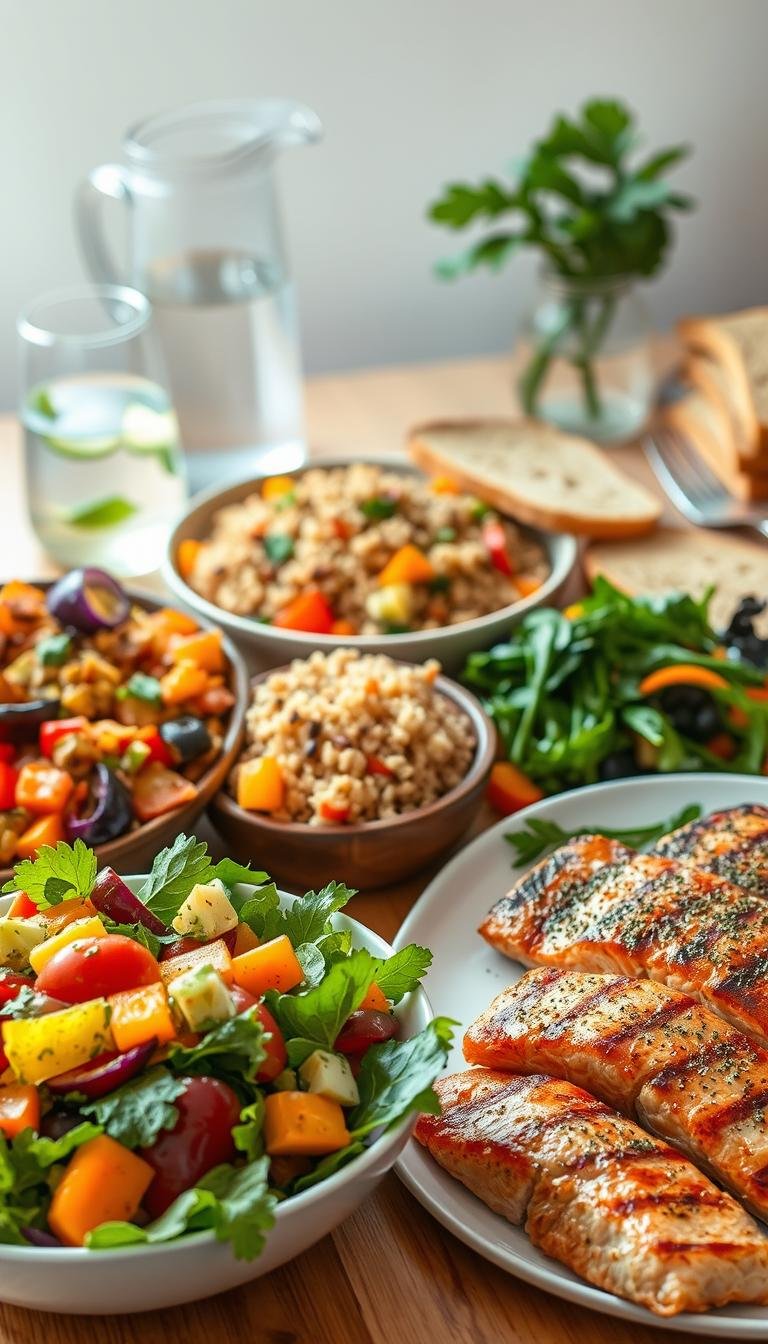
Tasty and Nutritious Weight Loss Meal Ideas
Nearly 74% of U.S. adults live with overweight or obesity, according to the CDC. Yet small, smart shifts—like higher protein, more fiber, and mindful portions—can tip the scale toward success without giving up flavor. This guide turns evidence into action with Weight Loss Meal Ideas that fit busy American routines.
This Website contains affiliate links. That means I may earn a small commission if you purchase through my links, at no extra cost to you.
Grounded in the 2020–2025 Dietary Guidelines for Americans, we focus on a balanced diet built from vegetables, fruits, whole grains, lean proteins, and healthy fats. You will find healthy recipes for weight loss that feel satisfying, not strict, plus calorie-smart meals that are easy to cook on weeknights.
Research in The American Journal of Clinical Nutrition links 25–30% of calories from protein to better fullness and lean mass. Reviews in JAMA and Obesity Reviews show that portion control and high-fiber meals—about 25–38 grams per day—support sustainable weight loss. Expect high-protein meals, high-fiber meals, and nutrient-dense foods that keep you energized.
We preview quick breakfasts, portable lunches, and dinners under 500 calories. You will see the balanced plate in practice: half nonstarchy veggies, one-quarter lean protein, one-quarter whole grains or starchy vegetables. We also highlight flavor-forward cooking with herbs and spices, meal planning for weight loss, and budget-savvy prep that fits real life.
Hydration matters, as does limiting added sugars and refined grains. Whether you eat everything, prefer plant-based dishes, or lean low-carb, you will find flexible, practical options for sustainable weight loss—plus grocery tips and dining-out strategies that work anywhere in the United States.
Key Takeaways
- Build meals around a balanced plate to guide portion control and steady energy.
- Use high-protein meals (about 25–30% of calories) to boost fullness and protect lean mass.
- Prioritize high-fiber meals and whole grains to curb hunger and support digestion.
- Choose calorie-smart meals under 500 calories for simple weeknight dinners.
- Favor nutrient-dense foods, herbs, and spices to keep flavor high and added sugars low.
- Lean on meal planning for weight loss: prep once, eat well all week, and save money.
- Stay hydrated and limit refined grains to support sustainable weight loss.
Smart Breakfasts to Kickstart Your Metabolism
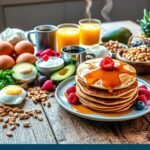
Start the day with a plan that favors steady energy and simple prep. A high-protein breakfast paired with fiber helps tame mid-morning cravings and supports a blood sugar control breakfast. Aim for 20–35 grams of protein and 8–12 grams of fiber to stay satisfied without a sugar crash.
Think quick wins you can repeat each week. Mix and match options to fit your taste, then rotate flavors so breakfast never feels routine.
High-Protein Options to Keep You Full
Build a Greek yogurt breakfast with 3/4 cup nonfat Greek yogurt, berries, and sliced almonds. Add a spoon of chia for extra texture and fiber. This combo offers creamy protein and crunch.
Try a veggie omelet using egg whites plus one whole egg, spinach, bell pepper, and feta. Or bake egg muffins loaded with turkey sausage and broccoli for grab-and-go portions.
Prefer dairy-free? A tofu scramble with turmeric, mushrooms, and kale makes a savory high-protein breakfast that cooks in minutes.
Low-Sugar, High-Fiber Pairings
Choose a low-sugar breakfast that still tastes great. Stir steel-cut oats with cinnamon, ground flaxseed, and diced apple for a fiber-rich breakfast that feels warm and cozy.
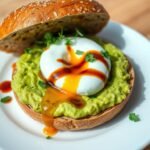
Top whole-grain toast, like Dave’s Killer Bread 21 Whole Grains and Seeds, with avocado and tomato. Or pour unsweetened muesli with milk or soy milk, then add fresh blueberries.
These pairings slow digestion and support blood sugar control breakfast goals while keeping flavors bright.
Make-Ahead Breakfasts for Busy Mornings
Set up breakfast meal prep on Sunday. Assemble overnight oats with rolled oats, unsweetened milk, chia, vanilla, and frozen berries. By morning, it is cold, creamy, and ready to eat.
Freeze egg muffins or egg bites for fast reheating. Batch a simple chia pudding sweetened with mashed banana, or roll breakfast burritos with scrambled eggs, black beans, salsa, and spinach using Mission Carb Balance tortillas.
When time is tight, these overnight oats jars, chia pudding cups, and protein-packed bites make a low-sugar breakfast effortless.
| Breakfast Idea | Protein (approx.) | Fiber (approx.) | Why It Works |
|---|---|---|---|
| Greek yogurt breakfast with berries, chia, almonds | 20–25 g | 8–10 g | High-protein breakfast with balanced fat and fiber for lasting fullness |
| Veggie omelet or egg muffins with spinach and feta | 22–30 g | 3–5 g | Savory option that curbs cravings and supports blood sugar control breakfast |
| Steel-cut oats with cinnamon, flaxseed, apple | 8–12 g | 10–12 g | Fiber-rich breakfast that keeps a low-sugar breakfast satisfying |
| Overnight oats with milk, chia, frozen berries | 15–20 g | 10–12 g | Breakfast meal prep hero with steady energy and minimal morning effort |
| Chia pudding with mashed banana and soy milk | 10–15 g | 10–12 g | Creamy plant-based choice rich in fiber and omega-3s |
Light and Energizing Lunches for Workdays
Smart planning turns hectic days into wins. Build low-calorie lunches with volume from greens and veggies, plus whole grains and a lean protein. These healthy lunch ideas aim for 350–500 calories, 25–35 g protein, and 8–12 g fiber to keep afternoon hunger in check.
Try this lineup: quinoa and arugula topped with roasted chickpeas, cucumbers, and cherry tomatoes, finished with an olive oil–lemon splash. Turkey lettuce wraps with hummus, shredded carrots, and pickled onions pack crunch without the bread. Tuna and white bean salad with capers, red onion, and parsley offers clean flavor and steady energy.
For plant-forward grain bowls, go with lentils and roasted vegetables and a light tahini drizzle. Grilled chicken salad over mixed greens with strawberries, walnuts, and balsamic hits the mark for lean protein lunches and healthy fats. A brown rice sushi bowl with edamame, seaweed, avocado, and sesame seeds delivers satisfying texture.
These weight loss lunches align with guidance to pair lean proteins like chicken breast, tuna, or tofu with high-fiber vegetables and whole grains. Keep sodium in check by preparing meal prep salads at home and seasoning with citrus, herbs, and a modest pour of extra-virgin olive oil. Pack in insulated containers, add a piece of fruit, and choose sparkling water over sugary drinks for desk lunch ideas that feel fresh.
Use this simple blueprint to rotate flavors all week: mix a base of leafy greens and whole grains; layer beans, fish, tofu, or poultry; add crunchy produce; finish with nuts or seeds for balance. These are practical healthy lunch ideas that work as grain bowls, wraps, or tossed meal prep salads—easy, fast, and ideal for low-calorie lunches you will look forward to.
Flavor-Packed Dinners Under 500 Calories
Build low-calorie dinners that feel generous and bright. Center the plate on lean proteins and a heap of roasted vegetables to keep portions satisfying while staying within under 500 calorie meals. These ideas are fast enough for busy weeknight dinners and balanced for steady energy.
Lean Protein and Veggie Combinations
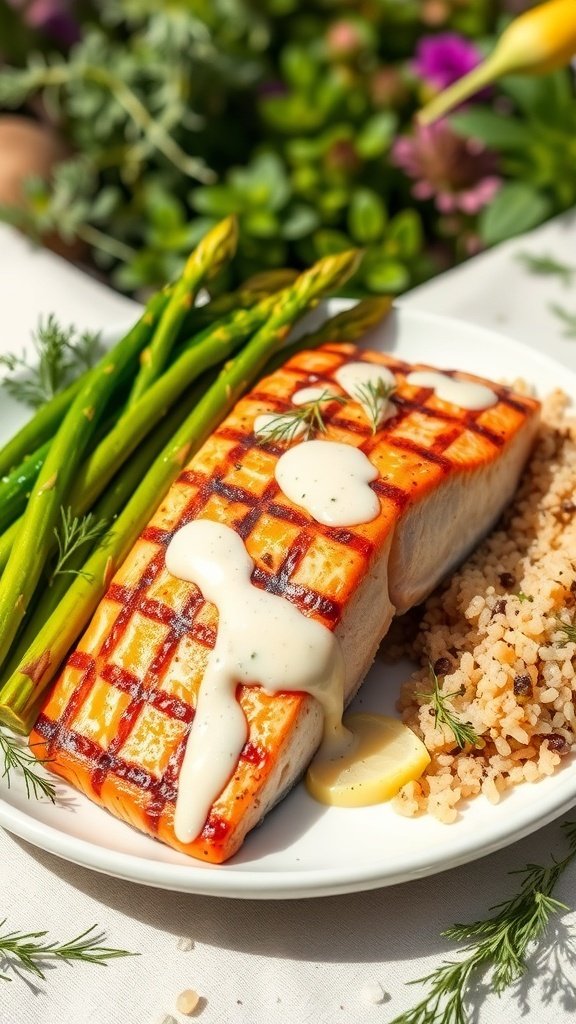
- Grilled salmon (4 oz) with asparagus and lemon. Pair with a side of cherry tomatoes for color and crunch. This mix of lean proteins and bright veg keeps flavor high.
- Turkey meatballs in tomato sauce over zucchini noodles. Add basil and black pepper for lift. Great for low-calorie dinners that still feel cozy.
- Shrimp stir-fry with broccoli, snap peas, and bell peppers. Use a quick ginger-garlic sauté and finish with lime.
- Tofu and mushroom lettuce cups with ginger-garlic. Crisp lettuce adds volume while keeping it in the realm of under 500 calorie meals.
For staying power, aim for 30–40 grams of protein and pile on produce. Choose simple sides like mixed greens or quick-sautéed spinach to round out weeknight dinners.
One-Pan and Sheet-Pan Dinner Ideas
- Sheet-pan recipes: skinless chicken thighs with Brussels sprouts and red onions. Roast until edges caramelize for sweet-savory depth.
- Sheet-pan recipes: cod with cherry tomatoes, olives, and green beans. A drizzle of lemon at the end keeps it fresh.
- Roasted cauliflower “steaks” with chickpeas and dukkah. The crunch and spice make these low-calorie dinners feel bold.
- Skillet turkey chili loaded with vegetables. Simmer with cumin and oregano for a hearty bowl that fits under 500 calorie meals.
Batch the veg so the oven does most of the work. Roasted vegetables add texture and a hint of sweetness without extra calories, perfect for fast weeknight dinners.
Healthy Sauces and Seasonings
- Chimichurri: parsley, cilantro, garlic, vinegar, and a touch of olive oil. Spoon lightly over lean proteins.
- Yogurt tzatziki: Greek yogurt, cucumber, dill, and lemon. Cool and bright for salmon or turkey.
- Salsa verde, harissa, or a gochujang-lime glaze used sparingly. Big taste, tiny calorie impact—ideal for under 500 calorie meals.
- Salt-smart swaps: citrus, smoked paprika, cumin, coriander, oregano, and za’atar. These build aroma and depth without bloat.
Keep portions generous with roasted vegetables and finish with healthy sauces for polish. These choices make sheet-pan recipes and stir-fries shine while staying true to low-calorie dinners built for efficient weeknight dinners.
Weight Loss Meal Ideas
Build meals that feel generous yet support a calorie deficit. Focus on a balanced plate with color, texture, and smart portions. Use mindful eating to notice hunger and fullness, and keep your routine steady from breakfast through dinner.
Tip: Center meals on high-water, high-fiber foods to lower energy density while keeping flavor and satisfaction high.
Balanced Plate Framework
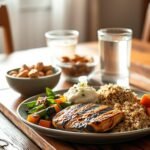
Follow MyPlate for weight loss: fill half your plate with nonstarchy vegetables and fruit, a quarter with whole grains, and a quarter with lean protein. This balanced plate lowers energy density and boosts fullness per bite.
Try spinach, tomatoes, and berries alongside quinoa and grilled chicken or tofu. Add a thumb of olive oil or avocado for taste and nutrients without crowding the plate.
Portion Sizes and Calorie Awareness
Use portion control you can see. A palm of protein is 3–4 ounces. A cupped hand of cooked whole grains is about 1/2–3/4 cup. A thumb of oils or nut butters is roughly 1 tablespoon.
For a week, weigh and log meals to learn your norms and support a steady calorie deficit. Aim for simple targets: breakfast 300–400 calories, lunch 350–500, dinner 400–500, and snacks 100–200 as needed.
Swaps to Reduce Calories Without Losing Flavor
Make food swaps that keep texture and joy. Use cauliflower rice in burrito bowls, or zoodles with marinara and turkey meatballs. Choose Greek yogurt instead of sour cream, and lettuce wraps for tacos.
Cook with an air fryer instead of deep frying. Pick salsa or mustard over mayo. Reach for sparkling water with lime when soda cravings hit. These shifts trim calories while helping mindful eating stay enjoyable.
| Meal Idea | Smart Swap | Why It Works | Portion Cue |
|---|---|---|---|
| Stir-fry bowl | Half cauliflower rice + half brown rice | Lowers energy density and keeps fiber for a steady calorie deficit | Grains: 1 cupped hand cooked |
| Turkey zoodle pasta | Zucchini noodles for most of the pasta | Cuts starch calories while keeping volume and sauce coverage | Protein: 1 palm; Sauce: 1–2 thumbs oil |
| Taco night | Lettuce wraps, Greek yogurt, extra salsa | Boosts vegetables and flavor with fewer added fats | Toppings: thumb of cheese, free veggies |
| Grilled chicken salad | Vinaigrette spray or spooned dressing | Controls dressing calories while keeping taste | Dressing: 1 thumb per cup of greens |
| Snack swap | Air-popped popcorn for chips | High volume, low energy density supports portion control | 3–4 cups popped |
High-Protein Recipes to Support Satiety
Build high-protein meals that keep you full and steady between bites. Aim for 25–40 g per plate to support protein for weight loss, especially paired with simple strength work. Use easy, lean protein recipes that fit weeknights and busy schedules.
Evidence-backed targets guide planning. Dietitians note that higher protein helps preserve lean mass during fat loss. Research in leading nutrition journals links protein to a stronger thermic effect and satiety signals, so 30g protein meals are a practical benchmark for most plates.
Try fast cottage cheese recipes for a savory bowl. Stir pesto into cottage cheese, top with cherry tomatoes and cracked pepper, and serve with whole-grain crisps. For a meat option, go with chicken recipes like chili-lime grilled chicken and a corn-and-pepper salad. Prefer plants? Tofu recipes with tamari, ginger, and sesame over steamed broccoli hit the mark.
Keep variety high with quick swaps. Turkey burger lettuce wraps with avocado and salsa feel fresh and light. Lentil sloppy joes on whole-grain thins add fiber and steady energy. Shrimp over cauliflower “grits,” plus sautéed spinach, brings a restaurant-style finish at home.
| Recipe Idea | Key Protein Source | Approx. Protein | Why It Works |
|---|---|---|---|
| Cottage cheese pesto bowl | Cottage cheese (1 cup) | ~28 g | Fast, creamy, and ideal for 30g protein meals when paired with nuts or crisps |
| Chili-lime grilled chicken | Chicken breast (4 oz cooked) | ~35 g | Classic protein for weight loss with bright flavor and minimal prep |
| Baked tofu with tamari, ginger, sesame | Firm tofu (8 oz block) | ~48 g | Plant-forward, budget-friendly, and fits lean protein recipes |
| Turkey burger lettuce wraps | Ground turkey (4 oz cooked) | ~28–30 g | Light, juicy, and easy to batch-cook for high-protein meals |
| Lentil sloppy joes | Cooked lentils (1 cup) | ~18 g | Add cheese or Greek yogurt to reach 30g protein meals while boosting creaminess |
| Shrimp and cauliflower “grits” | Shrimp (6–8 large) | ~24–28 g | Quick-cooking seafood with clean flavor and steady satiety |
Use USDA estimates to mix and match portions: 4 oz cooked chicken breast offers about 35 g, 1 cup cottage cheese delivers about 28 g, 8 oz firm tofu reaches about 48 g, and a 5 oz can of tuna provides about 24 g. These anchors make building 30g protein meals simple across chicken recipes, cottage cheese recipes, and tofu recipes.
Fiber-Rich Meals for Better Digestion
Build your day around high-fiber meals that support gut health, steady energy, and a lighter plate. Aim for 8–15 g fiber per meal, drawn from whole grains, legumes, nuts, and colorful produce. The Institute of Medicine sets daily fiber targets at 25 g for women and 38 g for men, a range linked with healthy weight and better blood sugar control.
Tip: Cool cooked potatoes, rice, and oats before reheating to boost resistant starch. This gentle tweak feeds beneficial microbes and improves fullness without extra calories.
Whole Grains That Satisfy
Choose whole grains with texture for chew and staying power. Think farro with roasted mushrooms and thyme, quinoa tabbouleh with parsley, mint, and lemon, or barley bowls with roasted carrots and tahini. Oats, quinoa, farro, and brown rice offer beta-glucan and resistant starch that help you feel full longer.
For a Mediterranean diet spin, add extra-virgin olive oil, toasted almonds, and citrus. Portion about 1/2 to 3/4 cup cooked grains per meal alongside greens or lean protein to keep calories in check.
Beans, Lentils, and Legume-Based Dishes
Legumes deliver fiber, plant protein, and steady digestibility for a calm gut. Try a black bean and corn salad with lime, red lentil dal with spinach, or chickpea tikka masala made with light coconut milk. White bean and tuna escabeche adds bright acid and herbs without heavy sauces.
Batch-cook beans and lentils for fast bowls and soups. A 3/4 to 1 cup serving pairs well with veggies and herbs, turning simple plates into high-fiber meals that truly satisfy.
Vegetable-Forward Plates That Don’t Feel Like Diet Food
Build vegetable-forward dinners that taste rich and look vibrant. Serve roasted cauliflower with romesco, or spoon rustic ratatouille over creamy polenta. Make a giant salad with mixed greens, shredded cabbage, roasted sweet potato, pepitas, and grilled salmon for balanced crunch and comfort.
For crisp texture, try a shaved Brussels sprout salad with apples and walnuts. Season boldly with lemon, vinegar, garlic, and smoked paprika to keep portions modest yet indulgent.
| Meal Idea | Key Ingredients | Estimated Fiber (g) | Why It Works |
|---|---|---|---|
| Farro with Roasted Mushrooms and Thyme | Farro, cremini mushrooms, thyme, olive oil | 9–11 | Chewy whole grains boost resistant starch; savory umami adds fullness. |
| Quinoa Tabbouleh | Quinoa, parsley, mint, tomato, lemon | 8–10 | Herb-heavy grains align with the Mediterranean diet and aid gut health. |
| Barley Bowl with Roasted Carrots and Tahini | Pearled barley, carrots, tahini, cumin | 10–12 | Whole grains and seeds add fiber and creamy texture without excess calories. |
| Black Bean and Corn Salad | Black beans, corn, red onion, lime, cilantro | 10–14 | Legumes provide steady energy; citrus and herbs lift flavor. |
| Red Lentil Dal with Spinach | Red lentils, spinach, ginger, turmeric | 11–15 | Fast-cooking lentils create creamy, high-fiber meals with warming spices. |
| Ratatouille over Polenta | Eggplant, zucchini, tomato, polenta, basil | 8–12 | Vegetable-forward dinners deliver volume, color, and satisfying texture. |
| Shaved Brussels Sprout Salad | Brussels sprouts, apples, walnuts, lemon | 8–10 | Crunchy produce and nuts support gut health and lasting fullness. |
Low-Carb and Keto-Friendly Options
Low-carb meals can fit daily life without fuss. Track net carbs to guide choices, and fill the plate with nonstarchy vegetables. Build each dish around protein and healthy fats so energy stays steady between meals.
Quick wins include a bunless turkey burger with cheese, lettuce, tomato, and pickles, or baked salmon with broccoli and herb butter. A Greek salad with olives, feta, cucumber, and an olive oil–oregano dressing brings crunch and color while keeping carbs in check.
For comfort classics, try zucchini noodles tossed with chicken Alfredo made with light cream cheese and Parmesan. Cauliflower rice recipes also shine: a fast fried “rice” with eggs, shrimp, peas, and scallions delivers flavor and texture with fewer carbs.
Typical keto recipes lean toward about 5–10% of calories from carbs, 60–75% from fat, and 20–30% from protein. Use olive oil, avocado, nuts, and seeds to supply healthy fats, and add unsweetened dairy for extra protein and calcium.
Electrolytes matter when you cut carbs. Season food well, sip broth if needed, and consider magnesium and potassium–rich choices like leafy greens. If veggie intake drops, a small dose of psyllium can help keep fiber steady.
Some people explore carb cycling around hard training days. On lower-carb days, emphasize nonstarchy vegetables and lean protein. On higher-carb windows, add modest portions of fruit or legumes while keeping portions measured.
- Meal ideas: zucchini noodles with chicken Alfredo; cauliflower rice recipes with shrimp; bunless turkey burger; salmon with broccoli; Greek salad.
- Grocery cues: look for labels listing net carbs, choose nonstarchy vegetables first, and stock healthy fats like extra-virgin olive oil.
- Everyday tip: plan low-carb meals ahead so keto recipes are ready when hunger hits.
Plant-Based and Vegetarian Meal Ideas
Build vegetarian weight loss meals that are satisfying, colorful, and simple to prep. A Mediterranean-style approach with olive oil, vegetables, whole grains, and legumes pairs flavor with steady energy. Keep protein near 20–35 g per meal and include fortified sources of vitamin B12 if you eat fully vegan.
Protein Sources Beyond Meat
Mix vegan protein sources to cover your needs. Tofu, tempeh, edamame, lentils, beans, quinoa, seitan, hemp seeds, and soy milk give a strong base. Soy foods offer complete protein, and they work well in quick tofu recipes and tempeh recipes for busy nights.
For an easy target, pair tofu + quinoa or beans + seeds to hit the sweet spot for protein. Choose dairy-free options like fortified soy milk or coconut yogurt when you want to keep it light yet creamy.
Hearty Salads and Grain Bowls
Load up hearty salads and bean bowls with fiber, crunch, and bright dressings. Try a kale and quinoa bowl with roasted sweet potato, black beans, avocado, and a zesty cilantro-lime drizzle. The mix boosts fullness without weighing you down.
Go Greek with farro, cherry tomatoes, cucumbers, red onion, and chickpeas, then add a cool tzatziki made with low-fat Greek yogurt or a dairy-free options swap. A soba noodle bowl with edamame, shredded cabbage, carrots, and sesame-ginger dressing brings balance and speed.
Meatless Comfort Foods Lightened Up
Keep plant-based comfort food cozy and trim. Spoon lentil Bolognese over zucchini noodles for a big bowl feel with fewer calories. Bake eggplant Parmesan using part-skim mozzarella, or choose a dairy-free options version with almond-based cheese.
Serve a cauliflower crust pizza topped with peppers, spinach, and olives. Finish with mushroom stroganoff made silky with Greek yogurt or a cashew blend. These ideas slot neatly into vegetarian weight loss meals while keeping flavor front and center.
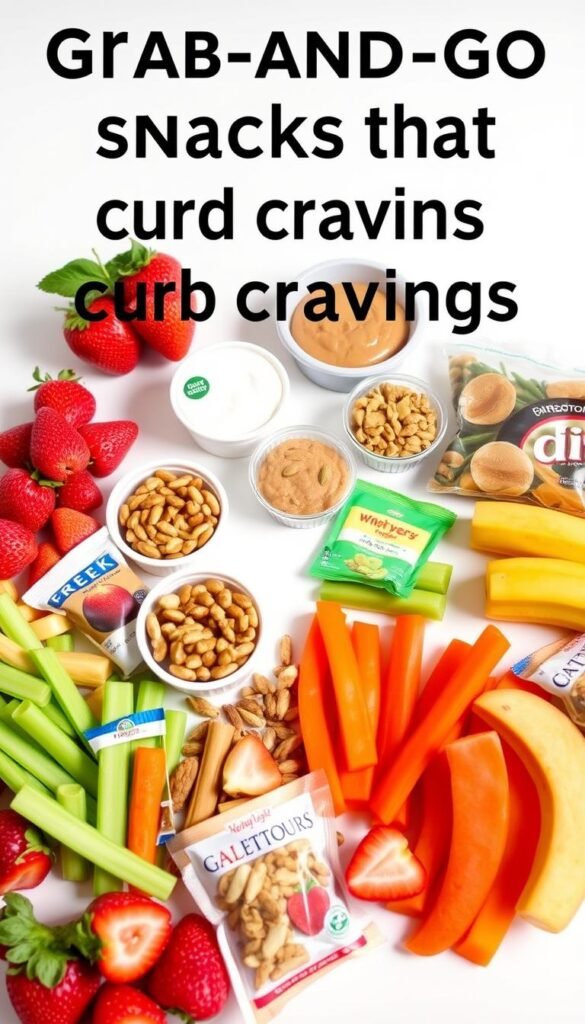
Grab-and-Go Snacks That Curb Cravings
Keep a short list of healthy snacks on hand to tame afternoon cravings without derailing your goals. Aim for simple pairs: protein + produce or protein + fiber. Research in Nutrition & Metabolism links protein- and fiber-rich bites with lower later calorie intake, while the FDA serving sizes guide helps keep portions to 100–200 calories.
Stock portable snacks you can toss in a gym bag, office drawer, or car. Choose high-protein snacks and low-calorie snacks that feel satisfying, so they serve as smart vending machine alternatives when time is tight.
Quick picks to try:
- Part-skim string cheese (Sargento) with an apple
- Roasted chickpeas (Biena) or baby carrots with hummus
- Single-serve Greek yogurt cups (Chobani Zero Sugar)
- 100-calorie almond packs (Blue Diamond) with berries
- Beef or turkey jerky sticks (Epic, Chomps)
- Seaweed snacks with edamame
- Hard-boiled eggs and grape tomatoes
- Protein shake (Fairlife Core Power Light) post-workout
Skip ultra-processed sweets and sugar-sweetened drinks, which spike and crash energy. These portable snacks help you stay steady and satisfied between meals.
| Snack | Approx. Calories | Protein | Fiber | Why It Curbs Cravings |
|---|---|---|---|---|
| Sargento Part-Skim String Cheese | ~80 kcal | 7 g | 0 g | Compact dairy protein for steady fullness; pairs well with fruit. |
| Biena Roasted Chickpeas (1/4 cup) | ~120 kcal | 5 g | 5 g | Protein plus fiber slows digestion and tames afternoon cravings. |
| Chobani Zero Sugar Greek Yogurt (single cup) | ~60 kcal | 11 g | 0 g | High-protein snacks with low sugar for a light, creamy fix. |
| Blue Diamond Almonds (100-calorie pack) + Berries | ~150–180 kcal | 6 g | 3–4 g | Balanced fats, protein, and fiber for long-lasting satisfaction. |
| Epic or Chomps Jerky Stick | ~90–100 kcal | 9–12 g | 0 g | Portable snacks with dense protein and no prep. |
| Baby Carrots + Hummus (2 tbsp) | ~120 kcal | 3 g | 4 g | Creamy-dip crunch combo offers fiber and steady energy. |
| Seaweed Snacks + Edamame (1/2 cup) | ~120 kcal | 9 g | 4 g | Mineral-rich bite with plant protein and fiber for fullness. |
| Hard-Boiled Egg + Orange | ~130 kcal | 6 g | 3 g | Protein plus produce keeps portions in the FDA 100–200 kcal range. |
| Fairlife Core Power Light (bottle) | ~150 kcal | 20–26 g | 0 g | Post-workout recovery that also serves as low-calorie snacks. |
Meal Prep Strategies for Consistent Results
Consistency grows when your plan is simple, safe, and repeatable. Use Sunday meal prep to set the tone for the week, and keep tools and steps the same each time. This makes meal prep for weight loss feel doable, not daunting.
Batch Cooking and Storage Tips
Try batch cooking in blocks: roast two trays of vegetables, cook a pot of brown rice or quinoa, and bake or grill lean proteins. Jar a couple of quick sauces for fast flavor.
Follow food safety storage best practices. Refrigerate cooked food within 2 hours, keep the fridge at or below 40°F, and enjoy most dishes within 3–4 days. Use glass containers with tight lids, label the date, and portion single servings for easy control.
For produce, tuck paper towels into leafy greens to reduce moisture. This helps reduce waste and supports meal prep for weight loss all week.
Freezer-Friendly Meals and Reheat Guide
Build a small roster of freezer meals: turkey chili, vegetable lasagna with whole-wheat noodles, cooked brown rice, soup portions, marinated raw chicken, and smoothie packs. Cool foods before freezing and choose freezer-safe bags to save space.
Thaw in the refrigerator for safety. When ready to eat, follow clear reheating instructions: warm leftovers to 165°F. Reheat grains with a splash of water and stir halfway. Saucy dishes do well on the stovetop, while casseroles reheat evenly in the oven.
Grocery List Planning and Budget Tips
Start with a budget grocery list that matches your menu. Shop sales, choose seasonal produce, and use store brands at Costco, Kroger, Aldi, or Trader Joe’s for solid value. Build your cart from a standard checklist: proteins, vegetables, whole grains, dairy or alternatives, healthy fats, and pantry staples.
Use the Dirty Dozen and Clean Fifteen guidance to decide where organic matters most. Plan Sunday meal prep around what you buy in-season to cut costs and reduce waste while supporting meal prep for weight loss.
- One-hour flow: start grains; roast vegetables; season and bake protein; assemble sauces; cool, portion, label.
- Storage musts: food safety storage at 40°F or below; refrigerate within 2 hours; eat within 3–4 days.
- Freezer plan: cool first, freeze flat, date packs, and keep a running inventory.
Healthy Sauces, Dressings, and Seasonings
Build flavor without calories by leaning on acids, herbs, and umami. The American Heart Association urges sodium reduction, and many bottled toppings hide salt and fat. Choose low-calorie sauces and healthy dressings that use citrus, vinegar, garlic, and ginger to pop.
Acids brighten food, while tomatoes, mushrooms, and miso add depth. These tools help cut salt and oil yet keep taste bold. Use measuring spoons so a drizzle stays a drizzle.
Try these quick ideas:
- Classic vinaigrette recipes: 2 tsp olive oil, 2 tsp red wine vinegar, 1 tsp Dijon, parsley, and black pepper.
- Greek yogurt ranch: nonfat Greek yogurt, dill, chives, lemon juice, and a pinch of garlic powder.
- Tahini-lemon sauce: tahini, lemon, water to thin, cumin, and paprika.
- Salsa verde: tomatillos, cilantro, lime, jalapeño, and onion.
- Peanut-lime sauce: powdered peanut butter, lime juice, fish sauce or coconut aminos, and chili flakes.
- Gochujang-ginger glaze: gochujang, rice vinegar, grated ginger, and a splash of low-sodium soy sauce.
- Lighter pesto: basil, parsley, walnuts, lemon, and a touch of extra-virgin olive oil.
- Dry rub spice blends: smoked paprika, cumin, coriander, oregano, chili powder, and black pepper.
When shopping, look for sugar-free condiments and low-sodium labels. Stir in fresh herbs at the end of cooking to preserve aroma. Keep lemon wedges, vinegars, and chili crisp on hand for fast upgrades.
Use these swaps to make vegetables lively, proteins juicy, and grains bright. Balanced acid, heat, and umami deliver flavor without calories while supporting sodium reduction across meals.
| Option | Typical Calories per Tbsp | Key Flavors | Best Uses | Why It Works |
|---|---|---|---|---|
| Mayonnaise (standard) | ~90 | Rich, creamy | Sandwiches, slaws | High fat; consider mixing 1:1 with Greek yogurt for low-calorie sauces |
| Greek Yogurt Ranch | ~10–20 | Herby, tangy | Salads, veggie dip | Protein-rich base yields healthy dressings with fewer calories |
| Classic Vinaigrette | ~35–45 | Bright, peppery | Greens, grain bowls | Vinaigrette recipes rely on acid to amplify taste, aiding sodium reduction |
| Salsa Verde | ~5 | Zesty, fresh | Tacos, fish, eggs | Tomatillo acidity adds flavor without calories |
| Powdered PB Peanut-Lime | ~20 | Nutty, citrusy | Noodles, chicken | Powdered peanut butter cuts fat while keeping body |
| Gochujang-Ginger Glaze | ~25–35 | Spicy, umami | Tofu, salmon, cauliflower | Fermented chile brings depth; supports bolder taste with less oil |
| Lighter Herb Pesto | ~30–40 | Herbal, lemony | Zoodles, chicken, tomatoes | More herbs, fewer nuts and oil create healthy dressings and low-calorie sauces |
| Dry Rub Spice Blends | 0 | Smoky, warm | Roasts, tofu, veggies | Pure spices give flavor without calories and promote sodium reduction |
| Sugar-Free Condiments (ketchup, BBQ) | Varies (low) | Sweet-tangy | Burgers, grilled meats | Cut added sugar while keeping familiar taste |
Stock olive oil, rice vinegar, red wine vinegar, lemons, miso paste, gochujang, Dijon mustard, and a rotating set of spice blends. With portion control and smart acids, you get big payoff in taste and steady sodium reduction.
Low-Calorie Comfort Foods Reimagined
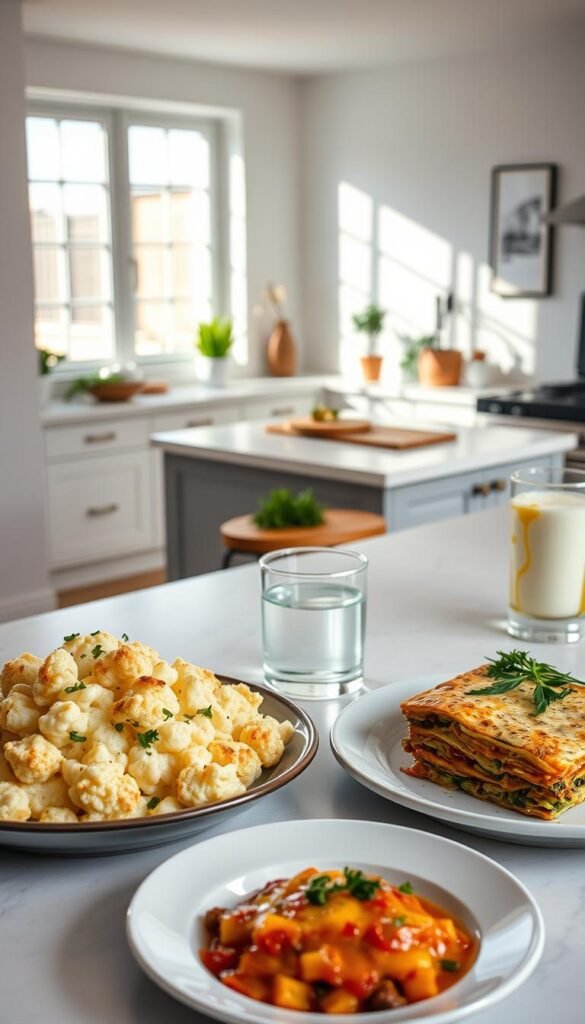
Crave the cozy classics without the calorie spike? Build healthy comfort food with smart tweaks: lower fat density, add vegetables, and lean on poultry, seafood, beans, and tofu. Measure oils and choose part-skim cheeses to keep each serving near 350–450 calories while staying satisfied.
Pro tip: Boost volume with broth and produce. These shifts make baked comfort recipes easier to fit into everyday goals.
Lighter Casseroles and Bakes
Try low-calorie casseroles that feel rich but stay light. Use corn tortillas, shredded chicken, black beans, salsa verde, and reduced-fat cheese for a bright enchilada bake. For a cozy spin, make shepherd’s pie with lean ground turkey, mixed vegetables, and a cauliflower-potato mash.
Want pasta night? Bake whole-wheat ziti with turkey sausage, tomato sauce, and cottage cheese. These baked comfort recipes win on flavor and portion control.
Soup and Stew Ideas That Satisfy
Light soups are perfect for big bowls that don’t blow your day. Load a minestrone with beans, zucchini, carrots, and greens. A brothy chicken tortilla soup brings crunch from baked tortilla strips and a hit of lime.
For heartier options, simmer vegetable beef soup with extra broth and vegetables, or make red lentil soup with cumin and lemon. Each bowl offers warmth, fiber, and steady energy.
Pasta Alternatives and Cauliflower Swaps
Use pasta swaps to keep comfort meals in check. Spiralized vegetables like zucchini noodles, spaghetti squash strands, hearts of palm noodles, and edamame pasta cut calories while holding sauces well.
Cauliflower rice boosts volume in stir-fries and burrito bowls. Mashed cauliflower adds creaminess to pies and sides, and a cauliflower pizza crust delivers a crisp base for bold toppings. These swaps keep textures fun and flavors strong without extra load.
- Build volume with vegetables and broth for light soups and stews.
- Choose lean proteins and measured oils for low-calorie casseroles.
- Rotate spiralized vegetables and cauliflower rice to refresh weekly menus.
Hydration and Drinks That Support Weight Loss
Think of your bottle as a daily tool for hydration for weight loss. Steady water intake helps control appetite and keeps workouts on track. Aim for fluids across the day, and adjust for heat, altitude, and training.
Swap sugary sips for low-calorie drinks and unsweetened beverages. Plain water, sparkling water, and herbal teas are simple wins. Add citrus, cucumber, or mint for flavor without extra calories.
Choose green tea for a gentle lift. Its catechins with caffeine may nudge energy burn. Black coffee works too, especially before exercise, as long as you skip the sugar and heavy creamers.
Support electrolyte balance when you sweat more. Low-sodium broths, lightly salted food, or a measured electrolyte mix can help. Match your plan to effort and climate.
Be mindful and limit alcohol. Extra pours add calories fast and can spike hunger. If you drink, keep it moderate and include water between drinks.
Post-workout, pick options that fit your calories. A whey or pea protein shake, or a lighter chocolate milk alternative, can aid recovery without derailing goals.
| Drink | Why It Helps | Best Time | Practical Tip |
|---|---|---|---|
| Water | Zero calories; supports hydration for weight loss and appetite control | All day | Set reminders to pace water intake across meals |
| Sparkling Water | Low-calorie drinks with fizz can replace soda cravings | Afternoons or with meals | Choose plain or citrus essences to keep sugars at zero |
| Green Tea | Light caffeine plus catechins may boost energy use | Morning or pre-workout | Brew strong, drink as unsweetened beverages for best effect |
| Black Coffee | Enhances alertness and training output | Pre-workout or early day | Skip syrups; add a splash of milk if needed |
| Herbal Tea | Calorie-free variety to ease evening snacking | Evening | Try peppermint or ginger as soothing, unsweetened beverages |
| Low-Sodium Broth | Warm, savory option that supports electrolyte balance | Cold days or post-exercise | Add veggies for volume with few calories |
| Protein Shake | Helps recovery and satiety when portions fit goals | Post-workout | Blend with water or unsweetened almond milk to stay light |
| Alcohol (Limited) | Can hinder fat loss; plan and limit alcohol to avoid extra calories | Occasional | Nurse one drink and match with water intake |
Dining Out and Takeout Choices That Fit Your Goals
Eating out can work with your plan when you scan the menu with intent. Many chains post calories due to the FDA rule, so check chain restaurant nutrition online before you go. Use simple menu hacks to turn orders into healthy restaurant choices that feel satisfying.
Menu Scanning and Smart Substitutions
Look for words like grilled, baked, roasted, or steamed. Skip crispy, battered, breaded, or smothered. Ask for sauces and dressings on the side, and choose vinaigrettes or salsa.
Swap fries for a side salad or steamed vegetables. Pick broth-based soups, and request whole-grain options when possible. These cuisine tips for weight loss make low-calorie takeout easier without losing flavor.
Portion Control When Eating Out
Restaurant plates are often large. Use portion control eating out tactics: share an entrée, or order two appetizers instead of a big main. Ask for a half portion or box half before the first bite.
Watch add-ons like cheese, creamy sauces, and sugary drinks. Choose water or unsweetened tea. Small changes add up and keep your healthy restaurant choices on track.
Best Cuisines and Dishes for Lighter Choices
Pick cuisines that offer lean proteins, vegetables, and fresh herbs. These picks pair well with menu hacks and support chain restaurant nutrition goals.
| Cuisine | Go-To Orders | Smart Tweaks | Why It Helps |
|---|---|---|---|
| Japanese | Sashimi, miso soup, edamame | Choose brown rice sushi or fewer rolls; ask for less mayo | Lean protein and broth support low-calorie takeout |
| Mediterranean | Grilled fish, Greek salad, chicken souvlaki | Dressings on the side; extra veggies; whole-wheat pita | Olive oil and produce align with cuisine tips for weight loss |
| Vietnamese | Pho with extra vegetables, fresh spring rolls | Lean meats; skip extra oil; limit noodles | Light broths and herbs fit healthy restaurant choices |
| Mexican | Grilled tacos, fajitas with corn tortillas, pico de gallo | Hold sour cream; add lettuce and salsa; choose black beans | Fiber and protein balance aid portion control eating out |
| Middle Eastern | Chicken shawarma plates, tabbouleh, measured hummus | Extra salad; skip fries; ask for tahini on the side | Herbs and grains support steady calories |
| Indian | Tandoori chicken, chana masala, dal | Skip cream-based sauces; choose roti over naan | Spice-forward dishes make low-calorie takeout satisfying |
Before you order, scan the online menu and compare calories at places like Chipotle, Panera Bread, or Starbucks using posted chain restaurant nutrition data. Combine these checks with simple menu hacks and you’ll keep flavor high and calories steady.
Keep beverages simple. Water or unsweetened tea protects your plan better than soda or sweetened coffee drinks. With steady choices, cuisine tips for weight loss become habits you can keep anywhere.
Conclusion
Sustainable weight loss grows from steady routines, not quick fixes. Research from The New England Journal of Medicine and findings from the National Weight Control Registry point to a few constants: consistent eating patterns, self-monitoring, and regular physical activity. Paired with realistic goals, these habits drive long-term results and support healthy eating habits that fit daily life in the United States.
For meal planning success, lean on proven patterns like the Mediterranean and DASH styles. Build plates with plenty of vegetables, whole grains, legumes, lean proteins, nuts, and olive oil when calorie appropriate. Aim for 25–40 g of protein per meal and 25–38 g of fiber per day. Choose low-calorie drinks for hydration, and use flavor builders—like citrus, herbs, chili flakes, vinegar, and a light drizzle of extra-virgin olive oil—so meals stay bold and satisfying.
Keep your toolkit flexible. Rotate high-protein, fiber-forward, low-carb, or plant-based templates to match your tastes and cultural foods. Batch cook on Sundays, portion meals, and plan a simple grocery list to cut decision fatigue. These repeatable steps double as practical weight loss tips and make healthy eating habits easier to maintain.
When life gets busy, rely on small systems and realistic goals. Scan menus for lean proteins and vegetables, choose sensible portions, and save half for later if needed. Over time, these choices stack up to long-term results. With a balanced plate, smart prep, and a mindset that favors progress over perfection, sustainable weight loss becomes a daily rhythm you can enjoy.
FAQ
What makes these weight loss meal ideas tasty and nutritious?
They follow the 2020–2025 Dietary Guidelines for Americans with plenty of vegetables, fruits, whole grains, lean protein, and healthy fats. Meals use the balanced plate method, higher fiber, and adequate protein for fullness. Flavor comes from herbs, spices, citrus, and umami-rich ingredients instead of excess sugar and sodium.
How much protein should I aim for at each meal?
Most people do well with 25–40 g protein per meal, especially at breakfast. Research in The American Journal of Clinical Nutrition shows higher protein supports satiety and helps preserve lean mass during weight loss. Use foods like chicken breast, tuna, Greek yogurt, cottage cheese, tofu, tempeh, eggs, and lentils.
What are smart breakfast ideas that keep me full?
Try a Greek yogurt parfait with berries, chia seeds, and almonds, or a veggie omelet with spinach, bell pepper, and feta. Steel-cut oats with cinnamon and ground flaxseed are great for fiber. Make-ahead options include overnight oats, freezer egg bites, and chia pudding. Aim for 20–35 g protein and 8–12 g fiber.
How can I build a light, energizing lunch for work?
Combine lean proteins with high-fiber vegetables and whole grains. Examples: quinoa and arugula bowls with roasted chickpeas, tuna and white bean salad with capers and parsley, or grilled chicken salad with strawberries and walnuts. Keep sodium in check and pack fruit with sparkling water to skip sugary drinks.
What are example dinners under 500 calories?
Try grilled salmon with asparagus and lemon, shrimp stir-fry with broccoli and snap peas, turkey meatballs in tomato sauce over zucchini noodles, or tofu lettuce cups with ginger and garlic. Use sheet-pan methods for easy cleanup and flavor with chimichurri, harissa, salsa verde, or yogurt tzatziki.
How does the balanced plate framework work?
Fill half your plate with nonstarchy vegetables, one-quarter with lean protein, and one-quarter with whole grains or starchy vegetables. This MyPlate-style setup increases volume and fiber while keeping calories in a healthy range. It’s simple, flexible, and budget-friendly for meal prep.
What portion sizes help with calorie awareness?
Use visual cues: a palm-size 3–4 oz protein, a cupped hand of cooked grains (about 1/2–3/4 cup), and a thumb of oils or nut butters (1 tbsp). Typical daily targets: 300–400 calories breakfast, 350–500 lunch, 400–500 dinner, and 100–200 snacks, adjusted to your needs.
What easy swaps cut calories without losing flavor?
Choose cauliflower rice for white rice, zucchini noodles for pasta, lettuce wraps for tortillas, and Greek yogurt for sour cream. Air fry instead of deep fry. Season with citrus, vinegar, smoked paprika, cumin, coriander, oregano, and za’atar. Use salsa or mustard instead of mayo.
How do I hit high-protein goals on a budget?
Stock affordable staples like eggs, canned tuna, cottage cheese, Greek yogurt, lentils, beans, tofu, and frozen shrimp. Buy family packs at Costco, Kroger, Aldi, or Trader Joe’s and portion-freeze. Batch-cook turkey chili or baked tofu and pair with vegetables for quick meals.
Which fiber-rich foods support digestion and fullness?
Oats, quinoa, farro, barley, beans, lentils, chickpeas, berries, apples, chia, ground flaxseed, and lots of vegetables. Aim for 25–38 g fiber per day and 8–15 g per meal. Try quinoa tabbouleh, red lentil dal with spinach, or roasted cauliflower with romesco.
Can I follow low-carb or keto and still eat balanced meals?
Yes. Focus on nonstarchy vegetables, quality proteins, and healthy fats like olive oil, avocado, nuts, and seeds. Ideas include bunless turkey burgers, zucchini noodle chicken Alfredo, cauliflower fried “rice,” baked salmon with broccoli, and Greek salads. Monitor electrolytes and consider psyllium if fiber is low.
What are good vegetarian protein sources for weight loss?
Tofu, tempeh, edamame, seitan, lentils, beans, quinoa, hemp seeds, and soy milk. Build bowls like kale and quinoa with black beans and avocado, or farro Greek salad with chickpeas and tzatziki. If vegan, include B12-fortified foods. Target 20–35 g protein per meal.
What snacks curb cravings without blowing calories?
Pair protein and fiber. Examples: string cheese, roasted chickpeas (Biena), Greek yogurt cups (Chobani Zero Sugar), jerky sticks (Epic, Chomps), baby carrots with hummus, fruit with peanut butter, seaweed snacks, hard-boiled eggs, or a Fairlife Core Power Light shake post-workout. Keep snacks to 100–200 calories.
How can I meal prep safely and save money?
Batch-cook vegetables, whole grains, and proteins. Store in glass containers, label dates, and refrigerate within 2 hours. Most cooked meals last 3–4 days; reheat to 165°F. Freeze turkey chili, soups, cooked brown rice, smoothie packs, and marinated raw chicken. Plan grocery lists around sales and seasonal produce.
Which sauces add flavor without excess calories?
Use light vinaigrettes, Greek yogurt ranch with dill, tahini-lemon thinned with water, tomatillo salsa verde, powdered peanut butter–lime sauce, gochujang-ginger glaze, or pesto lightened with herbs and walnuts. Measure portions and lean on acids, umami, garlic, and ginger for big flavor with less salt.
How do I reimagine comfort foods to be lower in calories?
Build volume with vegetables and broth, use lean proteins, and measure oils and cheeses. Try turkey shepherd’s pie with cauliflower-potato mash, enchilada bakes with reduced-fat cheese, minestrone packed with vegetables, and spaghetti squash or hearts of palm noodles. Aim for 350–450 calories per serving.
What should I drink to support weight loss?
Prioritize water, sparkling water, unsweetened iced tea, black coffee, herbal teas, and low-sodium broths. Green tea offers modest metabolic benefits. Limit alcohol per CDC guidance and skip sugar-sweetened beverages. Flavor water with lemon, lime, cucumber, or mint.
How do I stay on track when dining out?
Check online menus for calorie info and choose grilled, baked, or steamed dishes. Ask for sauces and dressings on the side, double vegetables, and swap fries for a side salad. Share an entrée or box half early. Great options include sashimi, tandoori chicken, Greek salad with grilled fish, pho with extra vegetables, and grilled tacos on corn tortillas.
Do I need to track calories to lose weight?
Not always, but calorie awareness helps. Use the balanced plate, portion cues, and consistent meal patterns. If progress stalls, track for a week with Nutrition Facts panels or an app to spot hidden calories from oils, dressings, and snacks.
How much fiber and protein should I aim for daily?
A practical target is 25–38 g fiber per day and 25–40 g protein per meal, adjusted to your body size and activity. Spacing protein through the day and including fiber at every meal can improve fullness and support steady energy.