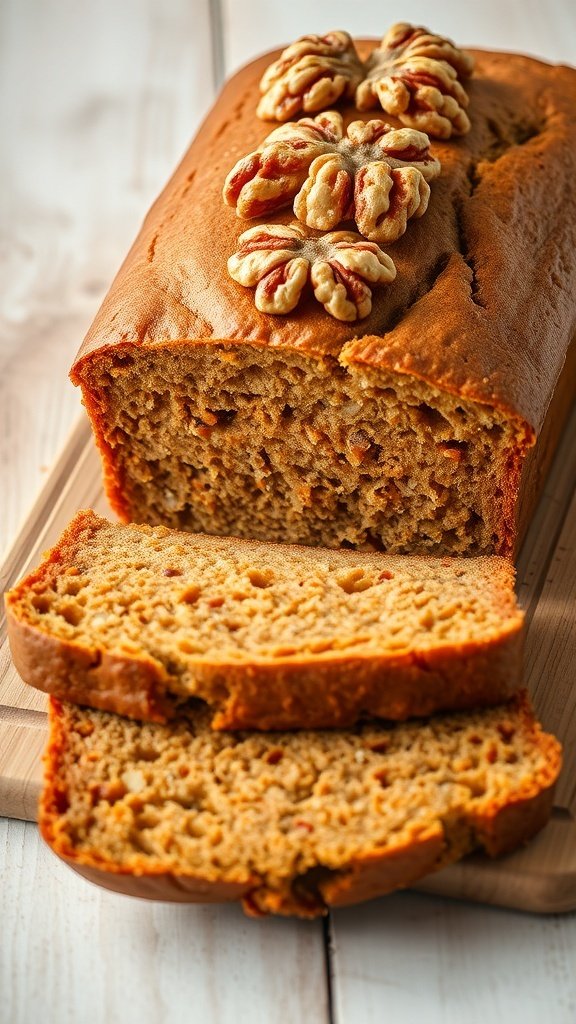
Nutritious Morning Meals: Healthy Breakfast Ideas
Here’s a wake-up call: the average American gets more than 60% of daily calories from ultra-processed foods, yet a nutritious breakfast can flip that script in one meal. A balanced breakfast rich in whole grains, lean protein, produce, and healthy fats sets the tone for steady energy and focus. This guide delivers Healthy Breakfast Ideas that fit real U.S. breakfast trends, from weekday rush to slow weekends.
This Website contains affiliate links. That means I may earn a small commission if you purchase through my links, at no extra cost to you.
Drawing on the 2020–2025 Dietary Guidelines for Americans, the CDC, and Harvard T.H. Chan School of Public Health, we outline breakfast recipes and easy healthy breakfasts that favor whole foods over refined picks. You’ll learn how breakfast nutrition supports blood sugar balance, mood, and long-term health—while keeping prep simple and affordable.
Whether you want a balanced breakfast you can assemble in five minutes or a weekend plate worth lingering over, these morning meals focus on fiber, protein, and unsaturated fats. Expect practical swaps, budget tips, and clear choices that work for busy households. Explore ideas that meet your goals without sacrificing taste.
Key Takeaways
- Build a nutritious breakfast with whole grains, lean protein, fruits or vegetables, and healthy fats.
- Limit added sugars to less than 10% of calories and skip refined grains and sugary cereals.
- Focus on fiber, protein, and unsaturated fats for steady energy and better satiety.
- Choose breakfast recipes that align with U.S. breakfast trends but prioritize whole-food options.
- Use easy healthy breakfasts for weekdays and balanced breakfast plates for weekends.
- Leverage pantry staples to keep costs low while improving breakfast nutrition.
Why Breakfast Matters for Energy, Focus, and Metabolism
What you eat after waking shapes morning energy and steadies your day. A well-built plate supports breakfast and metabolism by matching your body’s early glucose needs with steady fuel. Timing also matters; circadian rhythm nutrition favors earlier eating when your cells respond better to insulin.
The science behind morning fuel and blood sugar balance
Studies in The American Journal of Clinical Nutrition show that a glycemic control breakfast with low to moderate glycemic load can improve blood sugar balance. Pair oats or whole-grain toast with eggs, yogurt, or nut butter to slow digestion and smooth insulin curves.
Protein, fiber, and healthy fats delay gastric emptying and help prevent mid-morning dips. This approach links breakfast and metabolism to stable energy rather than spikes and crashes.
How breakfast impacts cognitive performance and mood
Research in Nutritional Neuroscience and Appetite connects a thoughtful first meal with better attention and working memory. A balanced spread—think Greek yogurt, berries, and nuts—serves as a cognitive performance breakfast without a heavy sugar load.
Skipping food early can raise irritability and hurt recall in school-age children and adults. A calm, steady rise in glucose supports mood and sharpens focus for tasks that demand accuracy.
Metabolism myths versus evidence-based insights
Breakfast does not automatically “rev the engine” for everyone. Findings from the Bath Breakfast Project at the University of Bath show mixed effects on weight and 24-hour energy burn. Still, a composed meal can guide appetite, curb overeating later, and align with circadian rhythm nutrition for better glucose tolerance earlier in the day.
The practical move: build a glycemic control breakfast with protein, fiber, and healthy fats. That pattern supports morning energy, preserves blood sugar balance, and fits real-world routines without chasing hacks.
Macronutrient Balance: Protein, Fiber, and Healthy Fats
A balanced macros breakfast sets the tone for steady energy and strong satiety. Aim for a high-protein breakfast, fiber breakfast ideas that support glycemic control, and healthy fats morning choices to help absorb fat-soluble vitamins. Keep portions realistic and simple so the routine sticks.
Optimal breakfast macros for sustained satiety
Target 20–30 grams of protein to trigger muscle protein synthesis and longer fullness. Include 5–8 grams of fiber to curb hunger and slow glucose rise. Add 10–15 grams of unsaturated fat to aid vitamin uptake and improve texture and taste.
This mix supports glycemic control and keeps you fueled until lunch. It is a balanced macros breakfast that is practical at home or on the go.
High-protein swaps to level up classic breakfasts
- Choose Greek yogurt from Fage or Chobani instead of regular yogurt for extra protein.
- Use cottage cheese, eggs, or liquid egg whites in place of refined carb sides.
- Swap bacon with tempeh or tofu, or blend whey, casein, or pea protein from Optimum Nutrition or Orgain into oats or smoothies.
Each swap builds a high-protein breakfast without losing flavor or comfort.
Fiber-rich add-ins to stabilize appetite and glucose
- Stir in chia seeds, ground flaxseed, or a pinch of psyllium husk.
- Top bowls with berries, sliced apples, or pears for quick, juicy fiber.
- Lean on oats or sprouted wheat toast to round out fiber breakfast ideas.
These choices help with satiety and support smoother glycemic control across the morning.
Healthy fat sources that boost nutrient absorption
- Add avocado or drizzle extra-virgin olive oil over eggs, tofu, or greens.
- Use almonds, walnuts, or a spoon of peanut or almond butter from Smucker’s Natural or Justin’s.
- Pair colorful fruits and vegetables with these fats to enhance carotenoid uptake.
Thoughtful healthy fats morning choices make a balanced macros breakfast satisfying and nutrient-dense.
| Macro Focus | Target Range | Easy Foods | Main Benefits |
|---|---|---|---|
| Protein | 20–30 g | Greek yogurt, eggs, cottage cheese, tofu, protein powder | Satiety, muscle support, steady energy |
| Fiber | 5–8 g | Oats, chia, ground flaxseed, berries, pears, sprouted breads | Appetite control, glycemic control, gut health |
| Healthy Fats | 10–15 g | Avocado, almonds, walnuts, olive oil, peanut or almond butter | Vitamin absorption, flavor, sustained fullness |
Healthy Breakfast Ideas
Start the day with food that works as hard as you do. These quick healthy breakfasts, balanced breakfast plates, and seasonal breakfast ideas fit a busy weekday breakfast while keeping flavor front and center.
Quick options for busy mornings
- Greek yogurt with fresh berries and whole-grain granola from brands like KIND or Cascadian Farm.
- Whole-grain toast with peanut butter and sliced banana; add a sprinkle of cinnamon.
- Cottage cheese topped with pineapple and chia seeds for a cool, creamy bowl.
- Microwaved oatmeal with frozen blueberries and a spoon of almond butter.
- Hard-boiled eggs with a crisp apple on the side for grab-and-go protein and fiber.
- Premade chia pudding set overnight with milk or a fortified almond drink.
- A protein shake blended with milk, banana, and spinach for a swift sip.
Tip: Keep a small basket of single-serve yogurts, fruit, and nuts to streamline any weekday breakfast.
Balanced plates for longer-lasting energy
Use a simple plate method to build balanced breakfast plates that last until lunch. Fill a quarter with protein such as eggs, Greek yogurt, or tofu. Add a quarter of whole grains like oats, quinoa, or whole-wheat toast.
Make half the plate produce—spinach, tomatoes, or berries—and layer healthy fat from avocado, walnuts, or a drizzle of extra-virgin olive oil. This mix steadies blood sugar and supports focus during a weekday breakfast.
| Component | Examples | Benefits | Quick Assembly Idea |
|---|---|---|---|
| Protein (1/4) | Eggs, Greek yogurt, tofu | Satiety, muscle support | 2 eggs + sea salt + pepper |
| Whole Grains (1/4) | Oats, quinoa, whole-wheat toast | Steady energy, fiber | Whole-wheat toast slice |
| Produce (1/2) | Spinach, tomatoes, berries | Vitamins, antioxidants | Handful of berries + tomato slices |
| Healthy Fats | Avocado, nuts, olive oil | Nutrient absorption, flavor | Avocado smear or walnut sprinkle |
Seasonal variations to keep meals interesting
Rotate produce to unlock savings and taste. In spring, try an asparagus and spinach omelet with a side of toast. For summer, make a berry yogurt parfait or tomato–avocado toast with a squeeze of lemon.
When fall arrives, stir pumpkin into oatmeal and top with pecans. In winter, build citrus yogurt bowls with grapefruit, orange segments, and chopped pistachios. These seasonal breakfast ideas keep quick healthy breakfasts fresh and elevate any weekday breakfast without extra work.
High-Protein Breakfasts to Power Your Morning
Build a strong start with simple, high-protein breakfast recipes that fit a busy schedule. Aim for a 30g protein breakfast to steady energy and cut mid-morning cravings. These ideas scale from quick assembly to weekend batch-cooking, with flavors that stay fresh all week.
Greek yogurt parfaits with crunchy toppings
A Greek yogurt parfait is fast, creamy, and filling. Use 3/4–1 cup of 2%–5% Greek yogurt from brands like Siggi’s, Chobani, or Fage for 15–20 grams of protein. Layer with high-fiber granola, blueberries or raspberries, and 1–2 tablespoons of almonds, walnuts, or pumpkin seeds.
Stir in collagen or whey for an extra 5–10 grams to land a 30g protein breakfast. The mix of dairy protein, fiber, and healthy fats keeps you satisfied and ready to work or train.
Egg-based scrambles, frittatas, and muffin cups
Eggs offer about 6 grams each and cook fast. Make a scramble in avocado oil or olive oil with spinach, mushrooms, and a bit of feta. For meal prep, bake a frittata with bell peppers and turkey sausage, then slice and reheat during the week.
Try egg muffins by whisking eggs with diced veggies and cheddar, then bake in a muffin tin. Two or three egg muffins plus fruit can hit high-protein breakfast recipes targets while staying portable.
Protein smoothies with smart add-ins
Blend milk or fortified soy milk for 8 grams, a scoop of protein powder for 20–25 grams, frozen berries, and a handful of spinach. Add chia or flax for omega-3s and fiber, and a spoon of peanut or almond butter for creaminess.
For staying power, toss in oats and a pinch of cinnamon. These protein smoothies are a quick path to a 30g protein breakfast when you need something cold, fast, and nutrient-dense.
| Breakfast Idea | Core Protein Source | Smart Add-Ins | Approx. Protein | Prep Style |
|---|---|---|---|---|
| Greek yogurt parfait | 3/4–1 cup Greek yogurt (Siggi’s, Chobani, Fage) | High-fiber granola, berries, nuts/seeds; optional collagen or whey | 25–30g | Assemble in 5 minutes |
| Egg muffins | 2–3 eggs with cheese | Diced veggies, avocado oil or olive oil | 18–24g | Batch-bake and reheat |
| Veggie scramble | 2–3 eggs | Spinach, mushrooms, feta | 18–24g | Cook-to-order |
| Protein smoothies | Milk or soy milk + protein powder | Berries, spinach, chia or flax, oats, cinnamon, nut butter | 28–35g | Blend in 2 minutes |
Fiber-Packed Choices: Whole Grains, Fruits, and Seeds
Aim for a high-fiber breakfast that blends texture, flavor, and staying power. Whole grains breakfast ideas pair well with fruit and nuts, giving you natural sweetness and crunch without a sugar crash. The options below are quick to prep and easy to customize.
Overnight oats and hot oatmeal upgrades
Build overnight oats with rolled oats, milk or soy milk, chia, cinnamon, and berries. Oats deliver beta-glucan, known for helping LDL cholesterol and fullness. For hot bowls, stir in egg whites, Greek yogurt, or peanut butter for protein and add seeds for extra fiber.
Try a whole grains breakfast twist: diced apples, raisins, and a pinch of salt. A drizzle of maple and a dusting of nutmeg make a cozy bowl that still reads balanced.
Chia pudding and flax-rich bowls
Whisk chia pudding with vanilla, then top with blueberries, raspberries, and chopped almonds. Two tablespoons of chia bring hefty fiber in a small serving. For a flaxseed breakfast, use 1–2 tablespoons of freshly ground flax in kefir or dairy-free yogurt for ALA omega-3s and lignans.
Finish with sliced banana or pear for gentle sweetness. A sprinkle of cocoa nibs adds crunch without extra sugar.
Whole-grain toasts and sprouted breads
Choose sprouted grain toast such as Food For Life Ezekiel 4:9 or 100% whole wheat from Dave’s Killer Bread for more fiber and protein than refined slices. Top with mashed avocado and smoked salmon, or creamy ricotta with cucumbers and cracked pepper.
For a savory high-fiber breakfast, spread hummus on sprouted grain toast and add tomato and arugula. The mix of legumes, seeds, and whole grains breakfast elements keeps hunger in check while staying simple to make.
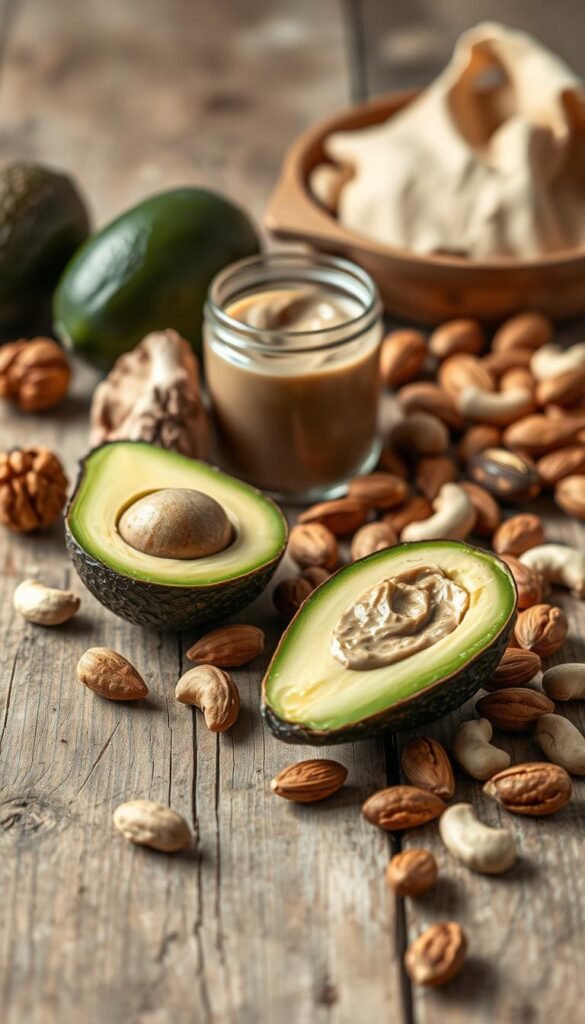
Heart-Healthy Fats: Avocado, Nuts, and Nut Butters
Monounsaturated fats from avocado and nuts support heart health and help your body absorb fat-soluble vitamins. Build a healthy fats breakfast with simple add-ons that boost flavor, texture, and staying power while keeping sugar in check.
Pro tip: Keep portions in mind so each bite feels satisfying, not heavy.
Avocado toast variations with protein boosts
Start with whole-grain or sprouted bread and ripe avocado for a fiber-rich base. For avocado toast protein, top with a jammy egg, smoked salmon, or cottage cheese. Each option adds complete protein and ups satiety.
Squeeze lemon and sprinkle chili flakes or everything seasoning. This quick combo turns a healthy fats breakfast into a balanced plate that powers the morning.
Nut and seed mixes for crunch and nutrition
Make a DIY topper for yogurt, oatmeal, or fruit. Try almonds, walnuts, pistachios, pumpkin seeds, sunflower seeds, and hemp hearts. Lightly toast the mix to bring out aroma and crunch.
For portion guidance, use about 1 oz of nuts or 1–2 tablespoons of seeds. This nuts and seeds breakfast adds magnesium, plant protein, and satisfying texture without much prep.
Almond, peanut, and cashew butter breakfast ideas
Choose nut butters with only nuts and salt from brands like Justin’s, Smucker’s Natural, or MaraNatha. Spread on toast, stir into warm oats, or blend into a smoothie. These nut butter recipes pair well with berries, banana, or citrus for fiber and vitamin C.
For extra staying power, add chia or flax and a pinch of cinnamon. You’ll get a creamy, healthy fats breakfast that feels balanced and easy to repeat.
- Quick build: Toast + almond butter + sliced strawberries
- On-the-go cup: Greek yogurt + nut-and-seed topper
- Blender option: Spinach + peanut butter + banana + milk of choice
Quick and Easy Breakfasts for Busy Weekdays
When the morning rush hits, keep it simple and nourishing. Plan a few quick breakfasts you can assemble fast, rely on a grab-and-go breakfast when time is tight, and use smart swaps to turn a 5-minute breakfast into a balanced plate. These ideas work with real schedules and real kitchens.
Make-ahead grab-and-go options
Prep egg muffins with cage-free eggs, spinach, and cheddar; chill or freeze for a grab-and-go breakfast. Portion overnight oats in Mason jars with Quaker oats, chia seeds, and almond milk, then add berries in the morning.
Roll whole-wheat burritos with eggs, black beans, peppers, and salsa; wrap each one and freeze. Keep chia puddings, baked oatmeal squares, and pre-portioned smoothie packs (frozen fruit plus greens) ready for a week of quick breakfasts.
Five-minute stovetop or microwave recipes
Whisk two eggs in a mug, add a pinch of salt, and microwave in 30-second bursts—top with shredded cheese and scallions for a fast win. Stir protein powder into instant oats for a 5-minute breakfast that sticks with you.
Make a skillet quesadilla with a whole-wheat tortilla, mozzarella, and baby spinach. Build a cottage cheese bowl with pineapple and walnuts, or toast whole-grain waffles and crown them with Greek yogurt and blueberries. These are true microwave recipes breakfast options when you need speed.
Smart shortcuts using pantry staples
Lean on a pantry staples breakfast: canned black beans for quick tacos with scrambled eggs, nut butters on whole-grain toast, and shelf-stable milks for oats or shakes. Frozen fruit and veggies add fiber and color in seconds.
Keep tuna or smoked salmon packets for a savory toast with lemon and capers. Use spices like cinnamon or turmeric to boost flavor without extra sugar. With these staples, you can assemble quick breakfasts or a microwave recipes breakfast any day.
- Pro tip: Pair a carb base with protein and produce to balance energy fast.
- Stock tortillas, oats, eggs, beans, and frozen berries for instant builds.
- Batch-cook once; enjoy a 5-minute breakfast all week.
Make-Ahead Meal Prep for Stress-Free Mornings
Set aside one hour on Sunday to streamline breakfast meal prep for the week. Mix fast staples with hearty bases so mornings stay calm and consistent. Use simple storage tips to lock in flavor and texture.
Batch-cooking eggs, grains, and proteins
Hard-boil eggs for quick protein; they keep up to seven days refrigerated. Cook quinoa, farro, or brown rice, and roast vegetables like sweet potatoes and peppers. Prepare turkey sausage or seasoned tofu crumbles for easy add-ins during batch cooking breakfast.
Build mix-and-match bowls all week: grains on the bottom, veggies in the middle, and eggs or protein on top. This approach keeps portions steady and speeds assembly before work or school.
Portioning and freezing for optimal freshness
Lean on freezer-friendly breakfast strategies to save time. Wrap breakfast burritos in foil, then place in freezer bags. Freeze pancakes or waffles on a sheet pan before bagging so they don’t stick.
Make smoothie packs with fruit, greens, and seeds; add liquid when blending. Bake and freeze egg muffins for single-serve reheating. Reheat in an oven, toaster oven, or microwave, and add fresh produce after warming for the best bite.
Storage tips and food safety guidelines
Follow food safety breakfast basics: refrigerate perishables within two hours and keep the fridge at 40°F (4°C) or below. Reheat leftovers to 165°F (74°C). Label and date items, and use airtight containers to prevent odors and moisture loss.
Prevent cross-contamination by storing raw foods below cooked foods. Keep a first-in, first-out system so batch cooking breakfast stays safe and efficient. These storage tips help every freezer-friendly breakfast taste fresh and reliable.
| Item | Prep Method | Fridge Life | Freezer Life | Reheat Method |
|---|---|---|---|---|
| Hard-boiled eggs | Boil, cool, refrigerate | Up to 7 days | Not recommended | Serve cold or warm briefly |
| Quinoa, farro, brown rice | Cook in batches | 4–5 days | Up to 3 months | Microwave with a splash of water |
| Roasted vegetables | Sheet-pan roast | 4 days | 1–2 months | Oven or skillet to crisp |
| Turkey sausage or tofu crumbles | Cook, drain, cool | 3–4 days | 2–3 months | Skillet or microwave |
| Breakfast burritos | Wrap in foil, bag | 2 days | 2–3 months | Oven or toaster oven |
| Pancakes/waffles | Freeze on sheet pan, bag | 3 days | 2 months | Toaster or oven |
| Egg muffins | Bake, cool, freeze | 3 days | 2 months | Microwave or oven |
| Smoothie packs | Portion fruit, greens, seeds | N/A | 2–3 months | Blend with liquid |
Low-Sugar Breakfast Swaps and Smart Sweeteners
Aim for a low sugar breakfast by keeping added sugars under 10% of daily calories. Choose whole-grain cereals from brands like Kashi or Barbara’s with 6–8 grams of added sugar or less, plus at least 4 grams of fiber and a protein boost from milk or Greek yogurt. These sugar swaps breakfast ideas support steady energy and help manage the glycemic index of your morning meal.
Build a no added sugar breakfast by letting fruit do the work. Mash ripe banana into oatmeal, fold in blueberries or strawberries, or stir a spoon of unsweetened applesauce into plain yogurt. A few chopped dates can go a long way. Spices like cinnamon, vanilla, nutmeg, and unsweetened cocoa powder enhance sweetness perception without raising sugars.
When you want a drizzle, reach for natural sweeteners like maple syrup or honey in small amounts. For minimal impact on the glycemic index, stevia and monk fruit are FDA GRAS options that taste clean in coffee, tea, or smoothies. If sugar alcohols like erythritol or xylitol bother your stomach, scale back and read labels for aliases such as evaporated cane juice or brown rice syrup.
Try these quick sugar swaps breakfast moves: top whole-grain toast with almond butter and sliced apple, blend a spinach–peanut butter smoothie with frozen berries, or bake oat cups with cinnamon and mashed banana. Each keeps a no added sugar breakfast satisfying, with fiber and protein to carry you through the morning.
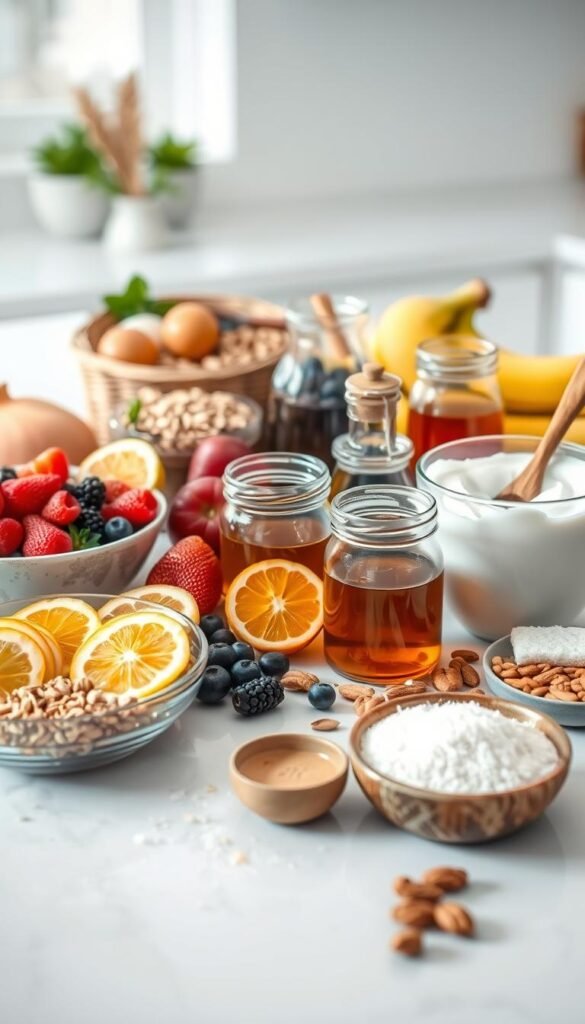
For eating on the go, pair plain skyr or Greek yogurt with a handful of walnuts and raspberries. Swap frosted pastries for a warm bowl of steel-cut oats cooked in milk, then finish with vanilla and a few toasted pecans. These low sugar breakfast choices deliver flavor while staying kind to your glycemic index.
Keep a short shopping checklist: unsweetened oats, sprouted bread, plain yogurt from Chobani or Siggi’s, ripe bananas, berries, cinnamon, vanilla extract, and a small bottle of maple syrup. With these natural sweeteners and a plan, a no added sugar breakfast becomes simple, budget-friendly, and craveable.
Plant-Based Breakfasts: Vegan and Vegetarian Options
Build a satisfying start with simple, vegan breakfast ideas that deliver flavor and fuel. A well-planned vegetarian breakfast can pack fiber, healthy fats, and a solid plant-based protein breakfast without fuss.
Tofu scrambles and plant-protein bowls
A classic tofu scramble shines with extra-firm tofu, turmeric, and black salt for an eggy note. Fold in bell peppers, spinach, and nutritional yeast for B vitamins. Add black beans or tempeh to turn it into a hearty plant-based protein breakfast.
For quick bowls, layer quinoa, roasted sweet potatoes, and kale. Spoon on warm tofu, then finish with salsa or avocado. These are easy, budget-friendly vegan breakfast ideas for busy mornings.
Dairy-free yogurts and smoothie bowls
Choose dairy-free yogurt from trusted brands like Forager, Silk, So Delicious, or Siggi’s Plant-Based. Aim for options with at least 6 grams of protein and low added sugar. Top with berries, chia, and a drizzle of almond butter.
Blend smoothie bowls with soy milk or pea milk for extra protein. Add frozen fruit, spinach, and hemp seeds to keep you full. This style of vegetarian breakfast stays light while delivering steady energy.
Legume-based patties and breakfast tacos
Pan-sear lentil patties or make a chickpea flour omelet for a savory morning plate. Pair with herbs, onions, and a spoon of yogurt-style sauce. Consider a B12 source from fortified foods if you eat fully vegan.
For breakfast tacos vegan, tuck black beans, tofu, avocado, and salsa into warm corn tortillas. These flexible vegan breakfast ideas work for meal prep and reheat well for a fast plant-based protein breakfast.
Gluten-Free Breakfasts Without Compromising Flavor
A great gluten-free breakfast can be bold, colorful, and fast. Focus on whole foods and label-checked products to keep each bite a celiac-safe breakfast. The right pantry setup turns weekday mornings into a breeze.
Gluten-free grains and flours that work
Build your base with gluten-free grains like certified gluten-free oats, quinoa, buckwheat, millet, amaranth, brown rice, and corn grits labeled GF. These staples cook quickly and pair well with fruit, eggs, or yogurt.
For baking, reach for almond, certified gluten-free oat, coconut, and sorghum flours. Add a touch of xanthan gum or psyllium husk to improve crumb and chew. This combo keeps GF recipes breakfast muffins, waffles, and pancakes moist without wheat.
Egg and veggie-based plates
Try shakshuka simmered with tomatoes, peppers, garlic, and chili. Serve with roasted potatoes or a slice of certified GF corn tortillas. It is hearty and fits a celiac-safe breakfast plan.
Omelets with mushrooms and spinach cook in minutes. A sweet potato hash with turkey sausage delivers fiber and protein. If dairy is tolerated, plain Greek yogurt with berries and chia is a simple gluten-free breakfast; for dairy-free, a tofu scramble works well with cumin and paprika.
Safe sourcing and cross-contamination tips
Prevent cross-contamination with clear kitchen zones. Use separate toasters, cutting boards, and spatulas. Keep condiments like peanut butter and jam in squeeze bottles or dedicate jars to avoid crumbs.
Check labels on oats, flours, sausages, and spice blends for verified GF status. Store gluten-free grains in sealed containers and prep on clean surfaces. With these habits, GF recipes breakfast ideas stay consistent and truly safe.
Kid-Friendly Morning Meals the Whole Family Will Love
Build a kid-friendly breakfast that pairs whole grains, protein, fruit, and dairy or fortified alternatives to support focus and growth. Try whole-grain waffles with peanut butter and sliced strawberries, yogurt parfait jars, or banana-oat pancakes scented with cinnamon and vanilla. Keep sweeteners light, and offer water or milk on the side for a smooth start.
Make it engaging: let kids stack their own parfaits, spread toast with almond or peanut butter, or press an egg-and-cheese quesadilla with mild salsa. Cut fruit and pancakes into fun shapes to win over a picky eaters breakfast without extra sugar. These small steps turn routine plates into family breakfast ideas that actually get eaten.
For busy days, pack a lunchbox breakfast using bento-style sections. Add Greek yogurt, berries, and a sprinkle of granola; tuck in mini whole-grain muffins and a cheese stick. Aim for 10–20 grams of protein with fiber-rich carbs to build healthy school breakfasts that last until lunch.
| Meal Idea | Protein (approx.) | Fiber Boost | Why Kids Love It |
|---|---|---|---|
| Yogurt parfait jars with berries and granola | 12–18 g | Oats, berries | Colorful layers and DIY toppings |
| Egg-and-cheese quesadilla with mild salsa | 14–20 g | Whole-wheat tortilla | Warm, melty, and handheld |
| Banana-oat pancakes with peanut butter | 10–15 g | Oats, banana | Soft texture and familiar flavor |
| Whole-grain waffles with strawberries and yogurt | 12–16 g | Whole grains, fruit | Crunch meets creamy and sweet |
Rotate these family breakfast ideas through the week to keep interest high and mornings calm. With simple prep, a lunchbox breakfast can double as a car-friendly option, while a picky eaters breakfast gets gentler flavors and simple textures. The result is a steady lineup of healthy school breakfasts that feel fun, taste great, and fit real-life schedules.
Hydration and Morning Beverages to Pair with Breakfast
Start the day with smart breakfast beverages that support energy and focus. A glass of water kickstarts morning hydration, while a warm mug or a chilled blend can round out your plate without excess sugar. Aim for choices that add nutrients, not just flavor.
Coffee, tea, and matcha: pros and cons
Black coffee offers clear coffee benefits: low calories and polyphenols that support alertness. Keep it simple, or add a splash of milk for balance. Skip oversized syrups to avoid a sugar crash.
Tea brings antioxidants with gentle lift. In the tea vs matcha debate, matcha includes L-theanine, which can smooth the caffeine edge. Most adults do well staying under 400 mg of caffeine per day.
If you are caffeine-sensitive, consider decaf or herbal blends. Peppermint and ginger are classic choices that pair well with eggs, oats, or toast.
Smoothies versus juices: nutrient density matters
With smoothies vs juice, fiber is the big split. Smoothies keep the fiber because the whole fruit stays in the blender. That helps slow digestion and steady energy.
Build a balanced smoothie with Greek yogurt or soy milk, spinach, chia, and berries. This combo adds protein, healthy fats, and micronutrients to your breakfast beverages.
Juice can fit in small pours. Favor 100% juice and pair it with protein to blunt sugar spikes, or choose a smoothie instead when you need staying power.
Electrolytes and hydration timing in the morning
Drink 12–16 ounces of water soon after waking for morning hydration. Add a pinch of electrolytes morning if you trained hard, sweat heavily, or live in hot weather.
Sodium, potassium, and magnesium help maintain fluid balance. Unsweetened dairy or fortified almond, soy, or oat milk can also supply protein and calcium with your meal.
Space sips before coffee or tea to reduce dehydration risk. Then enjoy your cup, matching your intake to your day and your plate.
Budget-Friendly Breakfasts Using Affordable Ingredients
Stretch your dollars without skimping on nutrition. A budget breakfast can be fast, filling, and full of real food. Aim for simple proteins, smart carbs, and produce you can buy in season or freeze for later.
Keep it practical: Stock what you’ll eat often, prep once, and mix flavors through the week. This approach turns a cheap healthy breakfast into a steady habit that feels satisfying, not spare.
Low-cost proteins and bulk staples
Eggs, canned beans, peanut butter, cottage cheese, canned tuna or salmon, tofu, and big tubs of yogurt form a strong core. Match them with oats, brown rice, potatoes, dry lentils, and frozen produce for a reliable bulk staples breakfast.
Try these quick ideas:
- Oats with peanut butter and banana for a cheap healthy breakfast.
- Scrambled eggs over leftover rice with spinach.
- Cottage cheese on store-brand whole-grain toast with berries.
Repurposing leftovers into breakfast
Turn last night’s food into a fresh start. A leftovers breakfast saves money and time while adding variety to your lineup.
- Rice-and-egg bowls with frozen mixed veggies and salsa.
- Roasted potatoes crisped in a skillet as a quick hash with tofu.
- Shred chicken or slice tofu for breakfast tacos or wraps.
- Stale whole-grain bread becomes French toast with cinnamon and a light pour of maple syrup.
Smart shopping: seasonal produce and store brands
Build meals around sales and in-season picks—berries in summer, apples in fall. Choose store brands like Kroger, Walmart Great Value, and Target Good & Gather to keep a budget breakfast on track while staying store brand healthy.
Batch-cook oats, rice, or beans on Sunday and freeze portions. This cuts waste, speeds mornings, and supports a steady bulk staples breakfast plan.
| Item | Use Case | Why It Saves | Breakfast Example |
|---|---|---|---|
| Oats (bulk) | Base for bowls | Low price per serving | Oats with peanut butter and apples for a cheap healthy breakfast |
| Eggs | Fast protein | Versatile and quick | Egg-and-rice skillet with frozen peas |
| Canned beans | Plant protein | Shelf-stable value | Black bean and salsa toast for a budget breakfast |
| Frozen berries | Topping or mix-in | Season-proof price | Yogurt parfait using store brand healthy options |
| Whole-grain store-brand bread | Toast, French toast | Lower unit cost | French toast from stale slices for a leftovers breakfast |
| Tofu | Scrambles, tacos | Affordable protein | Tofu scramble with spinach and rice |
Conclusion
This healthy breakfast summary ties the article together with clear action steps. Aim for 20–30 grams of protein, 5–8 grams of fiber, and a source of healthy fats at breakfast. Build meals around whole foods like oats, sprouted toast, eggs or tofu, berries, avocado, nuts, and seeds. This balanced breakfast takeaway supports steady energy, sharper focus, and better appetite control throughout the morning.
Personalize your plate to fit your needs while keeping balance in sight. Choose plant-based options with soy yogurt, tempeh, or beans. Keep gluten-free choices on hand, such as quinoa flakes or corn tortillas. Reduce added sugar by leaning on fruit and cinnamon for sweetness. Use batch cooking, freezer-ready sandwiches, and store brands to stay on budget and make morning routine nutrition doable on busy days.
For a Healthy Breakfast Ideas recap, pick a fast template: yogurt bowl, eggs-and-toast, oatmeal, or smoothie. Add produce for color and fiber, plus a healthy fat like chia, walnuts, or olive oil. Drink water, coffee, or tea alongside and watch portions of sweeteners. These small, repeatable steps turn morning routine nutrition into a habit you can keep.
Your balanced breakfast takeaway is simple: plan once, repeat often, and rotate ingredients with the seasons. Keep staples ready, prep components on Sundays, and stack choices that match your schedule. With this Healthy Breakfast Ideas recap as your guide, you can build a routine that supports focus, mood, and long-term health—one bowl, cup, or plate at a time.
FAQ
What makes a healthy breakfast according to U.S. guidelines?
A nutrient-dense breakfast includes whole grains, lean or plant proteins, fruits or vegetables, and healthy fats. The 2020–2025 Dietary Guidelines for Americans and Harvard’s Healthy Eating Plate recommend limiting added sugars to less than 10% of daily calories and favoring whole foods over refined grains and processed meats.
How does breakfast affect energy, focus, and blood sugar?
Balanced breakfasts with protein, fiber, and unsaturated fats help slow digestion and smooth glucose and insulin curves. Studies in The American Journal of Clinical Nutrition show low to moderate glycemic load meals reduce mid-morning crashes and improve steady energy and concentration.
Does breakfast boost metabolism or weight loss?
Breakfast alone does not “jumpstart” metabolism for everyone. Trials like the Bath Breakfast Project report mixed effects on weight. The bigger benefits are appetite regulation, better glucose tolerance earlier in the day, and alignment with circadian rhythms. Focus on macro balance, not hacks.
How much protein, fiber, and healthy fat should I aim for at breakfast?
Target 20–30 grams of protein for satiety and muscle protein synthesis, 5–8 grams of fiber for fullness and glycemic control, and 10–15 grams of unsaturated fat to help absorb vitamins A, D, E, and K. This mix supports sustained energy.
What are easy high-protein breakfast swaps?
Choose Greek yogurt from brands like Fage, Chobani, or Siggi’s; cottage cheese; eggs or liquid egg whites; tofu or tempeh; or add whey, casein, or pea protein powders such as Optimum Nutrition or Orgain to oats or smoothies.
How can I add more fiber in the morning?
Mix in chia seeds, ground flaxseed, or psyllium husk. Pick whole grains like oats, sprouted wheat bread, or quinoa. Add fiber-rich fruits such as berries, pears, and apples. These choices help stabilize appetite and blood glucose.
Which healthy fats are best at breakfast?
Avocado, almonds, walnuts, peanut or almond butter from brands like Justin’s or Smucker’s Natural, and extra-virgin olive oil supply heart-healthy monounsaturated and polyunsaturated fats. They also boost carotenoid absorption from produce.
What are quick breakfast ideas for busy mornings?
Try Greek yogurt with berries and whole-grain granola, whole-grain toast with peanut butter and banana, cottage cheese with pineapple and chia, microwaved oatmeal with frozen blueberries and almond butter, hard-boiled eggs with an apple, premade chia pudding, or a protein shake.
How do I build a balanced breakfast plate?
Use a simple template: a quarter plate protein (eggs, yogurt, tofu), a quarter whole grains (oats, quinoa, whole-wheat toast), half produce (spinach, tomatoes, berries), plus a drizzle of healthy fat like olive oil or a handful of nuts.
What are seasonal breakfast ideas to keep things fresh?
Spring: asparagus and spinach omelet. Summer: berry yogurt parfait or tomato-avocado toast. Fall: pumpkin oatmeal with pecans. Winter: citrus yogurt bowls with grapefruit and pistachios. Seasonal produce adds variety and saves money.
How can I make high-protein breakfasts like parfaits, eggs, or smoothies?
Build parfaits with 2%–5% Greek yogurt, high-fiber granola, berries, and nuts or seeds; add 5–10 grams collagen or whey if needed. For eggs, scramble with spinach, mushrooms, and feta, or bake frittatas and muffin cups for meal prep. For smoothies, use milk or fortified soy milk, 20–25 grams protein powder, frozen berries, spinach, chia or flax, nut butter, and oats.
What upgrades improve oatmeal and overnight oats?
Oats offer beta-glucan fiber that supports LDL cholesterol and satiety. For overnight oats, combine rolled oats with milk or soy milk, chia, cinnamon, and fruit. For hot oatmeal, stir in egg whites, Greek yogurt, nut butter, flax, or chia to boost protein and fiber.
Is chia pudding or flax good for breakfast?
Yes. Two tablespoons of chia deliver around 10 grams of fiber and help with fullness. Ground flaxseed adds ALA omega-3s and lignans. Pair with kefir or dairy-free yogurt for a gut-friendly option rich in probiotics and prebiotic fiber.
Which breads are best for toast?
Choose whole-grain and sprouted breads like Ezekiel or Dave’s Killer Bread 100% Whole Wheat. Top with mashed avocado, hummus, ricotta, or smoked salmon and cucumbers to pair fiber with protein and healthy fats.
How can I add more nuts and seeds to breakfast?
Use DIY mixes of almonds, walnuts, pistachios, pumpkin seeds, sunflower seeds, and hemp hearts. Lightly toast for flavor and crunch. Aim for about 1 ounce of nuts or 1–2 tablespoons of seeds as a topping for yogurt, oats, or smoothies.
What are smart, low-sugar swaps in the morning?
Pick cereals or granolas with 6–8 grams of added sugar or less per serving and higher fiber and protein. Sweeten with fruit, cinnamon, vanilla, nutmeg, or cocoa powder. If using sweeteners, try small amounts of maple syrup or honey, or stevia and monk fruit, and watch for sugar alcohols if they upset your stomach.
What make-ahead breakfast options work well?
Prep egg muffins, overnight oats jars, breakfast burritos with eggs, black beans, and veggies, chia puddings, baked oatmeal squares, and pre-portioned smoothie packs. These grab-and-go choices save time on busy weekdays.
How do I freeze and reheat breakfasts safely?
Wrap burritos in foil and then freezer bags. Freeze pancakes or waffles on a sheet pan before bagging. Portion smoothie packs and egg muffins. Reheat in an oven, toaster oven, or microwave, then add fresh produce. Label and date items to track freshness.
What are key food safety tips for breakfast meal prep?
Follow USDA guidance: refrigerate perishables within two hours, keep your fridge at 40°F or below, reheat leftovers to 165°F, store raw foods below cooked foods, and use airtight containers to avoid cross-contamination.
How can I cut added sugars at breakfast without losing flavor?
Lean on bananas, berries, dates in modest amounts, and applesauce for natural sweetness. Use spices like cinnamon and vanilla. Read labels for added sugar aliases such as evaporated cane juice or brown rice syrup and choose products with fewer sweeteners.
What are good plant-based breakfast ideas?
Make tofu scrambles with turmeric, black salt, and veggies; plant-protein bowls with tempeh or black beans; dairy-free yogurts like Forager, Silk, So Delicious, or Siggi’s Plant-Based; and smoothie bowls with soy or pea milk, chia, hemp, and fruit. Consider vitamin B12 from fortified foods or supplements if you’re vegan.
How can gluten-free eaters enjoy breakfast without losing flavor?
Use gluten-free oats, quinoa, buckwheat, millet, amaranth, and certified GF corn or brown rice. Try almond, oat, coconut, or sorghum flours, and add xanthan gum or psyllium for better texture. Egg-and-veggie plates, shakshuka, and tofu scrambles are flavorful GF options.
How do I avoid gluten cross-contact at home?
For celiac disease or gluten sensitivity, use separate toasters and cutting boards, keep condiments from double-dipping, verify GF certification on oats and flours, and check labels for hidden gluten in sausages or seasonings.
What are kid-friendly, balanced breakfast ideas?
Try whole-grain waffles with peanut butter and strawberries, yogurt parfait jars, egg-and-cheese quesadillas with mild salsa, and banana-oat pancakes. Aim for 10–20 grams of protein, fiber-rich carbs, and limit added sugars. Offer water or milk.
Which morning drinks pair well with a healthy breakfast?
Coffee, tea, and matcha provide polyphenols and alertness; keep caffeine under 400 mg per day. Choose smoothies over juices to retain fiber, and build them with protein, healthy fats, and greens. Start the day with 12–16 ounces of water, and use electrolytes after heavy sweat.
How can I save money on healthy breakfasts?
Focus on budget proteins like eggs, canned beans, peanut butter, cottage cheese, tofu, and bulk yogurt. Buy oats, frozen produce, potatoes, and store-brand whole-grain bread. Shop sales and seasonal produce, use store brands such as Kroger, Great Value, or Good & Gather, and batch-cook to reduce waste.
What are smart pantry staples for fast breakfasts?
Keep canned beans for quick tacos, nut butters, shelf-stable milks, frozen fruits and veggies, tuna or smoked salmon packets, oats, and spices like cinnamon and turmeric. These basics help you assemble five-minute meals any day.