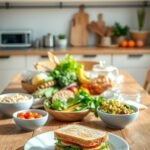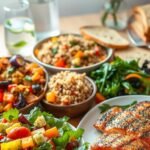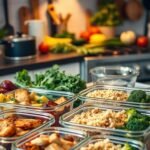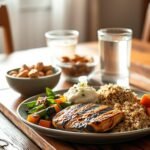
Tasty Weekly Meal Prep Ideas for Busy Lifestyles
Here’s a shocker: the average American tosses more than 200 pounds of food each year, according to the USDA. That is money, time, and energy gone. With smart Weekly Meal Prep Ideas, you can flip that script and turn chaos into calm, one planned plate at a time.
This Website contains affiliate links. That means I may earn a small commission if you purchase through my links, at no extra cost to you.
This guide makes meal prep for busy people simple and tasty. We’ll map out a healthy weekly menu, lean on easy meal prep recipes, and show time-saving meal prep methods that fit a tight schedule. Expect a friendly plan for batch cooking and make-ahead meals that cut waste, boost flavor, and keep weeknights stress-free.
You’ll learn how to batch tasks like chopping, roasting, and portioning, then mix versatile components into fast lunches and one-pan dinners. We’ll cover the right tools, budget moves, and USDA food safety tips so your meals stay fresh and safe. Think flexible flavors, crisp textures, and real-life speed—without spending your whole Sunday in the kitchen.
Key Takeaways
- Use Weekly Meal Prep Ideas to reduce waste, save cash, and eat better all week.
- Plan a healthy weekly menu with easy meal prep recipes that rotate flavors.
- Rely on time-saving meal prep: batch cooking, one-pan dinners, and make-ahead meals.
- Prep components—grains, proteins, and veggies—to build fast, balanced plates.
- Follow USDA guidance for safe cooling, storage, and reheating to keep food fresh.
- Choose durable containers and label portions to streamline busy days.
- Keep meals interesting with sauces, spices, and mix-and-match add-ins.
Why Meal Prep Works for Busy Lifestyles
Meal prep turns a hectic week into a calm routine. With weekly planning and a short block of batch cooking, you save time cooking while still eating well. The payoff shows up on busy nights and during long workdays.
Set aside one or two cooking blocks to roast proteins, cook grains, and chop vegetables. Use the oven’s passive heat and one-pan methods to reduce cleanup and reduce weeknight stress. This approach supports routine building without adding mental load.
Time-saving benefits for hectic schedules
Batching turns 45–60 minutes of nightly cooking into 10–20 minutes of reheating and assembling. That shift boosts productivity meal prep and frees evenings for family, exercise, or rest. Predictable shopping lists also mean fewer midweek store trips and faster kitchen flow.
- Cook multiple proteins at once on a sheet pan to save time cooking.
- Simmer a big pot of quinoa or brown rice while vegetables roast.
- Store sauces and dressings to speed up last-minute meals.
Reducing decision fatigue throughout the week
Pre-decided menus cut choices at the end of the day, which helps reduce weeknight stress. When parts are ready, you skip last-minute debates and impulse ordering. Clear options make it easy to stick with healthy habits even when schedules change.
- Label portions for lunches and dinners to lighten mental load.
- Rotate two or three flavor profiles for variety without extra work.
- Use a visible plan on the fridge to guide quick picks.
How planning supports consistent healthy eating
Weekly planning anchors consistency in diet. Pre-portioned meals support calorie control, higher fiber, and balanced macros. This structure turns small choices into lasting healthy habits.
| Prep Strategy | Primary Benefit | Time Impact | Nutritional Support | Real-World Win |
|---|---|---|---|---|
| Batch-roasted proteins | Faster assembly | Nightly cook time drops to 10–20 minutes | Reliable protein at each meal | Helps reduce weeknight stress |
| Cooked grains in bulk | Quick base for bowls | One pot covers 4–6 meals | Steady fiber intake | Boosts productivity meal prep |
| Chopped ready-to-cook vegetables | Rapid sauté or roast | Cuts prep to a few minutes | Supports consistency in diet | Speeds routine building |
| Pre-made sauces and dressings | Flavor without effort | 30 seconds to finish a dish | Encourages balanced plates | Helps save time cooking |
| Written weekly planning | Clear daily choices | Fewer midweek store trips | Aligns meals with goals | Helps reduce weeknight stress |
Setting Smart Goals for Your Weekly Meal Prep
Specific, measurable, achievable, relevant, and time-bound is the backbone of SMART goals meal prep. Define the target: four lunches and two dinners for Monday–Thursday. Match it to your reality. If you have two hours on Sunday and a working oven, plan recipes that fit. Keep your nutrition goals front and center so every choice supports energy and focus.
Build a weekly prep routine you can repeat. Block time on your calendar, like Sunday 3–5 p.m., and set a reminder. Start small—maybe breakfast and one lunch—then scale up as you get faster. Use a simple meal planning template: 1 protein, 1 grain or starch, 2 veggies, 1 sauce. This keeps variety high and stress low.
Dial in portion control with clear targets. Aim for 25–35 grams of protein per meal, half a plate of vegetables, and one serving of whole grains such as brown rice or quinoa. Plan leftovers on purpose: roast extra chicken for tacos, or double a pot of chili for midweek bowls. This is realistic meal planning that cuts waste and keeps taste.
Track what works so you can iterate. Note which dishes reheat well in a microwave or air fryer, and which lose texture. If sheet-pan salmon stayed moist but pasta dried out, adjust next week’s plan. Over time, your weekly prep routine becomes a system that meets your nutrition goals without guesswork.
Quick setup
- Set one SMART target for the week.
- List constraints: time, appliances, and dietary needs.
- Choose recipes that fit your meal planning template.
- Pre-portion containers to support portion control.
- Review results on Thursday and refine.
Weekly Meal Prep Ideas
Build your week around balanced meal prep that feels fresh, fast, and flexible. Use simple formulas, shop once, and cook smart so macro-friendly meals are ready when you are.
Balanced plates with protein, fiber, and healthy fats
Aim for plates that hit protein fiber healthy fats in each serving. Target 25–40 g protein, 8–12 g fiber, and a drizzle of quality fat for flavor and satiety.
- Salmon, farro, and roasted broccoli with lemon–tahini. This checks all boxes for macro-friendly meals and keeps you full.
- Turkey meatballs with whole-wheat couscous and sautéed spinach. Add olive oil and a squeeze of lemon.
- Tofu stir-fry with brown rice, edamame, and sesame seeds. Finish with avocado or a peanut drizzle.
These easy dinner ideas stack well into 30-minute meals when you roast, steam, or stir-fry in batches.
Mix-and-match components for variety
Create a mix-and-match meal prep station for stress-free assembly. Cook a few base items, then vary sauces and toppings all week.
- Base set: roasted sweet potatoes, quinoa, marinated chickpeas, grilled chicken, and fresh spinach.
- Mediterranean bowl: add olives, feta, cucumbers, and tzatziki.
- Southwest bowl: add black beans, corn, pico de gallo, and lime.
- Asian-inspired bowl: add pickled carrots, scallions, and ginger–sesame dressing.
This approach keeps balanced meal prep interesting without extra cooking time.
Quick wins for weeknight dinners
Keep a short list of 30-minute meals to bridge busy nights. Prep a protein and a veg on Sunday, then finish with heat-and-eat steps.
- Sheet-pan shrimp fajitas with peppers and onions; warm tortillas and go.
- Skillet gnocchi with pesto and cherry tomatoes in 15 minutes.
- Rotisserie chicken upgrades: toss with prepped slaw, microwave sweet potatoes, and a swipe of Greek yogurt.
- 10-minute soba noodle bowl with prepped veggies and a store-bought sauce.
These easy dinner ideas fit macro-friendly meals and keep protein fiber healthy fats in balance with minimal effort.
Essential Meal Prep Tools and Containers
Smart gear turns a two-hour cook-up into a smooth routine. Choose durable meal prep containers, reliable heat sources, and clear labels so every bite stays fresh, safe, and easy to reheat.
Best containers for portioning and reheating
For daily use, pick BPA-free glass containers microwave safe from brands like Pyrex and Glasslock. Tight lids lock in moisture and cut down on stains and odors.
Divided meal prep containers help with portion control and keep textures separate. Mason jars shine for salads and overnight oats, keeping greens crisp and grains fluffy.
Cool foods fast for safety: reach 70°F within 2 hours and 41°F within 4 hours, following the FDA Food Code. Use shallow containers to speed chilling and store sauces on the side to protect crunch.
Time-saving gadgets: sheet pans, instant pots, and blenders
Batch more in less time with quarter and half sheet pans from Nordic Ware. They make sheet pan dinners simple—roast proteins and veggies at once with even browning and quick cleanup.
For hands-off cooking, build an Instant Pot meal prep routine. A pressure cooker streamlines beans, brown rice, and soups, freeing you to chop or tidy while it works.
A high-speed blender such as Vitamix or NutriBullet whips up pesto, cashew cream, and smoothie packs in minutes. Blend, pour, and stash sauces in small jars to layer flavor all week.
Labeling and storage hacks
Make labeling food storage a habit. Use freezer-safe masking tape or dissolvable labels and note the date and contents. Practice first-in, first-out so older items get used first.
Set wire racks in the fridge to boost airflow around containers. Keep raw items on the lowest shelf, cooked foods above, and group grab-and-go sets for faster mornings.
| Tool/Container | Why It Helps | Best Use Case | Pro Tip |
|---|---|---|---|
| Glass containers microwave safe (Pyrex, Glasslock) | Safe reheating, no staining, tight seals | Daily lunches and quick dinners | Choose shallow shapes for faster cooling |
| Divided meal prep containers | Built-in portion control, textures stay separate | Protein, grain, and veg combos | Store sauces separately to keep crunch |
| Quarter/Half sheet pans (Nordic Ware) | Large surface for even roasting | Sheet pan dinners and bulk veggies | Preheat pan for extra-crisp edges |
| Instant Pot meal prep (pressure cooker) | Hands-off, fast cooking | Beans, grains, soups, and stews | Batch and freeze in flat, labeled bags |
| High-speed blender (Vitamix, NutriBullet) | Silky sauces and smoothies | Pestos, dressings, puree bases | Blend double; refrigerate in small jars |
| Labeling food storage (tape or dissolvable) | Prevents waste and guesswork | All cooked and prepped items | Use dates and rotate first-in, first-out |
Grocery Shopping Strategy and Budget Tips
Start before you shop. Use grocery list planning sorted by produce, dairy, pantry, and frozen. A plan-led route helps you move faster and cuts impulse grabs at checkout. Build the list around sale flyers and set a per-meal target, like $2–$4 lunches, to guide choices.
Let discounts shape the menu. Anchor meals to marked-down proteins and seasonal produce for peak value and taste. When berries spike in price, pivot to frozen fruits for steady cost and nutrition. Store brands from Target, Kroger, and Safeway often match quality at a lower price.
Check unit pricing on every shelf tag to compare sizes and avoid paying more per ounce. Bulk buying pantry staples—rice, oats, beans—at warehouse clubs like Costco or Sam’s Club lowers your cost per serving and streamlines budget meal prep for the week.
Use coupon apps and loyalty tools to stack savings. Target Circle, Kroger digital deals, and Safeway coupons can pair with weekly sales. Hit farmer’s markets near closing for markdowns on seasonal produce, then freeze extras for soups, smoothies, or sauces.
Keep one pantry night in your plan. Combine beans, tomatoes, pasta, or rice with a quick sauce to clear shelves and reduce waste. Round out the cart with frozen vegetables for reliable pricing and easy sides that fit tight schedules.
| Strategy | What to Do | Why It Works | Real-World Example |
|---|---|---|---|
| Grocery List Planning | Sort by store section and match to sales | Reduces time and impulse buys | Produce first, then dairy, then pantry and frozen |
| Unit Pricing | Compare cost per ounce or pound | Finds true value across sizes | Choose a 32-oz yogurt with lower per-ounce cost |
| Bulk Buying | Stock rice, oats, beans at warehouse clubs | Lowers cost per serving | Costco 25-lb rice bag for months of bowls |
| Seasonal Produce | Plan meals around in-season items | Better flavor and price | Summer corn and tomatoes for salads and salsas |
| Coupon Apps | Stack loyalty and digital coupons | Extra savings on top of sales | Kroger digital deal + manufacturer coupon |
| Pantry Night | Use shelf-stable staples weekly | Prevents waste and keeps budget in check | Beans, canned tomatoes, pasta, and spices |
Track your spend as you shop. A simple running tally on your phone keeps the cart aligned with budget meal prep goals and helps you decide when to swap, skip, or stock up.
Batch Cooking Proteins for Versatile Meals
Make weeknights easier with batch protein cooking that flexes across tacos, bowls, wraps, and salads. Rotate simple spice blends—taco, Mediterranean with oregano, lemon, and garlic, teriyaki, or a smoky barbecue rub—to keep flavors fresh while you meal prep.
Chicken, turkey, and lean beef options
Roast bone-in chicken thighs at 425°F for 25–35 minutes until juices run clear. For shredded chicken meal prep, poach breasts gently or use an Instant Pot, then toss with your chosen seasoning. Sauté lean ground turkey or lean ground beef with onions and spices for fast fillings that work in pasta, rice bowls, or lettuce wraps.
Keep a small batch unseasoned to pivot flavors midweek. One pan of thighs can swing from taco night to a bright Mediterranean bowl with tomatoes, cucumbers, and feta.
Seafood done safely and quickly
For salmon meal prep, roast fillets at 400°F for 10–12 minutes until they flake. Cod and shrimp also cook fast; a quick sauté or sheet pan roast delivers tender results. Store cooked seafood in the fridge for 1–2 days, following USDA guidance for safety.
Stock pantry options like canned tuna or canned salmon from Safe Catch or Wild Planet for instant protein salads or grain bowls. Add lemon, capers, or a spoon of yogurt for a light, bright finish.
Plant-based proteins: beans, lentils, tofu, and tempeh
Simmer a pot of lentils for 20–25 minutes, then portion for soups, tacos, or grain bowls built on favorite lentil recipes. Pressure-cook chickpeas until tender for creamy hummus or crisp skillet snacks. Press tofu for 15 minutes, add a bold tofu marinade, and bake at 400°F for 25–30 minutes. Marinate tempeh, then pan-sear or roast for a nutty bite.
Season with teriyaki for stir-fry, oregano and garlic for a Mediterranean twist, or a light barbecue rub for hearty sandwiches. Plant proteins hold sauces well, so they shine in both cold salads and hot dinners.
- Core methods: roast, sauté, poach, pressure-cook
- Flavor sets: taco, Mediterranean, teriyaki, barbecue
- Quick staples: canned tuna, lentil recipes, tofu marinade
High-Flavor, Low-Effort Sauces and Seasonings
Stock a few meal prep sauces to turn basic grains and proteins into bold meals. A silky tahini sauce mixes tahini, lemon juice, grated garlic, and water until pourable. Shake a bright vinaigrette with extra-virgin olive oil, red wine vinegar, Dijon, and a pinch of sugar. Keep pesto on hand—classic basil or a quick kale–walnut spin—for pasta, eggs, or roasted veggies.
Stir fresh chimichurri with parsley, cilantro, red wine vinegar, garlic, chili flakes, and olive oil. A cool yogurt sauce with Greek yogurt, dill, lemon zest, and salt calms heat from chiles. For noodles or grilled chicken, whisk a peanut-sesame blend with peanut butter, soy sauce, rice vinegar, sesame oil, and a splash of warm water.
Round things out with pantry sauces and dry spice blends. Try ras el hanout, Italian seasoning, Cajun, and everything bagel seasoning to keep flavors rotating. Use light marinades to tenderize meats and tofu. Bloom spices in a little oil, salt thoughtfully, and finish with citrus zests to brighten prepped food fast.
Refrigerate sauces in small jars for 3–5 days, labeling lids with dates. Freeze pesto and tomato paste in ice cube trays for single-serve boosts. Thaw in the fridge or melt straight into warm grains and sautéed vegetables.
| Sauce/Seasoning | Core Ingredients | Best Uses | Storage Tips |
|---|---|---|---|
| Tahini sauce | Tahini, lemon, garlic, water, salt | Bowls, roasted carrots, grilled chicken | Jar, 3–5 days chilled; whisk if it separates |
| Vinaigrette | Olive oil, red wine vinegar, Dijon, pinch of sugar | Salads, grains, bean salads | Jar, 5 days chilled; shake before use |
| Pesto | Basil or kale, nuts, Parmesan, olive oil, garlic | Pasta, eggs, sandwiches | Freeze in cubes; refrigerate 3 days with oil film |
| Yogurt sauce | Greek yogurt, dill, lemon zest, salt, pepper | Seafood, lamb, cucumbers | Jar, 3–4 days chilled |
| Chimichurri | Parsley, cilantro, red wine vinegar, garlic, chili flakes | Steak, tofu, grilled vegetables | Jar, 3–4 days chilled; add fresh oil if dry |
| Peanut-sesame | Peanut butter, soy sauce, rice vinegar, sesame oil, water | Noodles, slaws, chicken skewers | Jar, 4–5 days chilled; thin with water as needed |
| Spice blends | Ras el hanout, Italian seasoning, Cajun, everything bagel | Dry rubs, sheet pans, scrambled eggs | Airtight tin, cool and dark for freshness |
| Light marinades | Olive oil, citrus or vinegar, herbs, garlic | Chicken, shrimp, tofu, tempeh | Marinate 15–60 min; discard used marinade |
| Pantry sauces | Tomato paste, soy sauce, hot sauce, honey | Skillet glazes, quick stir-fries | Freeze tomato paste in cubes; date each jar |
Pro tip: Bloom spice blends in a teaspoon of oil before tossing with vegetables for deeper flavor, then finish with a squeeze of lemon for lift.
These meal prep sauces, along with quick marinades, flexible pantry sauces, and trusty spice blends, bring big flavor with little effort and make weeknight cooking feel easy.
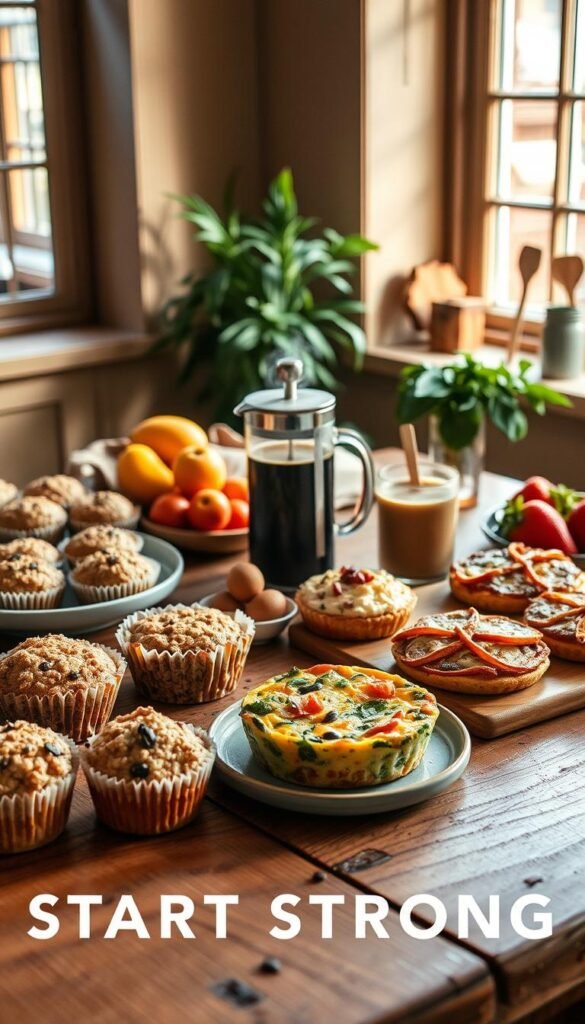
Make-Ahead Breakfasts to Start Strong
Set the tone for your day with breakfast meal prep that tastes good and holds up in the fridge or freezer. Rotate simple builds so mornings stay quick, varied, and budget-friendly.
Overnight oats and chia puddings
Use reliable overnight oats recipes to keep you full until lunch. Stir 1/2 cup rolled oats with 1/2 cup milk, 1/3 cup yogurt, and 1 tablespoon chia. Add fruit and nuts, then chill. They last 4–5 days.
For chia pudding, mix 3 tablespoons chia with 1 cup milk. Sweeten lightly with maple or honey and finish with berries. Both jars pack fiber and steady energy for busy mornings.
Egg bakes, frittatas, and breakfast burritos
Whisk 10–12 eggs with a splash of milk, chopped vegetables, and cheese for an egg casserole. Bake at 350°F for 25–35 minutes, cool, slice, and refrigerate 3–4 days. It reheats fast and pairs well with greens.
Build a breakfast burrito freezer stash: scramble eggs, add beans, sautéed peppers, and cheese, then wrap in whole-wheat tortillas. Wrap tightly in foil and freeze up to 3 months. Reheat in the oven or air fryer for a crisp edge.
Protein smoothies and freezer-friendly waffles
Assemble protein smoothie packs with fruit, spinach, and seeds. In the morning, add liquid and protein powder, then blend in a high-speed blender for a silky sip that travels well.
Make whole-grain waffles on the weekend and freeze in a single layer. Toast to re-crisp and top with nut butter or yogurt. This duo makes breakfast meal prep simple, portable, and satisfying.
Grab-and-Go Lunch Bowl Formulas
Build fast meal prep bowls with an easy formula: start with a base, add protein, pile on veggies, finish with crunch and sauce. For bases, rotate quinoa, farro, brown rice, or mixed greens. For protein, use roasted chicken, canned wild salmon, baked tofu, or seasoned beans for a high-protein lunch that travels well.
Mix raw and roasted vegetables for color and bite. Add crunch with toasted seeds or nuts. Finish with bold flavor—think yogurt sauces, vinaigrettes, or quick pickles. Keep components in separate containers for 3–4 days, then assemble in the morning for the crispest desk lunch ideas.
Mediterranean: farro, chickpeas, cucumber, tomato, Kalamata olives, feta, and tzatziki. Southwest: brown rice, black beans, corn, bell peppers, avocado, and salsa-lime yogurt. Asia-inspired: quinoa, sesame tofu, shredded cabbage, carrots, edamame, and ginger-peanut sauce. These grain bowls stay fresh and pack serious flavor without fuss.
For busy days, mason jar salads and salad jars are a neat fix. Layer dressing on the bottom, then hardy veg, followed by protein and grains, with greens on top to prevent sogginess. Flip into a bowl at lunch and toss. This method keeps textures sharp and turns your fridge into a lineup of ready desk lunch ideas.
Want simple swaps? Use rotisserie chicken from Costco, pouch tuna by Wild Planet, or baked tempeh. Swap greens like arugula or baby kale. Change sauces to match your mood—tahini, chimichurri, or gochujang-mayo. With grain bowls or mason jar salads, you can stay flexible and still get a high-protein lunch in minutes.
- Base: quinoa, farro, brown rice, or greens
- Protein: chicken, salmon, tofu, or beans
- Veggies: a mix of raw and roasted
- Crunch: pumpkin seeds, almonds, or pistachios
- Flavor: vinaigrettes, yogurt sauces, or pickles
One-Pan and Sheet-Pan Dinners
Weeknights feel easier when dinner lives on a single tray or skillet. With smart prep, sheet pan meals and one-pan dinners turn out crisp, saucy, and done fast. Aim for 30-minute dinners when possible, and keep clean-up simple so you can relax.
Preheat the oven to 425°F, line pans with parchment or silicone mats, and cut vegetables the same size. These moves lock in browning and make plating quick.
Roasted protein-and-veggie combos
Try chicken thighs with Brussels sprouts and sweet potatoes. Toss with olive oil, garlic, and a pinch of smoked paprika for rich color. Rotate the pan halfway for even roasting.
Sausage with peppers and onions is another win for 30-minute dinners. Add a handful of cherry tomatoes near the end for bursty juice that doubles as sauce.
For a plant-forward tray, roast tofu with broccoli and carrots. Brush on a soy-ginger glaze in the last 5 minutes so it caramelizes without burning. These sheet pan meals store well for next-day lunches.
Stir-fry shortcuts with frozen vegetables
Keep a bag of frozen vegetables or a stir-fry mix in the freezer for fast stir-fry meal prep. Heat a skillet or wok until very hot, then add oil, veggies, and a pinch of salt to drive off steam.
Fold in pre-cooked protein—rotisserie chicken, seared steak strips, or baked tofu—then finish with your favorite sauce. Microwaveable rice makes assembly fast, turning skillet work into weeknight-ready one-pan dinners.
Mediterranean and Southwest flavor profiles
For Mediterranean seasoning, use olive oil, oregano, lemon, garlic, and a finish of olives and feta. It’s bright, savory, and pairs well with salmon, shrimp, or chickpeas.
When you crave warmth, reach for Southwest spices. Blend chili powder, cumin, and lime, then add corn, black beans, and cilantro. Both paths keep flavors bold, even when you lean on frozen vegetables.
Tip: A final shower of fresh herbs or a squeeze of citrus wakes up roasted food and stir-fries alike, lending pop without extra salt.
Freezer-Friendly Meals and Batch Storage
Freezer meal prep shines when you choose dishes that hold texture and flavor after thawing. Think soups, chilis, stews, baked pasta, meatballs, curries, burritos, and cooked grains. Cool food completely to curb ice crystals, then portion in sturdy freezer containers or flat bags for tidy stacking in a batch cooking freezer.
Press out air or use vacuum sealing for longer freshness. Flat-freezing bags saves space and speeds thawing. For soup and stew freezing, leave headspace in rigid containers to allow expansion and avoid cracks.
Label every item with dish name, cook date, and reheat notes. Keep a running freezer inventory so you rotate stock before peak quality fades. Most cooked meals taste best within 2–3 months; bread and waffles hold 1–3 months.
Thaw safely in the refrigerator overnight or use the microwave on defrost. Skip countertop thawing to reduce bacterial risk, following USDA food safety guidance used by brands like KitchenAid and GE Appliances in their home tips.
- Soups, chilis, and stews: ideal for batch pots and easy portioning.
- Baked pasta and meatballs: reheat well with sauce to prevent dryness.
- Curries and burritos: keep sauces and fillings balanced to avoid sogginess.
- Cooked grains: freeze flat in thin sheets for quick reheating.
| Meal Type | Best Container | Air Removal Method | Space Saver Tip | Best-By Window | Reheat Cue |
|---|---|---|---|---|---|
| Soups & Stews | Quart freezer containers | Vacuum sealing or headspace + wrap | Stack by flavor | 2–3 months | Simmer until steaming |
| Chili | Flat freezer bags | Press air out | Lay flat to freeze | 2–3 months | Microwave, stir often |
| Baked Pasta | Foil pans with lids | Plastic wrap against surface | Freeze in single layers | 2–3 months | Bake covered, then uncover |
| Meatballs | Rigid containers | Vacuum sealing for bulk | Freeze on sheet, then pack | 2–3 months | Simmer in sauce |
| Curries | BPA-free freezer containers | Press air out | Portion in 1–2 cup packs | 2–3 months | Reheat gently to prevent split |
| Burritos | Foil + bag combo | Press air out of bag | Wrap tight, label clear | 1–2 months | Oven or skillet, turning |
| Cooked Grains | Flat freezer bags | Press air out | Freeze thin sheets | 1–2 months | Steam with splash of water |
| Bread & Waffles | Zip bags + rigid support | Vacuum sealing optional | Separate with parchment | 1–3 months | Toast from frozen |
Healthy Snacks That Actually Satisfy
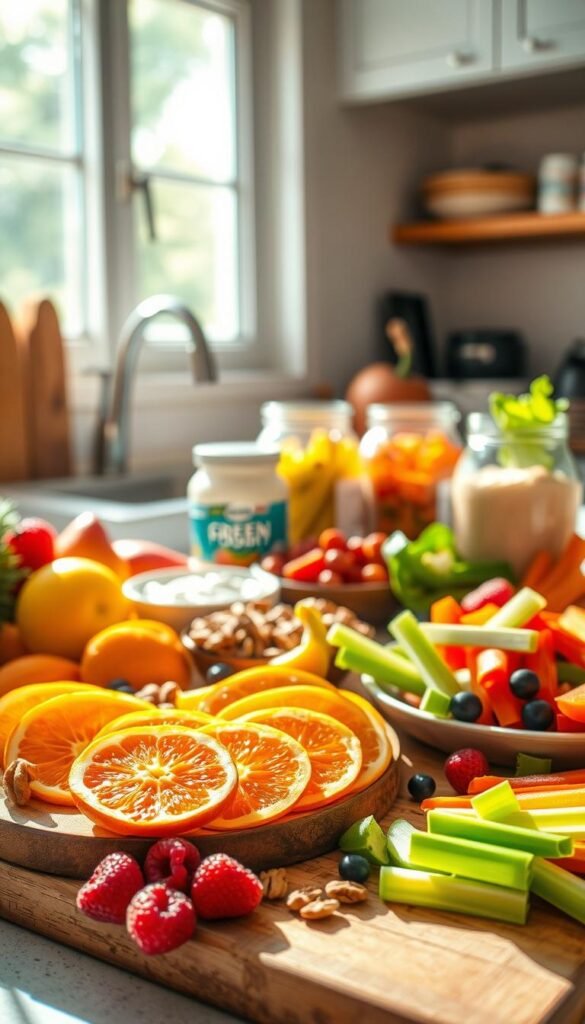
Build a snack plan that beats cravings and keeps energy steady. Aim for 150–250 calories per serving, and pair protein with fiber. Keep a mix of fridge-ready bites and shelf-stable backups for busy days.
Protein-rich bites and bars
Stock high-protein snacks you can grab fast. Think cottage cheese cups, hard-boiled eggs, or low-sugar turkey jerky. Roll simple energy bites with oats, peanut butter, chia, and dates for a quick fix.
Prep homemade granola bars with almonds, pumpkin seeds, and a touch of honey. Portion them so each piece feels satisfying without going overboard.
Veggies with dips: hummus, yogurt, and bean spreads
Pack crunchy carrots, cucumbers, and snap peas into hummus snack packs. Go classic or choose roasted red pepper for a bold twist. A creamy Greek yogurt dip with ranch herbs adds protein and tang.
White bean spread blends olive oil, lemon, and garlic for a smooth finish. These choices travel well and keep texture crisp until lunch.
Smart sweet options to curb cravings
Try dark chocolate squares at 70% cacao or higher, or spoon up chia pudding with vanilla and berries. Bake apples with cinnamon for a warm treat that tastes like pie.
For healthy dessert swaps, pair a sliced banana or apple with almond butter. Keep roasted chickpeas and dry-roasted almonds at your desk so you never get stuck without a plan.
| Snack Idea | Main Benefit | Smart Portion | Prep Tip |
|---|---|---|---|
| Energy bites | Steady fuel from oats, nuts, and dates | 2 small bites (about 180 calories) | Freeze a dozen; thaw in the fridge overnight |
| Homemade granola bars | Protein plus crunch from seeds and almonds | 1 bar (180–220 calories) | Score before baking for even slices |
| Hummus snack packs | Fiber-rich veggies with creamy protein | 1/4 cup hummus + 1 cup veggies | Store veggies on paper towel to stay crisp |
| Greek yogurt dip with veggies | High-protein snacks with tangy flavor | 1/2 cup yogurt dip + 1 cup veggies | Stir in dill, chives, and lemon for brightness |
| Healthy dessert swaps | Satisfy sweet tooth without a sugar crash | 1 piece dark chocolate or 1 small fruit + nut butter | Pre-portion in small containers to stay on target |
Meal Prep for Specific Diets and Preferences
Tailor your weekly plan by batch-cooking staples that match your style. Keep a few flavor bases ready—garlic, lemon, cumin, smoked paprika, and fresh herbs—so each box tastes fresh, not flat. Rotate proteins and grains to avoid burnout while staying aligned with your goals.
For gluten-free meal prep, lean on quinoa, brown rice, and corn tortillas. Check labels on soy sauce, broths, and spice blends to avoid hidden gluten. Pair roasted chicken or black beans with roasted peppers, salsa, and a squeeze of lime for fast bowls.
For dairy-free meal prep, cook with extra-virgin olive oil or coconut milk and choose dairy-free yogurts from brands like Silk or So Delicious. Swap feta with creamy avocado or tahini. Keep pesto without cheese or use nutritional yeast for a savory finish.
Build vegetarian meal prep around beans, lentils, tofu, and tempeh. Add eggs if you eat them, or load up on chickpeas and farro with roasted vegetables. For vegan meal prep, mirror that base and include B12-fortified plant milks or nutritional yeast, plus seeds for extra minerals.
For low-carb meal prep, center non-starchy vegetables, eggs, salmon, and chicken. Use cauliflower rice, zucchini noodles, and leafy salads with olive oil and red wine vinegar. Keep nuts, olives, and hard-boiled eggs on hand for quick add-ins.
Following a Mediterranean diet? Emphasize olive oil, seafood, legumes, whole grains like bulgur and barley, tomatoes, cucumbers, oregano, and walnuts. Batch-cook chickpea stew, grill shrimp, and prep lemon-herb dressings to pull meals together in minutes.
For paleo meal prep, focus on meats, vegetables, fruits, nuts, and seeds. Skip grains, legumes, and most dairy. Roast sweet potatoes, sear grass-fed beef, and pack crunchy slaws with apple cider vinegar and toasted almonds.
Pro tip: Make mix-and-match sauces that suit your pattern—chimichurri for steak, tahini-lemon for veggie bowls, coconut-lime for fish—and keep them in labeled jars so flavors stay consistent through the week.
| Diet Pattern | Batch Staples | Quick Pairings | Flavor Bases |
|---|---|---|---|
| Gluten-free meal prep | Quinoa, brown rice, corn tortillas | Roasted chicken + salsa + peppers | Lime, cilantro, chili powder |
| Dairy-free meal prep | Olive oil, coconut milk, dairy-free yogurt | Turkey meatballs + tomato sauce + greens | Garlic, basil, nutritional yeast |
| Vegetarian meal prep | Lentils, tofu, farro | Tofu stir-fry + broccoli + sesame | Ginger, scallions, soy or tamari |
| Vegan meal prep | Chickpeas, tempeh, B12-fortified milks | Chickpea salad + cucumbers + tahini | Cumin, paprika, lemon |
| Low-carb meal prep | Eggs, salmon, cauliflower rice | Grilled salmon + zucchini + aioli | Dill, capers, olive oil |
| Mediterranean diet | Legumes, seafood, whole grains | Tuna + white beans + arugula | Oregano, mint, red wine vinegar |
| Paleo meal prep | Grass-fed beef, sweet potatoes, nuts | Roast chicken + slaw + avocado | Turmeric, garlic, apple cider vinegar |
Food Safety, Reheating, and Shelf Life
Smart food safety meal prep keeps your week running smoothly and your meals tasting great. Follow USDA guidelines leftovers, track fridge storage times, and use a simple shelf life chart so you can prevent food waste without guesswork.
Chill fast, store cold, reheat right. Keep cooked food at 40°F or below, and move it into the fridge within 2 hours—or within 1 hour if it’s above 90°F. A safe reheating temperature protects flavor and texture while guarding your health.
Safe chilling and storage times by food type
Use shallow containers so heat escapes quickly, then label with the cook date to prevent food waste. The guidelines below reflect USDA guidelines leftovers and common fridge storage times you can trust for food safety meal prep.
| Food Type | Fridge Storage Times | Freezer Guidance | Notes |
|---|---|---|---|
| Cooked poultry (chicken, turkey) | 3–4 days | Up to 4 months | Cool within 2 hours; shred for faster chilling. |
| Cooked beef or pork | 3–4 days | 2–3 months | Slice before chilling to improve cold airflow. |
| Seafood, cooked | 3–4 days | Up to 3 months | Store in the coldest fridge zone. |
| Mixed dishes (casseroles, stews) | 3–4 days | 2–3 months | Reheat to a safe reheating temperature of 165°F. |
| Cooked grains (rice, quinoa) | 3–4 days | Up to 3 months | Cool quickly; break into shallow layers. |
| Cooked vegetables | 3–4 days | 2–3 months | Store dry to keep texture. |
| Hard-boiled eggs | 1 week | Not recommended | Keep shells on until serving. |
| Opened deli meats | 3–5 days | 1–2 months | Keep sealed and cold; check use-by date. |
Print a shelf life chart for your kitchen or add times to your labels. It streamlines food safety meal prep and reduces confusion on busy nights.
Reheating methods to keep textures fresh
Hit a safe reheating temperature of 165°F for leftovers; bring soups and sauces to a steady simmer. An oven or air fryer restores crisp edges to roasted veggies and cutlets.
- Microwave: Add a splash of water, cover vented, and stir halfway to avoid dry spots.
- Skillet: Warm stir-fries and grains over medium heat with a little oil or broth.
- Oven/Air fryer: Re-crisp breaded items at 350–375°F, checking often.
These methods protect moisture and bite, aligning with USDA guidelines leftovers while saving time.
How to spot spoilage and prevent waste
Trust your senses and the clock. Watch for sour or sulfur smells, sliminess, visible mold, bubbling or separation in sauces, and bulging or gassy containers. When in doubt, throw it out.
- Label dates and contents to match your shelf life chart.
- Store in shallow containers for faster cooling and accurate fridge storage times.
- Freeze portions you won’t eat within 3–4 days to prevent food waste.
These small steps make food safety meal prep simple and help every meal reheat safely and taste the way you planned.
Time-Saving Batch Cooking Schedules
Set a weekend meal prep schedule that works like a playbook. Use a clear prep list, a tidy counter, and a staged sink for quick rinses. Keep the oven at 400–425°F so recipes can run together, and let a timer guide each leg of the meal prep timeline.
Try a 2-hour meal prep on Sunday. Begin with grains in the Instant Pot, then preheat the oven and load two sheet pans with protein and veggies. While pans roast, whisk two sauces in a blender and assemble an egg casserole. This is where parallel cooking shines: chop produce while pans heat, label containers while sauces blend, and set up cooling racks to speed portioning.
Midweek, add a 30–40 minute tune-up. Roast one more sheet pan, refresh greens, and mix a quick vinaigrette. This small window supports multitask cooking without stress and keeps textures crisp through Friday.
To avoid menu fatigue, rotate themes on your calendar. Run a Mediterranean week with tahini sauce and oregano chicken, then a Southwest week with chipotle yogurt and lime rice. The plan below maps actions by minute so you can see exactly how the flow fits your kitchen.
| Block | Time Stamp | Key Actions | Heat/Tool | Parallel Cooking Moves | Notes |
|---|---|---|---|---|---|
| Sunday Sprint | 0–10 min | Review prep list; preheat oven to 425°F; rinse grains; load Instant Pot | Oven, Instant Pot | Set timers; fill sink for continuous dishwashing | Group recipes by 400–425°F to run concurrently |
| Sunday Sprint | 10–30 min | Sheet Pan 1: chicken + broccoli; Sheet Pan 2: salmon + carrots | Two sheet pans | Chop extra produce while pans heat | Season with olive oil, salt, pepper, and paprika |
| Sunday Sprint | 30–45 min | Blend Sauce A (tahini-lemon) and Sauce B (cilantro-yogurt) | Blender | Label containers; clear boards; wipe counters | Store sauces in squeeze bottles for speed |
| Sunday Sprint | 45–70 min | Bake egg casserole with spinach and feta | Oven | Remove grains to cool; fluff with fork | Use a parchment sling for easy slicing |
| Sunday Sprint | 70–90 min | Cool proteins/veggies on racks; portion grains, proteins, veg | Cooling racks, containers | Weigh or scoop for even servings | Keep lids ajar until steam releases |
| Sunday Sprint | 90–120 min | Seal, label, and store; update meal prep timeline and rotation calendar | Fridge/Freezer | Load sauces last to avoid soggy textures | Track dates for food safety |
| Weeknight Micro-Prep | 0–10 min | Preheat oven to 425°F; toss veggies with oil and spices | Oven | Rinse herbs; set out containers | Great slot for sweet potatoes or asparagus |
| Weeknight Micro-Prep | 10–25 min | Roast quick sheet pan; rewarm grains on stovetop | Sheet pan, skillet | Whisk fresh vinaigrette | Stir once for even browning |
| Weeknight Micro-Prep | 25–40 min | Chop fruit, wash greens, portion snacks | Cutting board, containers | Load lunches while pan finishes | Note leftovers on your prep list for next week |
| Rotation Themes | Weekly | Mediterranean, Southwest, Teriyaki, Garlic-Parmesan | Oven, Instant Pot, Air fryer | Multitask cooking with shared temps and sauces | Cycle flavors to keep interest high |
Pro tip: Keep a small whiteboard on the fridge with your meal prep timeline, theme of the week, and any gaps to fill on the next weekend meal prep schedule. This keeps parallel cooking steps clear and makes multitask cooking feel calm and predictable.
Flavor-Boosting Add-Ins and Garnishes
Small touches turn prepped food into craveable meals. Keep meal prep garnishes in separate containers so textures stay crisp and flavors pop at the table.
Fresh herbs, pickles, and crunchy toppings
Shower bowls with fresh herbs like cilantro, parsley, basil, or dill for instant lift. A spoon of pickled onions or quick-pickled cucumbers adds tang that balances rich meats and grains.
Layer texture with crunchy toppings: toasted almonds, pumpkin seeds, sesame seeds, or crispy chickpeas. Add right before eating to protect that snap.
Citrus, vinegars, and finishing oils
Brighten roasted vegetables with lemon or lime wedges and a little zest. Use sherry, apple cider, or rice vinegar to wake up soups and grain salads.
A drizzle of finishing oils—extra-virgin olive oil for fruitiness or toasted sesame oil for nuttiness—delivers aroma and gloss without extra work.
Heat and umami: chiles, miso, and parmesan
Keep jars of chili crisp, gochujang, or sambal oelek on hand for adjustable heat. Sprinkle Aleppo pepper for a gentle, sunny warmth.
Stir a little miso into dressings for savory depth, or whisk anchovy paste into sauces for clean salinity. Finish pasta, soups, and roasted veg with finely grated parmesan for classic umami boosters that make every bite count.
Conclusion
Use these Weekly Meal Prep Ideas as a simple meal prep playbook you can trust. Set realistic goals, make a short plan, and build a healthy weekly routine that fits your schedule. Shop with a list, batch-cook proteins and grains, and lean on bold sauces, fresh herbs, and crisp garnishes to keep every plate lively. This approach helps you save time and money while keeping meals balanced and satisfying.
Mix-and-match components are the engine of meal prep success. Roast chicken, cook quinoa, and prep vegetables once, then rotate flavors with citrus, miso, or a quick yogurt sauce. Keep portions in clear containers, label dates, and follow safe storage and reheating steps so textures stay fresh and waste stays low. A few smart steps protect flavor, budget, and food safety all week.
Adopt a rhythm that feels doable: one larger weekend session and a short midweek refresh. Switch proteins, grains, and sauces to match your tastes and dietary needs, whether you love tofu, salmon, or lean turkey. With a steady plan and a light lift each day, these Weekly Meal Prep Ideas turn into simple meal prep habits that save time and money, build a healthy weekly routine, and deliver meal prep success for the long term.
FAQ
What makes weekly meal prep work for a busy lifestyle?
Consolidating cooking into one or two blocks cuts total kitchen time. Batch-cook proteins, grains, and vegetables so weeknight meals take 10–20 minutes. You also reduce decision fatigue, stick to nutrition goals, and save money with predictable grocery lists and fewer midweek trips.
How do I set smart meal prep goals I can keep?
Use SMART goals. For example, prep four lunches and two dinners for Monday–Thursday in a two-hour Sunday session. Define portions like 25–35 g protein per meal, half a plate of veggies, and a whole-grain serving. Start small, add one item at a time, and track what reheats well.
What does a balanced plate look like for meal prep?
Aim for 25–40 g protein, 8–12 g fiber, and healthy fats. Try salmon with farro and roasted broccoli plus lemon-tahini, turkey meatballs with whole-wheat couscous and spinach, or tofu stir-fry with brown rice and edamame.
How can I keep meals interesting without cooking new recipes every day?
Prep mix-and-match components. Roast sweet potatoes, cook quinoa, marinate chickpeas, grill chicken, and wash spinach. Build Mediterranean bowls with olives, feta, and tzatziki; Southwest bowls with black beans, corn, and salsa; or Asian-inspired bowls with ginger-sesame dressing and pickled carrots.
What are quick weeknight dinner wins?
Go for one-pan options and skillet meals. Try sheet-pan shrimp fajitas, gnocchi with pesto and cherry tomatoes in 15 minutes, rotisserie chicken with prepped slaw and microwave sweet potatoes, or a 10-minute soba noodle bowl with prepped veggies and a store-bought sauce.
Which containers are best for portioning and reheating?
Choose BPA-free, microwave-safe glass containers with tight lids, like Pyrex or Glasslock. Divided containers help with portion control. Mason jars are great for salads and overnight oats because they keep layers crisp.
Which time-saving tools are worth it?
Quarter and half-sheet pans (Nordic Ware) make batch roasting easy. An Instant Pot or pressure cooker speeds grains, beans, and soups. A high-speed blender like Vitamix or NutriBullet streamlines sauces and smoothies.
How should I label and store prepped food?
Use freezer-safe masking tape or dissolvable labels with the date and contents. Follow a first-in, first-out system. Cool food to 70°F within 2 hours and to 41°F within 4 hours, store in shallow containers, and keep sauces separate for texture.
How do I build a budget-friendly grocery list?
Plan the menu first and sort the list by store section. Shop sales, use unit pricing, and buy pantry staples in bulk at Costco or Sam’s Club. Use loyalty apps like Kroger, Target Circle, or Safeway digital coupons. Choose seasonal produce, frozen vegetables, and store brands for value.
What are efficient ways to batch-cook proteins?
Roast chicken thighs at 425°F for 25–35 minutes, or poach/pressure-cook chicken for shredding. Brown lean ground turkey or beef with spice blends for tacos or bowls. For seafood, roast salmon at 400°F for 10–12 minutes or sauté shrimp. Canned tuna or salmon from Safe Catch or Wild Planet are fast protein options.
How can I batch-cook plant-based proteins?
Cook lentils in 20–25 minutes, pressure-cook chickpeas, bake pressed tofu at 400°F for 25–30 minutes, and marinate tempeh. Use taco seasoning, Mediterranean herbs with lemon and garlic, teriyaki, or barbecue rubs to switch flavor profiles all week.
What sauces add big flavor with low effort?
Make lemon-tahini, chimichurri, Greek yogurt dill sauce, peanut-sesame sauce, or basil and kale-walnut pesto. Keep spice blends like ras el hanout, Italian seasoning, Cajun, and everything bagel seasoning on hand. Store sauces 3–5 days in the fridge and freeze pesto in ice cube trays.
What are easy make-ahead breakfasts?
Prep overnight oats, chia pudding, egg bakes, breakfast burritos, smoothie packs, and whole-grain waffles. They hold well, reheat quickly, and deliver steady energy for busy mornings.
How do I pack grab-and-go lunch bowls that stay fresh?
Use a formula: base (quinoa, farro, brown rice, or greens), protein (chicken, salmon, tofu, or beans), veggies, crunch (nuts or seeds), and a sauce. For mason jar salads, layer dressing first, then hardy veg, protein, grains, and greens on top to avoid sogginess.
What are simple one-pan and sheet-pan dinner ideas?
Roast chicken thighs with Brussels sprouts and sweet potatoes, sausage with peppers and onions, or tofu with broccoli and carrots using a soy-ginger glaze. For stir-fries, cook frozen vegetables hot and fast, add pre-cooked protein, finish with sauce, and serve with microwaveable rice.
Which meals freeze well and for how long?
Freeze soups, chilis, stews, baked pasta, meatballs, curries, burritos, and cooked grains. Cool fully, use freezer-safe bags or rigid containers, remove air, and flat-freeze for space. Most cooked dishes keep 2–3 months for best quality. Thaw in the refrigerator or microwave, not on the counter.
What healthy snacks will actually keep me full?
Choose protein-forward options like cottage cheese, hard-boiled eggs, low-sugar jerky, or energy bites with oats, peanut butter, chia, and dates. Pack veggies with hummus or Greek yogurt ranch. Satisfy a sweet tooth with dark chocolate, chia pudding, or fruit with nut butter.
How can I adapt meal prep for specific diets?
For gluten-free, use rice, quinoa, and corn tortillas; check sauce labels. For dairy-free, use olive oil, coconut milk, and dairy-free yogurts. For vegetarian or vegan, lean on beans, lentils, tofu, and tempeh and include B12-fortified foods. For low-carb, focus on non-starchy veggies, eggs, fish, and cauliflower rice. Mediterranean and paleo-leaning patterns both benefit from batch-cooked proteins and veggies.
What food safety and reheating rules should I follow?
Refrigerate perishable foods within 2 hours, or 1 hour if above 90°F. Keep the fridge at 40°F or below. Most cooked poultry, seafood, grains, vegetables, and mixed dishes last 3–4 days. Reheat leftovers to 165°F. Use an oven or air fryer for crispness, a microwave with a vented cover, or a skillet for stir-fries.
How do I spot spoilage and prevent waste?
Watch for off smells, sliminess, mold, bubbling, or strange separation in sauces. Label dates, store in shallow containers, and freeze portions you won’t eat in 3–4 days. Keep a freezer inventory so you rotate stock before quality drops.
What does a time-saving batch-cooking schedule look like?
In a two-hour Sunday sprint, pressure-cook grains, roast two sheet pans with protein and veggies, bake an egg casserole, and blend two sauces while everything cooks. Midweek, do a 30–40 minute refresh with one sheet pan and some produce. Group recipes by oven temp and use a simple checklist.
How can garnishes make prepped meals taste fresh?
Add herbs like cilantro, parsley, basil, or dill. Use quick pickled onions, crunchy seeds, or crispy chickpeas. Finish with citrus zest, sherry or rice vinegar, extra-virgin olive oil, sesame oil, chili crisp, gochujang, miso, or finely grated Parmigiano Reggiano. Keep garnishes separate until serving.