Savor the Best Classic American Comfort Food
Surprising fact: According to the International Food Information Council, more than 70% of Americans reach for comfort foods during stressful times—and sales spikes in flour, butter, pasta, and canned soups back it up. That’s the pull of Classic American Comfort Food: it steadies us, warms us, and takes us home.
This Website contains affiliate links. That means I may earn a small commission if you purchase through my links, at no extra cost to you.
This comfort cooking guide sets the table with American cuisine staples and the know-how to make them sing. Think mac and cheese, fried chicken, mashed potatoes with gravy, pot roast, meatloaf, chili, chicken noodle soup, pancakes, waffles, apple pie, cobblers, and banana pudding. These nostalgic dishes show up at diners, church suppers, state fairs, and family tables from Maine to California.
We’ll blend trusted techniques from America’s Test Kitchen, Serious Eats, and The New York Times Cooking with tools cooks rely on—Lodge cast-iron, Le Creuset Dutch ovens, and King Arthur Baking flour. Along the way, you’ll find American comfort recipes that are repeatable, practical, and rich with regional roots.
From weeknight homestyle meals to holiday classics, this guide spotlights comfort food favorites and the simple methods that make them craveable: proper seasoning, moisture control, and steady heat. Set your kitchen for success, and savor the best of America—one bite at a time.
Key Takeaways
- Classic American Comfort Food thrives on warmth, nostalgia, and simple, well-seasoned cooking.
- American comfort recipes draw strength from technique: control heat, manage moisture, and taste as you go.
- Nostalgic dishes like fried chicken, mac and cheese, and apple pie link diners, family tables, and state fairs.
- Trusted gear—Lodge cast-iron, Le Creuset, and King Arthur Baking—supports consistent results at home.
- American cuisine staples adapt to regions while keeping familiar flavors front and center.
- This comfort cooking guide blends authenticity with practical tips for easy, homestyle meals.
What Makes Comfort Food So Comforting
Comfort food feels like a hug because our brains link meals to moments. In food psychology, aroma and taste cue memories fast. Warm hearty meals pull us back to kitchens, holidays, and game days. That link shapes how sensory eating guides what we crave on a cold night.
Comfort food science also shows why a single bite can relax the body. When flavors echo a happy time, nostalgia and flavor work together. This pairing builds flavor memory that stays vivid for years.
The science of nostalgia and flavor memory
Research in neuroscience points to how aroma awakens recall. Cinnamon, baking bread, or stock simmering can bring back family meals. That rush of memory often steers sensory eating toward classics we trust.
Our brains reward palatable bites with a calm, steady glow. Dishes that balance fat, salt, and sweetness—think macaroni and cheese or fried chicken—fit the pattern. The result is a loop of flavor memory that keeps calling us back.
Texture, temperature, and the craveable trifecta
The craveable trifecta—fat, salt, and umami—drives depth and satisfaction. Maillard browning on casseroles, toasted breadcrumbs, and seared meats adds rich aroma. Ideal warmth boosts scent and comfort in warm hearty meals.
Texture seals the deal. Crispy over creamy, flaky against tender, and crackly skin over juicy meat create contrast. That mix turns comfort food science into a full-body experience of sensory eating.
Regional traditions that shape American tastes
Regional American cuisine molds what “comfort” means from coast to coast. The South leans on buttermilk biscuits, gravy, and collards. The Midwest treasures hotdish, pot roast, and buttered corn. The Northeast favors clam chowder, chicken pot pie, and baked beans.
Louisiana’s gumbo and jambalaya, Texas chili, and Pacific Northwest salmon chowders reflect layered histories. Immigrant flavors from Italy, Germany, and Ireland, along with African American culinary heritage, guide nostalgia and flavor wherever we eat.
| Element | Why It Comforts | Classic Examples | Key Sensory Cues |
|---|---|---|---|
| Aroma & Memory | Links meals to positive moments via flavor memory | Cinnamon rolls, baking bread, chicken soup | Sweet spice, yeast warmth, savory steam |
| Texture Contrast | Engages sensory eating with crispy-creamy play | Fried chicken, pot pie, casseroles | Crunchy crust, silky sauce, tender crumb |
| Temperature | Heat heightens aroma and signals safety | Soups, stews, baked mac and cheese | Rising steam, cozy warmth, steady heat |
| Craveable Trifecta | Fat, salt, umami boost satiety | Meatloaf, gravy, cheddar-topped bakes | Maillard browning, savory depth, rich mouthfeel |
| Regional Traditions | Roots tastes in regional American cuisine | Gumbo, chili, clam chowder | Spice warmth, smoky notes, briny cream |
Classic American Comfort Food
These dishes feel like home. They are the American staples that show up at diners, church halls, and weeknight tables. Think mac and cheese, fried chicken, meatloaf, mashed potatoes and gravy, chicken and dumplings, and pot roast—homestyle classics rooted in heritage cooking and shaped by family recipes.
From pantry to plate, the pattern is simple: warm, filling, and familiar. You see them in Betty Crocker and Joy of Cooking, and on menus at Waffle House and Cracker Barrel. They stand on traditional recipes yet welcome modern comfort food ideas that fit how we cook today.
Defining the staples everyone knows and loves
Mac and cheese, fried chicken, meatloaf, and mashed potatoes lead the list. Add chicken noodle soup, chili, pot roast, and casseroles like green bean or tuna noodle. For breads, biscuits and cornbread anchor the basket. For sweets, apple pie, peach cobbler, banana pudding, and bread pudding close the meal. These updated classics keep the core, while small tweaks honor heritage cooking.
How comfort food bridges generations
Comfort food passes through rituals—Sunday supper, potlucks, tailgates. A grandmother’s cast-iron cornbread technique, a dad’s chili spice blend, and a cousin’s pie crust tip become family recipes that last. Community cookbooks and recipe cards carry traditional recipes forward so the next cook can serve the same homestyle classics with pride.
Balancing authenticity with modern twists
Keep the soul, tune the method. Add smoked gouda or gruyère to mac and cheese. Bake buttermilk-brined chicken for crunch without the fryer. Swap short ribs for pot roast, or use whole-wheat panko on casseroles. Try cauliflower mash with roasted garlic, air-fry wings, or make a gluten-free roux with rice flour. Chefs like Carla Hall, Sean Brock, and Vivian Howard show how modern comfort food can be respectful updated classics rooted in heritage cooking.
| Dish | Authentic Touch | Modern Twist | Why It Works |
|---|---|---|---|
| Mac and Cheese | Elbow pasta, cheddar, baked crust | Smoked gouda or gruyère, stovetop cream base | Keeps creamy pull while adding depth and speed |
| Fried Chicken | Buttermilk brine, skillet fry | Oven-baked or air-fried with spiced dredge | Classic flavor with lighter crunch and less oil |
| Pot Roast | Chuck roast, low-and-slow braise | Short ribs, pressure cooker finish | Rich beefiness in a weeknight timeline |
| Green Bean Casserole | Cream base, fried onions | Whole-wheat panko, mushroom stock | Familiar texture with cleaner, toasty lift |
| Mashed Potatoes | Russets, butter, gravy | Cauliflower mash, roasted garlic | Comforting body with a lighter profile |
| Banana Pudding | Vanilla wafers, custard, bananas | Whipped mascarpone, saltine crumble | Balanced sweetness and a crisp, savory edge |
Iconic Diner Favorites to Warm Your Soul
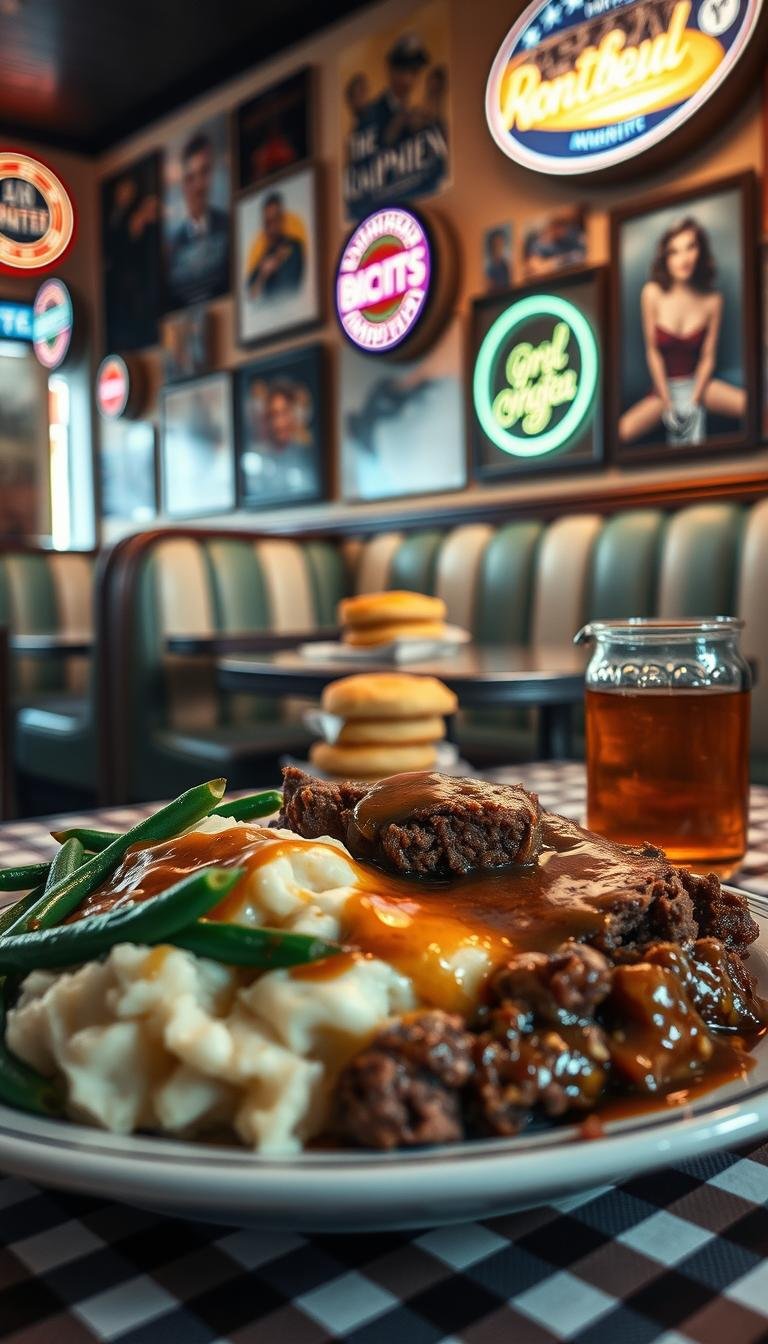
Chrome, neon, and a hot griddle set the scene for true diner classics. At spots like Summit Diner in New Jersey, Lou Mitchell’s in Chicago, and the Blue Benn in Vermont, a sizzling flattop turns thick-cut bread and onions into a golden patty melt on rye. The same seasoned steel handles an open-faced meatloaf plate with brown gravy and a crisp pile of hash browns that crackle at the edge.
Order from an American diner menu and you’ll find blue-plate specials that change with the day. A fork-tender pot roast, a chicken fried steak under cream gravy, or grilled cheese with tomato soup each lands with that perfect balance of salty, savory, and warm. Breakfast runs all day, so short stacks, waffles, and corned beef hash share space with BLTs and club sandwiches.
Technique is the soul of the plate. Cooks manage the griddle for even browning, smash burgers for a deep Maillard crust, and par-cook then crisp hand-cut hash browns. Pan drippings build hearty brown gravy, while thick-cut bread toasts on the flattop for maximum crunch. Finish with a frosty round of milkshakes—often spun on classic Hamilton Beach mixers—or a slice of apple, cherry, or lemon meringue pie under a glass dome.
Pro tip: For the most nostalgic bite, pair a patty melt with a vanilla or chocolate shake, or match a meatloaf plate to a diner coffee poured hot and often. That simple combo captures why the American diner menu endures.
Mac and Cheese Mastery
Perfecting a macaroni and cheese recipe starts with balance: a silky béchamel sauce, a smart cheese blend, and pasta cooked to very al dente. Aim for gooey pasta that clings to the sauce, then choose whether you want a stovetop mac finish or the gentle set of baked mac and cheese.
Choosing the right cheeses for creaminess and tang
Grate your own cheese to avoid anti-caking starch. For melt, reach for medium cheddar, Monterey Jack, Colby, or American. For silk, fold in Gruyère, Fontina, or Havarti. A little sharp cheddar or aged Gouda brings tang, while Parmesan adds umami to the béchamel sauce.
Blend two to three varieties for a steady melt and vivid flavor. This cheese blend keeps the sauce smooth and stable, so every bite of gooey pasta tastes rich without turning oily.
Stovetop versus baked: pros, cons, and texture
Stovetop mac shines when you want speed and cream. A mornay—béchamel plus cheese—coats the pasta fast, or use an evaporated milk emulsion for extra gloss. The result is spoonable and lush.
Baked mac and cheese sets in the oven at 350–375°F, building gentle structure and a faint crust. To prevent dryness, undercook the pasta and increase sauce volume. The payoff is sliceable comfort with a tender center and a light crunchy topping.
Crispy toppings: breadcrumbs, crackers, or cheese crust
Buttered panko delivers a toasty, airy crunch. Crushed Ritz or saltines add buttery savoriness. For a cheese-only finish, shower extra cheddar and Parmesan on top and broil briefly for a frico-like shell.
Season the mix with mustard powder, paprika, cayenne, garlic powder, and white pepper. Add bacon lardons, roasted broccoli, pulled pork, or lobster when you want a special spin on a classic macaroni and cheese recipe.
| Approach | Key Technique | Texture Result | Best Use |
|---|---|---|---|
| Stovetop mac | Whisk béchamel sauce, melt in a cheese blend | Ultra-creamy, gooey pasta with glossy sauce | Weeknight speed and silky comfort |
| Baked mac and cheese | Par-cook pasta, fold in sauce, finish at 350–375°F | Set center with a light crunchy topping | Family gatherings and make-ahead meals |
| Panko topping | Toss panko with butter; scatter before baking | Crisp, airy crust that stays delicate | Clean crunch without heavy richness |
| Cracker topping | Crush Ritz or saltines; mix with butter | Buttery, savory crumble | Classic diner-style flavor boost |
| Cheese crust | Extra cheddar and Parmesan; brief broil | Frico-like, deeply browned cap | Bold, cheesy finish with brittle snap |
Fried Chicken Done Right
Great Southern fried chicken starts with patience and a plan. Aim for juicy meat, a crispy crust, and clean, bold seasoning that sings with every bite.
Buttermilk brine basics and seasoning tips
A proper buttermilk brine runs 4 to 24 hours. The lactic acid tenderizes while salt—about 1.5 to 2 percent by weight—seasons to the bone. Fold in paprika, garlic powder, onion powder, cayenne, and black pepper for depth.
For that crispy crust, double-dredge in seasoned all-purpose flour cut with cornstarch or potato starch. Press the coating on, then rest the chicken so the flour hydrates before cooking.
Skillet, deep-fry, or air-fry methods
Cast-iron frying in a skillet at 325–350°F delivers steady heat and rugged crunch. Turn gently and monitor the oil so the crust browns without burning. Deep-fry for even color and less flipping.
For air fryer chicken, spray lightly with oil and avoid crowding. Cook until the thickest piece hits 165°F. Always rest on a wire rack, never paper towels, to keep the crust from steaming.
Serving ideas: biscuits, honey, and hot sauce
Try Nashville hot by brushing the fried chicken with warm spiced oil, then balance the heat with honey. Plate with dill pickles and honey butter biscuits, or pair with cornbread, coleslaw, and mac and cheese.
Reach for Crystal or Frank’s RedHot at the table. A drizzle of hot honey or sorghum adds a sweet finish that plays well with cast-iron frying smoke and the savor of perfectly cooked chicken.
Comforting Casseroles for Busy Nights
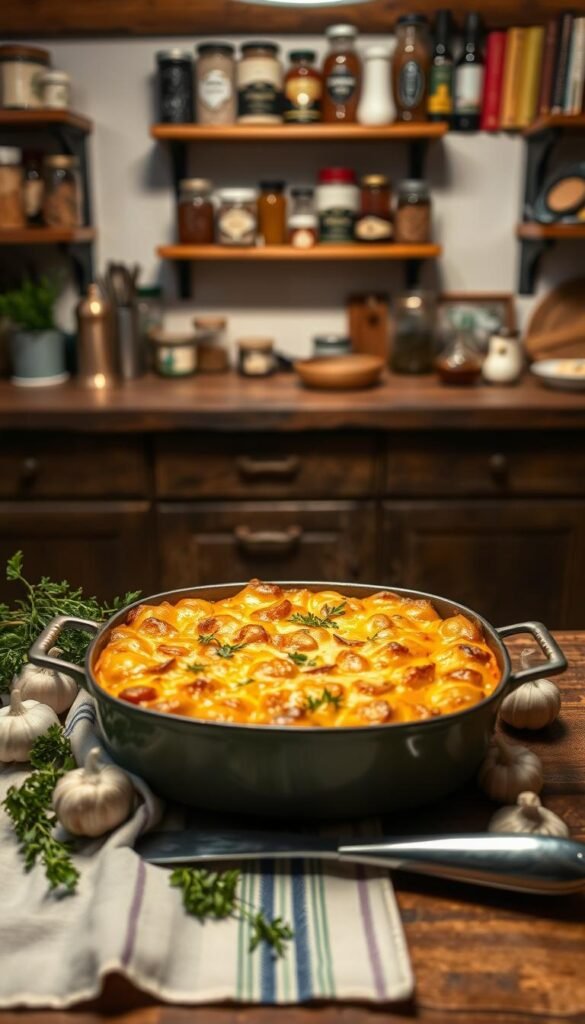
When time is tight, weeknight casseroles deliver comfort without fuss. Think creamy tuna noodle casserole, crisp-topped green bean casserole, or a saucy baked ziti that feeds a crowd. These one-pan meals slide into a hot oven and come out bubbling, ready for a cozy family dinner.
For best texture, par-cook pasta or potatoes and layer with a rich base. A quick béchamel or a condensed-soup alternative builds flavor fast. Brown onions, garlic, and mushrooms for depth, then finish with cheese, buttered crumbs, or potato chips for crunch. Bake at 350–375°F until the center steams and poultry hits 165°F.
American classics span regions and seasons. A tuna noodle casserole with peas and mushroom sauce nods to pantry smarts. A Thanksgiving-style green bean casserole shines with Campbell’s cream of mushroom soup and French’s fried onions. For pasta lovers, baked ziti brings that New York Italian-American comfort in every forkful.
Plan ahead with a sturdy freezer casserole. Assemble up to two days early in Pyrex or Staub, wrap tightly, and label. Bake from frozen with 20–30 extra minutes, or portion single servings for speedy reheats. Pair the rich layers with a lemony salad or quick-pickled veggies to balance the plate.
Pro tip: Keep tortillas, ground beef, and tater tots on hand. King ranch chicken, shepherd’s pie, and a tater tot hotdish can turn into weeknight casseroles with minimal prep, keeping one-pan meals flexible and weeknights sane.
Hearty Soups and Stews That Satisfy
When the air turns crisp, a pot on the stove brings the house to life. The best soup recipes draw out deep aromas and steady warmth. From a slow-simmered beef stew to a bright chicken noodle soup, each bowl tells a regional story and rewards simple technique.
Building deep flavor with mirepoix and stock
Start with a classic mirepoix—onion, carrot, and celery—or the Cajun trinity with bell pepper. Sweat the vegetables until sweet, then brown meats for fond. Deglaze with dry red wine or homemade stock to lift all those savory bits.
Keep the simmer gentle to coax gelatin for body. A bay leaf, thyme, and a touch of Worcestershire layer umami without excess salt. For beef stew, sear cubes until mahogany, add tomato paste to toast, then bathe in low-sodium stock until the beef yields to a spoon.
Regional favorites: chicken noodle, chili, and gumbo
Chicken noodle soup loves egg noodles, dill, and a clear broth that tastes like Sunday. A Texas chili recipe leans on chiles and beef with no beans, while Cincinnati’s version brings cinnamon and clove, often served over spaghetti with cheese and onions. New England clam chowder goes rich with salt pork and cream.
For gumbo, whisk a dark roux until it smells nutty, then add the trinity and andouille. Thicken with okra or filé powder, and finish with chicken or seafood. Southern staples like Brunswick stew and pot roast nod to French beef bourguignon but stay proudly American in spirit.
Freezer-friendly prep and storage tips
For batch cooking, cool soups fast in shallow containers. Label by date and type; most hold well for 2–3 months. Avoid freezing potatoes and heavy dairy—stir in cream after reheating to keep texture smooth.
Use quart containers or flat freezer bags to save space and speed thawing. Reheat low and slow, adding a splash of homemade stock to revive aroma and body without over-salting.
| Dish | Flavor Base | Key Technique | Finishing Touch | Freezer Notes |
|---|---|---|---|---|
| Beef Stew | Mirepoix + tomato paste | Hard sear; deglaze with red wine | Bay leaf, rosemary | Freezes well; add potatoes after reheating |
| Chicken Noodle Soup | Mirepoix + homemade stock | Poach chicken gently; cook noodles separately | Fresh dill, lemon | Freeze broth only; add noodles fresh |
| Texas Chili | Chiles purée + onions | Bloom spices; no beans | Apple cider vinegar splash | Excellent for batch cooking; thickens on reheat |
| Cincinnati Chili | Tomato + warm spices | Simmer ground beef fine | Over spaghetti with cheddar | Freezes clean; reheat with a bit of stock |
| Gumbo | Dark roux + trinity | Stir roux to chocolate color | Filé powder or okra | Freeze without rice; add seafood fresh |
All About Biscuits, Cornbread, and Rolls
Few smells beat hot bread on the table. From Southern biscuits to skillet cornbread and buttery dinner rolls, these classics turn a simple meal into a feast. With a few smart baking tips, you can master each style at home.
Ingredient choice matters. For buttermilk biscuits, soft-wheat flour like White Lily helps with lift and tenderness. Keep fats cold, mix fast, and let the oven do the work.
Flaky versus tender: handling dough like a pro
For flaky layers, start with cold butter and fold the dough in simple turns. Press straight down with a cutter and bake at 425–475°F for tall lift. This gives Southern biscuits a crisp edge and a soft middle.
For tender, cloud-like buttermilk biscuits, use higher hydration and a light touch. Stir just until the flour disappears. Pat the dough, don’t roll it, and avoid twisting the cutter. These baking tips prevent tough crumbs and keep steam trapped for rise.
Cast-iron cornbread techniques
Heat a greased cast-iron skillet until it’s smoking hot before the batter hits. That shock builds a crackling crust for cast-iron cornbread or skillet cornbread. Southern-style leans cornmeal-forward with bacon drippings and little to no sugar; Northern-style often adds more flour and a hint of sweetness.
Use baking powder and, if buttermilk is in the mix, a touch of baking soda. Stir just to combine so the crumb stays tender and the crust stays bold. Serve wedges with beans, greens, or a drizzle of honey.
Yeast rolls for Sunday supper
Start with enriched dough made with milk, butter, and a bit of sugar. Let it proof until doubled, then bake around 350°F. Parker House rolls and pull-apart rolls are classics that pair with fried chicken, ham, or roasts.
For dinner rolls with gloss, brush with melted butter or honey butter as they come out of the oven. Space the dough balls close for pull-apart rolls, or wider for defined sides. Simple, reliable baking tips here reward you with pillowy centers and golden tops.
Mashed Potatoes and Gravy Essentials
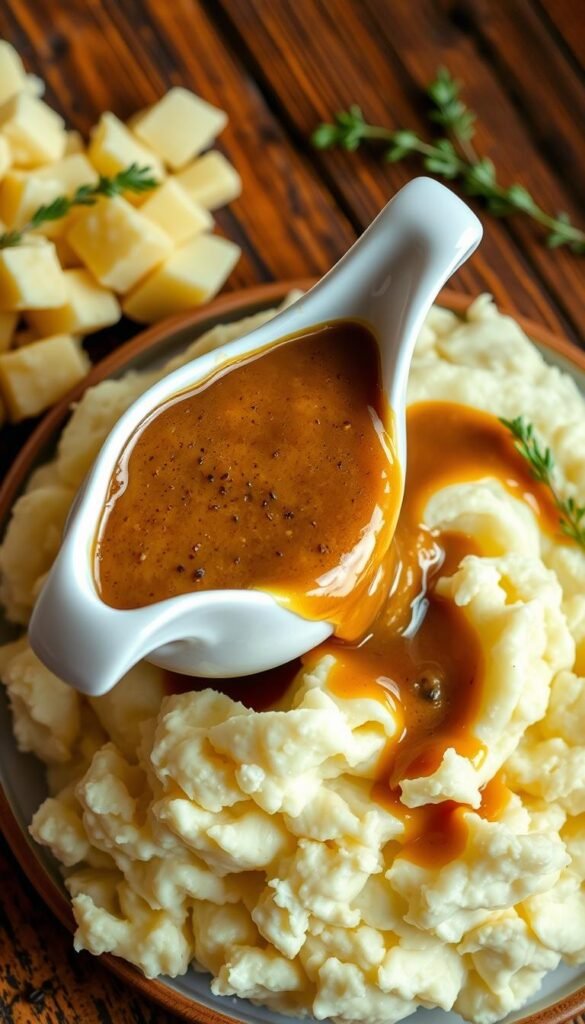
Choose your base with care. Russets whip into airy, creamy mashed potatoes, while Yukon Golds deliver a rich, buttery bite. Blending both potato varieties gives balance. Start them in cold, well-salted water, simmer until tender, then drain fully for a lump-free mash.
Run the potatoes through a ricer or food mill, and fold in warm milk or cream, melted butter, and salt. For light tang, add a spoon of sour cream or a bit of cream cheese. Keep the bowl covered over a gentle water bath to hold texture and heat for reliable Thanksgiving sides.
Build flavor in the pan. Make gravy from drippings after roasting, separating the fat to start a quick roux, or whisk a cornstarch slurry for a glossy finish. Deglaze with chicken or turkey stock, or a splash of dry white wine, then season with salt, black pepper, and a touch of soy sauce for depth.
Dial in the style you like. Silky brown gravy matches meatloaf and chicken fried steak, while classic turkey gravy sings with roast turkey and stuffing. Aim for a nappe consistency that coats the back of a spoon and clings to every scoop of potatoes.
Pro tip: Avoid overmixing; agitation activates starch and can turn the mash gluey. Warm dairy blends smoother, and a final pat of butter adds sheen without weighing it down.
Comfort Breakfasts to Start the Day Right
Wake up to an American breakfast that feels like a hug from the kitchen. A few smart techniques turn simple staples into morning favorites, whether you crave sweet plates or savory comforts. Keep the heat steady, season with care, and let quality ingredients shine.
Pancakes, waffles, and French toast secrets
For fluffy pancakes, whisk dry and wet parts just until combined, then let the batter rest so the flour hydrates. A touch of buttermilk adds gentle tang and lift. Cook on a lightly greased griddle until bubbles set, then flip once.
For crispy waffles, use a richer batter with more fat and a hotter iron. Belgian-style versions get extra rise from yeast or whipped egg whites. Pair both with real maple syrup for clean sweetness that doesn’t mask the butter.
For French toast, choose brioche or challah. Soak slices in a vanilla and cinnamon custard until the center is plush, then griddle to a deep golden crust. Finish with a dusting of sugar and warm real maple syrup.
Country-style scrambles and breakfast casseroles
Country scrambles thrive on low heat. Fold eggs with sautéed peppers, onions, and sausage or ham, stirring slowly for tender, creamy curds. A knob of butter at the end adds shine.
A breakfast casserole, often called a strata, layers bread, cheese, eggs, and add-ins. Rest it overnight so everything absorbs evenly. Bake at 350°F until set in the center and the top is lightly browned.
Maple syrup, sausage gravy, and sides
Serve real maple syrup from Vermont or New York alongside thick-cut bacon or country ham for balance. For biscuits and gravy, use buttermilk biscuits and a peppery sausage gravy that clings without feeling heavy.
Round out the plate with hash browns, creamy grits, or fresh fruit. These sides add texture and keep a hearty spread feeling bright, whether you’re pouring syrup over pancakes or slicing into a savory breakfast casserole.
Sweet Endings: Pies, Cobblers, and Puddings
Sweet comfort lives in simple, time-tested steps and a warm oven. From a golden apple pie to a bubbling fruit cobbler and creamy bowls of vanilla custard, these Southern desserts close the meal with an easy grace that feels like home.
Perfect pie crust: butter, shortening, or both
An all-butter pie crust recipe brings bold flavor and crisp layers. Shortening adds tenderness and helps hold shape. Many bakers blend both for flake and stability, keeping every ingredient cold and the dough well-rested.
For custard fillings, blind-bake until lightly golden. For fruit pies like apple pie, vent with a lattice or crumb top so steam escapes and the juices thicken instead of spill.
Seasonal fruit cobblers with biscuit or batter tops
Regional styles vary: a biscuit crown in the South or a pour-and-bake batter where the crust rises around the fruit. Each version turns peak-season produce into a rustic fruit cobbler that tastes best warm.
Use cornstarch or tapioca to thicken peach, blueberry, cherry, or apple juices, and finish with a scoop of ice cream for a hot-and-cold contrast that highlights the filling.
Bread pudding and banana pudding nostalgia
Bread pudding starts with day-old bread soaked in vanilla custard, then baked until the edges toast and the center sets. A drizzle of bourbon or caramel sauce adds a gentle warmth that lingers.
Banana pudding—popularized with Nabisco Nilla Wafers—layers cookies, ripe bananas, and pudding, then gets a meringue or whipped cream finish. It anchors Southern desserts at barbecues and family reunions across the United States.
- Quick tip: Chill custards overnight for cleaner slices and a deeper flavor.
- Keep spices simple: a pinch of cinnamon or nutmeg lifts bread pudding without masking the vanilla custard.
- For apple pie or cobbler, taste the fruit first and adjust sugar so the natural flavor leads.
Lighter Takes on Comfort Classics
Think mashed, crispy, creamy—but with a fresh spin. Choose baked alternatives or air-fried versions to keep crunch without a vat of oil. For healthy comfort food that still hits the spot, lean on herbs, lemon, and a splash of vinegar to brighten rich dishes.
Try smart vegetable swaps that blend right in. Fold cauliflower or celery root into potatoes for a silky mash. Use whole grains like brown rice or farro in casseroles to add chew and fiber, then finish with lighter sauces made with Greek yogurt for tang and body.
Flavor does not need extra salt. Build reduced-sodium recipes with umami from mushrooms or a spoon of white miso. Reach for low-sodium stock, garlic, and scallions, then let black pepper and paprika add lift.
Keep the comfort cues. Sprinkle sharp Cheddar or Parmesan so a little goes far. Use panko at high heat for a golden cap. Evaporated skim milk whisked with sodium citrate creates a smooth mac-style sauce that clings to pasta and whole-wheat breadcrumbs beautifully.
Balance the plate with crisp sides and warm sips. Add a crunchy slaw with apple and cabbage, sheet-pan roasted carrots, or a brothy chicken soup to round out portions. Lean turkey works in meatloaf and chili, especially when onions and smoked paprika bring depth.
Small changes add up when you swap technique, layer flavor, and pick better bases—without losing the soul of the dish.
- Fry less: choose baked alternatives or air-fried versions for crisp texture.
- Swap smart: vegetable swaps in mash; whole grains in bakes; lighter sauces with Greek yogurt.
- Season wisely: reduced-sodium recipes using herbs, citrus, vinegar, mushrooms, and miso.
Where to Find the Best Comfort Food in the United States
Craving gravy, crispy edges, and warm pie? Map your next bite with a plan. From bustling cities to small towns, the best comfort food restaurants thrive where tradition meets skill and care.
Regional hotspots: the South, Midwest, and Northeast
In the South, Nashville’s Prince’s Hot Chicken Shack and Hattie B’s serve heat and crunch that define modern Southern restaurants. Charleston plates soulful shrimp and grits at places shaped by Husk’s influence and the Hominy Grill legacy. New Orleans ladles gumbo and builds po’boys at Commander’s Palace and Parkway Bakery, setting a high bar for road trip eats.
Head north for Midwest diners with heart. Minneapolis–St. Paul keeps hotdish culture alive, while Matt’s Bar’s Jucy Lucy oozes molten cheese. Chicago comforts with Italian beef at Al’s and morning coffee at Lou Mitchell’s, and Kansas City’s Joe’s Kansas City Bar-B-Que turns burnt ends into a rite of passage at iconic diners-level status.
Along the Northeast, chowders and lobster rolls star at Eventide in Portland and the enduring Legal Sea Foods legacy. The New Jersey diner corridor—Tops Diner and Tick Tock Diner—shows why Northeast eateries set the pace for 24/7 plates. In Pennsylvania Dutch country, think chicken pot pie and shoofly pie baked with time-tested care.
Diners, drive-ins, and mom-and-pop gems
Guy Fieri’s Diners, Drive-Ins and Dives spotlighted spots where scratch gravies, hand-breaded cutlets, and pies speak for themselves. Seek flat-top grills humming at breakfast, cast-iron pans seasoned black, and rotating pie cases that hint at the day’s best slice in mom-and-pop restaurants.
These signals point to the best comfort food restaurants that keep lines long and plates clean. You’ll find them tucked off highways, perfect for road trip eats, and on city corners where cooks know regulars by name.
How to spot a can’t-miss comfort menu
- In-house baking: biscuits, cornbread, and rolls made daily at iconic diners and Northeast eateries.
- Made-from-scratch gravies, stocks, and sides common in Southern restaurants and Midwest diners.
- Local sourcing and seasonal specials at mom-and-pop restaurants that value freshness.
- Crowded weekday breakfasts and short, focused menus that deliver the hits.
- Staff who can explain prep details, plus hearty portions at fair prices—ideal for road trip eats.
| Region | Standout City | Essential Bite | Notable Spots | Why It’s Comfort |
|---|---|---|---|---|
| South | Nashville | Hot chicken | Prince’s Hot Chicken Shack, Hattie B’s | Crunch, heat, and classic sides at the best comfort food restaurants |
| South | New Orleans | Gumbo, po’boys | Commander’s Palace, Parkway Bakery | Slow-simmered depth and bread with snap for perfect road trip eats |
| Midwest | Chicago | Italian beef | Al’s, Lou Mitchell’s | Flat-top flavor and diner ritual at iconic diners and Midwest diners |
| Midwest | Kansas City | Burnt ends | Joe’s Kansas City Bar-B-Que | Smoke, bark, and balance that define the best comfort food restaurants |
| Northeast | Portland, ME | Lobster roll | Eventide | Buttery bread, clean seafood—hallmarks of Northeast eateries |
| Northeast | Newark area | Diner plates | Tops Diner, Tick Tock Diner | Round-the-clock comfort from seasoned mom-and-pop restaurants |
Conclusion
Comfort food endures because it feels honest and warm. This Classic American Comfort Food guide has shown how reliable techniques—steady heat, proper seasoning, and crisp-versus-creamy contrast—turn simple dishes into memorable, nostalgic meals. From mac and cheese and fried chicken to biscuits, stews, and pies, these homestyle recipes reflect American food culture and a shared table across regions.
Great results start with smart choices. Use soft-wheat flour for flaky biscuits, russet or Yukon Gold potatoes for smooth mash, and quality stock for depth. Rely on kitchen fundamentals like buttermilk brining, a classic mirepoix, and cast-iron searing. With these comfort cooking tips, you can balance rich flavors with lighter tweaks when you want a fresher feel.
Plan with purpose and cook with joy. Whether it’s a weeknight casserole, a holiday spread, or a diner-style breakfast, this structure offers clear comfort menu ideas that work. Keep traditions alive, explore regional touches from New Orleans gumbo to New England chowder, and savor homestyle recipes that taste like home.
Let the spirit of American food culture guide your next meal. Use these comfort cooking tips to build confidence, adapt classics to your pantry, and serve nostalgic meals that bring people together. That’s the heart of a true Classic American Comfort Food guide—simple methods, timeless flavors, and satisfying comfort menu ideas you’ll return to again and again.
FAQ
What defines classic American comfort food?
Classic American comfort food includes mac and cheese, fried chicken, meatloaf, mashed potatoes with gravy, pot roast, chicken and dumplings, casseroles, chili, chicken noodle soup, biscuits, cornbread, pancakes, waffles, apple pie, cobblers, banana pudding, and bread pudding. You’ll find these dishes at diners like Waffle House and chains such as Cracker Barrel, at church suppers, state fairs, and family tables across the country.
Why do these dishes feel so comforting?
Comfort comes from nostalgia and flavor memory. Aromas like baking bread or cinnamon activate positive associations in the brain, while the craveable trifecta of fat, salt, and umami delivers satisfaction. Warm serving temperatures and textures—crispy crusts over creamy interiors—boost the cozy factor.
Which tools and brands help me get reliable results?
Sturdy cookware makes a difference. A Lodge cast-iron skillet, a Le Creuset Dutch oven, and King Arthur Baking flour are favorites for searing, braising, and baking. Use a reliable instant-read thermometer to manage temperatures for soups, casseroles, and fried chicken.
How do regional traditions shape comfort food in the United States?
The South leans into buttermilk biscuits, gravy, fried chicken, and collards. The Midwest celebrates hotdish, casseroles, pot roast, and buttered corn. The Northeast highlights clam chowder, chicken pot pie, and baked beans, while Louisiana features gumbo and jambalaya, Texas champions chili, and the Pacific Northwest serves salmon chowders.
What cheeses make the best mac and cheese?
For creaminess, reach for cheddar, Monterey Jack, Colby, and American cheese. For silky depth, add Gruyère, Fontina, or Havarti, plus Parmesan for umami. Avoid pre-shredded cheese with anti-caking agents and season with mustard powder, paprika, cayenne, garlic powder, and white pepper.
Should I make mac and cheese on the stovetop or baked?
Stovetop mac is ultra-creamy using a mornay or evaporated milk emulsion. Baked mac delivers a set interior and a crispy top. To prevent dryness when baking, undercook pasta to very al dente and use extra sauce. Finish with buttered panko, crushed Ritz crackers, or a broiled cheese crust.
How do I get fried chicken extra juicy and crisp?
Brine in buttermilk 4–24 hours with 1.5–2% salt and spices. Double-dredge in seasoned flour with cornstarch or potato starch. Fry in cast-iron at 325–350°F, deep-fry for even browning, or air-fry with light oil spray. Rest on a wire rack and serve with biscuits, hot honey, dill pickles, and Crystal or Frank’s RedHot.
What are diner favorites I shouldn’t miss?
Patty melts on rye, open-faced turkey sandwiches with gravy, meatloaf plates, chicken fried steak, pot roast, grilled cheese with tomato soup, BLTs, club sandwiches, and chili-cheese fries are classics. Breakfast-all-day stars include short stacks, waffles, corned beef hash, and country scrambles—plus shakes and pies under glass domes.
How can I build flavor in soups and stews?
Start with mirepoix or the Cajun trinity, brown meats, and deglaze with stock or wine. Simmer low and slow using quality low-sodium stock, and layer herbs like bay, thyme, and rosemary. Regional favorites include chicken noodle soup with dill, Texas chili, Cincinnati chili, New England clam chowder, and gumbo.
What’s the secret to flaky biscuits and tender cornbread?
For flaky biscuits, keep butter cold, fold the dough, and bake hot at 425–475°F. White Lily self-rising flour and buttermilk give lift and tang. For cornbread, preheat a greased cast-iron skillet until smoking for a crisp crust; Southern-style is cornmeal-forward with bacon drippings, while Northern-style is a bit sweeter.
How do I make perfect mashed potatoes and gravy?
Use Russets for fluff or Yukon Golds for creaminess; start in cold, salted water, and rice the potatoes. Add warm milk or cream and melted butter. For gravy, use pan drippings, make a roux or cornstarch slurry, and season with salt, pepper, and a touch of soy sauce or Marmite for umami.
What casseroles are great for busy nights?
Tuna noodle, green bean casserole with Campbell’s cream of mushroom soup and French’s fried onions, king ranch chicken, baked ziti, shepherd’s pie, and tater tot hotdish are weeknight winners. Par-cook starches, brown aromatics, and bake at 350–375°F until bubbly. Top with cheese, buttered crumbs, or crushed chips.
Can I make soups, stews, and casseroles ahead?
Yes. Assemble casseroles up to two days ahead or freeze tightly wrapped in Pyrex or Staub. Cool soups in shallow containers, label, and freeze flat in bags. Add dairy after reheating to keep texture smooth.
What are classic sweet endings?
Apple pie, peach cobbler, blueberry crisp, banana pudding, and bread pudding lead the list. For pie crust, choose butter for flavor and shortening for tenderness—or blend both. Cobblers can be biscuit- or batter-topped. Banana pudding with Nabisco Nilla Wafers is a beloved Southern staple.
How can I lighten comfort food without losing flavor?
Bake or air-fry instead of deep-frying, use Greek yogurt for part of the mayo or sour cream, and boost flavor with herbs, citrus, vinegar, mushrooms, miso, and umami-rich Worcestershire. Try cauliflower mash, whole-wheat panko, brown rice, lean turkey, and low-sodium stock.
Where can I find standout comfort food in the United States?
Explore Nashville hot chicken at Prince’s Hot Chicken Shack and Hattie B’s, shrimp and grits in Charleston, gumbo and po’boys in New Orleans, hotdish in Minneapolis–St. Paul, Italian beef in Chicago, burnt ends in Kansas City, New England chowders in Portland at Eventide, and classic New Jersey diners like Tops Diner and Tick Tock Diner.
How do I spot a can’t-miss comfort menu?
Look for in-house baking, cast-iron cookware, made-from-scratch gravies and stocks, short focused menus, and busy weekday breakfasts. Rotating pie cases, a humming flat-top grill, and staff who can describe preparation details are reliable signs you’ve struck gold.