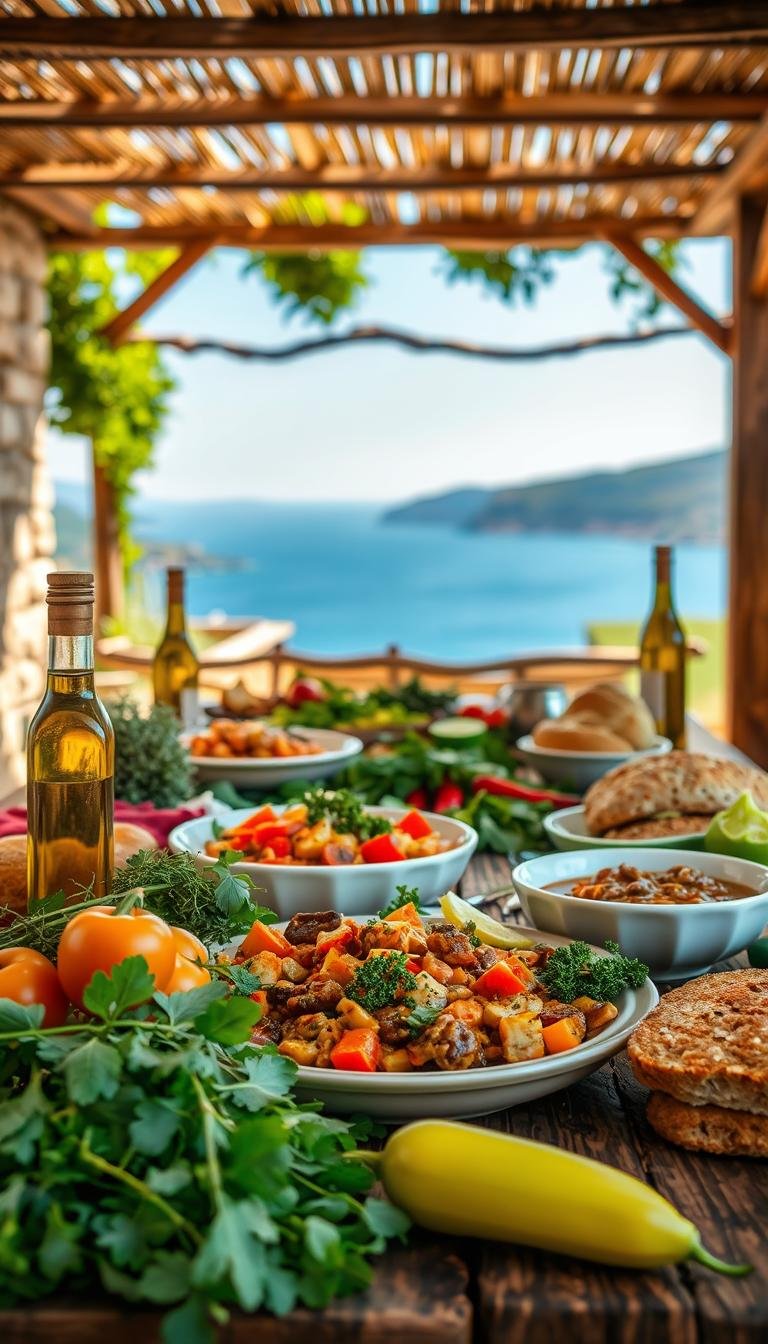
Mediterranean Diet Recipes for Healthy Living
Here’s a wake-up call: the Mediterranean diet has ranked No. 1 for overall health in U.S. News & World Report for seven straight years, thanks to simple, flavorful habits rooted in Greece, Italy, and Spain. That matters for busy Americans who want heart-healthy meals without a rulebook. These Mediterranean Diet Recipes show how real food and everyday ease can live on the same plate.
This Website contains affiliate links. That means I may earn a small commission if you purchase through my links, at no extra cost to you.
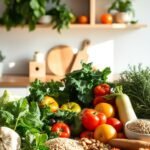
Think bright tomatoes, leafy greens, whole grains, beans, nuts, and extra-virgin olive oil. Add seafood like salmon or sardines for omega-3s, plus yogurt and a little cheese. This is healthy Mediterranean cooking designed for weeknights and weekends alike, shaped by U.S. grocery aisles and real schedules.
In this guide, you’ll find Mediterranean menu ideas that fit a packed calendar and a practical budget. From zesty grilled fish with lemon to lentil soup and roasted vegetables, we map a clear path to a sustainable Mediterranean lifestyle. Consider it an American Mediterranean diet you can cook tonight—and keep cooking all year.
Key Takeaways
- The Mediterranean diet emphasizes plants, whole grains, legumes, nuts, seeds, olive oil, and seafood.
- Extra-virgin olive oil and nuts supply heart-friendly fats for steady, satisfying energy.
- These Mediterranean Diet Recipes are built for American kitchens, budgets, and weeknight speed.
- Healthy Mediterranean cooking favors minimally processed foods and limits added sugars and red meat.
- Mediterranean menu ideas bring big flavor with simple techniques like roasting, grilling, and citrus marinades.
- Adopting an American Mediterranean diet supports heart health without strict rules or complex tracking.
What Is the Mediterranean Diet and Why It Works
The Mediterranean way of eating is simple, colorful, and rooted in a whole-food diet. It favors fresh produce, beans, whole grains, nuts, seeds, herbs, and spices, with extra-virgin olive oil at the center. Many people choose it for heart-healthy eating and steady energy, while enjoying real meals that taste great.
At its core, this style supports an anti-inflammatory diet and aligns with evidence-based nutrition. It is often described as a longevity diet because the pattern has been linked with healthy aging.
Core principles and whole-food focus
Build plates around plants: vegetables, fruits, legumes like chickpeas and lentils, and whole grains such as farro, bulgur, and brown rice. Use extra-virgin olive oil as the main fat, and season with garlic, citrus, and herbs.
Fish and seafood show up several times a week. Poultry, eggs, and fermented dairy like Greek yogurt and kefir are moderate. Save red meat and sweets for special moments. Water and herbal tea lead; those who already drink may include moderate red wine with meals under CDC guidance.
These habits highlight Mediterranean diet benefits without strict rules. Flavor, seasonality, and shared meals make the pattern easy to keep.
Health benefits backed by research
Large trials, including PREDIMED in Spain, linked this approach to fewer major heart events when paired with extra-virgin olive oil or nuts. Meta-analyses connect the pattern to lower risks of coronary heart disease, stroke, type 2 diabetes, certain cancers, and all-cause mortality.
The mix of fiber, unsaturated fats, and polyphenols supports an anti-inflammatory diet. Studies also report better lipid profiles, reduced blood pressure, lower CRP, and stronger glycemic control. Many people note improved satiety and a more diverse gut microbiome, which reinforce Mediterranean diet benefits through evidence-based nutrition.
Research also associates the pattern with cognitive health and sustained well-being, key goals of a longevity diet and heart-healthy eating.
How it fits everyday American lifestyles
Small swaps make the plan practical. Cook with extra-virgin olive oil instead of butter. Fill half the plate with vegetables. Choose oats, whole-wheat bread, or brown rice to keep a whole-food diet at the center.
Lean on supermarket staples: canned tomatoes, canned chickpeas, and frozen vegetables for fast meals. Make beans your default protein, and choose seafood two to three times a week following FDA and EPA guidance on low-mercury fish.
Sheet pans, the Instant Pot, air fryers, and the grill speed up weeknights. This flexible framework matches USDA Dietary Guidelines, making heart-healthy eating, Mediterranean diet benefits, and evidence-based nutrition part of daily life in the United States.
| Pillar | Everyday Choices | Why It Helps | Keywords in Action |
|---|---|---|---|
| Primary Fat | Extra-virgin olive oil for cooking and dressings | Rich in monounsaturated fats and polyphenols | heart-healthy eating, anti-inflammatory diet |
| Plant Core | Vegetables, fruits, legumes, nuts, seeds | Fiber for satiety and steady blood sugar | whole-food diet, Mediterranean diet benefits |
| Smart Carbs | Farro, bulgur, brown rice, whole-wheat pasta | Lower glycemic load and sustained energy | evidence-based nutrition |
| Seafood Focus | Salmon, sardines, trout two to three times weekly | Omega-3s for heart and brain support | heart-healthy eating, longevity diet |
| Moderation | Poultry, eggs, Greek yogurt, kefir; limited red meat | Balanced protein and improved lipid profiles | anti-inflammatory diet, Mediterranean diet benefits |
| Lifestyle | Cook at home, share meals, hydrate with water and herbal tea | Consistency, enjoyment, and adherence | whole-food diet, evidence-based nutrition |
Pantry and Fridge Staples for Mediterranean Cooking
Build a flexible kitchen with Mediterranean pantry staples that turn simple ingredients into bright, satisfying meals. A few smart buys make a budget Mediterranean diet feel effortless, from weeknight salads to quick pasta and grain bowls.
Stock once, cook often. Keep EVOO on the counter for finishing and dressings, and pair it with shelf-stable items that last. Round it out with fresh citrus, herbs, and a shortlist of proteins for fast prep.
Heart-healthy oils, nuts, and seeds
Choose EVOO for drizzling, then use regular olive oil or avocado oil for sautéing. Add almonds, walnuts, pistachios, pine nuts, sesame, chia, and flax for crunch and healthy fats. Store nuts and seeds in the fridge or freezer to prevent rancidity.
Tahini brings creamy body to dressings and dips like hummus. A spoonful blends with lemon and garlic for a quick sauce over fish, grains, or roasted vegetables.
Whole grains, legumes, and smart carbohydrates
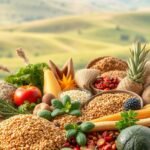
Keep whole grains and legumes ready for bowls and soups: farro, bulgur, quinoa, brown rice, barley, whole-wheat couscous, and oats; chickpeas, lentils, cannellini, and black beans. Canned options help on busy nights—rinse to reduce sodium.
Focus on smart carbs that are rich in fiber and minimally processed. This approach supports steady energy and makes meal prep easier across the week.
Herbs, spices, and flavor boosters
Brighten dishes with Mediterranean spices such as za’atar, sumac, smoked paprika, and oregano. Keep mint, dill, parsley, basil, and rosemary on hand. Vinegars like red wine and sherry, plus lemons and limes, add lift.
Capers, Kalamata and Castelvetrano olives, sun-dried tomatoes, tomato paste, preserved lemons, anchovies, and harissa build depth fast. For dairy and protein, stock plain Greek yogurt, feta, ricotta, kefir, eggs, canned tuna or salmon, and frozen shrimp.
Smart shopping tips for budget-friendly choices
Buy EVOO in dark bottles and check the harvest date; look for California Olive Oil Council or NAOOA-certified brands. Purchase grains and beans in bulk and rotate weekly sales at Costco, Trader Joe’s, and ALDI to stretch a budget Mediterranean diet.
Use store brands for canned tomatoes, beans, and frozen vegetables. Choose in-season produce with USDA guides, plan leftovers, and freeze portions to reduce waste while keeping whole grains and legumes ready for fast meals.
Mediterranean Diet Recipes
Cook with the season to keep flavor high and costs low. Build menus around a farmers’ market haul or a local CSA box. These seasonal Mediterranean recipes highlight fresh produce, simple techniques, and healthy dinner ideas the whole table will enjoy.
Keep the spirit of the coast by leaning on olive oil, lemon, garlic, and herbs. With plant-forward meals and easy Mediterranean swaps, you can stay authentic while shopping at any U.S. grocery store.
Seasonal approach for peak flavor
Spring sings with asparagus, peas, artichokes, and strawberries. Toss warm farro with grilled asparagus and lemon for bright, healthy dinner ideas. Add a dollop of Greek yogurt and mint.
Summer brings tomatoes, zucchini, eggplant, peppers, and peaches. Layer a quick ratatouille over whole-wheat couscous. Finish with basil and a drizzle of EVOO for seasonal Mediterranean recipes you can repeat all week.
Fall leans on squash, mushrooms, and grapes. Roast delicata with cumin and serve beside barley and garlicky greens. A few grapes add pop and sweetness.
Winter favors citrus, kale, and cabbage. Try orange-scented chickpeas with sautéed kale over brown rice. Lemon zest keeps flavors lively.
Balanced plates with plants at the center
Follow the half-plate produce guide: 50% vegetables or salad, 25% whole grains or starchy veg, 25% protein like beans, fish, or poultry. Season with citrus, garlic, and spices to keep sodium in check.
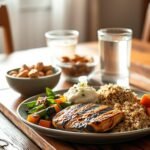
For plant-forward meals, pair lentil stew with a cabbage slaw and a spoon of yogurt. Another option: tuna packed in olive oil over quinoa with tomatoes and cucumbers. Both are fast, affordable healthy dinner ideas.
Quick swaps to keep recipes authentic and accessible
- Butter → extra-virgin olive oil
- Refined pasta → whole-wheat or legume pasta
- Mayo → Greek yogurt
- Sour cream → labneh or yogurt
- White rice → farro, barley, or brown rice
- Processed snacks → nuts, olives, fruit
- Fresh salmon → canned wild salmon; fresh veg → frozen; roast peppers → jarred
These easy Mediterranean swaps protect hallmark flavors while fitting busy lives. They make seasonal Mediterranean recipes and plant-forward meals practical for weeknights.
| Season | Star Produce | Quick Dish Idea | Key Swap | Why It Works |
|---|---|---|---|---|
| Spring | Asparagus, peas, artichokes, strawberries | Warm farro salad with grilled asparagus, lemon, and mint | Butter → EVOO | Brighter flavor, heart-healthy fats, easy prep |
| Summer | Tomatoes, zucchini, eggplant, peppers, peaches | Skillet ratatouille over whole-wheat couscous | Refined pasta → whole-wheat couscous | More fiber and steady energy for healthy dinner ideas |
| Fall | Squash, mushrooms, grapes | Roasted delicata with barley and herbed yogurt | Sour cream → yogurt | Extra protein and tang; keeps the dish light |
| Winter | Citrus, kale, cabbage | Lemony chickpeas with sautéed kale over brown rice | White rice → brown rice | Higher fiber, nutty taste, and simple pantry cooking |
| Anytime | Pantry legumes, canned wild salmon, jarred peppers | Salmon and white bean bowls with olives and parsley | Fresh fish → canned wild salmon | Budget-friendly protein that still tastes coastal |
Breakfast Ideas That Fuel Your Morning
Start simple, stay satisfied. Build your plate with whole grains, fruit, nuts, and protein so your first meal lasts. Think Greek yogurt breakfast parfaits layered with blueberries, chopped walnuts, chia, and a light drizzle of honey. For a savory spin, try oats warmed with extra-virgin olive oil, cherry tomatoes, Kalamata olives, and a soft-boiled egg.
Toast a slice of whole-grain bread and add smashed avocado, lemon, and za’atar. A small vegetable frittata with spinach, tomatoes, and feta is easy to slice for the week. Overnight oats with raisins, cinnamon, and pistachios taste like dessert but deliver a high-fiber breakfast lift.
Keep the fridge stocked for fast wins. Cottage cheese or kefir with sliced peaches and almonds balances creamy texture with crunch. These choices fit Mediterranean breakfast recipes that are quick, bright, and practical for busy mornings.
For smart nutrition, aim for 15–25 g of protein and 8–10 g of fiber to help with steady energy and appetite control. Use extra-virgin olive oil or nuts for healthy fats that slow digestion. Keep added sugars low by leaning on ripe fruit and a touch of honey or dates.
Set up easy make-ahead options on Sunday. Bake egg muffins with bell peppers and herbs. Prep farro for healthy breakfast bowls and top with yogurt, strawberries, and toasted almonds. Stir chia seeds into almond milk with vanilla for a pudding that travels well.
When you need to move fast, pack fruit, roasted nuts, and whole-grain crackers. Pair them with a single-serve yogurt or kefir to round out protein and fiber. These habits turn small choices into steady momentum.
Vibrant Salads and Mezze Platters
Color, crunch, and simple prep make Mediterranean salads and a well-styled hummus platter ideal for weeknights or casual gatherings. Use fresh produce, bright herbs, and pantry staples to build meals that feel abundant yet balanced. Keep portions mindful and let vegetables lead.
Build-your-own mezze board
Start with a large board and arrange bowls for dips. Add hummus, baba ghanoush, tzatziki, and marinated olives, then fold in roasted red peppers, dolmas, feta, cherry tomatoes, cucumbers, and pepperoncini. Offer whole-grain pita or seed crackers for texture.
For smart mezze platter ideas, include protein such as grilled shrimp skewers or baked falafel. Keep hummus to 2–3 tablespoons and pile on raw vegetables for volume. A generous, colorful hummus platter turns into dinner when you add sliced carrots, radishes, and bell peppers.
Dressings: lemon, tahini, and herb variations
A bright lemon–extra-virgin olive oil vinaigrette anchors most Mediterranean salads: use a 3:1 ratio of oil to lemon juice with Dijon, minced garlic, and oregano. Shake in a jar and store for 4–5 days to make salads a daily habit.
For a silky tahini dressing recipe, whisk tahini with lemon juice, warm water, grated garlic, and a pinch of cumin until pourable. An herb-forward option blends parsley, mint, dill, capers, red wine vinegar, and olive oil. Make a weekly batch to streamline lunches.
Fiber-packed salad combinations
Build high-fiber salads that satisfy and support heart health. Try lentils with arugula, roasted carrots, and pistachios. A classic Greek mix—tomato, cucumber, red onion, olives, and feta—sings with oregano and lemon.
Rotate farro tabbouleh with cherry tomatoes, parsley, mint, and lemon; chopped kale with chickpeas, sun-dried tomatoes, and shaved Parmesan; or a white bean, tuna, and celery salad with capers and lemon. Aim for at least 8 grams of fiber per serving and pair with a small pita or seed crackers for crunch. Sprinkle in these mezze platter ideas to keep flavors fresh across the week.
Whether you serve a crisp bowl or a sharing board, Mediterranean salads and a thoughtful hummus platter invite variety, color, and ease at the table.
Wholesome Soups and Stews
Warm bowls make weeknights easy and nourishing. Mediterranean soup recipes highlight pantry stars and bright finishes, turning simple ingredients into healthy one-pot meals the whole table loves.
Greek fakes brings comfort with brown lentils, onion, carrot, tomato, bay leaf, and extra-virgin olive oil. This classic lentil soup is rich in fiber and iron. Use low-sodium broth, then finish with lemon and parsley for lift.
Italian minestrone celebrates the season. Pack the pot with zucchini, kale, and tomatoes, add cannellini beans, and stir in whole-wheat pasta or farro. A splash of EVOO at the end deepens flavor without more salt.
For a hearty vegetable stew, try a Moroccan-inspired mix of chickpeas, tomato, cumin, coriander, and a touch of harissa. The spices bloom in oil, creating a cozy base that tastes even better the next day.
Seafood lovers can ladle a tomato and fennel fish stew scented with saffron. Add mussels and firm white fish, then simmer gently. Lemon zest and dill make the broth bright and clean.
Turkish red lentil soup, or mercimek çorbası, blends red lentils with paprika and a squeeze of lemon. It is smooth, quick, and perfect for a light lunch with a green salad and whole-grain bread.
Batch cooking earns time back. Freeze cooled portions in quart containers, label the date, and keep space for expansion. Most pots improve after a night in the fridge, making leftovers a win for busy weeks.
Boost nutrition with legumes and vegetables for lasting energy, minerals, and phytonutrients. Keep the base light with low-sodium broth, then finish with herbs, citrus, and a ribbon of EVOO for depth.
Serve any of these Mediterranean soup recipes with a crisp salad and a slice of whole-grain bread. From lentil soup to minestrone and a warming vegetable stew, these healthy one-pot meals fit real life and real schedules.
Seafood Dishes Rich in Omega-3s
Lean, bright, and fast—these omega-3 seafood recipes fit the Mediterranean plate and busy weeknights. Aim for 8–12 ounces each week to enjoy EPA DHA fish while keeping meals fresh and simple.
Choosing sustainable fish in the United States
Pick species highlighted by trusted U.S. programs for sustainable seafood USA. Smart choices include wild Alaska salmon, U.S. farmed rainbow trout, Atlantic mackerel (not king), Pacific sardines, and well-managed U.S. shrimp. Low-mercury picks like salmon, sardines, trout, pollock, and cod make family meals easy.
Buy domestic when you can, ask the fishmonger about the source, and choose frozen if it was flash-frozen at sea. You still get quality EPA DHA fish with great flavor and value.
Simple marinades and citrus-forward flavors
Extra-virgin olive oil, lemon zest and juice, garlic, oregano, dill, capers, and a pinch of sumac deliver big taste. For heat, try harissa or Aleppo pepper. Keep fillet marinating time to 15–30 minutes so the texture stays firm.
Balance salt with acid. A quick squeeze right before serving adds lift to grilled fish lemon and keeps herbs vibrant.
Sheet-pan and grill methods for weeknights
For sheet-pan salmon, toss cherry tomatoes and olives with oregano and roast until the fish is just opaque and flakes at 145°F. Parchment-baked cod with lemon, capers, and artichokes steams gently and stays moist.
On the grill, use a garlic-lemon marinade for shrimp skewers or go bold with broiled sardines, parsley, and citrus. These omega-3 seafood recipes save time and clean-up while delivering EPA DHA fish your body needs.
| Dish | Method | Key Flavors | Why It Works |
|---|---|---|---|
| Sheet-pan salmon | Oven roast | Olive oil, olives, oregano, lemon | One-pan speed; steady heat preserves flaky texture and supports sheet-pan salmon meal prep |
| Parchment-baked cod | En papillote | Lemon, capers, artichokes, dill | Steam locks in moisture; bright acid highlights delicate cod |
| Grilled shrimp skewers | Grill | Garlic, lemon, parsley | High heat, quick cook; classic grilled fish lemon profile with char |
| Broiled sardines | Broil | Lemon, parsley, olive oil | Fast, crisp edges; budget-friendly EPA DHA fish source |
| Tuna and white bean salad | No-cook | Red wine vinegar, EVOO, oregano | Pantry-ready protein; great for sustainable seafood USA choices when buying U.S.-caught tuna |
Plant-Forward Mains with Legumes and Grains
Build dinner around plants that satisfy. These vegetarian Mediterranean recipes turn pantry stars into hearty entrées. Legume-based meals often deliver 12–20 g protein and 10+ g fiber per serving, which supports heart health and steady energy.
Try chickpea mains like a warm tagine with apricots, almonds, and cumin. For comfort, bake eggplant and tomato with oregano and feta. Farro risotto with mushrooms and thyme brings nutty depth to weeknights.
Stuff peppers with brown rice, parsley, and pine nuts for a colorful plate. Greek-style gigante beans simmered in tomato sauce feel slow-cooked but can be quick with a pressure cooker. Herbed lentil “meatballs” in tomato-basil sauce make family-friendly lentil bowls.
For fresh crunch, serve quinoa tabbouleh bowls topped with roasted cauliflower and a light tahini drizzle. Pair grains with legumes to round out amino acids and keep you full longer. These whole-grain dinners fit a meatless Mediterranean routine while keeping sodium in check with EVOO, herbs, and lemon.
Smart prep tips
- Use a pressure cooker for quick beans and to lock in texture.
- Roast trays of vegetables on Sundays for mix-and-match meals.
- Finish dishes with extra-virgin olive oil, fresh herbs, and citrus.
| Dish | Main Ingredients | Flavor Notes | Why It Works |
|---|---|---|---|
| Chickpea Tagine | Chickpeas, apricots, almonds, cumin | Sweet-savory, warm spice | Protein, fiber, and pantry-friendly chickpea mains |
| Eggplant & Tomato Bake | Eggplant, tomatoes, oregano, feta | Herby, tangy, creamy | Vegetarian Mediterranean recipes with classic flavors |
| Farro “Risotto” | Farro, mushrooms, thyme | Earthy, nutty | Whole-grain dinners that feel indulgent yet balanced |
| Stuffed Peppers | Brown rice, parsley, pine nuts | Fresh, toasty | Grain-legume pairing option; easy batch cook |
| Gigante Beans in Tomato | Gigante beans, tomato sauce, garlic | Savory, slow-simmered | High fiber and protein for meatless Mediterranean nights |
| Lentil “Meatballs” | Lentils, herbs, tomato-basil sauce | Bright, cozy | Satisfying lentil bowls with familiar comfort |
| Quinoa Tabbouleh Bowl | Quinoa, parsley, roasted cauliflower, tahini | Zesty, nutty | Complete protein base with crisp veg and creamy finish |
Chicken and Lean Protein the Mediterranean Way
Weeknight cooking gets easier with healthy poultry dishes that rely on bright flavors, not heavy sauces. These Mediterranean chicken recipes use pantry herbs, extra-virgin olive oil, and citrus to keep the meat tender and light. They also fit well with lean protein ideas that support active lifestyles in the United States.
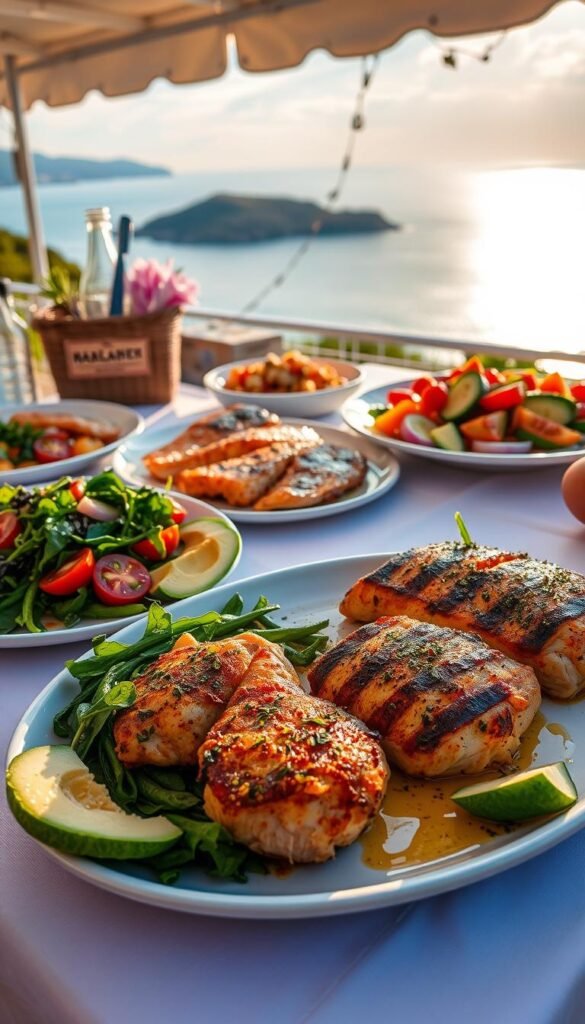
Marinades with olive oil, garlic, and herbs
Build flavor with simple herb marinades. Try a Greek-style mix of extra-virgin olive oil, lemon juice, garlic, and oregano. For an Italian spin, use rosemary, thyme, and red wine vinegar. A yogurt base with garlic and cumin helps tenderize chicken breast and adds a creamy tang.
Refrigerate for 30 minutes to overnight so the seasoning can penetrate. These Mediterranean chicken recipes stay moist on the grill, in a skillet, or under the broiler, giving you healthy poultry dishes without extra fuss.
One-pan bakes for busy schedules
A one-pan chicken bake saves time and cleanup while roasting vegetables to sweet perfection. Set the oven to 425°F. Roast chicken thighs with fennel, lemon, and olives, or bake chicken breast with cherry tomatoes, zucchini, and basil. Chickpeas with cumin and paprika add fiber and warmth.
For variety, shape turkey meatballs, tuck them into tomato sauce with oregano, and bake until the edges caramelize. These lean protein ideas fit busy nights and keep dinner colorful and satisfying.
Portion guidance and protein variety
Keep portions sensible: aim for 3–4 ounces of cooked poultry per plate. Trim visible fat and remove the skin if you prefer; let extra-virgin olive oil and herbs supply richness. Rotate proteins across the week with seafood, legumes, eggs, tofu, and small amounts of lean beef or pork.
This mix supports balanced eating while keeping Mediterranean chicken recipes in steady rotation. With herb marinades and a trusty one-pan chicken bake, healthy poultry dishes stay simple, bold, and budget-wise.
| Recipe Idea | Key Ingredients | Method & Temp | Time | Nutrition Focus |
|---|---|---|---|---|
| Greek Lemon-Oregano Chicken | Chicken breast, EVOO, lemon, garlic, oregano | Roast at 425°F on a sheet pan | 25–30 min | High flavor, low saturated fat |
| Italian Herb Chicken with Zucchini | Chicken breast, rosemary, thyme, red wine vinegar, zucchini, tomatoes | One-pan bake at 425°F | 30–35 min | Antioxidant-rich veggies |
| Yogurt-Marinated Chicken Thighs | Chicken thighs, yogurt, garlic, cumin, paprika | Grill or roast at 425°F | 25–35 min | Tender texture, probiotic boost |
| Chicken & Chickpeas with Warm Spices | Chicken, chickpeas, cumin, paprika, olive oil | Sheet-pan roast at 425°F | 30–35 min | Protein + fiber combo |
| Turkey Meatballs in Tomato Sauce | Lean turkey, oregano, onion, tomato sauce, basil | Bake in sauce at 425°F | 20–25 min | Lean protein ideas for busy nights |
Simple Sides and Vegetable Dishes
Build weeknight flavor with smart techniques and bright sauces. These Mediterranean vegetable sides pair with grilled fish, roast chicken, or a bowl of farro. Keep the focus on color, crunch, and natural sweetness.
Cook once, eat twice. Roast extra trays, stash a few jars of spreads, and your fridge will serve quick meals all week. High heat turns humble produce into roasted vegetables with deep, caramel edges.
Roasted, grilled, and sautéed techniques
- Roast cauliflower at 425°F with paprika, olive oil, and a squeeze of lemon. The high heat concentrates sweetness and adds crisp edges.
- Try grilled zucchini and eggplant over a hot grate, then finish with mint and sea salt. A splash of red wine vinegar wakes up the char.
- Sauté green beans with garlic and diced tomatoes until tender-crisp. Add a pinch of chili flakes and a swirl of olive oil.
- Blister shishito or mini peppers in a dry skillet, then coat with sherry vinegar for a quick, bright side.
- Braise kale or chard low and slow with olive oil, garlic, and a little broth. Finish with lemon to balance richness.
Serve any of these as Mediterranean vegetable sides alongside grains or seafood. For balance, add a spoon of yogurt or a handful of herbs.
Vegetable-forward sauces and spreads
Turn simple produce into a meal with vegetable dips and classic spreads. A small dollop goes far, so keep portions in check.
- Romesco blends roasted peppers, almonds, tomato, and paprika. It loves roasted vegetables and pan-seared shrimp.
- Pesto made with basil, parsley, or kale and walnuts adds fresh bite. Toss with grilled zucchini, whole-wheat pasta, or barley.
- Skordalia is a Greek garlic–almond mash that perks up steamed potatoes or raw veggies.
- Muhammara, a red pepper–walnut spread, pairs well with warm flatbread and cucumbers.
- Toum, a fluffy garlic emulsion, is bold on charred broccoli or roast carrots.
For make-ahead ease, roast double batches on Sunday. Store romesco and muhammara for up to five days, and freeze pesto in ice-cube trays for quick weeknight flavor.
| Technique or Spread | Best Veg Pairings | Heat/Finish | Serving Ideas | Make-Ahead Tip |
|---|---|---|---|---|
| Roasting (400–450°F) | Cauliflower, carrots, tomatoes | Paprika, lemon, olive oil | Side with salmon or chickpeas | Roast double trays; reheat at 375°F |
| Grilling | Zucchini, eggplant, onions | Charred edges, mint, vinegar | Top with feta and herbs | Marinate veg in advance |
| Sautéing | Green beans, mushrooms, spinach | Garlic, chili flakes, tomatoes | Over polenta or quinoa | Prep aromatics in portions |
| Romesco | Roasted vegetables, asparagus | Smoky paprika | Spread on toast, dollop on grain bowls | Keeps 4–5 days refrigerated |
| Pesto | Grilled zucchini, cherry tomatoes | Herby, nutty, bright | Toss with pasta or drizzle on eggs | Freeze in ice-cube trays |
| Skordalia | Boiled potatoes, raw veg sticks | Garlicky, creamy | Serve as dip or sandwich spread | Store chilled up to 4 days |
| Muhammara | Cucumbers, roasted beets | Sweet-heat, walnut texture | With warm pita or grain bowls | Refrigerate up to 5 days |
| Toum | Charred broccoli, roast carrots | Bold garlic, silky | Whisk into dressings | Best within 1 week |
Mix and match these Mediterranean vegetable sides with a spoon of romesco or a swirl of pesto. With a few pantry staples, weeknight plates feel fresh and complete.
Smart Snacks and On-the-Go Bites
Build a snack that lasts. Pair fiber, protein, and healthy fat for steady energy. Try apple slices with almond butter, or a hummus snack box with carrots and cucumbers. Olives, cherry tomatoes, and part-skim mozzarella or feta hit the same balance in minutes.
For quick crunch, roast chickpeas with paprika, or pack whole-grain crackers with tuna and capers. Greek yogurt with cinnamon and walnuts makes a creamy pick among low-sugar snacks. These healthy Mediterranean snacks also double as portable snacks for work, school, or travel.
Batch-prep on Sunday: set out reusable containers and add one fruit, one veggie, one protein or dip, and one whole-grain. Keep shelf-stable backups—like almonds, pistachios, and tuna pouches—in your desk or glove box. Aim for 150–250 calories, 5–10 grams of protein, and at least 3 grams of fiber.
Shop with labels in mind. Choose unsweetened yogurt, no-sugar-added dried fruit, and olives packed in brine. Mix in protein snacks such as Greek yogurt cups, roasted edamame, or cottage cheese with herbs. Rotate flavors to keep your portable snacks exciting without extra sugar.
| Snack Idea | Why It Works | Quick Assembly |
|---|---|---|
| Hummus snack box | Fiber from veggies, protein and healthy fat from hummus | Pack carrots, cucumbers, hummus, and whole-grain pita |
| Greek yogurt with walnuts | Protein snacks with crunch; low-sugar snacks if unsweetened | Stir cinnamon into plain yogurt; top with walnuts |
| Roasted chickpeas | High fiber and plant protein; savory and portable snacks | Toss with olive oil and paprika; roast until crisp |
| Apple and almond butter | Balanced carbs, protein, and healthy fat | Slice apple; add 1–2 tablespoons almond butter |
| Whole-grain crackers with tuna | Lean protein snacks plus complex carbs | Top crackers with tuna, capers, and lemon zest |
Keep portions modest, and let flavor lead. A small piece of dark chocolate can live beside healthy Mediterranean snacks without crowding your goals. With a little planning, you can make portable snacks that taste good and keep you moving.
Better-For-You Desserts and Sweet Finishes
Sweet can be simple. Think Mediterranean desserts that let fruit, nuts, and olive oil shine. A few smart swaps turn old favorites into healthy fruit desserts you can enjoy any night.
Keep it balanced: use extra-virgin olive oil in cakes, lean on nuts for crunch, and practice portion control sweets so flavors stay bright and satisfying.
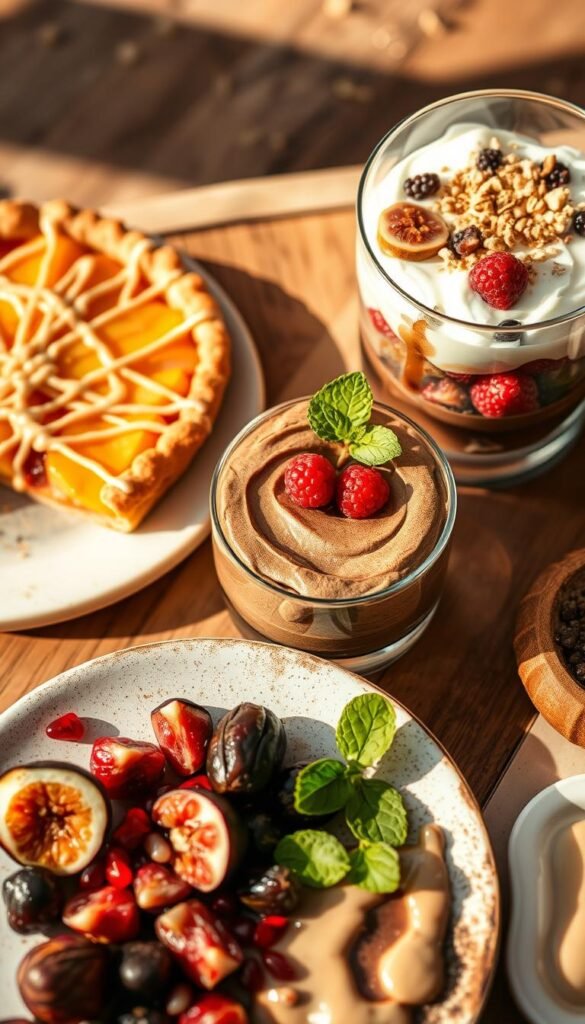
Fruit-forward treats with nuts and yogurt
Try grilled peaches topped with a Greek yogurt dessert and a drizzle of honey. Add toasted pistachios for texture. Balsamic strawberries with fresh basil taste bold and clean.
Baked figs with walnuts and cinnamon feel cozy yet light. Poach pears with lemon and cardamom, then pair a small slice of dark chocolate—70% cacao—with almonds for a quick finish.
For a crowd, an orange and olive oil cake made with whole-wheat pastry flour and citrus zest fits the spirit of Mediterranean desserts while staying tender and fragrant.
Natural sweeteners and portion mindfulness
Reach for honey-sweetened treats or a touch of date syrup, but let ripe fruit carry most of the sweetness and fiber. Serve 1 small slice of cake, 1/2 cup yogurt, or 1 fruit portion with nuts.
Slow down and savor. Sip hot tea or coffee alongside portion control sweets to help you notice flavor cues and stop right at satisfied.
| Dessert Idea | Main Flavors | Better-For-You Swap | Suggested Portion |
|---|---|---|---|
| Grilled peaches with yogurt | Peach, vanilla, honey | Greek yogurt dessert instead of whipped cream | 1 peach half + 1/2 cup yogurt |
| Orange olive oil cake | Citrus zest, EVOO | Extra-virgin olive oil for butter; whole-wheat pastry flour | 1 small slice |
| Balsamic strawberries | Strawberry, balsamic, basil | No refined sugar; rely on ripe berries | 1 cup berries |
| Baked figs with walnuts | Fig, cinnamon, nutty crunch | Honey-sweetened treats in small drizzle | 2 figs + 1 tbsp walnuts |
| Poached pears | Lemon, cardamom | Light syrup; finish with yogurt | 1/2 pear + 2 tbsp yogurt |
| Dark chocolate with almonds | 70% cacao, roasted almond | Small square for intensity over volume | 1 square + 8–10 almonds |
With these healthy fruit desserts, you get rich flavor, real ingredients, and smart portions. A few bites satisfy, and every element earns its place on the plate.
Weekly Meal Planning and Budget Tips
Mediterranean meal planning can be simple, steady, and kind to your wallet. Keep a flexible rhythm: plan five dinners, leave two nights open, and let budget-friendly meal prep guide the rest. A short weekly check-in helps you match what you cook to time and energy.
Set the frame for the week: aim for 1–2 seafood nights, 2–3 legume-focused dinners, and 1–2 chicken nights. Fill the gaps with produce from your seasonal shopping list and a few smart kitchen time-savers.
Batch cooking and leftovers strategy
Use batch cooking to lock in value and flavor. Cook a pot of lentils or chickpeas, roast two sheet pans of mixed vegetables, and make a double batch of farro, brown rice, or bulgur. Label and date containers so the oldest gets used first.
Repurpose with intent: lentils become soup, salad toppers, or quick patties. Roasted vegetables slide into grain bowls and omelets. Leftover salmon turns into a niçoise-style salad with olives and green beans. This approach powers Mediterranean meal planning without food fatigue.
Shopping lists and seasonal produce picks
Build each seasonal shopping list from store circulars and what is at its peak. In spring, look for asparagus and strawberries; summer brings tomatoes, zucchini, and peaches; fall leans on sweet potatoes, squash, and apples; winter favors citrus, cabbage, and kale.
Round out the cart with pantry staples like extra-virgin olive oil, canned tomatoes, beans, and whole grains, plus proteins such as eggs, canned tuna, and salmon. Frozen produce and store brands make budget-friendly meal prep even easier.
Time-saving tools and storage advice
Rely on kitchen time-savers. An Instant Pot speeds beans and grains. Sheet pans handle hands-off roasting. A grill pan sears fish and chicken fast, while a microplane adds zest and garlic in seconds.
Store smart: glass containers for mains, Mason jars for layered salads, and vacuum sealers or zip-top freezer bags for fish and single portions. Follow FIFO—first in, first out—to cut waste and support steady batch cooking.
| Weekly Goal | What to Prep | How to Reuse | Tool/Storage | Budget Angle |
|---|---|---|---|---|
| Legume Night | Big pot of lentils or chickpeas | Soup, salad add-ins, pan-seared patties | Instant Pot; glass containers | Low-cost protein; bulk dry beans |
| Veggie Base | Two sheet pans mixed vegetables | Grain bowls, omelets, wraps | Sheet pans; Mason jars | Use seasonal produce; reduce waste |
| Whole Grains | Double batch brown rice or farro | Pilafs, salads, quick sides | Instant Pot; labeled containers | Buy store brands; cook once, eat twice |
| Seafood Night | Roasted or grilled salmon | Niçoise-style salad next day | Grill pan; vacuum sealer | Plan 1–2 nights; leverage sales |
| Chicken Night | Herb-marinated chicken breasts | Sheet-pan dinner, then lunch bowls | Microplane for zest/garlic; sheet pan | Buy family pack; portion and freeze |
| Snacks | Bulk nuts, cut veggies, yogurt | Grab-and-go jars and packs | Mason jars; zip-top bags | Replace processed snacks to save |
Conclusion
This Mediterranean Diet Recipes conclusion brings the big idea home: a sustainable, flavorful way of eating can be simple. Center meals on vegetables, fruits, whole grains, legumes, seafood, and extra-virgin olive oil. Strong research from organizations like the American Heart Association and the National Institutes of Health links this pattern to better heart and metabolic health. It feels good, tastes bright, and fits real life in the United States.
Stock your pantry with EVOO, canned tomatoes, chickpeas, lentils, farro, brown rice, olives, and spices like oregano and cumin. Use seasonal produce for peak flavor. Lean on weeknight tools—sheet-pan roasting, one-pan bakes, and quick citrus marinades—to turn out easy healthy meals without fuss. With a few smart habits, dinner becomes both balanced and satisfying.
Start Mediterranean diet with small steps: switch to EVOO for cooking, add one extra vegetable to each meal, cook a pot of beans weekly, and plan two seafood dinners per week. Use the meal planning section to sketch a rotating menu that fits your budget and schedule. These moves build momentum and keep the kitchen stress-free.
As a healthy lifestyle wrap-up, the payoffs are clear: steadier energy, improved satiety, and long-term benefits you can feel. Keep flavor at the center with lemon, garlic, and fresh herbs, and let simple technique do the work. This Mediterranean Diet Recipes conclusion is your cue to shop smart, cook often, and enjoy easy healthy meals that bring people to the table.
FAQ
What is the Mediterranean diet in simple terms?
It’s a way of eating inspired by Greece, Italy, and Spain that centers on vegetables, fruits, whole grains, legumes, nuts, seeds, and extra-virgin olive oil. It includes seafood often, moderate amounts of poultry, eggs, and fermented dairy like Greek yogurt, and only occasional red meat and sweets.
Why is extra-virgin olive oil so important?
Extra-virgin olive oil (EVOO) delivers monounsaturated fats and polyphenols that support heart health and reduce inflammation. Choose certified oils—look for California Olive Oil Council or NAOOA seals—and buy dark bottles with recent harvest dates.
What are the proven health benefits?
Research including the PREDIMED trial links the Mediterranean diet to lower risk of heart disease, stroke, type 2 diabetes, and certain cancers. Studies also show improved cholesterol profiles, reduced blood pressure and CRP, better blood sugar control, and cognitive benefits.
Does the Mediterranean diet help with weight management?
Yes. Fiber-rich foods, healthy fats, and low glycemic-load carbs increase satiety and stabilize blood sugar. This supports sustainable weight control without strict calorie counting.
How can I follow this diet with a busy schedule?
Lean on weeknight methods like sheet-pan roasting, Instant Pot beans, air frying, and grilling. Use convenient staples such as canned tomatoes, canned chickpeas, frozen vegetables, and jarred roasted peppers.
What pantry staples should I keep on hand?
Stock EVOO, olives, capers, vinegars, canned tuna or salmon, whole grains like farro, bulgur, quinoa, and brown rice, plus legumes such as chickpeas and lentils. Keep nuts and seeds—almonds, walnuts, pistachios, flax, chia—in the fridge or freezer.
Which fish are best for omega-3s and sustainability?
Great U.S. options include wild Alaska salmon, U.S. farmed rainbow trout, sardines, and Atlantic mackerel (not king). Check Monterey Bay Aquarium Seafood Watch and NOAA FishWatch for current guidance. Aim for 8–12 ounces per week, following FDA/EPA advice for low-mercury choices.
How do I build a balanced Mediterranean plate?
Fill half your plate with vegetables or salad, a quarter with whole grains or starchy vegetables, and a quarter with protein like fish, beans, or chicken. Finish with EVOO, lemon, herbs, and spices to keep sodium moderate.
What are smart breakfast ideas?
Try Greek yogurt with berries and walnuts, savory oats with tomatoes and olives, whole-grain toast with avocado and za’atar, or a veggie frittata with spinach and feta. Target 15–25 grams of protein and 8–10 grams of fiber.
Can I drink wine on the Mediterranean diet?
Wine is optional, not required. If you already drink, moderate intake with meals may fit—follow CDC guidance. Many people choose water, herbal tea, or sparkling water with citrus instead.
What are easy swaps to stay authentic yet accessible?
Use EVOO instead of butter, whole-wheat or legume pasta instead of refined, Greek yogurt for mayo or sour cream, and farro or brown rice in place of white rice. Canned wild salmon and frozen vegetables are budget-friendly stand-ins.
How do I season food without too much salt?
Rely on lemon juice and zest, garlic, herbs like oregano, dill, parsley, and spices such as sumac, smoked paprika, and cumin. Anchovies, capers, and tomato paste add umami with modest sodium when used sparingly.
Are desserts allowed?
Yes—think fruit-forward. Enjoy grilled peaches with yogurt and honey, balsamic strawberries, or a small piece of dark chocolate. Use natural sweeteners like honey or date syrup in small amounts, and keep portions modest.
What are good salad and mezze ideas?
Build boards with hummus, baba ghanoush, tzatziki, marinated olives, feta, cherry tomatoes, cucumbers, and whole-grain pita. For salads, try Greek salad, lentil and arugula, or farro tabbouleh. Make lemon-EVOO or tahini dressings for the week.
How do I plan meals on a budget?
Cook beans and grains in batches, roast vegetables for multiple meals, and shop sales at Costco, Trader Joe’s, and ALDI. Choose in-season produce using USDA seasonal charts, and use store brands for staples like canned tomatoes and beans.
What are fast weeknight seafood methods?
Try sheet-pan salmon with tomatoes and olives, parchment-baked cod with lemon and capers, or grilled shrimp skewers. Marinate fish 15–30 minutes with EVOO, citrus, garlic, and herbs, then cook until just opaque and flaky.
How much poultry should I eat?
A typical serving is 3–4 ounces cooked. Rotate proteins through the week—seafood, legumes, eggs, and tofu—with only occasional lean beef or pork to align with Mediterranean patterns.
What soups and stews fit the diet?
Favorites include Greek lentil soup, Italian minestrone, Moroccan-inspired chickpea stew, Turkish red lentil soup, and tomato-based fish stew with fennel and saffron. Use low-sodium broth, then finish with EVOO and lemon.
How do I keep snacks satisfying and healthy?
Pair fiber with protein and healthy fat: apples with almond butter, hummus with veggies, olives and part-skim mozzarella, yogurt with walnuts, or roasted chickpeas. Aim for 150–250 calories, 5–10 grams protein, and at least 3 grams fiber.
What if I’m new to cooking?
Start with simple techniques: sheet-pan roasting, one-pan chicken bakes, and quick skillet sautéing with EVOO, garlic, and herbs. Build confidence with easy recipes like chickpea salads, lentil soup, and whole-wheat pasta with tomato and olive oil.
How do I store ingredients and leftovers safely?
Use glass containers, label and date, and follow FIFO (first in, first out). Freeze soups and grains in portions, keep nuts and seeds refrigerated, and store dressings for 4–5 days. Thaw seafood in the fridge for best quality.