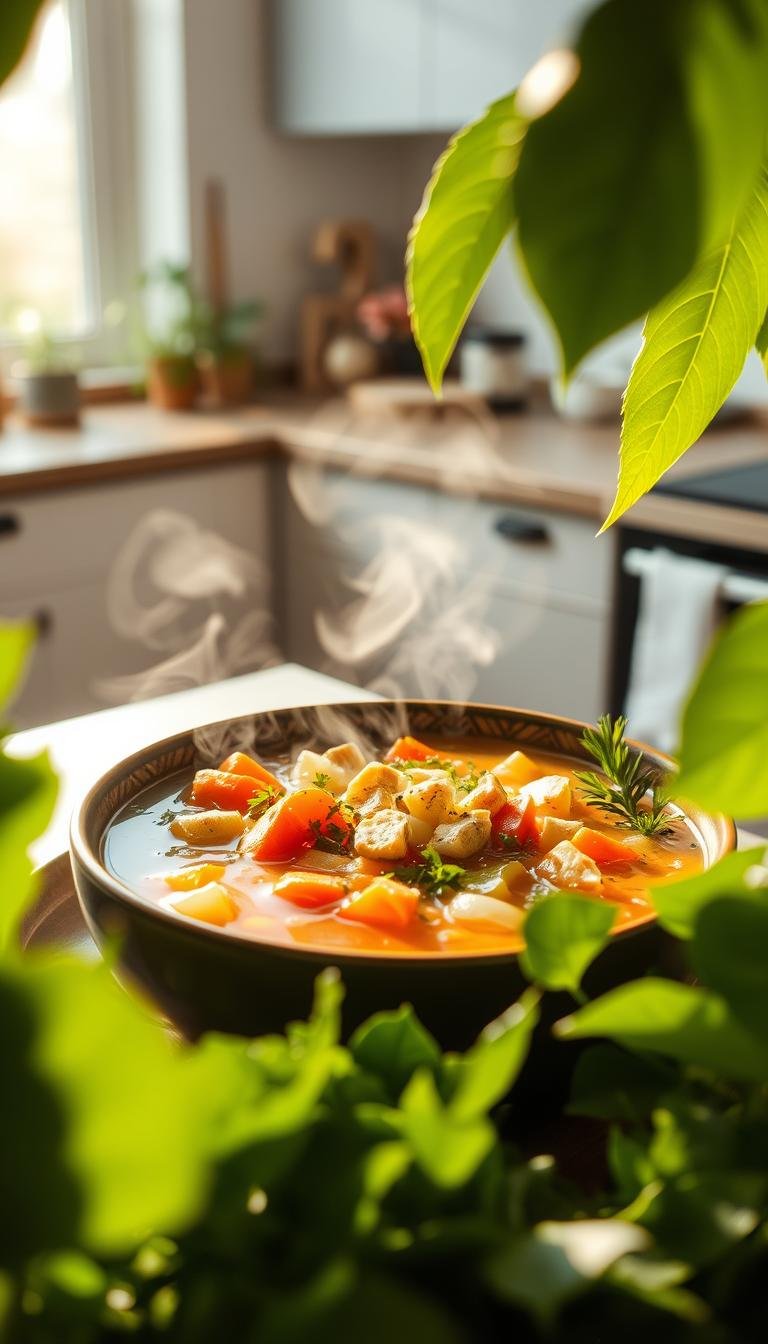
Healthy Heart Recipes: Delicious & Nutritious
One in three adults in the United States has high blood pressure, yet many can lower risk with simple shifts in the kitchen. This guide turns science into flavor, showing how everyday cooking can support strong arteries and steady energy.
This Website contains affiliate links. That means I may earn a small commission if you purchase through my links, at no extra cost to you.
Here, you’ll find Heart Healthy Recipes shaped by the American Heart Association guidelines and inspired by Mediterranean-style eating and the DASH diet recipes approach. We focus on colorful produce, whole grains, legumes, nuts, seeds, seafood, and unsaturated oils to build cardiac-friendly meals you’ll crave.
From smart pantry picks to low-sodium recipes, we’ll show how to season boldly, cut added sugars, and choose methods like grilling, baking, steaming, and light sautéing. These habits help with cholesterol-lowering meals and a heart wellness diet that fits busy American lifestyles.
As you read on, expect practical swaps, budget tips, and step-by-step ideas that bring out fresh taste without excess salt. Cook once, feel better all week, and enjoy food that loves your heart back.
Key Takeaways
- Follow American Heart Association guidelines with simple, tasty steps at home.
- Build cardiac-friendly meals using Mediterranean-style eating and DASH diet recipes.
- Rely on whole grains, beans, nuts, seeds, seafood, and unsaturated oils for a heart wellness diet.
- Use low-sodium recipes and bold herbs, citrus, and spices to boost flavor without extra salt.
- Choose cooking methods like baking, grilling, steaming, and quick sautéing to support lipid health.
- Plan ahead with pantry staples to make cholesterol-lowering meals fast and affordable.
- Enjoy food that’s delicious, practical, and protective for long-term heart health.
Understanding Heart-Healthy Eating
Heart-healthy diet basics start with real food. Think colorful produce, whole grains, lean proteins, and smart fats. Aim for added sugar reduction and follow sodium guidelines that keep blood pressure in check.
Small shifts stack up. Use olive, avocado, or canola oil in place of butter to respect saturated fat limits. Choose beans, fish, or tofu often. Build meals that deliver fiber for cholesterol support and steady energy through macronutrient balance.
What makes a recipe heart-healthy
A recipe earns the label when it is nutrient dense and simple to cook. Load the plate with vegetables and whole grains, then add lean protein like salmon, lentils, or skinless chicken. Keep saturated fat limits in mind, swap in unsaturated oils, and plan for added sugar reduction in sauces and dressings.
Sodium guidelines matter. Most adults benefit from less than 2,300 mg per day, with an ideal 1,500 mg for many people. Choose “no salt added” tomatoes, unsalted nuts from brands like Planters, and low-sodium broths by Pacific Foods.
Balancing macronutrients for cardiovascular wellness
Macronutrient balance keeps meals satisfying without excess. Fill half the plate with fiber-rich carbs to harness fiber for cholesterol control. Add moderate protein—about what fits in your palm—and finish with healthy fats from extra-virgin olive oil or avocado.
Work in omega-3s: salmon, trout, or sardines from trusted brands like Wild Planet help manage triglycerides. For plant options, use flaxseed, chia, and walnuts. This approach supports heart-healthy diet basics while honoring saturated fat limits.
Reading labels and choosing smarter ingredients
Nutrition label reading is a daily skill. Scan sodium per serving and aim for items at or below 140 mg. Check added sugars and pick choices with 0–5 g when possible. Look at the fat line: avoid trans fat and keep saturated fat limits near or under 10% of calories.
Choose foods with whole grains listed first, like “100% whole wheat,” and compare brands such as Quaker or Bob’s Red Mill. These habits power added sugar reduction and align with sodium guidelines for better outcomes.
| Label Checkpoint | Heart-Healthy Target | Why It Matters | Quick Grocery Tip |
|---|---|---|---|
| Sodium per serving | ≤ 140 mg (low-sodium) | Supports blood pressure and follows sodium guidelines | Pick “no salt added” beans from Goya or low-sodium broths from Pacific Foods |
| Added sugars | 0–5 g when possible | Drives added sugar reduction and weight control | Choose plain yogurt from Chobani and sweeten with fruit |
| Saturated fat | Keep near or under 10% of calories | Aligns with saturated fat limits to lower LDL | Cook with extra-virgin olive oil by California Olive Ranch |
| Fiber | High per serving (aim for 25–38 g/day) | Boosts fiber for cholesterol and fullness | Use whole oats from Quaker or barley from Bob’s Red Mill |
| Protein source | Lean or plant-forward | Improves macronutrient balance without excess saturated fat | Opt for salmon from Wild Planet or tofu from House Foods |
| Whole grain claim | Ingredient list starts with whole grain | Supports heart-healthy diet basics with steady energy | Pick “100% whole wheat” bread by Dave’s Killer Bread |
Smart Pantry Staples for Cardiac Wellness
A heart-healthy pantry list makes weeknight cooking fast and consistent. Stock simple items you can mix and match, so flavor stays high while sodium stays low. Use this guide to fill shelves with balanced options that support steady energy and cholesterol control.
Whole grains, legumes, and fiber-rich picks
Choose whole grains for heart health such as old-fashioned oats, steel-cut oats, quinoa, brown rice, farro, barley, bulgur, and 100% whole-wheat pasta. Their soluble and insoluble fiber help support healthy cholesterol and blood sugar. Keep canned low-sodium tomatoes for quick sauces and stews.
Build out legumes for fast protein and fiber. Stock no-salt-added black beans, kidney beans, chickpeas, and cannellini beans, plus lentils and split peas. These low-sodium staples make soups, salads, and bowls more filling without extra salt.
Healthy oils and unsalted nuts to cook with
Rely on extra-virgin olive oil for dressings and low-to-medium-heat sautéing. Use avocado oil for high heat and canola oil when you want a neutral taste with omega-3 ALA. These fats add richness that helps you crave less salt.
Snack on unsalted nuts and seeds for crunch and healthy fats. Pick walnuts, almonds, pistachios, and pecans, plus pumpkin seeds, chia, and ground flaxseed. Choose nut butters that list only nuts, and skip added sugars and hydrogenated oils.
Low-sodium broths, herbs, and spice blends
Keep low-sodium staples like no-salt-added chicken or vegetable broth and tomato sauce with no added salt. Reach for salt-free seasoning to build flavor layers. Brands such as Penzeys Forward! and McCormick salt-free blends offer savory depth without the sodium.
Brighten dishes with lemons and limes, balsamic, red wine, or apple cider vinegar, plus garlic and onions. Add fresh herbs like parsley, cilantro, basil, and dill, and dried oregano, thyme, rosemary, cumin, smoked paprika, turmeric, and coriander.
| Category | Smart Picks | Why It Helps | Quick Use |
|---|---|---|---|
| Whole Grains | Oats, quinoa, brown rice, farro, bulgur, 100% whole-wheat pasta | Fiber supports cholesterol and steady energy | Cook a batch and use for bowls and salads |
| Legumes | No-salt-added black beans, chickpeas, lentils, split peas | Plant protein and fiber with minimal sodium | Stir into soups, stews, and tacos |
| Healthy Oils | Extra-virgin olive oil, avocado oil, canola oil | Heart-friendly fats add flavor and satiety | Dress greens, roast veggies, sear proteins |
| Nuts & Seeds | Unsalted nuts, walnuts, almonds, pistachios, pecans, chia, ground flaxseed | Healthy fats and crunch without added sodium | Top oatmeal, yogurt, or grain bowls |
| Flavor Builders | Low-sodium broths, salt-free seasoning, citrus, vinegars, garlic, herbs, spices | Big flavor without extra salt | Marinate, deglaze, and finish dishes |
Morning Fuel: Heart-Healthy Breakfast Ideas
A calm, steady start helps your heart and your day. A heart-healthy breakfast balances slow carbs, lean protein, and good fats, so you stay full and keep blood sugar on track. Aim for one fruit and one vegetable, mindful sodium, and flavors that feel bright and simple.
Oatmeal variations with berries and seeds
Warm rolled oats deliver oatmeal fiber rich in beta-glucan, known to help lower LDL. Top with blueberries, raspberries, or strawberries. Add ground flax or explore chia seeds recipes for a nutty bite and plant omega-3s. A pinch of cinnamon adds cozy sweetness without sugar.
Try a savory bowl: oats with sautéed spinach, mushrooms, and cherry tomatoes, finished with extra-virgin olive oil. The mix pairs steady carbs with produce and healthy fats for a satisfying, heart-healthy breakfast.
Veggie-packed egg scrambles and tofu scrambles
Build protein-forward plates that still feel light. Whisk veggie eggs using egg whites plus one whole egg, and fold in bell peppers, kale, and onions. Add sliced avocado for creamy monounsaturated fats. Serve with whole-grain toast or warm corn tortillas.
For a plant-based swap, a colorful tofu scramble with turmeric, black pepper, peppers, and greens cooks up fast. Season with herbs and keep salt low. The combo delivers fiber, protein, and produce in every bite.
High-fiber smoothies with greens and omega-3s
Blend baby spinach, frozen berries, half a banana, and plain Greek yogurt with unsweetened almond or soy milk for a thick, high-fiber sip. Stir in ground flax or chia to turn it into an omega-3 smoothie with clean, steady energy.
Keep it simple and refreshing. Skip added sweeteners, then brighten with ginger or cinnamon. This easy mix reinforces a heart-healthy breakfast while staying light and portable for busy mornings.
Light and Nourishing Lunches
Midday meals can be light yet satisfying when they balance fiber, healthy fats, and protein. Build heart-healthy lunch bowls, a vibrant Mediterranean diet salad, or a cozy low-sodium soup to keep energy steady without excess salt or sugar.
Aim for color, crunch, and clean flavors. A simple olive oil dressing adds richness while keeping ingredients fresh and bright. Choose whole grains, plenty of vegetables, and a lean protein lunch to round out the plate.
Whole-grain bowls with lean proteins
Start with quinoa or farro, then add mixed greens and roasted vegetables. Top with grilled chicken breast, baked tofu, or no-salt-added canned tuna rinsed well. Sprinkle on chickpeas, edamame, or black beans for extra fiber.
Toss with a lemon-forward olive oil dressing at a 3:1 oil-to-acid ratio. Fresh herbs like parsley or dill lift the flavor, and a grind of black pepper adds warmth to these heart-healthy lunch bowls.
Mediterranean salads with olive oil vinaigrettes
Combine tomatoes, cucumbers, Kalamata olives rinsed to reduce sodium, red onion, and chickpeas. Add a modest crumble of feta or part-skim mozzarella for creaminess.
Finish with extra-virgin olive oil dressing whisked with red wine vinegar and oregano. This classic mix delivers a true Mediterranean diet salad that pairs well with a lean protein lunch like grilled turkey or seared tempeh.
Low-sodium soups rich in vegetables and beans
Build flavor with a mirepoix of onion, celery, and carrot, then add garlic, leafy greens, and lentils or cannellini beans. Use homemade or boxed low-sodium broth and season with thyme, bay leaf, and smoked paprika.
Batch-cook a hearty pot and freeze portions for quick heat-and-eat days. A bowl of low-sodium soup served with whole-grain toast makes a balanced, easy option.
| Lunch Idea | Key Ingredients | Healthy Fat | Protein Source | Why It Works |
|---|---|---|---|---|
| Grain Bowl Power | Quinoa, greens, roasted peppers, chickpeas | Olive oil dressing | Baked tofu or rinsed canned tuna | High fiber plus a lean protein lunch sustains energy and supports heart health |
| Mediterranean Crunch | Tomatoes, cucumbers, olives, red onion, feta | Extra-virgin olive oil dressing | Grilled chicken or tempeh | Mediterranean diet salad offers antioxidants and balanced macros |
| Garden Bean Soup | Mirepoix, garlic, spinach, cannellini beans | Drizzle of olive oil | Lentils or beans | Low-sodium soup delivers comfort, fiber, and steady fullness |
Flavorful Dinners That Support Heart Health
Weeknight cooking can be vibrant and simple. Build heart-healthy dinners with omega-3 fish, fiber-rich produce, and lean proteins. Favor baking, grilling, steaming, and air-frying to keep oils in check while preserving flavor.
Fish-forward meals featuring salmon, trout, or sardines
Try quick salmon recipes: bake fillets with lemon, dill, and extra-virgin olive oil. Add roasted Brussels sprouts and a scoop of quinoa for balance.
For a speedy pan supper, sear trout with paprika and a squeeze of citrus. Serve it next to a warm lentil salad tossed with parsley.
Craving comfort? Make sardine pasta using whole-wheat noodles, garlic, chili flakes, fresh parsley, and lemon zest. Choose sardines packed in water or olive oil.
Plant-forward plates with legumes and seasonal produce
Build plant-based meals that feel hearty and bright. Simmer a red lentil curry with tomatoes and spinach, or a chickpea and vegetable tagine with warm spices.
Another easy win is a black bean and sweet potato bowl. Top with avocado and a light cilantro-lime dressing for creamy, tangy balance.
Lean poultry and tofu with colorful sides
For a lean poultry dinner, roast skinless chicken or turkey with rosemary and orange. Pair with farro pilaf and sautéed greens.
Prefer a meatless skillet? A tofu stir-fry shines with broccoli, bell peppers, and snap peas. Use low-sodium soy sauce or coconut aminos with ginger, garlic, and rice vinegar.
| Dish Idea | Core Benefit | Cooking Method | Smart Sides | Sodium-Savvy Flavor |
|---|---|---|---|---|
| Lemon-dill salmon | Rich in omega-3s for heart support | Bake or grill | Quinoa, roasted Brussels sprouts | Citrus, herbs, olive oil |
| Paprika trout | Light protein with delicate flavor | Pan-sear | Warm lentil salad | Smoked paprika, lemon |
| Sardine pasta | Calcium and omega-3s | Sauté and toss | Arugula side salad | Garlic, chili flakes, lemon zest |
| Chickpea tagine | High fiber for satiety | Simmer | Whole-grain couscous | Cumin, coriander, cinnamon |
| Red lentil curry | Protein-rich and plant-based | Stovetop simmer | Brown rice | Ginger, turmeric, garlic |
| Lean poultry dinner | Lower saturated fat | Roast or air-fry | Farro pilaf, sautéed greens | Rosemary, orange, black pepper |
| Tofu stir-fry | Versatile, absorbs flavors | Quick sauté | Steamed brown rice | Low-sodium soy sauce, rice vinegar |
Heart Healthy Recipes
Build flexible, flavorful meals that fit real life. These heart-healthy recipe ideas turn pantry staples into weeknight wins. Each framework leans on fiber, citrus, herbs, and unsaturated fats, making them quick heart-healthy recipes that work for families and solo cooks alike.
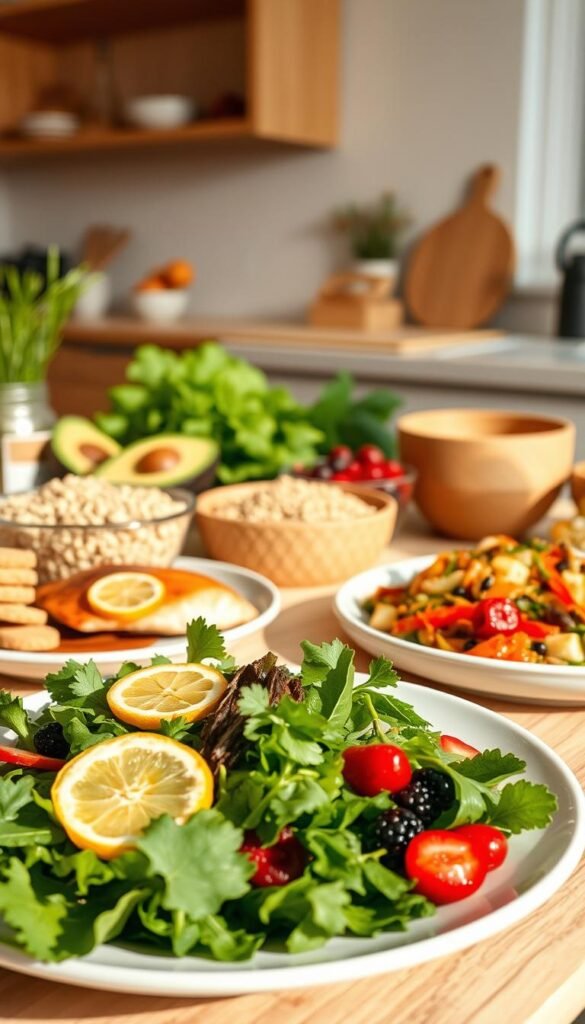
Lemon-Dill Baked Salmon: Brush wild salmon with a teaspoon of extra-virgin olive oil, lemon juice and zest, minced garlic, dill, and black pepper. Roast at 400°F until flaky. Pair with quinoa and steamed asparagus for cholesterol-friendly meals that feel restaurant-ready.
One-Pot Lentil Vegetable Stew: Simmer brown lentils in low-sodium broth with onions, carrots, celery, and no-salt-added tomatoes. Add kale, thyme, and smoked paprika. Finish with lemon for brightness. This pot checks the box for diabetic-friendly heart meals and low-sodium dinner recipes.
Whole-Wheat Pasta with Sardines and Broccoli Rabe: Sauté sliced garlic and chili flakes in olive oil. Fold in sardines and lemon zest. Toss with blanched broccoli rabe and whole-wheat pasta, loosening with pasta water. It’s one of those quick heart-healthy recipes that still tastes bold.
Chickpea-Avocado Salad Wrap: Mash no-salt-added chickpeas with ripe avocado, lime, cilantro, and diced bell pepper. Wrap in a 100% whole-wheat tortilla with crunchy greens. These are easy lunch or light dinner heart-healthy recipe ideas you can prep ahead.
Tofu and Vegetable Stir-Fry: Crisp extra-firm tofu, then toss with broccoli, mushrooms, and snow peas. Stir a sauce of low-sodium soy sauce, rice vinegar, a drizzle of sesame oil, and orange zest. Serve over brown rice for cholesterol-friendly meals with satisfying texture.
Greek-Style Quinoa Bowl: Combine warm quinoa with cucumbers, tomatoes, red onion, chickpeas, parsley, a small amount of feta, and rinsed olives. Dress with olive oil and lemon. This bowl fits diabetic-friendly heart meals while keeping sodium in check.
Berry-Chia Oatmeal Bake: Mix rolled oats, unsweetened almond milk, eggs or flax “eggs,” mixed berries, cinnamon, and vanilla. Bake and slice for the week. It’s a steady-energy start and a smart addition to low-sodium dinner recipes when served as a not-too-sweet side.
Swap ideas: Use trout for salmon, or farro for quinoa. Try kale in place of broccoli rabe, and edamame instead of chickpeas. With these heart-healthy recipe ideas, you can rotate flavors and keep diabetic-friendly heart meals on repeat without losing variety.
Snacks and Small Bites That Satisfy
Smart, heart-healthy snacks keep energy steady between meals. Aim for 150–250 calories with fiber or protein to stay full without a sodium spike. Simple prep and real flavor make these ideas easy to repeat.
Crunchy roasted chickpeas and spiced nuts
Try a quick roasted chickpeas recipe: toss no-salt-added chickpeas with olive oil, smoked paprika, cumin, and black pepper. Roast until crisp, then cool and store dry to hold the crunch.
For spiced nuts unsalted, toast walnuts, almonds, or pecans with cinnamon and a light drizzle of maple. Keep portions to about 1 ounce to manage calories while getting fiber and healthy fats.
Fresh fruit with yogurt or nut butter
Pair apples, pears, or berries with a plain Greek yogurt snack for 8–15 grams of protein. Add a sprinkle of chia or oats for texture and extra fiber.
When you crave something richer, slice fruit and spread a tablespoon of natural peanut or almond butter. The combo delivers steady energy with minimal added sugar.
Whole-grain toasts with avocado or hummus
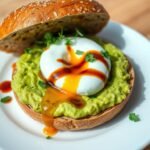
Build an avocado toast whole grain with mashed avocado, lemon, and red pepper flakes. Top with radish or cucumber for bite and more crunch.
Alternate with hummus on crispbread or seeded toast. Finish with tomatoes or roasted peppers for color and a boost of fiber-rich goodness.
- Quick guide: target 3–5 grams of fiber or 8–15 grams of protein per snack.
- Use olive oil, herbs, and spices to keep flavor high and sodium low.
- Batch-roast chickpeas and nuts for grab-and-go convenience.
Low-Sodium Cooking Tips for Better Blood Pressure
Keep flavor bold while keeping sodium in check. With low-sodium cooking, you can build depth and stay true to blood pressure friendly recipes. The goal is simple: craft flavor without salt by layering herbs, acids, and smart techniques.
Herb, citrus, and spice strategies to replace salt
Start with aromatics like onions, garlic, and leeks. Add fresh herbs—parsley, basil, cilantro, or dill—for lift. Use lemon or lime juice, red wine vinegar, or apple cider vinegar to sharpen edges.
Toast cumin, coriander, turmeric, smoked paprika, and black pepper to bloom their oils. Reach for citrus zest to brighten. For umami, stir in tomato paste, sautéed mushrooms, or a pinch of nutritional yeast. These salt substitutes deliver a clean punch and keep flavor without salt front and center.
Batch-cooking broths and sauces without excess sodium
Make homemade low-sodium broth on the weekend. Simmer carrots, celery, onions, garlic, mushrooms, peppercorns, and herb stems with bones or extra veg. Skip added salt, cool, defat, and freeze in cups or ice cubes.
Cook a quick, salt-free tomato sauce with olive oil, onions, garlic, crushed no‑salt‑added tomatoes, oregano, basil, and a splash of balsamic. These staples anchor blood pressure friendly recipes and make weeknights easier.
How to taste and season for maximum flavor
Taste as you cook, then again after a short rest. Flavors settle and concentrate off the heat. If needed, add a squeeze of lemon or a dash of vinegar at the end to wake up the dish.
When salt is used, keep it minimal and add a small pinch of coarse kosher salt at the finish for control. This approach, paired with low-sodium cooking techniques and thoughtful salt substitutes, delivers vivid flavor without salt in everyday meals.
| Technique | What to Use | Why It Works | Best For |
|---|---|---|---|
| Layer Aromatics | Onions, garlic, leeks | Builds savory base without sodium | Soups, stews, sautés |
| Bloom Spices | Cumin, coriander, turmeric, smoked paprika | Toasting releases aromatic oils for depth | Chili, roasted veg, beans |
| Add Brightness | Lemon zest and juice, lime, vinegars | Acid lifts flavors and reduces need for salt | Dressings, grains, seafood |
| Boost Umami | Tomato paste, mushrooms, nutritional yeast | Deepens savoriness for flavor without salt | Pasta sauces, braises, broths |
| Batch Basics | Homemade low-sodium broth; no‑salt tomato sauce | Ready-made building blocks for blood pressure friendly recipes | Weeknight soups, grains, quick skillets |
Healthy Fats and Omega-3 Power
Smart fat choices can help your heart. Aim for oils and foods that deliver omega-3 benefits while keeping saturated fat in check. Store bottles away from light and heat, and mind best-by dates to protect flavor and freshness.
Choosing oils: olive, avocado, and canola
Use extra-virgin olive oil for salads, dips, and low-to-medium heat sautéing. Its monounsaturated fats and polyphenols support a better lipid profile. Keep the pour modest and enjoy the clean, peppery taste.
For roasting or searing, reach for avocado oil high heat. The higher smoke point helps keep flavors bright and reduces scorching. Its mild character fits weeknight meals and meal prep.
When you need a neutral option, choose canola oil ALA. It blends well in baking and light sautéing and adds plant-based omega-3 benefits without overpowering the dish.
Seafood, flax, chia, and walnut sources
Plan two seafood nights with fatty fish EPA DHA such as salmon, trout, sardines, or mackerel. These picks help lower triglycerides and bring rich, savory depth to bowls and salads.
Round out the week with plant sources. Stir ground flax into oatmeal, sprinkle chia on yogurt, and add walnuts to leafy greens. These staples boost canola oil ALA intake and keep texture interesting.
Cooking methods that preserve healthy fats
Choose gentle cooking methods to protect delicate oils and fish. Try poaching, steaming, baking, or a gentle sauté to avoid overheating. Keep pans moderate, and remove from heat once aromatic.
Limit butter and coconut oil to occasional uses due to saturated fat. Skip partially hydrogenated oils altogether. With mindful heat and timing, you’ll lock in omega-3 benefits and clean, fresh flavor.
High-Fiber Sides and Whole-Grain Swaps
Build meals that keep you full and steady. These fiber-rich sides support cholesterol control and better blood sugar. Simple whole-grain swaps add texture, flavor, and heart-smart nutrients without extra salt.
Quinoa, farro, and brown rice basics
Master quinoa cooking by rinsing well to remove saponins, then simmer in low-sodium broth. Fluff with lemon, parsley, and a touch of olive oil. For a satisfying farro salad, cook until chewy and toss with roasted vegetables and a splash of balsamic.
Simmer brown rice until tender, then fold in toasted almonds and unsweetened dried cranberries. These grains make easy fiber-rich sides that pair with grilled fish, chicken, or tofu.
Legume sides that boost satiety
Build lentil sides with warm green or French lentils dressed in mustard vinaigrette. Add chopped parsley and capers for pop. Try garlicky cannellini beans with chopped kale and lemon zest, or spiced black beans with cumin and smoked paprika.
Legumes bring protein and fiber in one pan, making smart whole-grain swaps when you want extra fullness without heaviness.
Vegetable-forward alternatives to refined carbs
Choose a cauliflower rice alternative by sautéing riced cauliflower with garlic, peas, and a pinch of turmeric. Spiralize zucchini and toss with a tomato-basil sauce for a quick, light bowl. Roast carrots, broccoli, and sweet potatoes with olive oil, pepper, and thyme.
Reach for whole-grain tortillas or 100% whole-wheat bread when replacing refined starches. Aim for at least 3 grams of fiber per serving and look for “whole grain” as the first ingredient to keep these whole-grain swaps on track.
Sweet Treats with Heart-Smart Ingredients
Heart-healthy desserts start with simple swaps that still taste great. Try baked apples or pears dusted with cinnamon, then top with a walnut–oat crumble lightly sweetened with maple syrup or chopped dates. Keep portions modest and savor each bite.
For low-sugar baking, dial back added sugar by about a quarter and boost flavor with vanilla, orange or lemon zest, and warm spices. Choose dark chocolate 70% for a square or two after dinner; its cocoa richness makes small servings feel special.
Olive oil baking adds silky texture and heart-friendly fats to cakes and quick breads. Replace part of the all-purpose flour with whole-wheat pastry flour, and stir in ground flaxseed or rolled oats for fiber and a pleasant nutty note.
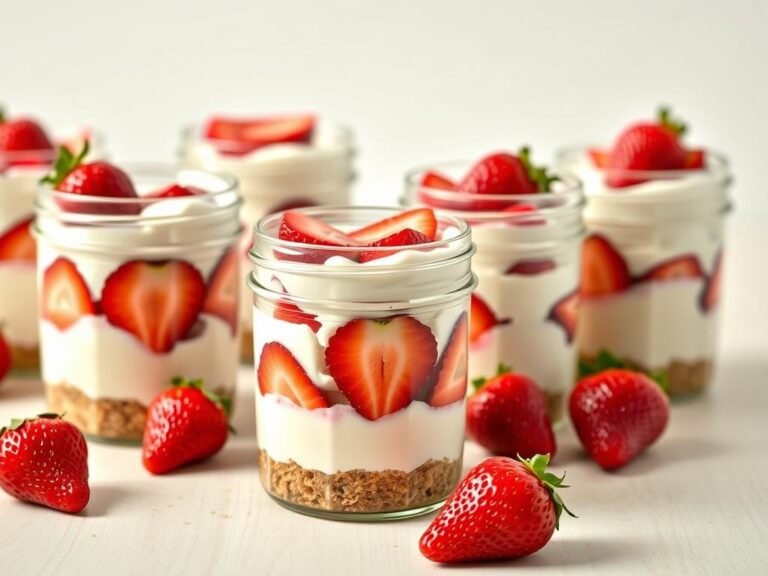
Lean on fruit-forward sweets when cravings hit. Fresh berries, roasted stone fruit, or a crisp apple bring natural sweetness and color. A yogurt parfait with Greek yogurt, ripe berries, and a sprinkle of unsalted almonds or walnuts delivers protein and crunch.
Round out dessert with a cup of coffee or tea without added sugar. Slow, mindful eating helps small treats go a long way, whether you reach for fruit-forward sweets, a glossy shard of dark chocolate 70%, or a cool yogurt parfait.
Meal Prep, Portion Control, and Budget Tips
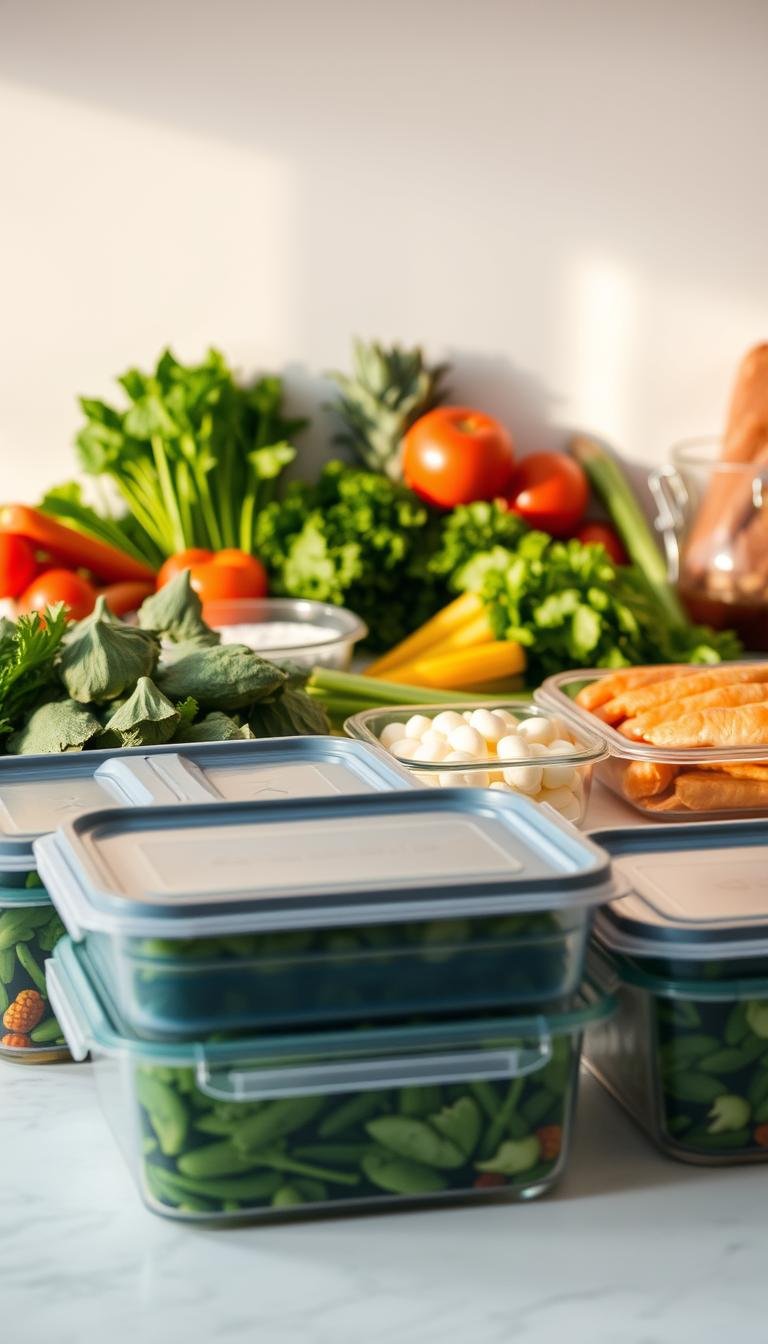
Set yourself up for success with heart-healthy meal prep that saves time and money. A simple plan reduces last-minute takeout and keeps sodium in check. Use batch cooking to build a flexible base for the week, and keep portion sizes consistent to support your goals.
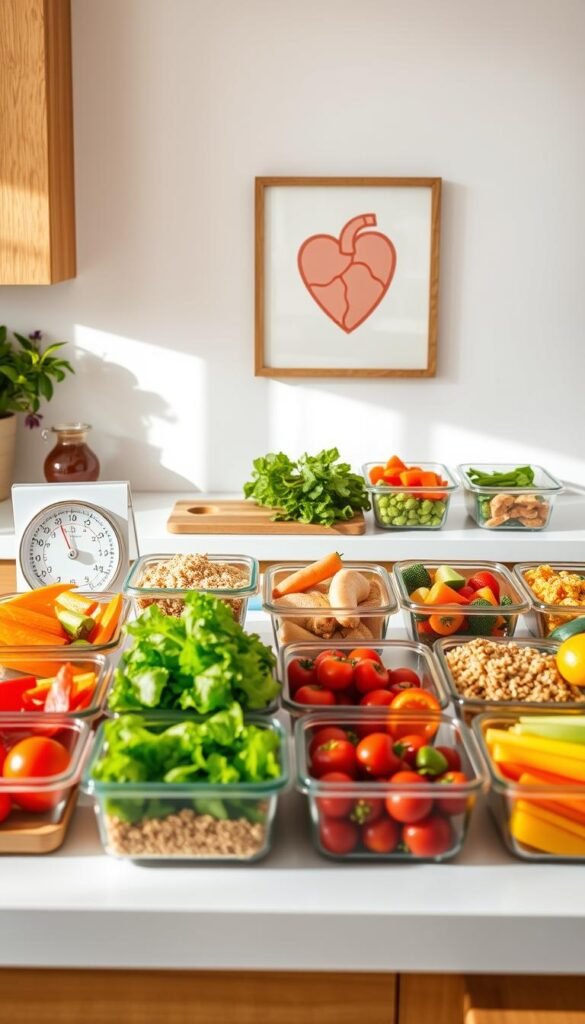
Weekly menus and batch-cooking strategies
Map a seven-day menu before shopping. Rotate two grains, two proteins, and one big-pot soup to streamline cooking.
- Cook quinoa and brown rice in low-sodium broth, then cool and store in airtight containers.
- Portion baked salmon, grilled chicken, and roasted tofu for quick mix-and-match bowls.
- Make a large vegetable stew with beans and freeze half for later.
This approach anchors heart-healthy meal prep and makes weekday choices easy.
Grocery lists for savings and nutrition
Use smart grocery shopping to build budget-friendly healthy meals without skimping on quality.
- Plan around seasonal produce and compare unit prices on store brands from Kroger, Target Good & Gather, or Costco Kirkland Signature.
- Choose no-salt-added canned tomatoes and beans, plus frozen fruits and vegetables without sauces.
- Buy value packs of lean proteins, then portion and freeze. Use coupons and loyalty programs from Safeway or Publix.
Whole foods and staple basics keep costs down while boosting nutrition.
Portion guidance and plating for balance
Follow the MyPlate method to keep meals balanced: fill half the plate with non-starchy vegetables, one-quarter with lean protein, and one-quarter with whole grains or starchy vegetables.
- Measure oils to 1–2 teaspoons per serving, nuts to 1 ounce, and dressings to 1–2 tablespoons.
- Pre-portion snacks like yogurt, berries, or roasted chickpeas to avoid overeating.
- Use smaller plates or bowls to right-size portion sizes and slow the pace of eating.
These cues pair well with batch cooking and support budget-friendly healthy meals throughout the week.
- Quick Tip: Label containers with the cook date and serving count to prevent waste and keep portions consistent.
Conclusion
Healthy Heart Recipes prove that flavor and budget can live in the same kitchen. Guided by the DASH and Mediterranean patterns, this guide showed how to build a heart-healthy lifestyle with produce, whole grains, legumes, nuts, seeds, seafood, and unsaturated oils. When we limit sodium, added sugars, refined grains, and saturated fats, we support blood pressure, cholesterol, and overall cardiovascular wellness without giving up taste.
The pantry picks, breakfast-to-dinner ideas, and snack strategies make healthy cooking at home practical day to day. Low-sodium techniques, high-fiber sides, and smart sweet treats help you cook with confidence and care. These tools form a roadmap for sustainable eating habits that fit busy American schedules and real budgets.
Start small and keep it simple. Swap whole grains for refined pasta or white bread, use herbs and citrus instead of salt, and enjoy fish like salmon or trout twice a week. Batch-cook beans, simmer salt-free broths, and reach for olive oil or avocado oil when you sauté. These routine choices stack up to long-term heart health while keeping every plate vibrant and satisfying.
With a bit of planning and a few smart swaps, healthy cooking at home becomes second nature. Follow the evidence, lean on fresh ingredients, and let spices, lemon, and good oil do the work. Your table can deliver joy, savings, and cardiovascular wellness—one delicious meal at a time.
FAQ
What makes a recipe heart-healthy?
Heart-healthy recipes follow American Heart Association guidance and patterns like DASH and the Mediterranean diet. They emphasize vegetables, fruits, whole grains, legumes, nuts, seeds, seafood rich in omega-3s, and unsaturated oils while limiting sodium, added sugars, refined grains, and saturated fat.
How much sodium should I aim for each day?
Most adults should stay under 2,300 mg of sodium daily, with an ideal target of 1,500 mg for better blood pressure control. Choose “low sodium” items (≤140 mg per serving), “no salt added” canned goods, and season with herbs, citrus, and spices instead of salt.
What are the best fats for heart health?
Prioritize unsaturated fats from extra-virgin olive oil, avocado oil, and canola oil. Include omega-3 sources such as salmon, trout, sardines, mackerel, ground flaxseed, chia seeds, and walnuts. Limit butter and coconut oil, and avoid partially hydrogenated oils.
How do I balance carbs, protein, and fat for cardiovascular wellness?
Aim for fiber-rich carbohydrates, about 25–38 grams of fiber per day. Get adequate protein, roughly 0.8–1.2 g/kg based on your needs, from fish, legumes, tofu, tempeh, or skinless poultry. Choose fats mainly from monounsaturated and polyunsaturated sources, and include EPA and DHA from seafood weekly.
What should I look for on food labels?
Check sodium per serving, aiming for “low sodium” options. Keep added sugars to 0–5 grams when possible. Avoid trans fats and keep saturated fat low. For grains, look for “100% whole wheat” or whole grain listed first in the ingredients.
Which pantry staples support a heart-healthy kitchen?
Stock old-fashioned oats, quinoa, brown rice, farro, barley, bulgur, and 100% whole-wheat pasta. Keep no-salt-added canned beans, lentils, split peas, low-sodium tomatoes, extra-virgin olive oil, avocado oil, canola oil, unsalted nuts and seeds, no-salt-added broths, and salt-free spice blends from brands like Penzeys or McCormick.
What are some quick heart-healthy breakfast ideas?
Try oatmeal with berries and ground flaxseed or chia. Make veggie-packed egg or tofu scrambles with a side of avocado. Blend high-fiber smoothies with spinach, frozen berries, unsweetened almond or soy milk, Greek yogurt, and spices like cinnamon or ginger.
How can I build a simple lunch that’s good for my heart?
Create whole-grain bowls with quinoa or farro, leafy greens, roasted veggies, and lean protein like grilled chicken, baked tofu, or rinsed no-salt-added tuna. Toss Mediterranean salads with extra-virgin olive oil vinaigrette. Make low-sodium vegetable and bean soups in batches and freeze portions.
What dinner proteins are best?
Focus on omega-3-rich fish like salmon, trout, and sardines, plus legumes, tofu, tempeh, and skinless poultry. Use cooking methods such as baking, steaming, grilling, air-frying, and gentle sautéing to limit added fats and preserve healthy oils.
Can you suggest heart-healthy recipes to start with?
Try Lemon-Dill Baked Salmon with quinoa and asparagus, One-Pot Lentil Vegetable Stew, Whole-Wheat Pasta with Sardines and Broccoli Rabe, Chickpea-Avocado Salad Wraps, Tofu and Vegetable Stir-Fry with brown rice, Greek-Style Quinoa Bowls, and a Berry-Chia Oatmeal Bake for breakfasts.
What snacks fit a heart-smart pattern?
Choose roasted no-salt-added chickpeas, lightly spiced unsalted nuts, fresh fruit with plain Greek yogurt, or whole-grain toast with avocado or hummus. Aim for 150–250 calories with at least 3–5 grams of fiber or 8–15 grams of protein.
How do I reduce sodium without losing flavor?
Layer aromatics like onions and garlic with acids such as lemon, lime, or vinegar. Use fresh herbs, toasted spices, and umami-rich add-ins like tomato paste, mushrooms, or nutritional yeast. Add a splash of acid at the end, and if using salt, add a small pinch at the finish for maximum impact.
Which cooking methods preserve healthy fats?
Use poaching, steaming, baking, and gentle sautéing. Keep extra-virgin olive oil for dressings and low-to-medium heat. Choose avocado oil for higher heat roasting. Store oils away from light and heat, and watch best-by dates to avoid rancidity.
What are easy whole-grain and high-fiber sides?
Cook quinoa in low-sodium broth and finish with lemon and parsley. Make farro salads with roasted vegetables or brown rice with toasted almonds. Serve warm lentils, garlicky white beans with kale, or spiced black beans. Swap refined sides for cauliflower “rice,” zucchini noodles, and roasted vegetables.
Can I have dessert on a heart-healthy plan?
Yes. Enjoy baked apples or pears with a walnut-oat topping, Greek yogurt parfaits with berries, or modest portions of dark chocolate (70% cocoa or higher). Use olive oil in baking, add whole-wheat pastry flour and ground flaxseed, and cut added sugar by about 25%.
How can I meal prep on a budget?
Plan weekly menus and batch-cook grains, lean proteins, and low-sodium soups or stews. Shop seasonal produce, store brands, no-salt-added canned goods, and frozen fruits and vegetables without sauces. Compare unit prices and use loyalty programs to reduce costs.
What portion sizes support heart health?
Use the plate method: fill half your plate with non-starchy vegetables, one-quarter with lean protein, and one-quarter with whole grains or starchy vegetables. Measure oils (1–2 teaspoons per serving), nuts (1 ounce), and dressings (1–2 tablespoons) to prevent calorie creep.
Are DASH and Mediterranean diets good starting points?
Yes. Both patterns are backed by research for better blood pressure, improved lipid profiles, and reduced cardiovascular risk. They prioritize whole foods, fiber, and unsaturated fats while keeping sodium, added sugars, and saturated fats low.
How often should I eat fish for omega-3s?
Aim for at least two servings of fatty fish per week, such as salmon, trout, sardines, or mackerel. This provides EPA and DHA, which support healthy triglyceride levels and overall heart health.