Quick & Nutritious Healthy Family Dinners Ideas
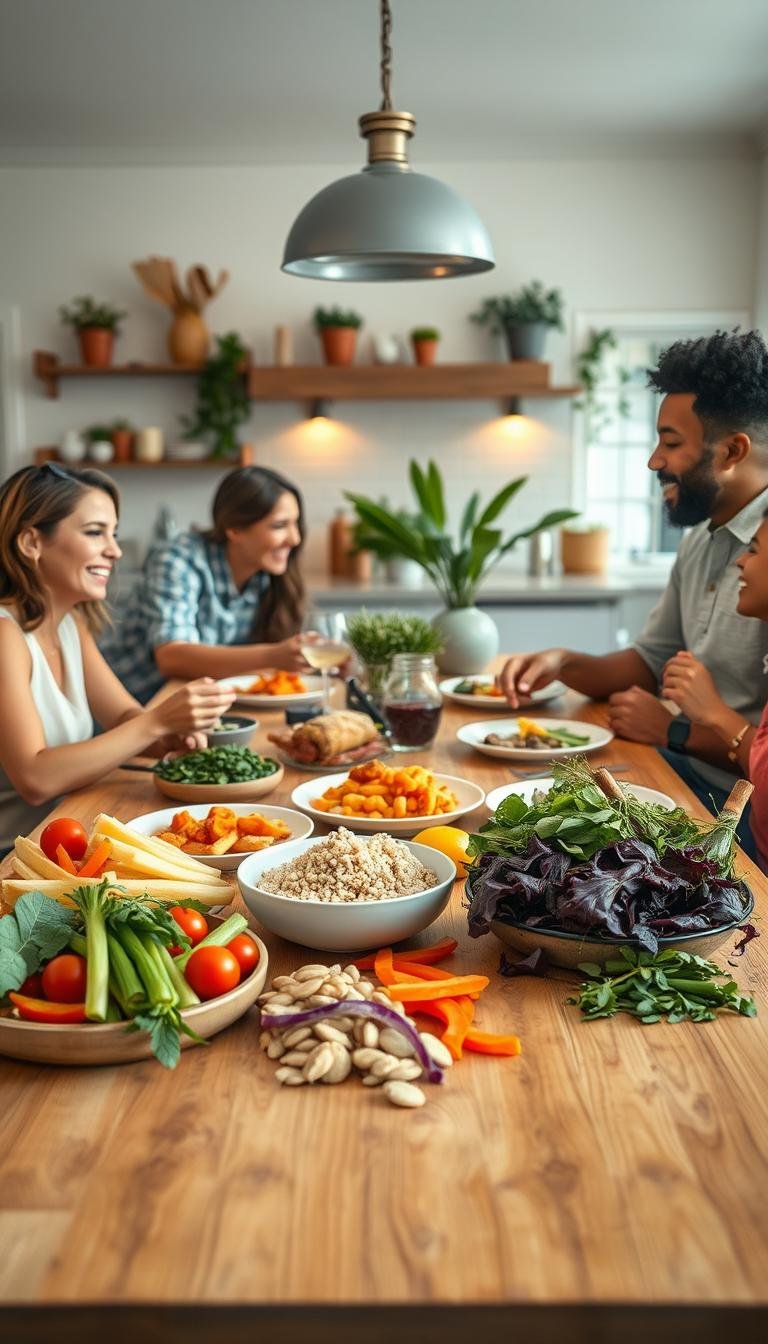
Here’s a surprise: according to the Centers for Disease Control and Prevention, families who eat together tend to serve more fruits and vegetables, and kids often meet more of their daily produce goals. That single habit can turn weeknights around. This guide turns that insight into quick healthy dinners you can trust.
This Website contains affiliate links. That means I may earn a small commission if you purchase through my links, at no extra cost to you.
The U.S. Department of Agriculture’s Dietary Guidelines for Americans recommend balanced plates with vegetables, fruits, whole grains, lean proteins, and healthy oils while limiting sodium, added sugars, and saturated fat. We’ll show how to build easy family meals that fit these goals without fuss—think sheet-pan roasts, skillet sautés, and grain bowls that hit the table in 30 minutes.
The American Heart Association backs cooking methods like roasting, air-frying, steaming, and grilling to reduce added fats and keep sodium in check. With herbs, citrus, garlic, and umami-rich tomatoes or mushrooms, you can craft kid-friendly healthy dinners that deliver big flavor with less salt. Expect nutritious weeknight dinners that save time and still taste great.
You’ll find weeknight dinner ideas and balanced family recipes for both protein-forward and plant-forward appetites, plus budget tips, freezer hacks, and global spices suited to busy U.S. households. These 30-minute healthy meals are built for real life—and they’re easy to repeat.
Key Takeaways
- Build balanced family recipes with lean proteins, whole grains, and plenty of produce.
- Use roasting, steaming, and air-frying to cut added fats while keeping flavor.
- Season with herbs, citrus, vinegar, garlic, and umami to reduce sodium.
- Rely on repeatable frameworks—taco bowls, stir-fries, sheet-pan suppers—for quick healthy dinners.
- Plan kid-friendly healthy dinners in 30 minutes using smart prep and pantry staples.
- Design nutritious weeknight dinners that scale for leftovers and freezer stash.
- Mix in global spice blends for weeknight dinner ideas without extra work.
Weeknight Time-Savers for Busy Families
When the clock is ticking, easy weeknight cooking should still taste great. Lean proteins and colorful produce make quick family meals that feel fresh, not rushed. Keep the pantry stocked and the plan simple, and dinner lands on the table fast.
30-minute skillet meals with lean proteins
Build 30-minute dinners in hot skillet meals using skinless chicken breast, extra-lean turkey, shrimp, salmon, tofu, or beans. Use a nonstick or cast-iron pan with a light spray of olive or avocado oil. Aim for a mix of protein, vegetables, and a smart carb.
- Turkey taco skillet with black beans and bell peppers; finish with lime and cilantro.
- Shrimp and asparagus with lemon and garlic; serve over microwavable brown rice.
- Chicken and broccoli stir-fry with low-sodium soy sauce or coconut aminos.
- Tofu and veggie teriyaki with quick-cooked quinoa.
Pre-cut vegetables shave minutes off prep and help one-pan meals stay on schedule. Keep heat moderate to avoid scorching, and season at the end for bright flavor.
One-pot and sheet-pan strategies to cut cleanup
One-pot and sheet-pan dinners keep dishes to a minimum. For sheet-pan dinners, roast protein and vegetables together at 400–425°F for even browning. Rotate the pan halfway for crisp edges.
- Chicken thighs with sweet potatoes and Brussels sprouts.
- Salmon with green beans and cherry tomatoes.
- Extra-firm tofu with broccoli and carrots.
In one-pot cooking, simmer whole-wheat pasta with spinach and tomatoes in broth for a light sauce, or make a chili with lean ground turkey, beans, and spices. These one-pan meals deliver steady flavor and fewer dishes.
Smart shortcuts using rotisserie chicken and pre-cut veggies
Lean on rotisserie chicken recipes when time is tight. Pick up a bird from Costco or Whole Foods Market 365, remove the skin, and shred. Toss with jarred tomato sauce with no added sugar, or fold into tacos and soups. Check labels for sodium and balance with fresh herbs and citrus.
- Shred chicken into a skillet with onions you batch-sautéed on Sunday.
- Combine pre-cut vegetables with canned no-salt-added beans for speedy sautés.
- Pair with microwavable brown rice or quinoa for complete quick family meals.
Mise en place is your friend: chop once, cook once, clean once. With pre-cut vegetables and a few pantry helpers, easy weeknight cooking becomes a habit—and 30-minute dinners feel calm, not chaotic.
Balanced Plates Kids and Adults Will Love
MyPlate for families is a simple guide that keeps dinner on track. A balanced plate fills half with colorful produce, a quarter with lean protein, and a quarter with whole grains, plus a dairy side for calcium and vitamin D. This family meal framework helps everyone see what goes where without measuring every bite.
At dinner, aim for roasted vegetables or a mixed salad on half the plate, 3–4 ounces of cooked chicken, fish, or tofu for adults, and one cup of brown rice or whole-grain pasta. Children’s portion sizes scale down by age and activity. Offer two or three produce options so kids can choose what they like.
Make it fun with bright colors and textures. Try roasted carrots, crisp cucumbers, steamed broccoli, and cherry tomatoes alongside berries. Serve hummus or Greek yogurt ranch for dipping. These small touches turn veggie-packed dinners into kid-friendly healthy meals.
Use a familiar base to ease new flavors. Whole-grain tortillas, pasta, or rice pair well with sautéed spinach or mushrooms. Repeated exposure—offering a taste again over time—raises acceptance, and positive modeling at the table matters. These family nutrition tips keep the meal calm and inviting.
For quick wins, build plates from ready elements. Combine leftover salmon, quinoa, and a citrus slaw for a swift, balanced plate. Or serve black beans, brown rice, avocado, and roasted peppers as a vibrant bowl. With a steady family meal framework, weeknights stay simple and satisfying.
| Component | Adults (Typical Dinner) | Kids (Adjust by Age) | Easy Ideas |
|---|---|---|---|
| Vegetables & Fruits | About 2 cups | 1/2–1 1/2 cups | Roasted carrots, cucumbers, broccoli, berries |
| Lean Protein | 3–4 oz cooked | 2–3 oz cooked | Chicken, salmon, beans, tofu |
| Whole Grains | 1 cup cooked or 1 slice bread | 1/2–3/4 cup cooked | Brown rice, whole-grain pasta, tortillas |
| Dairy (Optional) | 1 cup milk or 3/4 cup yogurt | 3/4–1 cup | Low-fat milk, Greek yogurt |
Keep the tone low-pressure and the choices clear. Rotate sauces like pesto, salsa, or lemon-tahini to refresh flavors. With smart portion sizes and steady variety, kid-friendly healthy meals feel natural night after night.
When schedules are tight, sheet-pan veggies with turkey meatballs or beans deliver veggie-packed dinners fast. Serve with quinoa and a dollop of yogurt for a complete, balanced plate that fits MyPlate for families without extra fuss.
Healthy Family Dinners
Simple habits make weeknights smoother. Use the plate method to build nutrient-dense meals that satisfy both kids and adults. Balanced choices, steady flavors, and smart portion control take the stress out of dinner.
Portion planning and plating made simple
Choose an 8–9 inch plate to guide portions. Aim for 1–2 cups of vegetables, 3–4 ounces cooked lean protein, and 1/2–1 cup cooked whole grains. Add 1–2 teaspoons of olive oil for cooking or finishing.
For kids, use hands as a quick guide: palm-sized protein, a fist of grains, and two handfuls of colorful produce. This practical portion control approach keeps the plate method easy at a glance and supports nutrient-dense meals.
Flavor-building with herbs, citrus, and umami
Layer taste with aromatics like onion, garlic, and ginger. Brighten with lemon or lime, and splash in vinegar for lift. Rely on herb and spice cooking to create depth without extra salt.
Try low-sodium flavoring moves: roast tomatoes and mushrooms for natural umami seasoning, add a spoon of miso, or finish with shaved Parmesan. Citrus-and-herb marinades speed cook time and keep proteins tender.
Swaps that boost fiber and nutrients without sacrificing taste
Make high-fiber swaps that the whole table will enjoy. Choose whole-wheat pasta, quinoa, or brown rice in place of refined grains. Stir beans or lentils into ground turkey for tacos or pasta sauce.
Use plain Greek yogurt instead of sour cream, and blend cauliflower rice with brown rice for volume and fewer carbs. Pick low-sodium flavoring options like no-salt-added broths, and cook with olive oil to keep meals hearty, flavorful, and truly nutrient-dense meals.
High-Protein Ideas to Keep Everyone Satisfied
These high-protein family meals keep energy steady and taste front and center. Mix lean chicken recipes, fish dinners, and egg dinners through the week to hit 20–35 grams of protein per adult serving while keeping prep simple.
Lean poultry and fish recipes for sustained energy
Try skinless chicken piccata made with olive oil, lemon, and capers. It’s one of the most reliable lean chicken recipes for busy nights. Turkey meatballs simmered in tomato-basil sauce also fit nicely into high-protein family meals.
Rotate salmon, trout, or sardines for omega-3 recipes that support heart health. For quick fish dinners, bake cod or tilapia with garlic and herbs, or build shrimp fajita bowls with peppers and onions.
Egg-based dinners that come together fast
Egg dinners make weeknights easier. A veggie-loaded frittata with spinach and peppers cooks in one pan and pairs well with a crisp salad. Shakshuka with tomatoes and greens offers gentle heat and rich flavor.
Scrambled egg fried rice using leftover brown rice, peas, and scallions is fast and satisfying. Breakfast-for-dinner omelets with mushrooms and tomatoes round out high-protein family meals in under 20 minutes.
Marinades and rubs that elevate simple proteins
Bright protein marinades unlock flavor without excess sodium. Use lemon or orange juice, apple cider or rice vinegar, olive oil, garlic, and fresh herbs. Marinate poultry 30 minutes to 8 hours; fish 15 to 30 minutes for best texture.
Dry rubs keep things bold and quick. Blend smoked paprika, cumin, coriander, chili powder, dried oregano, and black pepper. Grill, air-fry, bake, or pan-sear poultry to 165°F and fish to 145°F for safe, juicy results.
| Dish | Protein Focus | Why It Works | Cooking Method | Quick Flavor Boost |
|---|---|---|---|---|
| Salmon with Lemon-Dill Yogurt | omega-3 recipes | Rich in EPA/DHA for heart health | Bake or pan-sear to 145°F | Citrus-garlic protein marinades |
| Chicken Piccata | lean chicken recipes | High protein with bright, light sauce | Pan-sear, finish in skillet | Lemon, capers, parsley |
| Turkey Meatballs in Tomato-Basil | high-protein family meals | Balanced, kid-friendly comfort | Bake, then simmer | Oregano and black pepper dry rubs |
| Shrimp Fajita Bowls | fish dinners | Fast cook time; lean and flavorful | Quick sauté | Chili-lime protein marinades |
| Veggie Frittata | egg dinners | Speedy, budget-friendly protein | Skillet → oven finish | Herb blend with paprika |
Vegetarian and Plant-Forward Family Meals
Plant-forward can be fast, hearty, and crowd-pleasing. Plan plant-based dinners around legumes, tofu, and colorful produce to hit fiber and heart-healthy goals. Build easy vegetarian family meals with pantry stars like black beans, chickpeas, and lentils, plus quick-cook veggies and whole grains.
Try a meatless Monday lineup that feels familiar: lentil sloppy joes on whole-grain buns, chickpea tikka masala with cauliflower, and a tofu stir-fry with snap peas and mushrooms. Vegetable and bean enchiladas wrapped in whole-wheat tortillas make great flexitarian dinners that satisfy big appetites.
Boost protein and iron the smart way. Pair bean-based meals with vitamin C sides—think bell peppers, citrus wedges, or a tomato salad—to support iron absorption. Create complete proteins by matching beans with grains: rice and beans, hummus with whole-wheat pita, or peanut sauce tossed with soba.
Lean on convenience for busy nights. Use canned low-sodium beans and pre-cooked lentils, and press tofu for 15–20 minutes so it browns well. Roast a sheet pan of mixed vegetables on Sunday, then add them to bowls and wraps all week. Layer umami with miso, low-sodium soy sauce, mushrooms, or nutritional yeast to win over meat lovers.
- Go-to tofu recipes: crisp tofu, broccoli, and ginger over brown rice; baked barbecue tofu with corn and slaw.
- Weeknight lentil recipes: red lentil curry with spinach; green lentil tacos with avocado and lime.
- Quick bean-based meals: black bean quesadillas with pico de gallo; white bean minestrone with kale.
| Meal Idea | Key Ingredients | Iron Boost Pairing | Make-It-Fast Tip |
|---|---|---|---|
| Lentil Sloppy Joes | Cooked lentils, onions, tomato sauce, whole-grain buns | Bell pepper strips, orange slices | Use pre-cooked lentils; simmer 10 minutes |
| Chickpea Tikka Masala | Chickpeas, cauliflower, garam masala, yogurt | Cherry tomatoes, lemon wedges | Start with canned chickpeas; steam cauliflower in microwave |
| Crispy Tofu Stir-Fry | Tofu, snap peas, mushrooms, low-sodium soy sauce | Broccoli, pineapple chunks | Press tofu 20 minutes; use a hot nonstick skillet |
| Bean Enchiladas | Black beans, corn, salsa verde, whole-wheat tortillas | Cabbage slaw with lime | Fill with pre-roasted veggies; bake 12–15 minutes |
| Rice and Beans Bowl | Brown rice, pinto beans, avocado, cilantro | Tomatillo salsa | Microwave-ready rice; warm beans with cumin |
Rotate these ideas to keep plant-based dinners fresh while meeting the tastes of the whole table. With simple prep, vegetarian family meals fit any weeknight, support meatless Monday goals, and make flexitarian dinners feel effortless.
Whole-Grain Sides That Cook Fast
Busy nights call for quick whole grains that still taste great. These sides pair with tacos, salmon, or roasted veggies and keep everyone full without extra fuss.
Quick-cooking brown rice, quinoa, and farro tips
For fast brown rice, use quick-cook or instant styles and simmer 10–15 minutes, or try a boil-and-drain method to speed regular rice. Rinse quinoa first to remove bitterness; a 1:2 ratio of grain to water cooks in about 15 minutes. For farro cooking, choose pearled and simmer 15–25 minutes; check the package and season the pot with a bay leaf or salt-free blend.
Use these quinoa tips for light, fluffy results: let it rest five minutes, then fluff with a fork. Keep a little broth on hand to refresh grains if they sit before serving.
Flavorful pilafs and grain bowls for picky eaters
Start pilaf recipes by sautéing onion and warm spices in olive oil, then toast the grains and add low-sodium broth. Stir in peas or diced carrots at the end for color and crunch.
Build grain bowls with small choices: roasted vegetables, black beans, shredded rotisserie chicken, avocado, feta, salsa, or a tahini–lemon drizzle. For kids, begin with brown rice and blend in 25–50% quinoa or farro for a gentle texture shift.
How to batch-cook grains for the week
Plan batch cooking grains on Sunday: make 4–6 cups of your favorites and spread on sheet pans to cool fast. Portion 1–2 cups into airtight containers, label with the date, and refrigerate up to four days or freeze for three months.
When reheating meal prep grains, add a splash of water and warm in a skillet or microwave to bring back steam. With this setup, pilaf recipes and grain bowls come together in minutes on any weeknight.
Budget-Friendly Dinner Planning Without Compromise
Great food does not need a big price tag. With meal planning on a budget, you can build budget healthy dinners that taste bright and feel satisfying. Use seasonal produce, lean but cheap protein, and smart pantry staples to shape affordable family meals that work on any weeknight.
Affordable proteins and seasonal produce picks
Stock up on eggs, canned tuna or salmon in water, dry or canned beans, lentils, frozen chicken thighs, and ground turkey. These options deliver cheap protein without cutting quality. Shop sales and store brands at Aldi, Walmart, or Costco to stretch every dollar.
Choose seasonal produce for peak flavor and value. Think winter squash and cabbage; spring asparagus and peas; summer zucchini and tomatoes; fall apples and sweet potatoes. Rotate these finds to keep affordable family meals fresh and fun.
Stretching meals with beans, lentils, and whole grains
Blend meat with legumes and grains to boost portions and nutrients. Try turkey and black bean chili, chicken and barley soup loaded with vegetables, or lentil Bolognese over whole-wheat pasta. For fast bowls, use brown rice with pinto beans, corn, and salsa.
Plan leftovers on purpose. Fold last night’s chili into quesadillas, tuck lentils into wraps with greens, or add diced chicken to veggie fried rice. This habit supports meal planning on a budget while keeping budget healthy dinners interesting.
Smart pantry staples to always keep on hand
Build a reliable base: no-salt-added canned tomatoes, tomato paste, low-sodium broth, brown rice, oats, quinoa, dried lentils, canned beans, olive oil, vinegars, peanut butter, cumin, oregano, chili powder, cinnamon, low-sodium soy sauce, mustard, and shelf-stable tuna. These pantry staples make quick sauces, soups, and skillet meals.
Maintain a running list and use FIFO so nothing goes to waste. With a steady stock of grains, beans, and spices, you can turn seasonal produce and cheap protein into affordable family meals in minutes, all guided by meal planning on a budget.
Low-Carb and Diabetes-Friendly Options
Build plates that work hard for blood sugar balance. The American Diabetes Association highlights non-starchy vegetables, lean proteins, and healthy fats as everyday anchors. Think cauliflower rice, zucchini noodles, spaghetti squash, or a crisp spinach salad topped with grilled chicken, salmon, tofu, or beans. Add avocado, walnuts, or extra-virgin olive oil for fullness that lasts.
Keep carb counting simple and steady. Many adults aim for consistent portions per meal as advised by their care team, often 30–60 grams net carbs. Choose foods with a favorable glycemic index, like lentils, chickpeas, quinoa, berries, and plenty of non-starchy vegetables, while skipping refined grains and sugary sauces.
Boost flavor without added sugar. Use lemon, lime, garlic, ginger, chili, and vinegars. Read labels on barbecue, teriyaki, and ketchup; pick no-added-sugar brands from Heinz or Primal Kitchen, or make a quick version at home with tomato paste and spices. These swaps turn low-carb dinners into satisfying diabetes-friendly meals that still feel generous.
Fast ideas for high-fiber low-carb recipes: shrimp over cauliflower “grits,” turkey meatballs with zucchini ribbons, tofu stir-fry with broccoli and peppers, or a hearty bean-and-kale bowl finished with olive oil and herbs. Each choice supports blood sugar balance and keeps weeknights stress-free.
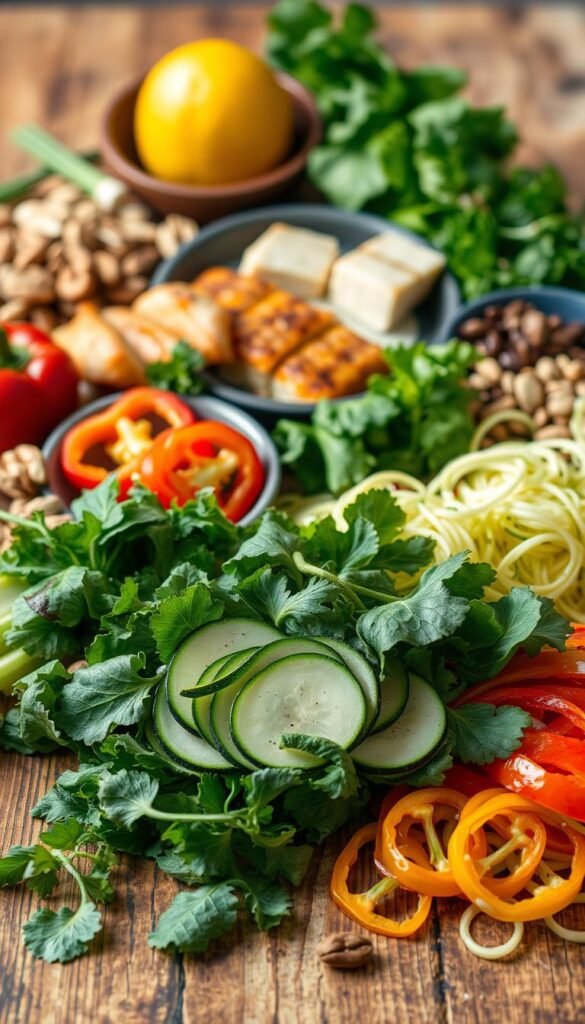
- Base builders: cauliflower rice, zucchini noodles, spaghetti squash, leafy greens
- Protein picks: grilled chicken, salmon, tofu, beans
- Flavor lifts: citrus, garlic, ginger, smoked paprika, apple cider vinegar
- Smart checks: carb counting, labels for added sugars, mindful glycemic index choices
Make-Ahead and Freezer-Friendly Dinners
Turn busy nights into calm ones with smart make-ahead dinners and steady batch cooking. Focus on soups, stews, chilis, and casseroles that freeze well. Skip high-water raw vegetables and cream-heavy sauces so your freezer meals keep their texture. Aim to enjoy the best quality within two to three months.
Freezer assembly tips to preserve texture and flavor
Use freezer-safe containers or zip-top bags for clean freezer assembly. Remove excess air and freeze flat in a labeled bag for a quick meal prep freezer stack. Keep cooked pasta slightly underdone. Pack grains, sauces, and garnishes in separate portions so everything tastes fresh when combined.
Cool food fast before freezing to limit ice crystals. Add a note with the dish name and date, plus brief instructions like “bake covered, then uncover to crisp.”
Thawing and reheating for best results
Follow safe thaw and reheat tips: thaw in the fridge, in cold water changed often, or in the microwave—never on the counter. Reheat to 165°F. Warm soups and stews gently on the stovetop to protect texture, then finish with fresh herbs, lemon zest, or a spoon of yogurt.
For casseroles, reheat covered to heat through, then uncover to brown. Add crunchy toppings after reheating so they stay crisp.
Cook-once, eat-twice strategies
Plan to cook once eat twice. Roast extra chicken or tofu for tonight’s dinner and tomorrow’s tacos or salads. Make a big pot of chili or lentil soup, then portion for two meals and a backup for the meal prep freezer.
Freeze uncooked marinated proteins so they season as they thaw. Cook extra grains to repurpose into fried rice or grain bowls on busy nights—simple, flexible, and perfect for make-ahead dinners that feel new each time.
One-Pan, One-Pot Comfort Classics Lightened Up
Bring homey flavor to weeknights with lightened comfort food that still feels cozy. Start by sautéing onions and garlic in olive oil, then deglaze with low-sodium broth or a splash of dry white wine. Off the heat, whisk in Greek yogurt for body. This simple move gives creamy soups without cream while keeping texture lush and silky.
Build healthy casseroles with whole-wheat pasta, lean ground turkey, and a heap of spinach, zucchini, or mushrooms. Choose part-skim mozzarella and a shower of Parmesan. For baked ziti or lasagna, a quick tomato sauce brightened with lemon or red wine vinegar cuts the need for extra salt. Serve with a big romaine salad tossed with olive oil and Dijon.
For one-pot pasta, simmer whole-wheat noodles with cherry tomatoes, garlic, baby spinach, and broth so the starch naturally thickens the sauce. Finish with basil, chili flakes, and a squeeze of lemon. It’s fast, fuss-free, and satisfying without a heavy finish.
Craving lighter mac and cheese? Use a blend of sharp Cheddar and part-skim mozzarella, then thicken with pureed cauliflower or white beans. A pinch of mustard and Worcestershire (look for lower-sodium) adds depth. Toasted whole-wheat breadcrumbs on top bring crunch without extra butter.
Make veggie-loaded chili in one pot: try a three-bean mix with sweet potatoes and smoked paprika, or go turkey with a touch of cocoa powder for richness. Balance each pot with lime juice and fresh cilantro. Ladle into bowls and add sliced avocado and scallions for freshness.
When you want creamy soups without cream, swap in evaporated skim milk or a cauliflower puree. Blend until smooth, then stir in yogurt off-heat to avoid curdling. Finish with black pepper, thyme, and a drizzle of olive oil for a polished touch.
Pro tip: Keep sodium in check with bold flavors—garlic, herbs, chili flakes, and citrus—and let acidity do the heavy lifting. Pair each dish with roasted broccoli or Brussels sprouts to round out the plate and keep portions balanced.
- Healthy casseroles: whole-wheat noodles, lean proteins, part-skim cheese, extra veggies.
- One-pot pasta: broth-simmered noodles that build body without cream.
- Veggie-loaded chili: beans, sweet potato, turkey options, brightened with lime.
- Lighter mac and cheese: cauliflower or bean puree, sharp cheese, mustard for punch.
- Creamy soups without cream: evaporated skim milk, blended cauliflower, yogurt off-heat.
Kid-Approved Flavors and Family Taste Tests
Turn family mealtime into an easy win by pairing familiar foods with small upgrades. Research shows kids warm to what they know, so build kid-friendly healthy dinners around tacos, pasta, pizza, burgers, and bowls. Use whole-wheat tortillas, lean turkey or black beans, extra veggies, and lower-sodium cheese. Add a “safe” side like apple slices, plain yogurt, or carrot sticks to ease stress and encourage a family taste test.
Pro tip: Keep portions modest and let kids ask for more. These picky eater tips help reduce pressure and raise curiosity.
Building meals around familiar favorites
Start with a baseline kids love, then layer nutrients. Try spaghetti with Barilla Whole Grain and Rao’s Sensitive Marinara, or mini quesadillas on Mission whole-wheat tortillas with Sargento reduced-sodium cheddar. Slide in peppers, spinach, or roasted corn. For burger night, use lean ground turkey from Jennie-O on Martin’s 100% Whole Wheat buns and stack lettuce, tomato, and avocado.
Keep the shape and flavor pattern the same, even as ingredients shift. These picky eater tips make kid-friendly healthy dinners feel normal, not “special.”
Dips, sauces, and toppings that win over picky eaters
Offer healthy dips and sauces to boost veggie intake and control sodium. Mix Greek yogurt ranch at home, or serve Sabra hummus, Wholly Guacamole, marinara, and fresh salsa. Peanut or almond butter sauce adds protein to noodle bowls. Tzatziki with dill cools spicier bites.
Set out toppings for a mini bar: shredded lettuce, pico de gallo, pickled onions, roasted corn, crumbled feta, and everything bagel seasoning. Customizing turns a family taste test into fun, low-pressure cooking with kids.
Letting kids help: jobs by age for kitchen confidence
Small tasks build skills and interest. Ages 2–4 can wash berries and tear greens. Ages 5–7 measure, stir, and sprinkle toppings. Ages 8–10 chop soft foods with kid-safe knives and assemble wraps. Ages 11+ cook with supervision, from sautéing to air-frying.
Assign roles—mix master, veggie scout, or scorekeeper—to rate new recipes together. This shared routine supports kid-friendly healthy dinners and keeps family mealtime upbeat with practical picky eater tips and healthy dips and sauces.
Vegetable-Forward Sides That Steal the Show
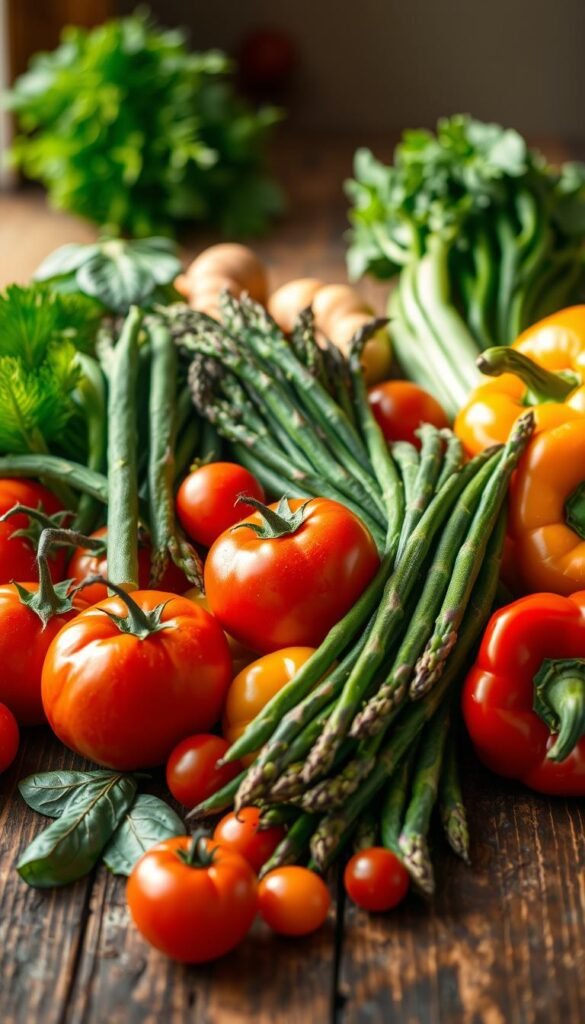
Make dinner pop with vegetable side dishes that cook fast and taste bold. These flavorful vegetable recipes pair with chicken, salmon, or tofu and turn weeknights into wins. Keep the focus on bright textures, simple methods, and smart veggie seasonings for maximum payoff.
Roasting, air-frying, and sautéing for maximum flavor
For roasted vegetables, crank the oven to 400–450°F. Toss Brussels sprouts, carrots, broccoli, or cauliflower with 1–2 teaspoons olive oil per pound and a salt-free rub. High heat caramelizes edges and sweetens the bite.
Short on time? Try air fryer veggies. In 10–15 minutes, you get crisp, tender results with less oil. Quick sauté green beans, zucchini, or spinach with garlic and lemon for a bright finish.
Speedy slaws and chopped salads
Build quick salads by chopping cucumbers, tomatoes, and peppers, then splash with olive oil, red wine vinegar, and oregano. Healthy slaws come together with shredded cabbage and carrots plus a light vinegar dressing.
Massage kale with lemon and a pinch of Parmesan to soften the leaves. Add chickpeas, almonds, or sunflower seeds for protein and crunch, turning simple vegetable side dishes into easy wins.
Sauces and seasonings that make veggies craveable
Whisk tahini-lemon, chimichurri, pesto, yogurt-dill, or sesame-ginger to top warm or cold veg. A touch of gochujang-honey brings heat and balance with minimal sweetener.
Rotate veggie seasonings like za’atar, garam masala, chili-lime, or Cajun to keep flavors fresh while staying low in sodium. These blends lift roasted vegetables, quick salads, and air fryer veggies into truly flavorful vegetable recipes.
Heart-Healthy, Low-Sodium Approaches
Small shifts make low-sodium dinners easy to love. Build heart-healthy meals with the DASH diet in mind, focusing on sodium reduction while keeping flavor bold. At home, choose no-salt-added staples and boost taste with fresh herbs, citrus, and warm spices.
Rinse canned beans to cut a big share of sodium, then simmer with low-sodium broth, garlic, and onion. Finish with lemon juice or apple cider vinegar. These salt alternatives wake up soups, stews, and grain bowls, turning them into blood pressure friendly recipes the whole table enjoys.
Balance plates with potassium-rich sides like spinach, black beans, and sweet potatoes. Add salmon or sardines for omega-3s that support a strong heart. Within two to three weeks, your palate adjusts, and you’ll crave the clean, bright flavors more than the shaker.
Reading labels is key. The FDA defines “low sodium” as 140 mg or less per serving. Check serving sizes and tally sodium across tortillas, cheeses, sauces, and condiments. Pair mindful choices with colorful produce to keep the DASH diet both practical and tasty.
Flavor-first ideas
- Use citrus zest, smoked paprika, cumin, and thyme as salt alternatives.
- Swap standard broth for low-sodium broth, then finish with a splash of vinegar.
- Choose plain yogurt with herbs as a creamy topper instead of salty sauces.
Grocery habits that help
- Pick “no salt added” canned tomatoes and tomato paste for pasta and chili.
- Buy unsalted nuts and seeds to add crunch without extra sodium.
- Opt for whole-grain tortillas labeled low sodium for taco night.
| Everyday Swap | Why It Works | How To Use | Sample Dish |
|---|---|---|---|
| Low-sodium broth instead of regular | Cuts sodium while keeping depth | Deglaze pans; simmer grains | Chicken and quinoa soup with carrots |
| No-salt-added beans, well rinsed | Supports sodium reduction | Rinse 30–60 seconds under water | Black bean and corn bowls with lime |
| Citrus zest and juice | Brightens flavor without salt | Finish roasted veggies and fish | Lemon-garlic salmon with greens |
| Vinegar and fermented extras | Acid boosts perceived savoriness | Stir in at the end of cooking | Apple cider vinegar in lentil stew |
| Herb and spice blends (no salt) | Builds aroma and complexity | Rub on proteins or mix in dressings | Smoked paprika chicken skillet |
| Potassium-rich sides | Aligns with the DASH diet focus | Serve with mains to balance plates | Sweet potato and spinach sauté |
| Plain Greek yogurt instead of creamy sauces | Adds protein and tang | Whisk with garlic and dill | Herbed yogurt over roasted beets |
| Fresh tomato or salsa (no added salt) | Juicy, bright, and low in sodium | Spoon over eggs, fish, or grains | Tomato-corn salsa on brown rice |
With these cues, low-sodium dinners become flavorful, affordable, and family-friendly. They deliver heart-healthy meals and blood pressure friendly recipes that fit real life, using smart salt alternatives and steady sodium reduction without giving up satisfaction.
Global-Inspired Dinners Made Simple
Bring the world to the weeknight table with healthy global recipes that fit real life. Think fast prep, bright produce, and smart pantry picks that keep flavor high and sodium low. Use family-friendly spices to build taste everyone can enjoy, then layer heat on the side.
Make it easy: lean proteins, lots of vegetables, and sauces that rely on herbs, citrus, and aromatics. Keep dietary substitutions in mind so no one misses out, and lean on gluten-free swaps when needed.
Taco, stir-fry, and curry nights with better-for-you twists
For taco night healthy, use corn or whole-wheat tortillas, grilled fish or chicken, black beans, crunchy cabbage slaw, and fresh salsa. Squeeze lime and add avocado for creamy balance without heavy sauces.
Quick wok meals shine with the right stir-fry tips: pile on broccoli, bell peppers, and snap peas, pair with tofu, shrimp, or chicken, and season with reduced-sodium tamari and ginger. Finish with sesame seeds or scallions.
Serve lightened curries with light coconut milk, extra cauliflower and spinach, and warm spices like turmeric and coriander. Ladle over brown rice or quinoa for fiber that satisfies.
Mild-to-bold spice levels to suit every palate
Start with mellow paprika, cumin, and garlic so kids dig in. Toast spices to bloom flavor, then stir in cilantro or basil at the end for a fresh lift.
Offer the kick on the side: chili crisp, sriracha, or sliced jalapeños let heat lovers dial it up while others keep it mild. This keeps healthy global recipes flexible for the whole table.
Substitutions to respect dietary needs
Plan dietary substitutions before you cook. For gluten-free swaps, choose corn tortillas, rice noodles, or certified gluten-free tamari. For dairy-free sauces, try coconut yogurt in place of yogurt.
Go nut-free with sunflower seed butter in peanut-style sauces. For vegetarian plates, swap in tofu, tempeh, or chickpeas for protein. Always check labels for allergens and sodium to keep meals family-safe.
| Dish Night | Better-for-You Base | Flavor Moves | Easy Substitutions |
|---|---|---|---|
| Tacos | Corn or whole-wheat tortillas, grilled fish or chicken, black beans, cabbage slaw | Lime, cilantro, pico de gallo; family-friendly spices like cumin and paprika | Gluten-free swaps with corn tortillas; dairy-free by skipping cheese for avocado |
| Stir-Fry | Broccoli, bell peppers, snap peas with tofu, shrimp, or chicken | Reduced-sodium tamari, ginger, garlic; finish with scallions and sesame | Dietary substitutions: rice noodles for gluten-free; sunflower seed butter for nut-free sauces |
| Curry | Light coconut milk, cauliflower, spinach, brown rice or quinoa | Turmeric, coriander, and basil for a bright, lightened curries profile | Vegetarian with chickpeas or tempeh; dairy-free by using coconut yogurt raita |
Meal Prep Workflow and Storage Tips
Set up a simple rhythm that turns meal prep for families into a stress-free routine. A clear plan, smart storage, and a few guardrails for food safety keep weeknights calm and quick.
Sunday meal prep works best when you batch-cook parts, not just full dishes. Use clear containers and keep a notepad on the fridge so everyone knows what’s ready to grab.
Sunday prep steps that save weeknight time
- Plan a five-day menu, then shop once with a tight list. Group items by store aisle to move fast.
- Wash and chop sturdy produce like carrots, broccoli, and peppers. Roast two sheet pans of mixed veggies.
- Cook two grains, such as brown rice and quinoa, and prepare two proteins like chicken and tofu or beans.
- Blend two sauces—one vinaigrette and one yogurt-herb—to change up flavors through the week.
- Portion components into dinner-size and single-serve containers to speed lunches.
These food storage tips cut clutter and keep texture. Stack containers by meal part—proteins, grains, and veggies—so assembly takes minutes.
FIFO and labeling to minimize food waste
- Use the FIFO system: place older items at the front and new prep in the back so the oldest gets used first.
- Start labeling meals with the dish name and date. Add reheating notes if needed, like “stovetop 5 min.”
- Store raw meats on the lowest shelf to prevent drips; keep ready-to-eat foods at eye level.
- Choose airtight glass or BPA-free containers; wrap herbs in a damp paper towel to extend freshness.
Good labels and a clear fridge map reduce decision fatigue. They also support food safety by separating raw and ready-to-eat items.
Safe storage times for cooked proteins and grains
Keep the fridge at or below 40°F and reheat leftovers to 165°F. Cool large batches fast in shallow containers, and spread rice thinly before chilling.
| Item | Fridge Window (40°F) | Freezer Window | Quick Notes |
|---|---|---|---|
| Cooked poultry (chicken, turkey) | 3–4 days | 2–3 months | Reheat to 165°F; store in airtight glass. |
| Cooked seafood | 3–4 days | 2–3 months | Keep cold; avoid overcooking on reheat. |
| Cooked tofu or beans | 3–4 days | 2–3 months | Add a splash of broth to refresh. |
| Cooked grains (rice, quinoa, farro) | 3–4 days | 2–3 months | Cool fast; avoid reheating rice multiple times. |
| Mixed dishes and casseroles | 3–4 days | 2–3 months | Portion before freezing for quick meals. |
Use these leftovers storage times to plan portions and avoid waste. With consistent labeling meals and a tidy fridge, meal prep for families feels smooth from Sunday to Friday.
Conclusion
Here are the healthy dinner takeaways to make weeknights easier. Follow guidance from the USDA, the American Heart Association, and the American Diabetes Association: build plates heavy on vegetables and whole grains, pick lean proteins like salmon, chicken breast, tofu, and beans, and season with herbs, spices, and citrus instead of extra salt or sugar. Use sheet pans, skillets, and batch-cooked grains to turn quick nutritious dinners into a routine, not a reach.
Keep family meal planning simple with a tight rotation. Tacos, stir-fries, grain bowls, soups, and casseroles form reliable weeknight meal strategies. Prep components on Sunday—roast vegetables, cook quinoa or brown rice, and portion chicken or chickpeas—so dinner becomes mix-and-match. Lean on make-ahead and freezer-friendly portions to stay calm when schedules shift.
Make room for everyone at the table. Aim for balanced family eating with flexible toppings, from yogurt-lime sauce to salsa and toasted nuts, so kids and adults can adjust heat and texture. Bring in global flavors that feel familiar, like mild curry or sesame-ginger stir-fry, and adapt to dietary needs without extra work.
Stretch your budget and reduce waste. Shop seasonal produce, use FIFO labeling in the fridge, and plan leftovers into lunch bowls. With these habits, healthy dinner takeaways translate into steady family meal planning, quick nutritious dinners, and weeknight meal strategies that keep balanced family eating on track all year.
FAQ
What makes a healthy family dinner according to the USDA and AHA?
A balanced dinner follows the USDA Dietary Guidelines and American Heart Association advice: fill half your plate with vegetables and fruits, one-quarter with lean protein like chicken, turkey, fish, tofu, or beans, and one-quarter with whole grains such as brown rice, quinoa, or whole-wheat pasta. Cook with heart-healthy oils, keep sodium near 2,300 mg per day for most adults, and limit added sugars and saturated fat.
How can I get dinner on the table in 30 minutes?
Use skillet and sheet-pan methods. Try turkey taco skillets with black beans and peppers, shrimp and asparagus with lemon-garlic, or chicken and broccoli stir-fry with low-sodium soy sauce or coconut aminos. Sheet-pan salmon with green beans or tofu with broccoli at 400–425°F streamlines cooking and cleanup.
What low-sodium flavor boosters actually work?
Layer aromatics (onion, garlic, ginger), acids (lemon, lime, vinegar), fresh herbs (cilantro, parsley, basil, dill), spices (cumin, smoked paprika, turmeric), and umami sources (tomatoes, mushrooms, Parmesan, miso, low-sodium soy sauce). Finish with citrus zest or vinegar to brighten without extra salt.
How should I plan portions for adults and kids?
A simple guide: adults can aim for 3–4 oz cooked lean protein, 1/2–1 cup cooked whole grains, and at least 1–2 cups vegetables, plus dairy like low-fat milk or yogurt if desired. For kids, use hand-based cues: a palm of protein, a fist of grains, and two handfuls of veggies, adjusting for age and activity.
What are smart swaps that boost fiber without losing taste?
Choose whole-wheat pasta over refined, brown rice or quinoa instead of white rice, and mix lentils or beans into ground meat. Swap sour cream for plain Greek yogurt, blend cauliflower rice with brown rice, use olive oil in place of butter, and pick “no salt added” canned tomatoes and low-sodium broth.
Which proteins keep everyone satisfied on busy nights?
Lean poultry and seafood deliver 20–35 g protein per serving. Favorites include salmon with lemon-dill yogurt, turkey meatballs in tomato-basil sauce, shrimp fajita bowls, or chicken piccata lightened with olive oil and capers. Eggs also shine in frittatas, shakshuka, and veggie omelets.
How do I marinate proteins for more flavor with less sodium?
Use citrus or vinegar, olive oil, garlic, and spices. Marinate poultry 30 minutes to 8 hours and fish 15–30 minutes. Dry rubs with smoked paprika, cumin, coriander, chili powder, oregano, and black pepper add depth. Cook to safe temps: 165°F for poultry and 145°F for fish per FDA guidance.
What are easy vegetarian, plant-forward dinner ideas?
Build meals around legumes, tofu, and vegetables: lentil sloppy joes, chickpea tikka masala, tofu stir-fry with snap peas, or veggie enchiladas on whole-wheat tortillas. Pair plant proteins with vitamin C foods like bell peppers to support iron absorption, and add umami with miso, nutritional yeast, or mushrooms.
Which whole grains cook fast for weeknights?
Quinoa cooks in about 15 minutes if rinsed first. Quick-cooking brown rice is ready in 10–15 minutes, and pearled farro in 15–25 minutes. For flavor, add a bay leaf and salt-free seasoning. Batch-cook on Sunday and reheat with a splash of water to restore moisture.
How can I make dinners budget-friendly without sacrificing nutrition?
Choose affordable proteins like eggs, canned tuna or salmon in water, beans, lentils, and frozen chicken thighs. Shop sales at Aldi, Walmart, and Costco, and lean on seasonal produce. Stretch meals with beans and whole grains—think turkey and black bean chili or lentil Bolognese over whole-wheat pasta.
What are good low-carb or diabetes-friendly dinner options?
Build plates around non-starchy vegetables, lean proteins, and healthy fats. Try cauliflower rice bowls with grilled chicken, zucchini noodles with turkey marinara, or salads topped with salmon and avocado. Choose high-fiber carbs like lentils and quinoa in controlled portions and skip sugary sauces.
What are the best freezer-friendly dinners and thawing tips?
Soups, stews, chilis, and many casseroles freeze well. Cool, pack in freezer-safe containers or zip-top bags, remove air, label, and freeze flat for faster thawing. Thaw in the fridge, in cold water changed every 30 minutes, or in the microwave—never on the counter. Reheat to 165°F and add fresh herbs or lemon zest to brighten.
How can I lighten comfort classics without losing the cozy factor?
Use whole-wheat noodles, lean ground turkey, and extra veggies in baked ziti or lasagna. Replace heavy cream with evaporated skim milk or blended cauliflower in soups, and finish sauces with Greek yogurt off-heat. Keep sodium in check with herbs, mustard, chili flakes, and a splash of vinegar.
What kid-approved strategies help picky eaters?
Build on familiar favorites—tacos, pasta, pizza, burgers—using whole grains, lean proteins, and extra veggies. Offer a “safe” side like fruit or yogurt. Serve family-style so kids can assemble plates, provide dips like hummus or Greek yogurt ranch, and let heat lovers add sriracha or jalapeños at the table.
How do I make vegetables craveable?
Roast at 400–450°F to caramelize, air-fry for crispness with minimal oil, or quick-sauté with garlic and lemon. Dress with tahini-lemon, chimichurri, pesto, or yogurt-dill, and season with za’atar, garam masala, chili-lime, or Cajun blends. Add nuts, seeds, or beans for texture and protein.
What are the top heart-healthy, low-sodium habits?
Choose “no salt added” canned goods, rinse beans, use low-sodium broth, and season with citrus, herbs, and spices. Follow DASH-style eating with potassium-rich sides like leafy greens and sweet potatoes, and include omega-3 fish such as salmon or sardines. Taste buds adjust to lower sodium in a few weeks.
How can I add global flavors while keeping meals nutritious?
Try tacos on corn or whole-wheat tortillas with grilled fish, black beans, and cabbage slaw; veggie-loaded stir-fries with reduced-sodium tamari; or curries with light coconut milk and cauliflower or spinach. Offer heat on the side—chili crisp, sriracha—to suit all palates, and check labels for allergens and sodium.
What Sunday meal prep steps save the most time?
Plan five dinners, shop with a list, and pre-prep: wash and chop sturdy produce, roast two sheet pans of mixed veggies, cook two grains like brown rice and quinoa, and make two proteins such as chicken and beans or tofu. Mix two sauces—a vinaigrette and a yogurt-herb—to pull meals together fast.
How should I label and store food to cut waste?
Use clear containers, label with name and date, and place ready-to-eat items up front using FIFO—first in, first out. Keep raw meat on the lowest shelf to avoid drips. Wrap herbs in damp paper towels and store in breathable bags to extend freshness.
What are safe storage times for cooked proteins and grains?
Per USDA guidance, cooked poultry, seafood, tofu, beans, grains, and mixed dishes last 3–4 days in the fridge at or below 40°F, or 2–3 months in the freezer for best quality. Reheat leftovers to 165°F. Cool large batches quickly in shallow containers, and refrigerate cooked rice within one hour.
Any shortcuts for ultra-busy nights?
Use rotisserie chicken from Costco or Whole Foods Market 365 (remove skin and check sodium), pre-cut veggies, washed salad greens, microwavable brown rice or quinoa, and no-salt-added canned beans. Keep jarred tomato sauce with no added sugar on hand, and batch-sauté onions and garlic on Sunday to speed weeknights.