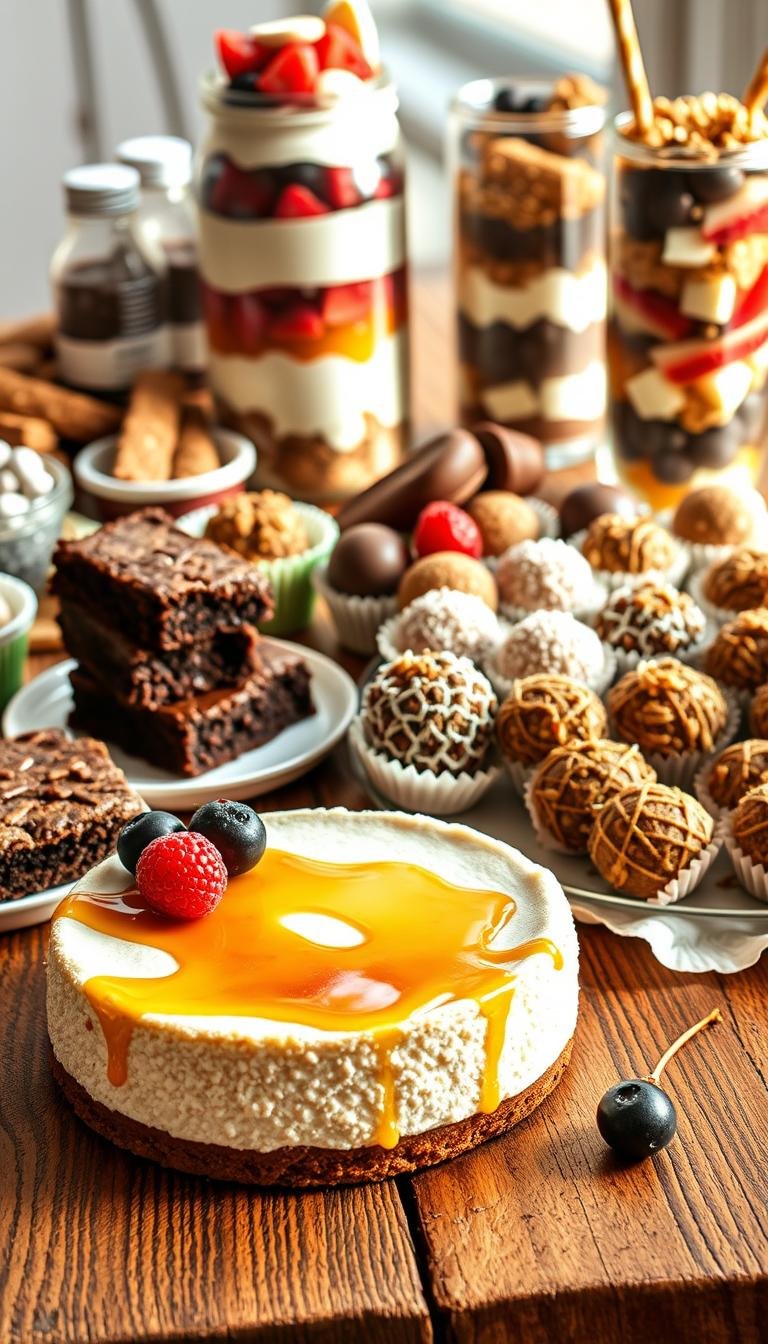
Protein Dessert Recipes: Healthy Sweet Treats
Here’s a sweet surprise: a CDC analysis notes that most Americans eat added sugar beyond recommended limits, yet average protein intake often misses meal-level targets that help with fullness and muscle repair. That gap is where high-protein desserts shine. With smart swaps and simple methods, you can enjoy healthy sweet treats that actually support your goals.
This Website contains affiliate links. That means I may earn a small commission if you purchase through my links, at no extra cost to you.
This guide to Protein Dessert Recipes is built for readers in the United States who want macro-friendly desserts without a sugar crash. You’ll find approachable techniques for protein baking and no-bake protein treats, plus evidence-informed tips that fit busy schedules and real kitchens.
We’ll highlight easy-to-find brands across U.S. grocery chains, like whey isolates from Optimum Nutrition, casein from Dymatize, plant proteins from Orgain or Vega, Greek yogurt from Chobani or Fage, skyr from Icelandic Provisions, and cottage cheese from Good Culture. Expect low-sugar desserts, realistic portions, and batch-prep ideas that make healthy dessert ideas feel doable every week.
What’s inside: brownies and blondies, cookies, cheesecakes and mousse, frozen goodies, and breakfast-inspired fitness desserts that double as snacks. You’ll also get guidance on sweeteners, allergen-friendly swaps, storage, and fixes for texture or flavor issues. These U.S. healthy recipes keep indulgence on the menu—without the side of regret.
Key Takeaways
- Protein Dessert Recipes offer high-protein desserts that help curb cravings and support recovery.
- Macro-friendly desserts balance protein, carbs, and fats for steadier energy and better satisfaction.
- Low-sugar desserts use smart sweeteners and dairy options like Greek yogurt and skyr.
- Protein baking and no-bake protein treats fit busy routines with minimal steps.
- U.S. healthy recipes feature widely available brands for consistent results.
- Expect practical batch-prep guidance, clear serving sizes, and flavor-first techniques.
Why Protein Desserts Belong in a Healthy Lifestyle
Protein desserts can fit into daily habits without feeling restrictive. With balanced macros, they tame cravings, support metabolic health, and still taste like a treat. They also help appetite regulation so portion sizes feel natural, not forced.
How protein supports muscle repair and satiety
After training, your muscles need amino acids. Protein for muscle recovery—especially whey isolate, rich in leucine—helps trigger rebuilding. A serving that delivers 20–40 grams of protein is a smart target for a post-workout dessert.
Protein also boosts satiety by raising hormones like peptide YY and GLP‑1. That means fewer snack attacks and smoother appetite regulation across the day. Pairing creamy Greek yogurt or cottage cheese with fruit gives comfort and staying power.
Balancing macros for better blood sugar control
Blending protein, fiber, and modest fats creates balanced macros that slow digestion. This helps with blood sugar control by easing post-meal spikes. Add chia seeds or oats for fiber, and swirl in almond or peanut butter to steady the rise.
When you replace ultra-sweet options with protein-forward treats, you cut added sugar while keeping flavor and texture. That shift supports metabolic health and makes progress feel sustainable.
When to enjoy protein desserts for best results
Right after a workout, a high-protein brownie or smoothie bowl works as a post-workout dessert to refuel and repair. In the afternoon, a protein mousse can curb cravings and protect focus.
At night, choose nighttime protein like casein, skyr, or cottage cheese. Their slow release feeds muscles while you sleep and supports appetite regulation the next morning. You get comfort, recovery, and better readiness for the day ahead.
Essential Protein Sources for Baking and No‑Bake Treats
Pick ingredients that build flavor, structure, and staying power. The right blend can keep brownies moist, mousses silky, and no-bake bars firm without chalky bites. Aim for balance so every spoonful feels like dessert, not a compromise.
Whey vs. casein vs. plant-based protein powders
Whey protein mixes fast and bakes quickly, giving a tender crumb in cookies and cakes. Use whey isolate for higher protein with fewer carbs and less lactose. Keep ratios modest to prevent dryness.
Casein protein thickens batters and holds moisture. It creates fudgy textures in brownies and puddings, and helps set protein cheesecakes. Micellar casein also slows digestion, which can extend satiety.
Plant-based protein powder varies by source. Pea blends well and emulsifies, but single-source pea can taste gritty. Soy isolate offers a complete amino profile with a smooth finish, while rice rounds out blends for better mouthfeel.
Greek yogurt, skyr, and cottage cheese as creamy bases
Greek yogurt desserts get tang, lift, and moisture. The acidity pairs with baking soda for a light rise and complements chocolate or berries. Skyr desserts bring a dense, creamy body with high protein per spoon.
For cheesecakes and mousse cups, cottage cheese desserts shine when pureed until silky. Brands like Good Culture and Daisy offer 2% and 4% options that blend cleanly and set well after chilling or baking.
These cultured bases also reduce the need for heavy cream. That swap cuts calories while keeping a satisfying texture and a fresh dairy note.
Egg whites, collagen, and nut butters for structure and texture
Egg whites add lift and structure as albumin sets during heat. Pasteurized liquid egg whites whip reliably for airy no-bake fillings and fold into batters without extra fat.
Collagen peptides dissolve easily and improve elasticity in bars and no-bake bites. Because they are not a complete protein, pair them with whey protein, soy isolate, or a balanced plant blend.
Nut butter desserts use peanut, almond, or cashew butter for tenderness, emulsification, and rich flavor. Try powdered options like PB2 to keep calories lower while holding the same nutty depth.
| Protein Source | Best Uses | Texture Impact | Pro Tips |
|---|---|---|---|
| Whey protein (concentrate/isolate) | Cakes, cookies, pancakes, quick breads | Light crumb; fast-setting | Use isolate for leaner bakes; add yogurt or fruit puree to prevent drying |
| Casein protein (micellar) | Brownies, cheesecakes, puddings | Moist, fudgy, thick | Blend with whey for lift plus moisture retention |
| Plant-based protein powder (pea/soy/rice) | No-bake bars, cookies, muffins | Varies; blends improve mouthfeel | Combine pea and rice; use soy isolate for complete protein and smoothness |
| Greek yogurt / skyr | Cheesecakes, muffins, mousse | Creamy, tangy, moist | Leverage acidity with baking soda for lift; fold in gently |
| Cottage cheese (pureed) | Cheesecakes, dips, frostings | Silky when blended | Use Good Culture or Daisy for smooth blending and consistent set |
| Egg whites | Angel cakes, meringues, mousse, protein breads | Airy structure, lift | Use pasteurized cartons; stabilize with acid or a pinch of cream of tartar |
| Collagen peptides | No-bake bars, bites, puddings | Elasticity, cohesion | Pair with whey or soy for complete amino profile |
| Nut butters (or powdered) | Bars, cookies, frostings | Tender, rich, cohesive | Use PB2 for lighter calories; add a pinch of salt to boost flavor |
Smart Sweeteners and Flavor Boosters
Sweetness can be clean, bold, and balanced when you pair natural sweeteners with smart flavor enhancers. Think moisture, aroma, and texture first, then match the sugar source to the dessert style. A light hand keeps macros on track while letting cocoa powder and vanilla extract shine.
Natural sweeteners: honey, maple, dates, and ripe bananas
Honey draws and holds moisture, so protein muffins stay tender for days. Grade A amber maple syrup brings gentle caramel notes that flatter oats and nuts. Medjool dates add fiber and help bind no‑bake bars without extra syrup.
Ripe bananas add body to pancakes and baked oats while easing the need for added sugar. These natural sweeteners build flavor layers, especially when paired with a pinch of salt and a touch of vanilla extract.
Low- and no-calorie options: stevia, monk fruit, allulose, erythritol
For lower sugars, blend low-calorie sweeteners to tame any edge. Stevia extracts can show a stevia aftertaste at high levels, so mix with allulose or erythritol for balance. Monk fruit blends, like those from Lakanto, offer clean sweetness and dependable bulk.
Allulose baking promotes browning and helps keep ice cream scoopable. Erythritol adds structure but watch for erythritol crystallization and cooling; blend with allulose or add a little vegetable glycerin to smooth it out.
Vanilla, cocoa, cinnamon, and citrus zest for depth without extra sugar
Pure vanilla extract from brands like Nielsen‑Massey lifts sweetness perception, letting you use less sugar. Dutch‑process cocoa powder gives deep chocolate tones that play well with baking powder, while natural cocoa adds acidity for baking soda lift.
Ceylon cinnamon is delicate; cassia tastes bolder. Espresso powder boosts chocolate, and citrus zest brightens fruit desserts without more sugar. A light sprinkle of flaky salt at the end snaps flavors into focus and rounds out your flavor enhancers.
Protein Dessert Recipes
These macro-friendly desserts rework familiar favorites with smart swaps that keep flavor high and sugar in check. Rotate whey for light crumb and casein for fudgy chew, and lean on Greek yogurt or skyr for moisture and protein. Use allulose or monk fruit blends in place of part of the sugar for clean sweetness without a crash.
Pro tip: Keep portion control consistent to make tracking simple, and choose freezer-friendly treats so a sweet bite is always ready after dinner or post-workout.
Classic flavors with a macro-friendly twist
Start with classic chocolate vanilla strawberry, then upgrade the base. Swap part of the flour for whey isolate or a whey–casein blend, and stir in Greek yogurt to keep bakes tender. Try chocolate chip protein cookies with almond flour, a vanilla birthday cake protein mug cake with sprinkles, or strawberry cheesecake skyr bars on a graham-style almond crust.
These picks satisfy the sweet tooth while fitting into meal prep desserts. The result is big flavor, steady macros, and easy portion control for weeknights.
Seasonal variations to keep things fresh
Roll through seasonal protein desserts so your menu never gets dull. Bake pumpkin spice protein oats in fall, set peppermint chocolate protein bark in winter, slice lemon blueberry protein bars in spring, and churn peach frozen yogurt pops in summer.
Each option scales well for freezer-friendly treats. Keep a rotating stash so your plan stays flexible and fun without extra work.
Batch-prep ideas for busy weeks
For fast grab-and-go, bake an 8×8-inch pan of brownies or blondies, cut into 12–16 squares, and freeze individually. Roll no-bake bites and refrigerate for up to seven days. Mini cheesecake jars keep three to four days when chilled.
Use consistent serving sizes—think 60–80 g squares—to log accurately in MyFitnessPal or Cronometer. This approach keeps meal prep desserts tidy, supports portion control, and makes freezer-friendly treats a built-in safety net on hectic days.
- Swap smart: 25–35% flour replaced with protein powder, plus yogurt for moisture.
- Flavor anchors: classic chocolate vanilla strawberry with real cocoa, vanilla extract, and ripe berries.
- Texture dial: whey for lift, casein for fudge; mix to balance chew and crumb.
- Storage plan: label dates, freeze flat, and thaw overnight for best bite.
High-Protein Brownies and Blondies
Rich, chewy, and macro-friendly, these bakes turn weeknight cravings into easy wins. Protein brownies and gluten-free blondies stay tender with smart fats, balanced sweeteners, and short bakes. Rest the batter for 5–10 minutes so proteins hydrate and the crumb sets.
Fudgy whey brownies with yogurt swirl
For fudgy whey brownies, use Dutch-process cocoa, whey isolate, and a small dose of oat flour or almond flour for structure. Fold in eggs and a swirl of Greek yogurt for moisture and a light tang. Sweeten with allulose to keep a glossy top and add Lily’s stevia-sweetened chocolate chips.
Bake until the center hits 200–205°F for a dense bite. Try a pinch of espresso powder to deepen cocoa notes. For a softer edge, let the pan cool on a rack before slicing. This method also works for Greek yogurt brownies in an 8-inch square tin.
Chickpea blondies with peanut butter drizzle
Blend rinsed canned chickpeas with creamy peanut butter or almond butter, vanilla, baking powder, and maple syrup or soft dates. Add a scoop of plant protein or collagen for extra density. Process until silky so chickpea blondies bake up with a buttery crumb.
Finish warm squares with a peanut butter drizzle for a sweet-salty hit. Stir in chopped walnuts for crunch, or use dark chocolate chunks for balance. The batter should look smooth and thick; rest it briefly so starches and proteins bind.
Gluten-free options and flour swaps
For gluten-free blondies and brownies, choose super-fine blanched almond flour or certified gluten-free oat flour. A 1:1 blend like King Arthur Measure for Measure also works; reduce protein powder slightly to prevent dryness. Add a spoon of avocado oil if the mix seems stiff.
Flavor boosters like cinnamon or citrus zest lift sweetness without extra sugar. A handful of chopped nuts raises satiety and keeps crumb tender. Keep an eye on bake time, since gluten-free batters set fast.
| Recipe Style | Key Proteins | Flours | Sweetener | Bake Temp & Doneness | Pro Tips |
|---|---|---|---|---|---|
| Fudgy Whey Brownies | Whey isolate, Greek yogurt | Oat flour or almond flour | Allulose + Lily’s chips | 350°F; pull at 200–205°F internal | Swirl yogurt last; add espresso powder; cool fully before slicing |
| Greek Yogurt Brownies | Greek yogurt, whey isolate | Oat flour | Allulose or maple blend | 350°F; edges set, center soft | Rest batter 5–10 minutes; avoid overmixing to keep crumb fudgy |
| Chickpea Blondies | Chickpeas, plant protein or collagen | None or a spoon of oat flour for lift | Maple syrup or dates | 350°F; top light gold | Blend until silky; finish with peanut butter drizzle; add walnuts for crunch |
| Gluten-Free Blondies | Eggs, plant protein or whey | Almond flour or gluten-free oat flour | Allulose or monk fruit blend | 335–350°F; toothpick with moist crumbs | Use King Arthur Measure for Measure; reduce protein powder slightly; add a bit of oil if dry |
No‑Bake Protein Balls and Bites
Fast to mix, easy to chill, and perfect for meal prep snacks, these no-bake desserts come together with a simple formula. Start with about 1 cup of a dry base like rolled oats, coconut flour, or almond flour. Add 1/2 cup nut butter or tahini for bind, 1/4–1/3 cup sweetener, and 1/2–3/4 cup protein powder. Splash in 1–3 tablespoons of almond milk until a scoopable dough forms.
For classic flavor, try oats and peanut butter with honey and vanilla. Blend dates for a caramel note, or go lower sugar with allulose syrup. Stir in mini chocolate chips, chia seeds, hemp hearts, or dried cherries. Chill 20–30 minutes before rolling into tidy protein balls or compact energy bites.
Dial in your protein: whey isolate bites stay soft and fudgy, while casein adds chew. For plant-based, use pea or soy powder with maple or date paste to craft rich vegan protein balls. A #40 scoop yields ~20 g bites with about 70–100 kcal and 4–6 g protein each.
Flavor ideas that always land: cinnamon roll with vanilla protein, cinnamon, and white chips; brownie batter with chocolate protein, cocoa, and mini chips; lemon poppy seed with zest and vanilla. Store in the fridge for up to a week or freeze up to three months to keep meal prep snacks ready.
- Base ratio guide: 1 cup dry + 1/2 cup nut butter + 1/4–1/3 cup sweetener + 1/2–3/4 cup protein + 1–3 tbsp liquid.
- Mix-ins: mini chips, chia, hemp hearts, toasted coconut, or dried cherries.
- Chill before rolling for clean edges and better texture.
- Batch once, enjoy all week as protein balls, energy bites, and quick no-bake desserts.
Protein Cheesecakes and Mousse Cups
Small, creamy treats can be both rich and smart. These jar desserts bring bakery flavor with balanced macros, making portion-controlled desserts simple for weeknights or meal prep.
Greek yogurt cheesecake with berry compote
For a lighter protein cheesecake, blend reduced-fat cream cheese with 0% or 2% Greek yogurt or skyr, eggs, vanilla, and a gentle sweetener mix. Bake low and slow at 300°F in a water bath to keep the texture smooth and to prevent cracks.
Swap the crust for almond flour with a touch of butter and allulose, or use crushed high-fiber cereal. Finish with a warm berry compote made from blueberries or strawberries, lemon zest, and a hint of allulose or maple. The berries add fiber and polyphenols without extra heaviness.
Silken tofu chocolate mousse
A silky silken tofu mousse whips up fast and sets clean. Blend silken tofu with melted dark chocolate or cocoa, vanilla, a pinch of salt, and allulose, then chill. For a thicker body, add a scoop of casein or soy isolate and let it rest until the spoon leaves soft waves.
If you prefer extra hold, bloom gelatin or use agar-agar before folding into the chocolate protein mousse. The result is glossy, airy, and deeply chocolatey with a balanced protein boost.
Portion control with mini jars
Use 4–6 oz mason jars to portion desserts, stack neatly in the fridge, and grab on the go. These portion-controlled desserts maintain texture for 3–4 days because jars reduce air exposure and keep layers intact.
Layer Greek yogurt cheesecake on the bottom, spoon on berry compote, or swirl chocolate protein mousse with shaved dark chocolate. Jar desserts stay tidy, travel well, and make smart servings feel indulgent.
| Recipe Style | Key Proteins | Sweetener Options | Technique Tips | Best Jar Size |
|---|---|---|---|---|
| Greek yogurt cheesecake | Reduced-fat cream cheese, Greek yogurt or skyr | Allulose, maple, or stevia blends | Bake at 300°F in a water bath; cool slowly | 6 oz for layered look |
| Berry compote topping | N/A (pairs with cheesecake or mousse) | Allulose with lemon zest; or a touch of maple | Simmer berries until glossy and spoonable | 4–6 oz when layering |
| Silken tofu mousse | Silken tofu, casein or soy isolate | Allulose or monk fruit | Blend until silky; chill to set; add gelatin or agar-agar if needed | 4 oz for rich servings |
| Chocolate protein mousse | Cocoa or dark chocolate, casein | Allulose for clean finish | Fold gently for air; garnish with cocoa nibs | 4 oz for portion control |
| Crust alternatives | Almond flour base | Allulose to bind lightly | Toast almond flour briefly for nutty flavor | 6 oz to fit base + filling |
Protein Cookies for On‑the‑Go Snacking
Pack energy in a pocket with protein cookies that hold up in a backpack or gym bag. These small bakes use smart swaps to boost protein while keeping flavor first. Chill dough to control spread, then bake to your favorite finish for busy days.
Oatmeal raisin with whey isolate
For a classic bite, try oatmeal raisin protein made with rolled oats, a touch of oat flour, cinnamon, and raisins. Use whey isolate baking for clean flavor and strong structure. Let the dough rest 15–20 minutes so oats drink up moisture and the crumb turns tender.
Bake at 350°F until edges set and centers stay soft for chew. Hydration reduces grittiness and keeps sweetness balanced. Add whey crisps or puffed quinoa if you want a light crunch with every bite.
Almond flour double chocolate chip
Double chocolate protein cookies shine with almond flour cookies blended with Dutch cocoa and dark chocolate chips. Combine erythritol with allulose to improve spread and soften the cooling effect. A brief 30‑minute chill keeps the rounds neat and thick.
Fold in a scoop of whey isolate baking for more protein without drying out the dough. The nutty base lifts cocoa notes, while chips melt into pockets of rich flavor.
Chewy vs. crispy: mastering texture
Dial texture like a pro in the crispy vs chewy cookies debate. For chewy cookies, add an egg yolk and a spoon of Greek yogurt or glycerin, use allulose, and slightly underbake. For crisp results, favor erythritol‑heavy blends, lower moisture, flatten the dough, and bake longer at a lower heat to dehydrate.
Always chill to prevent excess spread, then choose your finish. Either way, protein cookies stay satisfying on the move and taste like a treat.
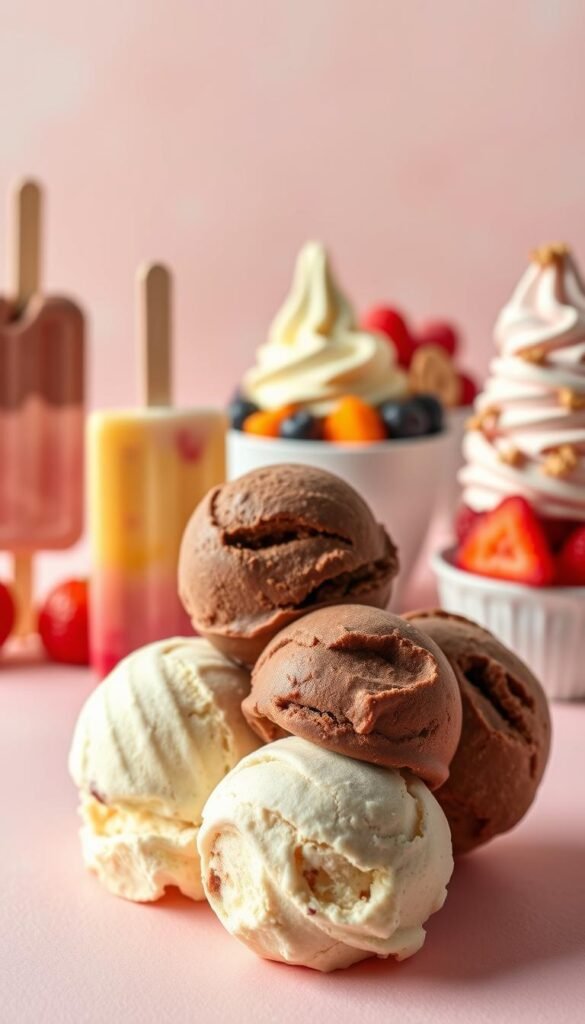
Frozen Treats: Ice Creams, Pops, and Froyo
Build protein ice cream that stays scoopable by pairing an ultra-filtered dairy base like Fairlife with a blend of whey and casein. For a low-fat creamy texture, whisk in allulose or a touch of liquid glucose syrup to soften ice crystals. A spoon of cream cheese or nonfat dry milk boosts body without weighing it down.
The Ninja CREAMi shines for smooth results. Freeze the base, then process and re-spin as needed—classic ninja creami protein recipes rely on this step for a fine, dense churn. A pinch of stabilizers for ice cream, such as xanthan or guar (about 1/8–1/4 teaspoon per pint), increases viscosity, while a little gelatin aids scoopability.
For frozen yogurt, use Greek yogurt or skyr, fruit purée, vanilla, and your preferred sweetener. Churn in an ice cream maker, or freeze and stir every 30 minutes until set. Allulose ice cream and froyo both benefit from a slow chill, which reduces iciness and keeps flavors bright.
High-protein popsicles are fast and refreshing. Blend cottage cheese or Greek yogurt with strawberries, mango, or cocoa-banana, then pour into molds and freeze 4–6 hours. Add a dash of lemon juice or a pinch of salt to make the fruit pop, and swirl in peanut butter powder for a richer bite.
Flavor ideas that work well: mint chip with peppermint extract and dark chocolate chips; strawberries-and-cream with roasted berries; peanut butter cup with PB powder and cocoa. Each option can be tuned for a low-fat creamy texture by balancing proteins, sweetener, and stabilizers for ice cream.
| Style | Base & Protein | Sweetener | Stabilizer | Technique Tips | Flavor Ideas |
|---|---|---|---|---|---|
| Protein Ice Cream | Fairlife milk + whey/casein | Allulose for allulose ice cream | Xanthan or guar (1/8–1/4 tsp/pint) | Chill overnight; add cream cheese or powdered milk; churn or re-spin | Mint chip; peanut butter cup; cocoa fudge |
| Ninja CREAMi Protein Recipes | Skim or Fairlife with protein blend | Allulose or liquid glucose syrup | Optional gelatin for scoopability | Freeze solid; process; re-spin to fix chalkiness; mix-in on last pass | Roasted strawberry; cookies-and-cream; mocha |
| Frozen Yogurt | Greek yogurt or skyr | Allulose, stevia, or honey (to taste) | Small pinch xanthan for body | Churn gently; or freeze and stir every 30 minutes | Strawberries-and-cream; lemon-vanilla; mango swirl |
| High-Protein Popsicles | Greek yogurt or cottage cheese | Allulose or ripe fruit purée | None or tiny xanthan for drip control | Blend smooth; pour into molds; freeze 4–6 hours | Cocoa-banana; strawberry cheesecake; mango-lime |
Breakfast-Inspired Protein Sweet Treats
Crave dessert at sunrise? Build a high-protein breakfast that tastes like a bake shop treat and still fuels your day. These ideas lean on pantry basics, quick methods, and smart flavors that fit weekday rush and weekend meal prep alike.
Protein pancakes with berry compote
Whisk oat flour, a whey or whey–casein blend, eggs or egg whites, baking powder, and a spoon of Greek yogurt for tender protein pancakes. Cook on medium heat so they rise without drying out.
Top with a warm berry compote made by simmering mixed berries with lemon and a touch of allulose or maple. The result is bright, glossy, and not too sweet.
Baked protein oats that taste like dessert
Blend oats, ripe banana, egg or egg white, milk, cocoa or vanilla protein, and baking powder. Fold in dark chocolate chips or blueberries for baked oats that set into cake-like squares.
Bake at 350°F for 20–25 minutes. Cool, slice, and freeze for grab-and-go bars that double as a high-protein breakfast or a lunchbox treat.
French toast with cottage cheese filling
Spread a whipped cottage cheese filling—vanilla with a hint of honey or allulose—between slices of light or whole-grain bread. Dip in an egg and egg white custard with cinnamon for protein French toast.
Cook on a nonstick skillet until golden, then add a drizzle of Greek yogurt. Fresh berries play well with the creamy center.
| Dish | Key Ingredients | Texture & Flavor | Make-Ahead Tips | Serving Ideas |
|---|---|---|---|---|
| Protein pancakes with berry compote | Oat flour, whey/casein, eggs or egg whites, Greek yogurt, lemon, berries, allulose or maple | Fluffy, tender; tangy-sweet topping | Cook, cool, freeze in stacks; reheat in toaster | Add nuts for crunch; spoon extra berry compote on top |
| Baked protein oats | Blended oats, banana, milk, cocoa or vanilla protein, baking powder, chocolate chips or blueberries | Cake-like squares; lightly sweet | Bake, slice, chill or freeze; ideal for weekend meal prep | Serve warm with yogurt; pack as a high-protein breakfast bar |
| Protein French toast | Whole-grain bread, egg/egg whites, cinnamon, cottage cheese filling, vanilla, honey or allulose | Crisp edges; creamy center | Assemble filling ahead; cook and refrigerate, then reheat on skillet | Top with fresh fruit; dust with cinnamon and add a yogurt drizzle |
Allergen-Friendly and Special Diet Variations
Enjoy sweets that fit your needs without losing flavor or texture. These ideas make vegan protein desserts, gluten-free protein desserts, and keto desserts feel like the real deal, with smart dairy-free swaps and flours that behave.
Dairy-free and vegan protein dessert swaps
Build creamy bases with unsweetened coconut yogurt from brands like So Delicious or almond milk yogurt from Kite Hill. For cheesecakes and mousse, use silken tofu or cashew cream, then blend with soy isolate, a pea–rice protein blend, or hemp protein for lift.
For structure, whip aquafaba to soft peaks, or mix flax or chia “eggs” for binding. Coconut cream adds body in no-bake bars and vegan protein desserts, while a splash of vanilla rounds off any plant taste from the powder.
Gluten-free flours and binding tips
Lean on almond flour baking for tender crumbs and oat flour for steady structure. Add 1–2 teaspoons of tapioca or arrowroot per cup to boost elasticity in gluten-free protein desserts. When doughs feel fragile, a touch of xanthan gum—about 1/4 to 1/2 teaspoon per cup—keeps cookies and bars cohesive.
Always pick certified gluten-free oats and baking powder. For coconut flour tips, remember it drinks up liquid fast; pair it with eggs or extra moisture and let batter rest so fibers hydrate before baking.
Low-carb and keto-friendly sweeteners
For keto desserts, choose almond and coconut flour bases, then enrich with eggs, cream cheese, or butter. Sweeten with monk fruit–erythritol blends, allulose, or sucralose-based baking blends from well-known brands.
Note that sugar alcohols like erythritol can taste cool and may cause digestive stress. Start small, mix with allulose to soften the cooling effect, and adjust to taste as batters thicken during resting time.
Meal Prep, Storage, and Food Safety Tips
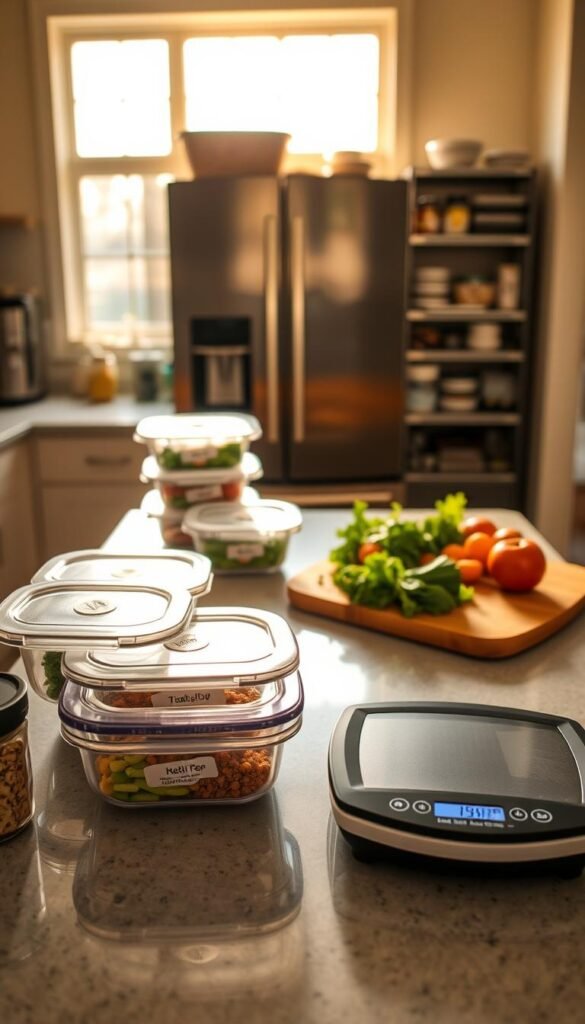
Think ahead with dessert meal prep so your treats stay fresh and safe. Cool brownies, blondies, and cookies fully before sealing. Trapped steam causes condensation and spoilage. For items low in dairy, keep them in airtight containers at room temp for 3–4 days to protect texture and shelf life.
When dairy is in the mix—like yogurt or cream cheese—refrigerate within 2 hours. Follow U.S. fridge temps of 40°F (4°C) or below to support food safety. Cheesecakes and mousse cups hold best in mason jars or BPA-free containers and should be eaten within 3–4 days.
Plan how to store protein desserts by type. No-bake bites last 5–7 days in the fridge and up to 3 months in the freezer. For freezing brownies or blondies, wrap tightly, remove air, and label the date. Frozen treats are best within 1–2 months to prevent freezer burn.
For safe thawing, move items from freezer to fridge overnight. Do not leave perishable desserts out beyond 2 hours—1 hour if above 90°F. Reheat baked items gently, about 10–12 seconds in the microwave, to bring back softness without drying them out.
Portion before chilling to make macros easy and consistent. Log cooked weights after cooling. Keep your freezer at 0°F and your fridge at or below 40°F, matching U.S. fridge temps guidance for strong food safety across every batch.
| Dessert Type | Best Storage | Timeframe | Notes |
|---|---|---|---|
| Protein brownies/blondies (low dairy) | airtight containers at room temp | 3–4 days | Cool fully before sealing; consider freezing brownies for longer shelf life. |
| Cookies (low dairy) | airtight containers at room temp | 3–4 days | Add a slice of bread to maintain softness; freeze extras for portion control. |
| Cheesecakes & mousse cups | Refrigerated, U.S. fridge temps ≤ 40°F | 3–4 days | Use jars or BPA-free containers; do not leave out over 2 hours. |
| No-bake bites | Refrigerated or frozen | 5–7 days (fridge); up to 3 months (freezer) | Thaw in fridge overnight for best texture. |
| Frozen treats (ice cream, pops, froyo) | Freezer at 0°F | 1–2 months | Wrap well to avoid freezer burn; label with make and use-by dates. |
- Cooling: Let baked goods cool on a rack to prevent moisture buildup.
- Packaging: Use airtight containers and remove excess air before sealing.
- Freezing brownies: Wrap individually for quick grab-and-go servings.
- Safety: Maintain U.S. fridge temps and follow USDA guidance for shelf life.
- Thawing: Move from freezer to fridge; avoid countertop thawing.
With a simple plan for dessert meal prep and clear rules for how to store protein desserts, you protect flavor, texture, and safety—batch after batch.
Troubleshooting Texture, Sweetness, and Flavor
Great protein treats should be soft, balanced, and craveable. Use these moisture hacks, smart sweetener blends, and timing cues to keep each batch on point. Small tweaks can fix gritty protein desserts and reduce aftertaste without adding more sugar.
Grittiness from protein powder and how to fix it
Grittiness often comes from heavy use of isolate or certain plant proteins. Give batters a brief hydration time of 10–20 minutes so powders fully absorb liquid. Sift or blend dry ingredients to a fine mix, then whisk well.
Try a whey–casein blend from Optimum Nutrition or Dymatize for a smoother crumb. Stir in 1 tablespoon of low-heat milk powder, or a pinch of emulsifiers like sunflower lecithin, to even out texture and fix gritty protein desserts.
Preventing dryness and crumbliness
For moist protein baking, cap protein powder at roughly 20–33% of the dry mix. Add Greek yogurt, applesauce, or pumpkin puree for steady moisture. A little almond butter or avocado oil helps tenderness and structure.
Do not overbake. Use an oven thermometer from brands like ThermoWorks to verify heat. In gluten-free bakes, add eggs plus binders such as psyllium husk, flax meal, or a touch of xanthan gum for hold without chalkiness.
Dialing in sweetness without aftertaste
To reduce aftertaste, lean on sweetener blends: pair stevia or monk fruit with allulose or erythritol. A dash of vanilla, a pinch of salt, and a bit of espresso or lemon zest lift flavor so you need less sugar.
If erythritol re-crystallizes, switch to powdered forms or mix with allulose. For low-carb ice creams, allulose with a little vegetable glycerin keeps scoops soft while keeping flavors clean.
| Issue | Quick Fix | Why It Works | Pro Tip |
|---|---|---|---|
| Gritty crumb | 10–20 min hydration time; add sunflower lecithin | Proteins absorb liquid and emulsifiers smooth particles | Blend dry mix to a fine powder before wet ingredients |
| Dry or crumbly | Limit protein to 20–33%; add yogurt or puree | Balances absorption and adds bound moisture | Use avocado oil or nut butter for tender bite |
| Harsh aftertaste | Use sweetener blends (stevia + allulose) | Bitterness and cooling effects counter each other | Add vanilla, salt, and acidity to amplify sweetness |
| Re-crystallized sugar alcohol | Switch to powdered erythritol or mix with allulose | Finer crystals prevent crunch; allulose stays dissolved | Warm gently to dissolve, then cool slowly |
| Tough texture | Casein–whey blend and proper moisture hacks | Casein slows drying; fats and binders keep softness | Pull from oven when center is just set |
Conclusion
Protein Dessert Recipes can be both indulgent and purposeful. A smart plan turns sweets into tools for muscle recovery, steady energy, and lasting fullness. This Protein Dessert Recipes roundup shows how to blend flavor with function using healthy dessert strategies that fit everyday U.S. home baking.
Mix your protein sources to dial in texture and results: whey for light crumb, casein for creaminess, and soy or pea for plant-forward balance. Lean on smart sweeteners like allulose and monk fruit to keep macro-friendly sweets smooth and clean-tasting. Rotate high-protein treats across brownies, cookies, cheesecakes, no-bake bites, frozen treats, and breakfast-inspired options to keep variety high and cravings low.
Respect the science that makes dessert work. Balance macros so protein, fats, and carbs support your goals. Watch hydration and bake times to avoid dryness or grittiness. Store and chill items by the book, label dates, and portion before cooling for grab-and-go control. These healthy dessert strategies make U.S. home baking both practical and satisfying.
Build a weekly prep ritual: pick seasonal flavors, portion in mini jars or silicone molds, and choose accessible brands like Bob’s Red Mill, King Arthur Baking, Chobani, Fairlife, or Orgain that fit your budget. With this Protein Dessert Recipes roundup as your map, you can enjoy macro-friendly sweets and high-protein treats that feel special, taste great, and help you stay on track all week.
FAQ
What makes protein desserts a healthy choice compared to regular sweets?
Protein desserts help you hit daily protein targets while keeping calories and added sugar in check. Higher protein boosts satiety via hormones like peptide YY and GLP-1, which can reduce snacking. When you balance protein with fiber and a little fat, you also blunt blood sugar spikes for steadier energy.
Which protein powder is best for baking—whey, casein, or plant‑based?
Whey isolate mixes easily and keeps bakes light but can dry out if overused. Casein thickens and stays moist, giving brownies and cheesecakes a fudgy bite. Plant proteins like pea, soy, or blends work well in no‑bake bites and bars; soy isolate has a PDCAAS of 1.0, comparable to whey. Many bakers use a whey‑casein blend for reliable texture.
How much protein should I aim for in a dessert serving?
A practical target is 10–20 grams per serving for snacks and 20–30 grams post‑workout. Sports nutrition research often recommends 20–40 grams after training to support muscle protein synthesis. Use consistent serving sizes and log in tools like MyFitnessPal or Cronometer for accurate macros.
When is the best time to enjoy a protein dessert?
After workouts, whey‑based brownies or cookies can help jump‑start recovery. In the afternoon, a protein cookie or no‑bake bite curbs cravings. At night, casein‑rich options like Greek yogurt, skyr, cottage cheese pudding, or micellar casein mousse support overnight repair.
How do I prevent dry or crumbly protein brownies and cookies?
Keep protein powder to about 20–33% of the dry mix. Add moisture with Greek yogurt, pumpkin puree, or applesauce, and include fats like almond butter or avocado oil. Don’t overbake—use an oven thermometer and pull brownies around 200–205°F internal for fudgy texture.
My batter tastes gritty. How can I fix the texture?
Hydrate batters for 10–20 minutes so proteins absorb liquid. Blend dry ingredients to a finer consistency, or switch to a whey‑casein blend. A tablespoon of milk powder or a touch of sunflower lecithin can smooth the crumb. For plant proteins, pair pea with rice or soy to reduce chalkiness.
What sweeteners work best without a weird aftertaste?
Blend sweeteners. Pair stevia or monk fruit with allulose or erythritol to soften bitterness and cooling. Allulose helps with browning and chew, great for cookies and ice cream. Add pure vanilla extract, a pinch of salt, espresso powder, or citrus zest to boost perceived sweetness.
How do I choose between natural and low‑calorie sweeteners?
For whole‑food flavor and moisture, use honey, maple syrup, Medjool dates, or ripe bananas. For lower sugar, go with stevia, monk fruit blends like Lakanto, allulose, or erythritol. Allulose shines in frozen desserts and chewy cookies; erythritol adds bulk but may crystallize—blend it with allulose.
Which dairy products make the creamiest high‑protein bases?
Greek yogurt and skyr add tang and protein while keeping batters moist. Cottage cheese blends silky smooth for cheesecakes and mousse; brands like Good Culture and Daisy set well. For frozen treats, Fairlife ultra‑filtered milk improves protein and creaminess with fewer sugars.
Can I make protein desserts dairy‑free or vegan?
Yes. Use soy isolate, pea‑rice blends, or hemp protein. Swap Greek yogurt with unsweetened coconut yogurt from brands like So Delicious or use almond milk yogurt. Silken tofu, cashew cream, aquafaba, and flax or chia “eggs” help bind and add body to bakes and mousses.
What are good gluten‑free flour swaps for cookies, brownies, and bars?
Try super‑fine almond flour for tenderness and certified gluten‑free oat flour for structure. A 1:1 blend like King Arthur Measure for Measure is handy; add a little xanthan gum (about 1/4–1/2 tsp per cup of flour) for cohesion. Reduce protein powder slightly to avoid dryness.
How can I make low‑carb or keto‑friendly protein desserts?
Use almond or coconut flour bases, eggs, and full‑fat dairy like cream cheese or butter for structure. Sweeten with monk fruit–erythritol blends, allulose, or sucralose baking blends. Note erythritol’s cooling effect and start with small amounts; combining with allulose improves taste and texture.
How do I nail chewy vs. crispy protein cookies?
For chew, add moisture with an egg yolk, a spoon of Greek yogurt, glycerin, or allulose; slightly underbake. For crisp, use more erythritol, lower moisture, flatten the dough, and bake a bit longer at a lower temperature to dehydrate. Chill dough 30 minutes to control spread.
Any tips for better no‑bake protein balls and bites?
Start with a ratio of 1 cup dry base, 1/2 cup nut butter, 1/4–1/3 cup sweetener, and 1/2–3/4 cup protein powder. Add 1–3 tablespoons of almond milk until scoopable. Chill 20–30 minutes before rolling. Mix in chia seeds, hemp hearts, or mini chips for texture and nutrition.
What helps homemade protein ice cream stay creamy, not icy?
Use allulose or a touch of glucose syrup to lower freezing point. Stabilize with xanthan or guar gum (about 1/8–1/4 tsp per pint). A tablespoon of cream cheese or powdered milk improves body. Devices like the Ninja CREAMi let you re‑spin for a smoother scoop.
How should I batch‑prep and store protein desserts safely?
Cool bakes fully before sealing. Low‑dairy brownies and cookies keep 3–4 days at room temp in airtight containers. Items with yogurt or cream cheese should be refrigerated within 2 hours and eaten in 3–4 days. Freeze portions tightly wrapped; most keep 1–2 months without freezer burn.
What are the best containers for portion control and freshness?
Mini mason jars (4–6 oz) are great for cheesecakes and mousse. Use BPA‑free airtight containers for cookies and bars. Label dates and weights for consistent macro tracking, and thaw frozen portions in the fridge overnight for best texture.
Which brands are easy to find in U.S. grocery stores?
For protein powders, look for Optimum Nutrition whey isolate, Dymatize casein, and plant options from Orgain or Vega. For dairy, check Chobani or Fage Greek yogurt, Icelandic Provisions skyr, and Good Culture cottage cheese. For sweeteners, allulose and Lakanto monk fruit blends are widely available.
How do I avoid erythritol’s cooling effect and recrystallization?
Use powdered erythritol, blend it 50/50 with allulose, or add a touch of vegetable glycerin. In cookies, include a bit of maple extract or vanilla to round the flavor. For frostings and glazes, sift sweeteners and mix while warm to dissolve fully.
Are collagen peptides good in protein desserts?
Collagen adds elasticity and a pleasant chew but is an incomplete protein. Pair it with a complete protein like whey, casein, or soy to keep amino acid quality high. It’s especially useful in cookies, bars, and puddings for improved texture.
Any seasonal ideas to keep flavors exciting?
Try pumpkin spice baked oats in fall, peppermint chocolate bark in winter, lemon blueberry bars in spring, and peach frozen yogurt pops in summer. Rotate protein types—whey for lift, casein for fudgy density—to keep textures interesting.