Healthy Clean Eating Recipes for Vibrant Living
Here’s a wake-up call: the average American gets almost 60% of daily calories from ultra-processed foods, yet research from Harvard T.H. Chan School of Public Health links a pattern rich in vegetables, fruits, whole grains, legumes, nuts, healthy fats, and lean proteins to lower long-term disease risk. That gap is where this guide begins.
This Website contains affiliate links. That means I may earn a small commission if you purchase through my links, at no extra cost to you.
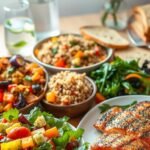
This article turns nutrition guidance into action. You’ll find Clean Eating Recipes and healthy recipes that use whole foods to build nutrient-dense meals for vibrant living. Each section shows you how to craft a clean eating meal plan and a balanced diet with smart techniques, clear swaps, and practical prep.
The USDA Dietary Guidelines for Americans advise keeping added sugars under 10% of daily calories and choosing minimally processed foods to support heart and metabolic health. The American Heart Association underscores fiber, unsaturated fats, and lean protein for steady energy and fullness. We translate those standards into wellness cooking you can use tonight.
Expect seasonal picks, pantry staples, and time-savers that fit real life in the United States. From flavor-forward methods to substitutions that keep taste and texture, this roadmap makes cooking simple, fresh, and budget-wise—one plate at a time.
Key Takeaways
- Build meals around whole foods like vegetables, fruits, whole grains, legumes, nuts, and lean proteins.
- Keep added sugars low and choose minimally processed items to support a balanced diet.
- Use healthy fats—olive oil and avocado—for flavor and heart health.
- Focus on fiber and lean protein to create nutrient-dense meals and steady energy.
- Adopt wellness cooking with simple techniques and seasonal ingredients for vibrant living.
- Follow a clean eating meal plan that is budget-friendly and easy to prep.
- Choose Clean Eating Recipes that prioritize taste, texture, and real-world convenience.
What Clean Eating Means for Everyday Wellness
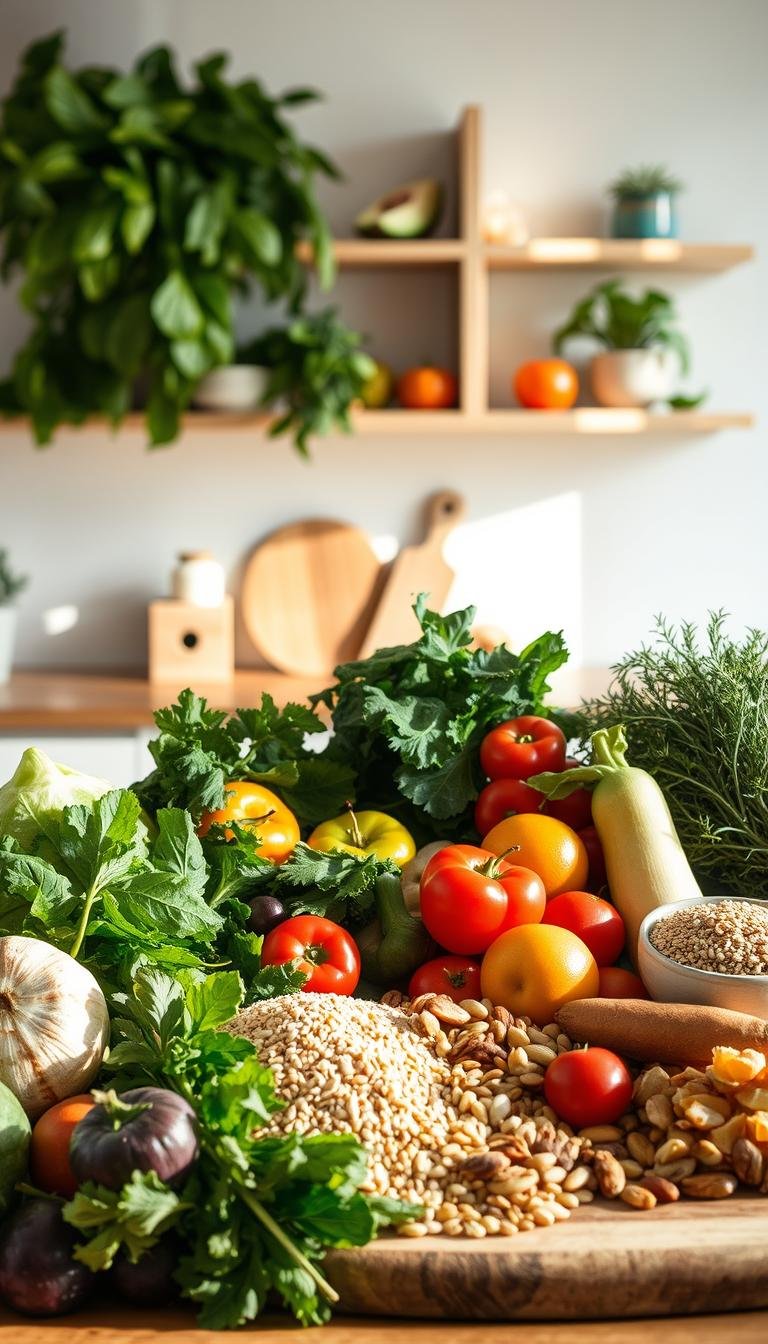
Clean eating is a simple lens for daily choices. It favors a whole foods diet, short ingredient lists, and kitchen methods that keep food close to its natural state. The aim is steady energy, clear focus, and meals that taste fresh.
Think practical, not perfect. Choose clean ingredients most of the time, cook at home when you can, and let small habits add up.
Defining whole, minimally processed foods
Build your plate around items that are minimally processed and easy to recognize. Fresh or frozen produce, plain yogurt, plain nuts, legumes, eggs, seafood, and whole grains fit well. These choices help you avoid heavy use of refined oils and excess sodium.
Aim for foods that look like they came from the field or sea with little change. Oats, brown rice, quinoa, chicken breast, and lentils are reliable starters for a whole foods diet with clean ingredients.
How to read labels and spot hidden additives
Flip to food labels and scan the ingredient list first. Short lists with familiar words signal a better pick. Watch for additives and sources of added sugar, including dextrose, maltose, sucrose, corn syrup, and brown rice syrup.
Check for refined flours, artificial flavors, synthetic dyes, and preservatives like BHA, BHT, or sodium nitrite. Choose items that list real foods up front and avoid products loaded with refined oils when a cold-pressed or extra-virgin option exists.
Balancing macronutrients for steady energy
Build macronutrient balance into each meal. Combine complex carbs from whole grains or tubers with lean or plant protein and healthy fats. This mix supports even blood sugar and better fullness.
Try a simple formula: quinoa or sweet potato, salmon or tofu, plus avocado or nuts. Keep added sugar low, favor olive or avocado oil over refined oils, and make fiber a daily priority for lasting fuel.
| Smart Swap | Why It Fits Clean Ingredients | Macronutrient Balance Benefit |
|---|---|---|
| Oats instead of sugary cereal | Minimally processed grain with no added sugar | Complex carbs for steady release of energy |
| Greek yogurt instead of flavored yogurt | Short list, fewer additives, more protein | Protein boosts satiety and smooths energy |
| Extra-virgin olive oil instead of refined oils | Fewer processing steps; clean ingredients | Healthy fats aid absorption and fullness |
| Whole-grain bread instead of enriched white bread | Fewer refined flours and minimal additives | More fiber supports macronutrient balance |
| Sparkling water with lemon instead of soda | No added sugar or artificial additives | Prevents sugar spikes between meals |
Pantry Essentials for a Clean Kitchen
Build your kitchen around clean pantry staples so weeknight cooking stays fast, affordable, and satisfying. Start with whole grains like old-fashioned oats, steel-cut oats, brown rice, quinoa, farro, bulgur, and 100% whole-wheat pasta. Choose corn tortillas that list “masa harina, water, lime.” Keep dry lentils and split peas, plus canned no-salt-added black beans, chickpeas, and kidney beans for quick protein.
Round out the shelf with nuts and seeds—almonds, walnuts, pistachios, pumpkin seeds, chia, flaxseed, sesame, and tahini. Opt for unsalted and dry-roasted. Stock healthy oils wisely: extra-virgin olive oil for dressings and sautéing, avocado oil for high-heat roasting, and unsweetened coconut milk for occasional richness.
Smart flavor boosts make simple meals pop. Keep garlic, onions, shallots, fresh ginger, and bright citrus like lemons, limes, and oranges. Add apple cider vinegar, balsamic vinegar, and Dijon mustard for depth. A well-chosen rack of herbs and spices—cumin, smoked paprika, turmeric, cinnamon, oregano, thyme, rosemary, chili powder, red pepper flakes, coriander, and bay leaves—turns basics into craveable meals.
For protein, reach for canned wild Alaskan salmon, tuna packed in water, organic or pasture-raised eggs when possible, and low-sodium chicken broth. In the baking corner, store 100% whole-wheat flour, almond flour, and oat flour, plus baking powder (aluminum-free), baking soda, vanilla extract, and unsweetened cocoa powder. Sweeten with restraint using maple syrup, raw honey, and dates.
Practice label reading to avoid added sugars, excess sodium, and artificial additives. Glass jars keep grains and legumes fresh; mark purchase dates and rotate using first in, first out to cut waste. These meal prep basics help you build a practical U.S. grocery list that supports real food cooking any night of the week.
| Category | Best Picks | Use Case | Label Tips |
|---|---|---|---|
| Whole grains | Old-fashioned oats, brown rice, quinoa, farro, bulgur | Breakfast bowls, grain salads, pilafs | Look for “100% whole grain”; short ingredient lists |
| Legumes | No-salt-added black beans, chickpeas, kidney beans; dry lentils | Soups, stews, tacos, quick salads | Choose BPA-NI cans when possible; rinse to reduce sodium |
| Nuts & seeds | Almonds, walnuts, pistachios, pumpkin seeds, chia, flaxseed, tahini | Snacks, toppers, dressings, energy bites | Unsalted, dry-roasted; avoid added oils and sugar |
| Healthy oils | Extra-virgin olive oil, avocado oil, coconut milk (unsweetened) | Dressings, sautéing, roasting, creamy curries | Check “extra-virgin”; confirm no added flavors |
| Flavor builders | Garlic, onions, ginger, citrus, vinegars, Dijon mustard | Marinades, pan sauces, bright finishes | Avoid added sugar in mustards and sauces |
| Herbs and spices | Cumin, smoked paprika, turmeric, oregano, thyme, cinnamon | Seasoning blends, rubs, stews | Single-ingredient jars; check for anti-caking agents |
| Baking & sweeteners | Whole-wheat flour, almond flour, oat flour, maple syrup, dates | Quick breads, pancakes, wholesome treats | Pick aluminum-free baking powder; watch for refined sugars |
| Proteins & broth | Wild Alaskan salmon, tuna in water, eggs, low-sodium chicken broth | Salads, patties, scrambles, soups | Favor “wild caught” and “low-sodium” claims |
| Storage & prep | Glass jars, labels, airtight bins | Freshness, visibility, portioning | Date items; rotate FIFO to support meal prep basics |
| Shopping | Structured U.S. grocery list by aisle | Faster trips, fewer impulse buys | Practice label reading to keep ingredients clean |
Clean Eating Recipes
Plan meals around what is fresh, local, and abundant. This keeps costs down and boosts flavor. Shop a nearby farmers market or join a CSA to build seasonal recipes that feel effortless. Use clean cooking techniques—roast, steam, grill, sauté, and pressure cook—to keep nutrients intact while adding great texture.
Seasonal approach to menu planning
Spring brings asparagus, peas, and strawberries; summer peaks with tomatoes, zucchini, and peaches. In fall, look for squash, apples, and Brussels sprouts, while winter shines with citrus, sweet potatoes, and kale. Base your week on what you see at the farmers market, then portion like MyPlate: half produce, a quarter whole grains, a quarter lean protein.
Batch-cook grains and beans on Sunday, then mix and match through the week. This method supports seasonal recipes without waste and makes dinner decisions simple.
Flavor-building with herbs, spices, and citrus
Start with a small splash of olive oil, then bloom cumin, smoked paprika, or coriander for instant depth. Toast nuts and seeds for crunch and aroma. This is smart flavor layering, and it means you’ll need less salt.
Deglaze a hot pan with lemon or orange juice, or a dash of vinegar, to capture browned bits. Finish with fresh herbs, zest, or a squeeze of citrus to brighten stews, grains, and greens made with clean cooking techniques.
Smart swaps for refined sugar, flour, and oils
Choose 100% whole-wheat or spelt flour for muffins and breads, or try oat flour for a gentle texture. For whole-grain baking, fold in mashed ripe bananas or date paste instead of cane sugar, and use modest maple syrup only when needed.
Trade vegetable shortening for extra-virgin olive oil or avocado oil. Use Greek yogurt to add body to dressings and batters instead of heavy cream. Thicken soups with puréed white beans or cauliflower rather than a roux for healthy swaps that still satisfy.
| Season | Peak Produce | Flavor Layering Tips | Healthy Swaps |
|---|---|---|---|
| Spring | Asparagus, peas, strawberries | Bloom thyme and garlic in olive oil; finish with lemon zest | Greek yogurt in sauces; oat flour for pancakes |
| Summer | Tomatoes, zucchini, peaches, berries | Grill with basil and chili flakes; deglaze with red wine vinegar | Date paste in iced treats; avocado oil for high-heat searing |
| Fall | Squash, apples, Brussels sprouts | Toast walnuts; add sage and apple cider splash | Spelt flour for quick breads; puréed cauliflower to thicken |
| Winter | Citrus, sweet potatoes, kale | Smoked paprika and cumin; brighten with orange juice | Maple in moderation; whole-wheat flour for hearty loaves |
With a cart guided by the farmers market and these healthy swaps, you’ll create seasonal recipes that are vibrant and practical. Keep staples ready for whole-grain baking, cook with olive oil, and lean on clean cooking techniques for meals that taste fresh every night.
Breakfast Boosters with Fresh Produce
A healthy breakfast sets the tone for steady energy and clear focus. Build your plate around produce, whole grains, and a protein breakfast target of 20–30 grams for lasting satiety. Simple steps and fresh add-ins make busy mornings easier.
Veggie-packed egg bakes and scrambles
For an easy egg bake, whisk eggs with a splash of milk and olive oil, then fold in sautéed spinach, bell peppers, mushrooms, and tomatoes. Add dill, chives, and a light sprinkle of feta. Bake until set for a protein breakfast you can slice all week.
Prefer the stove? Scramble eggs or tofu with onions, zucchini, and kale. Season with turmeric and black pepper for color and aroma. Serve with a quick veggie omelet on the side or tucked into whole-grain toast for a high-fiber breakfast.
Overnight oats with fruit and seeds
Mix old-fashioned oats with dairy or unsweetened almond milk, then stir in chia seeds for omega-3s and a creamy texture. Add blueberries or diced apples, plus cinnamon. Portion this overnight oats recipe into Mason jars and chill for 3–4 days.
Top in the morning with walnuts for ALA fats and a spoon of plain Greek yogurt for extra protein. This make-ahead bowl is a healthy breakfast that travels well and keeps you full.
Smoothie bowls with balanced macros
Blend spinach, frozen berries, and banana with plain Greek yogurt or unsweetened pea protein. Add ground flaxseed for fiber and texture. Pour into a bowl and finish with sliced fruit, pumpkin seeds, and a drizzle of almond butter for a balanced smoothie bowl.
Each option above supports a high-fiber breakfast and a steady protein breakfast. Rotate an egg bake, a veggie omelet, an overnight oats recipe with chia seeds, and a colorful smoothie bowl to keep mornings fresh and doable.
Wholesome Lunches You Can Meal Prep
Build a week of meal prep lunches that hold 3–4 days in the fridge, following FDA guidance. Aim for 20–40 g protein and 8–12 g fiber per serving to stay sharp through the afternoon. Store in airtight glass, label dates, and pack dressings on the side.
Start with make-ahead bowls using quinoa or brown rice. Add roasted broccoli, carrots, and cauliflower, then top with baked chicken breast, tofu, or lentils. These grain bowls stay fresh, reheat well, and make strong office lunch ideas without losing texture.
Layer Mason jar salads to keep greens crisp. Dressing goes first, then cucumber, beans, and grains, with kale or romaine on top. Shake before eating for balanced, high-fiber lunches that travel well.
Cook a pot of lentil or minestrone soup and portion into jars. Reheat to 165°F for safety, then pair with fruit and a handful of nuts. This method keeps meal prep lunches simple and satisfying.
Wraps offer fast variety. Use 100% whole-wheat tortillas or sturdy collard leaves with hummus, shredded chicken, and crunchy veggies. They fit neatly in a lunch box and round out office lunch ideas with clean ingredients.
Pro move: add citrusy vinaigrettes or yogurt-herb sauces at the last minute to brighten make-ahead bowls and Mason jar salads without sogginess.
| Prep Idea | Core Build | Protein Target | Fiber Target | Storage Tip | Why It Works |
|---|---|---|---|---|---|
| Grain Bowls | Quinoa or brown rice + roasted broccoli, carrots, cauliflower | 30–35 g with baked chicken, tofu, or lentils | 9–12 g from grains and veggies | Keep sauce separate; reheat base only | Stable texture and easy to scale for make-ahead bowls |
| Mason Jar Salads | Dressing, cucumber, beans, grains, then kale or romaine | 20–30 g with chickpeas, tuna, or grilled turkey | 10–12 g from beans and greens | Store upright; shake before eating | Layers prevent soggy greens and support high-fiber lunches |
| Soup Jars | Lentil or minestrone with vegetables and herbs | 20–25 g from lentils or diced chicken | 8–10 g from legumes and veg | Reheat to 165°F; cap after cooling | Comforting, budget-friendly office lunch ideas |
| Whole-Grain Wraps | 100% whole-wheat tortilla or collard + hummus, chicken, crunchy veg | 25–30 g from poultry or tofu | 8–10 g from wrap, hummus, and veg | Wrap in parchment; pack dressing separately | Handheld, neat, and great for meal prep lunches |
Round out each box with a crisp apple or berries and a small pack of almonds or walnuts. This keeps grain bowls, Mason jar salads, and wraps balanced, tasty, and ready for any weekday rush.
Light and Nourishing Dinners
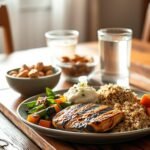
Weeknights call for simple, healthy dinners that still taste bright and fresh. Think fast prep, color on the plate, and balanced portions built around lean protein, smart carbs, and plenty of produce. Keep sodium in check with herbs, citrus, and garlic, and aim for 500–650 calories for most adults, adjusting for activity.
Sheet-pan meals for quick weeknights
A sheet pan dinner keeps cleanup easy and makes it simple to load up on roasted vegetables. Roast at 400–425°F with avocado oil, then finish with lemon or orange for a clean, bright flavor.
- Baked salmon with asparagus and lemon slices; add thin red onion for a sweet edge.
- Chicken thighs with sweet potatoes and Brussels sprouts; sprinkle smoked paprika.
- Tofu with broccoli and bell peppers; brush a low-sodium tamari–ginger glaze.
Use MyPlate-style portions: half veggies, a quarter whole grains or starchy veg, and a quarter lean protein.
Lean proteins with vibrant veggie sides
Rotate lean protein like skinless chicken, turkey, cod, shrimp, or plant options such as tempeh. Pair with sides that add fiber and color to keep healthy dinners satisfying.
- Garlicky sautéed greens with olive oil and a squeeze of lemon.
- Cauliflower mash with chives for a creamy, light swap.
- Herbed quinoa or farro for nutty depth and steady energy.
- Roasted vegetables like carrots and zucchini with thyme.
For fast flavor, rely on parsley, dill, cumin, and a splash of apple cider vinegar instead of extra salt.
One-pot stews and grain skillets
One-pot meals and skillet dinners deliver comfort without a sink full of dishes. Layer aromatics first, then add broth, legumes, grains, and greens.
- Vegetable and bean stew with tomatoes, kale, and cannellini beans.
- Moroccan-inspired chickpea tagine with cumin, coriander, and cinnamon.
- Farro skillet with mushrooms, thyme, and a finish of lemon zest.
Simmer until grains are tender, then adjust with fresh herbs and citrus. Serve with a crisp salad to round out the plate.
Plant-Forward Power Bowls
Build meals that feel fresh, look bright, and taste bold. These power bowls offer balance, speed, and ease for busy days. They work for families, lunch boxes, and weeknight hunger.
Start simple, then layer flavor. Mix and match to fit cravings or dietary needs. Many bowls double as vegan options with a quick swap of protein or sauce.
Building blocks: grains, greens, protein, crunch
Create grain bowls with a warm base of quinoa, brown rice, or barley. Add a pile of greens like spinach, arugula, or shredded cabbage. Fold in protein—black beans, marinated tofu, edamame, or grilled chicken. Color it up with roasted squash, beets, and tomatoes, then finish with toasted seeds, crushed nuts, or roasted chickpeas for crunch.
Use easy portion cues: 1/2 cup cooked grains, 3–4 ounces protein, unlimited non-starchy vegetables, and 1–2 tablespoons nuts or seeds. This keeps plant-based bowls hearty yet light.
Dressings and sauces without added sugar
Whisk clean, sugar-free dressings that hit all the notes. Try extra-virgin olive oil with lemon, Dijon, and garlic. Stir up tahini-lemon for creaminess, or an avocado–lime crema with Greek yogurt or a dairy-free yogurt for vegan options. Spoon on salsa verde for zip. For umami, add a touch of miso paste or nutritional yeast and check labels for low-sodium picks.
Keep a small jar ready in the fridge. A quick shake turns simple meal prep components into standout bowls.
Batch-cooking components for flexibility
Cook a pot of grains in the Instant Pot or on the stove. Roast trays of seasonal vegetables. Prep proteins on Sunday, then store each piece in separate containers to mix all week. This method helps power bowls come together in five minutes flat.
For more ideas, browse the Healthy Food section on the Creative Food Hub Recipe Blog for plant-forward inspiration that pairs well with your grain bowls and sugar-free dressings.
| Component | Examples | Prep Tip | Best Use |
|---|---|---|---|
| Grains | Quinoa, brown rice, barley | Cook a double batch; cool before storing | Warm base for plant-based bowls |
| Greens | Spinach, arugula, shredded cabbage | Wash, spin dry, and pack with a paper towel | Fresh volume and bite |
| Protein | Black beans, marinated tofu, edamame, grilled chicken | Season lightly; keep portions at 3–4 oz | Flexible vegan options or mixed bowls |
| Crunch | Toasted seeds, crushed nuts, roasted chickpeas | Toast in batches; store airtight | Texture contrast and healthy fats |
| Sauces | Olive oil–lemon–Dijon, tahini-lemon, avocado–lime crema, salsa verde | Make sugar-free dressings; add miso or nutritional yeast for umami | Tie flavors together without added sugar |
| Meal Prep | Instant Pot grains, roasted veggies, chilled proteins | Store separately for 4–5 days | Quick assembly of meal prep components |
High-Protein Options Without the Heaviness
Choose protein that fuels without weighing you down. For light high-protein meals, focus on poultry, plant choices, and seafood cooked with minimal oil. The Dietary Guidelines for Americans encourage variety, including fish twice a week and plenty of plant foods.
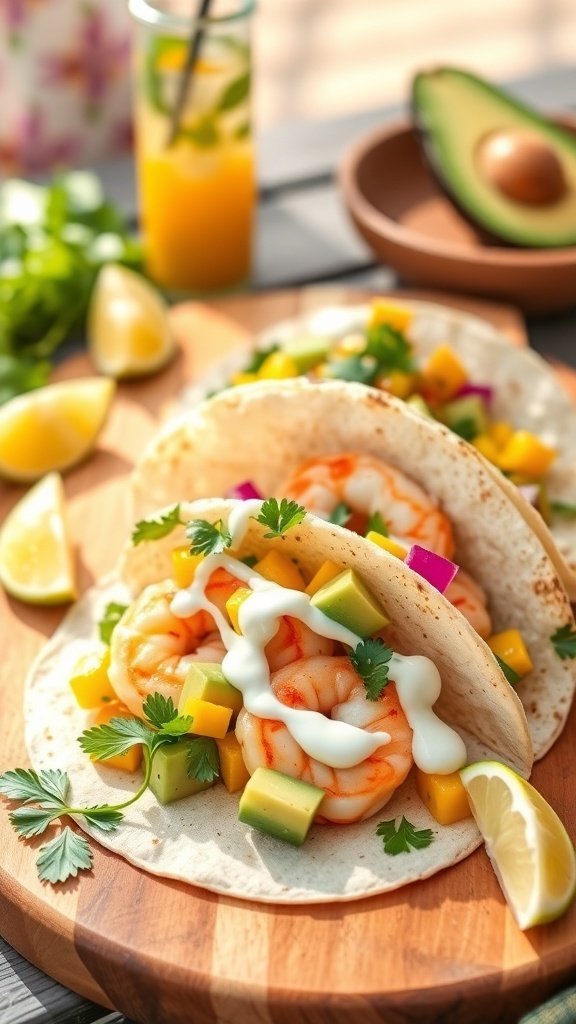
For seafood, grill or bake wild salmon, cod, or shrimp with lemon, garlic, and herbs. These cuts deliver omega-3s and clean flavor. Pair with roasted asparagus or a quinoa side for a macro-friendly plate.
Skinless chicken breasts or turkey tenderloins stay juicy with a quick brine and an oven roast. Add citrus zest and smoked paprika, then serve with a chopped salad and farro. These lean protein recipes help keep saturated fat in check.
Plant power shines with legumes such as lentils, chickpeas, black beans, and edamame. Lentils provide about 18 grams per cup cooked. Combine with brown rice or bulgur and plenty of veggies for complete amino acids and steady energy.
Tofu and tempeh absorb flavor fast. Try a ginger-soy marinade, then air-fry or pan-sear until crisp. Toss with steamed greens and sesame for macro-friendly balance and satisfying crunch.
For dairy, plain Greek yogurt and low-fat cottage cheese offer 15–20 grams per serving. Whisk Greek yogurt with lemon and dill for a light sauce over seafood or chicken, or use it to make creamy dips for raw veggies.
Keep cooking methods gentle: poach, steam, grill, or air-fry to limit added fats. Round out the plate with fiber-rich greens, avocado, nuts, and whole grains to support fullness and even energy across the day.
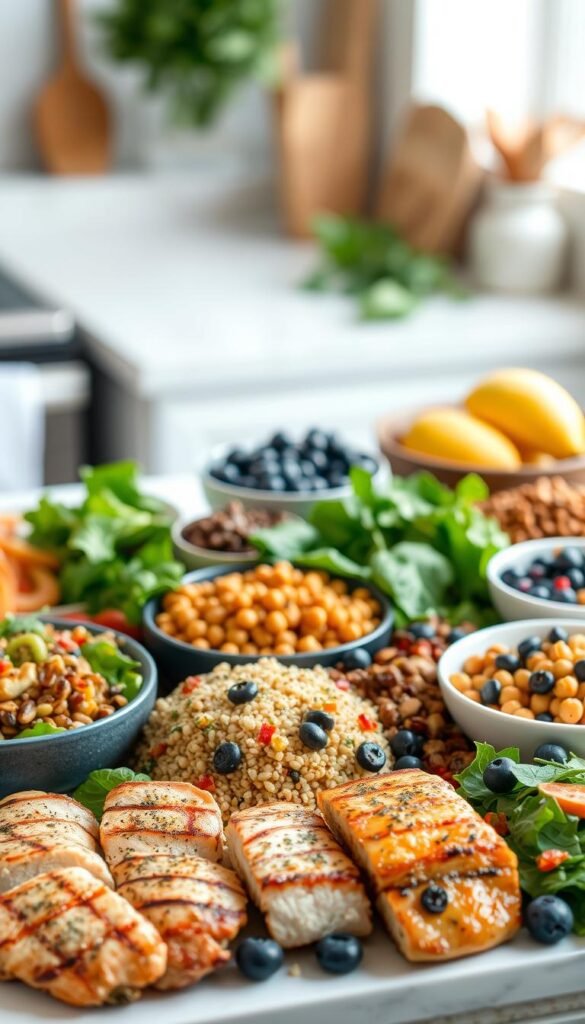
- Quick picks: shrimp with citrus, turkey tenderloin roast, tofu stir-fry with bok choy.
- Smart sides: quinoa, barley, or sweet potatoes plus colorful vegetables.
- Flavor boosts: herbs, spices, citrus, vinegar, and a drizzle of extra-virgin olive oil.
Mix and match these ideas to build lean protein recipes that stay macro-friendly. Rotate legumes, tofu, seafood, and poultry through the week to keep meals lively and light.
Flavorful Salads That Satisfy
Build hearty salads that feel like a meal, not a side. Start with sturdy greens, then layer warm vegetables, protein-rich legumes, and a creamy healthy dressing that ties everything together. Fresh herbs and citrus keep flavors bright without extra salt.
Hearty bases: kale, cabbage, and mixed greens
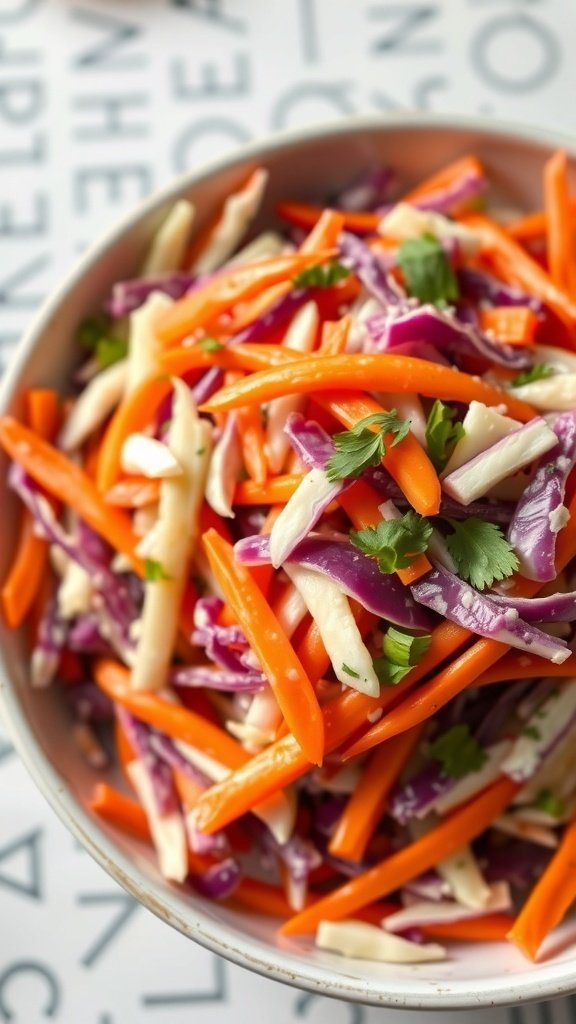
For a balanced bowl, use lacinato kale, shredded cabbage, or a mix of baby greens. A quick massage of kale with olive oil and lemon makes a tender, tasty base for any kale salad. For crunch, fold in a light cabbage slaw to lift texture and keep bites crisp.
Round it out with warm grains like farro or quinoa. Add pumpkin seeds or sliced almonds for snap and steady energy.
Roasted veggies and legumes for substance
Roast sweet potatoes, Brussels sprouts, beets, or cauliflower until edges caramelize. That turns a simple mix into a roasted vegetable salad with depth and comfort. Toss in chickpeas or lentils for a legume salad that brings fiber and lasting fullness.
Season with parsley, dill, or cilantro, then finish with orange zest for a clean, bright lift.
Clean, creamy dressings with yogurt or tahini
Blend tahini with lemon, garlic, and water for a silky vegan drizzle. Or stir Greek yogurt with Dijon, apple cider vinegar, extra-virgin olive oil, and chives for a ranch-style, creamy healthy dressing—no added sugar needed.
If you want a hint of sweet, reduce fresh orange juice or chop a few dates. Toss, taste, and adjust with citrus and herbs until your kale salad, cabbage slaw, or legume salad sings.
- Quick combo: Kale salad + roasted vegetable salad + tahini lemon dressing.
- Crunchy duo: Cabbage slaw + quinoa + toasted pumpkin seeds.
- Protein pick: Legume salad with lentils, beets, and yogurt-herb sauce.
Clean Snacks for Steady Energy
Choose healthy snacks that pair protein and fiber so energy lasts through meetings and school runs. Aim for 150–250 calories with 8–15 grams of protein to stay full without a crash. These ideas also work as office snacks you can keep on hand.
Protein- and fiber-rich grab-and-go ideas
Try apple slices with almond butter, carrots with hummus, or edamame with sea salt. Greek yogurt with berries and chia, or cottage cheese with pineapple, make high-protein snacks that hit the sweet and creamy spot.
Roasted chickpeas travel well, and a small turkey roll-up with avocado gives a savory boost. These picks fit in a lunch bag, support steady blood sugar, and double as quick office snacks.
Homemade bars and trail mixes
Make homemade granola bars by mixing rolled oats, chopped nuts, seeds, nut butter, and date paste or mashed banana. Press into a pan, chill, and slice. Skip syrups high in added sugars to keep them clean.
For a simple trail mix recipe, combine unsalted almonds, walnuts, pumpkin seeds, unsweetened coconut flakes, a few 70% cacao dark chocolate chips, and dried fruit like unsweetened cherries or apricots. Portion about 1/4 cup to manage calories while keeping these healthy snacks satisfying.
Sweet tooth solutions using whole fruit
Fruit snacks can be both fresh and cozy. Bake apple slices with cinnamon, or broil grapefruit with a touch of cardamom for a warm twist. Fresh berries topped with crushed pistachios add crunch and extra protein.
These quick treats deliver fiber and natural sweetness, making them high-protein snacks when paired with Greek yogurt or ricotta. They travel well as office snacks and round out a clean trail mix recipe or homemade granola bars for a balanced mini meal.
| Snack Idea | Protein (g) | Fiber (g) | Why It Works |
|---|---|---|---|
| Greek yogurt with berries and chia | 12–15 | 5–7 | High-protein snacks with added omega-3s and antioxidants |
| Apple + almond butter | 4–6 | 4–5 | Healthy snacks that pair slow carbs and healthy fats |
| Homemade granola bars (oats, nuts, seeds) | 8–10 | 4–6 | Steady energy from whole grains and nuts |
| Trail mix recipe (nuts, seeds, dark chocolate, dried fruit) | 6–8 | 3–4 | Portable office snacks with sweet-salty balance |
| Berries with crushed pistachios | 4–5 | 5–6 | Fruit snacks with crunch and minerals |
Soups, Stews, and Broths for Comfort
Warm bowls make clean eating easy. Vegetables simmer down, fiber concentrates, and flavors bloom. These healthy soup recipes keep prep simple while packing real nourishment.
Try a bright minestrone as a weeknight staple. Tomatoes, zucchini, spinach, and cannellini beans deliver color, micronutrients, and plant protein. This kind of bean soup tastes rich without cream and lands well with a side salad or a slice of whole-grain bread.
For a hearty lunch, ladle up lentil soup with carrots, celery, garlic, and a pinch of cumin. Lentils bring iron and folate, while the aromatics build depth. Add lemon at the end for a clean finish.
Chicken and wild rice soup offers lean protein and whole grains in one pot. Keep sodium in check by seasoning with herbs and a squeeze of citrus instead of extra salt.
Homemade stock lifts every bowl. Save onion skins, carrot peels, celery tops, and mushroom stems for a savory base. For omnivores, a gentle simmer of chicken bones with apple cider vinegar, onions, and bay leaves yields collagen-rich bone broth; skim the fat as it rises for a clean result.
Use tools that cut hands-on time. A slow cooker soup burbles away while you work, and an Instant Pot soup delivers the same tender bite in a fraction of the time. Batch-cook and freeze in quart containers, then thaw in the refrigerator overnight for safe, easy meals.
For deeper comfort, build a rustic vegetable stew with potatoes, carrots, and leafy greens. Finish with olive oil and fresh herbs for a silky sheen and a bright aroma.
Gluten-Free and Dairy-Free Friendly Choices
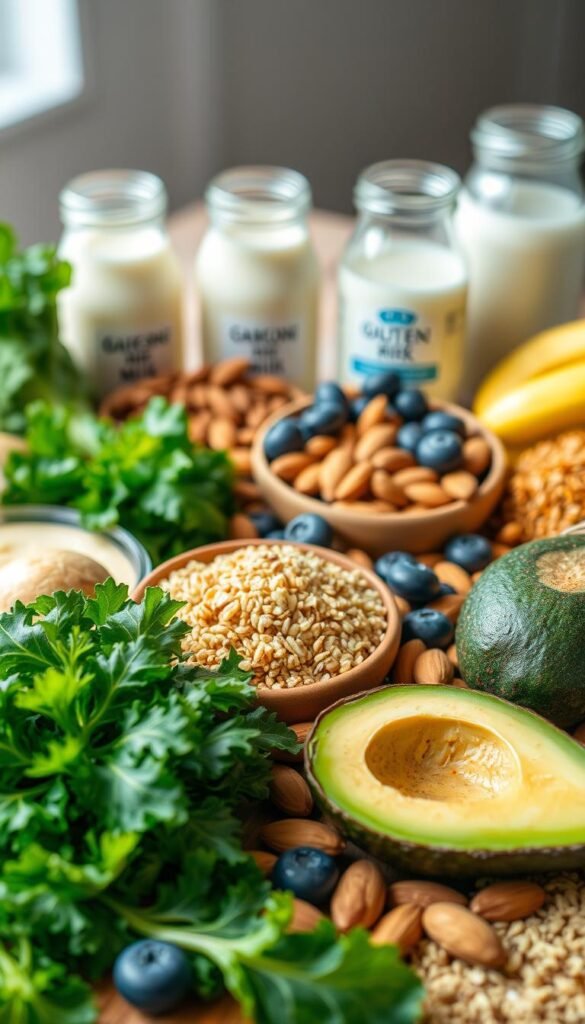
Clean eating can be both flexible and flavorful. With the right swaps, you can enjoy gluten-free recipes and dairy-free recipes that feel full and satisfying. These choices are celiac-safe and lactose-free when labels are checked and prep habits support strong kitchen safety.
Naturally gluten-free grains and starches
Build your plate with quinoa, brown rice, buckwheat, millet, certified gluten-free oats, corn, potatoes, and sweet potatoes. For gravies and stir-fry sauces, use arrowroot or cornstarch in place of wheat flour. These pantry picks make weeknight gluten-free recipes fast and reliable.
Read labels to confirm celiac-safe status. Scan for hidden gluten such as malt or modified food starch. Store these staples in sealed containers to support kitchen safety and avoid mix-ups.
Dairy-free creaminess with nuts and veggies
Create lush texture with cashew cream, tahini, and coconut milk. Pureed cauliflower or white beans add body to soups and nut-based sauces without heaviness. These swaps keep dishes lactose-free and work across dairy-free recipes from pasta to curries.
If you enjoy plant-based cheese, pick brands with short ingredient lists and minimal additives. For nutrition needs, choose lactose-free milk or fortified soy milk to help maintain calcium and vitamin D.
Cross-contamination tips in the home kitchen
Keep celiac-safe tools separate. Use dedicated toasters and cutting boards, and clean shared surfaces before prepping gluten-free recipes. Store gluten-free items on upper shelves so crumbs cannot fall onto them.
Make kitchen safety a habit: use certified gluten-free products when possible, and check labels for casein, whey, and other dairy terms. Wash hands and utensils between tasks, especially when moving from bread or cheese to nut-based sauces or coconut milk-based dishes.
Low-Sugar Desserts with Real Ingredients
Sweet can be simple. Build healthy desserts with whole fruit, nuts, and dark chocolate so flavor shines without heavy syrups. Aim for no refined sugar desserts that still taste rich and satisfying.
Baked fruit, dark chocolate, and nut-based treats
Try a baked fruit dessert: pears or apples stuffed with walnuts, oats, and a dusting of cinnamon. Heat draws out juices, giving a caramel note without extra sweeteners. Add a spoon of Greek yogurt for cream.
Choose dark chocolate at 70% cacao or higher for deep flavor and a touch of bitterness. Keep it simple with 1 to 1.5 ounces alongside fresh berries. For date-sweetened options, blend dates and almonds, then roll the mix in cocoa or coconut for quick truffles.
Nut-based cookies work well too. Stir peanut butter, oats, and mashed banana for a soft, chewy bite. Use unsweetened cocoa and pure vanilla extract to keep ingredients clean.
Portion-smart sweet endings
Practice portion control with small ramekins and 4–6 ounce glasses. Cut brownies into bite-size squares and serve fruit-forward parfaits layered with yogurt and citrus zest. A defined serving lets each treat feel special.
Plate with intention: a few truffles, a square of dark chocolate, or one warm apple half can be enough. Slow down, savor, and let texture carry the moment.
Using spices to enhance natural sweetness
Lean on spice blends like cinnamon, nutmeg, cardamom, and ginger to boost perceived sweetness. A touch of vanilla or orange zest lifts aroma, so you can keep no refined sugar desserts truly light.
Build layers: warm spices for baked fruit dessert, a pinch of sea salt for dark chocolate, and a hint of clove in date-sweetened treats. Small tweaks turn simple ingredients into memorable, healthy desserts.
Budget-Friendly Clean Eating Strategies
Plan weekly menus around store flyers and seasonal produce deals. Build a short list of flexible dishes—soups, bowls, and stir-fries—that bend to what’s marked down. This is the heart of budget clean eating and keeps shopping focused.
Buy staples in bulk at Costco and value-focused aisles at Aldi. Oats, rice, beans, and frozen veggies stretch into affordable healthy meals all month. Choose whole chickens to roast, then use the meat for salads and tacos, and simmer the bones into broth.
Lean on pantry cooking for quick wins. Combine canned tomatoes, tuna, garlic, and whole grains for a fast dinner. Keep peanut butter, eggs, carrots, cabbage, potatoes, bananas, and yogurt on hand; they deliver high nutrients for low cost.
Make time for batch cooking. Cook a pot of dry beans or lentils, portion, and freeze. Roast trays of root vegetables and chicken thighs on Sunday, then mix and match through the week.
Reduce waste with smart storage. Set crisper drawers to the right humidity, stash washed greens in breathable containers, and freeze overripe bananas for smoothies. Label leftovers with dates so nothing gets lost.
- Shop first for seasonal produce deals, then write the menu.
- Use whole grains and legumes as the base for affordable healthy meals.
- Choose bulk buys at Costco and weeknight fillers from Aldi.
- Rotate “pantry nights” to clear shelves and inspire pantry cooking.
- Adopt a mix-and-match bowl formula: grain + veg + protein + sauce.
Sample flexible template: brown rice, roasted carrots and cabbage, shredded roast chicken, lemon-tahini sauce. Swap in lentils, sweet potatoes, or tofu based on what’s on sale. That’s everyday budget clean eating without sacrificing flavor.
Time-Saving Tips for Busy Weeknights
Short on time but want quick healthy dinners? Build a smart rhythm for weeknight meal prep that reduces stress and keeps flavor high. A few reliable moves—like batch cooking, stocking freezer meals, and leaning on 30-minute recipes—turn busy nights into smooth ones.
30-minute meals and batch-cook rotations
Create a rotating roster of 30-minute recipes you can make on autopilot. Try sheet-pan salmon with broccoli, tofu stir-fry over brown rice, chickpea tomato curry, and turkey lettuce wraps. Each one fits the bill for quick healthy dinners without fuss.
Pair that list with simple batch cooking. Roast chicken and bake tofu, cook quinoa and brown rice, then prep roasted cauliflower and sautéed greens. Mix and match all week for weeknight meal prep that feels fresh.
Freezer-friendly basics and reheating tips
Keep a small stash of freezer meals ready: cooked beans, brown rice, whole-grain waffles, veggie soups, turkey meatballs, and pesto frozen in ice-cube trays. Thaw overnight in the fridge or use the microwave’s defrost setting, and reheat leftovers to 165°F, following USDA food safety guidance.
These basics speed up quick healthy dinners on hectic days. They also stretch budgets and cut food waste.
Using a prep day to streamline cooking
Choose a Sunday prep window to wash and chop produce, roast vegetables, cook grains, and whisk two dressings. Store everything in clear containers so you see what you have and use it.
Round it out with a “speed pantry”: canned fish, pre-washed greens, frozen vegetables, and pre-cooked lentils. This setup powers weeknight meal prep and keeps 30-minute recipes within reach.
| Strategy | What to Prep | How It Saves Time | Use It For |
|---|---|---|---|
| Batch Cooking | Roasted chicken, baked tofu, quinoa, brown rice, roasted cauliflower, sautéed greens | Pre-cooked building blocks cut nightly steps | Mix-and-match bowls, tacos, and quick healthy dinners |
| Freezer Meals | Cooked beans, veggie soups, turkey meatballs, pesto cubes, whole-grain waffles | Heat-and-eat options for busy nights | Last-minute meals and lunch backups |
| 30-Minute Recipes | Sheet-pan salmon, tofu stir-fry, chickpea curry, turkey lettuce wraps | Fast, simple methods with minimal cleanup | Reliable weeknight meal prep wins |
| Sunday Prep | Chopped produce, cooked grains, two dressings, organized “speed pantry” | Front-loads effort to reduce weekday decisions | Grab-and-cook dinners in 20–30 minutes |
Conclusion
Clean eating recipes work best when they are simple, flavorful, and easy to repeat. By choosing whole foods, seasonal produce, lean meats, beans, and healthy fats, you build meals that fuel your day without fuss. This approach supports a clean eating lifestyle grounded in healthy habits and sustainable nutrition, not a short-term diet.
A stocked pantry and a few core methods—sheet-pan roasting, one-pot simmering, and quick sautés—make meal planning feel doable. Smart swaps for sugar, refined flour, and heavy oils keep flavor high and the ingredient list clean. With these tools, holistic wellness becomes part of the routine, from breakfast to dessert.
The sections above offer step-by-step guidance for the United States home cook: shop with a list, prep on a set day, and cook in efficient batches. You can mix and match components for fast lunches and light dinners that satisfy. This rhythm turns everyday cooking into sustainable nutrition with room for creativity and balance.
Use this guide as ongoing recipe inspiration. Keep your menu seasonal, your flavors bright, and your portions mindful. With steady meal planning and a focus on healthy habits, you can enjoy vibrant food that supports holistic wellness all week long.
FAQ
What does clean eating mean for everyday wellness?
Clean eating focuses on whole, minimally processed foods like vegetables, fruits, whole grains, legumes, nuts, seeds, and lean proteins. It emphasizes healthy fats such as extra-virgin olive oil and avocado, limits added sugars and sodium per USDA guidance, and supports steady energy and heart health. Following patterns promoted by Harvard T.H. Chan School of Public Health and the American Heart Association helps reduce chronic disease risk.
How do I spot hidden additives and added sugar on food labels?
Check the ingredients list and the “Added Sugars” line per FDA rules. Watch for dextrose, maltose, sucrose, corn syrup, and brown rice syrup. Avoid artificial colors (FD&C dyes), artificial flavors, and preservatives like BHA, BHT, and sodium nitrite. Choose short, recognizable lists such as “tomatoes, olive oil, basil, salt,” and opt for BPA-NI canned tomatoes when available.
How should I balance macronutrients for steady energy?
Build each meal with complex carbs (quinoa, oats, sweet potatoes), lean or plant protein (chicken breast, tofu, lentils, Greek yogurt), and healthy fats (olive oil, nuts, seeds). Aim for 25–38 g of fiber daily and keep added sugars under 10% of calories. Research in the American Journal of Clinical Nutrition supports this balance for blood glucose control and satiety.
What are must-have pantry essentials for a clean kitchen?
Stock old-fashioned oats, brown rice, quinoa, farro, bulgur, 100% whole-wheat pasta, and corn tortillas made with masa harina. Include no-salt-added beans, dry lentils, almonds, walnuts, chia, flaxseed, tahini, extra-virgin olive oil, avocado oil, canned wild Alaskan salmon, tuna in water, and low-sodium chicken broth. Keep garlic, onions, ginger, citrus, apple cider vinegar, Dijon mustard, and spices like cumin, turmeric, smoked paprika, and oregano.
How do I plan seasonal clean eating recipes?
Use the USDA SNAP-Ed Seasonal Produce Guide. In spring, try asparagus and peas; in summer, tomatoes and zucchini; in fall, squash and apples; in winter, citrus and kale. Seasonal produce is fresher, budget-friendly, and nutrient-dense. Shop farmers markets or a CSA for peak flavor and value.
What are smart swaps for refined flour, sugar, and oils?
Replace refined flour with 100% whole-wheat, spelt, or oat flour. Sweeten with date paste, mashed banana, or a touch of maple syrup instead of cane sugar. Swap shortening with olive or avocado oil. For creaminess, use Greek yogurt in dressings and batters, and thicken soups with pureed white beans or cauliflower.
How can I make veggie-packed breakfasts that keep me full?
Try egg bakes and tofu scrambles with spinach, peppers, and mushrooms, seasoned with dill, chives, turmeric, and black pepper. Prep overnight oats with chia, blueberries, cinnamon, and walnuts. Blend balanced smoothie bowls with spinach, frozen berries, banana, Greek yogurt or pea protein, plus flaxseed. Aim for 20–30 g of protein at breakfast.
What meal-prep lunches stay fresh for 3–4 days?
Build grain bowls with quinoa or brown rice, roasted broccoli and carrots, and baked chicken, tofu, or lentils. Pack dressings separately. Mason jar salads layer dressing, sturdy veg, grains, then greens. Portion lentil or minestrone soup into jars and reheat to 165°F. Include fruit and a handful of nuts for fiber and healthy fats.
What are quick, light dinner ideas on busy nights?
Sheet-pan meals are a win: salmon with asparagus and lemon, or chicken with sweet potatoes and Brussels sprouts. Try one-pot stews with tomatoes, kale, and cannellini beans, or a farro skillet with mushrooms and thyme. Cook at 400–425°F with avocado oil and finish with citrus to boost flavor without extra sodium.
How do I build a plant-forward power bowl?
Start with a base of brown rice, quinoa, or barley; add greens like arugula or cabbage; layer protein such as black beans, edamame, grilled chicken, or marinated tofu; top with roasted vegetables and a crunchy element like toasted pumpkin seeds. Dress with tahini-lemon, olive oil–Dijon, avocado–lime crema, or salsa verde—no added sugar.
What high-protein options feel light but satisfying?
Choose seafood like wild salmon, cod, and shrimp; skinless chicken or turkey; and plant proteins including lentils, chickpeas, black beans, tofu, and tempeh. Greek yogurt and low-fat cottage cheese offer 15–20 g protein per serving. Cook by grilling, steaming, poaching, air-frying, or roasting to limit added fats.
How can salads be both flavorful and filling?
Use hearty bases such as lacinato kale, shredded cabbage, or mixed greens. Add roasted vegetables and legumes for fiber and protein, plus grains like farro or quinoa. Make clean, creamy dressings with tahini, lemon, garlic, or Greek yogurt, Dijon, and apple cider vinegar. Finish with herbs, citrus zest, and pumpkin seeds.
What are clean snacks that deliver steady energy?
Pair protein and fiber: apple with almond butter, carrots with hummus, Greek yogurt with berries and chia, or edamame with sea salt. Make homemade bars from rolled oats, nuts, seeds, and date paste. Mix trail mix with unsalted nuts, pumpkin seeds, unsweetened coconut, dark chocolate chips, and dried fruit. Keep snacks around 150–250 calories with 8–15 g protein.
Which soups and stews fit a clean eating plan?
Try vegetable minestrone with zucchini and cannellini beans, lentil soup with cumin, or chicken and wild rice soup. Build broths from vegetable scraps or chicken bones with apple cider vinegar and bay leaves. Use a slow cooker or Instant Pot to save time, then batch and freeze in quart containers.
What are easy gluten-free and dairy-free swaps?
Use quinoa, brown rice, buckwheat, millet, certified gluten-free oats, corn, and potatoes for grains. Thicken with arrowroot or cornstarch. For creaminess, blend cashew cream, tahini, coconut milk, or pureed cauliflower or white beans. Prevent cross-contamination by using separate toasters and boards and checking labels for malt, modified food starch, casein, and whey.
How can I enjoy low-sugar desserts with real ingredients?
Bake apples or pears with walnuts, oats, and cinnamon. Enjoy 70% dark chocolate with berries. Make date-and-almond truffles or peanut butter oat cookies sweetened with banana. Use spices—cinnamon, nutmeg, cardamom, ginger, vanilla—and citrus zest to enhance sweetness while keeping added sugar low.
How do I keep clean eating on a budget?
Plan menus around sales and in-season produce. Buy in bulk at Costco, Sam’s Club, Aldi, or Trader Joe’s. Cook dry beans and lentils, roast whole chickens, and make broth from carcasses. Embrace pantry nights with canned tomatoes, tuna, and whole grains. Prioritize budget-friendly staples like oats, eggs, carrots, cabbage, potatoes, bananas, peanut butter, and yogurt.
What time-saving tips help on weeknights?
Keep a roster of 30-minute meals like sheet-pan salmon, tofu stir-fry, chickpea curry, and turkey lettuce wraps. Batch-cook two proteins, two grains, and two vegetables for mix-and-match meals. Stock freezer basics—cooked beans, brown rice, veggie soups, turkey meatballs, pesto cubes—and reheat leftovers to 165°F per USDA Food Safety. Use a weekly prep day for washing, chopping, roasting, and making two dressings.
How do I manage sodium while keeping flavor?
Build flavor with herbs, spices, garlic, fresh ginger, citrus juice, and vinegars like balsamic or apple cider. Bloom spices in a little olive oil, toast nuts and seeds, and finish dishes with lemon zest or a squeeze of lime. Choose low-sodium tamari or coconut aminos and taste before salting.
What are good oils to cook with and when?
Use extra-virgin olive oil for dressings and low to medium heat sautéing. Choose avocado oil for high-heat roasting and searing. Coconut milk works for occasional richness. These options provide unsaturated fats that support heart health when used in moderation.
How can I maintain fiber intake for satiety?
Aim for 25–38 g of fiber daily from oats, quinoa, farro, beans, lentils, chickpeas, berries, apples, leafy greens, chia, and flaxseed. Include fiber at every meal and snack to support digestion, steady energy, and fullness, as recommended by the Institute of Medicine.