Healthy Fruit & Nut Snack Ideas for On-the-Go
Here’s a shocker: the average American spends about 27 minutes a day eating, yet more than half of snacks are grabbed on the move, according to the USDA and market surveys. That means your quick bite can make or break your energy. This guide turns that scramble into smart, healthy snacking with simple, portable snacks that actually fuel your day.
This Website contains affiliate links. That means I may earn a small commission if you purchase through my links, at no extra cost to you.
We’ll focus on Fruit & Nut Snack Ideas that work for commuters, travelers, parents, and office workers. Think crisp apples with almonds, tart cherries with pistachios, and walnuts with dried figs—nutritious snack ideas that deliver fiber, plant protein, and healthy fats. These energy-boosting snacks help keep blood sugar steadier between meals, so you can get more done without the afternoon crash.
Expect friendly, step-by-step tips grounded in U.S. guidance from the USDA and FDA, plus real-world notes on TSA rules and school policies. You’ll find healthy snacks for busy people that are easy to prep, easy to pack, and easy to love. If you want on-the-go snacks that taste great and work hard, you’re in the right place for healthy snacking.
Key Takeaways
- Fruit & Nut Snack Ideas offer fiber, healthy fats, and plant protein for steady energy.
- Portable snacks help busy people avoid sugar spikes and midafternoon crashes.
- Simple pairings—like berries with walnuts—make nutritious snack ideas fast and tasty.
- Energy-boosting snacks can fit TSA rules and school guidelines when chosen wisely.
- USDA- and FDA-informed tips support smart portions and safe, healthy snacking.
- On-the-go snacks can be prepped in minutes and stay fresh with the right containers.
Why On-the-Go Snacking Matters for Busy Lifestyles
Meetings run long, traffic crawls, and lunch gets pushed back. That is where portable nutrition shines. Planning small bites for gaps between meals builds healthy snack habits that fit real life, from workplace snacks to commute snacks.
Benefits of portable nutrition
The benefits of healthy snacks show up in better focus, steadier mood, and fewer midafternoon slumps. When fiber, protein, and healthy fats team up, they act like sustained energy snacks that help keep blood sugar steady. Pre-portioned packs reduce impulse buys and support healthy snack habits at the office and on the road.
- Supports satiety between meetings and calls
- Lowers the urge to overeat at meals
- Makes workplace snacks and commute snacks easier to plan
Common pitfalls of convenience snacks
Many convenience snacking choices rely on refined grains, added sugars, and excess sodium. These options can spike energy fast and crash it just as quickly. Checking labels and keeping portable nutrition on hand helps avoid vending machines and drive-thrus during hectic days.
- Watch for added sugars listed early in ingredients
- Note sodium per serving, especially in savory bites
- Choose whole-food snacks to maintain steady energy
How fruit and nuts support sustained energy
Fruit brings water, fiber, and natural sweetness that digest more slowly in a whole-food matrix. Nuts add protein, minerals, and heart-smart fats for long-lasting fuel. Together, they form sustained energy snacks that work as workplace snacks or commute snacks without weighing you down.
Pair an apple with almonds, or berries with pistachios or walnuts, to balance carbs with fat and protein. This simple move anchors portable nutrition and builds healthy snack habits that deliver the benefits of healthy snacks all day.
Quick Nutrition Basics for Fruit and Nuts
Smart snacking starts with a quick look at fruit nutrition and nut nutrition. Pairing the two creates fiber-rich snacks with healthy fats and steady energy. Keep an eye on serving sizes so each bite works for you.
Macronutrients at a glance
Most fruits deliver water, natural carbs, and fiber. Berries and apples are standouts for pectin and slower sugar release. Grapes and citrus offer quick energy with hydration.
Nuts add healthy fats for fullness, plus plant protein for protein snacks. Almonds and peanuts feature oleic acid, while walnuts bring omega-3 ALA. One ounce of nuts typically offers 4–7 grams of protein and useful fiber.
Micronutrients that boost wellness
Fruits pack potent micronutrients. Citrus and strawberries supply vitamin C. Bananas and apricots deliver potassium. Dried apricots and raisins contribute iron in compact form.
Nuts round out the micronutrients with magnesium and vitamin E in almonds. Brazil nuts provide selenium—stick to 1–2 daily. Cashews and pistachios add zinc for everyday support.
Ideal serving sizes for smart snacking
Think in simple serving sizes. One medium apple, one cup of berries, or a quarter-cup of unsweetened dried fruit equals a fruit serving. Pair that with one ounce of nuts—about 23 almonds, 49 pistachios, or 14 walnut halves.
Aim for 150–250 calories per snack depending on your day. Combine fruit nutrition with nut nutrition to balance macronutrients and micronutrients. Choose unsalted, dry-roasted, or raw nuts and dried fruit with no added sugar for clean, fiber-rich snacks and satisfying protein snacks.
Fruit & Nut Snack Ideas
Build quick bites that travel well and taste great. Lean on classic snack pairings and simple prep. These lunchbox ideas use fresh fruit, crunchy nuts, and balanced snack flavor profiles to keep energy steady on busy days.
Classic pairings that never fail
- Apple slices with almond butter or apple and peanut butter.
- Banana with peanut butter and a sprinkle of chopped peanuts.
- Grapes with walnuts for a juicy-crunch duo.
- Pears with pecans; add a dusting of cinnamon if you like.
- Fresh almond and berries with lightly salted pistachios on the side.
These classic snack pairings hit sweet, crisp, and creamy notes. They pack fast and hold up in a tote or backpack.
Flavor profiles: sweet, salty, tart, and savory
- Sweet: Dates stuffed with almond butter and cacao nibs; dried cherries with dark chocolate chips and almonds.
- Salty/tart: Green apple with sharp cheddar and cashews; tart cherries with salted pistachios; citrus segments with roasted almonds and a pinch of sea salt.
- Savory: Roasted chickpeas with walnuts and a few olive-cured olives; cucumber slices with lemon, chili, and peanuts; grape tomatoes with mozzarella pearls and pine nuts.
Mix textures to refine snack flavor profiles. A little acid cuts richness, while a touch of salt makes fruit pop.
Kid-friendly combinations for lunchboxes
- Strawberry “boats” topped with yogurt and crushed pistachios.
- Mini rice cakes with peanut or sunflower seed butter and banana coins.
- Mandarin oranges with cashews for a bright, easy bite.
- Raisins with unsalted peanuts—the classic mix—check school rules first; swap in roasted pumpkin seeds or roasted chickpeas if nut-free.
- Add crunch with no-sugar-added freeze-dried fruit to keep lunchboxes tidy.
These kid-friendly snacks are quick to assemble and travel well. Keep portions small, and rotate in almond and berries or apple and peanut butter to refresh your lunchbox ideas week to week.
Seasonal Pairings for Peak Freshness
Lean into seasonal fruit for peak taste, texture, and value. These seasonal snacks turn fresh produce snacks into quick wins, whether you shop at a local market or a favorite grocery chain. Use the USDA Seasonal Produce Guide to time your buys with regional harvests.
Pro tip: Pack nuts in small zip bags and pair with fruit right before eating. This keeps crunch and helps portions stay on track during commutes or school runs.
Spring-inspired mixes
Try strawberries with pistachios for color and crunch. Add cherries with a square of dark chocolate and almonds for a bright bite. Apricot halves with cottage cheese and slivered almonds feel creamy yet light.
For a crisp option, pack snap peas with hummus and a side of walnuts. These spring snacks celebrate seasonal fruit and keep energy steady.
Summer travel-friendly picks
Choose travel-tough summer snacks like apples, grapes, firm peaches, and bananas. Pair with cashews or peanuts for staying power. Dried mango with macadamias travels well on road trips.
When a cooler is handy, pack watermelon cubes with feta and pumpkin seeds. Blueberries with yogurt and granola mixed with pecans make fresh produce snacks that fit busy days.
Fall harvest flavors
Lean into fall flavors with apples and cinnamon-dusted walnuts. Pears match well with hazelnuts for mellow sweetness. Dried cranberries with pecans offer a tart-chewy mix.
Roasted pumpkin with pumpkin seeds and a drizzle of maple is hearty and portable. Figs with almonds round out an afternoon break built on seasonal fruit.
Winter immune-support blends
Citrus shines in cold months. Navel oranges, clementines, or grapefruit pair with almonds or pistachios for a vitamin C and E duo that supports winter immune support.
Pomegranate arils with walnuts add crunch and color. Dried apricots with cashews and date–cocoa–almond bites pack quick fuel when daylight runs short.
| Season | Fruit Focus | Nut/Seed Pairing | Texture & Flavor Notes | On-the-Go Tip |
|---|---|---|---|---|
| Spring | Strawberries, cherries, apricots, snap peas | Pistachios, almonds, walnuts | Bright, crisp, lightly sweet | Pack fruit whole; add nuts just before eating |
| Summer | Apples, grapes, firm peaches, bananas, watermelon, blueberries | Cashews, peanuts, macadamias, pumpkin seeds, pecans | Juicy, travel-tough, refreshing | Use a chilled container for melon and yogurt |
| Fall | Apples, pears, figs, roasted pumpkin, dried cranberries | Walnuts, hazelnuts, almonds, pumpkin seeds, pecans | Warm spices, cozy crunch, tart-chewy | Pre-portion spice-dusted nuts to curb sugar cravings |
| Winter | Navel oranges, clementines, grapefruit, pomegranate, dried apricots, dates | Almonds, pistachios, walnuts, cashews | Zesty, ruby-bright, satisfying | Keep citrus unpeeled until snack time; pack bites in silicone cups |
Portable Snack Packs You Can Prep in Minutes
Keep energy up without a mess. These portable snack packs fit busy days, travel rules, and game-day checks, while making meal prep snacks feel effortless.
Single-serve mason jar mixes
Use 8–12 oz mason jar snacks to lock in crunch. Layer nuts or seeds on the bottom, add freeze-dried fruit or a few dark chocolate chips in the middle, and place fresh fruit on top the day you eat it.
Try a quick “PB&J mix”: dry-roasted peanuts, freeze-dried strawberries, and whole-grain cereal. Seal tight and store in the fridge overnight to grab and go in the morning.
Silicone pouch solutions for commuters
Lightweight silicone snack bags like Stasher and Zip Top seal well, ride easy in a tote, and clean up fast in the dishwasher. Pre-portion 1 ounce of almonds, cashews, or pistachios, plus a 100% fruit leather or a small apple.
These meal prep snacks pack flat, so you can stack a week’s worth. Add wipes and napkins to keep hands clean on the train or bus.
Airplane- and stadium-approved options
For flights, stick to solid foods and whole fruits to stay within TSA-approved snacks. Nut butter over 3.4 oz counts as a gel, so bring 1 oz packets and place them with liquids at screening.
Headed to a game? Many venues accept factory-sealed items and clear bags under size limits. Pack stadium rules snacks in transparent pouches and include an ice pack if carrying dairy or cut fruit for trips over two hours.
| Container | Best Use | What to Pack | Why It Works |
|---|---|---|---|
| 8–12 oz Mason Jar | Desk or car | Nuts bottom, freeze-dried fruit middle, fresh fruit top | Layers stay crisp; easy single-serve mason jar snacks |
| Silicone Snack Bag (Stasher, Zip Top) | Commute | 1 oz nuts + 100% fruit leather or small apple | Reusable, flat profile, leak-resistant portable snack packs |
| Clear Zip Pouch | Stadium Entry | Factory-sealed bars, dried fruit, roasted nuts | Meets common stadium rules snacks and quick inspection |
| Quart-Size Bag | Airport Security | 1 oz nut butter packets, solid fruit, trail mix | Streamlines TSA-approved snacks in liquids lane |
High-Protein Fruit and Nut Combos for Energy
Reach for smart, high-protein snacks that travel well and taste great. These energy snacks mix fruit with nuts, dairy, and seeds for protein to keep you steady between meals without a crash.
Protein-boosted trail mixes
Build trail mix protein with peanuts, pistachios, and almonds for a strong base. Add roasted edamame or soy nuts to raise the count fast, then fold in unsweetened coconut chips for crunch.
Balance with unsweetened dried cherries, apricots, or apples. Keep portions to a small handful so these high-protein snacks stay light yet satisfying.
- Almonds (1 oz): about 6 g protein
- Pistachios (1 oz): about 6 g protein
- Peanuts (1 oz): about 7 g protein
- Roasted edamame (1/4 cup): about 13 g protein
Pairing nuts with Greek yogurt or cottage cheese
For a creamy base, choose 2% or whole-milk Greek yogurt by brands like Chobani or Fage. Top Greek yogurt with nuts such as walnuts and add berries for color and fiber. This quick mix of Greek yogurt with nuts works as portable energy snacks when packed in a chilled container.
Cottage cheese snacks from Good Culture or Daisy bring 12–14 g per half cup. Try pineapple with macadamias for tropical flair, or peaches with pecans for a mellow bite.
When to add seeds for extra power
Use seeds for protein when you want more minerals and fiber without much bulk. Pumpkin seeds bring about 8–9 g per ounce and deliver magnesium and zinc. Hemp hearts add about 10 g per 3 tablespoons plus omega-3 ALA, while chia seeds swell to boost fullness.
Stir seeds into nut blends, or sprinkle over fruit cups and dairy for an instant lift. This small move upgrades trail mix protein and turns simple bites into steady energy snacks.
| Combo | Core Ingredients | Approx. Protein | Why It Works |
|---|---|---|---|
| Crunchy Trail Boost | Peanuts, pistachios, almonds, roasted edamame, unsweetened coconut chips, dried cherries | 20–26 g per cup (varies by mix) | Layered textures and trail mix protein with balanced sweet and salty notes |
| Berry Walnut Yogurt | Greek yogurt with nuts (walnuts), blueberries, honey drizzle (optional) | 17–23 g per serving (brand dependent) | Dense dairy base plus omega-rich nuts for long-lasting fuel |
| Tropical Cottage Cup | Cottage cheese snacks, pineapple, macadamias | 14–18 g per serving | Bright fruit cuts richness; macadamias add crunch and satisfaction |
| Seed Power Sprinkle | Pumpkin seeds, hemp hearts, chia seeds over mixed fruit | 8–15 g per topping portion | Seeds for protein, fiber, and minerals without heavy volume |
Low-Sugar and Low-Carb Options
When your day moves fast, smart choices keep cravings in check. Aim for low-sugar snacks that still taste bright and fresh. Berries, kiwi, and grapefruit fit well into low-carb snack ideas, and they pair easily with nuts or seeds for steady energy.
Smart dried fruit choices
Seek no added sugar dried fruit labeled “unsweetened” or “no sugar added.” Dried cherries, cranberries, mango, and coconut often hide added sugars, so pick versions sweetened with apple juice or none at all. Keep portions small—about 1–2 tablespoons—and match them with 1 ounce of almonds, walnuts, or pistachios to slow absorption.
For keto-friendly snacks, go very low-carb with olives, avocado cups, celery sticks with almond butter, or a cheese stick plus a few nuts. These low-carb snack ideas keep net carbs down while giving you satisfying texture and flavor.
Balancing sweetness with healthy fats
Balance a touch of sweetness with fats that help you stay full. Try apple slices with a thin spread of almond butter, or strawberries with pecans. This pairing strategy turns simple bites into low-sugar snacks that reduce blood sugar swings and curb repeat snacking.
If you enjoy crunch, add unsweetened coconut flakes or cacao nibs to a small portion of fruit and nuts. You’ll get richness without relying on added sugars.
Label-reading tips to avoid hidden sugars
Make label reading a habit. On the Nutrition Facts panel, look for “Includes 0 g Added Sugars.” Scan ingredients for cane sugar, corn syrup, brown rice syrup, glucose, fructose, dextrose, and fruit juice concentrates. Many yogurt-coated mixes include added sugars and palm kernel oil—skip those for cleaner, keto-friendly snacks.
Brands like KIND, RXBAR, and Sahale Snacks offer options with simple lists, but always verify. Even trusted labels change, so recheck for added sugars and keep no added sugar dried fruit on your shortlist for quick wins.
Budget-Friendly Snacking Strategies
Stretch your dollar without skimping on taste. With a few smart habits, you can turn budget snacks into affordable healthy snacks that travel well, taste great, and support cost-effective snacking all week.
Buying nuts in bulk without waste
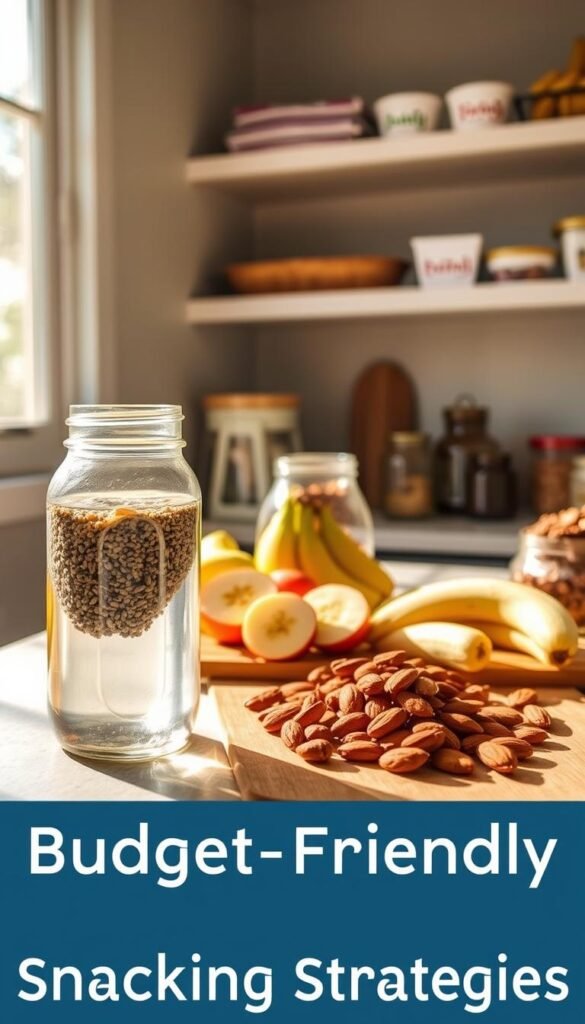
Shop bulk nuts at Costco, Sam’s Club, or grocery bulk bins to cut the unit price. Pick store brands for almonds, peanuts, and walnuts. As soon as you get home, portion 1-ounce servings into small bags, keep a few in the pantry, and freeze the rest to guard the oils from rancidity.
Label each bag with the date so rotation stays easy. This simple system turns bulk buys into cost-effective snacking and keeps grab-and-go portions ready.
Seasonal fruit hacks to save money
Lean on seasonal produce savings for the best flavor and price. Choose apples and pears in fall, citrus in winter, and berries when summer sales hit. Value bags of apples, clementines, and bananas often beat single-piece pricing.
Freeze ripe bananas or berries for smoothies or yogurt toppings. Pair fruit with a handful of nuts for affordable healthy snacks that travel well and keep you full.
DIY trail mix vs. store-bought cost comparison
DIY trail mix usually wins on price and nutrition. Combine bulk almonds, peanuts, sunflower seeds, unsweetened dried fruit, and a measured scoop of dark chocolate chips. You pay for ingredients—not candy fillers or added oils.
Repurpose pantry staples for extra budget snacks: air-popped popcorn tossed with peanuts and a dash of cinnamon makes a high-volume, low-cost bite. That’s flavorful, packable, and true cost-effective snacking.
No-Prep and Minimal-Prep Snack Ideas
Short on time? Keep energy steady with grab-and-go snacks that travel well and taste great. These minimal prep snacks fit a busy commute, a school pickup line, or a late shift without slowing you down.
Pro tip: Build a small rotation so flavors stay fresh and your routine never feels stale.
Grab-and-go items from any grocery store
Walk in, walk out, and eat. Reach for pre-washed apples, bananas, or clementines. Add single-serve nut packs, 100% fruit leathers, string cheese, plain Greek yogurt cups, or cottage cheese cups. Individual guacamole or hummus with whole-grain crackers turns convenience store healthy snacks into a real mini meal.
For a savory bite, try roasted chickpeas, roasted edamame, or jerky with low sodium and no added sugar. These grab-and-go snacks hit the spot when traffic or meetings run long.
Two-ingredient pairings in under 60 seconds
Match simple flavors for fast balance. Think banana with a peanut butter packet, apple with cheddar, or grapes with pistachios. Pear with pecans brings crunch, while Greek yogurt with walnuts feels creamy and rich.
Try cottage cheese with pineapple, celery sticks with almond butter, or an orange with cashews. These two-ingredient snacks keep prep minimal and satisfaction high.
Shelf-stable choices for emergency bags
Stash a kit for busy weeks and long drives. Pack vacuum-sealed tuna with whole-grain crackers, unsalted nuts, and unsweetened dried fruit. Add shelf-stable milk boxes, fruit cups in water or 100% juice, freeze-dried fruit, and nut or seed butter squeeze packs.
Rotate your bag monthly to keep everything fresh. With smart shelf-stable snacks ready to go, you can turn convenience store healthy snacks into reliable fuel anytime.
| Snack Idea | Why It Works | Best For | Pro Tip |
|---|---|---|---|
| Pre-washed apple + single-serve almonds | Fiber plus healthy fats for steady energy | Morning commute | Keep an extra pack in your bag for grab-and-go snacks |
| Greek yogurt cup + walnuts | Protein and crunch without added sugar | Midday slump | Choose plain cups to keep minimal prep snacks simple |
| Banana + peanut butter packet | Fast carbs with satiating fat | Pre-workout | These two-ingredient snacks open without utensils |
| Vacuum-sealed tuna + whole-grain crackers | Portable protein with complex carbs | Travel days | Great shelf-stable snacks for emergency kits |
| Roasted chickpeas | Crunchy plant protein and fiber | Desk drawer | Pair with fruit leathers for convenience store healthy snacks |
| Fruit cup in 100% juice + cashews | Hydration plus minerals | Long meetings | Check labels to avoid added sugars and excess salt |
Kid-Approved Fruit and Nut Snacks for School and Sports
Busy days call for simple wins. These kid snacks turn fruit and seeds into easy school snacks and sports snacks that travel well, taste great, and keep energy steady. Use bento-style containers to mix textures and colors so every bite feels fresh.
Allergy-aware picks matter in classrooms and carpools. Many campuses request nut-free snacks, so lean on child-friendly fruit and nut ideas that swap nuts for seeds without losing crunch or protein.
Nut-free alternatives for allergy-aware settings
- Sunflower seed butter on whole-grain crackers with sliced strawberries; pack with cucumber rounds for extra crunch.
- Pumpkin seeds roasted with a pinch of sea salt; add dried cherries for a sweet-tart boost in school snacks.
- Soy nut butter spread on mini rice cakes; top with banana coins for a quick bite.
- Roasted chickpeas tossed with cinnamon; pair with orange wedges for a bright finish.
- Cheese sticks and grapes for protein plus hydration; a go-to among nut-free snacks.
Fun shapes and dips to encourage eating
- Melon balls on mini skewers with blueberries; serve with healthy dips like vanilla Greek yogurt.
- Apple “nachos” drizzled with sunflower seed butter and a sprinkle of granola; dust with cinnamon.
- Ants-on-a-log: celery filled with sunflower seed butter and dotted with raisins for child-friendly fruit and nut ideas in nut-free zones.
- Yogurt dip stirred with cinnamon and a touch of honey; dunk pears, grapes, or sliced peaches.
Portion control for after-practice hunger
Post-practice, aim for 200–300 calories combining carbs and protein to refuel without overdoing it. For younger kids, think one fruit plus a small protein-rich side. Teens in heavy training may need more.
- Banana with a 1-ounce seed mix and a few pretzels for fast carbs in sports snacks.
- Greek yogurt with berries and a spoon of granola for crunch; keep healthy dips on the side if needed.
- Oranges, bananas, or grapes for team huddles; add pretzels and roasted pumpkin seeds for balance in kid snacks.
Pack in small compartments to set visual limits and ensure variety. This keeps school snacks neat, enjoyable, and easy to finish between classes or on the ride home.
Travel-Safe and Mess-Free Options
Keep travel snacks neat, fresh, and easy to reach. A few smart choices turn delays and tight seats into smooth moments. Aim for mess-free snacks that hold up in motion and fit cleanly among your carry-on snacks.
Packing tips to prevent squished fruit
Pick firm fruit like apples and pears for jostling crowds. For softer picks—bananas and peaches—use protective containers with a hard shell. Wrap delicate fruit in a paper towel and set it near the top of your bag to reduce pressure.
For cut produce, use ventilated keepers and add a squeeze of lemon to slow browning. Tuck dried fruit strips and energy bites beside the fruit for tidy, mess-free snacks on the go.
Containers that keep nuts fresh and crisp
Crunch matters, so keep nuts away from moisture. Choose airtight, protective containers such as stainless steel tins from LunchBots, small glass jars with silicone sleeves, or heavy-duty resealable bags.
Separate nuts from fresh fruit to protect crunchy snacks from humidity. Label servings to avoid overpacking, and refresh air space by filling containers close to the top to maintain texture.
Snacks that pass TSA and fit in carry-ons
For TSA snacks, stick to solid foods and whole fruit. Single-serve nut butter packets are allowed but count as gels; yogurt counts as a gel, too. Keep these within the 3.4-ounce rule and place them with your liquids.
When flying international, finish fresh fruit before landing or declare it at customs. Choose clusters, energy bites, and dried fruit strips for carry-on snacks that leave no crumbs and handle turbulence well.
| Goal | Best Picks | Why It Works | Pro Tip |
|---|---|---|---|
| Prevent squishing | Apples, pears, bananas in hard-sided protective containers | Firm skins and rigid cases resist pressure in transit | Wrap soft fruit in a paper towel; place near top of bag |
| Keep nuts crisp | Almonds, pistachios, cashews in airtight tins or jars | Airtight seals block humidity to preserve crunchy snacks | Use LunchBots tins or glass jars with silicone sleeves |
| Pass TSA rules | Whole fruit, trail mix, clusters; single-serve nut butter | Solids are allowed; gels under 3.4 oz only | Pack TSA snacks in an easy-to-remove pouch |
| Minimize crumbs | Energy bites, dried fruit strips, roasted chickpea clusters | Compact forms reduce mess in tight spaces | Pair with napkins in a slim pouch for quick cleanup |
| Carry-on efficiency | Stackable containers, resealable bags, slim produce keepers | Flat shapes fit seat-back pockets and small compartments | Pack sets by meal so carry-on snacks are easy to find |
Flavor Boosters: Spices, Herbs, and Natural Sweeteners
Great snacks don’t need lots of sugar. Use smart snack seasoning ideas to lift flavor and keep energy steady. Build a flavored trail mix that leans on spice, salt, and acid first, then add small touches of natural sweeteners as a finish.
Cinnamon, chili, and cocoa powder ideas
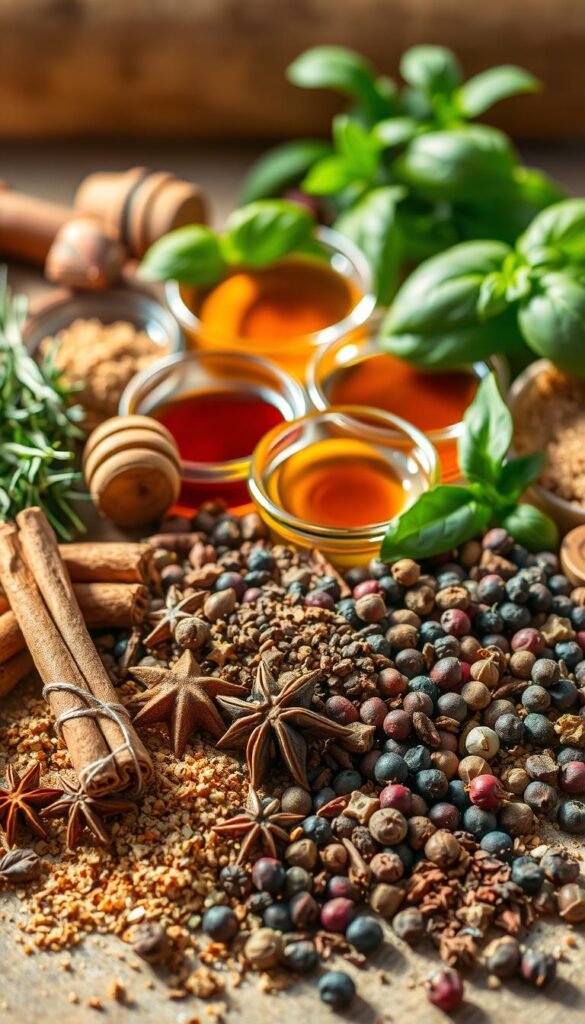
For spiced nuts, toss warm dry‑roasted almonds with cinnamon and a pinch of sea salt. Try chili‑lime peanuts with chili powder and fresh lime juice plus citrus zest for zip.
Make quick cocoa snacks by dusting cocoa powder onto almonds with vanilla and a light touch of maple. For a savory edge, use smoked paprika, everything bagel seasoning, or turmeric‑ginger.
Citrus zest and herb-infused mixes
Brighten herb snacks with orange or lemon zest mixed with rosemary or thyme. Pair zest with pistachios and dried cranberries for a lively, tart‑sweet bite.
Fresh mint shines with watermelon and walnuts, or stir it into Greek yogurt with berries for a cool dip that upgrades any flavored trail mix on the side.
Honey, maple, and date paste in moderation
Glaze nuts sparingly with honey or maple, then bake low to set without burning. Blend date paste with water for a sticky binder in energy bites with oats, chia, and chopped nuts.
Keep added sugars low per guidelines. A teaspoon—about 4 grams—goes far when spices, salt, and acid do most of the work in your snack seasoning ideas.
| Flavor Path | Core Add‑Ons | Best Pairings | Why It Works |
|---|---|---|---|
| Warm & Cozy | Cinnamon, vanilla | Almonds, pecans, apple chips | Sweet spice builds aroma; supports cocoa snacks with low sugar. |
| Zesty & Bright | Citrus zest, chili, sea salt | Peanuts, pistachios, cranberries | Acid and heat sharpen flavor in spiced nuts and flavored trail mix. |
| Herb‑Forward | Rosemary, thyme, mint | Walnuts, cashews, lemon | Fresh herb snacks add lift without extra sugar. |
| Lightly Sweet | Natural sweeteners: honey, maple, date paste | Oats, chia, mixed nuts | Tiny amounts bind mixes; balances spice and salt. |
Hydration and Electrolytes to Pair with Snacks
Think of hydration with snacks as part of your fueling plan. Steady water intake supports energy, digestion, and clear thinking, while fruit and nuts help maintain electrolyte balance during a busy day. Watermelon, oranges, and grapes add fluid and potassium that work well with almonds, pistachios, or cashews.
Choose healthy drinks like chilled water, sparkling water, or unsweetened iced tea to avoid extra sugar from beverages. For sports hydration in heat or longer efforts, reach for low-sugar electrolytes with sodium and potassium. Options such as Nuun Sport, LMNT, or Propel offer targeted support without heavy sweetness.
Milk and Greek yogurt deliver fluid, protein, and natural electrolytes that pair well with granola or mixed nuts. Coconut water supplies potassium; pick unsweetened versions to keep sugars in check. The National Academies points to about 2.7 liters daily for women and 3.7 liters for men from food and drinks, though your needs shift with training, climate, and sweat rate.
After a run or a gym class, try orange slices with a light pinch of salt and a small nut mix. This simple combo helps restore sodium, adds carbs, and keeps you ready for the next session.
Tip: Keep a reusable bottle nearby and sip with every snack break. Small, steady sips beat chugging for comfort and consistency.
| Pairing Idea | Hydration Focus | Electrolyte Support | When It Shines | Notes |
|---|---|---|---|---|
| Apple slices + almonds with water | Steady water intake | Potassium from fruit; sodium minimal | Desk work, short walks | Clean, simple, low added sugar |
| Orange slices + pinch of salt + mixed nuts | Hydration with snacks | Sodium from salt; potassium from fruit | Post-exercise recovery | Quick fix for light sweat losses |
| Greek yogurt + berries + sparkling water | Healthy drinks without sugar | Calcium, potassium; some sodium | Midday recharge | Protein supports satiety and repair |
| Unsweetened coconut water + cashews | Moderate fluid boost | High potassium | Warm weather errands | Choose unsweetened to limit sugar |
| Nuun Sport or LMNT + banana chips | Sports hydration | Low-sugar electrolytes: sodium and potassium | Hot, long workouts | Keep sweetness low; sip across the session |
| Propel + trail mix with pistachios | Hydration with snacks on the go | Added electrolytes; potassium from nuts | Travel days and tournaments | Convenient bottles, balanced flavor |
Remember: Your ideal mix depends on sweat rate, workout length, and climate. Adjust fluids and electrolytes as conditions change and monitor how you feel during and after activity.
Storage, Food Safety, and Freshness Tips
Smart snack storage keeps flavors bright and textures crisp. A few simple moves protect food safety, help keep fruit fresh, and extend nut freshness for busy days.
How long cut fruit and nuts really last
Cut fruit stays fresh about 3–5 days in the fridge at 40°F or below. A squeeze of lemon juice slows browning on apples and pears. Whole apples and citrus can last weeks refrigerated, while bananas ripen faster at room temp.
Nuts keep 3–6 months in the pantry, longer when cold. For top nut freshness, refrigerate 6–12 months or freeze up to a year. If you taste bitter, soapy notes or smell paint-like aromas, you’re dealing with rancid nuts—discard them.
Best practices for refrigeration and freezing
Use airtight containers to keep fruit crisp and prevent odor transfer. Pack cut fruit with paper towels to absorb moisture. Follow basic food safety rules: if a packed snack has dairy or cut fruit, use an ice pack and eat within 2 hours at room temp, or 1 hour above 90°F.
Chill nuts to guard their delicate oils. For longer holds, rely on freezing fruit and nuts in sealed bags with minimal air. Add clear labels with dates, and thaw in the fridge. These simple refrigeration tips help lock in flavor without soggy bites.
Preventing rancidity and moisture issues
Heat, air, and light speed oxidation. Store snacks away from sunlight, stoves, and car trunks. Keep moisture-sensitive pieces separate—place nuts and crunchy toppings in one container and juicy fruit in another until it’s time to eat.
For travel days, portion snacks in small, airtight tins and silicone pouches. This setup manages humidity swings, supports food safety, and helps keep fruit fresh while guarding against rancid nuts.
| Item | Room Temp Window | Refrigeration Tips | Freezer Guidance | Freshness Cues |
|---|---|---|---|---|
| Cut Fruit (berries, melons, apples) | Up to 2 hours (1 hour if above 90°F) | Store at ≤40°F; paper towel to absorb moisture; lemon on apples/pears | Great for freezing fruit; spread on a sheet, then bag with date | Bright color, firm texture; discard if slimy or sour |
| Whole Apples & Citrus | Several days at room temp | Lasts weeks in crisper drawer; keep dry | Optional; texture may soften when thawed | Hefty feel, smooth skin; avoid soft spots or mold |
| Bananas | Ripen quickly at room temp | Refrigeration slows browning of flesh once ripe | Freeze peeled pieces for smoothies | Fragrant, yellow to speckled skin; avoid fermented smell |
| Raw Nuts (almonds, walnuts, pecans) | 3–6 months, airtight, away from light | 6–12 months; seal tightly to preserve nut freshness | Up to 1 year+ in airtight bags | No off-odors; discard rancid nuts with paint-like smell |
| Roasted/Flavored Nuts | Shorter than raw; watch oils and coatings | Keep chilled for longer life; use dry containers | Freeze if buying in bulk to limit oxidation | Crunchy, clean aroma; stale or bitter indicates spoilage |
| Mixed Snack Packs (fruit + nuts) | Eat within 2 hours (1 hour above 90°F) | Store components separately to avoid sogginess | Freeze fruit only; keep nuts dry until serving | Crisp nuts, juicy fruit; no moisture pooling |
Dietary Preferences and Allergies
Healthy snacking should feel simple and safe. With a few smart choices, you can enjoy fruit and nuts that fit your goals while staying alert to labels and facility practices. The ideas below help you plan for taste, convenience, and clear information.
Gluten-free, vegan, and paleo-friendly ideas
Fresh fruit and plain nuts are reliable gluten-free snacks. If you reach for flavored mixes, pick certified options to avoid stray wheat or barley. Pair apples with almond butter, or try dates stuffed with walnuts for quick fuel.
For vegan snacks, go with roasted chickpeas, unsweetened coconut yogurt topped with pecans, or banana slices with sunflower seed butter. Those following paleo snacks can focus on whole fruits with almonds, walnuts, and cashews; skip legumes like peanuts if you keep paleo strict.
Substitutions for tree-nut or peanut allergies
When a peanut allergy or tree-nut allergy is a concern, seeds make great nut-free substitutions. Use sunflower, pumpkin, hemp, chia, or sesame as tahini for creamy dips and spreads. Roasted chickpeas and soy nuts add crunch and protein alongside berries or pear slices.
Pack single-serve pouches of seed butter for school or travel. Rotate textures—crispy pumpkin seeds, chewy dried apricots, and juicy grapes—to keep flavor balance without nuts.
Reading ingredient lists for cross-contamination
Always scan packages for allergen labeling. The FDA’s FALCPA rules require clear calls for major allergens, including peanuts and tree nuts, on packaged foods. Watch for “may contain” or “processed in a facility with” notes that flag potential cross-contamination.
Choose brands that state dedicated peanut-free or nut-free facilities when needed, and keep separate utensils and containers at home to prevent cross-contact. If in doubt, stick with single-ingredient items like fresh fruit and plain seeds for extra peace of mind.
Conclusion
Fruit and nut benefits shine when life gets busy. Pair whole fruit or dried options with almonds, walnuts, pistachios, or peanuts for steady energy from protein, fiber, and healthy fats. This healthy snacking conclusion centers on simple systems: plan ahead, pack small portions, and keep on-the-go nutrition within reach.
Use seasonal produce for peak flavor and savings. Balance sweetness with fats and protein, and favor low-added-sugar choices. These portable snack takeaways work for commuters, students, and travelers alike. Store properly to protect freshness and food safety, and keep water or an electrolyte option nearby.
Adapt mixes to dietary needs and school or airline rules. Where nuts aren’t allowed, lean on pumpkin seeds, sunflower seeds, roasted chickpeas, or edamame. Add cinnamon, cocoa powder, chili, or citrus zest to boost taste without extra sugar. Small, smart snacking tips make a real difference during long days.
With bulk buying, smart containers, and ready-to-go pairings, you’ll have satisfying options any time. This healthy snacking conclusion underscores a simple truth: plan a little, pack well, and enjoy on-the-go nutrition that fits your routine. Let these portable snack takeaways guide your cart and your bag for better daily choices.
FAQ
Why are fruit and nut snacks good for on-the-go energy?
Fruit offers water, fiber, and natural sugars in a slow-digesting package, while nuts provide healthy fats, plant protein, and minerals like magnesium and potassium. Together, they help steady blood sugar and curb cravings between meals, which can support focus during commutes, meetings, or travel.
What serving sizes should I use for balanced snacking?
A simple guide is 1 medium piece of fruit or 1 cup of berries paired with 1 ounce of nuts. That’s about 23 almonds, 49 pistachios, or 14 walnut halves. This combo typically lands in the 150–250 calorie range, depending on the fruit and nut choice.
Which nuts are linked to heart health?
Almonds, pistachios, and walnuts are well-studied for heart health benefits. Walnuts are rich in omega-3 ALA, while almonds deliver vitamin E and pistachios add potassium and antioxidants. Choose unsalted, dry-roasted, or raw to limit sodium.
How do I choose low-sugar options?
Pick fresh fruits like berries, kiwi, or grapefruit. For dried fruit, look for “unsweetened” or “no added sugar” and check the FDA Nutrition Facts panel for 0 g added sugars. Limit portions to 1–2 tablespoons and pair with 1 ounce of nuts to slow absorption.
What are smart flavor pairings that travel well?
Try grapes with walnuts, pears with pecans, or apples with almond butter. For a sweet-savory twist, pair tart cherries with salted pistachios or citrus segments with roasted almonds and a pinch of sea salt. Keep soft fruits in a hard container to avoid squishing.
How can I make kid-friendly, school-safe snacks?
Many schools are nut-free. Use sunflower seed butter, pumpkin seeds, roasted chickpeas, or soy nut butter instead. Fun ideas include melon balls on mini skewers, apple “nachos” with sunflower seed butter, and yogurt dip with cinnamon for fruit dunking.
What are quick, no-prep options from any grocery store?
Grab apples, bananas, or clementines; single-serve nut or seed packs; 100% fruit leathers; Greek yogurt cups; cottage cheese cups; roasted edamame; roasted chickpeas; and string cheese. Two-ingredient wins include banana with a peanut butter packet or grapes with pistachios.
How do I build a protein-boosted trail mix?
Combine higher-protein nuts like peanuts and pistachios with roasted edamame or soy nuts. Add unsweetened coconut chips and no-sugar-added dried fruit for texture. A 1/4 cup of roasted edamame can add about 13 grams of protein to your mix.
When should I add seeds for extra nutrition?
Add pumpkin seeds for magnesium and zinc, hemp hearts for extra protein and omega-3 ALA, and chia seeds for fiber and satiety. Sprinkle onto fruit cups or blend into nut mixes to boost nutrients without adding bulk.
How can I keep costs down without sacrificing quality?
Buy nuts in bulk at Costco or Sam’s Club, portion into 1-ounce servings, and freeze extras to prevent rancidity. Choose store-brand almonds, peanuts, and walnuts. Use seasonal fruit for best prices, and make DIY trail mix to avoid pricey, sugary blends.
What containers work best for crisp, portable snacks?
Use stainless steel tins like LunchBots, small glass jars with silicone sleeves, or silicone pouches such as Stasher or Zip Top. Keep nuts separate from moist foods to preserve crunch. For cut fruit or dairy, include an ice pack for trips over two hours.
What are TSA-friendly snacks for flights?
Solid foods and whole fruits are allowed in carry-ons. Nut butter over 3.4 ounces counts as a gel; choose single-serve packets and place them with liquids. Yogurt also counts as a gel. For stadiums, factory-sealed snacks are often fine—check venue rules.
How long do cut fruit and nuts stay fresh?
Cut fruit generally lasts 3–5 days in the fridge at 40°F or below; a splash of lemon helps reduce browning. Nuts keep 3–6 months at room temp, 6–12 months refrigerated, and longer when frozen. Discard nuts that smell like paint or taste bitter.
What are good seasonal pairings for peak flavor?
Spring: strawberries with pistachios or apricots with almonds. Summer: apples, grapes, firm peaches with cashews or peanuts; dried mango with macadamias. Fall: apples with cinnamon-dusted walnuts; pears with hazelnuts. Winter: citrus with almonds or pistachios, pomegranate arils with walnuts.
How can I avoid common pitfalls of convenience snacks?
Many packaged snacks are high in added sugars, sodium, and refined grains. Follow the Dietary Guidelines to keep added sugars under 10% of daily calories. Pre-portion fruit and nuts at home to limit impulse buys from vending machines and drive-thrus.
What spices and herbs make healthy snacks more exciting?
Toss warm nuts with cinnamon and sea salt, make chili-lime peanuts with chili powder and lime zest, or dust cocoa powder on almonds. Try orange zest with rosemary, or mint with watermelon and walnuts. Use honey or maple lightly when glazing.
What should I drink with my snacks for better hydration?
Choose water, sparkling water, or unsweetened iced tea. During long workouts or heat, consider low-sugar electrolytes like Nuun Sport, LMNT, or Propel. Milk and yogurt add fluids and electrolytes. Unsweetened coconut water offers potassium but watch total sugars.
How do I keep snacks safe during hot days?
Use ice packs for dairy and cut fruit, and eat within two hours at room temperature—or within one hour if above 90°F. Pack nuts and crunchy toppings separate from juicy fruit to prevent sogginess and moisture issues.
What if I’m gluten-free, vegan, or paleo?
Fruit and plain nuts are naturally gluten-free. Vegan options include fruit with almond or sunflower seed butter, roasted chickpeas, and unsweetened plant-based yogurt with seeds. For paleo, favor whole fruits, nuts, and seeds; avoid legumes like peanuts if strictly following paleo.
How do I handle peanut or tree-nut allergies?
Swap in seeds such as sunflower and pumpkin, or use tahini, hemp hearts, and chia. Roasted chickpeas and soy nuts add crunch and protein. Always read labels for “may contain” or shared-facility statements, and choose dedicated nut-free brands when needed.
What are some airplane- and stadium-approved snack pack ideas?
Build single-serve mixes in small jars: layer nuts, freeze-dried fruit, and a few dark chocolate chips; add fresh fruit day-of. Pack factory-sealed items for stadiums. Keep single-serve nut butter packets handy to pass TSA rules.
Are there tasty low-carb fruit and nut combinations?
Yes. Pair strawberries with pecans, celery sticks with almond butter, olives with almonds, or cheese with a few walnuts. For dried fruit, stick to tiny portions and choose no-added-sugar versions to keep net carbs lower.
How can I prevent nuts from going rancid?
Store nuts in airtight containers away from heat and light. Refrigerate or freeze bulk purchases, then bring portions to room temperature before eating for best flavor. If nuts smell off or taste soapy, discard them.
What are easy two-ingredient snacks I can make in under a minute?
Try apple with cheddar, banana with peanut butter, grapes with pistachios, Greek yogurt with walnuts, cottage cheese with pineapple, orange with cashews, or pear with pecans. Keep packets of nut or seed butter in your bag for fast pairings.