Affordable Lunches: Budget-Friendly Lunch Ideas
$10 to $15—that’s the typical fast-casual lunch in the United States, while a homemade lunch can cost as little as $2 to $4, according to the USDA Economic Research Service and the Bureau of Labor Statistics. That gap adds up fast. Over a month, packing even three days a week can keep more than $100 in your wallet.
This Website contains affiliate links. That means I may earn a small commission if you purchase through my links, at no extra cost to you.
Welcome to a friendly guide packed with Budget-Friendly Lunch Ideas that work in real life. We’ll show you how affordable lunches can be quick, tasty, and smart for your health. Research from the Harvard T.H. Chan School of Public Health links home cooking with better nutrition and lower long-term health costs, thanks to better portions and less sodium and added sugar.
This series maps out the whole process: pantry planning, low-cost lunch recipes, and frugal meal prep that fits busy weeks. You’ll get easy lunch ideas that use grains, beans, and simple proteins, plus strategies to save money on lunch without losing flavor. We’ll also cover meal prep on a budget, storage tips, and smart shopping so you can build healthy budget lunches that keep you fueled and on track.
Set aside one or two short prep blocks—think Sunday and Wednesday—and you’ll cut impulse buys, fight decision fatigue, and stick to your goals, a habit pattern supported by the American Journal of Health Promotion. Let’s turn cheap lunch ideas into a weekly routine that saves money and time.
Key Takeaways
- Packing lunch can cost $2–$4 versus $10–$15 eating out, leading to major monthly savings.
- Home cooking supports better nutrition and portion control for healthy budget lunches.
- Use pantry staples to create low-cost lunch recipes and easy lunch ideas with big flavor.
- Plan frugal meal prep in one or two blocks each week to save money on lunch.
- Follow meal prep on a budget with simple tools and storage to keep food fresh.
- Our Budget-Friendly Lunch Ideas make affordable lunches practical for busy weekdays.
Why Affordable Lunches Matter for Busy Weekdays
When your calendar is packed, lunch can feel like an afterthought. Yet a few steady habits turn midday meals into frugal lunches for work that are cheaper than eating out and easier to manage. With simple weekday meal planning, you can line up office lunch ideas that fit your budget and your schedule.
The cost-saving impact of packing lunch
Government data show Americans spend big on food away from home. Even packing lunch three days a week can deliver serious pack lunch savings. Using store brands and bulk buys often brings a homemade meal under $3, making it far cheaper than eating out at a café or fast-food spot.
These numbers add up over a year. Sandwiches with Aldi or Costco staples, plus fruit and yogurt, become dependable frugal lunches for work. Add a thermos of coffee from home, and your total drops even more.
How homemade lunches support healthier eating
Cooking at home puts you in charge of ingredients and portions. Healthy packed lunches highlight whole grains, beans, and produce, helping you meet fiber goals from the Dietary Guidelines for Americans. Restaurant and drive-thru meals tend to pack more calories, saturated fat, and sodium.
Stock brown rice, quinoa, canned tuna, and greens to build balanced bowls. These smart office lunch ideas keep energy steady through the afternoon without the heavy slump.
Time management tips for lunch planning
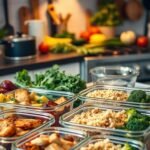
Set a recurring Sunday block—about an hour—for time-saving lunch prep. Batch-cook grains, roast vegetables, and prep a protein. Store by meal in clear containers to speed mornings.
Keep a rotating two- to three-week menu for easy weekday meal planning. Use AnyList or Google Keep to track pantry needs and avoid extra trips. Pack lunches the night before to lock in those pack lunch savings.
| Approach | Estimated Cost per Lunch | Time Required | Benefits | Example |
|---|---|---|---|---|
| Batch-cooked bowls | $2.50–$3.00 | 60–90 min on Sunday | Reliable frugal lunches for work; high fiber | Brown rice, black beans, roasted peppers, salsa |
| Sandwich kits | $2.00–$2.75 | 15 min nightly | Time-saving lunch prep; portable | Whole-wheat bread, turkey, lettuce, mustard, apple |
| Leftover makeovers | $1.75–$2.50 | 10 min in morning | Zero waste; cheaper than eating out | Pasta plus roasted veg and olive oil |
| Mason jar salads | $2.25–$3.00 | 25 min twice weekly | Healthy packed lunches; crisp layers | Greek yogurt dressing, chickpeas, cucumbers, greens |
- Plan three core office lunch ideas each week to reduce decision fatigue.
- Pre-portion snacks to complement healthy packed lunches, like nuts or berries.
- Use a small spice kit at work to refresh flavors during weekday meal planning.
Pantry Staples That Make Lunch Cheaper and Easier
Build a lunch routine around cheap pantry staples and you will see the cost per serving drop without losing flavor. Focus on meal prep staples you can batch-cook on Sunday and remix all week. Reach for store brands to stretch every dollar.
Quick tip: Use a rice cooker or Instant Pot to cook budget grains while you chop vegetables or pack snacks.
Budget-friendly grains: rice, quinoa, oats, and pasta
White or brown rice in bulk keeps lunches steady and cheap. Rolled oats make savory oats or overnight jars that travel well. Whole-wheat pasta turns a little sauce and vegetables into a filling bowl. Buy quinoa at Costco, Sam’s Club, or other warehouse clubs to cut the cost per serving.
These budget grains hold up for several days, so they are ideal meal prep staples. Mix in olive oil, lemon, and herbs for fast grain salads.
Protein on a budget: beans, eggs, canned tuna, and tofu
Dry or canned beans deliver low-cost protein for chili, wraps, and salads. Large eggs pack power for frittatas and grain bowls. Canned light tuna in water works in pasta salads; look for sales and MSC-labeled cans. Firm tofu sears well after pressing, and it absorbs sauces fast.
Peanut butter and canned chicken are smart backups when time is tight. Rotate choices to keep variety high and the cost per serving low.
Flavor boosters: spices, sauces, and condiments
Small jars go a long way. Stock cumin, smoked paprika, and chili powder for depth. Keep soy sauce, hot sauce like Cholula or sriracha, Dijon mustard, tomato paste, curry paste, tahini, and a mix of vinegars. Fresh lemon or lime brightens leftovers.
- Yogurt + lemon + dill for a cool drizzle
- Peanut butter + soy + lime for a quick satay
- Tahini + garlic + water for a creamy, dairy-free sauce
Smart produce picks: frozen veggies and seasonal finds
Frozen vegetables like mixed veggies, spinach, corn, and broccoli are reliable and fast. They count as affordable produce and cut waste. When prices dip, grab seasonal apples, cabbage, carrots, tomatoes, cucumbers, and berries.
Choose store brands such as Kroger, Great Value, or Kirkland to lower cost per serving. Pair frozen vegetables with budget grains and low-cost protein for balanced, colorful bowls.
| Staple | Best Use | Smart Buy Tip | Approx. Cost per Serving |
|---|---|---|---|
| White/Brown Rice | Grain bowls, stir-fries, burritos | Buy in bulk bags; store in airtight bin | $0.10–$0.15 |
| Rolled Oats | Overnight oats, savory oats, bake binders | Choose store brands; 42-oz canisters | $0.08–$0.12 |
| Whole-Wheat Pasta | Pasta salads, baked casseroles | Watch weekly promos; stock up | $0.25 |
| Quinoa | Grain salads, hot bowls | Warehouse clubs for bulk discounts | $0.40–$0.60 |
| Dry Beans | Soups, chili, taco fillings | Cook big batches; freeze portions | $0.07–$0.12 |
| Eggs | Boiled snacks, frittatas, grain bowls | Buy large cartons; compare unit prices | $0.15–$0.30 |
| Canned Light Tuna | Wraps, pasta salads, melts | Choose water-packed; shop sales | $0.80–$1.20 per can |
| Tofu (Firm) | Stir-fries, sheet-pan meals | Press to improve texture; buy multi-packs | Under $2.50 per block |
| Frozen Vegetables | Bowls, soups, sautés | Mixed bags reduce prep and waste | Low and steady year-round |
| Flavor Boosters | Dressings, marinades, dips | Store brands; small jars last months | Pennies per meal |
Budget-Friendly Lunch Ideas
Stretch your dollar without skimping on taste. These cheap lunch recipes lean on pantry staples and produce you can find at Aldi, Trader Joe’s, Kroger, or Walmart. Mix and match for easy meal prep lunches that travel well, taste great, and fuel your day.
Tip: Aim for 20–30 grams of protein by pairing beans, eggs, yogurt, or canned fish with whole grains and veggies. You’ll get protein-packed lunches that keep you full through the afternoon.
Cold lunches you can prep in minutes
Keep a roster of cold lunch ideas that come together fast and stay fresh. Try a chickpea salad pita with cucumber, lemon, and dill. Make a tuna and white bean salad with olive oil and capers. Pack hummus boxes with carrots, olives, and pita for a grab-and-go win.
Build quinoa tabbouleh jars or a pasta salad with roasted peppers and canned artichokes. For a twist, prep savory oat-and-Greek-yogurt bowls with cucumbers and za’atar. These cheap lunch recipes hold up in a lunch box and are ideal as easy meal prep lunches.
Hot lunches that reheat well at work or school
Pick microwave lunches that stay moist and tasty. Go for bean and rice burrito bowls, lentil vegetable curry over rice, or baked pasta with spinach and ricotta. Turkey chili and tofu fried rice are sturdy options that reheat without drying out.
Stuffed sweet potatoes with black beans and corn also shine after a quick reheat. These choices are budget-smart and deliver protein-packed lunches with little fuss at noon.
High-protein, low-cost meal combos
Mix simple combos to hit protein goals on a budget. Greek yogurt with granola and a peanut butter swirl. Cottage cheese topped with salsa and crushed tortilla chips. Eggs with rice, frozen spinach, and a splash of soy sauce.
Try lentils with quinoa and roasted carrots, or tuna with white beans and whole-grain crackers. These cheap lunch recipes double as easy meal prep lunches, perfect for busy weeks.
Kid-friendly picks that adults love too
Keep flavors familiar for family-friendly lunches. Make turkey-and-cheese roll-ups or pizza quesadillas for quick wins. Veggie mac with peas or peanut butter and banana wraps deliver comfort without a fuss.
Pack mini hummus-and-veggie snackers and include a dip to boost appeal. These crowd-pleasers also serve as portable microwave lunches when paired with a warm side, keeping both kids and adults satisfied.
Make-Ahead Meal Prep for the Workweek
Set aside one calm block for Sunday meal prep to lock in stress-free lunches. A focused hour supports weekly meal prep that saves money and time, and keeps nutrition on track during busy mornings.
Batch cooking basics for five-day lunches
Use sheet pans and an Instant Pot to batch cook lunches fast. Prepare 1–2 grains like rice or quinoa, 2 proteins such as beans with eggs, chicken thighs, or tofu, plus 2–3 vegetables like roasted broccoli, carrots, and onions.
Keep active time to 30–45 minutes. Season simply with salt, pepper, olive oil, and a few spices so flavors work across the week. This foundation makes mixing and matching easy.
Portioning, labeling, and storage for freshness
Divide food into balanced lunch portions using 3-compartment containers. Add painter’s tape labels with item, date, and reheating notes. Refrigerate three to four days; freeze extras for days four and five to maintain quality.
Apply smart food storage tips: keep dressings separate, place moisture-sensitive items on top, and tuck a paper towel with greens. Blast-chill rice or pasta before packing so textures stay firm.
Rotating menus to avoid lunch fatigue
Create a simple menu rotation with a 10–12 meal cycle—think bean bowls, pasta bakes, soup, and wraps. Reuse core ingredients while swapping sauces and toppings to keep flavors fresh.
Theme days help: Meatless Monday, Grain Bowl Tuesday, and Soup Wednesday streamline choices. With steady weekly meal prep and Sunday meal prep habits, variety becomes automatic without extra work.
Sandwiches and Wraps That Stretch Your Budget
Build a lunch rotation that tastes great and cuts waste. These cheap sandwiches and budget wraps use pantry staples, fresh produce, and smart swaps to keep costs low. They also pack well, making them ideal office lunch sandwiches you will look forward to.
Protein swaps to lower cost without losing flavor
Start with low-cost deli alternatives like rotisserie chicken leftovers or canned tuna mixed with lemon and pepper. Stir Greek yogurt into egg salad for a creamy finish at a lower price. Mash chickpeas for a “tuna-style” spread, or add marinated baked tofu to budget wraps for a savory bite.
Buy turkey breast on sale and slice at home to beat the deli counter. For extra savings, use beans to replace half the meat in office lunch sandwiches. The flavor stays bold, while the price per serving drops.
Vegetable-forward fillings that satisfy
Roast zucchini, peppers, and mushrooms for sweet, smoky layers in veggie sandwiches. Add shredded carrots and cabbage for crunch, plus pickled onions for a bright snap. Slip in avocado when it’s on sale, and finish with spinach or arugula.
Whole-grain tortillas and simple homemade flatbreads make cheap sandwiches and budget wraps even more affordable. They also hold up well during the commute and keep fillings tidy.
Spreads and sauces that elevate simple ingredients
Layer flavor with homemade spreads like hummus, white bean dip with lemon and garlic, or a yogurt-herb blend. Try pesto made from parsley or carrot tops for a thrifty twist. A quick spicy mayo—sriracha plus mayo—or olive tapenade can turn low-cost deli alternatives into standout bites.
These sauces boost moisture, so you can use smaller portions of meat and still enjoy full flavor. That means more veggie sandwiches and office lunch sandwiches that feel fresh, not frugal.
| Idea | Main Protein Swap | Veggie Add-Ins | Spread/Sauce | Why It Saves |
|---|---|---|---|---|
| Chickpea “Tuna” Wrap | Mashed chickpeas | Shredded carrots, pickled onions, arugula | Hummus | Beans cost less than tuna and stretch servings in budget wraps |
| Roast Veggie Flatbread | Marinated baked tofu | Zucchini, peppers, mushrooms | Yogurt-herb spread | Veg-forward fillings cut protein costs for cheap sandwiches |
| Turkey Sale Slicer | Home-sliced turkey breast | Spinach, avocado (on sale) | Spicy mayo | Buying whole on sale beats low-cost deli alternatives by the pound |
| Egg Salad Crunch | Eggs + Greek yogurt | Cabbage, cucumbers | Olive tapenade | Eggs and homemade spreads reduce add-ons while boosting flavor |
| Tuna-Lite Wrap | Half tuna, half white beans | Spinach, tomatoes | Lemon-garlic bean dip | Blending beans with fish lowers cost and increases fiber in office lunch sandwiches |
Hearty Salads That Don’t Break the Bank
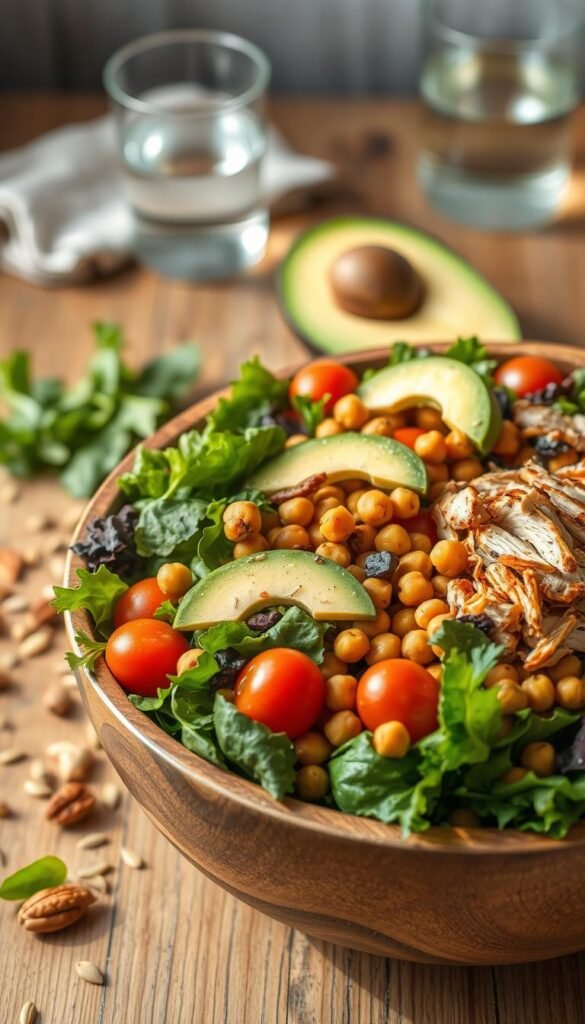
Stretch lunch dollars without skimping on taste. Build budget salads that travel well, satisfy hunger, and fit into busy days. Rotate grain salads, protein salads, and crisp salad jars to keep things fresh and easy.
Pro tip: Mix greens with cooked grains to boost texture, save money, and stay full longer.
Affordable greens and grains as a base
Start with romaine, cabbage, kale, or a bagged coleslaw mix. Add brown rice, farro, or barley bought in bulk. A 50/50 split makes budget salads hearty and helps them hold up for meal prep salads.
For quick grain salads, cook once and chill on a sheet pan. Toss a cup of grains with two cups of chopped greens for a sturdy base that won’t wilt in salad jars.
Low-cost proteins to bulk up salads
Beans, chickpeas, hard-boiled eggs, and canned tuna add real value. Baked tofu or leftover chicken thighs turn simple bowls into protein salads that satisfy. Roast chickpeas for crunch.
Use nuts and seeds with care; sunflower seeds give the most crunch per dollar. Keep portions small so meal prep salads stay affordable and balanced.
Dressings you can make at home
Whisk a 3:1 mix of oil and acid with Dijon, salt, and pepper for a cheap salad dressing that works on anything. Try lemon-garlic, balsamic, honey-mustard, tahini-lemon, or yogurt ranch.
Pack dressing in tiny jars and keep it separate from salad jars until lunch. This keeps grain salads and greens crisp and lets protein salads stay juicy, not soggy.
| Base Combo | Budget Protein | Flavor Boost | At-Home Dressing |
|---|---|---|---|
| Romaine + brown rice | Chickpeas | Sunflower seeds | Lemon-garlic vinaigrette |
| Kale + farro | Baked tofu | Roasted peppers | Tahini-lemon |
| Coleslaw mix + barley | Canned tuna | Dill pickles | Yogurt ranch |
| Cabbage + quinoa | Hard-boiled eggs | Scallions | Balsamic vinaigrette |
Soup and Stew Lunches for Comfort and Savings
Warm bowls make the workweek feel easier and keep costs low. With cheap soup recipes and budget stews, a single pot can cover days of meals. Batch once, stash portions, and enjoy steady comfort without overspending.
Tip: Cook once on Sunday, then pack two servings for midweek. The rest become freezer soups for a quick grab-and-go lunch.
Freezer-friendly recipes for busy weeks
Choose sturdy favorites: lentil soup, minestrone, black bean soup, chicken and rice, split pea, and chili. These cheap soup recipes hold texture after thawing and deliver rich flavor.
Cool completely. Freeze flat in quart bags or use deli containers. Label date and servings so you get 2–4 lunches per batch. Keep a mix of freezer soups and budget stews to fight menu fatigue.
Using leftovers and scraps for stock
Build flavor with homemade stock. Save onion skins, carrot peels, celery ends, and mushroom stems in a freezer bag. When full, simmer with peppercorns and bay leaves for a clean vegetable base.
Have a rotisserie chicken from Costco or Sam’s Club? Drop the carcass into a pot with water and aromatics for a low-cost broth. Homemade stock cuts sodium and boosts depth in Instant Pot soups and classic stovetop recipes.
Slow cooker and Instant Pot shortcuts
Let appliances do the work. Slow cooker lunches simmer while you log hours at your desk, yielding tender beans and fall-apart veggies with minimal effort.
For speed, Instant Pot soups shine. Pressure-cook dried pinto beans in about 35 minutes with no soak, then turn them into a hearty chili or tortilla soup. You’ll save on energy and get reliable results every time.
Plan smart: Rotate one slow cooker recipe and one pressure-cooked batch each week to balance time, texture, and taste.
Vegetarian and Plant-Forward Lunches on a Budget
Build low-cost, filling plates by centering beans, whole grains, and colorful produce. With plant-based meal prep, you can rotate chickpea shawarma bowls, tofu stir-fries with frozen veggies, and lentil sloppy joes without straining your wallet. These meatless lunches boost fiber and keep you full through the afternoon.
Smart balance matters. Tofu and tempeh bring complete protein, while grains plus beans round out amino acids across the day. For iron, lean on lentils and black beans, then pair with oranges, bell peppers, or tomatoes for vitamin C. For vegans, add B12 through fortified plant milks or nutritional yeast sprinkled on bowls.
Batch once, eat many times. Cook a pot of brown rice or quinoa, simmer a pan of beans, and roast seasonal vegetables on one sheet. Then mix and match into black bean quesadillas, veggie sushi bowls, peanut soba noodles with edamame, or roasted cauliflower tacos. This approach makes cheap vegetarian lunches easy to scale and customize.
Below are quick vegan lunch ideas and legumes recipes that rely on vegetables on a budget and simple pantry goods, perfect for fast assembly and lasting variety.
| Dish | Main Budget Ingredients | Prep Method | Nutrition Focus | Approx. Cost Per Serving (USD) |
|---|---|---|---|---|
| Chickpea Shawarma Bowl | Chickpeas, brown rice, cucumber, tomato, spice blend | Roast chickpeas; assemble bowl with veggies and yogurt or tahini | High fiber; plant protein; vitamin C boost for iron | $1.60 |
| Tofu Stir-Fry with Frozen Veggies | Firm tofu, mixed frozen vegetables, soy sauce, garlic, rice | Pan-sear tofu; quick stir-fry veggies; serve over rice | Complete protein; low-cost produce; quick energy carbs | $1.80 |
| Lentil Sloppy Joes | Brown lentils, tomato sauce, onions, whole-wheat buns | Simmer lentils; season; ladle onto toasted buns | Iron-rich; hearty fiber; kid-friendly texture | $1.40 |
| Black Bean Quesadillas | Canned black beans, tortillas, corn, salsa | Mash beans; fold into tortillas; toast on skillet | Affordable protein; calcium if using cheese or fortified alternatives | $1.30 |
| Veggie Sushi Bowls | Sushi rice, carrots, cucumber, nori, edamame | Cook rice; top with sliced veggies, crumbled nori, soy or mayo | Balanced carbs; protein from edamame; iodine from nori | $1.90 |
| Peanut Soba Noodles with Edamame | Soba, peanut butter, lime, frozen edamame, scallions | Whisk sauce; toss with noodles and thawed edamame | Satiety from fats; protein-rich; vitamin C if adding cabbage | $1.75 |
| Roasted Cauliflower Tacos | Cauliflower, tortillas, cumin, lime, pico de gallo | Roast florets; tuck into tortillas with toppings | High fiber; vitamin C; versatile spice profile | $1.50 |
For plant-based meal prep that lasts, portion into clear containers, add a citrus wedge for brightness, and store sauces on the side. This keeps textures crisp and flavors bold. With these meatless lunches, vegetables on a budget shine, and cheap vegetarian lunches stay exciting all week.
Leftover Makeovers: Turn Dinner into Tomorrow’s Lunch
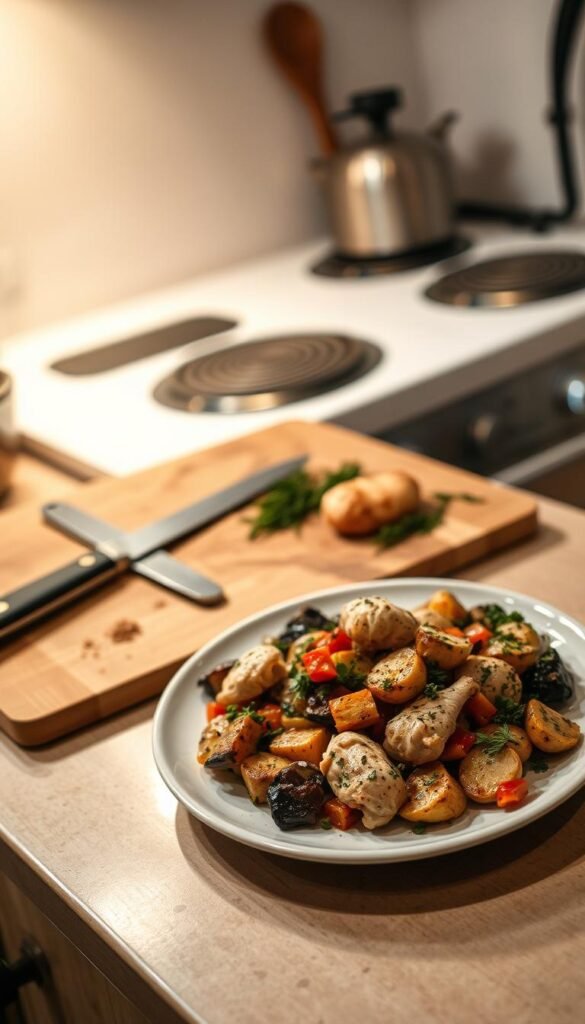
Stretch last night’s meal into a fresh next-day lunch with smart, tasty upgrades. These leftover lunch ideas help you remix leftovers fast while keeping costs in check and flavor on point.
Creative remixes of chicken, beef, and veggie meals
Shred roast chicken and fold it into a light chicken salad wrap with celery, Dijon, and a squeeze of lemon. Spoon yesterday’s chili over a hot baked potato, add cheddar, and you have a hearty upgrade.
Turn taco-seasoned beef into burrito bowls with corn, salsa, and avocado. Slide simmered meatballs into sub rolls with mozzarella, or slice them into a quick pasta bake. Roasted carrots, broccoli, and peppers shine in grain bowls with feta and a drizzle of olive oil to remix leftovers with ease.
Rice and pasta transformations
Build fast rice bowl ideas by stir-frying day-old rice with frozen peas, scallions, and scrambled eggs. Stuff cooled rice into peppers, top with tomato sauce, and bake until tender.
Try pasta leftover recipes like a skillet pasta frittata with spinach and Parmesan. Turn extra marinara and noodles into baked ziti, or toss cold pasta with beans, cucumbers, and vinaigrette for a bright salad. These swaps turn scraps into a ready next-day lunch.
Safe reheating and storage practices
For a safe, tasty food safety lunch, refrigerate cooked foods within two hours and use shallow containers so they cool faster. Most cooked dishes last three to four days in the fridge; freeze extras for longer storage.
Reheat leftovers to 165°F; bring soups and sauces to a rolling boil. Pack lunches in an insulated bag with ice packs to keep them cold until noon. These steps protect quality while you enjoy creative leftover lunch ideas.
| Dinner Leftover | Quick Lunch Remix | Key Add-Ins | Why It Works |
|---|---|---|---|
| Roast chicken | Chicken salad wrap | Greek yogurt, Dijon, celery, lemon | Creamy, high protein; perfect for next-day lunch |
| Chili | Loaded baked potato | Cheddar, scallions, hot sauce | Hearty base stretches a small portion |
| Taco meat | Burrito bowl | Rice, corn, salsa, avocado | Easy rice bowl ideas with balanced toppings |
| Roasted veggies | Grain bowl with feta | Quinoa, olive oil, herbs | Fiber-rich, fast to remix leftovers |
| Meatballs | Sub or pasta bake | Marinara, mozzarella, basil | Comforting, kid-friendly and portable |
| Cooked rice | Fried rice | Frozen peas, eggs, scallions, soy sauce | Day-old grains crisp well; budget-friendly |
| Cooked pasta | Pasta frittata | Eggs, spinach, Parmesan | Uses staples for protein and texture |
| Marinara + noodles | Baked ziti | Ricotta, mozzarella, oregano | Transforms scraps into a new bake |
| Cold pasta | Pasta salad | Beans, cucumbers, vinaigrette | Fresh, packable, ideal for food safety lunch |
Grab-and-Go Lunch Boxes for Work and School
Build fast, eat well, spend less. Use a four-quadrant approach for portable lunches: protein, whole grain, fruit or veg, and a smart fat. Try turkey roll-ups with whole-grain crackers, grapes, and hummus. Another set: cheese cubes, whole-wheat pita, cucumbers, and olives. For a plant-forward box, pack bean dip, veggie sticks, tortilla chips, and a clementine. These lunch box ideas scale for a kid lunch ideas lineup or an adult lunch box without extra cost.
Choose gear that works hard. Leakproof bento lunches from brands like Bentgo, Sistema, and Rubbermaid Brilliance keep textures crisp. Silicone cups help with portions and stop flavors from mingling. Small sauce containers lock in dressings and dips for healthy snack boxes that still taste fresh at noon.
Keep per-meal costs low with store brands and multi-packs. Stock a fridge “lunch bin” so the morning grab is instant. Pre-portion fruit, crackers, and veggies on Sunday to support quick assembly. Add shelf-stable backups—tuna pouches, nut butter packets, and fruit cups in 100% juice—so portable lunches never miss a beat.
Mix and match ideas to fit the day. For energy, pair leftover rotisserie chicken with brown rice, carrot sticks, and guacamole. For a lighter box, go Greek yogurt, berries, oats, and almond butter. Rotate flavors through the week to keep bento lunches exciting while sticking to budget-friendly, simple prep.
Quick builder’s guide: 1 protein + 1 whole grain + 1 fruit or veg + 1 smart fat. With that formula, lunch box ideas stay balanced, kid lunch ideas stay fun, and every adult lunch box feels satisfying. Healthy snack boxes slide in as sides or mini meals when schedules get tight.
Low-Cost High-Protein Lunches for Active Lifestyles
Strong midday fuel does not need a premium price. Build high-protein budget meals that travel well, taste great, and fit busy training days. With affordable meal prep, you can hit your targets without stress and keep a macro-friendly lunch in reach.
Budget protein picks: eggs, legumes, Greek yogurt
Stretch each dollar with cheap protein sources that still feel satisfying. Eggs pack about 6–7g each and cook fast. Lentils deliver roughly 18g per cooked cup, while black beans offer about 15g per cup and pair well with rice.
Canned tuna brings around 20–25g per can and makes quick athlete lunch ideas with lemon and olive oil. For a creamy Greek yogurt lunch, choose plain tubs at Costco, Aldi, or Walmart; a 6–7 oz serving gives about 15–20g. Round out options with cottage cheese, tofu, and peanut butter for simple, high-protein budget meals.
Balanced macros without overspending
Plan a macro-friendly lunch that hits about 25–35g protein, 40–60g carbs, and 10–20g fat. This range supports energy and recovery while keeping costs low.
- Egg fried rice with peas: scramble two eggs, add leftover rice, peas, and a splash of soy sauce.
- Tuna and white bean salad: mix tuna, cannellini beans, olive oil, lemon, and parsley; serve with greens.
- Greek yogurt parfait: layer yogurt with oats, berries, and a spoon of peanut butter.
- Chickpea pasta with marinara and spinach: a fast bowl that delivers fiber and steady carbs.
Batch these for affordable meal prep on Sunday so weekday athlete lunch ideas are ready to grab.
Portable snacks that complement lunch
Keep a small stash that boosts protein and crunch. Aim for whole foods that are easy to pack and won’t bust the budget.
- Roasted chickpeas or trail mix with peanuts and raisins
- String cheese or hard-boiled eggs
- Whole fruit like apples or bananas
- Jerky from store brands with low sugar
- Shelf-stable milk or soy milk boxes
These add-ons round out high-protein budget meals and keep a macro-friendly lunch on track between meetings or workouts.
| Item | Approx. Protein | Budget Tip | How to Use |
|---|---|---|---|
| Eggs (2 large) | 12–14g | Buy 18-pack store brands | Egg fried rice or egg salad wrap |
| Lentils (1 cup cooked) | ~18g | Purchase dry in bulk bins | Mix into soup or grain bowls |
| Black beans (1 cup) | ~15g | Choose canned store brands | Taco salad or bean and rice bowls |
| Canned tuna (1 can) | 20–25g | Stock up during sales | Tuna and white bean salad |
| Greek yogurt (6–7 oz) | 15–20g | Buy plain tubs, portion at home | Greek yogurt lunch parfait with oats |
| Cottage cheese (1/2 cup) | 12–14g | Look for value tubs | Top with tomatoes or pineapple |
| Tofu (3.5 oz) | ~10g | Opt for firm, multi-pack deals | Stir-fry or sheet-pan bake |
| Peanut butter (2 tbsp) | ~7g | Choose natural store brands | Spread on oats or apple slices |
Seasonal Lunch Ideas to Save More Year-Round
Rotate your midday menu with seasonal lunch recipes that track what is fresh and cheap right now. You get bright flavor, faster prep, and seasonal produce savings without guessing what to cook next. A little sale planning turns this into a weekly habit.
Spring and summer fresh-produce lunches
Lean on cucumbers, tomatoes, corn, berries, and peaches when the weather warms. Try a Mediterranean pasta salad with olives and feta, or tomato-cucumber chickpea bowls with a lemon dressing. Cold soba with edamame and scallions packs light but fills you up.
For quick summer lunch ideas, roll corn and black bean salsa into whole-wheat wraps, or toss a watermelon-feta salad with mint. Shop farmers’ markets near closing to score markdowns, then meal prep two days ahead for crisp textures.
Fall and winter warm, cozy meals
Cooler months call for winter lunch meal prep that sticks to the ribs. Roast squash, sweet potatoes, carrots, and mushrooms for grain bowls with quinoa or barley. A cabbage and white bean soup or barley mushroom stew reheats well for busy days.
Pack lentil sweet potato curry with brown rice for a steady lunch. Apple-cheddar sandwiches on multigrain bread add crunch and balance. Make double batches on Sunday to cut costs and keep comfort on repeat.
How to shop seasonal sales and plan around them
Scan weekly circulars from Aldi, Kroger, Safeway, H‑E‑B, and Meijer, then build menus around loss leaders. That is smart sale planning. Buy extra berries and peppers in peak season to freeze, and roast squash into cubes before freezing for fast bowls.
Keep a simple list of go-to summer lunch ideas and cool-weather staples, then match them to deals. This mix of seasonal lunch recipes and seasonal produce savings keeps variety high and your budget in check week after week.
Smart Shopping: Coupons, Bulk Buys, and Store Brands
Stack small wins for big grocery savings. Clip and tap before you shop: load digital coupons in Kroger, Safeway/Albertsons, and Target Circle, then add rebates in Ibotta and Fetch. Pair a sale with a coupon and a rebate when the math checks out.
Scan shelves for “buy one, get one” or 10-for deals, but run a quick unit price comparison. A bigger package is not always the best value. Check the price per ounce or per count so lunch staples actually cost less.
Use bulk shopping tips at warehouse clubs like Costco, Sam’s Club, and BJ’s. Grains, beans, canned tuna, yogurt, and frozen produce often drop in cost per serving. Split a case with friends if space is tight.
Look for store brand deals when the ingredients match national labels. Many private labels rival name brands and come in 10–30% cheaper. Track prices in a simple notes app to spot real discounts and time your buys.
Plan around what you’ll use in a week. Buy shelf-stable items in larger sizes, but keep perishables in a range you can finish. Rotate pantry stock so nothing goes stale.
| Strategy | Best For | How to Maximize | Example Move |
|---|---|---|---|
| Digital coupons | Weekly staples | Stack with sales and rebates | Load Kroger coupon for yogurt, buy on sale, redeem in Ibotta |
| Unit price comparison | Pack sizes that vary | Check price per ounce or count | Choose the 32-oz oats over single packets when per-ounce cost is lower |
| Warehouse clubs | Bulk pantry and frozen | Split cases; freeze extras | Buy Costco brown rice and frozen broccoli; portion for lunches |
| Store brand deals | Close substitutes to national brands | Compare labels and taste-test | Pick Target Good & Gather beans at 10–30% less than name brands |
| Rebate apps | Items with rotating offers | Submit receipts promptly | Scan Safeway receipt in Fetch to collect points for gift cards |
Quick checklist:
- Load digital coupons before you go.
- Confirm deals with unit price comparison.
- Use warehouse clubs for long-lasting staples.
- Favor store brand deals when quality matches.
- Log prices to spot true grocery savings over time.
Meal Prep Containers, Thermoses, and Tools That Pay Off
Smart gear makes budget lunches easier, safer, and tastier. With the best meal prep containers and a reliable budget thermos, you keep meals fresh, hot, and ready. The right kitchen tools for meal prep also cut time and waste.
Containers that keep food fresh and reduce waste
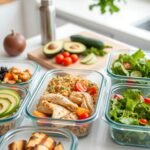
Choose clear, leak-resistant food storage containers so you can spot meals at a glance. Glass or BPA-free snap-lid sets like Rubbermaid Brilliance, Pyrex, and Snapware seal tight and stack well. Mason jars hold layered salads and dressings without soggy greens.
Reusable silicone bags from brands like Stasher—and store-brand alternatives—fit snacks, cut fruit, and leftover sides. Pick uniform sizes to nest neatly and reduce clutter. These best meal prep containers help portion control and prevent spills in transit.
Best budget thermoses and lunch bags
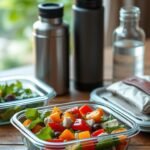
A budget thermos from Thermos or Stanley keeps soups and stews hot for hours. Look for wide-mouth lids for easy filling and cleaning. Pair it with a soft-sided bag that has thick insulation and a wipe-clean liner.
For lunch bag recommendations, seek models that fit your containers and include ice packs to hold safe temps. Durable zippers and padded handles matter for daily use. With the right combo, food storage containers and a thermos carry hot and cold items safely.
Essential tools for fast prep and cleanup
Stock a rice cooker or Instant Pot for bulk grains and beans with minimal energy use. A sturdy sheet pan and silicone mat roast veggies and proteins without sticking. A sharp chef’s knife and box grater speed chopping and shredding.
An immersion blender turns cooked veggies into smooth soup right in the pot. A microplane adds citrus zest or grated garlic in seconds. Keep a digital thermometer on hand to reheat to safe temps. These kitchen tools for meal prep save time, cut waste, and support weekly planning.
Conclusion
This budget lunch roundup shows how small choices add up. Pack with pantry staples, seasonal produce, and low-cost proteins to bring each meal to about $3–$4. You gain better nutrition, steadier energy, and real convenience. Intentional leftovers, homemade stock, and freezer-ready soups cut waste while keeping flavor high.
Use this weekly meal prep summary to start strong. Plan a simple five-day menu, shop store sales, batch-cook grains and beans, and rotate fillings to avoid burnout. Pack the night before, and lean on grain bowls, wraps, and chili or lentil stew for easy affordable lunches that reheat well.
The savings and health benefits compound fast. You save money on lunch by skipping last-minute takeout, and you control sodium and added sugar with home cooking. A couple of frugal eating tips—like cooking a big pot of brown rice or making a jar of vinaigrette—can set up a week of quick meals.
Pick one or two steps today: prep on Sunday, portion into containers, and freeze extras. Keep a list of go-to ideas on your phone for stress-free shopping. With a smart plan and consistent habits, easy affordable lunches become second nature—good for your wallet, your time, and your plate.
FAQ
How much can I really save by packing lunch instead of eating out?
A: Quite a bit. The USDA Economic Research Service shows food away from home costs far more than cooking at home. If a fast-casual lunch is – and a homemade meal is –, packing lunch three days a week can save about – weekly—
FAQ
How much can I really save by packing lunch instead of eating out?
A: Quite a bit. The USDA Economic Research Service shows food away from home costs far more than cooking at home. If a fast-casual lunch is $10–$15 and a homemade meal is $2–$4, packing lunch three days a week can save about $30–$45 weekly—$1,500–$2,200 a year. Using store brands like Kroger, Great Value, or Kirkland and buying in bulk helps keep each lunch under $3.
Are homemade lunches actually healthier than takeout?
A: Yes. Research from the Harvard T.H. Chan School of Public Health links home cooking with better diet quality. Compared with restaurant meals, home-prepped lunches usually have less sodium and added sugar and make it easier to include whole grains, legumes, and produce. Aim for about 14 grams of fiber per 1,000 calories, in line with the Dietary Guidelines for Americans.
What are the best pantry staples for budget-friendly lunches?
A: Stock grains like rice, oats, whole-wheat pasta, and bulk quinoa; proteins like beans, eggs, canned light tuna, tofu, peanut butter, and canned chicken; and flavor boosters like cumin, smoked paprika, soy sauce, sriracha, Dijon mustard, tahini, and vinegars. Frozen vegetables (spinach, broccoli, mixed veg) and seasonal fresh produce round out low-cost, nutrient-dense meals.
How do I start meal prepping without spending all Sunday in the kitchen?
A: Set a 60–90 minute window on Sunday. Cook one or two grains (rice, quinoa), two proteins (beans, eggs, chicken thighs or tofu), and roast two to three vegetables. Use an Instant Pot or rice cooker and sheet pans to streamline. Prep again on Wednesday if you prefer two shorter sessions. Keep dressings separate and store in clear containers for fast grab-and-go mornings.
What are some cold lunch ideas I can pack in minutes?
A: Try chickpea salad pitas with cucumber and dill, tuna and white bean salad with olive oil and capers, hummus boxes with carrots, olives, and pita, quinoa tabbouleh jars, or pasta salad with roasted peppers and canned artichokes. Boost protein to 20–30 grams by adding eggs, beans, Greek yogurt, or canned fish.
What hot lunches reheat well at work or school?
A: Choose dishes that stay moist: bean and rice burrito bowls, lentil vegetable curry over rice, tofu fried rice, turkey chili, baked pasta with spinach and ricotta, or stuffed sweet potatoes with black beans and corn. Pack in microwave-safe containers or use a Thermos or Stanley insulated food jar to keep meals hot for hours.
How can I hit high protein on a tight budget?
A: Lean on eggs, lentils, black beans, canned tuna, Greek yogurt, cottage cheese, tofu, and peanut butter. Target 25–35 grams of protein with balanced carbs and fats. Sample combos: tuna with white beans and olive oil, egg fried rice with peas, chickpea pasta with marinara and spinach, or yogurt parfaits with oats and a peanut butter swirl.
What kid-friendly lunch ideas work for adults too?
A: Try turkey-and-cheese roll-ups, pizza quesadillas, veggie mac with peas, peanut butter and banana wraps, and mini hummus-and-veggie snackers. Keep textures simple and add a dip like yogurt ranch or hummus to make veggies more appealing.
Which sandwiches and wraps stretch the budget without losing flavor?
A: Swap pricey deli meat for egg salad (with Greek yogurt), mashed chickpea “tuna,” marinated baked tofu, canned tuna or salmon cakes, or rotisserie chicken leftovers. Load up on roasted zucchini, peppers, mushrooms, shredded carrots, cabbage, pickled onions, and greens. Spread with hummus, white bean dip, pesto, or spicy mayo for moisture and punch.
How do I build hearty salads that don’t cost a lot?
A: Use affordable bases like romaine, cabbage, kale, or bagged coleslaw mix, then blend in grains such as brown rice, barley, or farro. Add beans, chickpeas, hard-boiled eggs, canned tuna, or baked tofu. Make simple dressings at home—try lemon-garlic, balsamic, honey-mustard, or tahini-lemon—and pack them separately to keep greens crisp.
What soups and stews freeze well for future lunches?
A: Lentil soup, minestrone, black bean soup, chicken and rice, split pea, and chili are freezer-friendly. Freeze flat in quart bags or use deli containers with labels. Save vegetable scraps and rotisserie chicken bones for homemade stock to cut sodium and cost versus boxed broth. Slow cooker and Instant Pot batches make hands-off cooking easy.
How can vegetarians keep lunches budget-friendly and balanced?
A: Center meals on legumes, whole grains, and vegetables. Think chickpea shawarma bowls, tofu stir-fries with frozen veggies, lentil sloppy joes, black bean quesadillas, peanut soba noodles with edamame, or roasted cauliflower tacos. Vegans should include B12-fortified foods and pair iron-rich beans with vitamin C sources for better absorption.
What’s the best way to repurpose leftovers for lunch?
A: Turn roast chicken into chicken salad wraps, chili into loaded baked potatoes, roasted veggies into grain bowls with feta, taco meat into burrito bowls, or meatballs into subs or a pasta bake. For rice and pasta, make fried rice with eggs and frozen veggies or a pasta frittata. Cool within two hours and reheat leftovers to 165°F for safety.
How do I assemble balanced grab-and-go lunch boxes?
A: Use a four-part formula: protein, whole grain, fruit or veg, and a smart fat. Examples: turkey roll-ups + whole-grain crackers + grapes + hummus; cheese cubes + whole-wheat pita + cucumbers + olives; bean dip + veggie sticks + tortilla chips + a clementine. Leakproof bento boxes from Sistema, Bentgo, or Rubbermaid Brilliance keep items organized and fresh.
What shopping strategies cut lunch costs the most?
A: Stack digital coupons and loyalty offers from Kroger, Safeway, or Target Circle with rebate apps like Ibotta and Fetch. Shop sales at Aldi, H-E-B, or Meijer and build menus around weekly loss leaders. Buy grains, beans, tuna, yogurt, and frozen produce in bulk at Costco, Sam’s Club, or BJ’s. Store brands often match quality at 10–30% less.
Which containers and tools are worth it for meal prep?
A: Invest in stackable glass or BPA-free plastic containers (Rubbermaid Brilliance, Pyrex, Snapware), mason jars for salads and dressings, and reusable silicone bags. A reliable thermos, an insulated lunch bag with ice packs, a rice cooker or Instant Pot, sheet pans with silicone mats, a sharp chef’s knife, and a digital thermometer will save time and reduce waste.
How do I keep lunches fresh all week?
A: Refrigerate most cooked foods for 3–4 days and freeze portions for later in the week. Label containers with the date and reheating notes. Blast-chill rice and pasta before storing to prevent sogginess, keep dressings separate, and place moisture-sensitive items on top. Use insulated lunch bags and ice packs for safe transport.
What are simple time-management tips for lunch planning?
A: Set a recurring Sunday prep block, then pack lunches the night before. Use a rotating two- to three-week menu so you don’t have to decide from scratch. Add calendar reminders and shared lists in AnyList or Google Keep to avoid forgotten items and extra trips. Clear containers help you see what’s ready to grab.
How can I plan seasonal lunches to save more?
A: Build menus around in-season produce and weekly circulars. In spring and summer, lean on cucumbers, tomatoes, corn, and berries for pasta salads, chickpea bowls, and cold soba. In fall and winter, use squash, sweet potatoes, cabbage, and apples for grain bowls, soups, and stews. Buy extra in peak season to freeze for later.
,500–,200 a year. Using store brands like Kroger, Great Value, or Kirkland and buying in bulk helps keep each lunch under .
Are homemade lunches actually healthier than takeout?
A: Yes. Research from the Harvard T.H. Chan School of Public Health links home cooking with better diet quality. Compared with restaurant meals, home-prepped lunches usually have less sodium and added sugar and make it easier to include whole grains, legumes, and produce. Aim for about 14 grams of fiber per 1,000 calories, in line with the Dietary Guidelines for Americans.
What are the best pantry staples for budget-friendly lunches?
A: Stock grains like rice, oats, whole-wheat pasta, and bulk quinoa; proteins like beans, eggs, canned light tuna, tofu, peanut butter, and canned chicken; and flavor boosters like cumin, smoked paprika, soy sauce, sriracha, Dijon mustard, tahini, and vinegars. Frozen vegetables (spinach, broccoli, mixed veg) and seasonal fresh produce round out low-cost, nutrient-dense meals.
How do I start meal prepping without spending all Sunday in the kitchen?
A: Set a 60–90 minute window on Sunday. Cook one or two grains (rice, quinoa), two proteins (beans, eggs, chicken thighs or tofu), and roast two to three vegetables. Use an Instant Pot or rice cooker and sheet pans to streamline. Prep again on Wednesday if you prefer two shorter sessions. Keep dressings separate and store in clear containers for fast grab-and-go mornings.
What are some cold lunch ideas I can pack in minutes?
A: Try chickpea salad pitas with cucumber and dill, tuna and white bean salad with olive oil and capers, hummus boxes with carrots, olives, and pita, quinoa tabbouleh jars, or pasta salad with roasted peppers and canned artichokes. Boost protein to 20–30 grams by adding eggs, beans, Greek yogurt, or canned fish.
What hot lunches reheat well at work or school?
A: Choose dishes that stay moist: bean and rice burrito bowls, lentil vegetable curry over rice, tofu fried rice, turkey chili, baked pasta with spinach and ricotta, or stuffed sweet potatoes with black beans and corn. Pack in microwave-safe containers or use a Thermos or Stanley insulated food jar to keep meals hot for hours.
How can I hit high protein on a tight budget?
A: Lean on eggs, lentils, black beans, canned tuna, Greek yogurt, cottage cheese, tofu, and peanut butter. Target 25–35 grams of protein with balanced carbs and fats. Sample combos: tuna with white beans and olive oil, egg fried rice with peas, chickpea pasta with marinara and spinach, or yogurt parfaits with oats and a peanut butter swirl.
What kid-friendly lunch ideas work for adults too?
A: Try turkey-and-cheese roll-ups, pizza quesadillas, veggie mac with peas, peanut butter and banana wraps, and mini hummus-and-veggie snackers. Keep textures simple and add a dip like yogurt ranch or hummus to make veggies more appealing.
Which sandwiches and wraps stretch the budget without losing flavor?
A: Swap pricey deli meat for egg salad (with Greek yogurt), mashed chickpea “tuna,” marinated baked tofu, canned tuna or salmon cakes, or rotisserie chicken leftovers. Load up on roasted zucchini, peppers, mushrooms, shredded carrots, cabbage, pickled onions, and greens. Spread with hummus, white bean dip, pesto, or spicy mayo for moisture and punch.
How do I build hearty salads that don’t cost a lot?
A: Use affordable bases like romaine, cabbage, kale, or bagged coleslaw mix, then blend in grains such as brown rice, barley, or farro. Add beans, chickpeas, hard-boiled eggs, canned tuna, or baked tofu. Make simple dressings at home—try lemon-garlic, balsamic, honey-mustard, or tahini-lemon—and pack them separately to keep greens crisp.
What soups and stews freeze well for future lunches?
A: Lentil soup, minestrone, black bean soup, chicken and rice, split pea, and chili are freezer-friendly. Freeze flat in quart bags or use deli containers with labels. Save vegetable scraps and rotisserie chicken bones for homemade stock to cut sodium and cost versus boxed broth. Slow cooker and Instant Pot batches make hands-off cooking easy.
How can vegetarians keep lunches budget-friendly and balanced?
A: Center meals on legumes, whole grains, and vegetables. Think chickpea shawarma bowls, tofu stir-fries with frozen veggies, lentil sloppy joes, black bean quesadillas, peanut soba noodles with edamame, or roasted cauliflower tacos. Vegans should include B12-fortified foods and pair iron-rich beans with vitamin C sources for better absorption.
What’s the best way to repurpose leftovers for lunch?
A: Turn roast chicken into chicken salad wraps, chili into loaded baked potatoes, roasted veggies into grain bowls with feta, taco meat into burrito bowls, or meatballs into subs or a pasta bake. For rice and pasta, make fried rice with eggs and frozen veggies or a pasta frittata. Cool within two hours and reheat leftovers to 165°F for safety.
How do I assemble balanced grab-and-go lunch boxes?
A: Use a four-part formula: protein, whole grain, fruit or veg, and a smart fat. Examples: turkey roll-ups + whole-grain crackers + grapes + hummus; cheese cubes + whole-wheat pita + cucumbers + olives; bean dip + veggie sticks + tortilla chips + a clementine. Leakproof bento boxes from Sistema, Bentgo, or Rubbermaid Brilliance keep items organized and fresh.
What shopping strategies cut lunch costs the most?
A: Stack digital coupons and loyalty offers from Kroger, Safeway, or Target Circle with rebate apps like Ibotta and Fetch. Shop sales at Aldi, H-E-B, or Meijer and build menus around weekly loss leaders. Buy grains, beans, tuna, yogurt, and frozen produce in bulk at Costco, Sam’s Club, or BJ’s. Store brands often match quality at 10–30% less.
Which containers and tools are worth it for meal prep?
A: Invest in stackable glass or BPA-free plastic containers (Rubbermaid Brilliance, Pyrex, Snapware), mason jars for salads and dressings, and reusable silicone bags. A reliable thermos, an insulated lunch bag with ice packs, a rice cooker or Instant Pot, sheet pans with silicone mats, a sharp chef’s knife, and a digital thermometer will save time and reduce waste.
How do I keep lunches fresh all week?
A: Refrigerate most cooked foods for 3–4 days and freeze portions for later in the week. Label containers with the date and reheating notes. Blast-chill rice and pasta before storing to prevent sogginess, keep dressings separate, and place moisture-sensitive items on top. Use insulated lunch bags and ice packs for safe transport.
What are simple time-management tips for lunch planning?
A: Set a recurring Sunday prep block, then pack lunches the night before. Use a rotating two- to three-week menu so you don’t have to decide from scratch. Add calendar reminders and shared lists in AnyList or Google Keep to avoid forgotten items and extra trips. Clear containers help you see what’s ready to grab.
How can I plan seasonal lunches to save more?
A: Build menus around in-season produce and weekly circulars. In spring and summer, lean on cucumbers, tomatoes, corn, and berries for pasta salads, chickpea bowls, and cold soba. In fall and winter, use squash, sweet potatoes, cabbage, and apples for grain bowls, soups, and stews. Buy extra in peak season to freeze for later.