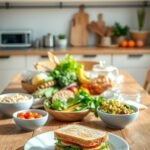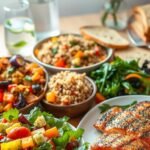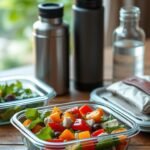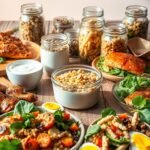
Healthy Meal Prep Lunches for Easy Workdays
Here’s a stat that changes lunch forever: Adults who plan meals are more likely to meet fruit and vegetable goals, according to the Centers for Disease Control and Prevention. Add in the U.S. Department of Agriculture’s MyPlate guidance for balanced portions, and you have a simple path to better midday energy. Research in the American Journal of Preventive Medicine also links time spent on meal prep with higher diet quality. That’s powerful motivation for busy office schedules.
This Website contains affiliate links. That means I may earn a small commission if you purchase through my links, at no extra cost to you.
This guide turns Healthy Meal Prep Lunches into a routine you can trust. You’ll find work lunch ideas that follow MyPlate basics, lean on durable produce, and keep sodium and added sugar in check. Expect easy lunch meal prep that fits real office life—no-microwave days, commute-proof packing, and reheats that stay tasty.
Whether you’re new to meal prep for work or refining weekly meal prep, you’ll get nutritious lunch ideas and time-saving lunches that cut stress and costs. We’ll cover smart portions, food safety windows drawn from federal guidance, and office lunch recipes you can batch on Sunday and enjoy all week.
From mix-and-match bowls to no-heat salads, every section is built for U.S.-based professionals who want better focus at 2 p.m., not a slump. Simple steps, proven frameworks, and adaptable flavors—so lunch becomes the easiest win of your workday.
Key Takeaways
- Planning lunches ahead supports healthier eating patterns and steadier energy.
- MyPlate-style portions make balanced, office-ready meals simple to build.
- Batch once, enjoy many: cook components to mix and match through the week.
- Choose sturdy ingredients and commute-proof containers to keep food fresh.
- Use no-heat, reheat-friendly, and high-protein options to fit any workday.
- Follow safe storage windows to keep meals flavorful and safe.
Why Meal Prep Makes Workdays Easier
Meal prep builds calm into a busy week. A short block of weekly lunch planning lets you save time meal prep, boost workday efficiency, and walk into noon with a plan. The result feels lighter, tastes better, and keeps you focused.
Time-Saving Benefits for Busy Schedules
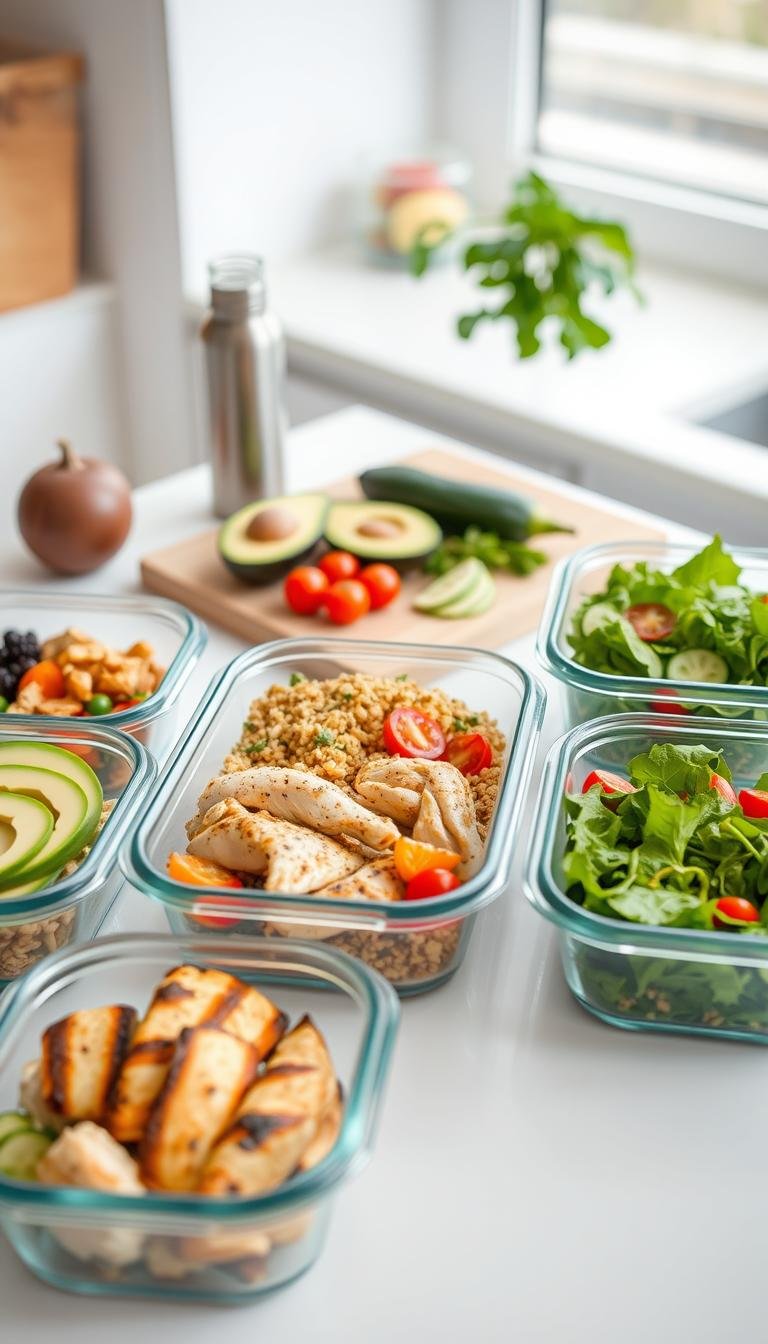
A 90-minute session on Sunday can yield four to five lunches. Roast chicken or tofu with vegetables on sheet pans while a pot of quinoa or brown rice cooks. Assemble a crisp salad base at the same time.
This approach trims daily prep to minutes and boosts workday efficiency. You grab, go, and eat. That is how save time meal prep turns into extra space for meetings, workouts, or a true break.
Reducing Decision Fatigue and Food Stress
Research shows repeated choices drain willpower as the day goes on. Prepped meals reduce decision fatigue by removing a daily fork-in-the-road at noon. You choose once, not five times a week.
Predictable lunches also lower stress. They align with your goals—high fiber, lower sodium—and limit ultra-processed picks flagged by the American Heart Association for excess sodium and added sugars. You eat well without the midday scramble.
Budget-Friendly Eating Without Sacrificing Nutrition
Cooking at home often beats takeout on price per serving. Batch-cook proteins, grains, and legumes for meaningful meal prep savings. Many households see 30–60% lower costs versus ordering out.
For cost-effective meals, buy family packs of chicken thighs, dry beans or lentils, seasonal produce, and store brands from retailers like Costco, Target, or Kroger. Keep versatile sauces—like a bright lemon-garlic or a spicy yogurt—to turn staples into affordable healthy lunches all week.
- Batch once, eat many times: simple steps that create meal prep savings.
- Plan portions and sides during weekly lunch planning to reduce decision fatigue.
- Rotate sauces and textures to keep affordable healthy lunches exciting.
- Leverage leftovers for cost-effective meals without extra effort.
How to Plan a Balanced Lunch for Sustained Energy
A balanced lunch keeps energy steady through the afternoon and supports clear focus. Think about macronutrient balance that fits real office nutrition, not a strict diet. Build plates that travel well, taste good, and meet your goals without fuss.
Protein, Fiber, and Healthy Fats: The Power Trio
Pair 3–5 ounces of lean protein with high-fiber lunches to stay full and sharp. Chicken breast, tuna, tofu, tempeh, eggs, Greek yogurt, beans, or lentils work well. Add healthy fats like extra-virgin olive oil, avocado, nuts, seeds, or tahini for flavor and steady fuel.
This trio supports macronutrient balance that curbs cravings and helps blood sugar stability. It also makes office nutrition practical: prep once, enjoy all week.
Smart Carbs for Focus and Satiety
Choose complex carbs that digest slowly and support focus. Quinoa, brown rice, farro, barley, sweet potatoes, and whole-grain pasta offer fiber and minerals. These choices help avoid the midafternoon slump tied to refined grains.
Mix colorful vegetables with these bases for texture and crunch. Together, they turn simple meal prep into high-fiber lunches that satisfy.
Portion Guidelines for Office Days
Use easy visual cues to set portion sizes for work. Aim for 3–5 ounces cooked protein, half a plate of non-starchy vegetables, and 0.5–1 cup of whole grains or another starch. Add 1–2 tablespoons of dressing or oil, plus optional fruit.
Most desk jobs do well with 400–650 calories at noon and plenty of water. This range, built from complex carbs, protein, and healthy fats, supports steady energy without the crash.
Healthy Meal Prep Lunches
Set yourself up for flavor-forward healthy lunches with clear meal prep principles. Start small: pick two proteins, one grain, and a rainbow of vegetables. Keep sauces bright and light so every bite stays lively through the week.
Core Principles for Flavor, Freshness, and Nutrition
Season in layers. Salt thoughtfully, then add acid with lemon or vinegar, and finish with herbs and umami like miso, Parmesan, or tamari. These choices boost taste while keeping sodium in check.
Use freshness strategies that protect texture. Roast vegetables to al dente, cool them fast, and store greens and sauces apart. Add citrus zest or fresh basil at the desk to wake up the meal.
- Lean proteins, high-fiber carbs, and healthy fats anchor balance.
- Crunchy toppings—roasted seeds or chopped nuts—travel best when packed dry.
- Store dressings in mini containers to preserve snap and color.
Batch-Cooking Versus Mix-and-Match Components
Batch cooking offers set-it-and-forget-it ease. Make a pot of turkey chili or a tray of garlic-lemon chicken and portion it out. It’s simple, consistent, and fast on busy mornings.
Component meal prep builds variety from core pieces. Cook chicken thighs, tofu, quinoa, and roasted broccoli, then rotate sauces like chimichurri or tahini. You get new combinations without extra work.
| Approach | Best For | Pros | Watchouts | Pro Move |
|---|---|---|---|---|
| Batch cooking | Ultra-busy weeks | Minimal decisions; uniform portions | Menu fatigue by midweek | Freeze two portions on day one to reset variety later |
| Component meal prep | Flex and creativity | Mix-and-match meals; better adherence | Requires simple assembly daily | Pre-label sauces to pair with proteins for quick grabs |
Storing and Reheating Without Losing Quality
Lean on smart freshness strategies to protect taste and safety. Keep wet and dry elements separate until serving, and pack greens on top, grains on the bottom.
Use these reheating tips for tender results: reheat grains with a splash of water, microwave in 30–60 second bursts, and stir between rounds. For safety, warm leftovers to 165°F (74°C). Finish with lemon juice or chopped cilantro after heating to revive aroma.
- Vent containers slightly to prevent soggy edges.
- Place proteins on the outer rim of the plate for even heat.
- Dress salads at the desk to avoid wilted greens.
Ingredient Staples to Keep in Your Kitchen
Build a smart base so weekday cooking stays quick, tasty, and affordable. Stock a small set of pantry staples and a budget pantry list that helps you mix, match, and reheat without stress. Aim for healthy protein options, whole grain staples, long-lasting vegetables, and a few reliable meal prep spices.
Proteins: Chicken, Tofu, Beans, and Seafood
Keep chicken thighs or breasts in the freezer for flexible meals. Extra-firm tofu and tempeh hold shape in stir-fries and bowls. Canned tuna or salmon—look for MSC-certified—add fast lunches with lemon and olive oil. Black beans, chickpeas, and lentils round out healthy protein options that fit a budget pantry list.
Dry lentils cook in about 20–25 minutes and freeze well. Canned legumes make busy nights easier and support steady protein across the week.
Whole Grains: Quinoa, Brown Rice, Farro
Quinoa cooks in roughly 15 minutes and is a complete protein. Brown rice brings fiber and a nutty bite. Farro offers a chewy texture and more protein than many grains. These whole grain staples reheat well and store in the fridge for 4–5 days, making lunch builds simple.
Cook a double batch on Sunday to anchor bowls, soups, and salads. Pair with pantry staples like extra-virgin olive oil and red wine vinegar to refresh leftovers.
Veggies That Hold Up Well All Week
Choose long-lasting vegetables that keep their crunch: cabbage, carrots, bell peppers, snap peas, broccoli, cauliflower, kale, Brussels sprouts, cherry tomatoes, and roasted roots such as sweet potatoes and beets. Keep spinach or arugula undressed and use within 3–4 days for best texture.
Prep a mix of raw and roasted to cover many meals. Store components separately so flavors stay clean and crisp.
Flavor Boosters: Herbs, Citrus, Sauces, and Spices
Brighten food with meal prep spices and fresh add-ins. Use garlic, ginger, and scallions for depth; finish with cilantro, parsley, or basil. Add lemons, limes, rice vinegar, or red wine vinegar for balanced acid. Stock tahini, gochujang, harissa, salsa, and low-sodium tamari, plus a good extra-virgin olive oil.
These small touches turn simple bases into new meals and support a budget pantry list without extra trips to the store.
| Category | Staple | Why It Works | Storage Tip |
|---|---|---|---|
| Protein | Chicken thighs; canned salmon; extra-firm tofu; lentils | Healthy protein options that freeze or keep well and cook fast | Freeze chicken in portions; keep tofu in water; store cooked lentils up to 4–5 days |
| Grains | Quinoa; brown rice; farro | Whole grain staples that reheat without getting mushy | Cook, cool, and refrigerate; add a splash of water when reheating |
| Vegetables | Cabbage; carrots; broccoli; sweet potatoes | Long-lasting vegetables with crunch and color all week | Store dry in containers; roast roots and chill in shallow layers |
| Flavor | Cumin, smoked paprika, chili flakes; lemons; tamari; tahini | Meal prep spices and acids that create instant variety | Keep spices dry and sealed; refrigerate opened sauces |
Meal Prep Containers and Storage Best Practices
Great gear makes weekday lunches simple and safe. Choose the best meal prep containers that protect texture, support food safety, and fit your routine. Match material to your reheating needs, then store smart to extend shelf life and keep flavors bright.
Glass vs. BPA-Free Plastic vs. Stainless Steel
Borosilicate glass containers, like Pyrex-style dishes, handle ovens and microwaves and resist stains and odors. They shine for saucy pasta, roasted veggies, and reheats.
BPA-free lunch boxes made from Tritan are light, clear, and tough. They’re ideal for cold salads, fruit, and snacks when you don’t need heat.
A stainless steel lunch container from brands like PlanetBox or LunchBots is durable and odor-resistant. It’s not microwaveable, but it’s perfect for crisp items and outdoor meals.
Leak-Proof and Compartment Options
Look for leak-proof containers with silicone-sealed lids for dressings, soups, and curries. A tight snap reduces spills in your bag and protects other foods.
Choose bento-style layouts to separate proteins, grains, and greens. Compartments help stop sogginess and keep hot and cold items apart until mealtime.
Labeling, Dating, and Portioning Tips
Label each dish with painter’s tape or dissolvable labels. Include the name and prep date, then use a first-in, first-out rotation to manage shelf life.
- 28–32 oz: hearty grain bowls and mixed plates
- 16 oz: green salads or soup portions
- 2–4 oz cups: sauces, nuts, dressings
Safe Refrigeration and Freezing Windows
Refrigerate within 2 hours of cooking and keep the fridge at or below 40°F (4°C) to support food safety. Most cooked dishes last 3–4 days; cooked grains 4–5 days; cooked seafood 2–3 days.
Freeze most cooked proteins and grains for 2–3 months. Soups and chili often hold 3–4 months. Thaw overnight in the refrigerator, not on the counter, to maintain quality and safety.
| Container Type | Best Uses | Heat Compatibility | Leak Control | Pros | Considerations |
|---|---|---|---|---|---|
| Glass containers (borosilicate) | Reheats, saucy meals, roasted dishes | Oven and microwave safe | Excellent with silicone-sealed lids | Resists staining; clear visibility; long lifespan | Heavier; breakable |
| BPA-free lunch boxes (Tritan) | Cold salads, snacks, fruit, office packs | Not for ovens; check microwave guidance | Strong if snap lids seal well | Lightweight; durable; transparent | May retain odors over time; heat limits |
| Stainless steel lunch container | Dry or crisp items, outdoor meals, kid-friendly | Not microwaveable or oven safe | Good with tight latches; pair with sauce cups | Durable; odor-resistant; eco-friendly | No microwave use; opaque |
| Leak-proof containers with compartments | Bento builds, separate hot/cold, travel | Varies by material | High with silicone gaskets and secure latches | Prevents sogginess; easy portion control | More pieces to wash; sizing varies |
Quick pick: Mix glass containers for reheats, BPA-free lunch boxes for cold meals, and a stainless steel lunch container for crisp fare to cover every scenario while boosting food safety and shelf life.
Easy No-Heat Lunches for the Office
Beat the midday slump with grab-and-go lunches that pack flavor, crunch, and steady energy. These picks are perfect for no-microwave lunches and fit right into your cold lunch meal prep routine. They’re fast to assemble, easy to store, and satisfying at your desk or on the go.
Mediterranean Chickpea Salad Jars
Build mason jar salads that stay crisp all week. Start with a dressing of olive oil, lemon, red wine vinegar, and oregano. Layer chickpeas, cucumbers, cherry tomatoes, Kalamata olives, red onion, and feta, then top with arugula.
At lunch, shake and eat. Each jar lands around 10–12 g of fiber and 12–15 g of plant protein, making these a hero for no-microwave lunches that still feel fresh and bright.
Turkey, Avocado, and Veggie Protein Boxes
Pack a protein snack box with sliced turkey from brands like Applegate, avocado wedges spritzed with lime, cucumber, bell pepper, and baby carrots. Add a boiled egg and a single-serve hummus cup for creamy dip and extra protein.
This combo aims for about 25–35 g of protein plus healthy fats, keeping you full through meetings. It’s ideal for grab-and-go lunches and simple cold lunch meal prep on Sunday night.
Soba Noodle Sesame Bowls
Cook 100% buckwheat noodles for a classic sesame soba salad (check labels for gluten-free). Toss with shredded cabbage, edamame, scallions, and carrots. Keep a sesame-ginger dressing—toasted sesame oil, rice vinegar, tamari, honey, and grated ginger—on the side.
Dress just before eating and add lime wedges for brightness. These bowls are cool, savory, and perfect for no-microwave lunches when you want variety beyond greens.
- Prep tip: Store dressings separately to protect texture in mason jar salads and soba bowls.
- Portion cue: Aim for a palm-sized protein in your protein snack box to sustain afternoon focus.
- Batch-smart: Double noodles and chickpeas to streamline cold lunch meal prep for the week.
Reheat-Friendly Lunches That Taste Great
These microwave-friendly lunches make busy days easier without losing flavor. Plan ahead, portion smart, and you can reheat meals that stay tender and fresh. Each idea below works for office microwave lunches and keeps you fueled through the afternoon.
Garlic-Lemon Chicken with Roasted Veggies
For dependable chicken meal prep, marinate chicken thighs in olive oil, lemon zest and juice, minced garlic, oregano, and black pepper. Roast on a sheet pan with broccoli and carrots at 425°F until the chicken hits 165°F. Thighs stay juicy, so they shine as reheat meals throughout the week.
Portion with brown rice or farro for fiber and steady energy. Pack lemon wedges and a drizzle of extra-virgin olive oil. This combo is ideal for office microwave lunches when you want bright flavor and a hearty bite.
Turkey Chili with Brown Rice
This turkey chili recipe starts by sautéing onion, bell pepper, and garlic, then browning 93% lean ground turkey. Stir in crushed tomatoes, kidney beans, cumin, chili powder, and smoked paprika. Simmer 30–40 minutes until thick and rich.
Serve over brown rice and top with scallions and a spoon of Greek yogurt. The flavors deepen on day two, and portions freeze well for microwave-friendly lunches that taste slow-cooked, even on a busy Wednesday.
Tofu Stir-Fry with Ginger-Tamari Sauce
For tofu stir-fry meal prep, press extra-firm tofu, cube it, and sear until golden. Add snap peas, bell peppers, and broccoli. Whisk tamari, fresh ginger, garlic, rice vinegar, and a touch of maple or brown sugar, then thicken with a cornstarch slurry.
Serve over quinoa. When you reheat meals like this, add a splash of water to keep the sauce glossy. It’s quick, colorful, and perfect for office microwave lunches that deliver crunch and comfort in every bite.
- Prep Tip: Chill cooked rice or quinoa before packing to keep grains fluffy after reheating.
- Flavor Boost: Pack lemon wedges, chopped cilantro, or sliced scallions in a separate cup.
- Heat Smart: Vent the lid and reheat in short bursts, stirring once for even warmth.
High-Protein Meal Prep Ideas
Power your week with high-protein lunches that keep you full and focused. These muscle-friendly lunches work for busy days and make protein meal prep simple without fussy steps or long cook times.
Greek Yogurt Chicken Salad
This chicken salad healthy twist swaps most mayo for 2% or nonfat Greek yogurt, Dijon, lemon, celery, scallions, and fresh dill. Add 1–2 tablespoons of mayo if you like a classic bite and extra gloss.
Serve it tucked in whole-grain pitas or over crisp greens. Expect about 25–35 grams of protein per serving, making it ideal for muscle-friendly lunches that still taste bright and creamy.
Lentil and Quinoa Power Bowls
Build lentil quinoa bowls with cooked green or brown lentils, red quinoa, roasted Brussels sprouts, and caramelized sweet potatoes. Sprinkle pumpkin seeds for crunch and healthy fats.
Finish with a lemon–tahini drizzle. The mix of legumes and grains delivers complete amino acids plus around 15–25 grams of fiber per bowl—smart protein meal prep that keeps energy steady.
Egg White Frittata Squares
For easy frittata meal prep, whisk egg whites with spinach, mushrooms, peppers, and a touch of feta. Bake in a 9×13 pan, cool, then cut into tidy squares.
Pack with berries and whole-grain crackers for portable, high-protein lunches at 15–20 grams per serving and low in saturated fat. Store covered in the fridge for up to four days for reliable, muscle-friendly lunches.
- Prep tip: Roast veggies for the bowls while the frittata bakes to streamline protein meal prep.
- Serve smart: Keep the chicken salad healthy by pairing with greens and whole grains for balanced plates.
- Flavor boost: Add citrus zest or fresh herbs to keep lentil quinoa bowls vibrant all week.
Vegetarian and Plant-Forward Options
These plant-based lunch ideas bring color, crunch, and staying power to busy days. With smart vegetarian meal prep, you’ll pack flavor, fiber, and steady energy without fuss. Each option works for vegan lunch prep and holds up well through the week.
Roasted Veggie and Hummus Wraps
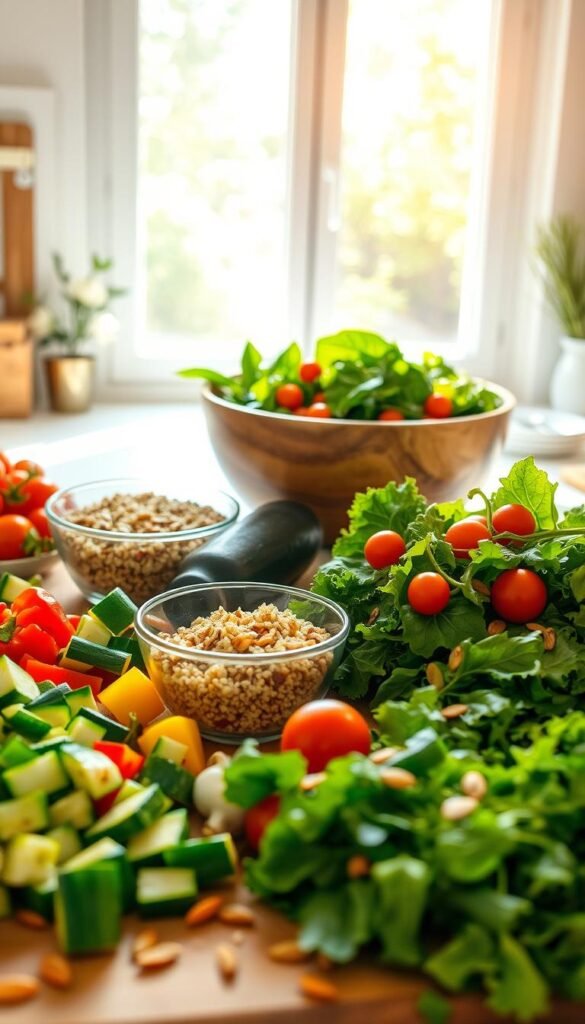
Layer roasted zucchini, peppers, and onions over a generous hummus wrap on a whole-grain tortilla. Add baby spinach and a light sprinkle of feta for creaminess. Wrap tightly in parchment to keep structure, then chill.
Serve cold or at room temp. This simple move turns plant-based lunch ideas into a grab-and-go win, ideal for vegan lunch prep on Sunday nights.
Black Bean and Sweet Potato Bowls
Build a black bean bowl with cumin-roasted sweet potatoes, corn, cherry tomatoes, and cilantro-lime brown rice. Spoon on pico de gallo for zip and add avocado at serving to prevent browning.
The mix delivers balanced macros and fiber for lasting satiety. It’s a staple for vegetarian meal prep when you want bright flavor and steady focus.
Marinated Tofu Sushi-Style Bowls
Toss cubed tofu in tamari, sesame oil, and rice vinegar, then pair with cucumber, edamame, carrots, and nori strips over seasoned brown rice. Drizzle with sriracha-mayo or a lighter yogurt-sriracha sauce.
Finish with sesame seeds and scallions. This tofu poke bowl twist packs crunch and umami, making vegan lunch prep feel fresh all week.
Low-Carb and Keto-Inspired Lunches
These low glycemic lunches keep energy steady and flavors bright. Think smart low-carb lunch prep that reheats well, packs clean, and tastes fresh at noon. The keto lunch ideas below use simple steps and pantry staples to make workdays easier.
Prep tip: Pack dressings and salsa separately, and include a ripe avocado or olive oil packet for easy fats.
Cauliflower Rice Burrito Bowls
Build bold cauliflower rice bowls by sautéing riced cauliflower with garlic and cumin until fragrant. Add chili-lime chicken, fajita peppers and onions, shredded lettuce, pico de gallo, and queso fresco. Slice in avocado for creamy fats and keep salsa on the side for travel.
This combo nails low-carb lunch prep without losing heat or crunch. It’s fast, filling, and fits into low glycemic lunches with ease.
Zucchini Noodle Pesto Chicken
Create zoodle chicken by lightly sautéing spiralized zucchini to release moisture. Toss with basil pesto made with extra-virgin olive oil and pine nuts or walnuts, then fold in sliced grilled chicken. Finish with cherry tomatoes and a shower of Parmesan.
These bowls stay bright and tender when packed. They rank high among keto lunch ideas, especially when you want a pasta feel with fewer carbs.
Greek Salad with Salmon and Olives
Assemble a salmon Greek salad with crisp romaine, cucumbers, tomatoes, red onion, Kalamata olives, and feta. Add baked salmon portions and dress at mealtime with olive oil, lemon, and oregano. The macro profile favors protein and monounsaturated fats while staying low in net carbs.
This option travels well and keeps texture. It’s ideal for low glycemic lunches that deliver satisfaction without a slump.
| Lunch Idea | Main Components | Fat Sources | Meal Prep Notes | Best For |
|---|---|---|---|---|
| Cauliflower Rice Burrito Bowls | Riced cauliflower, chili-lime chicken, peppers/onions, lettuce, pico, queso fresco | Avocado, queso fresco | Sauté cauliflower with garlic and cumin; pack salsa separately | low-carb lunch prep; low glycemic lunches |
| Zucchini Noodle Pesto Chicken | Zoodles, basil pesto, grilled chicken, cherry tomatoes, Parmesan | Olive oil, nuts in pesto | Lightly sauté zoodles to reduce moisture; toss just before eating | keto lunch ideas; zoodle chicken |
| Greek Salad with Salmon and Olives | Romaine, cucumbers, tomatoes, red onion, olives, feta, baked salmon | Olive oil, salmon | Keep dressing of olive oil, lemon, oregano in a separate container | low glycemic lunches; salmon Greek salad |
Make-Ahead Dressings and Sauces for Variety
These healthy dressings act as everyday flavor boosters, turning simple grains, greens, and proteins into craveable lunches. Batch a few meal prep sauces on Sunday, portion them into 2–4 oz containers, and swap them through the week for easy variety.
Creamy Tahini-Lemon Dressing
Whisk a silky tahini lemon dressing with tahini, warm water, fresh lemon juice, minced garlic, a touch of maple syrup or honey, cumin, and salt. Thin with water until it drizzles. Spoon over grain bowls, roasted vegetables, or baked salmon for quick meal prep sauces that stay bright.
Store in the fridge and stir before using. This pick delivers nutty depth and citrus lift, making it one of the most reliable healthy dressings for busy weeks.
Chimichurri and Salsa Verde
For an herb-first chimichurri recipe, pulse parsley, a little cilantro, garlic, red wine vinegar, dried oregano, chili flakes, olive oil, and salt. It wakes up steak, tofu, and roasted mushrooms.
Pair it with salsa verde made from tomatillos, jalapeño, cilantro, onion, lime, and salt. Both bring acidity and fresh greens to bowls and tacos, and keep 4–5 days chilled. Rotate them as flavor boosters to refresh leftovers without extra cooking.
Light Peanut-Lime Sauce
Blend a light peanut lime sauce with natural peanut butter, lime juice, low-sodium tamari, rice vinegar, grated ginger, and a hint of honey. Add warm water for a pourable texture and adjust salt to taste.
Use it on soba noodles, shredded chicken, or crunchy slaws. It’s a standout among healthy dressings and meal prep sauces, offering creamy balance, zip, and a satisfying finish.
- Pro tip: Label dates on lids and keep portions cold-packed for grab-and-go lunches.
- Mix and match tahini lemon dressing, a bold chimichurri recipe, bright salsa verde, and a silky peanut lime sauce across the week.
Seasonal Meal Prep to Keep Things Fresh
Build a year-round rhythm with seasonal meal prep that highlights peak flavor and keeps lunch exciting. Use a trusted seasonal produce guide to plan fast, colorful boxes that travel well and taste great at noon.
Cook once, eat well all week by prepping base grains and proteins, then layering crisp vegetables and bright dressings. The ideas below rotate with the calendar and make spring lunch ideas, summer salads, fall grain bowls, and winter citrus recipes easy to assemble.
Spring Asparagus and Pea Bowls
Sauté asparagus and peas until just tender. Toss with thinly sliced radishes and herbed farro. Finish with a lemon–mint vinaigrette for a clean, green bite.
Peak spring produce shines and often costs less, as noted by the USDA seasonal produce guide. Pack with feta or grilled chicken for more protein.
Summer Grilled Veggie and Corn Salads
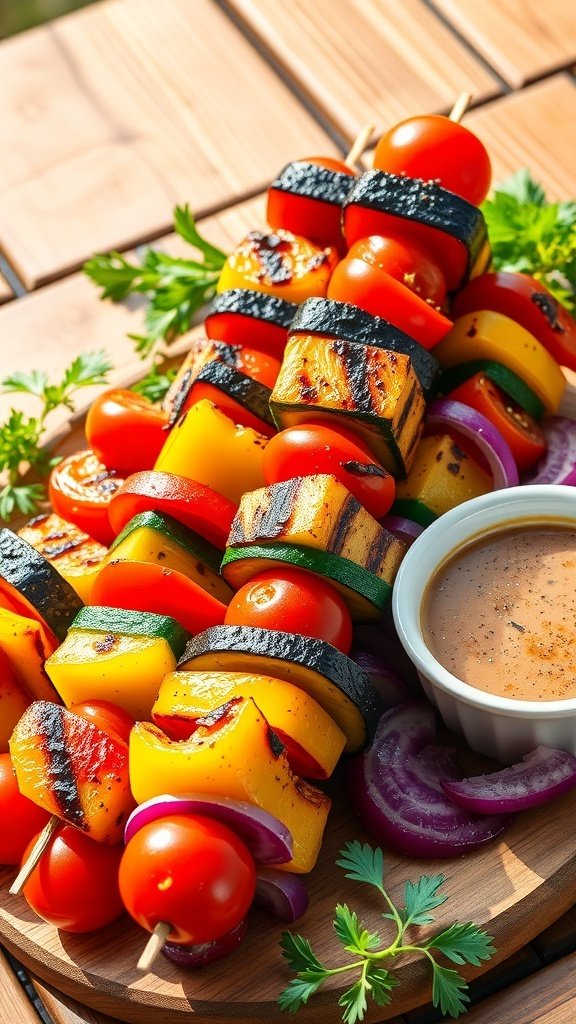
Grill zucchini, bell peppers, and sweet corn in one big batch. Fold in cherry tomatoes, basil, and mozzarella or chickpeas. Dress with a light balsamic vinaigrette.
These summer salads hold up for several days and pair well with leftover steak, shrimp, or tofu. Add a squeeze of lemon before eating to wake up the flavors.
Fall Harvest Grain Bowls
Roast delicata squash and Brussels sprouts until caramelized. Spoon over wild rice or barley with dried cranberries and toasted pecans. Whisk apple-cider vinegar, Dijon, olive oil, and a pinch of cinnamon and nutmeg.
These cozy fall grain bowls reheat well and stay hearty. Top with goat cheese or roasted turkey for a satisfying finish.
Winter Citrus and Roasted Root Combos
Roast carrots, beets, and parsnips. Layer with baby kale and quinoa, then add segments of navel or blood oranges. Drizzle a creamy tahini–orange dressing.
When citrus peaks, winter citrus recipes add brightness and vitamin C. The sweet-tart pop balances earthy roots and keeps lunch lively.
| Season | Key Produce | Base & Protein | Dressing & Flavor Notes | Prep Advantage |
|---|---|---|---|---|
| Spring | Asparagus, peas, radishes | Farro; feta or grilled chicken | Lemon–mint vinaigrette; fresh, herbal | Quick sauté; crisp texture holds 3–4 days |
| Summer | Zucchini, peppers, corn, tomatoes, basil | Mixed greens; mozzarella or chickpeas | Balsamic vinaigrette; smoky from the grill | Batch grilling covers multiple lunches |
| Fall | Delicata squash, Brussels sprouts, cranberries | Wild rice or barley; turkey or goat cheese | Apple-cider Dijon; warm spices like cinnamon | Roasted veg reheat well without wilting |
| Winter | Carrots, beets, parsnips, navel or blood oranges | Quinoa; tahini for plant protein | Tahini–orange; bright, creamy, citrus-forward | Roots keep structure; citrus adds peak flavor |
Rotate these templates to keep a balanced routine. With smart seasonal meal prep, you get better taste, steady costs, and variety guided by a simple seasonal produce guide.
Grocery List and Batch-Cooking Workflow
Streamline your week with a weekly grocery list and a clear batch cooking workflow. Pair a practical meal prep schedule with smart shopping to keep lunches fresh, fast, and budget-savvy.
Tip: Use Sunday meal prep to set the pace, then refresh midweek for greens and seafood. This rhythm supports efficient meal prep without burnout.
Shop Once, Prep Twice Strategy
Plan one cart for five days, then split the work into two short blocks. Do your Sunday meal prep first, and a quick touch-up on Wednesday night.
- Build a weekly grocery list by category for speed and clarity.
- Categories: produce, proteins, grains and legumes, dairy or alternatives, pantry, and sauces.
- Buy shelf-stable items in bulk; purchase seafood and delicate greens closer to midweek.
Efficient Oven and Stovetop Scheduling
Preheat the oven to 425°F. Start sheet pans with chicken, tofu, salmon, or vegetables while grains cook on the stovetop or in an Instant Pot.
- Oven: roast proteins and sturdy veggies first; rotate trays halfway.
- Stovetop: simmer quinoa, brown rice, or farro; stir once and let rest.
- Counter: assemble no-cook items, wash greens, and blend sauces while the oven runs.
- Nesting tasks keep total time to 90–120 minutes and boost efficient meal prep.
Cooling, Packing, and Storing in Sequence
Follow food-safe cooling and packing tips to lock in flavor and texture. Spread hot foods in shallow containers to reach 70°F within 2 hours and 40°F within 4 hours. Do not seal steamy containers.
- Pack by component: proteins, grains, and vegetables; keep dressings separate.
- Label each container with the date and reheat notes; place ready-to-eat items at eye level.
- Freeze extra portions right away to preserve quality and reduce waste.
| Step | Action | Time Target | Tools | Outcome |
|---|---|---|---|---|
| Plan | Create a weekly grocery list by category; set a meal prep schedule for two blocks. | 10–15 min | Notes app, calendar | Clear plan for Sunday meal prep and a midweek refresh. |
| Cook | Roast sheet-pan proteins/veggies at 425°F; cook grains; prep no-cook items. | 60–90 min | Sheet pans, Instant Pot, knives | Balanced bases ready for mix-and-match lunches. |
| Cool | Use shallow containers; vent until under 70°F, then chill to 40°F. | Up to 4 hrs | Cooling racks, shallow pans | Safe, crisp textures with minimized condensation. |
| Pack | Portion components; keep sauces separate; add labels and dates. | 10–20 min | Glass containers, labels | Grab-and-go boxes with clear rotation. |
| Store | Fridge at eye level; freeze extras immediately; schedule midweek top-up. | 5–10 min | Fridge, freezer | Longer shelf life and efficient meal prep all week. |
Tips to Keep Lunches Exciting All Week
Small shifts make weekday meals feel new. Use lunch variety tips to switch sauces, textures, and temps so you avoid lunch boredom without cooking from scratch every day. Build mix-and-match lunches from a few smart bases and finish with bright, crunchy details.
Flavor Swaps and Toppings Rotation
Start with a base like quinoa, brown rice, or greens, then rotate sauces to transform the same bowl. Try tahini-lemon on Monday, chimichurri on Tuesday, salsa verde on Wednesday, peanut-lime on Thursday, and yogurt-dill or a gochujang-miso blend on Friday. These shifts deliver big flavor with little work.
Finish with simple toppings ideas that add snap and aroma. Use toasted almonds or pepitas, pickled red onions, furikake, citrus zest, or fresh herbs. Mix crisp slaws with creamy avocado or Greek yogurt for contrast. This is the easiest path to mix-and-match lunches that still feel fresh.
Using Freezer-Friendly Components
Lean on freezer meal prep to save time and preserve quality. Freeze cooked brown rice in flat bags so it thaws fast. Stash pre-portioned chili, turkey meatballs, and marinated chicken for quick assembly. Freeze sauces in silicone trays for single-serve cubes you can melt into warm grains.
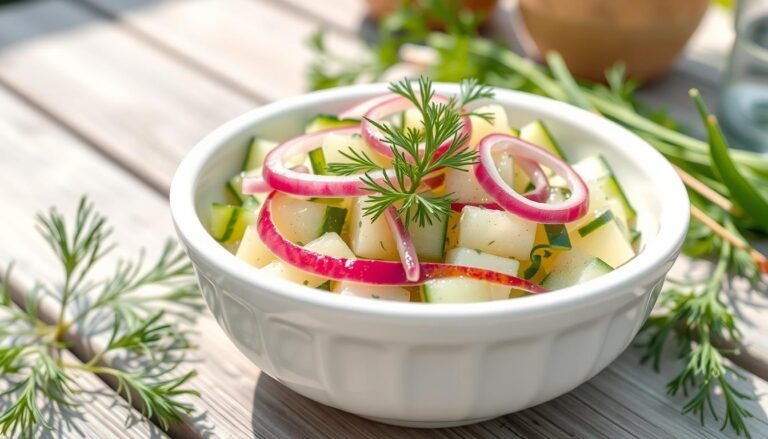
Move items to the fridge the night before and reheat at lunch, then finish with a cool crunch. Pair warm rice and meatballs with a chilled cucumber salad, or top hot chili with fresh scallions and lime. These steps keep momentum and help you avoid lunch boredom midweek.
Two-for-One Dinners that Become Lunch
Plan dinner with extra portions for easy leftovers for lunch. Roast a sheet pan of chicken thighs with broccoli, bake tofu with tamari and sesame, or cook salmon with lemon and garlic. The next day, rebuild those pieces into bowls or wraps with a new dressing to keep things lively.
- Sheet-pan chicken + farro + arugula + chimichurri = bright bowl
- Roasted salmon + cabbage slaw + brown rice + sesame-lime = sushi-style vibe
- Baked tofu + quinoa + carrots + peanut-lime = crunchy, savory wrap
Alternate hot and cold components across the week to keep mix-and-match lunches interesting. Lean on these lunch variety tips to stretch one cook into many meals and avoid lunch boredom without extra effort.
Conclusion
Healthy Meal Prep Lunches turn busy weeks into calm, confident routines. Plan around protein, fiber, and healthy fats, use smart carbs, and portion for office days to stay focused and full. Follow safe storage and reheating practices that align with USDA and CDC guidance, and you build a habit that supports energy, productivity, and long-term health.
The mix of no-heat jars, reheat-friendly bowls, high-protein picks, vegetarian plates, and low-carb ideas makes weekly lunch prep flexible and tasty. Layer flavor with bold sauces, fresh herbs, and seasonal produce so healthy work lunches never feel dull. Small tweaks—like citrus, sesame, or chimichurri—keep the menu fresh without extra effort.
Set a simple two-block prep schedule, choose sturdy, leak-proof containers, and shop with a clear list to streamline office meal planning. This cuts costs, reduces food waste, and removes decision fatigue from your day. The result is a reliable rhythm of easy workday lunches that fit your goals and your calendar.
Start with one template bowl or wrap, scale it for the week, and swap toppings to keep variety high. With a practical workflow and a few core staples, Healthy Meal Prep Lunches become a sustainable habit—fueling focus, saving time, and making healthy work lunches something you look forward to.
FAQ
How does meal prep help me eat healthier during busy workdays?
Planning lunches ahead supports better portions and balanced plates, as noted by the CDC and USDA MyPlate. You’ll include lean protein, vegetables, whole grains, and healthy fats more consistently, which can improve diet quality and reduce added sugar and sodium.
What’s the fastest way to prep 4–5 workday lunches?
Use a 90-minute block. Roast a sheet pan of protein and vegetables at 425°F while cooking a pot of quinoa, brown rice, or farro. Assemble a no-heat option like chickpea salad jars and whisk a versatile sauce such as tahini-lemon. Cool, pack, label, and refrigerate.
How do I build a balanced lunch that keeps me full?
Aim for 20–35 g protein, 8–15 g fiber, and 10–20 g unsaturated fats at lunch. Pair smart carbs like quinoa, barley, or sweet potatoes with lean protein and colorful vegetables. This combination supports steady energy and focus through the afternoon.
What portions work best for desk-job days?
A practical template is 3–5 oz cooked protein, 1–1.5 cups vegetables, 0.5–1 cup cooked whole grains or a starchy vegetable, and 1–2 tablespoons dressing or olive oil. Many adults feel good in the 400–650 calorie range for lunch with water or unsweetened tea.
Which ingredients hold up well all week?
Choose durable items: chicken thighs, canned tuna or salmon, extra-firm tofu, lentils, chickpeas, quinoa, brown rice, farro, cabbage, carrots, broccoli, cauliflower, kale, bell peppers, and roasted roots. Keep delicate greens undressed until serving.
What containers should I use for office lunches?
Borosilicate glass is microwave- and oven-safe and resists stains. BPA-free plastic like Tritan is lightweight for cold meals. Stainless steel from brands like PlanetBox or LunchBots is durable and odor-resistant but not microwaveable. Use silicone-sealed, leak-proof lids.
How long do meal-prepped foods stay safe in the fridge?
Keep your fridge at or below 40°F. Most cooked dishes last 3–4 days, grains 4–5 days, and cooked seafood 2–3 days. Refrigerate within 2 hours of cooking, and reheat leftovers to 165°F. Freeze extras for 2–3 months (soups and chili up to 3–4 months).
What are good no-heat lunch ideas for offices without microwaves?
Try Mediterranean chickpea salad jars, turkey-and-avocado protein boxes with hummus, or soba noodle bowls with a sesame-ginger dressing. Keep dressings in 2–4 oz cups and add citrus or herbs at lunch for freshness.
Which reheat-friendly lunches taste great the next day?
Garlic-lemon chicken thighs with roasted veggies, turkey chili over brown rice, and tofu stir-fry with ginger-tamari sauce reheat well. Add a splash of water to grains before microwaving and finish with lemon zest or fresh herbs to revive flavor.
How can I hit higher protein targets at lunch?
Pack Greek yogurt chicken salad in whole-grain pitas, lentil-and-quinoa power bowls with roasted vegetables and lemon-tahini, or egg white frittata squares with a side of berries. These options often deliver 25–35 g protein per serving.
What are easy vegetarian, plant-forward lunch options?
Build roasted veggie and hummus wraps, black bean and sweet potato bowls with cilantro-lime brown rice, or marinated tofu sushi-style bowls with edamame and nori. These provide fiber, plant protein, and satisfying textures.
Can I keep lunches low-carb without losing flavor?
Yes. Try cauliflower rice burrito bowls, zucchini noodle pesto chicken, or a Greek salad with salmon, olives, and feta. These are rich in protein and healthy fats while staying low in net carbs.
What sauces can I make ahead to keep meals exciting?
Prepare a creamy tahini-lemon dressing, chimichurri or salsa verde, and a light peanut-lime sauce. Portion into small containers and rotate flavors across bowls, wraps, and salads to avoid boredom.
How do I plan seasonal meal prep?
Follow the USDA Seasonal Produce Guide. In spring, use asparagus and peas; summer, grilled zucchini, peppers, and corn; fall, squash and Brussels sprouts with wild rice; winter, roasted roots with citrus. Seasonal produce boosts flavor and value.
What’s a smart grocery and batch-cooking workflow?
Shop once with a list by category, then prep twice—Sunday and midweek—to keep greens and seafood fresh. Roast proteins and vegetables while cooking grains, mix no-cook items, cool quickly in shallow containers, label with dates, and store using first-in, first-out.
How do I keep lunches interesting all week?
Rotate sauces and toppings like chimichurri, yogurt-dill, gochujang-miso, toasted seeds, or pickled onions. Use freezer-friendly components such as pre-portioned brown rice and chili. Plan two-for-one dinners so extras become next-day bowls or wraps.
Any tips for office realities like commutes and leaks?
Choose leak-proof containers with compartments, keep wet and dry elements separate, and pack dressings in tight-lidded cups. For long commutes, add an ice pack in an insulated bag. Shake jar salads at your desk just before eating.