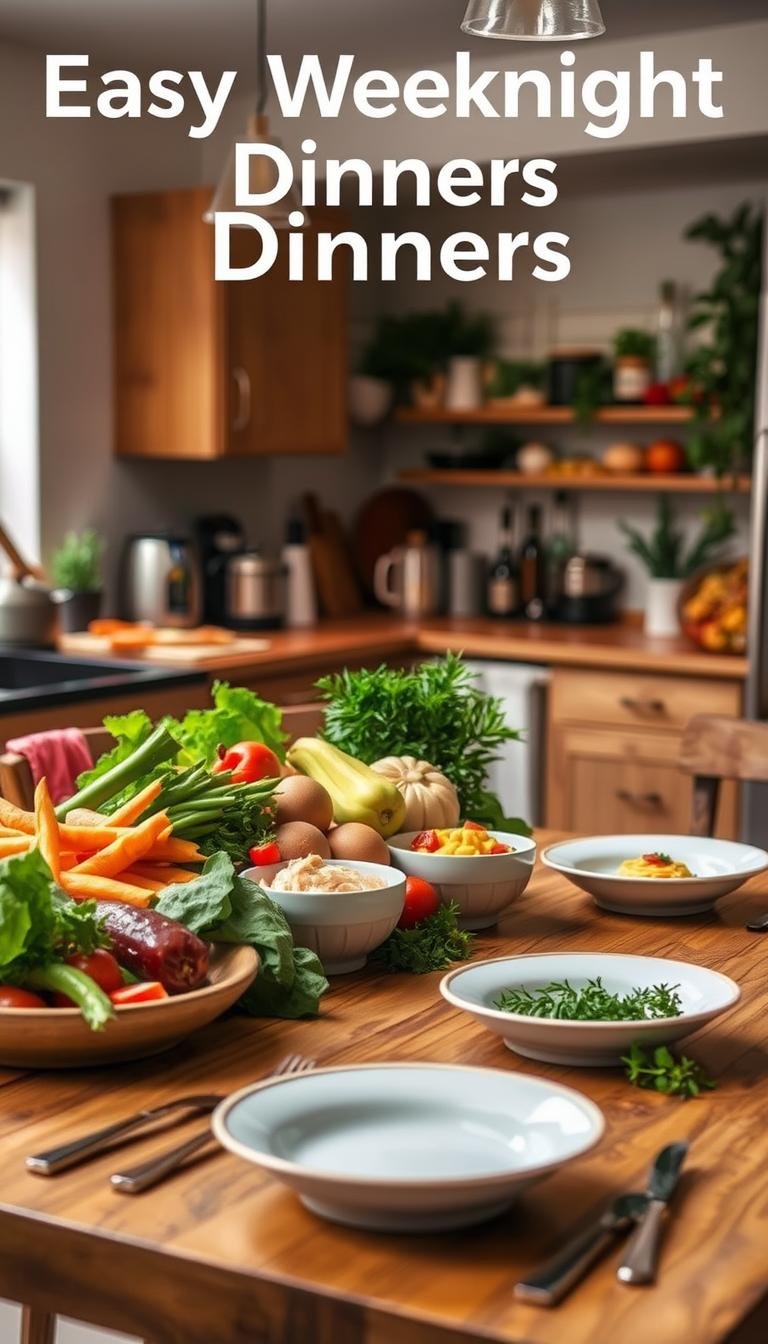
Here’s a surprise: the average American spends just about 37 minutes cooking dinner on a weekday, according to the U.S. Bureau of Labor Statistics. That short window is why easy weeknight dinners matter so much. With the right tricks, you can turn 30-minute meals into bold, reliable wins—without piles of dishes or takeout bills.
This Website contains affiliate links. That means I may earn a small commission if you purchase through my links, at no extra cost to you.
This guide gives you practical weeknight meal ideas built for busy nights. You’ll find quick dinner recipes that lean on tested methods from America’s Test Kitchen and Serious Eats, like using pasta water for silky sauces and high-heat roasting for crisp edges. We’ll reference USDA safe temps and American Heart Association tips so fast healthy dinners stay safe, lean, and full of flavor.
Expect simple dinner recipes that taste big and clean up fast: one-pan roasts, skillet sears, and pressure-cooker comforts. We’ll also cover family-friendly dinners, freezer-smart meal prep, and diet-conscious swaps that fit low-carb and gluten-free needs. By the end, you’ll have repeatable templates that make Tuesday night feel easy—and delicious.
Key Takeaways
Lean on 30-minute meals that use one pan or one pot to speed cooking and cleanup.
Build flavor fast with searing, high-heat roasting, and starchy pasta water emulsions.
Follow USDA temperatures for safe, juicy results while keeping sodium in check.
Plan meal prep on weekends to streamline quick dinner recipes during the week.
Use family-friendly dinners with flexible templates to suit picky eaters and diets.
Stock pantry staples to turn simple dinner recipes into fast healthy dinners on demand.
Rotate weeknight meal ideas to keep variety without extra work.
Time-Saving Strategies for Busy Weeknights
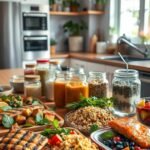
Busy nights call for clear plans and a stocked kitchen. Use simple meal prep strategies and a rotating list of weeknight time savers to cut stress. These quick cooking tips help you get food on the table fast without losing flavor.
Pro move: Keep a five-meal rotation on a whiteboard or in Google Keep or Notion. Swap in seasonal produce, and you’ll never start from zero.
Smart meal planning with pantry and freezer staples
Strong meal planning tips start with a dependable pantry staples list. Stock canned tomatoes, tomato paste, beans like black, chickpeas, and cannellini, tuna, salmon, coconut milk, low-sodium chicken or vegetable stock, pasta, rice, quinoa, couscous, panko, tortillas, olive oil, soy sauce, tahini, Dijon mustard, and vinegars such as balsamic, rice, and apple cider.
Round it out with shelf-stable gnocchi and spice blends like chili powder, Italian seasoning, smoked paprika, and garam masala. Add freezer staples: peas, corn, spinach, mixed vegetables, broccoli florets, edamame, shrimp, chicken thighs, ground turkey, pre-portioned salmon, naan, par-baked rolls, plus frozen diced onions and garlic cubes.
With this base, your quick cooking tips become easy wins: toss pasta with canned tomatoes and olive oil, build soups with stock and beans, or sizzle shrimp with garlic and chili.
Batch prepping proteins, grains, and veggies
Lean on batch cooking to shrink weekday effort. On Sunday, cook a pot of rice, quinoa, or farro. Roast trays of broccoli, sweet potatoes, and carrots. Prep proteins: poach or grill chicken, brown a pound of ground beef or turkey with mild seasoning, and marinate firm tofu.
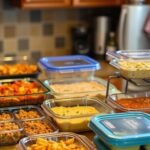
Store everything in airtight containers, labeled by date. Follow USDA guidance: refrigerate within two hours, eat within 3–4 days, or freeze for 2–3 months for best quality. These meal prep strategies turn single tasks into a week of mix-and-match bowls, tacos, and salads.
Keep sauces ready—tahini with lemon, soy-ginger, or a quick Dijon vinaigrette—to dress cooked bases in seconds.
Using 15–30 minute cook windows effectively
Think in stages for weeknight time savers. Preheat the oven or skillet first. Set water to boil while you chop. Choose fast proteins: shrimp cooks in 4–6 minutes, thin chicken cutlets in 3–4 minutes per side, and skirt steak in 2–3 minutes per side.
Multitask smartly. Microwave-steam vegetables, air fry potato wedges, or use an electric kettle to jump-start pasta water. Keep a skillet hot and finish with butter, garlic, or citrus for instant flavor payoff.
These quick cooking tips, paired with a dialed pantry staples list and reliable freezer staples, make a 20-minute dinner routine feel second nature.
Grain bowl with roasted carrots and sliced chicken in 5 minutes
Cook Window Tactics
Preheat first, boil while chopping, kettle for water
Parallel tasks cut idle time
Skirt steak sear while couscous steeps in hot kettle water
One-Pan and Sheet-Pan Wonders for Quick Cleanup
When the clock’s ticking, one-pan meals earn their keep. Build tray suppers that cook fast, taste bold, and deliver easy cleanup recipes. Think colorful roasted dinners that hit protein, veggie, and carb needs without a sink full of pots.
Balanced protein, veggie, and carb combos
Start with a protein: sheet pan chicken thighs, sheet pan salmon fillets, Italian sausages, or extra-firm tofu. Add vegetables like broccoli, bell peppers, zucchini, or Brussels sprouts. Round it out with baby potatoes, sweet potatoes, canned chickpeas, or foil packets of precooked grains.
Cut produce to similar sizes. Toss with olive oil and kosher salt. If potatoes are thick, microwave them for a few minutes first. This helps everything finish on time and keeps one-pan meals evenly cooked.
High-heat roasting tips for faster cook times
Use high-heat roasting at 425–475°F to brown fast and lock in juices. Slide a bare sheet pan into the oven while it heats; a hot pan helps crisp edges and speeds up roasted dinners. Line with heavy-duty foil or parchment for zero-stick, easy cleanup recipes, and avoid crowding to prevent steaming.
Bone-in chicken thighs: 25–35 minutes at 425°F
Sheet pan salmon: 10–12 minutes at 425°F
Sausages: 20–25 minutes
Tofu (pressed, tossed in cornstarch): 20–25 minutes, flip once
Flavor boosters: spice rubs, glazes, and citrus
Dust proteins with smoked paprika, cumin, and garlic powder, then roast. Brush on honey–mustard, gochujang–maple, or teriyaki in the last 5 minutes for shine. Finish with lemon wedges or orange zest to brighten sheet-pan dinners, and add a drizzle of chimichurri, yogurt–garlic sauce, or store-bought pesto right before serving.
Protein
Veggie Pairings
Carb Add-Ons
Heat & Time
Flavor Finish
Sheet pan chicken thighs
Brussels sprouts, red onion
Baby potatoes
425°F, 25–35 min
Smoked paprika rub + lemon wedges
Sheet pan salmon
Broccoli, zucchini
Foil packet of precooked quinoa
425°F, 10–12 min
Honey–mustard glaze + dill
Italian sausages
Bell peppers, fennel
Canned chickpeas
425°F, 20–25 min
Garlic–herb oil + orange zest
Extra-firm tofu
Snap peas, carrots
Sweet potato cubes
450°F, 20–25 min, flip once
Gochujang–maple glaze + sesame
Pro move: Keep space between ingredients for better browning with high-heat roasting, and rotate the pan once for even color. These small tweaks turn weeknights into dependable sheet-pan dinners with bold flavor and quick cleanup.
Skillet Meals Packed with Flavor
Fast, bold, and foolproof: that’s the promise of one-skillet meals. With the right pan and a few smart moves, stovetop recipes turn basic ingredients into weeknight skillet stars that taste like you cooked all day.
Stovetop searing for juicy proteins
Use a 10–12 inch cast-iron or stainless-steel skillet for even heat. Pat meat or tofu dry, season well, and heat oil until it shimmers. For pan-seared chicken cutlets, cook 3–4 minutes per side to 165°F. Pork chops (1 inch) go 4–5 minutes per side to 145°F, then rest 3 minutes.
Shrimp needs about 2 minutes per side until opaque. Tofu turns crisp in 3–4 minutes per side. These steps anchor skillet dinners and keep juices where they belong.
Building pan sauces with aromatics and stock
After searing, soften shallots and garlic, then deglaze with dry white wine or low-sodium stock to lift the fond. Reduce, then swirl in a knob of butter or olive oil for a quick pan sauce with sheen and body.
Try lemon-caper piccata, mushroom–thyme with chicken stock, or a Dijon–crème fraîche sauce with tarragon. If you need more body, whisk in a cornstarch slurry. Balanced, glossy sauces make pan-seared chicken and other proteins sing in one-skillet meals.
Adding greens and grains for complete meals
Fold in baby spinach to wilt in 60–90 seconds. Stir in canned white beans or microwave-ready brown rice or farro to soak up that quick pan sauce. Finish with parsley, chives, and a squeeze of lemon juice or a splash of sherry vinegar.
These layers turn stovetop recipes into full skillet dinners without extra pots, ideal for any weeknight skillet plan.
30-Minute Pasta Dinners the Whole Family Will Love
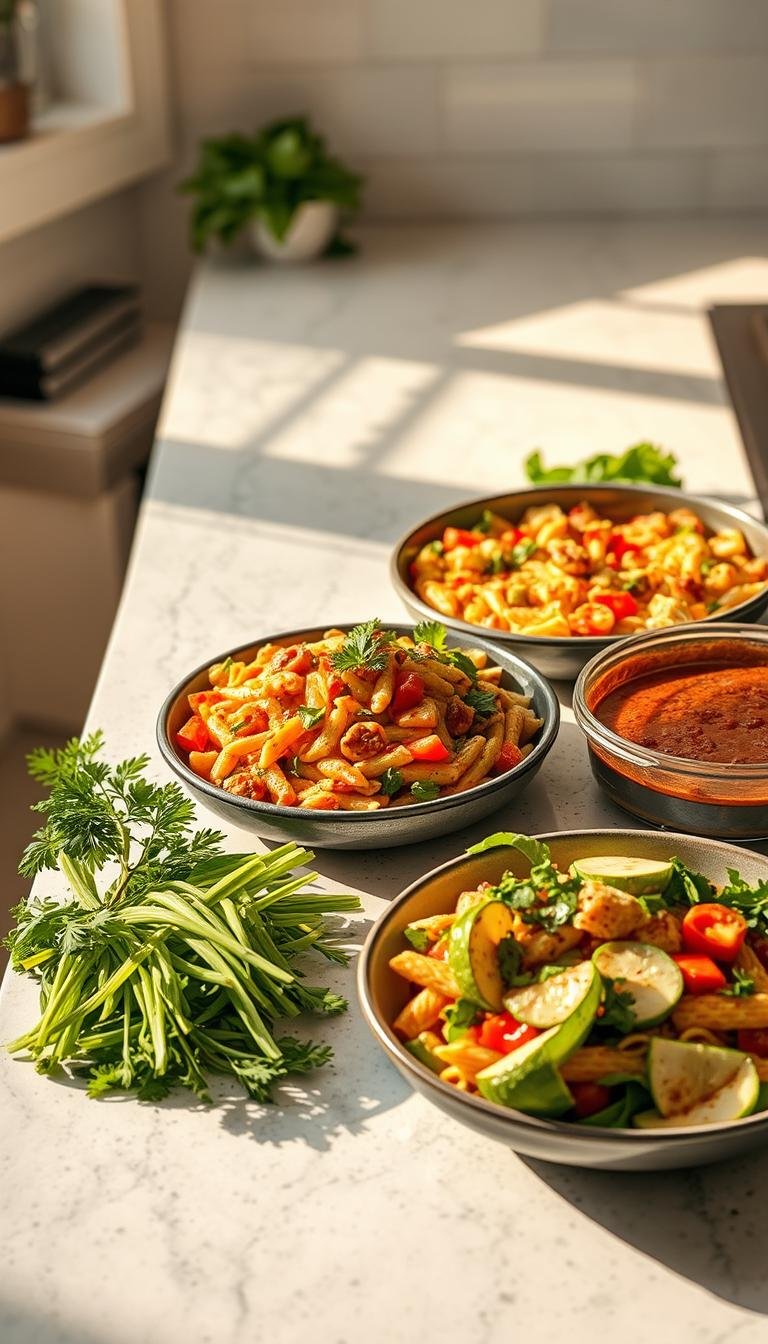
For busy nights, quick pasta recipes turn pantry staples into family pasta dinners without stress. Start a wide pot of boiling water with 1–2 tablespoons of kosher salt per gallon to season every bite. Fresh refrigerated pasta cooks in minutes, and small shapes like orecchiette, penne, or rotini trap sauce for satisfying weeknight pasta.
Reserve at least 1 cup of starchy water. This is the backbone of pasta water emulsification, a technique championed by cooks from Marcella Hazan to the testers at Serious Eats. Finish the pasta in the pan for 1–2 minutes so the sauce clings and the flavor deepens.
Speedy sauces: tomato, cream, and olive oil based
Tomato: Sizzle sliced garlic in olive oil, add crushed San Marzano tomatoes, and simmer. Stir in torn basil and a ladle of pasta water for gloss. These pasta sauce tips deliver bright, clean flavor in under 15 minutes.
Cream: Warm light cream with grated Parmesan and black pepper. Thin with starchy water until it coats the spoon. This 30-minute pasta move feels rich yet balanced.
Aglio e olio: Gently toast garlic and red pepper flakes in olive oil. Add pasta, a splash of water, and swirl until silky. It’s a perfect base for quick pasta recipes on a weeknight.
Pasta water tricks for silky textures
Use a ratio of 12 ounces pasta to about 2–3 cups sauce, adjusting with water until the sheen appears. The starch binds fat and liquid, creating a smooth emulsion. These pasta sauce tips make sauces clingy, not heavy, ideal for family pasta dinners.
Swirl, don’t stir hard. Toss over medium heat and add cheese off the flame to avoid clumps. With steady heat and pasta water emulsification, even simple weeknight pasta turns restaurant-smooth.
Protein add-ins: chicken, shrimp, sausage, beans
Brown Italian sausage in a skillet and deglaze with a splash of water before adding sauce. Sauté shrimp until just pink, then fold into the pan at the end. Rotisserie chicken shreds in seconds, while canned chickpeas bring fiber and speed to 30-minute pasta.
Add fast vegetables in the last minutes: spinach to wilt, cherry tomatoes to burst, or frozen peas to sweeten. Finish with grated Parmigiano Reggiano, pecorino, or a hit of lemon zest. With these pasta sauce tips, quick pasta recipes stay bright, balanced, and ready for family pasta dinners any night.
Instant Pot and Slow Cooker Comforts
Weeknights feel easier with hands-off cooking that still tastes like it simmered all day. Electric pressure cookers like the Instant Pot turn out cozy bowls fast, while Crock-Pot style slow cooker meals reward a morning prep with a tender, saucy dinner.
For reliable Instant Pot dinners, start with a cup of liquid to pressurize and never fill past the max line. Use sauté to brown beef or chicken for deeper flavor, then layer aromatics and seasonings. Thicken at the end with a cornstarch slurry or simmer on sauté until glossy.
Try these pressure cooker recipes on busy nights:
Chicken tortilla soup: 8–10 minutes on high, quick release; add lime and tortilla strips after cooking.
Shredded chicken thighs for tacos: 10–12 minutes on high, 5-minute natural release; toss with salsa verde.
Beef chili: sauté onions and spices first, then 20–25 minutes on high; finish with a splash of apple cider vinegar.
Risotto: 5–6 minutes on high with stock; stir in Parmesan and peas after release for creamy bite.
Prefer set-and-forget recipes? Load the Crock-Pot in the morning and let low heat work its magic. Use low for 6–8 hours or high for 3–4 hours. Add delicate vegetables and any dairy near the end to prevent curdling, and stir in greens just before serving so they stay bright.
Great slow cooker meals include pulled pork with smoked paprika, classic pot roast with carrots and Yukon Golds, and tomato-coconut lentil curry. These make easy dump-and-go dinners when time is tight and flavor matters.
Keep food safety in mind: hold hot foods above 140°F, then cool and refrigerate leftovers within two hours. With a smart plan, both tools deliver steady comfort and speed—true weeknight allies for set-and-forget recipes and calm, hands-off cooking.
Healthy High-Protein Options
Build weeknight plates that are fast, fresh, and satisfying. These ideas focus on high-protein dinners that keep energy steady and taste bold. They fit busy schedules while keeping portions smart and flavors bright.
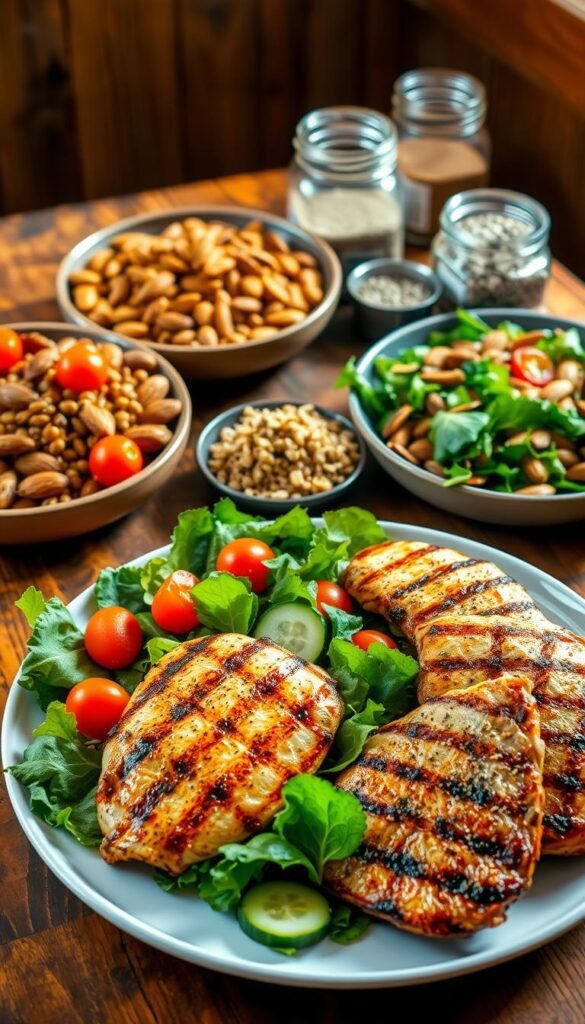
Target 20–35 grams of protein per serving and pair it with fiber and healthy fats. Choose grilling, broiling, air frying, or poaching to keep a low-calorie flavor without losing juiciness. For balance, think macro-balanced dinners that also work as healthy weeknight meals.
Lean meats, seafood, tofu, and legumes
Pick lean protein recipes starring skinless chicken breast, turkey cutlets, and pork tenderloin. Rotate seafood like salmon, tuna, shrimp, cod, and sardines per FDA advice, aiming for 2–3 servings a week. Add extra-firm tofu, tempeh, lentils, and black beans for flexible high-protein dinners.
Rinse canned beans to lower sodium, and choose low-sodium tamari for stir-fries. Serve with crisp greens or roasted broccoli for fiber and color.
Marinades and rubs that add flavor without excess calories
Use bold blends that deliver low-calorie flavor: soy sauce with ginger and lime, Greek yogurt with garlic and cumin, or harissa with lemon. Dry rubs with smoked paprika, coriander, and black pepper add depth fast. A splash of olive oil is enough when grilling or broiling.
Marinate seafood for 15–30 minutes and poultry for up to 2 hours. Pat dry before cooking to get great sear and keep sauces from burning.
Balancing macros for satisfying weeknight plates
Fill half the plate with non-starchy vegetables, a quarter with protein, and a quarter with whole grains or starchy veg like quinoa or sweet potato. Add healthy fats from olive oil, avocado, or chopped nuts for steady fullness and macro-balanced dinners.
Try these healthy weeknight meals: broiled salmon with lemony asparagus and farro; turkey cutlets with yogurt-cumin sauce and roasted carrots; tofu stir-fry with low-sodium tamari, brown rice, and sesame. Each fits clean, lean protein recipes with big taste and a smart macro mix.
Vegetarian and Plant-Forward Dinners
These vegetarian dinners make busy nights simple and bright. Build plant-based weeknight meals that feel hearty, taste bold, and cook fast. Keep a few staples on hand and rotate flavors so every plate stays fresh.
Meaty textures with mushrooms, lentils, and tempeh
For chew and depth, sear cremini or portobello in olive oil until edges crisp. Stir in a spoon of miso or a shower of Parmesan if not vegan for extra umami. Brown or green lentils hold shape and deliver a high-protein vegetarian boost.
Steam tempeh for 10 minutes, then marinate with soy sauce, maple syrup, and smoked paprika. Pan-fry until caramelized. Use canned lentils and pre-cut produce to speed plant-based weeknight meals without losing texture.
Roasted veggie bowls with hearty grains
Build veggie grain bowls with quinoa, farro, or brown rice as the base. Roast cauliflower, carrots, and Brussels sprouts at high heat until charred and sweet. Add crispy chickpeas or baked tofu, fresh greens, and pickled onions for snap.
Season different pans with garam masala, ras el hanout, or berbere to vary meatless Monday recipes through the week. A sprinkle of nutritional yeast adds savory depth and keeps these vegetarian dinners satisfying.
Quick sauces: tahini, pesto, chimichurri
Whisk tahini with lemon, garlic, and water for a silky drizzle over veggie grain bowls. Toss basil pesto—or a kale-walnut swap—into warm grains for instant flavor. Blitz chimichurri with parsley, cilantro, garlic, red wine vinegar, and olive oil.
These sauces turn plant-based weeknight meals into bold, high-protein vegetarian plates when paired with lentils, tempeh, or chickpeas. Keep a jar ready so dinner comes together in minutes.
Bite
Texture & Technique
Speed Tips
Best Flavor Pairings
Cremini or Portobello
Sear until edges brown for steak-like chew
Pre-slice and dry well for faster browning
Miso, balsamic, black pepper
Brown/Green Lentils
Hold shape for hearty bites
Use canned; rinse and warm with stock
Cumin, smoked paprika, lemon
Tempeh
Firm and nutty after a quick steam
Steam 10 minutes, then pan-fry
Soy sauce, maple, chili flakes
Veggie Grain Bowls
Crunchy-roasted veg over tender grains
Roast at high heat; batch-cook grains
Tahini-lemon, pesto, chimichurri
Chickpeas/Tofu
Crispy exterior, soft center
Drain well; roast or air-fry
Berbere, ras el hanout, garlic oil
Kid-Friendly Meals Even Picky Eaters Enjoy
Keep flavors familiar and textures steady to win over tough appetites. Think baked chicken tenders with panko and Parmesan, turkey meatballs in marinara, cheesy quesadillas with mashed black beans, and mini pizzas on whole-wheat pitas. Serve sauces on the side—ranch, ketchup, or marinara—so kids can choose their own dip.
For kid-friendly dinners that work as family meals, offer mild seasoning and add heat at the table with hot sauce. Use shapes and colors to spark interest: rotini or farfalle, mini taco bars with small tortillas, and fruit sides like apple slices or berries. Add yogurt for calcium to round out healthy kid dinners.
Make picky eater meals more nourishing with hidden veggies. Fold finely grated carrots or zucchini into meatballs, blend spinach into pesto, and stir cauliflower rice into regular rice. Easy chicken recipes for kids shine when baked crisp on a rack, turning out like sheet pan nuggets that stay tender inside.
Set dinner up family-style to reduce pressure and invite choice. Offer a base, a protein, two vegetables, and a dip. Leftover-friendly picks help with lunchboxes, too—extra turkey meatballs, cold quesadilla wedges, or a slice of pita pizza pack well and reheat fast.
Pro tip: Roast a batch of sheet pan nuggets while simmering marinara and cutting fruit. In 25 minutes, you’ll have balanced plates with protein, grains, and produce—no fuss, minimal cleanup, maximum smiles.
Budget-Friendly Recipes Using Pantry Staples
Stretch your dollar and still eat well with smart swaps and simple techniques. Build budget dinners from staples you already have, then add fresh touches for color and crunch. These ideas turn cheap pantry meals into dishes you’ll make on repeat for budget-friendly weeknight dinners.
Stretching proteins with beans and grains
Use small amounts of meat and bulk it up with beans and rice or other grains. Try a chicken and white bean skillet with canned cannellini and lemon. Make turkey and lentil sloppy joes on whole-wheat buns. Toss tuna and chickpeas with pasta, olive oil, and parsley for affordable recipes ready in minutes.
Stock dried beans, rice, eggs, and oats. Keep flour and yeast to griddle quick flatbreads. These low-cost bases create cheap pantry meals that feel fresh with a squeeze of citrus and a handful of herbs.
Rotating low-cost vegetables for variety
Build meals around cabbage, carrots, onions, potatoes, canned tomatoes, and frozen mixed veggies. Rotate them through soups, stir-fries, and roasts to avoid palate fatigue. Seasonal produce costs less and tastes better, giving your budget dinners a lift.
Cook once, eat twice. A pot of chili becomes nacho topping the next night. Roasted vegetables slide into a frittata with eggs and cheddar for fast budget-friendly weeknight dinners.
Flavor layering with spices and condiments
Bloom spices in oil to wake them up, then add onion and garlic. Finish with acid—apple cider vinegar or lime—and a punchy condiment like hot sauce, soy sauce, salsa, or gochujang. This quick stack of flavor turns affordable recipes into craveable meals.
Keep cumin, smoked paprika, chili powder, and coriander on hand. With these, even simple beans and rice become bold and satisfying while staying squarely in the lane of cheap pantry meals and budget-friendly weeknight dinners.
Low-Carb and Gluten-Free Dinner Ideas
Weeknights get easier with low-carb dinners that still feel cozy and fresh. These gluten-free recipes lean on smart swaps and simple techniques so you can plate keto-friendly meals without fuss.
Pro tip: Keep pantry standbys like tamari, coconut aminos, cornstarch, and arrowroot on hand, and always scan labels on broths and condiments for hidden gluten.
Zoodle, spaghetti squash, and cauliflower swaps
Build bowls around zoodles, spaghetti squash strands, cauliflower rice, and hearts of palm pasta for fast low-carb dinners. Roast spaghetti squash cut-side down at 400°F for 35–45 minutes until the strands pull with a fork.
Garlic shrimp over zoodles with lemon and parsley.
Herbed turkey meatballs on spaghetti squash with crushed tomatoes.
Stir-fry veggies and steak tips spooned over cauliflower rice.
Sauces and thickeners without wheat
Choose grain-free sauces that stay silky and bright. Swap soy sauce for tamari or coconut aminos. Thicken pan juices with a quick cornstarch or arrowroot slurry, or reduce stock for body.
Ginger-sesame glaze finished with arrowroot for shine.
Creamy peppercorn pan sauce reduced with beef stock.
Tomato-basil pan sauce mounted with olive oil, not flour.
Balancing fiber and fats for fullness
Make keto-friendly meals that satisfy with fiber and healthy fats. Pair salmon with cauliflower mash and sautéed greens. Try lettuce-wrap tacos with seasoned ground turkey and avocado salsa, or a chicken stir-fry over cauliflower rice.
Add almonds, walnuts, or pumpkin seeds for crunch.
Finish plates with extra-virgin olive oil or a pat of butter.
If cooking for celiac disease, use dedicated boards and clean pans to prevent cross-contact.
Easy Weeknight Dinners
On a busy night, dinner should be fast, bright, and low mess. Follow weeknight cooking principles that favor speed and flavor: pick quick proteins, use high heat, and lean on aromatics. Keep a small flavor pantry—capers, anchovies, miso, fish sauce, and Parmesan rinds—to power up easy dinner formulas without extra steps.
Core principles: quick prep, big flavor, minimal cleanup
Choose thin chicken cutlets, shrimp, tofu, or eggs. Sear or roast hot to lock in juices. Build depth with garlic, scallions, ginger, and a splash of lemon or vinegar. One-pan methods cut dishes and time, which is the heart of practical weeknight cooking principles.
Finish with an umami nudge—soy sauce, tomato paste, or a dab of miso. A squeeze of citrus and fresh herbs makes dinner taste fresh, not fussy.
Recipe templates you can customize fast
Stir-fry: protein + veg + sauce over rice. Try shrimp with bell peppers and a soy-ginger glaze.
Skillet: pan-seared chicken + pan sauce + quick green like spinach.
Pasta: noodles + speedy sauce + add-in protein such as beans or sausage.
Grain bowl: quinoa + roasted veg + tahini or pesto.
These are customizable recipes by design. Swap broccoli for green beans, chicken for tofu, or penne for shells. Mix and match what you have to keep easy dinner formulas flexible and fun.
Seasonal swaps to keep dinners fresh
Rotate produce for budget-smart seasonal dinner ideas. Spring loves asparagus, peas, and lemon. Summer shines with zucchini, tomatoes, corn, and basil. Fall brings squash, mushrooms, and sage. Winter favors Brussels sprouts, citrus, and hearty greens.
Use the same templates through the year and plug in new picks. This respects weeknight cooking principles while keeping plates lively. With a steady pantry and these customizable recipes, dinner stays quick, colorful, and satisfying.
Five-Ingredient Recipes with Big Impact
Keep dinner swift and bold by leaning on minimal ingredient recipes that focus on heat, timing, and smart pairings. Preheat the pan, prep ingredients, and you’ll hit that under-30-minute mark with ease. Lemons pull double duty for zest and juice, Parmesan brings umami and salt, and fresh herbs add lift without fuss.
Try sheet-pan lemon chicken: chicken thighs, lemon, garlic, olive oil, and rosemary. It’s one of those 5-ingredient dinners that roasts fast and tastes like a weekend meal. Shrimp scampi is another win—shrimp, garlic, butter, lemon, and parsley—bright, buttery, and ready before pasta water boils.
For cozy nights, baked gnocchi with jarred marinara and mozzarella lands in the zone of easy five ingredient meals. Slide it under the broiler for a browned top. Miso-glazed salmon—salmon, white miso, honey, soy or tamari, and scallions—delivers sweet-savory depth in minutes.
Black bean tacos keep things breezy: tortillas, black beans, salsa, avocado, and cilantro. These simple dinner ideas benefit from a single high-impact condiment. A spoon of gochujang, a swirl of pesto, or a dab of harissa turns fast recipes into craveable favorites. Salt, pepper, and a good oil can stay as your “freebies” to finish.
Sheet-Pan Lemon Chicken: crisp skin, juicy meat, and fragrant rosemary.
Shrimp Scampi: butter-lemon pan sauce coats shrimp and twirls into spaghetti.
Baked Gnocchi: marinara, mozzarella, and a quick broil for bubbly edges.
Miso-Glazed Salmon: caramelized glaze and tender fillets in under 15 minutes.
Black Bean Tacos: creamy avocado meets bright salsa for weeknight speed.
Plan around pantry stars and you’ll rotate minimal ingredient recipes all week. With a hot pan and a sharp knife, these 5-ingredient dinners stay fast, flavorful, and repeat-worthy.
Make-Ahead and Freezer-Friendly Meal Prep
Set yourself up for calm weeknights with smart batch cooking that turns weekend effort into easy make-ahead dinners. Build a small meal prep freezer plan, choose sturdy recipes, and follow simple reheating tips so flavors stay bright and textures hold.
Portioning and labeling for stress-free nights
Pack freezer meals in single or family portions using freezer-safe containers or zip-top bags. Press out air to prevent ice crystals and freeze flat for fast thawing.
Use clear freezer labeling: dish name, cook date, and brief reheating tips. Most cooked dishes taste best within 2–3 months, so date everything for quick rotation.
Best dishes to freeze and reheat
Choose hearty options that hold up well. Think lasagna, baked ziti, chili, curry, meatballs, marinated chicken, breakfast burritos, soups, stews, and cooked grains. Skip high-water raw vegetables and tender greens, which turn soggy.
Dish
Prep Notes
Freeze Window
Go-To Reheat
Texture Saver
Lasagna or Baked Ziti
Assemble, undercook pasta slightly
2–3 months
Oven, covered, then uncover to brown
Add splash of milk or broth if dry
Chili or Beef Stew
Cool fully; freeze flat in bags
2–3 months
Stovetop on low, stir often
Broth to loosen; finish with lime
Chicken Curry
Use sturdy veggies; cool before bagging
2–3 months
Simmer gently; avoid hard boiling
Stir dairy or coconut to prevent split
Meatballs in Sauce
Cook, cool, freeze in sauce
2–3 months
Pan or oven until heated through
Thin sauce with broth as needed
Marinated Chicken
Freeze raw in marinade
Up to 2 months
Thaw, then grill or roast
Pat dry; finish under broiler
Breakfast Burritos
Wrap tight in foil; label fillings
1–2 months
Oven or air fryer; unwrap to crisp
Salsa and avocado after heating
Cooked Grains (Rice, Quinoa)
Spread to cool; portion in cups
1–2 months
Microwave with damp towel
Fluff with fork; add olive oil
Soup (Tomato, Lentil)
Leave headspace in containers
2–3 months
Stovetop simmer, stir gently
Finish with herbs and lemon
Reactivation tips to keep textures perfect
Thaw overnight in the fridge when time allows, or cook from frozen with extra time. Use an oven or air fryer at 375–400°F to re-crisp casseroles and burritos.
For saucy dishes, add a splash of broth to revive body. Stir dairy-based sauces as they warm to prevent separation. With pasta bakes, heat covered until hot, then uncover to brown. Finish make-ahead dinners with fresh herbs and citrus so your freezer meals taste newly cooked.
Keep batch cooking and freezer labeling consistent, and your meal prep freezer becomes a reliable lineup. With smart reheating tips, dinner moves from ice to table without losing quality.
Sauces, Rubs, and Seasonings to Elevate Quick Meals
Small touches turn a fast dinner into something you crave. Keep a few homemade spice blends and quick sauces in reach, and you’ll have instant flavor boosters for any protein or vegetable. Aim for balance: salt, acid, heat, and a hint of sweetness.
Tip: Mix once, store in airtight jars, and label dates. Use these seasoning ideas as starting points, then adjust to taste.
All-purpose blends for poultry, beef, and veggies
Poultry rub: garlic powder, onion powder, paprika, thyme, and black pepper. Great on roast chicken or turkey cutlets.
Steak blend: coarse black pepper, kosher salt, smoked paprika, and mustard powder. Press onto ribeye or skirt steak before searing.
Veggie blend: cumin, coriander, and chili powder. Toss with broccoli, carrots, or cauliflower before roasting.
These marinades and rubs work dry or mixed with olive oil. They’re reliable flavor boosters and fit many seasoning ideas across weeknight menus.
Fast pan sauces from drippings
After searing, use the fond for a speedy pan sauce recipe. Splash in white wine, chicken broth, or apple cider vinegar. Scrape, reduce, then whisk in Dijon or a knob of butter for gloss.
Lemon-caper in 5 minutes: wine, capers, lemon juice and zest, butter.
Peppercorn: crushed pepper, beef stock, a touch of cream, and a dash of Worcestershire.
Maple-mustard: stock, Dijon, maple syrup, and a squeeze of lemon.
These quick sauces pair with salmon, pork chops, tofu steaks, or roasted vegetables, rounding out the plate without extra steps.
Herb, citrus, and umami boosters
Finish with chopped parsley, dill, or cilantro. Add bright citrus zest and juice for lift. Stir in miso, fish sauce, anchovy paste, or grated Parmesan for deep savor.
Store-bought helpers save time: Thai red curry paste, harissa, gochujang, and salsa verde bring instant depth. Use them as shortcuts in homemade spice blends, fold into marinades and rubs, or whisk into quick sauces for bold, weeknight-ready results.
Easy Weeknight Dinners come together when your pantry and freezer stay stocked and your plan stays simple. Use fast meal planning to map 4–5 reliable meals, then rotate methods—sheet-pan, skillet, pasta, Instant Pot, or slow cooker—based on your day. With a few smart weeknight cooking tips, you can move from prep to plate with less stress and more flavor.
Build a flexible mix that fits your table: high-protein plates, plant-forward options, and low-carb or gluten-free swaps. Keep five-ingredient templates on standby for the busiest nights. Batch-cook grains, roast a tray of vegetables, and portion sauces so quick healthy meals feel effortless.
Finish strong with bright touches—citrus, herbs, and a fast pan sauce—to lift every bite. A repeatable system of easy dinner ideas turns chaos into calm and helps family dinners happen, even when time is tight. Stock the basics, swap in seasonal produce, and enjoy a steady rhythm of meals that work every week.
The result is a tight repertoire of quick, delicious recipes that save time, cut cleanup, and bring everyone to the table. With weeknight cooking tips that stick and fast meal planning you trust, you’ll cook more, waste less, and eat better—night after busy night.
FAQ
What are the best time-saving strategies for easy weeknight dinners?
A: Keep a well-stocked pantry and freezer, batch prep on weekends, and use 15–30 minute cook windows. Stage tasks: preheat the oven or skillet first, boil water while chopping, and lean on fast-cooking proteins like shrimp and thin chicken cutlets. A rotating 5-meal plan in Google Keep or Notion helps reduce decision fatigue.
Which pantry and freezer staples make quick dinners easier?
A: Stock canned tomatoes, tomato paste, beans, tuna, coconut milk, low-sodium chicken or vegetable stock, pasta, rice, quinoa, couscous, panko, tortillas, olive oil, soy sauce or tamari, tahini, Dijon mustard, vinegars, shelf-stable gnocchi, and spice blends like Italian seasoning and smoked paprika. In the freezer, keep shrimp, chicken thighs, ground turkey, pre-portioned salmon, frozen vegetables, edamame, naan, par-baked rolls, and frozen aromatics.
How do I build a balanced one-pan or sheet-pan dinner?
A: Combine a protein (chicken thighs, salmon, sausage, or extra-firm tofu), vegetables (broccoli, bell peppers, zucchini), and a carb (baby potatoes, sweet potatoes, canned chickpeas). Cut vegetables to uniform sizes and avoid overcrowding. Roast at 425–475°F for faster browning and crisping; preheat the sheet pan for extra crunch.
What are tips for high-heat roasting to cut cook times?
A: Use 425–475°F, dry ingredients well, toss with olive oil and kosher salt, and spread on a preheated pan. Start dense vegetables earlier or microwave par-cook potatoes. Typical timing: chicken thighs 25–35 minutes at 425°F, salmon 10–12 minutes, sausages 20–25 minutes, tofu 20–25 minutes flipped once.
How can I boost flavor fast on busy nights?
A: Use spice rubs, quick glazes like honey-mustard or gochujang-maple, and finish with citrus. Add a drizzle of herb chimichurri, yogurt-garlic sauce, or store-bought pesto. Keep umami boosters on hand: miso, Worcestershire, fish sauce, anchovy paste, and Parmigiano Reggiano.
What skillet techniques keep proteins juicy and flavorful?
A: Pat dry, season well, and preheat oil until shimmering in a 10–12 inch cast-iron or stainless skillet. Sear chicken cutlets 3–4 minutes per side to 165°F, pork chops 4–5 minutes per side to 145°F, shrimp 2 minutes per side, and tofu 3–4 minutes per side.
How do I make a quick pan sauce like a pro?
A: Sauté shallots or garlic in the skillet, deglaze with wine or low-sodium stock, reduce, then whisk in Dijon or a knob of butter for sheen. Try lemon-caper piccata, mushroom-thyme with chicken stock, or Dijon–crème fraîche with tarragon. Balance with acid like lemon juice or sherry vinegar.
What are the keys to silky 30-minute pasta dinners?
A: Salt the water generously, reserve at least 1 cup of pasta water, and finish pasta in the sauce for 1–2 minutes. Use speedy sauces like crushed San Marzano tomato with garlic and basil, light cream with Parmesan, or aglio e olio. Add sautéed shrimp, browned Italian sausage, rotisserie chicken, or chickpeas.
How do I use pasta water for better sauce texture?
A: The starch in reserved pasta water emulsifies fat and liquid, creating a glossy sauce that clings to noodles. Add in small splashes while tossing over medium heat until the sauce coats the pasta.
What Instant Pot and slow cooker dishes work for weeknights?
A: Instant Pot standouts include chicken tortilla soup, shredded chicken thighs for tacos, beef chili, and hands-off risotto. Slow cooker favorites include pulled pork, pot roast, and lentil curry. Brown meats first for depth, keep at least 1 cup liquid for pressure, and add delicate vegetables or dairy at the end.
How do I keep dinners healthy and high in protein?
A: Center plates on lean proteins like skinless chicken breast, turkey cutlets, pork tenderloin, salmon, shrimp, cod, tofu, tempeh, lentils, and black beans. Aim for 20–35 grams of protein per serving. Fill half the plate with non-starchy vegetables and include whole grains and healthy fats like olive oil or avocado.
What are tasty low-sodium ways to add flavor?
A: Use fresh herbs, citrus zest and juice, garlic, ginger, vinegars, and umami sources like mushrooms and miso. Choose low-sodium stock and tamari, rinse canned beans, and adjust salt at the end to taste.
How can vegetarians get satisfying texture and protein?
A: Lean on mushrooms for umami, green or brown lentils for structure, and tempeh or extra-firm tofu for protein. Build bowls with quinoa, farro, or brown rice; roasted vegetables; crispy chickpeas; and quick sauces like tahini-lemon, basil pesto, or chimichurri.
What kid-friendly meals work for picky eaters?
A: Try baked chicken tenders with panko and Parmesan, turkey meatballs in marinara, cheesy quesadillas with mashed black beans, and mini pita pizzas. Offer sauces on the side and keep spice levels mild. Add vegetables subtly, like grated zucchini in meatballs or spinach blended into pesto.
How do I cook on a budget without sacrificing flavor?
A: Stretch proteins with beans and grains, rotate affordable vegetables like cabbage, carrots, onions, potatoes, and canned tomatoes, and layer flavor by blooming spices and finishing with acid or condiments like hot sauce, salsa, gochujang, or harissa. Buy seasonal produce and store brands for value.
What are good low-carb and gluten-free swaps?
A: Use zucchini noodles, spaghetti squash, cauliflower rice, and hearts of palm pasta. Replace soy sauce with tamari or coconut aminos, and thicken sauces with cornstarch or arrowroot. Build meals with fiber and fats for fullness, like salmon with cauliflower mash and sautéed greens.
What five-ingredient dinners deliver big flavor fast?
A: Try sheet-pan lemon chicken, shrimp scampi, baked gnocchi with marinara and mozzarella, miso-glazed salmon, or black bean tacos with salsa and avocado. Salt, pepper, and oil are freebies. A high-impact condiment like pesto or gochujang adds depth in minutes.
Which dishes freeze and reheat well for make-ahead nights?
A: Great options include lasagna, baked ziti, chili, curry, meatballs, marinated chicken, breakfast burritos, soups, stews, and cooked grains. Portion and label, freeze flat, and re-crisp in the oven or air fryer when reheating. Add a splash of broth to revive sauces and finish with fresh herbs or lemon.
How can I safely store and reheat leftovers?
A: Follow USDA guidance: refrigerate cooked food within two hours, keep hot foods above 140°F, and consume most leftovers within 3–4 days or freeze for 2–3 months for best quality. Reheat to at least 165°F; stir dairy-based sauces and add liquid if needed.
What flavor blends should I keep on hand?
A: Keep an all-purpose poultry rub with garlic and onion powders, paprika, thyme, and black pepper; a steak blend with coarse black pepper, kosher salt, smoked paprika, and mustard powder; and a veggie blend with cumin, coriander, and chili powder. Round out with Thai red curry paste, salsa verde, harissa, and gochujang.
How do I plan a week of dinners that stays interesting?
A: Use simple templates: stir-fry, skillet protein with pan sauce, pasta with a speedy sauce, sheet-pan protein and vegetables, and grain bowls. Swap seasonally—spring asparagus and peas, summer tomatoes and corn, fall squash and mushrooms, winter Brussels sprouts and citrus—for variety and savings.
Here’s a shocker: the average American spends about 37 minutes a day on food prep and cleanup, according to the U.S. Bureau of Labor Statistics. That tight window makes dinner in 30 minutes feel less like a trend and more like a lifeline. This guide turns that reality into reliable wins with 30-minute dinner recipes…
Carrot fries are a fun and healthy twist on traditional fries, offering a satisfying crunch with a hint of sweetness. These vibrant veggie sticks are easy to whip up, making them a perfect snack or side dish for any meal. Simply season, bake, and enjoy the deliciousness of carrots transformed into crispy fries!This Website contains…
Your 17th birthday is a milestone celebration that deserves a perfect outfit to match the occasion. Whether you’re planning an elegant dinner, a casual gathering with friends, or a themed party, finding the right birthday look can make your celebration even more memorable. In this guide, we’ve curated 17 fabulous 17th birthday outfit ideas that…
Summer evenings call for laid-back meals that are quick to prepare and full of flavor. Beat the heat with these easy dinner ideas that keep things simple and delicious, letting you enjoy the sunny season without the stress of complicated cooking. Perfect for warm nights spent with family or friends, these recipes are all about…
One in three adults in the United States has high blood pressure, yet many can lower risk with simple shifts in the kitchen. This guide turns science into flavor, showing how everyday cooking can support strong arteries and steady energy.This Website contains affiliate links. That means I may earn a small commission if you purchase…
Turning 20 marks a significant milestone—the official farewell to your teenage years and the exciting entrance into your twenties. This transition deserves a celebration that’s as unique and memorable as the journey ahead. Whether you’re planning for yourself or someone special, choosing the perfect theme sets the foundation for an unforgettable 20th birthday party. From…