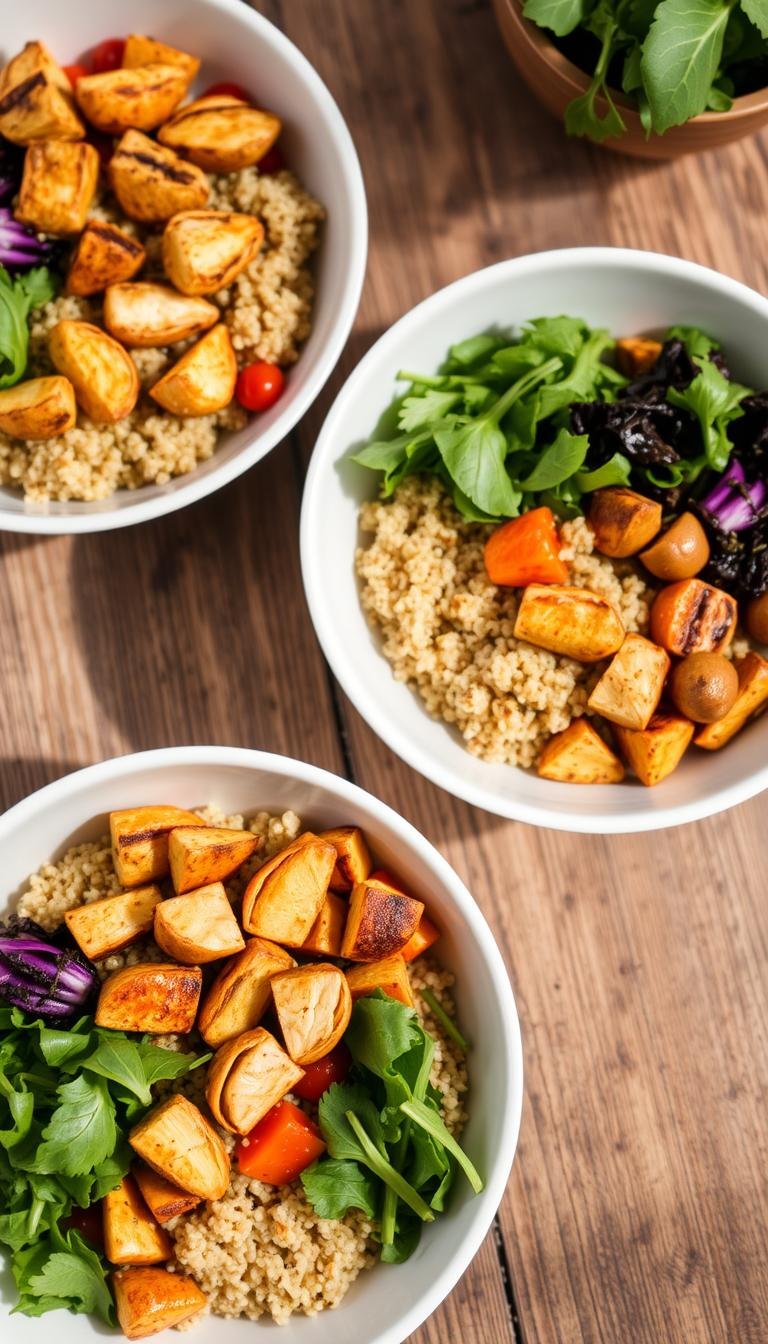
Efficient Meal Prep Bowls for Easy Weekdays
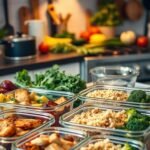
Here’s a shocker: the average American spends more than 400 hours a year deciding, shopping for, and cooking dinner, according to time-use studies from the Bureau of Labor Statistics. That’s ten full workweeks. Meal Prep Bowls cut that drag by turning one afternoon of batch cooking into five days of easy weekday meals you can actually look forward to.
This Website contains affiliate links. That means I may earn a small commission if you purchase through my links, at no extra cost to you.
This guide makes healthy meal prep simple, fast, and budget smart. You’ll learn weekly meal planning that fits a real-life schedule, how to pick durable meal prep containers, and ways to keep bowls crisp, saucy, and satisfying from Monday to Friday. We’ll pull in tips for shopping at Costco, Trader Joe’s, and Aldi, and show how to flex bowls for high-protein, vegan, and keto goals without losing flavor.
From safe cooling methods to flavor boosters that travel well, every step is designed to save time and reduce waste. Think practical workflows, not chef-only tricks—so your fridge is stocked, your budget stays on track, and dinner is done in minutes.
Ready to streamline your week? Let’s build a system that turns Sunday batch cooking into stress-free, healthy meal prep every day.
Key Takeaways
- Cut weeknight decisions with weekly meal planning and a repeatable prep ritual.
- Choose the right meal prep containers to protect texture and lock in flavor.
- Use batch cooking to prepare proteins, grains, and veggies for mix-and-match bowls.
- Keep bowls fresh with smart layering and sauces packed separately.
- Shop strategically at Costco, Trader Joe’s, and Aldi to lower costs and reduce waste.
- Follow USDA food safety basics for cooling, storing, and reheating.
- Adapt Meal Prep Bowls for high-protein, vegan, or keto without extra work.
Why Meal Prep Matters for Busy Weekdays
Busy schedules make smart choices harder. With routine meal planning, you set a simple system that supports workweek lunches and quick dinners. Time-saving meal prep turns one focused session into calm, repeatable wins all week.
The goal is less stress, more consistency. When ingredients are washed, cooked, and portioned, you move faster, eat better, and spend less.
Time-saving benefits for working professionals and students
Batch once, enjoy often. Prepping 8–10 portions in one block can reclaim hours otherwise lost to nightly cooking and sink time. For office days, workweek lunches are ready to grab, so you skip lines and cut decision fatigue.
Student meal prep means real fuel between lectures and labs. Packable bowls ride in a backpack, keeping focus on class instead of the food court. This is time-saving meal prep that frees your schedule, not fills it.
Cost-effective strategies to reduce food waste
Bulk buys shine when you plan. Cook full packs of chicken, tofu, or beans, plus grains like rice or quinoa, then rotate flavors across the week to reduce food waste. Freeze extra portions before the use-by date, and repurpose produce into soups, stir-fries, or omelets.
Routine meal planning trims impulse spending. You use what you buy, stretch sauces and dressings, and keep per-serving costs low without dull meals.
Building consistent healthy eating habits
Pre-portioned bowls help you build healthy habits. Set macros, manage sodium, and add fiber with whole grains and colorful vegetables. Ready meals lower the pull of takeout and ultra-processed snacks.
A light rotating menu supports adherence. With steady access to balanced workweek lunches, you keep energy even, protect your budget, and stick to goals through student meal prep or a packed office calendar.
| Goal | Routine Meal Planning Action | Weekly Payoff |
|---|---|---|
| Save Time | Batch 8–10 bowls in one session; stack cook grains, proteins, and veggies | Reclaims 5–7 hours otherwise spent cooking and cleaning |
| Spend Less | Buy in bulk; repurpose ingredients; freeze extras before spoilage | Lower per-serving cost and reduce food waste |
| Eat Better | Pre-portion for macros; add lean protein, fiber, and produce | Build healthy habits with steady, balanced workweek lunches |
| Stay Flexible | Create a small rotating menu for student meal prep and office days | Less choice overload; faster decisions and higher adherence |
Essential Containers and Storage Solutions
Choose meal prep containers that fit your routine and your fridge. Match materials to how you cook, reheat, and carry food. Keep sizes uniform so they stack cleanly and stay easy to grab.
Tip: Label with painter’s tape and dates to keep rotation simple.
Glass vs. plastic vs. stainless steel: which to choose
For reheating, glass brands like Pyrex, OXO, and Glasslock resist stains and odors and are microwave-safe. They’re sturdy and oven-safe without lids, but heavier and sometimes pricier.
BPA-free plastic from Rubbermaid Brilliance or Sistema is light, often microwave-safe, and budget-friendly. Pick stain-resistant lines, and replace pieces if they warp or scratch.
Stainless steel lunch boxes from Onyx and LunchBots are durable and odor-resistant. They shine for salads and cold bowls, but they are not microwave-safe. This is a smart pick for commuters.
Best compartmentalized containers for portion control
Bento boxes help separate proteins, grains, and veggies for steady portions. Removable inserts keep crunchy items dry and dressings apart. This design protects texture during a busy week.
Look for tight-fitting lids and clear walls so you can see contents at a glance. Pair bento boxes with a small snack box for fruit or nuts to keep macros balanced.
Leak-proof dressings and sauce containers
Choose leak-proof sauce cups with silicone gaskets or screw-top lids to prevent spills. Options like Sistema To Go and OXO Prep & Go travel well inside lunch bags.
Keep oils and acidic dressings in dedicated cups to protect main dishes. Pack them just before eating to keep greens crisp and grains fluffy.
Freezer-safe and microwave-safe options
Use freezer-safe containers for batch cooking. Leave headspace for expansion and freeze flat for faster thawing. Stack by meal type for quick morning grabs.
Choose microwave-safe pieces with vented lids and no metallic trim. For best results, reheat glass vs plastic differently: vent plastic briefly and stir midway, while glass can handle steady heat. This simple habit keeps meals hot, safe, and satisfying.
Grocery Planning and Smart Shopping Tips
Map your week before you shop. A clear grocery list for meal prep keeps you focused, trims impulse buys, and helps you plan for bulk buying without waste. Lean on store apps for digital coupons, then match deals to your plan.
Pro tip: Choose 2–3 base proteins and 2 grains you can mix into 4–5 bowls. Use seasonal produce swaps to keep flavors fresh while holding costs steady.
Batch-buying proteins, grains, and produce
Pick value packs of chicken thighs, ground turkey, tofu, and beans. Split into portions and freeze right away. Add family-size rice, quinoa, or farro, and stock broccoli, bell peppers, carrots, and onions that work across cuisines.
- Cook once, eat all week: make protein and grain bases, then vary sauces and veg.
- Use frozen produce to reduce waste and speed prep.
- Label portions by date for smoother Costco meal prep and fast weeknights.
Using a master list and seasonal swaps
Create a reusable master checklist by category—proteins, grains, vegetables, sauces, and pantry staples. This cuts time and keeps your grocery list for meal prep consistent from week to week.
- Spring: swap asparagus for green beans; Summer: corn instead of frozen peas.
- Fall: roasted squash for sweet potatoes; Winter: cabbage and kale for lettuce.
- These seasonal produce swaps keep costs in check and add variety.
Budget-friendly items from Costco, Trader Joe’s, and Aldi
Stretch your budget with smart retailer picks. Combine Trader Joe’s shortcuts with Costco meal prep staples and Aldi budget meals for the best value.
| Store | Best Value Picks | How to Use | Money-Saving Angle |
|---|---|---|---|
| Costco | Kirkland chicken, canned wild salmon, big bags of quinoa, frozen riced cauliflower, avocado oil, Greek yogurt, mixed nuts | Batch-cook chicken and quinoa; use salmon for no-cook bowls; riced cauliflower for low-carb bases | Bulk buying lowers unit cost; versatile items fit several bowl styles |
| Trader Joe’s | Pre-cooked lentils, frozen brown rice, cauliflower gnocchi, tahini, Zhoug sauce, Everything but the Elote seasoning | Lean on Trader Joe’s shortcuts for fast assembly; spice blends and sauces keep flavors lively | Minimal prep time reduces takeout temptation |
| Aldi | Budget beans, canned tomatoes, affordable frozen veggies, Simply Nature quinoa, specialty cheeses | Build hearty bowls with beans and roasted veg; finish with a sprinkle of cheese | Aldi budget meals help you stock staples at the lowest price |
- Check weekly apps for instant deals and digital coupons.
- Buy frozen when fresh prices spike to protect your plan and your wallet.
Meal Prep Bowls
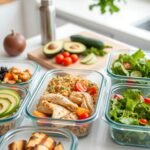
Build balanced bowls that stay fresh all week and still taste bold at lunch. Use simple swaps to create macro-friendly meals without losing crunch or color. With smart layering and texture tips, your global flavor bowls can handle the commute and the fridge.
Balanced macro guidelines for bowls
Aim for a clear template to keep macro-friendly meals on track:
- Base: 1 cup cooked grain or a veg base like riced cauliflower.
- Protein: 4–6 oz cooked chicken, salmon, or shrimp, or 3/4–1 cup tofu, tempeh, or legumes.
- Veg: 1–2 cups mixed cooked and raw produce for color and fiber.
- Fat: avocado, nuts, seeds, or olive oil.
- Sauce/Topping: add right before eating for flavor and crunch.
Target per bowl: about 25–40 g protein, 35–60 g carbs (adjust lower if needed), 10–20 g healthy fats, and 6–12 g fiber. This approach keeps balanced bowls steady in energy and easy to repeat.
Flavor profiles to keep meals exciting
Rotate flavor variations so each day feels new while you cook once. Mix and match sauces, herbs, and crunch to turn a base into global flavor bowls that still follow your macro plan.
- Mediterranean: lemon-tahini, cucumbers, olives, cherry tomatoes, feta.
- Mexican-inspired: cilantro-lime, black beans, corn, salsa, cotija.
- Asian-inspired: ginger-soy, sesame oil, edamame, pickled vegetables.
- Middle Eastern: shawarma spices, yogurt-garlic, parsley, roasted peppers.
- BBQ: smoky rubs, slaw, cornbread croutons, scallions.
- Greek: oregano, red wine vinaigrette, red onion, pepperoncini.
Tips for preventing soggy textures
Use anti-soggy meal prep methods that protect crunch and keep greens lively. These texture tips help every bite snap, even on day four.
- Keep dressings and crisp toppings separate until serving.
- Cool hot foods to room temp before lidding to avoid steam.
- Choose absorbent bases like quinoa or farro for sauces.
- Layer heavy or hearty veg on the bottom; place delicate greens on top.
- Toast grains and nuts to add structure and reduce moisture.
- Store cut tomatoes and cucumbers in their own container.
- Line salad containers with a paper towel to catch condensation.
| Bowl Template | Macro Target (per bowl) | Flavor Pairing | Crunch Strategy |
|---|---|---|---|
| Farro + grilled chicken + broccoli + olive oil | 30 g protein, 50 g carbs, 14 g fat, 8 g fiber | Mediterranean with lemon-tahini and oregano | Nuts packed separate; dress at desk |
| Brown rice + black beans + peppers + avocado | 25 g protein, 55 g carbs, 16 g fat, 12 g fiber | Mexican-inspired with cilantro-lime and salsa | Tortilla strips in a side cup; cool rice before sealing |
| Quinoa + tofu + edamame + cabbage | 28 g protein, 45 g carbs, 12 g fat, 10 g fiber | Asian-inspired with ginger-soy and sesame | Pickles stored apart; add sesame seeds at serve |
| Cauliflower rice + salmon + roasted carrots + tahini | 35 g protein, 20 g carbs, 18 g fat, 7 g fiber | Middle Eastern with shawarma spices | Greens on top layer; vent before chilling |
| Barley + pulled turkey + slaw + vinaigrette | 32 g protein, 48 g carbs, 11 g fat, 9 g fiber | BBQ with smoky rubs and scallions | Slaw undressed; croutons in a dry container |
Protein Foundations for Bowl Building
Build your bowls around versatile meal prep proteins that reheat well and take on sauces. For chicken meal prep, roast or grill thighs or breasts with salt, pepper, garlic, and paprika. Poach a batch for easy shredding that works with chimichurri, pesto, or barbecue sauce.
Keep turkey simple and flexible. Season ground turkey with cumin and chili powder for a Tex-Mex vibe, or use Italian seasoning for pasta-style bowls. Lean ground beef fits taco or Mediterranean bowls, while flank steak gets tender with a quick citrus and soy marinade.
Seafood stays juicy with gentle heat. Bake salmon at 400°F for 10–12 minutes until it flakes. Sauté shrimp in minutes; store it separately and add day-of or reheat briefly to avoid rubbery texture.
Plant-forward options are weeknight heroes. Press tofu meal prep for 15–30 minutes, then bake at 400°F until crisp at the edges. Steam tempeh to mellow bitterness before marinating. Pan-sear seitan for chew. Canned staples like chickpeas, black beans, and tuna add no-cook variety.
Eggs and ready-to-eat choices save time. Hard-boiled eggs hold up to a week and round out salads or grain bowls. Shred rotisserie chicken for fast lunches. Keep portions neutral so you can switch sauces midweek without flavor clashes.
- Poultry tips: Mix poached chicken with olive oil and lemon; grill marks add smoky depth to chicken meal prep.
- Seafood timing: Batch-bake salmon, cook shrimp in small rounds, and chill quickly.
- Plants that satisfy: Rotate tofu meal prep with tempeh and beans to keep textures varied.
- Speed boosters: Use rotisserie chicken and hard-boiled eggs when the week gets busy.
Whole Grains, Legumes, and Fiber-Rich Bases
Build bowls that stay satisfying all week by starting with fiber-rich bases. Rotate batch-cooked grains and hearty legumes so flavors change while your routine stays simple. The mix boosts texture, adds minerals, and keeps you full.
Rice, quinoa, farro, and barley prep methods
For rice meal prep, rinse white rice until the water runs clear. Use a 1:1.25–1.5 water ratio for jasmine or basmati, then rest for 10 minutes after cooking. For brown rice, go 1:1.75–2 and allow a longer simmer for tender grains.
Smart quinoa prep starts with a good rinse to remove saponins. Cook at 1:1.75 water, then fluff to keep it light. For farro, simmer pearled in salted water for 15–25 minutes and drain like pasta for a clean bite.
Barley brings chew and stays distinct in bowls. Pearl barley cooks in about 25–30 minutes; hulled barley needs more time. Drain well and spread on a sheet pan to cool before packing with other batch-cooked grains.
Lentils, chickpeas, and black beans for plant protein
Brown or green lentils hold their shape best. Simmer in broth with a bay leaf until just tender to avoid mush. Fold into greens or roasted vegetables for extra body.
Chickpeas and black beans shine as ready add-ins. Pressure cook from dry in an Instant Pot, or use canned and rinse to reduce sodium. Combine lentils with chickpeas or black beans to raise protein and make bowls more filling.
Batch cooking and quick-cooling for storage safety
After cooking, spread grains on sheet pans so they drop below 70°F within 2 hours. Move to shallow containers, leave lids ajar until steam fades, and avoid stacking while warm. Aim for below 41°F within 4 hours for safe storage.
Refrigerate for 3–4 days or freeze in portioned containers for up to 3 months. This approach keeps rice meal prep, quinoa prep, farro, barley, lentils, chickpeas, and black beans ready for effortless, fiber-rich bases all week.
Vegetable Prep for Crunch, Color, and Nutrition
Dial in produce textures that hold through a busy week. Mix roasted vegetables with steamed veggies and a little raw prep to balance flavor, bite, and color. This approach upgrades salad meal prep and keeps bowls lively without extra effort.
Roasting vs. steaming vs. raw prep
For deep flavor, roast at 425°F with olive or avocado oil, salt, and spices. Rotate pans halfway so edges char and centers stay tender. These roasted vegetables add warmth and caramel notes to grain bowls.
When you want bright color and snap, turn to steamed veggies. Broccoli, green beans, and asparagus shine after a brief steam and an ice bath to set the green. Season lightly and keep separate from sauces.
Use raw prep for crunch and speed. Shred carrots, thin-slice cabbage, and dice bell peppers. Layer them as crunchy toppings to contrast creamy dressings and soft grains.
Quick-pickled veggies for brightness
Make quick pickles with equal parts vinegar and water, a pinch of salt, and a touch of sugar. Pour over thinly sliced red onions, cucumbers, or radishes. Chill 30 minutes for zing or hold several days for a deeper bite.
Stash jars in the fridge for salad meal prep. A spoonful wakes up roasted vegetables and steamed veggies, and pairs well with grilled chicken or chickpeas.
High-water vegetables to add day-of
Save high-water produce—cucumbers, tomatoes, lettuce, zucchini, and citrus segments—for the day you eat. Storing them separately prevents dilution and soggy textures. Pack them on top as crunchy toppings just before serving.
For greens that last, choose kale or cabbage and pre-dress as a sturdy slaw. Season vegetables differently from proteins so mix-and-match bowls stay fresh all week, with raw prep, quick pickles, and steamed veggies ready to rotate.
Flavor Boosters: Sauces, Dressings, and Toppings
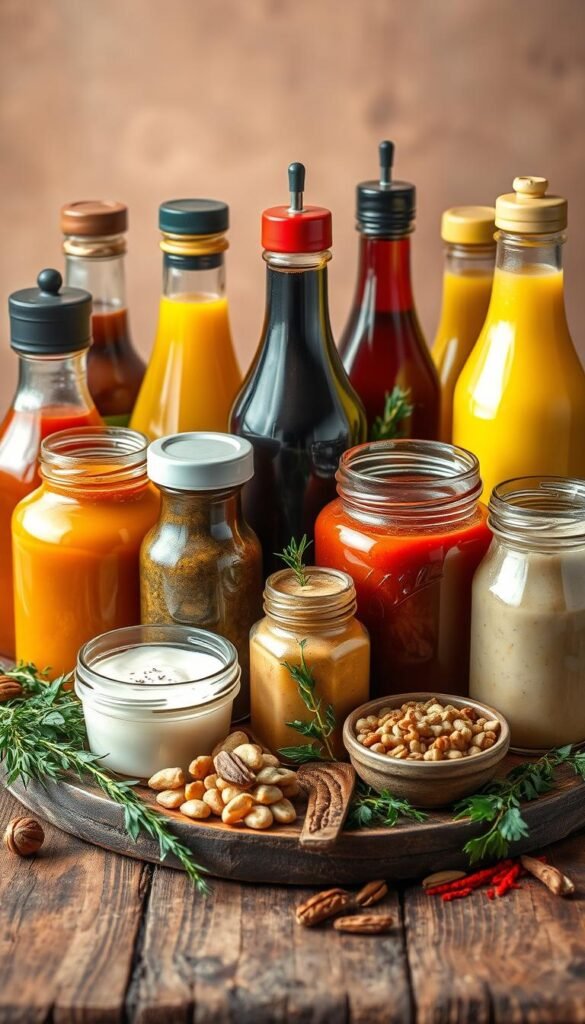
Great bowls lean on smart meal prep sauces and healthy dressings that hold up all week. Keep flavors bright, textures crisp, and balance salt and acid so cold meals never taste flat.
Yogurt-based, tahini, and vinaigrette options
A simple Greek yogurt sauce adds protein and creamy body. Stir in garlic, lemon, and dill for a cool finish that pairs with chicken, salmon, or roasted veggies. For a nutty twist, a pourable tahini dressing comes together with lemon, garlic, and water.
Vinaigrettes shine with a 1:2 acid-to-oil ratio. Try balsamic with extra-virgin olive oil, or red wine vinegar with oregano and shallot. For a sesame kick, use rice vinegar with toasted sesame oil. Store these meal prep sauces in leak-proof cups for up to five to seven days, depending on ingredients.
Crispy elements: nuts, seeds, and croutons
Layer in crunchy toppings right before you eat. Toasted almonds, walnuts, or pistachios add rich flavor and bite. Seeds—pumpkin, sunflower, and sesame—bring fiber and a toasty edge.
For extra crunch, pack oven-baked sourdough croutons or roasted chickpeas in a dry container. They stay crisp and keep greens from wilting. A small sprinkle can transform texture without heavy calories.
Heat and umami: chili oil, sriracha, miso, and soy
A drizzle of chili oil or a spoon of chili crisp wakes up grains and greens. Sriracha offers fast heat with a touch of sweetness. For savory depth, whisk a quick miso dressing with white miso, rice vinegar, and a hint of honey.
Soy sauce, tamari, or a dash of fish sauce act as umami boosters. Add nori flakes or furikake for ocean-bright savor. Finish with citrus zest, pickled ginger, or fresh herbs to lift the whole bowl and keep your healthy dressings feeling fresh all week.
High-Protein Bowl Ideas for Gym Days
Dial in post-workout meals with bowls that deliver 30–45 grams of protein, complex carbs, and a pinch of sodium and potassium. These gym meal prep ideas keep energy steady, support muscle repair, and taste great cold or reheated.
Grilled chicken with farro, roasted broccoli, and cherry tomatoes lands in the sweet spot for 30g protein bowls. Finish with lemon-tahini and pumpkin seeds for texture. Add a few pickled onions to boost electrolytes after a sweaty lift.
Go savory with steak and roasted sweet potato, chimichurri, and sautéed peppers and onions. Black beans add fiber and extra protein. This combo fits high-protein meal prep without feeling heavy.
For seafood fans, try baked salmon over brown rice with edamame, cucumber, and avocado. A light ginger–soy dressing adds salt for recovery and rounds out these muscle recovery bowls.
Craving Tex-Mex? Build a turkey taco bowl with quinoa, corn, pico de gallo, and a cabbage slaw. A quick Greek yogurt–lime crema keeps it bright and stays in the lane of 30g protein bowls.
For a creamy option, pack cottage cheese with barley, roasted carrots, arugula, and a spoon of pesto. It’s simple high-protein meal prep that holds up for busy weeks.
Morning training calls for quick carbs: add pineapple or oranges to any of these post-workout meals. Keep fats lower before training, then bump them up after if you want a slower, more filling finish.
Tip: Pickled vegetables or lightly salted sauces help replace sodium, while beans, tomatoes, and potatoes boost potassium.
| Bowl | Estimated Protein (g) | Key Carbs | Electrolyte Boost | When to Use |
|---|---|---|---|---|
| Grilled Chicken, Farro, Broccoli, Lemon-Tahini | 35–40 | Farro, tomatoes | Pickled onions, sea salt | After strength days; classic gym meal prep ideas |
| Steak, Sweet Potato, Peppers, Black Beans | 40–45 | Sweet potato, black beans | Chimichurri with salt | Heavy lift sessions; muscle recovery bowls |
| Baked Salmon, Brown Rice, Edamame, Avocado | 35–40 | Brown rice, edamame | Ginger–soy dressing | Post-run or ride; balanced post-workout meals |
| Turkey Taco Bowl, Quinoa, Corn, Yogurt-Lime Crema | 30–35 | Quinoa, corn | Salted pico de gallo | Quick 30g protein bowls for busy days |
| Cottage Cheese, Barley, Roasted Carrots, Pesto | 30–32 | Barley, carrots | Lightly salted pesto | High-protein meal prep for desk lunches |
Plant-Forward and Vegan Bowl Variations
Lean into vegan meal prep bowls that feel fresh, filling, and fast. Build around plant-based protein, add bright produce, and finish with dairy-free sauces that keep well. A light sprinkle of fortified nutritional yeast adds vitamin B12 and savory depth.
Tofu, tempeh, and seitan marinades
For a crisp tofu marinade, mix tamari, garlic, ginger, and maple, then toss cubes with cornstarch and bake until golden. Steam tempeh first, then marinate with smoky paprika, soy, and lime for better absorption. Seitan bowls shine with bold blends like shawarma spices or a tangy BBQ rub.
Batch these bases on Sunday, cool quickly, and store in shallow containers. Rotate tofu, tempeh, and seitan bowls through the week to keep flavors varied and the prep simple.
Complete proteins with grains and legumes
Pair grains and beans to create a complete protein vegan profile. Go classic with rice and black beans, or try farro and lentils for a hearty bite. Quinoa is already complete, and it pairs well with chickpeas for extra chew.
- Harissa-roasted cauliflower with quinoa, chickpeas, herbs, and lemon-tahini
- Sesame tofu with brown rice, edamame, red cabbage, and peanut-lime sauce
- Smoky tempeh with roasted sweet potato, kale, and avocado salsa
These combos boost plant-based protein while keeping textures crisp and satisfying in vegan meal prep bowls.
Dairy-free creamy sauces
Blend cashew cream for silky body, or whip a silken tofu “ranch” with dill and lemon. Try avocado-cilantro dressing for a cool, bright finish. For tang, use tahini with coconut yogurt to mimic classic creaminess without dairy.
Keep portions in small containers so dairy-free sauces stay fresh all week. Spoon over bowls just before eating to protect crunch and lock in flavor across seitan bowls and other complete protein vegan builds.
Low-Carb and Keto-Friendly Bowl Options
Build fast, satisfying keto meal prep bowls that stay crisp, travel well, and taste bold. These low-carb bowls keep net carbs tight while packing flavor and texture for busy weeks and smart keto lunch ideas.
Pro tip: Aim for colorful produce, fatty proteins, and sauces that hold up in the fridge. Keep an eye on electrolytes so energy and focus stay steady.
Cauliflower rice and spiralized vegetable bases
Swap grains with cauliflower rice. Sauté it in olive oil to drive off moisture and season with kosher salt, garlic, and pepper. It stays fluffy for days.
Use spiralized vegetables for volume. Try zoodles, daikon, or cucumber. Pat them dry, then chill in paper towel–lined containers to prevent sogginess.
Add leafy greens and roasted non-starchy vegetables like broccoli, Brussels sprouts, and bell peppers to round out low-carb bowls without extra starch.
High-fat, clean dressing ideas
Reach for high-fat dressings that are simple and clean. Olive oil, avocado oil, or mayonnaise whisked with lemon and Dijon makes a silky emulsion.
Pesto, aioli, or a punchy chimichurri cling well to cauliflower rice and zoodles. Keep a small leak-proof cup so greens stay crisp until lunch.
Pair with fatty proteins such as salmon, chicken thighs, pork shoulder, or tofu finished with sesame oil for steady energy in keto lunch ideas.
Electrolyte-friendly add-ins
Balance electrolytes with smart toppings. Olives boost sodium. Pumpkin seeds add magnesium. Avocado adds potassium and creamy texture.
Finish bowls with pickled jalapeños and a light sprinkle of kosher salt. These touches brighten flavors and support hydration during busy days.
- Garlic shrimp over zoodles with roasted peppers, romesco, and chopped almonds.
- Crispy chicken thigh on cauliflower rice with chimichurri and roasted mushrooms.
| Bowl Base | Protein | Sauce | Electrolyte Boost | Prep Tip |
|---|---|---|---|---|
| Cauliflower rice | Chicken thighs | Chimichurri | Olives + avocado | Sauté rice to reduce moisture; pack sauce separately |
| Zoodles | Garlic shrimp | Romesco | Pumpkin seeds | Blot noodles dry; add sauce at lunch to keep crunch |
| Spiralized daikon | Sesame tofu | Pesto | Kosher salt + avocado | Marinate tofu ahead; toss base with a touch of oil |
| Mixed leafy greens | Salmon | Lemon-Dijon high-fat dressings | Pickled jalapeños | Cool salmon fully before packing; keep dressing in a mini cup |
Family-Friendly Bowls Kids Will Love
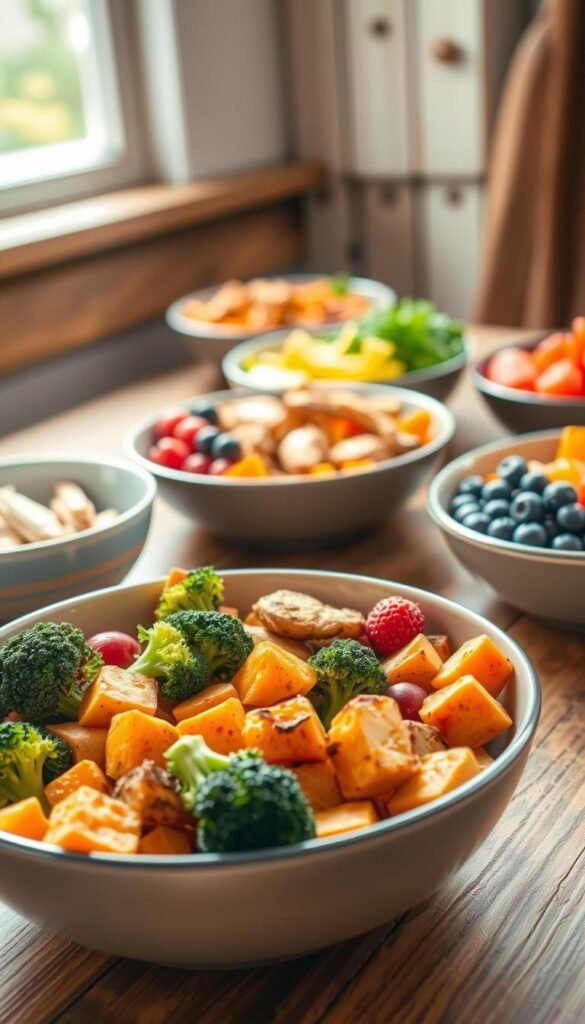
Turn dinner into a build-your-own moment with deconstructed dinners that fit every palate. Keep proteins simple—rotisserie chicken, mini turkey meatballs, or baked tofu—and pair them with mild dips like hummus or a yogurt-ranch blend. Add familiar crunch with cucumber rounds, corn, and shredded cheese. Whole-grain bases such as brown rice or small pasta shapes help younger eaters feel at ease.
This approach makes kid-friendly meal prep fast and flexible. Serve toppings in small bowls so each child can choose. Keep spice low, then place hot sauce on the side for adults. Bento-style containers preserve texture and make packing leftovers easy for tomorrow.
For busy nights, think of these as family bowls that scale. Roast sweet potato cubes and steam broccoli while rice cooks. Offer an olive oil vinaigrette and a mild marinara for variety. Slip in fruit sides—berries or apple slices—and a tiny square of dark chocolate to seal the deal.
Cold options also shine for school lunch ideas. Try turkey, cheddar, brown rice, cucumbers, and a separate cup of vinaigrette. Pack grapes or a clementine for balance. These packs double as picky eater meals because nothing touches until it’s time to eat.
Tip: Label sauces clearly—ranch, marinara, or peanut-free sunflower butter—so kids pick confidently. Rotate shapes and colors to keep interest high without changing the core ingredients.
| Component | Kid-Approved Options | Prep Notes | How It Helps |
|---|---|---|---|
| Base | Brown rice, quinoa, mini pasta shells | Cook in batches; cool quickly; portion in bento inserts | Familiar textures support kid-friendly meal prep |
| Protein | Turkey meatballs, rotisserie chicken, baked tofu | Season lightly; keep sauces on the side | Works for picky eater meals without overwhelming flavors |
| Veggies | Cucumber rounds, corn, roasted sweet potato cubes | Offer raw and roasted choices | Deconstructed dinners let kids select favorites |
| Extras | Shredded cheese, avocado slices, berries, apple slices | Pack cold; add just before eating | Makes family bowls feel fun and colorful |
| Dips & Dressings | Hummus, yogurt-ranch, olive oil vinaigrette | Portion in leak-proof cups; label clearly | Supports school lunch ideas with no-soggy greens |
| Treat | Small dark chocolate square | Pack separately | Encourages buy-in without excess sugar |
Food Safety, Storage Times, and Reheating
Smart meal prep tastes better when it is safe. Follow USDA food safety basics from cook to chill to reheat so your bowls stay fresh all week. Keep an eye on safe internal temperatures, meal prep storage times, and practical thawing tips to reduce waste and risk.
USDA guidelines for cooked proteins
Use a reliable thermometer, such as a ThermoWorks Thermapen or an OXO digital probe. Aim for safe internal temperatures: chicken and turkey 165°F; ground meats 160°F; whole cuts of beef, pork, and lamb 145°F with a 3-minute rest; fish 145°F or until flaky.
Refrigerate within 2 hours, or 1 hour if it is above 90°F outside. These USDA food safety steps help lock in quality and guard against the 40–140°F danger zone.
Best practices for cooling and labeling
Cool large batches fast by dividing into shallow containers, or spread on sheet pans to boost airflow. Avoid stacking containers while warm to keep cooling food fast and even.
Label each container with the item and date. Use first-in, first-out rotation to hit meal prep storage times without guessing.
Microwave, oven, and stovetop reheating tips
Reheating leftovers should reach 165°F. In the microwave, cover with a vented lid, stir halfway, and let it rest 1 minute for carryover heat. For roasted items, use the oven at 300–350°F to rewarm without drying.
On the stovetop, a quick sauté revives grains and proteins. Add a splash of broth or water to restore moisture while keeping texture.
Freezer-to-fridge thawing strategies
Move frozen meals to the fridge 24 hours ahead for steady, safe thawing. For faster results, submerge sealed bags in cold water, changing the water every 30 minutes.
Do not thaw at room temperature. These thawing tips help you serve food at peak quality while staying within USDA food safety guidance.
| Food | Safe Internal Temperatures | Fridge: Meal Prep Storage Times | Freezer: Best Quality Window | Reheating Leftovers Method |
|---|---|---|---|---|
| Chicken or Turkey (cooked) | 165°F | 3–4 days | 2–3 months | Microwave with vented lid; stir; confirm 165°F |
| Ground Beef, Turkey, Pork | 160°F | 3–4 days | 2–3 months | Stovetop with splash of broth; reach 165°F |
| Beef/Pork/Lamb (whole cuts) | 145°F + 3-min rest | 3–4 days | 2–3 months | Oven 300–350°F, foil cover; finish to 165°F when reheating |
| Fish and Seafood | 145°F or flaky | 1–2 days | 2–3 months | Oven low and slow; avoid drying; verify 145–165°F |
| Cooked Grains (rice, quinoa, farro) | N/A (reheat to 165°F) | 3–4 days | 2–3 months | Stovetop sauté with water; steam covered to 165°F |
| Cooked Legumes (beans, lentils) | N/A (reheat to 165°F) | 3–4 days | 2–3 months | Microwave or stovetop with splash of broth to 165°F |
| Cooling and Thawing Notes | Pass 40–140°F quickly | Label and rotate | Freeze promptly | Fridge 24 hrs or cold-water method; never room temp |
Sunday Prep Workflow and Time Management
Set a clear plan and pace your kitchen so everything finishes together. This meal prep workflow keeps a steady rhythm for time-saving cooking and better kitchen efficiency. Aim for 10–12 servings in under two hours without rushing.
Step-by-step batching order
Begin with grains and legumes to anchor your batch cooking schedule. Use Instant Pot meal prep for brown rice, quinoa, or chickpeas, or start them on the stovetop.
- Marinate proteins while grains cook in the background.
- Preheat the oven. Roast dense vegetables first, such as sweet potatoes and carrots. Follow with faster items like broccoli and bell peppers.
- Cook proteins next: sheet-pan chicken, baked salmon, or sautéed tofu. Use a probe thermometer for precise doneness.
- Mix sauces and dressings once the heat work is steady.
- Cool components on racks, then assemble bowls when everything is no longer steaming.
Multitasking with oven, stovetop, and Instant Pot
Run grains in the Instant Pot while the oven handles two sheet pans at once. Use a second burner to sauté tofu or steam greens for quick, time-saving cooking.
- Rotate pans at the halfway mark to boost kitchen efficiency.
- Keep an eye on carryover heat to avoid dry proteins.
- Stage mixing bowls for sauces near the sink for easy rinsing between tasks.
Cleanup hacks and container staging
Line sheets with parchment or silicone mats to speed cleanup. Use one cutting board for produce and a separate board for raw proteins to stay safe and tidy.
- Wash as you go and keep a bin for compost and scraps.
- Label containers before filling; set out mini cups for sauces.
- Let components cool on racks, then pack and seal to fit your batch cooking schedule and Instant Pot meal prep plan.
With a steady checklist and smart sequencing, this meal prep workflow delivers dependable results and real kitchen efficiency every week.
Seasonal Bowl Inspiration by Produce Availability
Plan seasonal meal prep around what tastes best right now and what saves money. Fresh produce at its peak builds better texture and bold flavor, whether you lean on herbs, grains, or quick sauces. Rotate your base, keep portions steady, and let the market guide your bowl.
Spring greens and herbs
Lean into spring recipes with baby greens, asparagus, peas, and crisp radishes. Add dill and mint, then finish with lemon-forward citrus dressings to brighten the bowl. Pair with grilled chicken or marinated tofu for clean protein and a light bite.
Summer grilled vegetables and stone fruit
Build summer grilling bowls with zucchini, bell peppers, corn, and red onions. Fold in sliced peaches or nectarines for a sweet-salty contrast. Spoon on chimichurri or basil pesto, and serve over rice or quinoa to keep the heat outside and the meal fast.
Fall roasted roots and squashes
Roast fall root vegetables like butternut squash, carrots, beets, and Brussels sprouts. Warm spices such as cinnamon and cumin add depth, while nutty farro brings chew. A light tahini-maple drizzle rounds out the prep and carries through busy weeks.
Winter brassicas and citrus dressings
Build hearty bowls with winter greens and brassicas—kale, cabbage, broccoli, and cauliflower. Add roasted mushrooms for umami and segments of orange or lemon for snap. Finish with bright citrus dressings to lift the palate when the weather turns cold.
Pro tip: Rotate herbs and spices weekly to refresh flavor while keeping your seasonal meal prep routine simple and steady.
Conclusion
Weekly meal prep bowls turn busy weekdays into calm, predictable meals. Shop smart, batch-cook proteins and grains, and prep sturdy vegetables so they hold up. Keep sauces and crunchy toppings separate for peak texture, and choose containers that seal well and reheat cleanly. Follow USDA safety and reheating guidance to keep every bite safe and fresh.
Use a simple Sunday workflow to build 10–12 servings in under two hours. Go high-protein for training days, plant-forward for fiber and variety, or keto with low-carb bases. Rotate seasonal produce for better flavor and value. These steps support healthy habits without fuss, and set you up for quick lunches and easy dinners all week.
Layer flavor with yogurt dressings, tahini, or bright vinaigrettes, then finish with nuts, seeds, or toasted panko for crunch. Mix grains like quinoa or farro with beans or chicken for balance. This approach to budget-friendly cooking cuts food waste and stretches grocery dollars while keeping meals lively.
With repeatable systems and a stocked fridge, weekly meal prep bowls deliver steady energy, less stress, and more time back in your day. Eat well, save money, and enjoy simple, flavorful food that supports your routine from Monday to Friday.
FAQ
How many meal prep bowls should I make for a workweek?
Aim for 8–10 portions from a single Sunday session. This usually covers lunches and a few dinners, saving 5–7 hours you’d spend cooking and cleaning during the week.
What’s the best type of container for reheating and flavor?
Glass containers like Pyrex, OXO, or Glasslock reheat evenly and resist stains. BPA-free plastic such as Rubbermaid Brilliance or Sistema is lighter for commuters. Stainless steel from LunchBots or Onyx is great for cold salads but isn’t microwave-safe.
How do I prevent soggy bowls?
Cool foods to room temperature before sealing, keep dressings in leak-proof cups (OXO Prep & Go, Sistema To Go), and store crunchy toppings separately. Layer hearty veg on the bottom and delicate greens on top, and toast grains or nuts for extra crunch.
What are balanced macro targets for a weekday bowl?
A helpful range per bowl is 25–40 g protein, 35–60 g carbs, 10–20 g healthy fats, and 6–12 g fiber. Use a template: base, protein, veggies, fat, and a bold sauce or topping.
Which proteins reheat well for meal prep?
Roast chicken thighs or breasts, ground turkey with simple spices, lean ground beef, and baked salmon. For plants, try baked tofu, steamed-then-marinated tempeh, seitan, and canned tuna, salmon, chickpeas, or black beans.
How do I prep grains and legumes for the best texture?
Rinse rice and quinoa, cook farro and barley like pasta, and quick-cool on sheet pans. Lentils should be cooked until just tender. Rinse canned beans to reduce sodium, or pressure cook from dry in an Instant Pot.
What are smart budget buys at Costco, Trader Joe’s, and Aldi?
Costco: Kirkland chicken, canned wild salmon, quinoa, frozen riced cauliflower, avocado oil, Greek yogurt, mixed nuts. Trader Joe’s: pre-cooked lentils, frozen brown rice, cauliflower gnocchi, tahini, Zhoug sauce, Everything but the Elote seasoning. Aldi: budget beans, canned tomatoes, Simply Nature quinoa, frozen vegetables, and affordable cheeses.
How can I keep vegetables crisp and colorful?
Roast at 425°F for caramelization, steam and shock greens to set color, and use raw shredded carrots, cabbage, and bell peppers for crunch. Store high-water produce like cucumbers and tomatoes separately to add day-of.
What sauces and toppings stay tasty all week?
Yogurt-garlic-lemon, tahini-lemon, and simple vinaigrettes hold 5–7 days. Keep chili crisp, sriracha, miso, soy sauce, and furikake for heat and umami. Store nuts, seeds, and croutons dry to retain crunch.
How do I build high-protein bowls for gym days?
Target 30–45 g protein with complex carbs. Try grilled chicken with farro and lemon-tahini, steak with sweet potatoes and chimichurri, or salmon with brown rice and ginger-soy. Add potassium and sodium via pickled veggies or lightly salted sauces.
What are tasty vegan or plant-forward combinations?
Pair tofu, tempeh, or seitan with grains and legumes for complete proteins. Examples: harissa cauliflower with quinoa and chickpeas, sesame tofu with brown rice and peanut-lime sauce, or smoky tempeh with sweet potato and kale. Use cashew cream or avocado-cilantro for dairy-free creaminess.
How can I make low-carb or keto-friendly bowls?
Swap grains for cauliflower rice or spiralized zucchini. Use fatty proteins like salmon or chicken thighs, and dress with olive oil, pesto, or aioli. Add olives, avocado, pumpkin seeds, and a pinch of kosher salt for electrolyte balance.
What’s the safest way to store and reheat meal prep?
Follow USDA guidance: chill within 2 hours, store most cooked items 3–4 days in the fridge, and reheat to 165°F. Use vented lids in the microwave, low oven heat for roasted items, or a quick stovetop sauté with a splash of broth.
How do I thaw frozen portions without losing texture?
Move containers from freezer to fridge 24 hours ahead. For faster thawing, seal and submerge in cold water, changing the water every 30 minutes. Avoid thawing at room temperature.
What’s a fast Sunday workflow to finish in under two hours?
Start grains and legumes, marinate proteins, and preheat the oven. Roast dense veg first, then quick-cook veg. Cook proteins last, whisk sauces, and assemble after components cool. Stage labeled containers and line sheet pans for easy cleanup.
How can families make bowls kid-friendly?
Serve deconstructed components with mild flavors and familiar shapes like mini meatballs, roasted sweet potato cubes, and cucumber rounds. Offer dips such as hummus or yogurt-ranch, and pack bento-style containers for school lunches.
What seasonal swaps keep bowls fresh and affordable?
Spring: asparagus, peas, herbs with lemony vinaigrettes. Summer: grilled zucchini, corn, and peaches with pesto or chimichurri. Fall: butternut squash and beets with tahini-maple. Winter: kale, cabbage, and roasted mushrooms with citrus dressings.
How do I reduce food waste while meal prepping?
Use a master list, plan 2–3 proteins and 2 grains to mix into 4–5 bowl combos, and freeze surplus components. Buy frozen produce for backup and rotate with painter’s tape labels and dates.
What are quick flavor profiles to avoid boredom?
Rotate themes: Mediterranean with lemon-tahini and feta, Mexican-inspired with cilantro-lime and black beans, Asian-inspired with ginger-soy and sesame, Middle Eastern with shawarma spices and yogurt-garlic, BBQ with smoky rubs and slaw, and Greek with oregano and red wine vinaigrette.